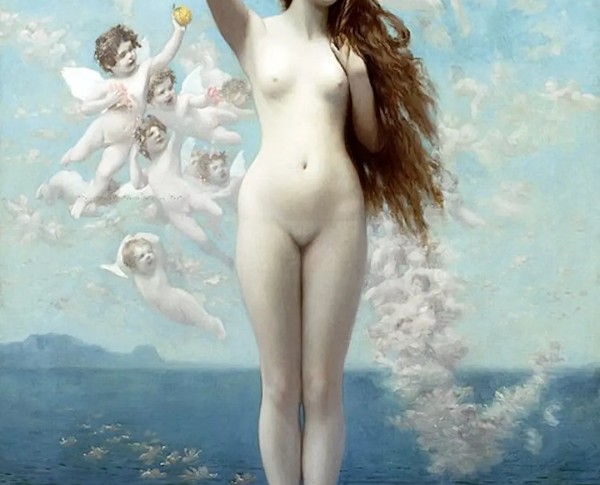
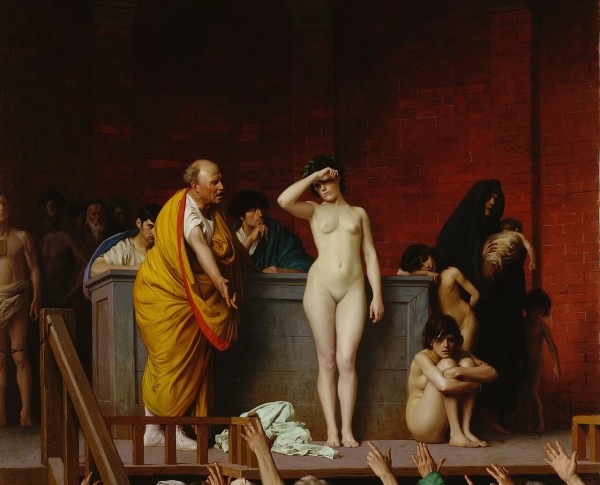
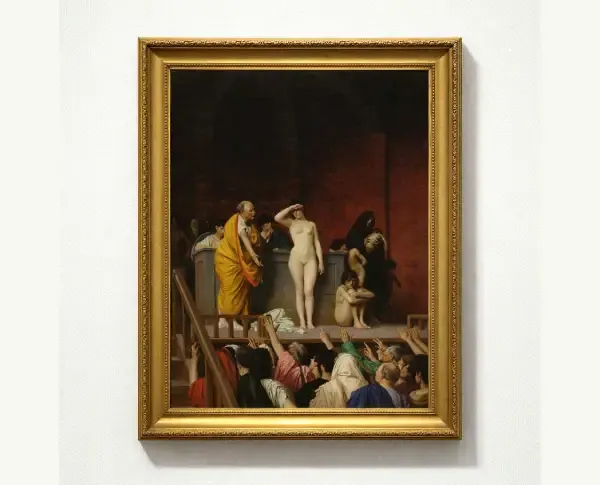
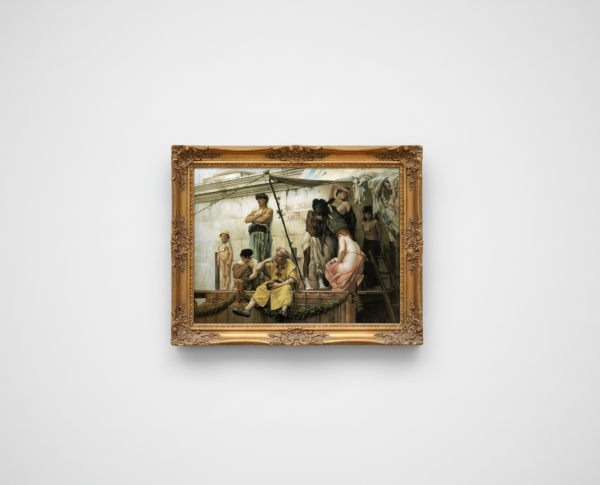
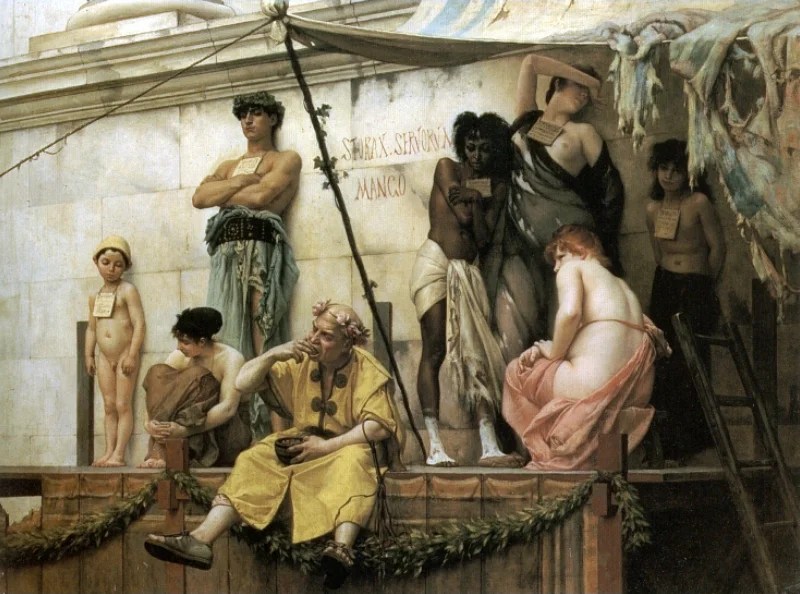
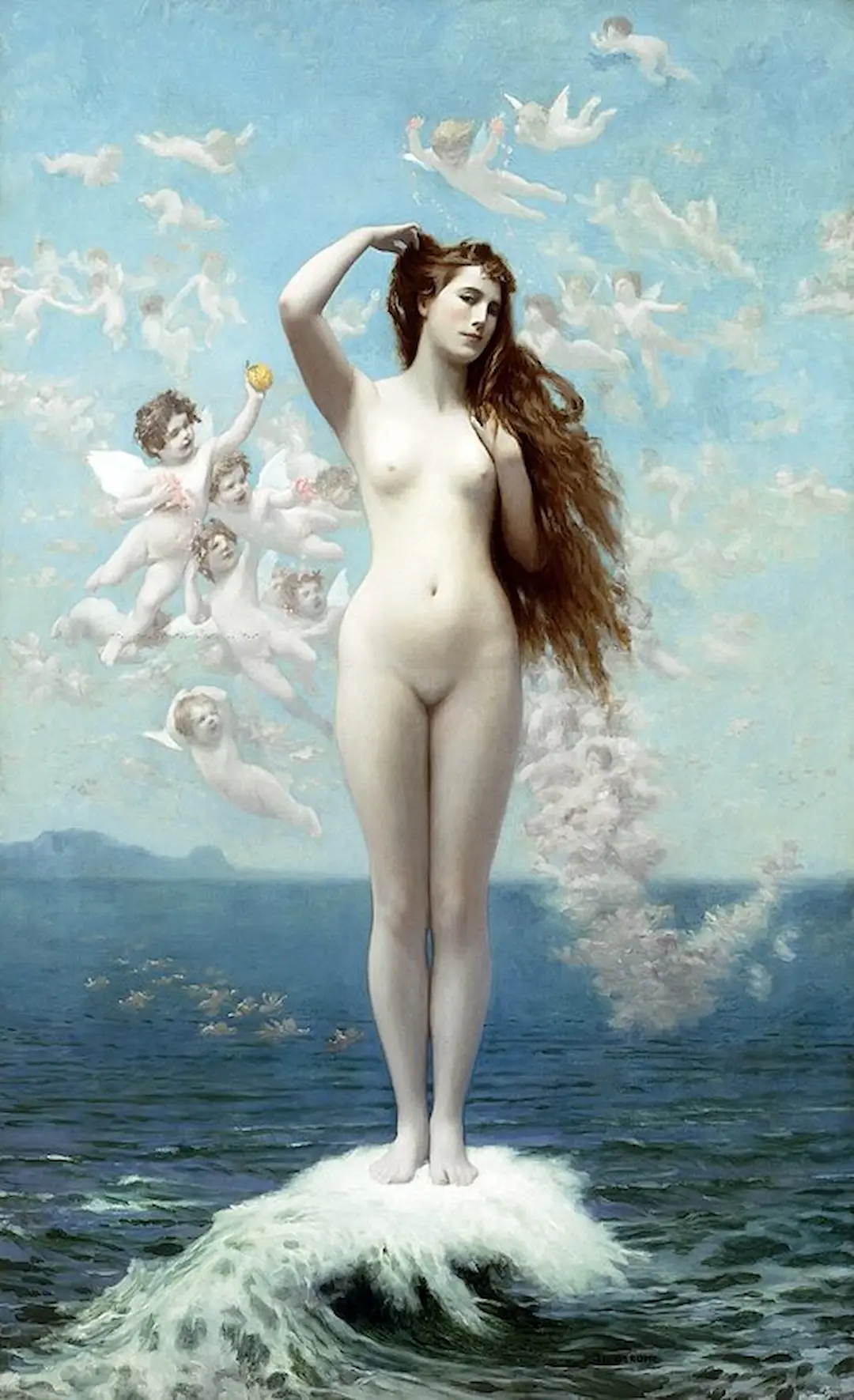
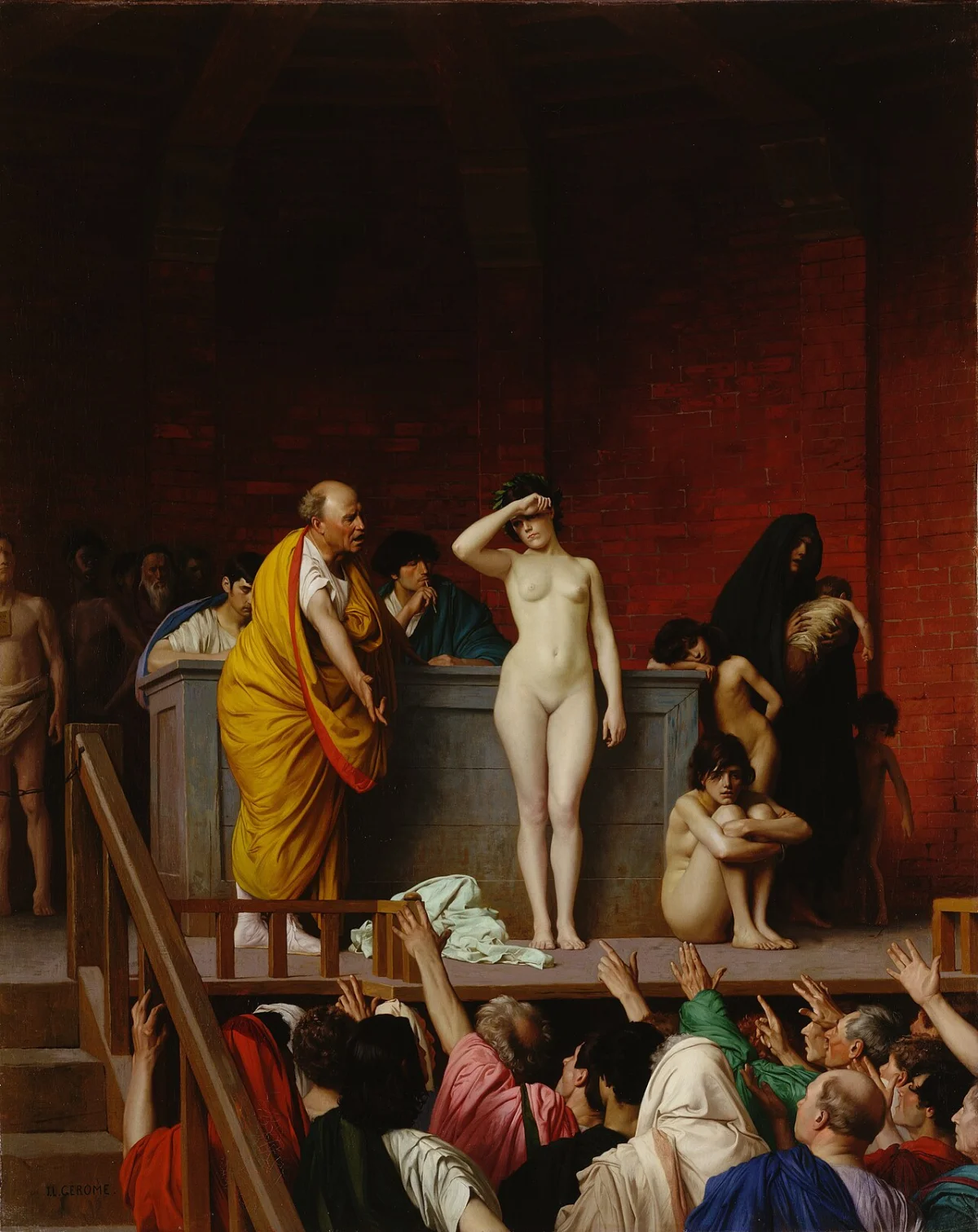
Jean-Léon Gérôme’s "The Slave Market" showcases his exceptional skill with oil on canvas, a hallmark of Academic Classicism. Each brushstroke reveals Gérôme’s dedication to realism and emotional depth, immersing viewers in the scene’s intense atmosphere. The painting’s lifelike figures and intricate details highlight why Gérôme’s works, including "Venus Rising," are celebrated in galleries and private collections worldwide as exemplary oil on canvas pieces from this influential art movement.
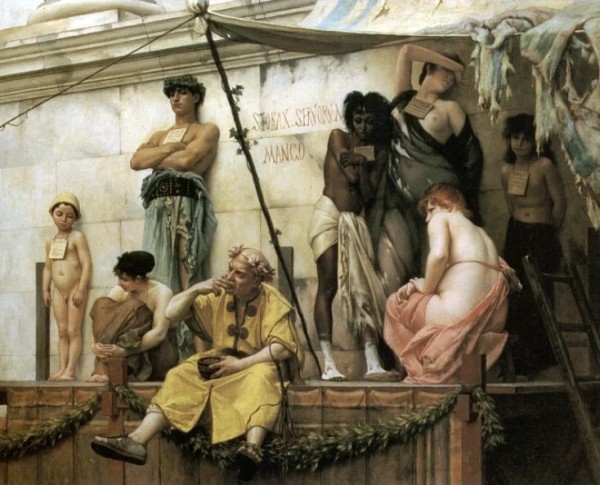
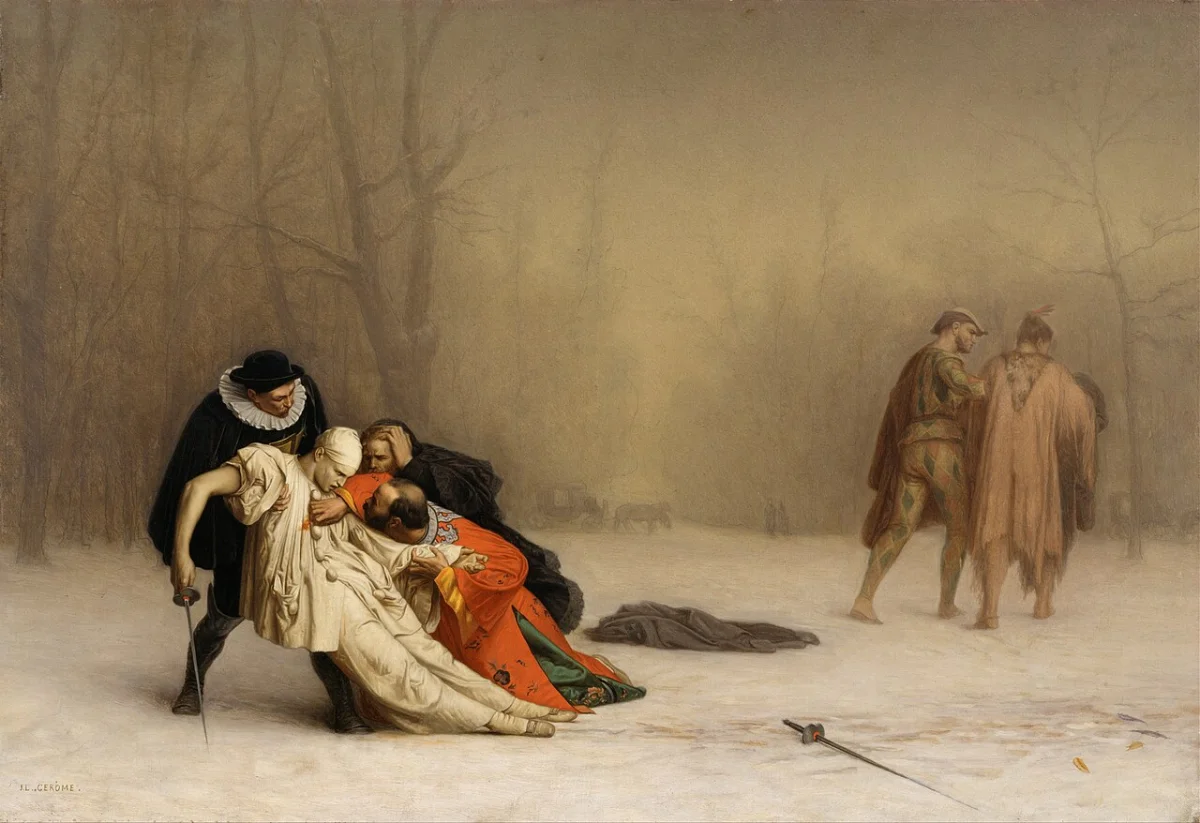
"The Slave Market" is more than just a visual marvel; it’s a fine art painting for sale that tells a powerful story. Gérôme weaves symbolism and historical context throughout the composition, inviting viewers to reflect on themes of power, vulnerability, and society. Collectors who appreciate narrative-rich works also find resonance in Gérôme’s other paintings such as "Slave Market in Rome" and "The Duel After the Masquerade," each offering their own unique stories and symbols.
For art enthusiasts, owning "The Slave Market" by Jean-Léon Gérôme represents a unique opportunity to acquire a hand-painted oil painting from the Academic Classicism period. This masterpiece, along with related products like "Venus Rising," is highly sought after in the world of fine art painting for sale. Gérôme’s legacy endures, making his works prized treasures for collectors who value both artistic mastery and profound historical significance.
When Art Meets History
"The Slave Market" by Jean-Léon Gérôme, a masterpiece of Academic Classicism, powerfully captures the complexities of 19th-century society. This hand-painted oil painting immerses viewers in a scene both dramatic and historically charged, reflecting Gérôme’s meticulous research and storytelling. Like his other works—such as "Pieta," "Young Girl Defending Herself against Eros 1880," and "Song of the Angels"—Gérôme’s "The Slave Market" invites contemplation of historical realities through the lens of fine art.
Techniques That Speak
Jean-Léon Gérôme’s technical prowess shines in "The Slave Market," utilizing the oil on canvas medium to render lifelike textures and intricate details. The Academic Classicism movement emphasized precise draftsmanship, which Gérôme masterfully demonstrates in the composition and lighting of this painting. In comparison to "Le Ravissement de Psyche (The Rapture of Psyche)" and "Nymphes et Satyre (Nymphs and Satyr)," this piece stands out for its realistic depiction and harmonious color palette, hallmarks of Gérôme’s enduring artistry.
Emotions on Display
"The Slave Market" evokes a complex range of emotions, from empathy to discomfort, as Gérôme explores themes of vulnerability and power. This fine art painting for sale is renowned for its ability to provoke thoughtful reflection, much like his other evocative works. The figures’ expressions and postures in this Academic Classicism painting are rendered with sensitivity, drawing the viewer into the narrative. Gérôme’s skill in conveying emotion places "The Slave Market" among his most compelling creations.
Coveted by Collectors
Jean-Léon Gérôme’s "The Slave Market" is highly sought after by collectors who appreciate the depth and beauty of Academic Classicism. As an iconic oil on canvas, it stands alongside masterpieces like "Pieta" and "Young Girl Defending Herself against Eros 1880." The enduring appeal of this hand-painted oil painting lies in its historical significance and technical brilliance, making it a prized addition to any collection of fine art painting for sale from the 19th century.
Related Academic Classicism Hand-Painted Oil Paintings by Other Artists
Other Famous Academic Classicism Artists:
Frequently Asked Questions About The Slave Market
What is the historical context of "The Slave Market"?
"The Slave Market," painted by Jean-Léon Gérôme in 1866, reflects the 19th-century fascination with Orientalism and the exoticism of the East. The painting is set in a North African slave market, a subject that was both controversial and provocative during Gérôme's time.
What artistic techniques did Gérôme employ in "The Slave Market"?
Gérôme is known for his meticulous attention to detail and use of vibrant colors. In "The Slave Market," he employs a realistic style, utilizing chiaroscuro to create depth and highlight the figures, as well as intricate patterns to enhance the exotic setting.
What themes are explored in "The Slave Market"?
The painting explores themes of power, commodification, and the human condition. It presents a stark commentary on the dehumanization inherent in slavery, juxtaposed with the allure of the exotic and the voyeuristic gaze of the viewer.
How does "The Slave Market" reflect the artist's perspective on slavery?
While Gérôme's painting depicts the slave market as a spectacle, it also invites reflection on the moral implications of slavery. The artist's portrayal of the subjects elicits both fascination and discomfort, prompting viewers to confront the harsh realities of the institution.
What role does the setting play in "The Slave Market"?
The setting of a North African market is crucial to the painting, as it situates the viewer in a specific cultural and historical context. The architecture and decorative elements enhance the exoticism and contribute to the overall narrative of the painting.
Who are the figures depicted in "The Slave Market"?
The painting features a group of enslaved individuals, primarily women, being auctioned to potential buyers. Their expressions and postures convey a range of emotions, from resignation to defiance, highlighting their humanity amidst the commodification.
What is the significance of the title "The Slave Market"?
The title directly references the subject matter of the painting, emphasizing the harsh reality of the slave trade. It serves as a stark reminder of the exploitation and suffering experienced by countless individuals throughout history.
How does "The Slave Market" fit into the broader context of Orientalism in art?
"The Slave Market" is emblematic of Orientalism, a movement characterized by Western depictions of Eastern cultures. Gérôme's work reflects both admiration and a sense of superiority, revealing the complexities of cultural representation during the 19th century.
What impact did "The Slave Market" have on contemporary audiences?
Upon its release, "The Slave Market" sparked discussions about the ethics of slavery and the portrayal of non-Western cultures in art. It challenged viewers to confront uncomfortable truths and contributed to the ongoing discourse surrounding race and representation in art.
What legacy has "The Slave Market" left on modern art and society?
The legacy of "The Slave Market" endures as a powerful commentary on the human experience and the historical injustices of slavery. It continues to influence contemporary artists and scholars who explore themes of identity, power, and representation in their work.






















_GFM_Painting_(1).webp)


 100% Hand-Painted: Finished in 3-6 Weeks

.png)















_(1).webp)