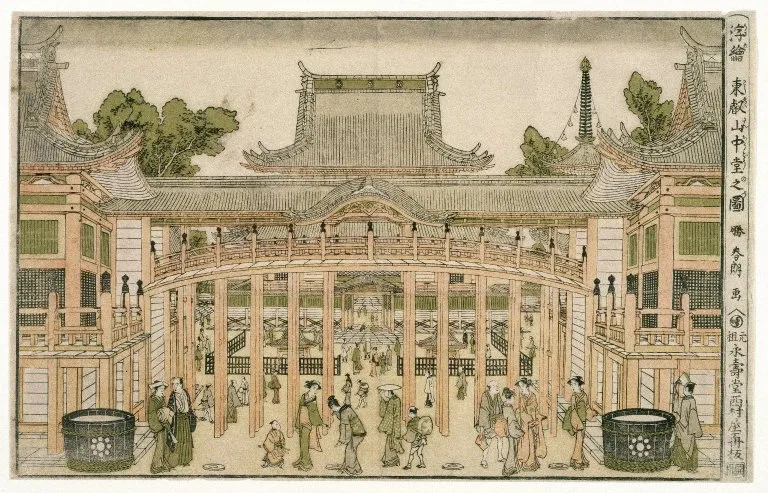
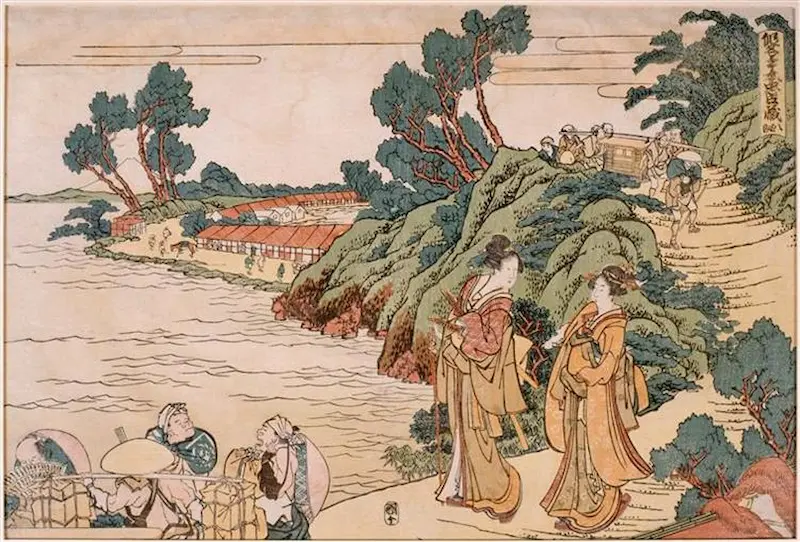
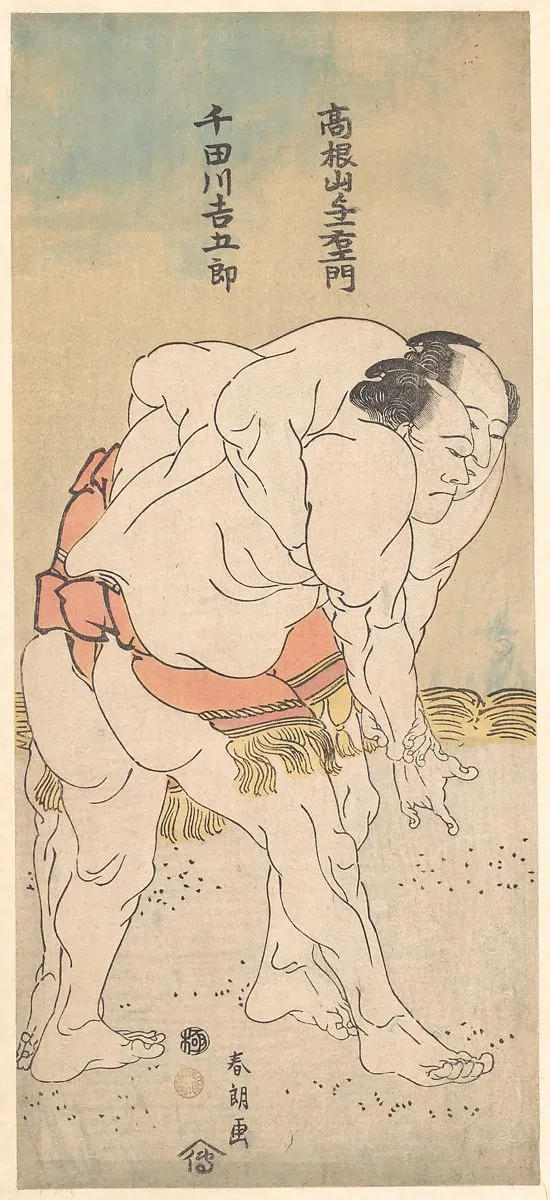
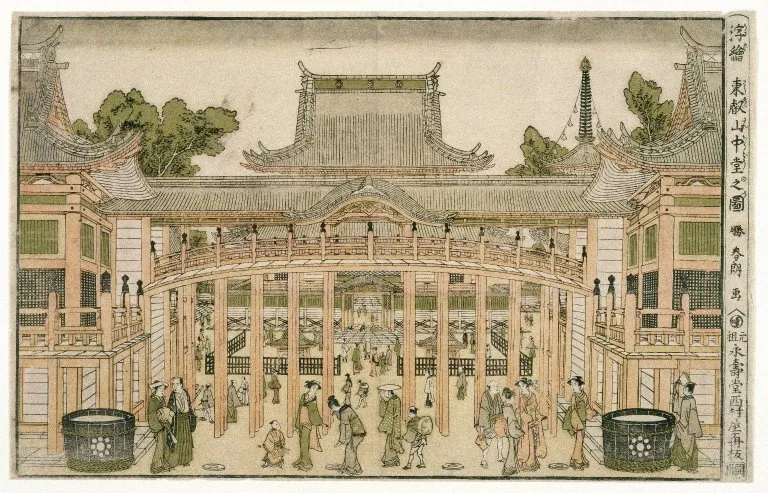
Hokusai’s expertise is evident in this exquisite oil on canvas, where each brushstroke brings the wrestlers’ powerful forms to life. The painting showcases his precise technique and keen attention to detail, hallmarks of the Ukiyo-e movement. As with other works such as "Inside the Courtyard of the Toeizan Temple at Ueno," Hokusai’s oil on canvas paintings remain highly coveted by art lovers and those seeking to enrich their collections with authentic Japanese masterpieces.
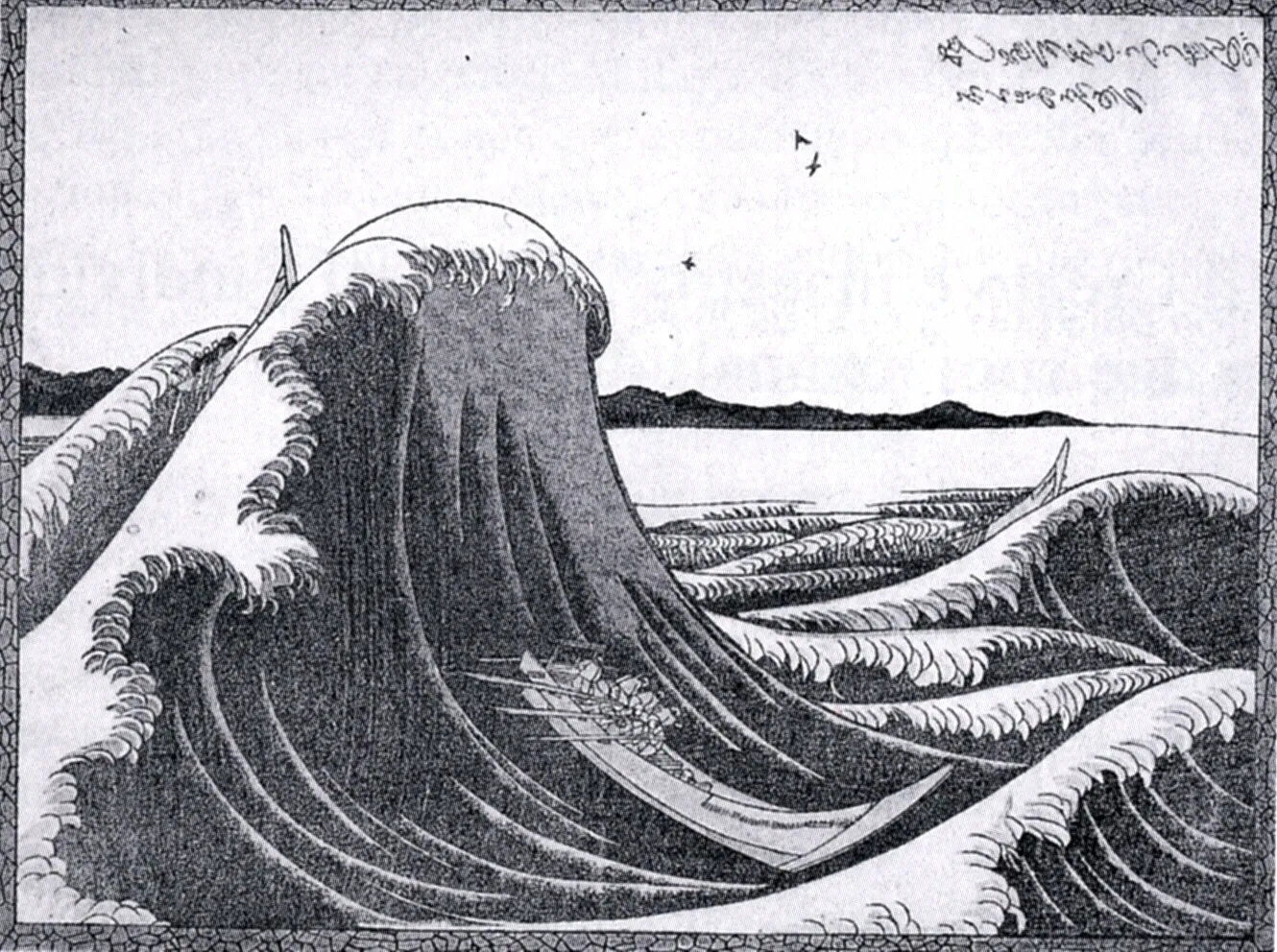
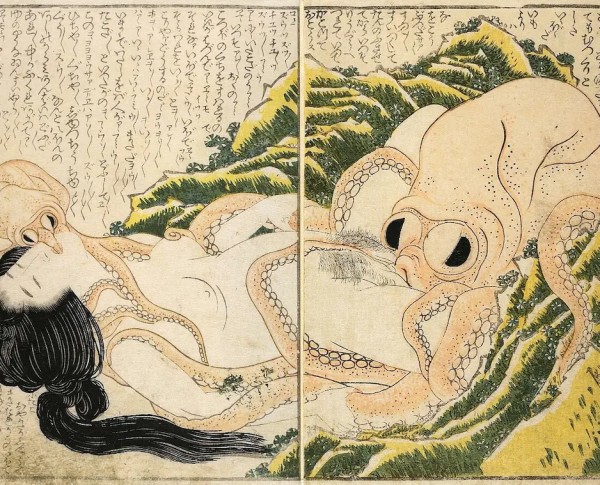
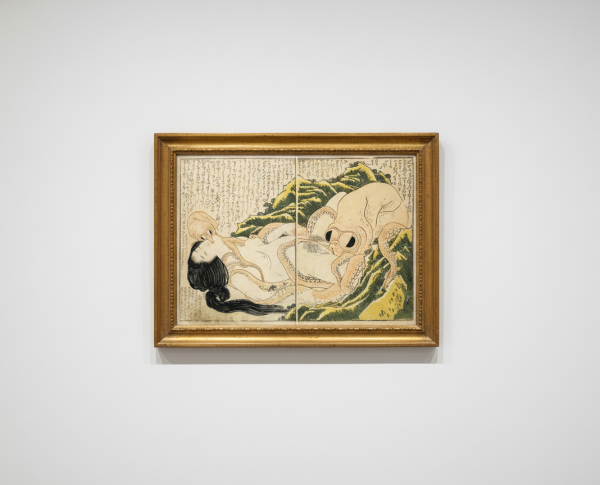
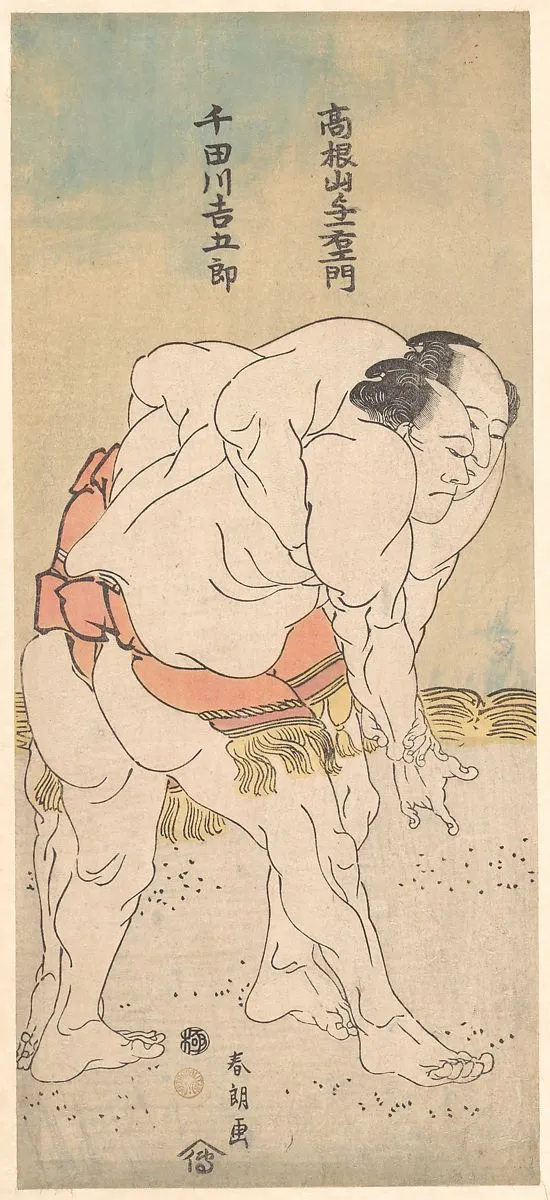
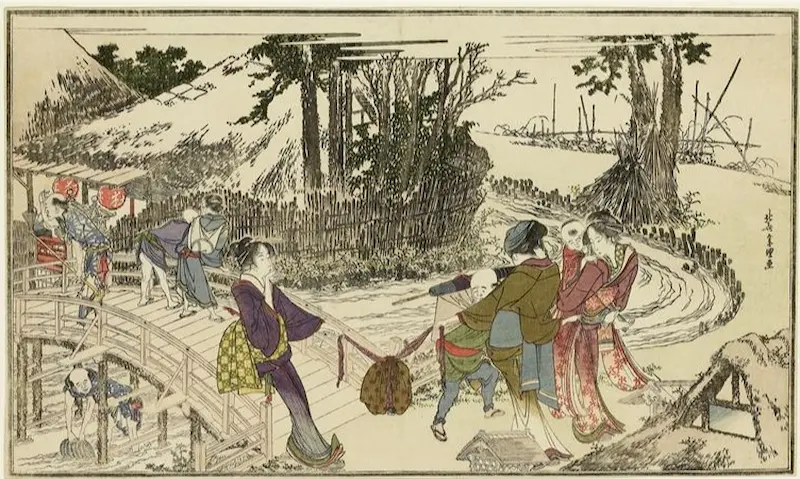
"The Sumo Wrestlers Takaneyama Yoichiemon and Sendagawa Kichigoro" is more than just a fine art painting for sale—it tells the story of strength, tradition, and rivalry. Hokusai infused symbolism into every aspect of this Ukiyo-e artwork, capturing the spirit of sumo as well as the personalities of the wrestlers. Collectors often pair this piece with others like "Dream of the Fisherman’s Wife" to explore the depth of storytelling in Hokusai’s repertoire.
Owning "The Sumo Wrestlers Takaneyama Yoichiemon and Sendagawa Kichigoro" by Katsushika Hokusai is a privilege for enthusiasts of the Ukiyo-e movement. This hand-painted oil painting stands as a testament to Hokusai’s genius and Japan’s rich artistic heritage. For those searching for a fine art painting for sale, related works such as "Inside the Courtyard of the Toeizan Temple at Ueno" and "Dream of the Fisherman’s Wife" make valuable additions to any collection.
When Art Meets History
"The Sumo Wrestlers Takaneyama Yoichiemon and Sendagawa Kichigoro" by Katsushika Hokusai is a masterpiece from the Ukiyo-e movement, capturing a vibrant moment in Japanese culture. This hand-painted oil painting brings to life the powerful tradition of sumo wrestling, reflecting both athleticism and ritual. Hokusai, renowned for his iconic works, masterfully connects art and history, much like his other celebrated pieces. The painting serves as a window into the Edo period's colorful world.
Techniques That Speak
Katsushika Hokusai’s use of oil on canvas in "The Sumo Wrestlers Takaneyama Yoichiemon and Sendagawa Kichigoro" demonstrates his expertise in blending traditional Japanese aesthetics with innovative methods. The Ukiyo-e movement is known for its dynamic lines and vivid detailing, all of which are showcased in this artwork. Hokusai’s brushwork and composition create a sense of movement and energy, setting this piece apart from other fine art painting for sale today.
Emotions on Display
Hokusai’s "The Sumo Wrestlers Takaneyama Yoichiemon and Sendagawa Kichigoro" powerfully conveys the intensity and spirit of the competitors. Through careful attention to facial expressions and body language, the artist immerses the viewer in the emotional drama of the match. This fine art painting for sale not only captures a sporting event but also the human emotions behind it, making it a compelling example of the Ukiyo-e movement’s narrative strength.
Coveted by Collectors
"The Sumo Wrestlers Takaneyama Yoichiemon and Sendagawa Kichigoro" by Katsushika Hokusai is highly sought after by art collectors worldwide. Its status as a hand-painted oil painting from the Ukiyo-e movement increases its desirability, especially among those who appreciate Japanese art history. The rarity and cultural significance of this piece, alongside Hokusai’s other masterpieces, make it a prime example of oil on canvas artwork that continues to attract attention at auctions and galleries.
Frequently Asked Questions About The Sumo Wrestlers Takaneyama Yoichiemon and Sendagawa Kichigoro
What is the historical context of the painting?
This painting by Katsushika Hokusai reflects the Edo period in Japan, a time when sumo wrestling was a popular form of entertainment and a significant cultural practice. The artwork captures the essence of this traditional sport and its societal importance during the early 19th century.
Who are the figures depicted in the painting?
The painting features two renowned sumo wrestlers of the time, Takaneyama Yoichiemon and Sendagawa Kichigoro. They were prominent figures in the sumo wrestling community, celebrated for their strength and skill.
What artistic techniques did Hokusai employ in this painting?
Hokusai utilized traditional ukiyo-e techniques, characterized by bold outlines, vibrant colors, and dynamic compositions. The use of perspective and movement in the figures enhances the dramatic tension of the wrestling match.
What symbolism is present in the painting?
The wrestling match symbolizes not only physical strength but also the cultural values of honor, perseverance, and competition in Japanese society. The poses of the wrestlers convey a sense of struggle and determination.
How does this painting reflect the cultural significance of sumo wrestling?
Sumo wrestling is deeply rooted in Japanese tradition, often associated with rituals and ceremonies. Hokusai's painting encapsulates this cultural heritage, highlighting the sport's role in community identity and its historical significance.
In what ways did Hokusai influence Japanese art through this work?
Hokusai's innovative approach to ukiyo-e and his ability to capture movement and emotion in his subjects influenced subsequent generations of artists. This painting exemplifies his mastery and has contributed to the global appreciation of Japanese art.
What materials were used in the creation of this painting?
The painting was created using traditional woodblock printing techniques, employing hand-carved woodblocks and natural pigments. This method was prevalent in the Edo period and allowed for the mass production of artworks.
What is the significance of the colors used in the painting?
The colors in the painting are not only visually striking but also carry symbolic meanings. For instance, the use of red often signifies strength and power, while blue can represent stability and calmness, reflecting the wrestlers' contrasting personalities.
How does this painting compare to other works by Hokusai?
This painting stands out among Hokusai's oeuvre due to its focus on a specific cultural practice rather than landscapes or mythical subjects. It showcases his versatility as an artist and his ability to capture the vibrancy of everyday life in Japan.
What impact did this painting have on the perception of sumo wrestling?
By immortalizing these wrestlers in art, Hokusai elevated the status of sumo wrestling as a respected cultural practice. This painting contributed to the broader recognition of sumo as an art form in its own right, influencing how it is perceived both in Japan and internationally.























_GFM_Painting_(1).webp)


 100% Hand-Painted: Finished in 3-6 Weeks

.png)















_(1).webp)