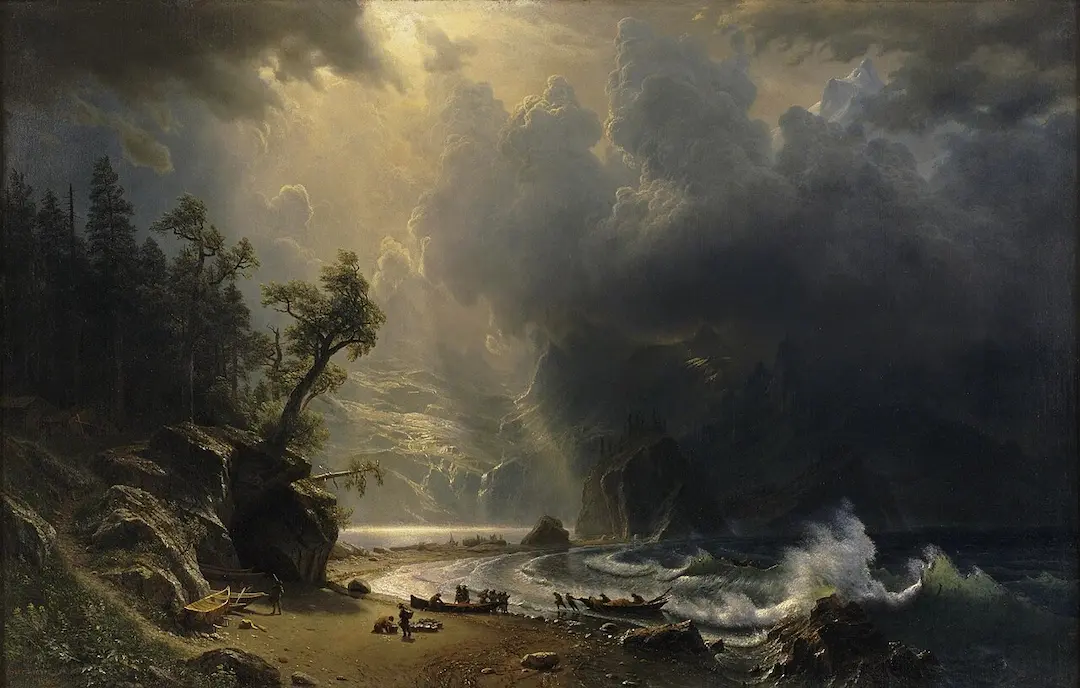
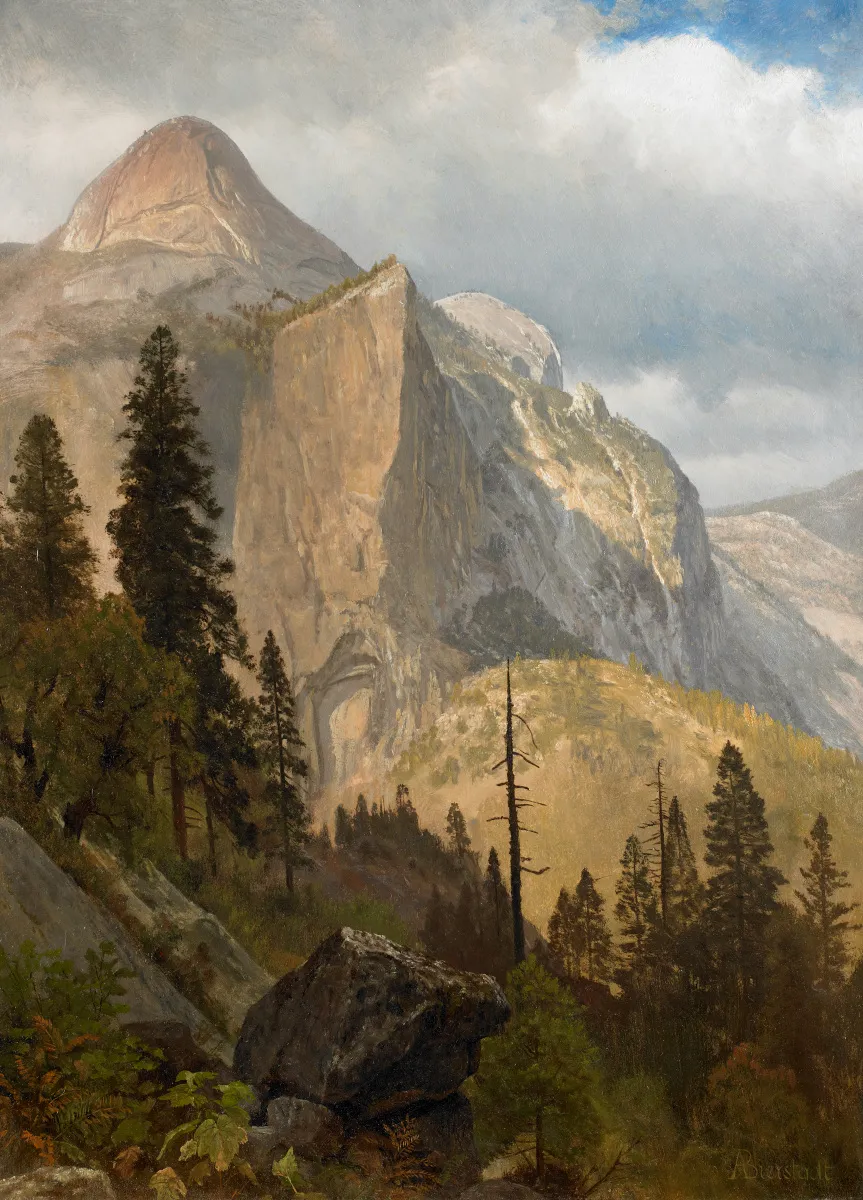
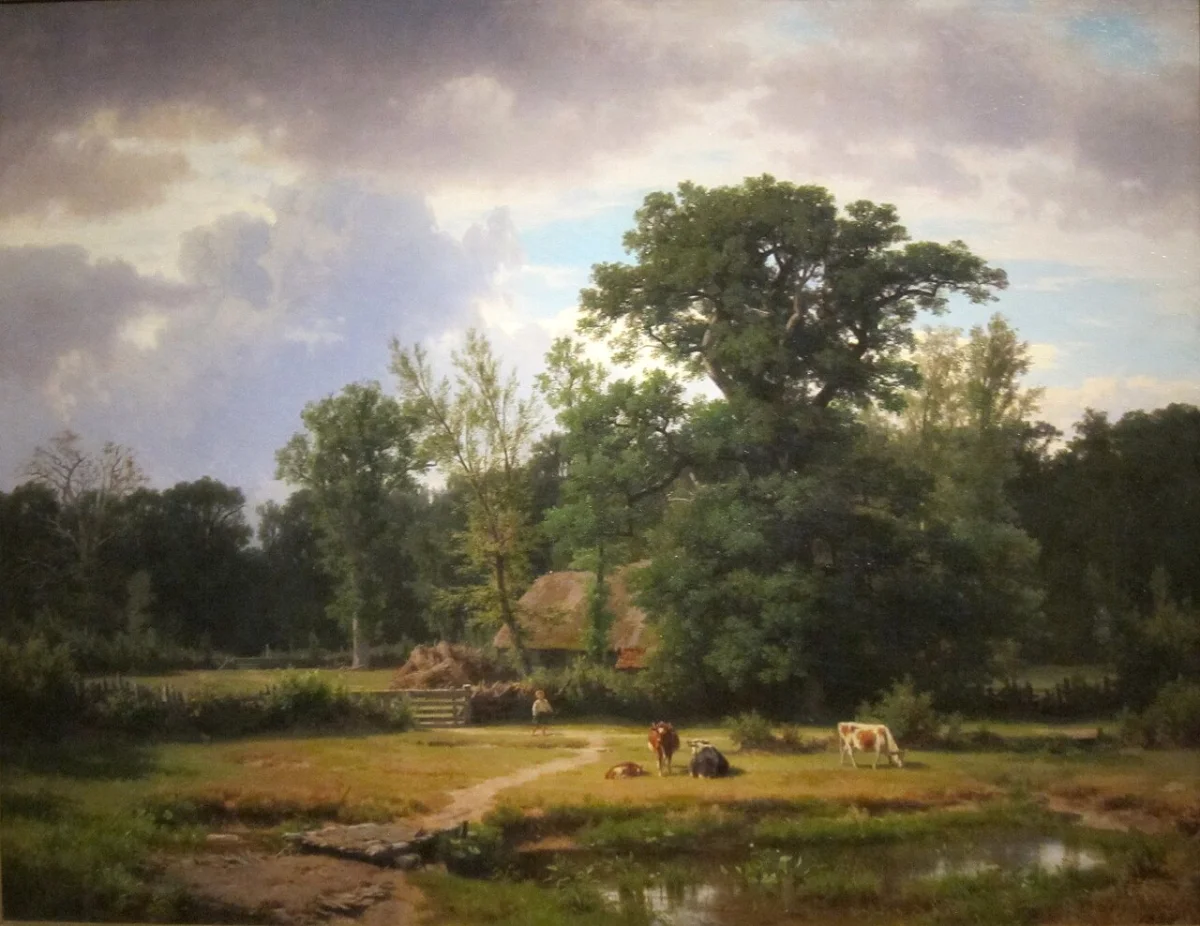
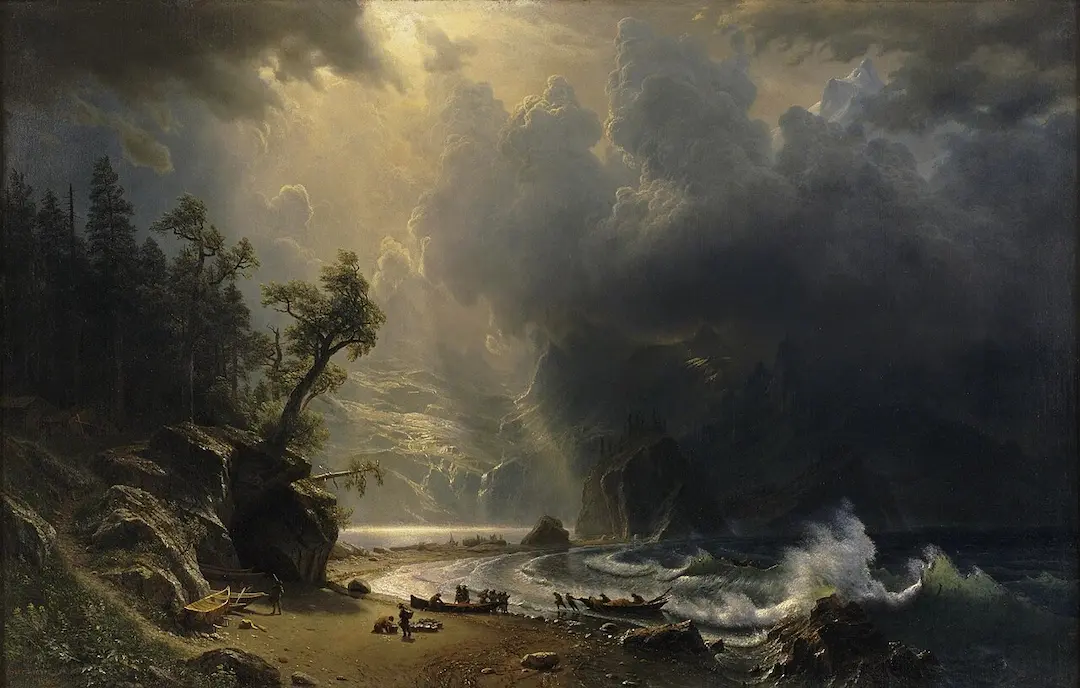
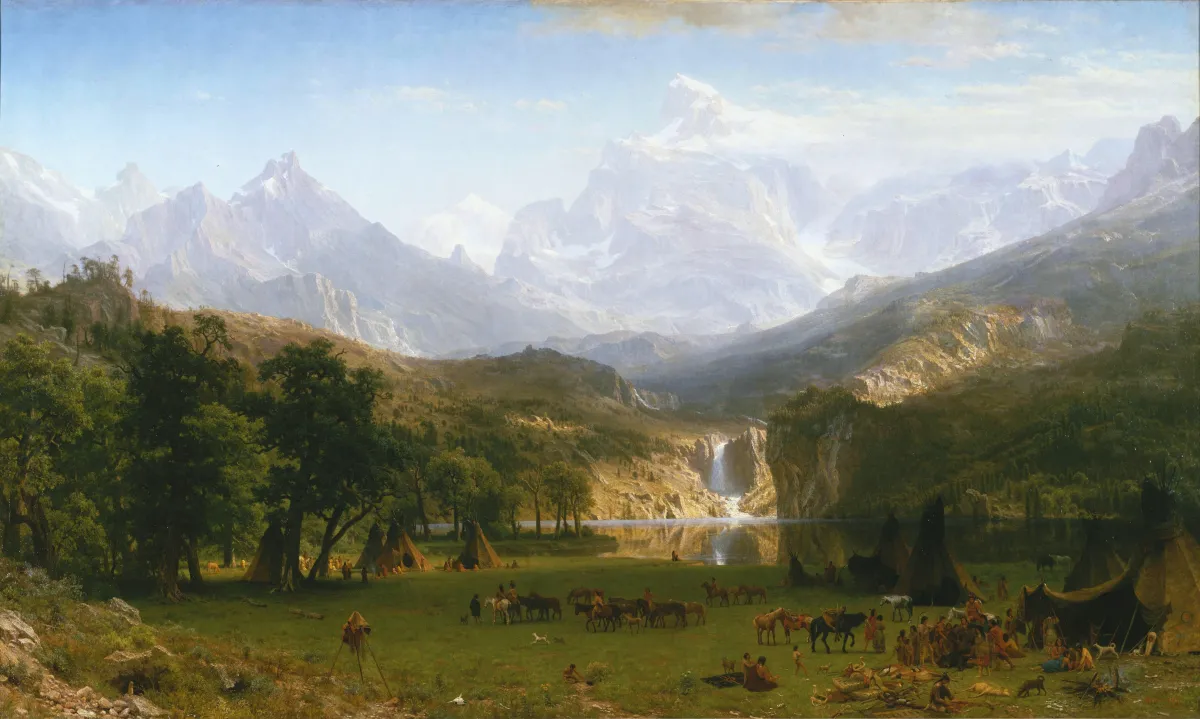
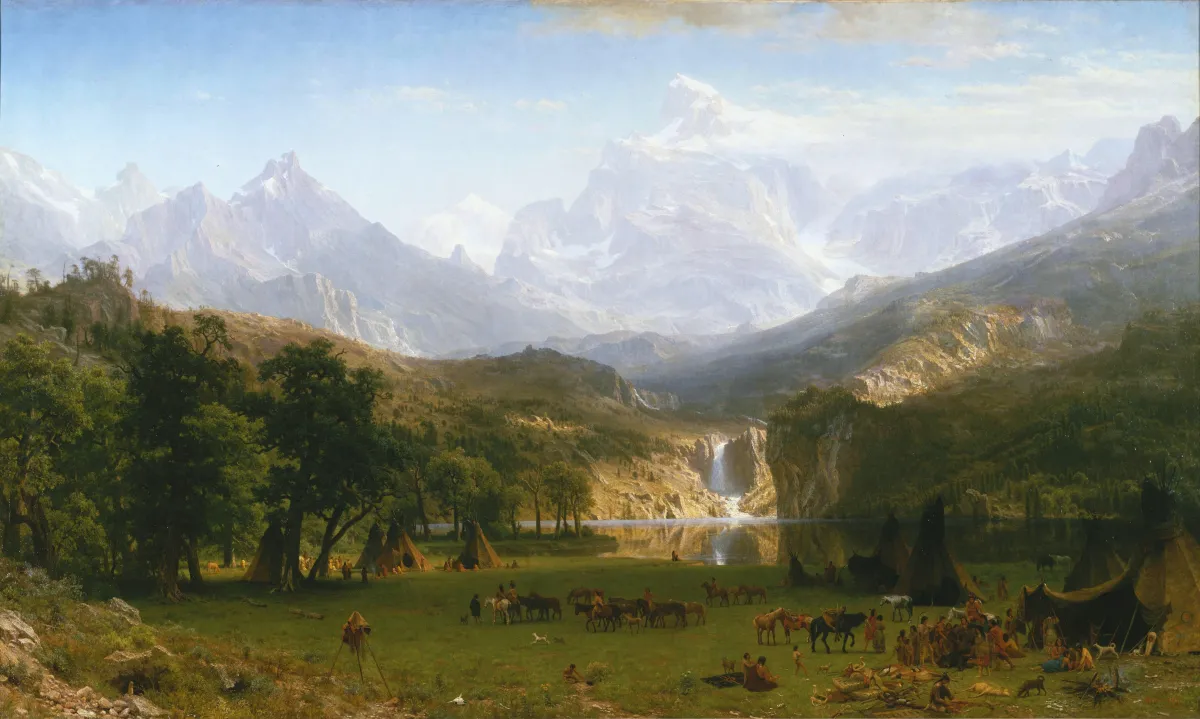
Albert Bierstadt’s "Westphalia" exemplifies his unmatched skill in oil on canvas. Each brushstroke brings to life the lush forests and expansive skies, hallmarks of the Hudson River School’s dedication to realism and romanticism. The painting’s depth and detail mirror his technique in works like "Scene in the Tyrol" and "Looking Down Yosemite Valley, California," making "Westphalia" a must-have for admirers of masterful landscape artistry in oil on canvas.
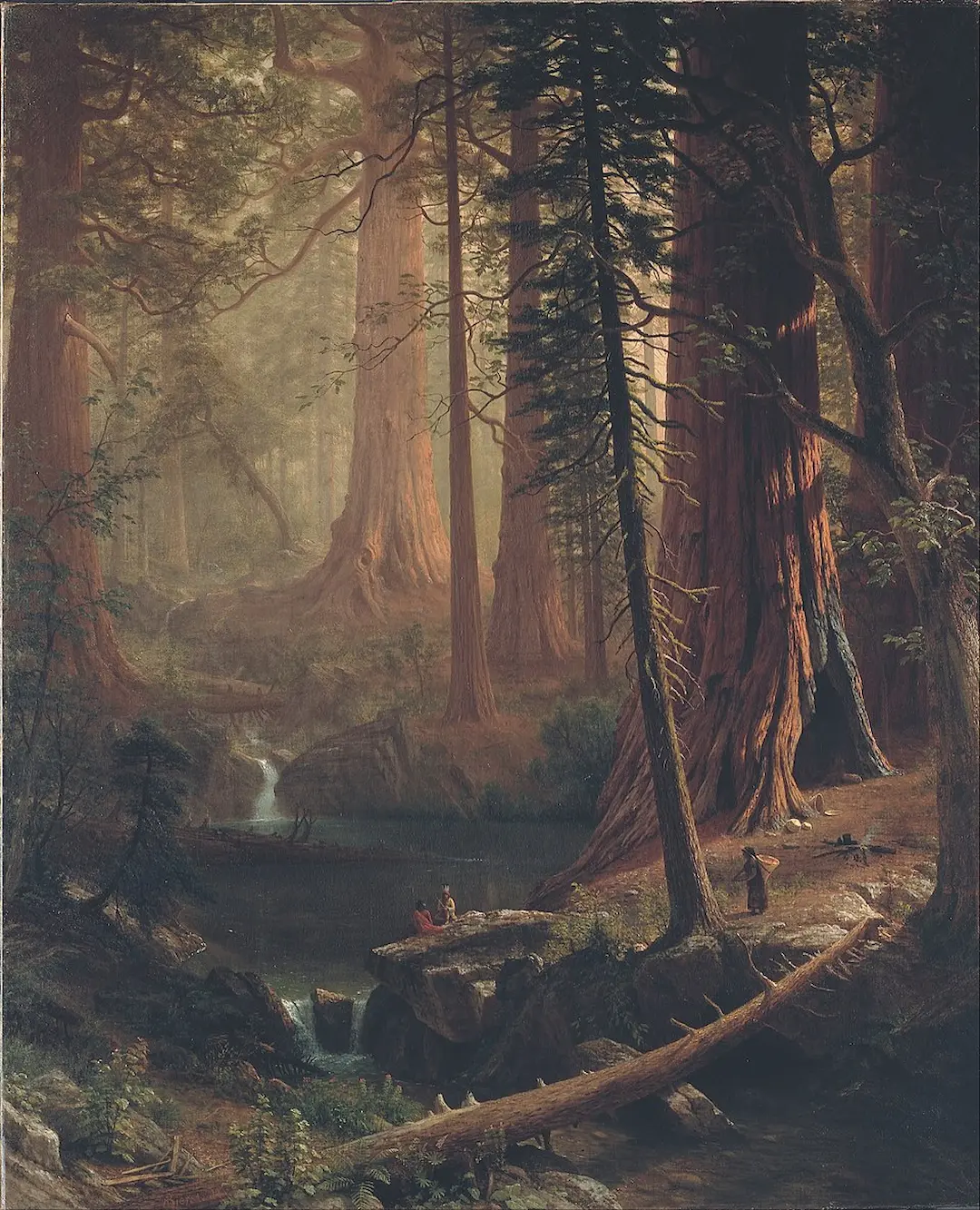
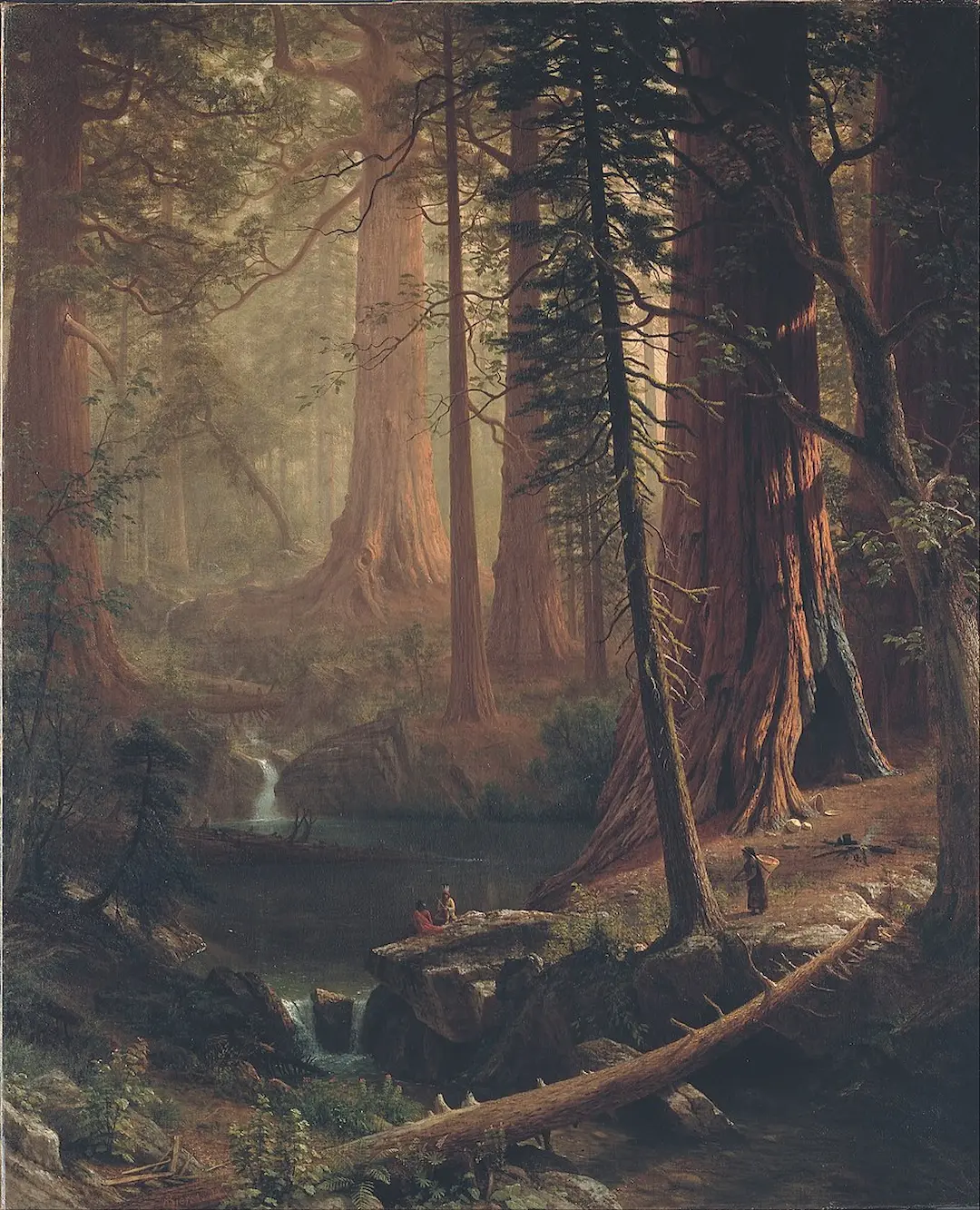
Within "Westphalia," Bierstadt weaves stories of untouched wilderness and human contemplation, themes central to the Hudson River School. The hand-painted oil painting invites viewers to explore its symbolic use of light, shadow, and natural forms. Art lovers may also appreciate the narrative depth found in related works such as "A Storm in the Rocky Mountains, Mt. Rosalie" and "Giant Redwood Trees of California," each echoing the movement’s celebration of nature’s sublime power.
For collectors seeking a fine art painting for sale, "Westphalia" offers both historical significance and visual splendor. Albert Bierstadt’s creation is not only a highlight of the Hudson River School but also complements collections featuring pieces like "Two Woodchucks in Westphalian Forest" or "The Rocky Mountains, Lander’s Peak." Owning "Westphalia" means investing in a legacy of beauty, mastery, and a tradition of landscape excellence that continues to inspire.
When Art Meets History
"Westphalia" by Albert Bierstadt, a celebrated figure of the Hudson River School, is a remarkable hand-painted oil painting that captures a sense of historical grandeur. Bierstadt, known for his sweeping landscapes, channels his fascination with European vistas in this piece. The painting offers viewers a glimpse into the storied region of Westphalia, blending historical context with artistic elegance. Like many works from the Hudson River School, it invites reflection on the intersection of nature and culture.
Techniques That Speak
Albert Bierstadt’s mastery of oil on canvas is evident in "Westphalia," where his brushwork and use of light bring the landscape to life. The Hudson River School movement prized meticulous detail and dramatic lighting, both of which Bierstadt employs to stunning effect. His technique creates depth and realism, drawing the viewer into the scene. This oil on canvas stands as a testament to Bierstadt’s technical prowess and his dedication to capturing the sublime beauty of nature.
Emotions on Display
"Westphalia" evokes a sense of awe and tranquility, hallmark emotions found in Albert Bierstadt’s finest works. As a fine art painting for sale, it offers collectors an opportunity to own a piece that stirs the soul. The painting’s serene composition and lush, atmospheric details are typical of the Hudson River School’s romantic vision. Bierstadt’s ability to convey emotion through landscape connects viewers deeply to the natural world and its timeless beauty.
Coveted by Collectors
Collectors seeking a hand-painted oil painting of historical and artistic significance will find "Westphalia" by Albert Bierstadt highly desirable. As an important work within the Hudson River School movement, it stands alongside other masterpieces by Bierstadt. The painting’s provenance and exceptional quality make it a standout choice for those interested in acquiring a fine art painting for sale. Its enduring appeal ensures it remains a coveted treasure among art enthusiasts and collectors alike.
Frequently Asked Questions About Westphalia
What is the historical significance of the painting "Westphalia"?
"Westphalia," painted by Albert Bierstadt, captures the essence of the American West during the 19th century, a time when the region was being explored and settled. The painting reflects the romanticized view of the West that was prevalent during this era, highlighting the natural beauty and grandeur of the landscape.
What artistic techniques did Albert Bierstadt employ in "Westphalia"?
Bierstadt is known for his use of dramatic lighting and meticulous detail, which are evident in "Westphalia." He utilized a technique called "luminism," characterized by the depiction of light and its effects on the landscape, creating a sense of depth and atmosphere in the painting.
What themes are explored in "Westphalia"?
The painting explores themes of nature's majesty and the sublime, reflecting humanity's relationship with the natural world. It also embodies the idea of Manifest Destiny, portraying the West as a land of opportunity and beauty waiting to be claimed and settled.
How does "Westphalia" reflect the Romantic movement in art?
"Westphalia" exemplifies the Romantic movement through its emphasis on emotion, individual experience, and the awe of nature. Bierstadt's portrayal of the landscape evokes feelings of wonder and admiration, aligning with the Romantic ideal of finding beauty and inspiration in the natural world.
What is the symbolism behind the landscape depicted in "Westphalia"?
The landscape in "Westphalia" symbolizes the untamed beauty of the American frontier. The majestic mountains and serene waters represent both the challenges and the allure of the West, serving as a metaphor for exploration and the human spirit's quest for discovery.
In what context was "Westphalia" created?
"Westphalia" was created during a period when American artists were increasingly inspired by the landscapes of the West. This was a time of national expansion and interest in the natural environment, reflecting a growing appreciation for the American landscape as a subject worthy of artistic exploration.
What influence did "Westphalia" have on American art?
The painting had a significant influence on American art by popularizing the genre of landscape painting. Bierstadt's work inspired other artists to explore the beauty of the American West, contributing to the establishment of a distinctly American artistic identity during the 19th century.
How does "Westphalia" compare to other works by Albert Bierstadt?
What was the public reception of "Westphalia" when it was first exhibited?
Upon its exhibition, "Westphalia" was met with acclaim for its breathtaking depiction of the American landscape. The painting resonated with audiences, reflecting their fascination with the West and contributing to Bierstadt's reputation as a leading figure in American landscape painting.
What role does "Westphalia" play in the narrative of American history?
"Westphalia" plays a crucial role in the narrative of American history by capturing the spirit of exploration and the allure of the West during a transformative period. The painting serves as a visual documentation of the American landscape, embodying the hopes and dreams associated with westward expansion.






















_GFM_Painting_(1).webp)


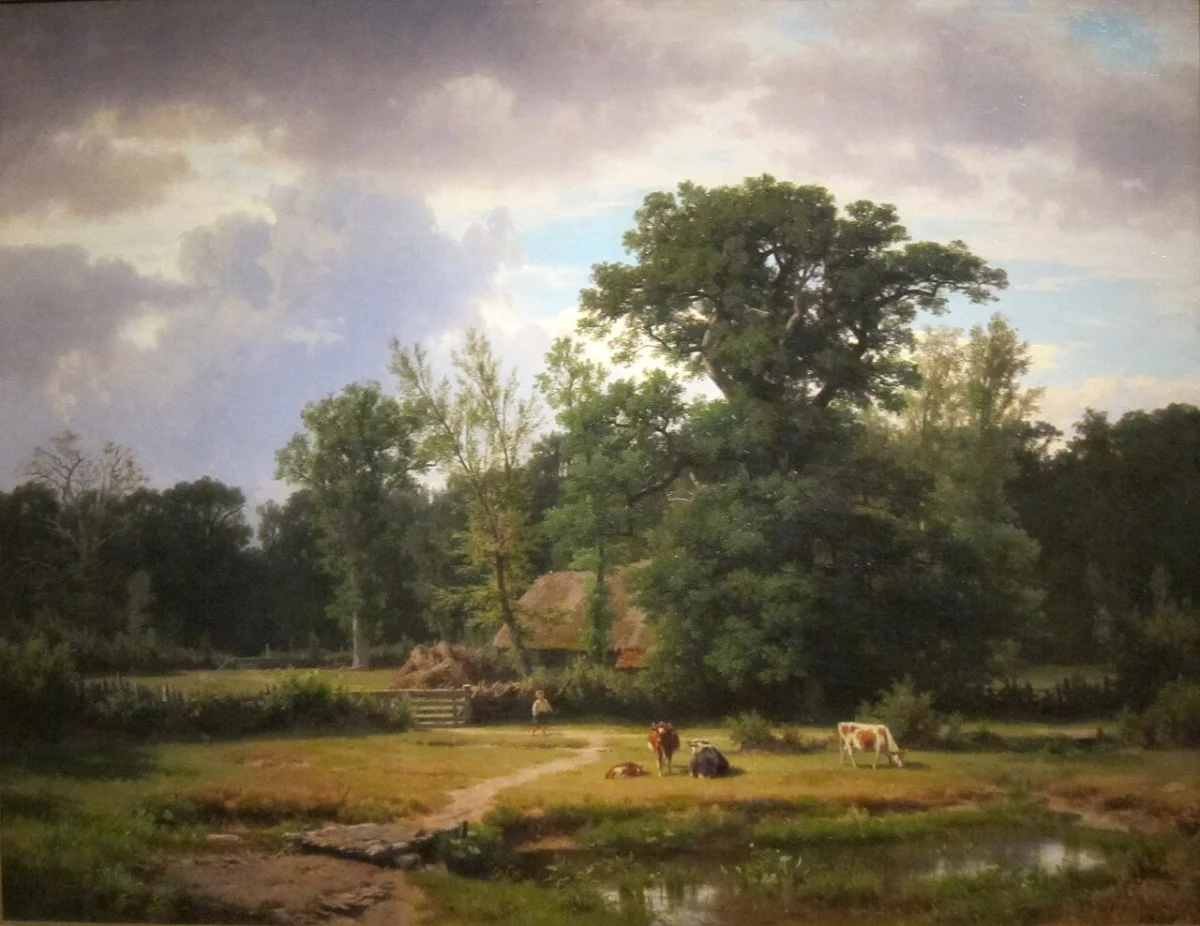
 100% Hand-Painted: Finished in 3-6 Weeks

.png)

















_(1).webp)