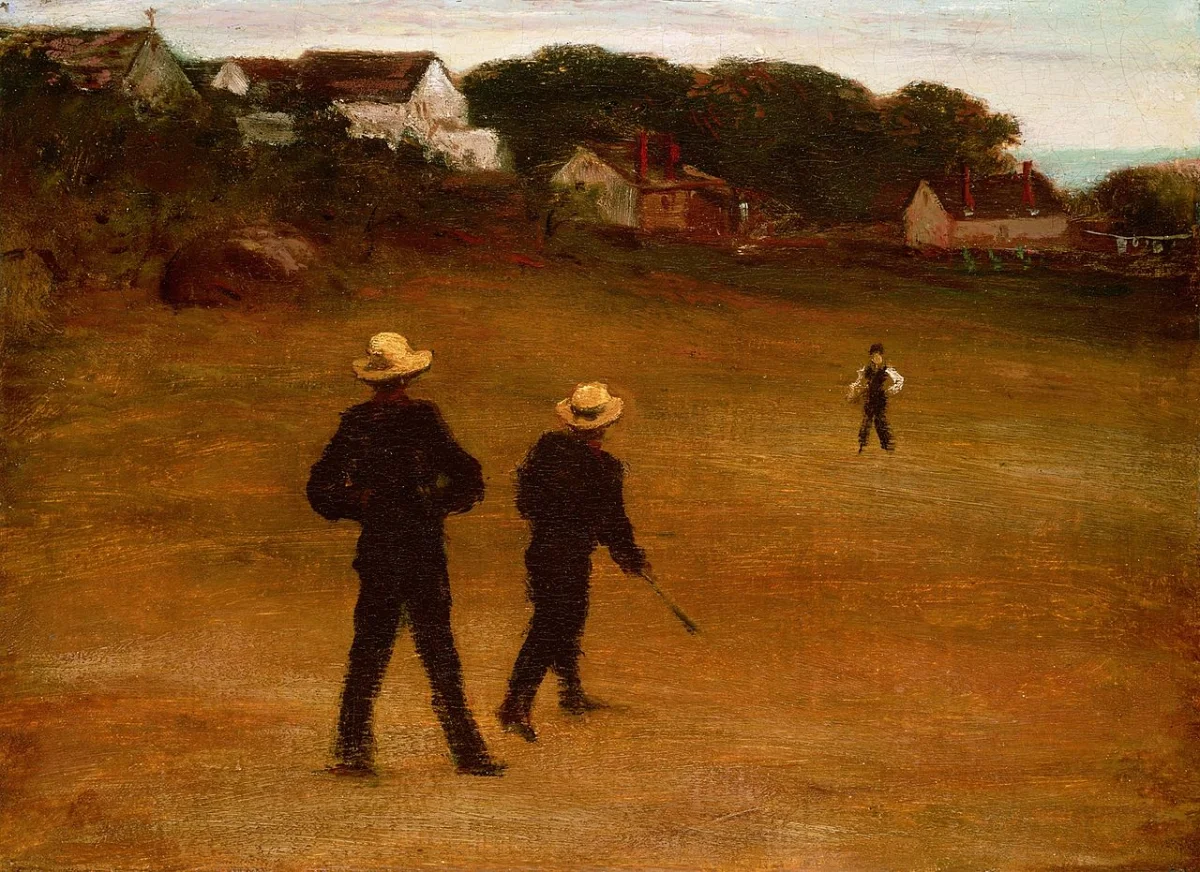
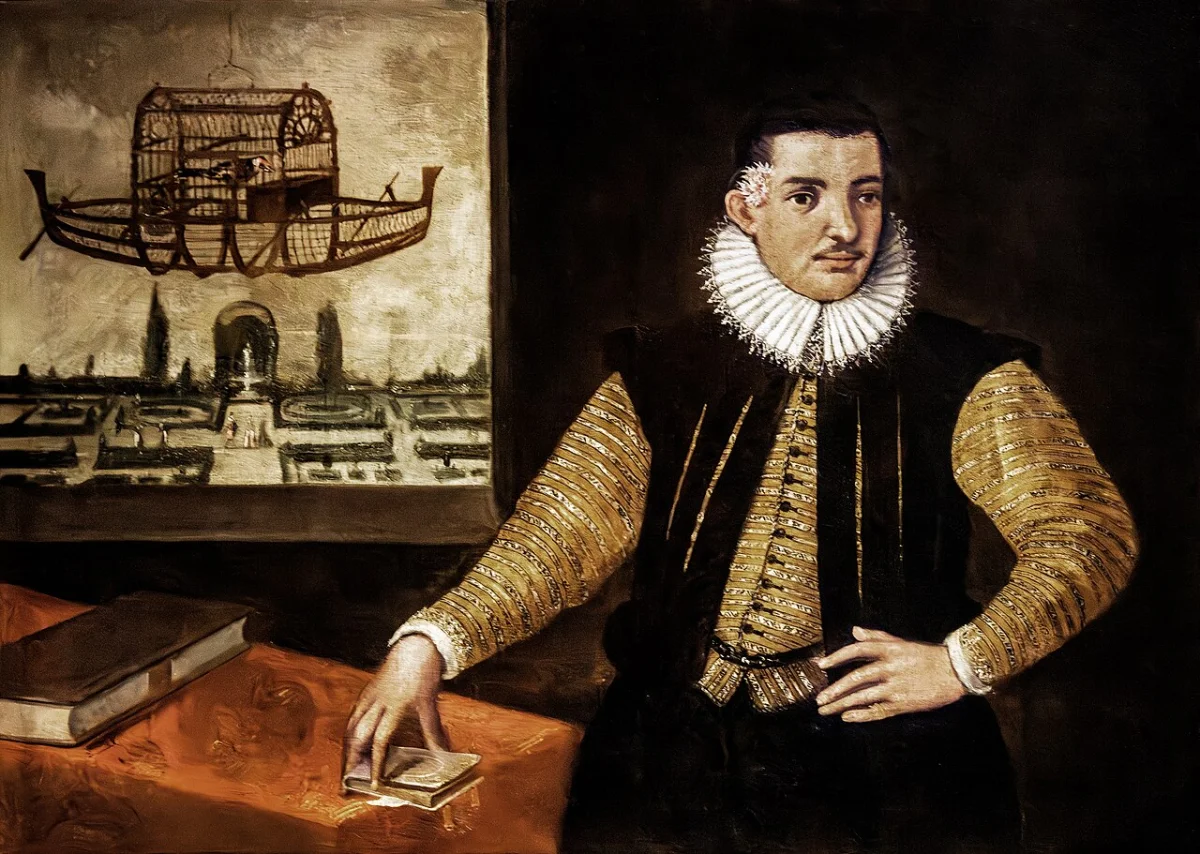
Leutze’s "William Morris Hunt" demonstrates his command of oil on canvas, a medium favored during the Romanticism period for its depth and vibrancy. Each brushstroke reveals the artist’s dedication to realism while capturing the sitter’s unique character. Admirers of fine art will find parallels in works like "Worthington Whittredge" and "Portrait of a Gentleman," which also exemplify the movement’s stylistic traits and the timeless appeal of oil on canvas masterpieces.
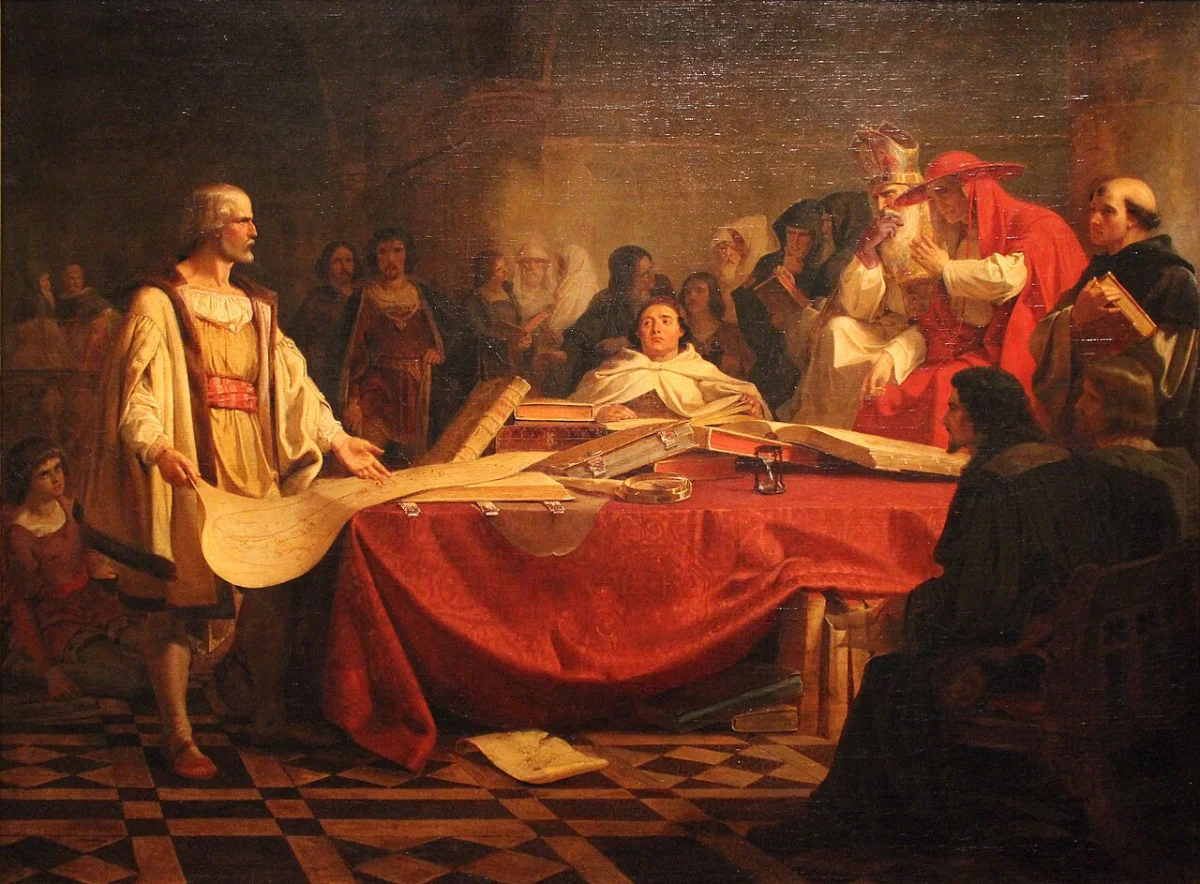
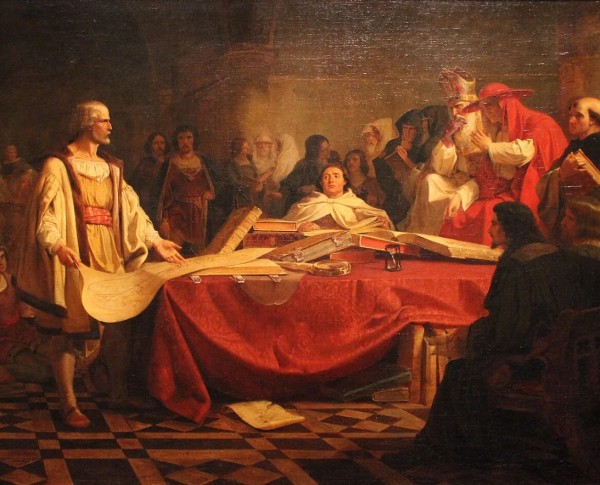
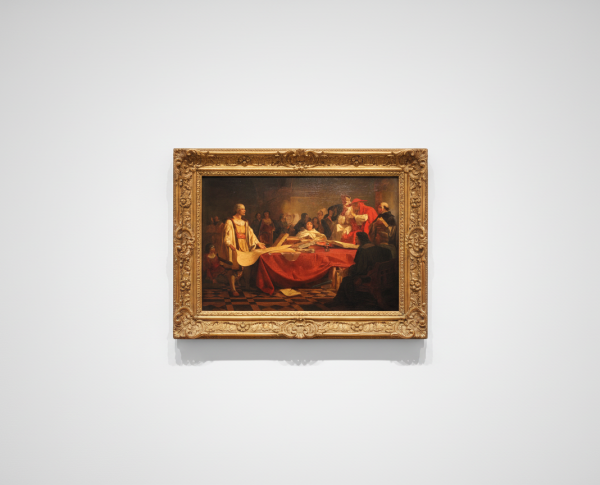
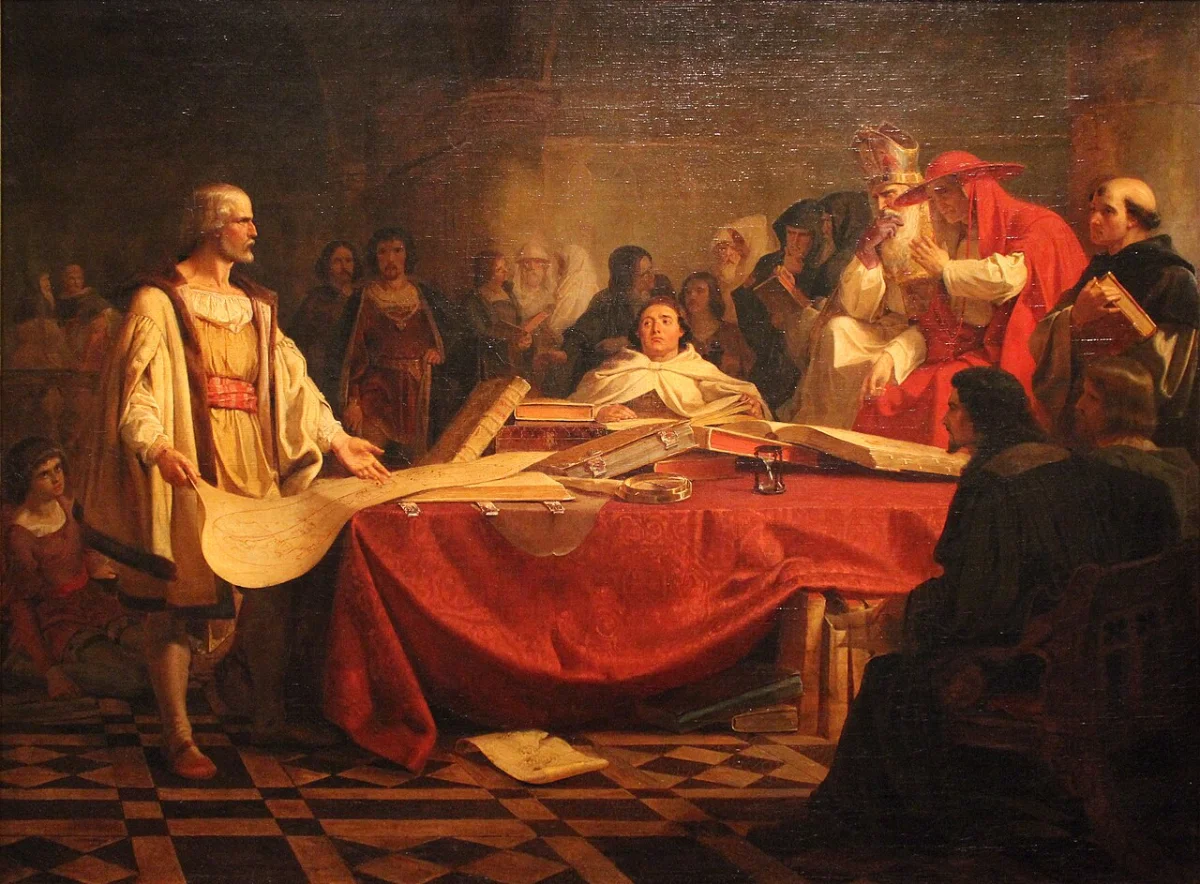
The painting "William Morris Hunt" by Emanuel Gottlieb Leutze is rich with narrative and symbolic undertones, a hallmark of Romanticism. Through his hand-painted oil painting, Leutze communicates both the sitter’s personal story and broader cultural themes of ambition and introspection. Art lovers may also enjoy discovering stories within related works such as "The Countess" and "Christopher Columbus Before the Council of Salamanca," each offering their own layers of meaning and historical context.
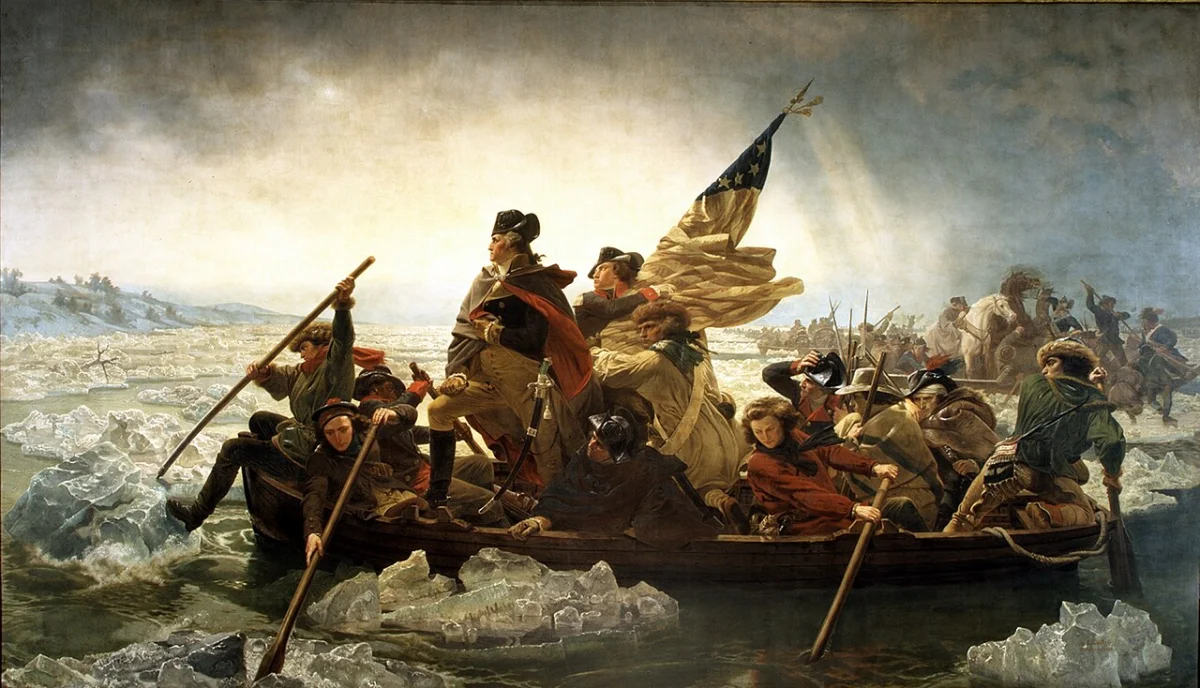
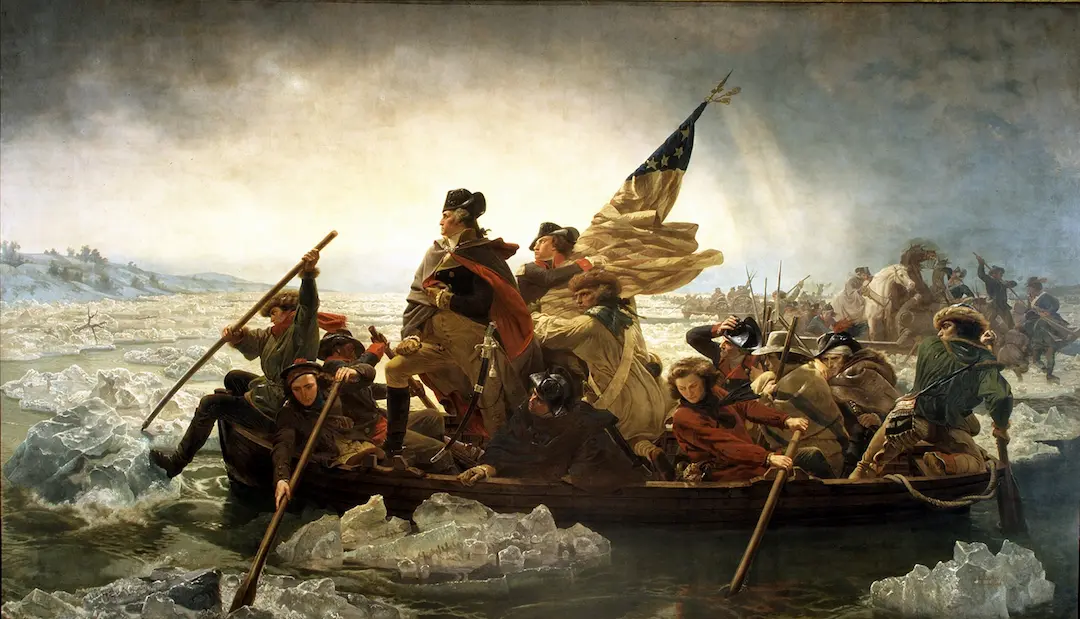
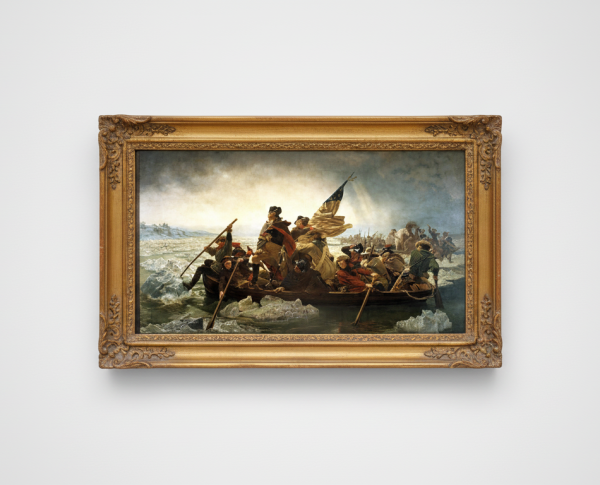
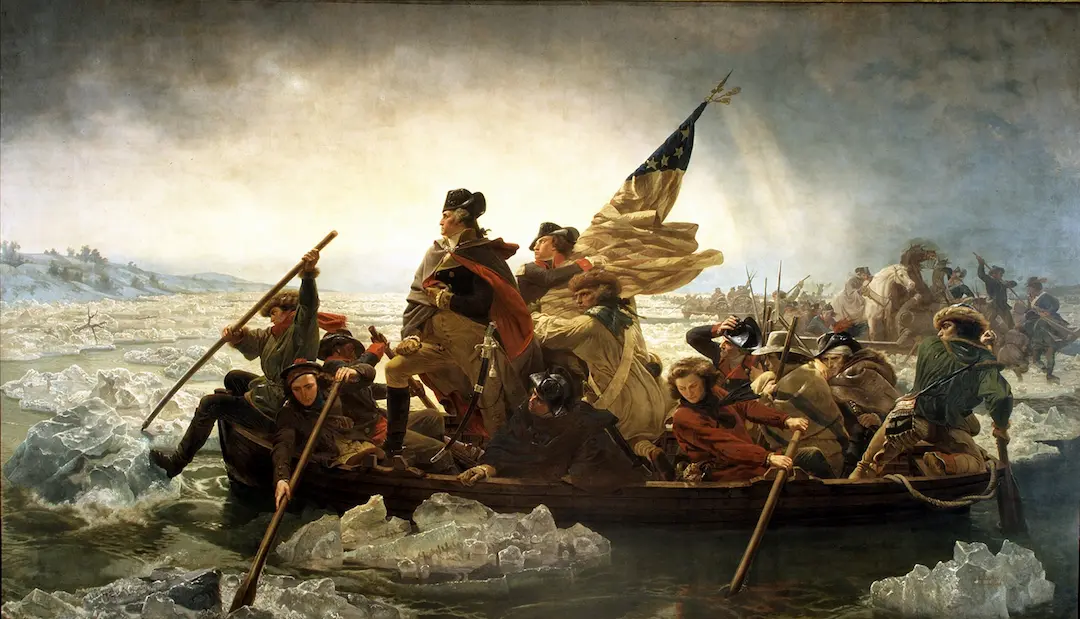
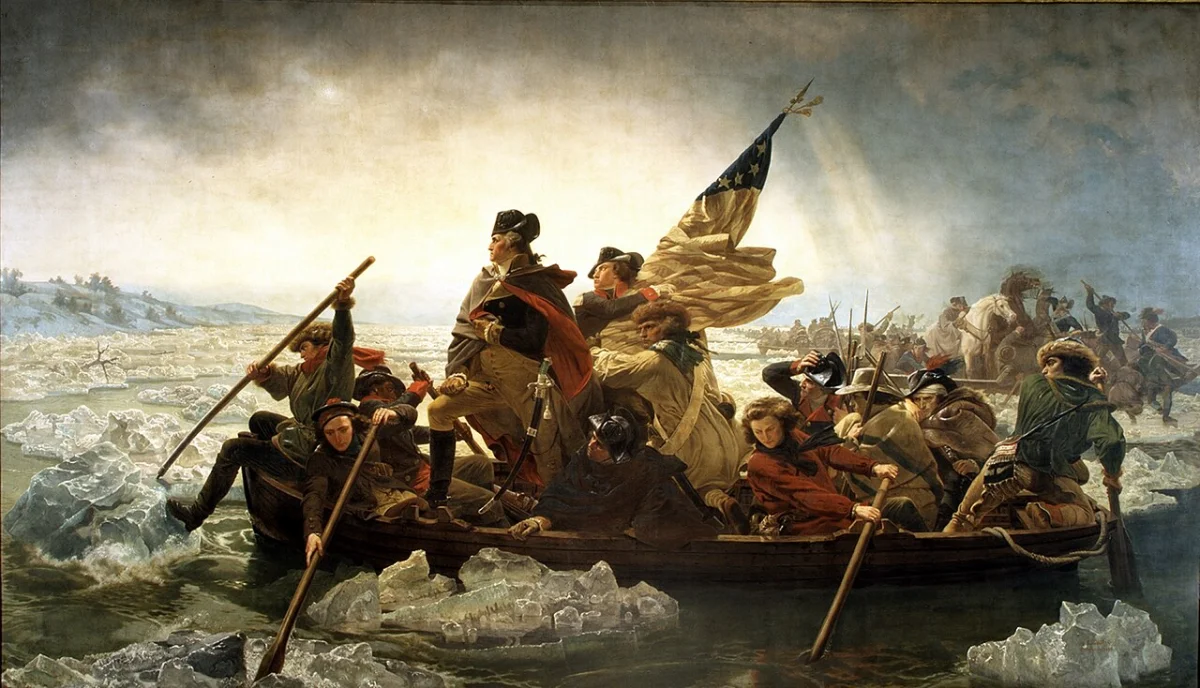
For collectors, acquiring "William Morris Hunt" by Emanuel Gottlieb Leutze means owning a true fine art painting for sale that epitomizes the Romanticism movement. This masterpiece stands alongside celebrated works like "Washington Crossing the Delaware 1851" and "Portrait of a Gentleman," making it a valuable addition to any collection. Its timeless beauty and historical importance ensure that it remains a sought-after piece for those passionate about classic oil paintings and distinguished artistry.
When Art Meets History
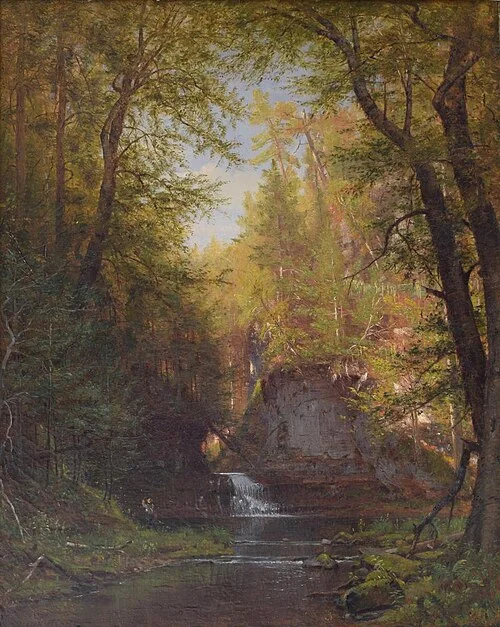
"William Morris Hunt" by Emanuel Gottlieb Leutze stands as a testament to the captivating allure of the Romanticism movement. This hand-painted oil painting merges historical significance with artistic mastery, much like Leutze’s other works such as "Marine" and "Mountain Landscape with Rainbow." The artist’s portrayal of Hunt is infused with the emotional depth and grandeur characteristic of the era, making this masterpiece a pivotal piece in the evolution of nineteenth-century art.
Techniques That Speak
Emanuel Gottlieb Leutze’s "William Morris Hunt" showcases his exceptional skill with oil on canvas, a medium he masterfully manipulated to create vibrant, lifelike portraits. The fluid brushwork and rich color palette echo Romanticism’s emphasis on individual expression, much like in "Our English Coasts" and "Dickens Characters By." Leutze’s attention to detail and atmospheric effects invite viewers to appreciate the technical brilliance behind each stroke, making this painting a true marvel in fine art history.
Emotions on Display
In "William Morris Hunt," Leutze captures not just a likeness but the very spirit of his subject, echoing the emotional intensity found in "Self Portrait in a Group of Friends." This fine art painting for sale invites viewers to connect with the inner world of Hunt, reflecting Romanticism’s fascination with personal sentiment and individuality. Through expressive features and dramatic composition, Leutze ensures that every glance at this portrait reveals new layers of feeling and meaning.
Coveted by Collectors
Collectors worldwide seek out Emanuel Gottlieb Leutze’s works, and "William Morris Hunt" is no exception. As a prime example of oil on canvas from the Romanticism era, it holds significant value among connoisseurs of nineteenth-century art. Alongside related paintings like "Marine" and "Mountain Landscape with Rainbow," this masterpiece is highly prized, offering both historical importance and timeless beauty to any collection that values authentic, hand-painted oil paintings.
Related Romanticism Hand-Painted Oil Paintings by Other Artists
Other Famous Romanticism Artists:
Frequently Asked Questions About William Morris Hunt
Who was William Morris Hunt?
William Morris Hunt was an influential American painter in the 19th century, known for his contributions to the Boston School of painting and his role in introducing European artistic techniques to American artists.
What is the significance of Emanuel Gottlieb Leutze as the artist of this painting?
Emanuel Gottlieb Leutze was a prominent German-American artist, celebrated for his historical paintings. His work often depicted themes of freedom and democracy, reflecting the socio-political climate of his time.
What artistic style is evident in "William Morris Hunt"?
The painting exemplifies the Romantic style, characterized by its emphasis on emotion, individualism, and the beauty of nature, which were central themes during the period in which Leutze painted.
What techniques did Leutze employ in this painting?
Leutze utilized a combination of oil painting techniques, including layering and glazing, to create depth and luminosity, enhancing the emotional impact of the portrait.
What is the historical context of the painting?
This painting was created during a time of significant cultural and artistic change in America, as artists began to seek a distinct American identity in art, moving away from European influences.
What symbolism can be found in the portrayal of William Morris Hunt?
The painting symbolizes the merging of artistic talent and intellectual pursuit, as Hunt was not only a painter but also an advocate for art education and appreciation in America.
How does this painting reflect the values of the 19th-century art movement?
The painting reflects the values of the 19th-century art movement by emphasizing the importance of individual expression and the role of the artist as a visionary, which were key tenets of Romanticism.
What impact did William Morris Hunt have on American art?
William Morris Hunt significantly influenced American art by mentoring many artists and promoting the importance of plein air painting, which encouraged artists to paint outdoors to capture natural light and atmosphere.
In what ways does the composition of the painting contribute to its overall message?
The composition of the painting, with its balanced arrangement and thoughtful use of light and shadow, conveys a sense of introspection and reverence, enhancing the viewer's connection to Hunt's character and legacy.
What materials were used in the creation of "William Morris Hunt"?
Leutze primarily used oil paints on canvas for this work, a common medium of the time that allowed for rich color and texture, contributing to the painting's overall visual impact.























_GFM_Painting_(1).webp)


 100% Hand-Painted: Finished in 3-6 Weeks

.png)















_(1).webp)