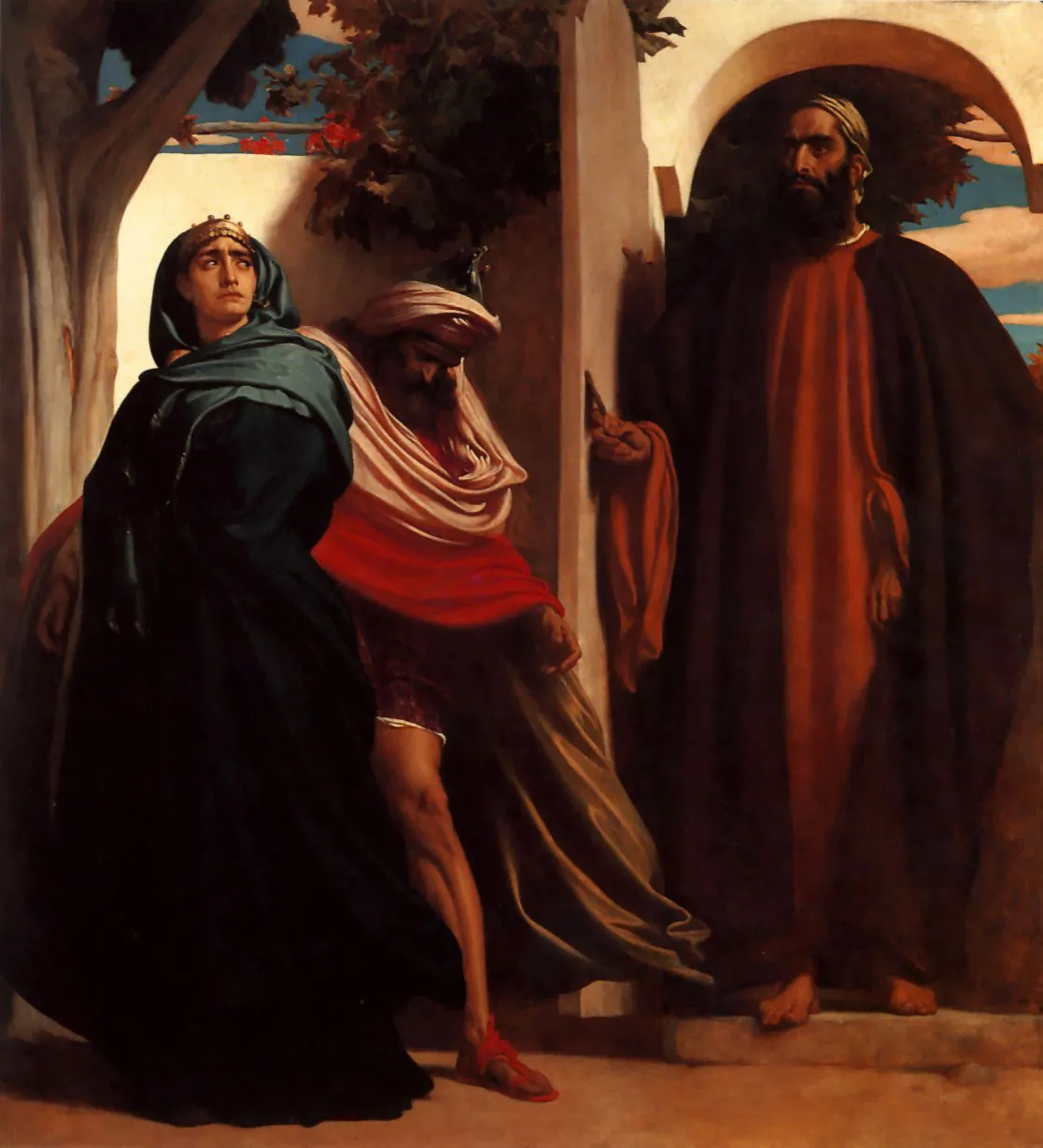
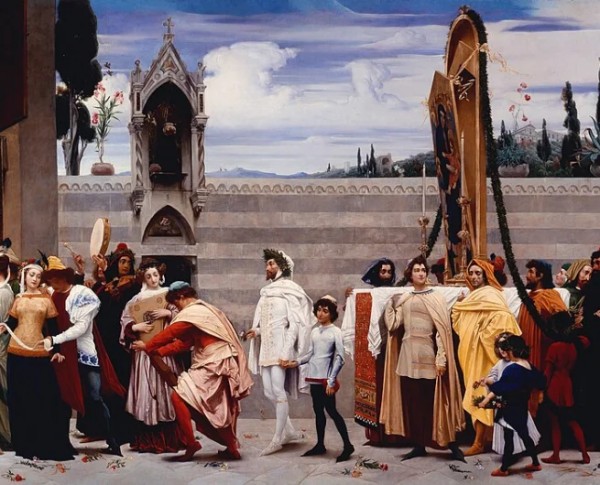
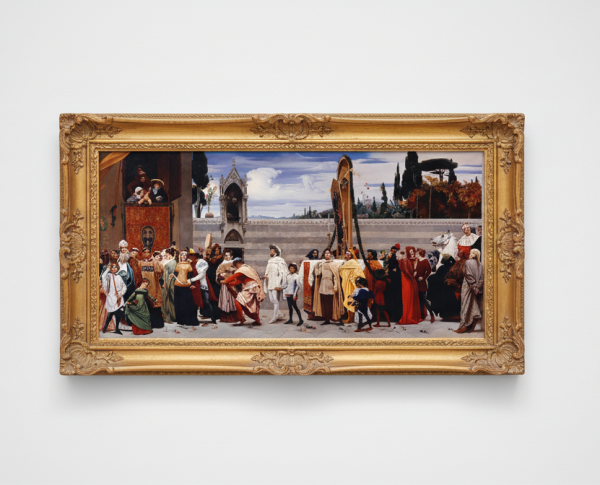
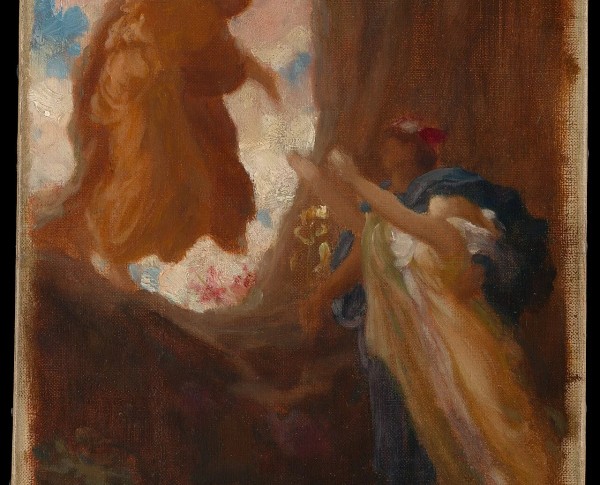
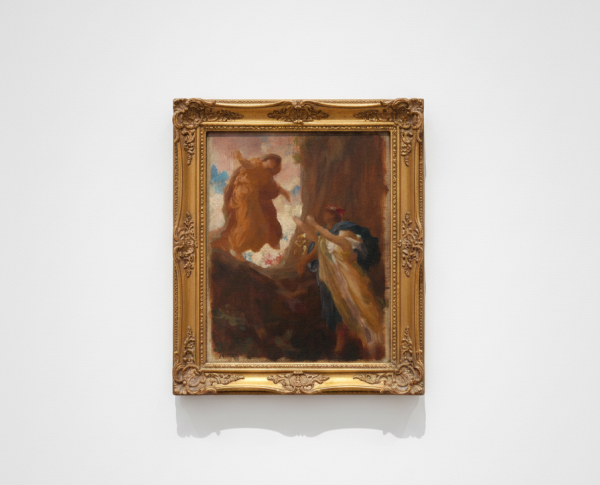
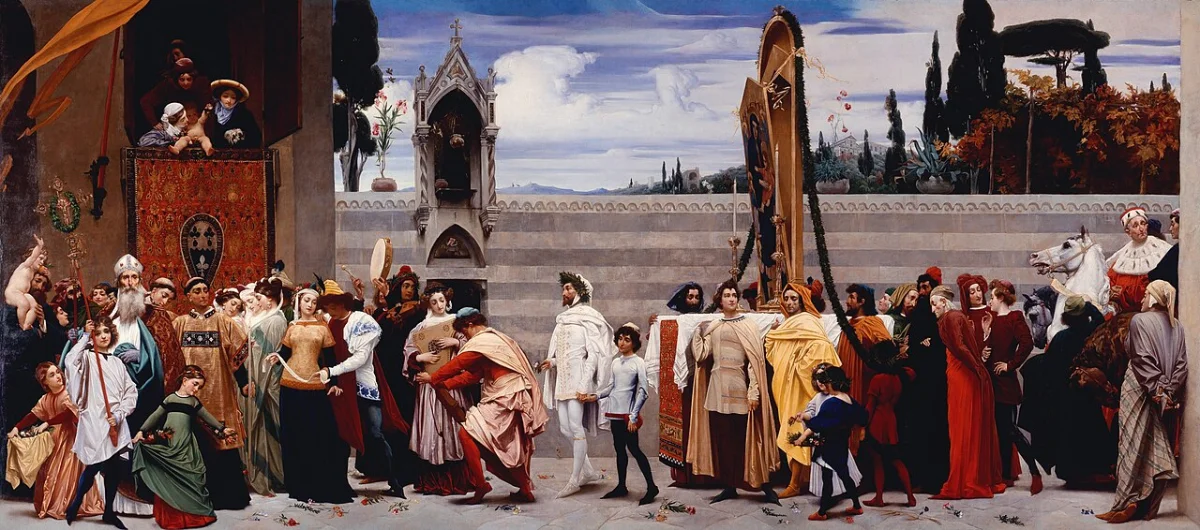
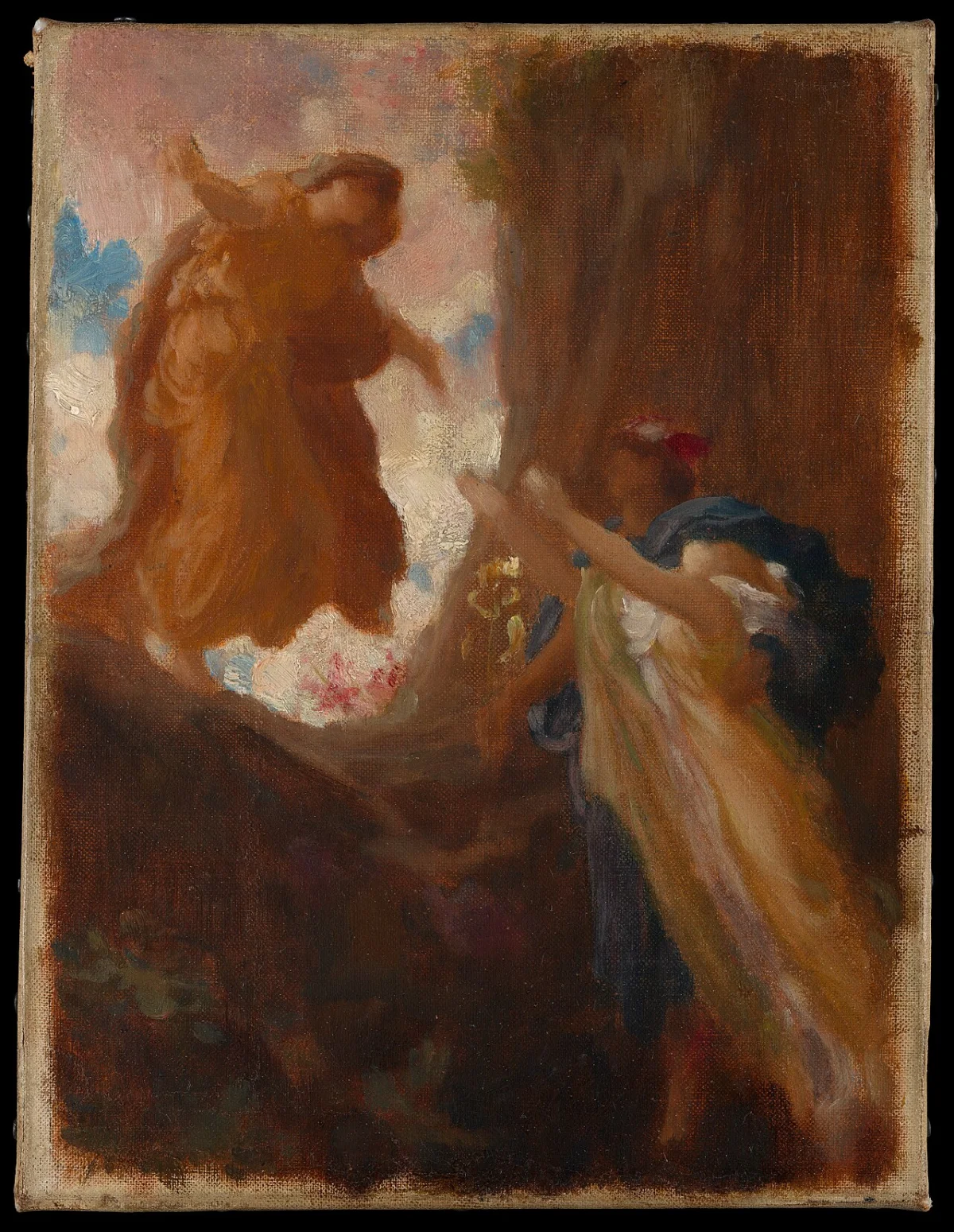
Leighton’s expertise shines through in "Actaea, the Nymph of the Shore," where every detail is meticulously rendered in oil on canvas. The artist’s command of light, color, and form exemplifies the highest standards of Academic Classicism, echoing the technical brilliance seen in related works such as "The Return of Persephone" and "Cimabue’s Celebrated Madonna." This painting remains a testament to Leighton’s dedication to his craft and the enduring appeal of oil on canvas masterpieces.
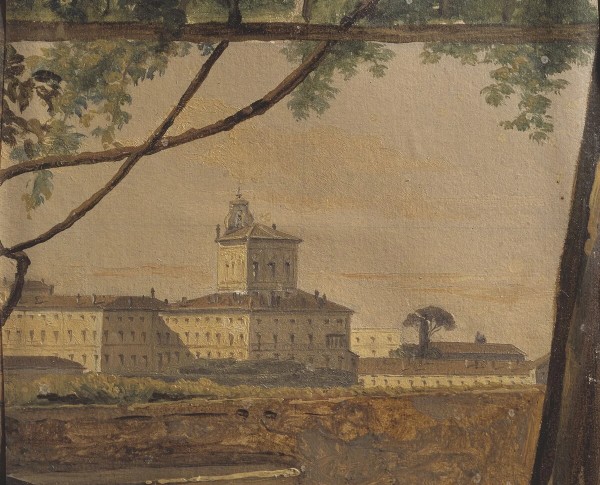
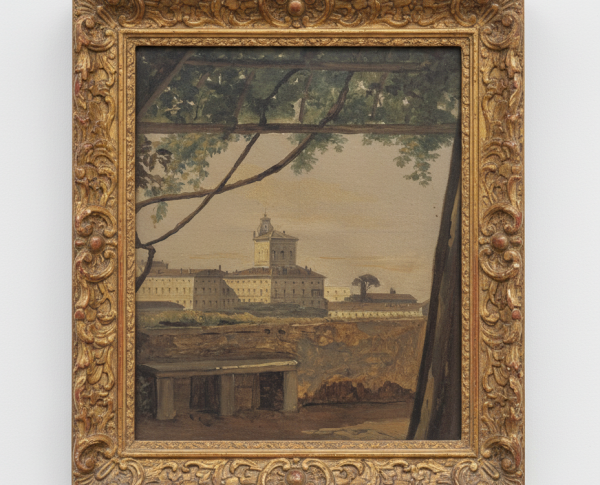
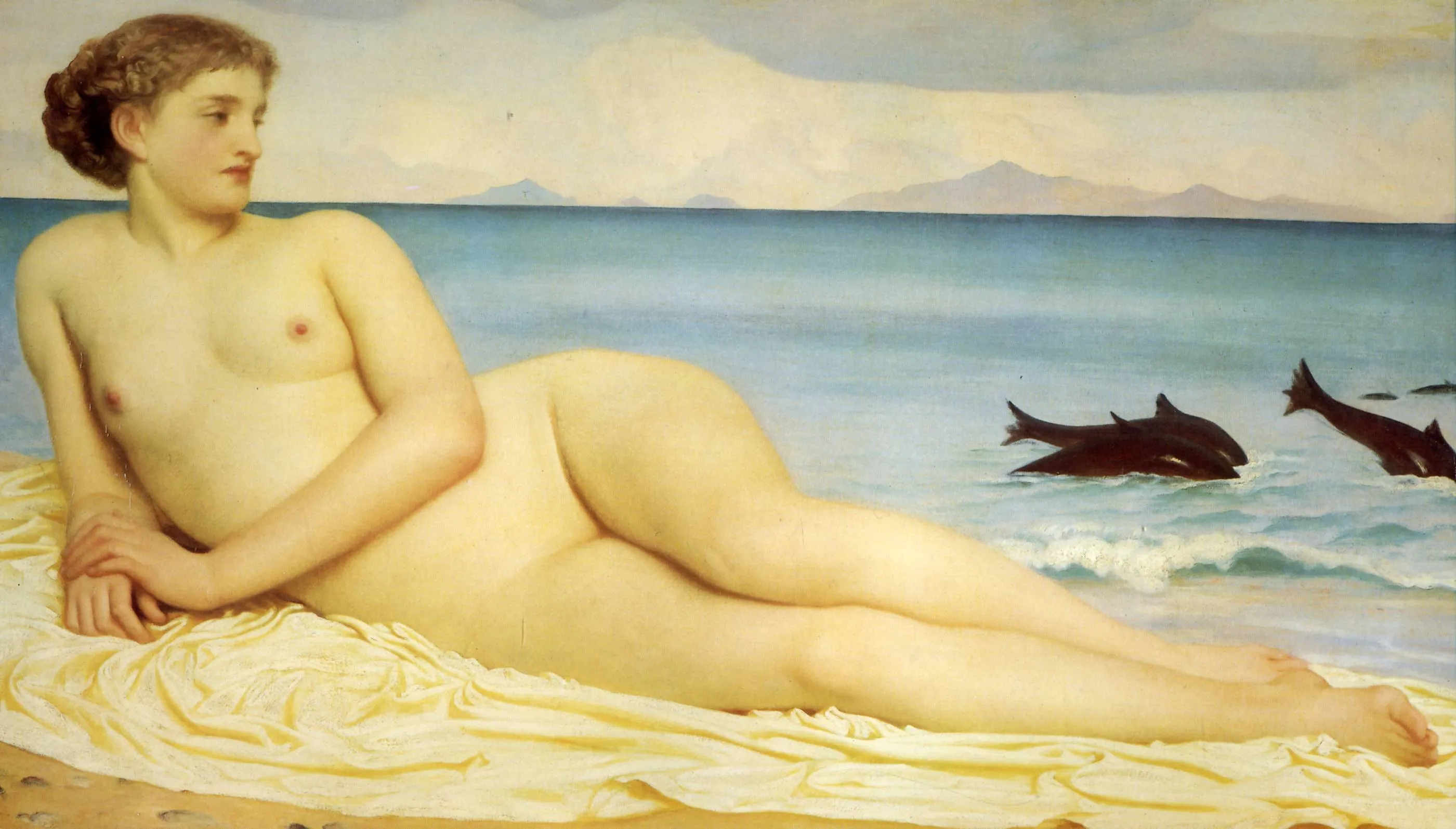
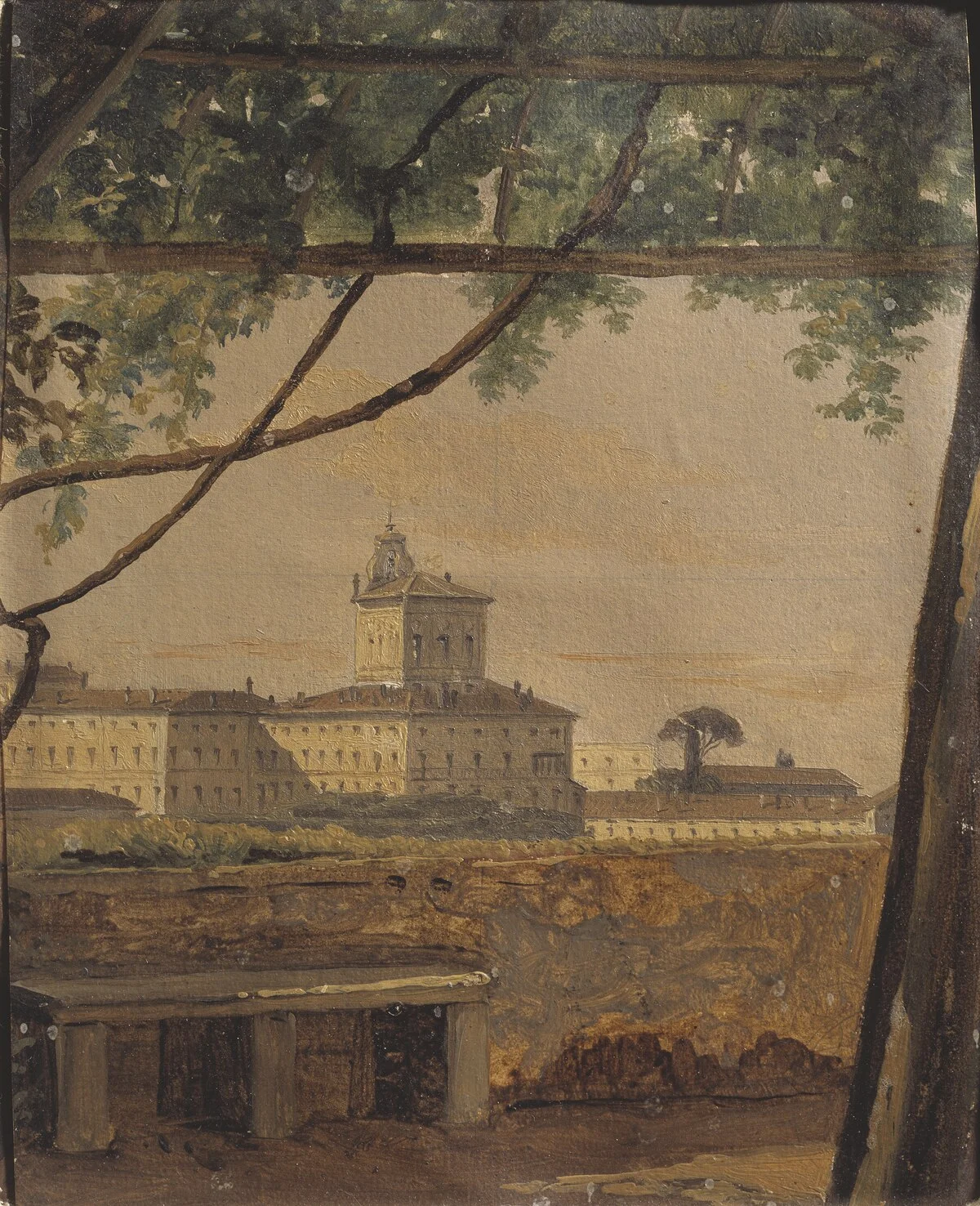
"Actaea, the Nymph of the Shore" is more than a fine art painting for sale; it’s a narrative woven into brushstrokes. Leighton draws from classical mythology, portraying Actaea, one of the Nereids, with serene grace against a tranquil seascape. The symbolism and storytelling found here also resonate in works like "The Death of Brunelleschi" and "The Villa Malta, Rome," inviting viewers to explore the rich myths and allegories that inspired the Academic Classicism movement.
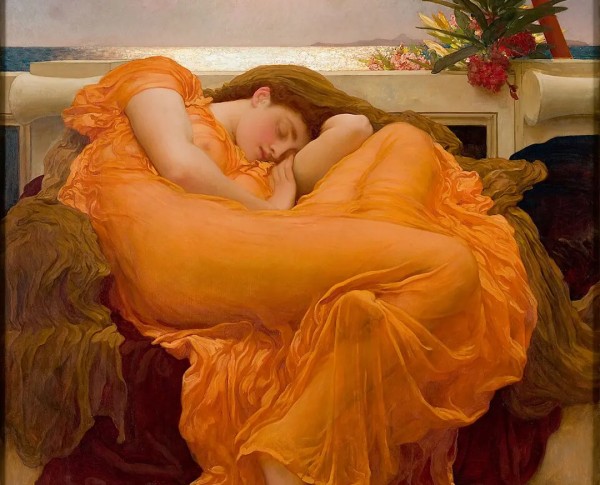
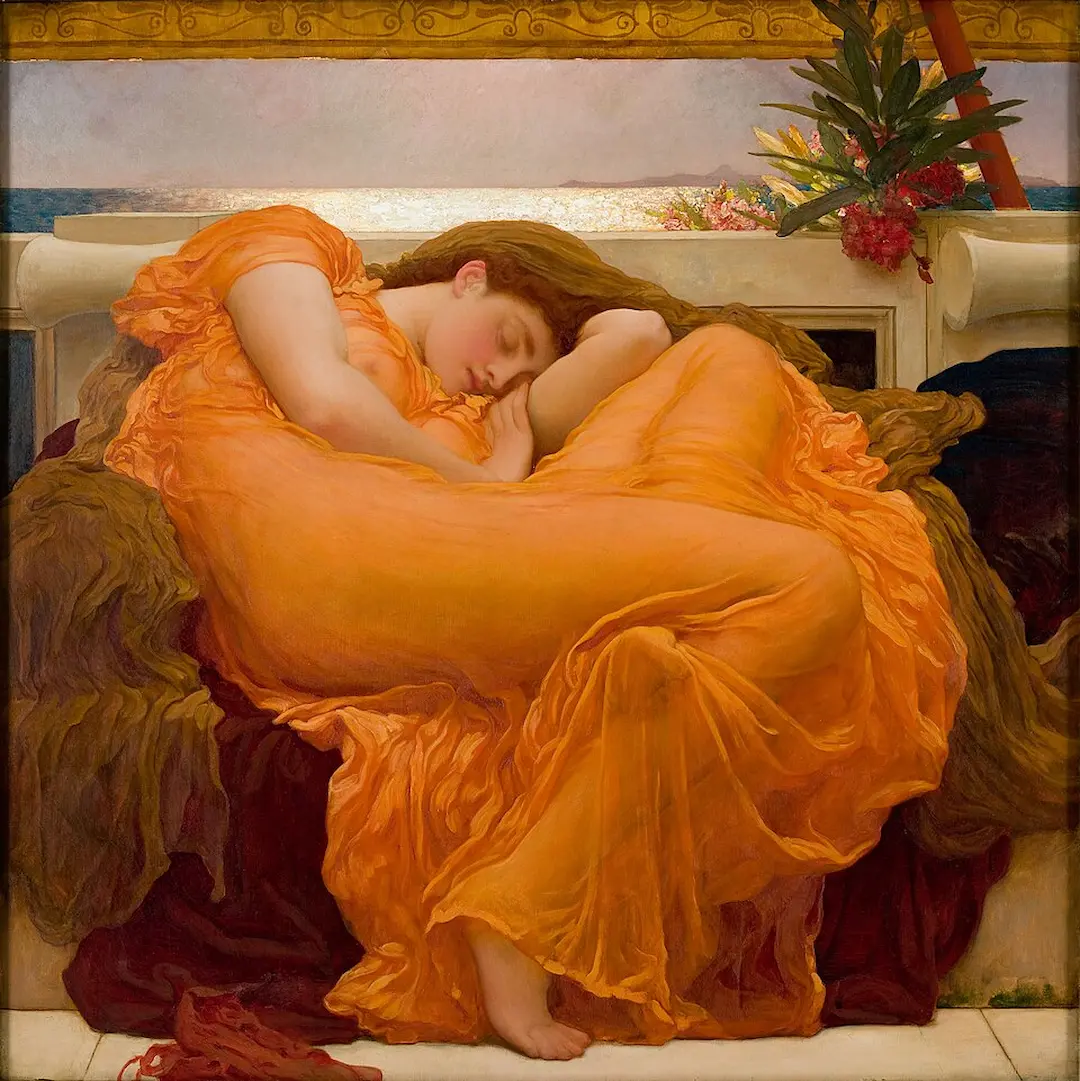
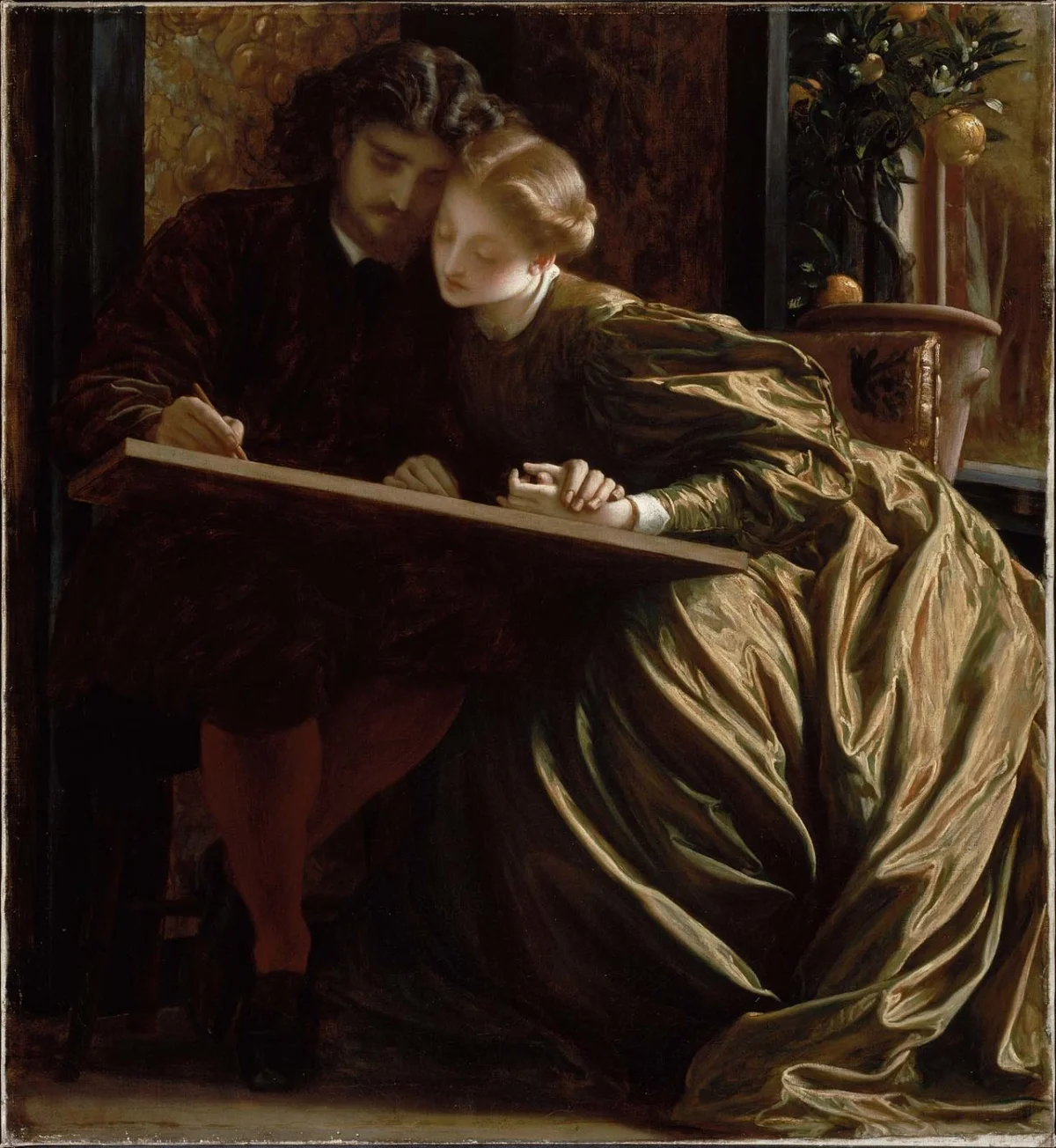
For collectors seeking a fine art painting for sale, "Actaea, the Nymph of the Shore" by Lord Frederick Leighton represents a remarkable investment. Its connection to the Academic Classicism movement and the artist’s renowned reputation make it highly sought after, just like "Flaming June" and "The Painter’s Honeymoon." Owning such a piece means possessing a unique blend of historical significance, exquisite technique, and timeless beauty, perfect for any distinguished art collection.
When Art Meets History
"Actaea, the Nymph of the Shore" by Lord Frederick Leighton, a master of Academic Classicism, captures a timeless moment from Greek mythology. Painted in the late 19th century, this hand-painted oil painting reflects the era's fascination with myth and beauty. Leighton’s work aligns with contemporaries like Léon Gérôme, whose pieces such as "Springtime" and "Jacob receiving Joseph's bloody coat" also embrace historical narratives, making these fine art masterpieces enduringly relevant to collectors and art historians alike.
Techniques That Speak
Leighton’s exceptional skill is evident in every brushstroke of "Actaea, the Nymph of the Shore." The artist’s meticulous use of oil on canvas results in luminous skin tones and flowing drapery, hallmarks of Academic Classicism. Like Gérôme’s "Half Length Figure" and "Portrait of Marie-Célina Brieu," Leighton’s technical prowess elevates his subject to near-mythical status. The painting’s layered textures and subtle gradations showcase the enduring appeal of traditional techniques for today’s art lovers.
Emotions on Display
In "Actaea, the Nymph of the Shore," Lord Frederick Leighton conveys a sense of serene introspection through his subject’s pose and expression. The painting’s tranquil atmosphere and delicate palette evoke feelings of calm and nostalgia, making it a standout fine art painting for sale. Similar emotional resonance can be found in Gérôme’s evocative works, which also explore themes of beauty and contemplation within the Academic Classicism movement, drawing viewers into a world of myth and emotion.
Coveted by Collectors
"Actaea, the Nymph of the Shore" remains highly sought after among collectors of Academic Classicism. Lord Frederick Leighton’s reputation, combined with the painting’s exquisite oil on canvas technique, ensures its place among prized collections worldwide. Alongside related works like "Springtime" and "Jacob receiving Joseph's bloody coat" by Léon Gérôme, this masterpiece highlights the ongoing demand for museum-quality pieces, making it a coveted acquisition for those passionate about fine art and history.
Related Academic Classicism Hand-Painted Oil Paintings by Other Artists
Other Famous Academic Classicism Artists:
Frequently Asked Questions About Actaea, the Nymph of the Shore
What is the historical context of "Actaea, the Nymph of the Shore"?
"Actaea, the Nymph of the Shore" was painted by Lord Frederick Leighton during the late 19th century, a period characterized by the Pre-Raphaelite movement and a revival of classical themes in art. This painting reflects the Victorian fascination with mythology and the natural world.
Who is Actaea in mythology?
Actaea is a figure from Greek mythology, often depicted as a nymph associated with the sea and shorelines. She embodies the beauty and allure of nature, symbolizing both the enchanting and perilous aspects of the natural world.
What artistic techniques did Leighton use in this painting?
Leighton employed a combination of classical composition and vibrant color palettes, utilizing oil on canvas to create a luminous effect. His attention to detail and mastery of light enhances the ethereal quality of the nymph, making her appear almost otherworldly.
What themes are explored in "Actaea, the Nymph of the Shore"?
The painting explores themes of beauty, nature, and femininity. Actaea represents the idealized female form, embodying both grace and strength, while also reflecting the tension between humanity and the untamed forces of nature.
How does Leighton depict the relationship between Actaea and her environment?
Leighton skillfully integrates Actaea with her surroundings, using flowing lines and harmonious colors to create a seamless connection between the figure and the shoreline. This interaction emphasizes the symbiotic relationship between the nymph and the natural world.
What symbolism is present in the painting?
The painting is rich in symbolism, with Actaea representing the ideal of beauty and the transient nature of life. The shoreline serves as a metaphor for the boundary between the known and unknown, highlighting the duality of existence.
How does "Actaea, the Nymph of the Shore" reflect Victorian ideals?
This artwork reflects Victorian ideals of beauty and morality, showcasing the era's appreciation for classical themes and the feminine ideal. The portrayal of Actaea as both alluring and serene aligns with contemporary views of womanhood during the Victorian period.
What influences can be seen in Leighton's style in this painting?
Leighton's style in "Actaea, the Nymph of the Shore" is influenced by the Pre-Raphaelite Brotherhood, particularly in his use of vivid colors and intricate details. Additionally, the classical themes draw from Renaissance art, showcasing his admiration for historical artistic traditions.
What is the significance of the color palette used in the painting?
The color palette is significant as it evokes a sense of tranquility and harmony with nature. The soft blues and greens represent the sea and shore, while warm tones highlight Actaea's form, creating a visual balance that enhances the overall composition.
How has "Actaea, the Nymph of the Shore" been received by critics and audiences?
The painting has been well-received, praised for its technical skill and emotional depth. Critics have noted Leighton's ability to convey the beauty of the female form and the enchanting qualities of nature, solidifying its place as a significant work in the history of Victorian art.























_GFM_Painting_(1).webp)


 100% Hand-Painted: Finished in 3-6 Weeks

.png)















_(1).webp)