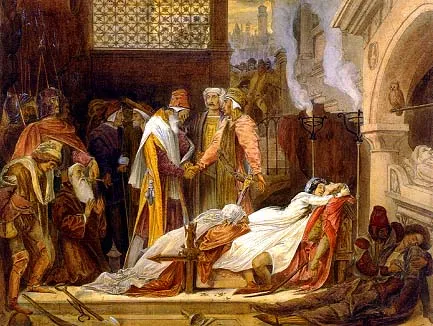
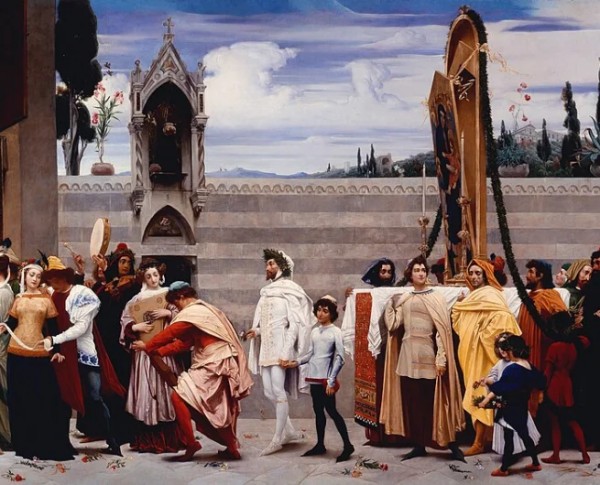
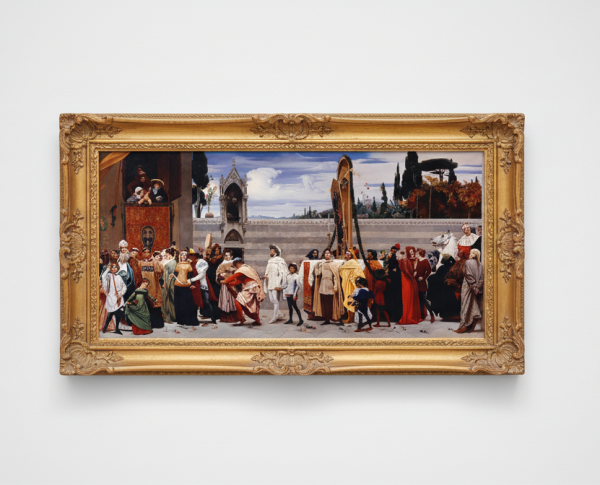
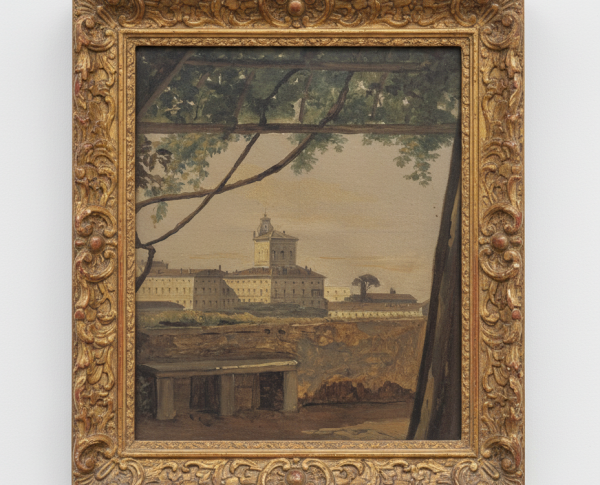
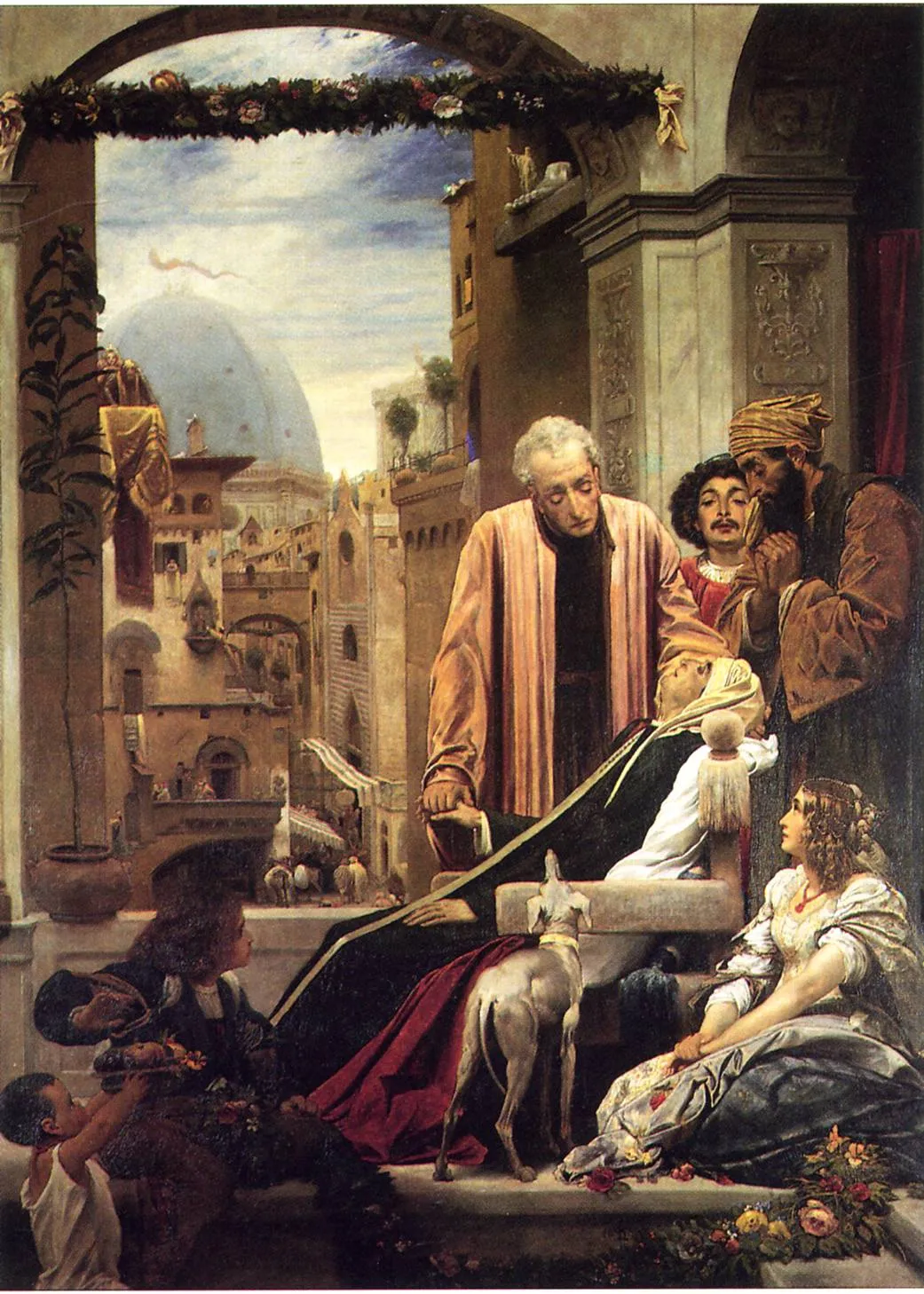
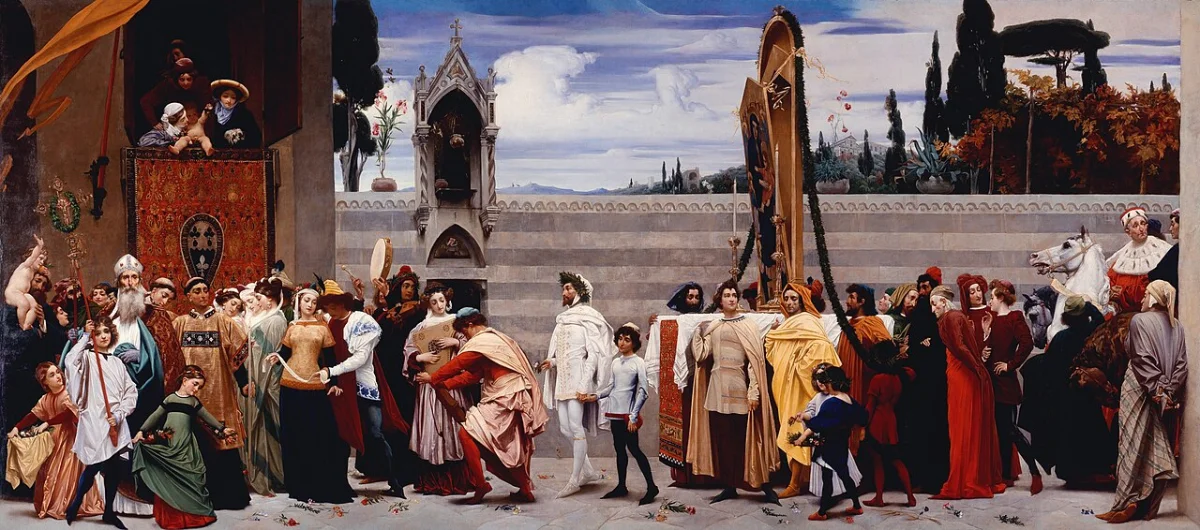
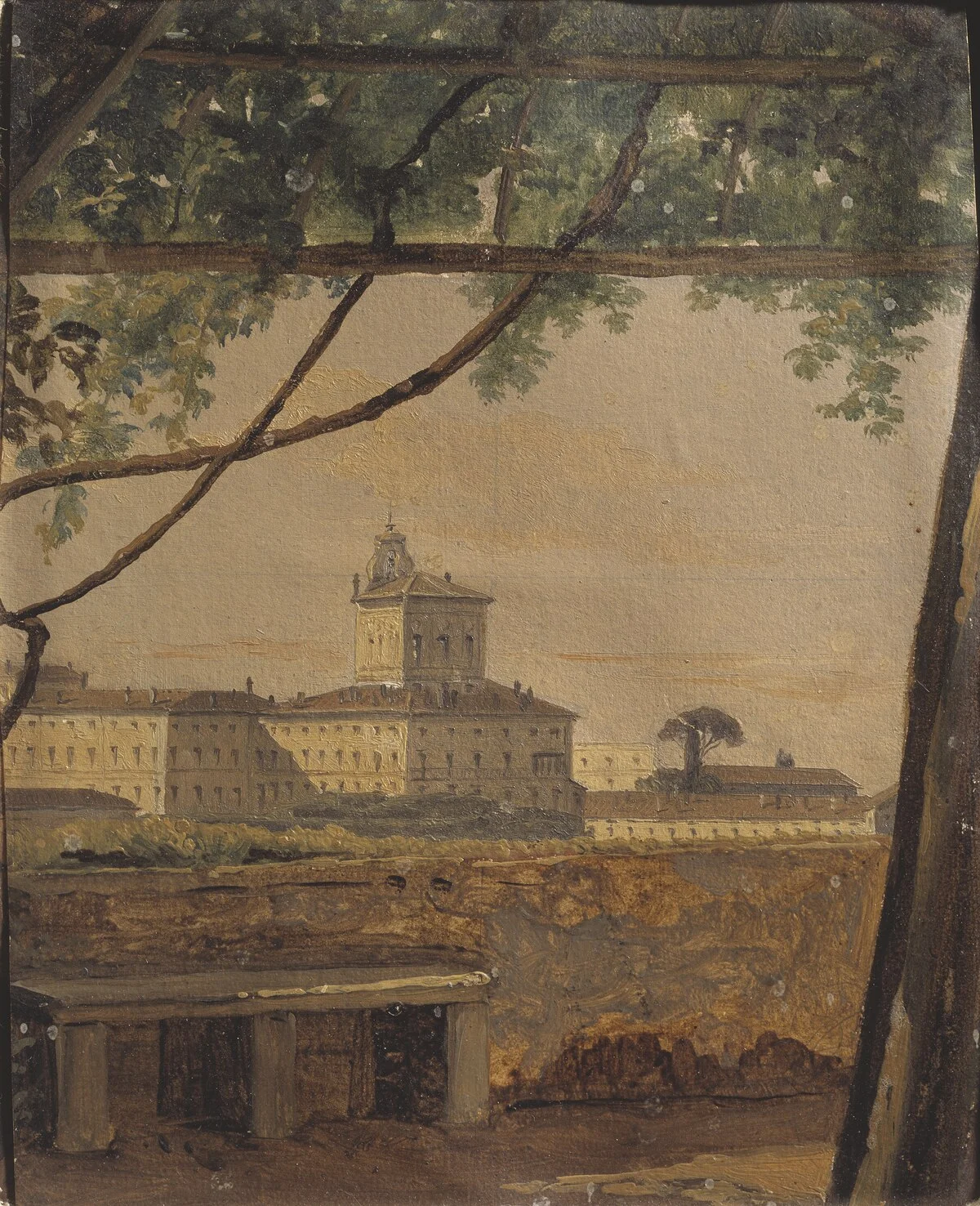
Leighton's "The Death of Brunelleschi" exemplifies the refined techniques characteristic of oil on canvas. His meticulous brushwork and attention to anatomical detail elevate the emotional impact of the scene, making it a standout among Academic Classicism works. Each stroke reveals the artist’s dedication to realism and narrative depth, akin to his famous "Cimabue's Celebrated Madonna" and "The Villa Malta, Rome", both of which further showcase his expertise in oil on canvas.
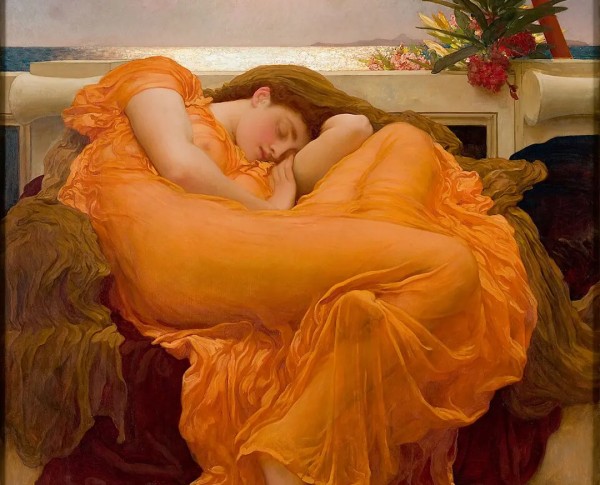
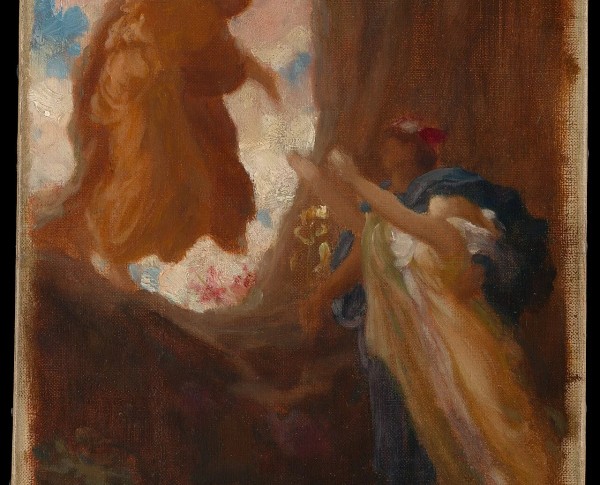
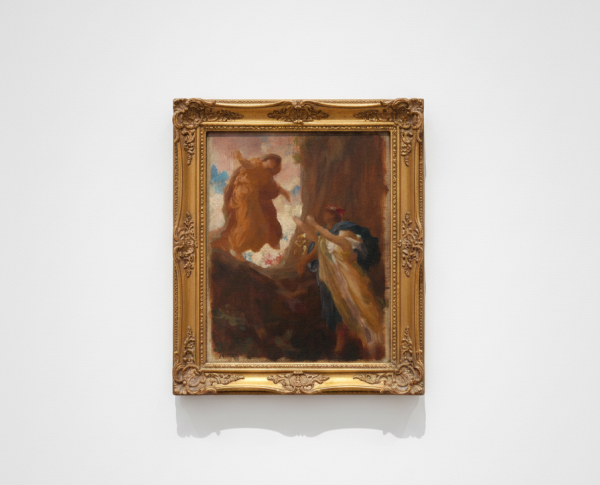
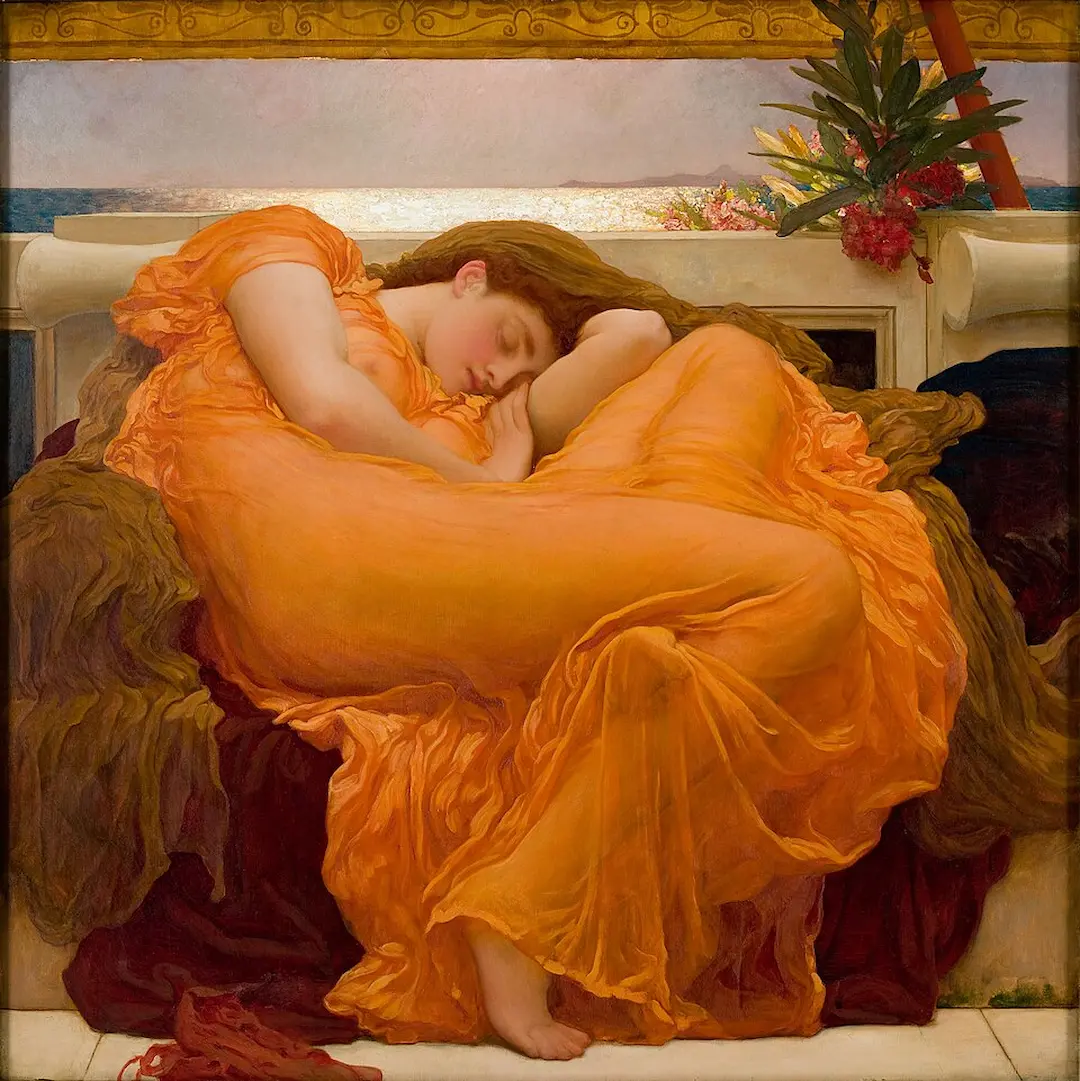
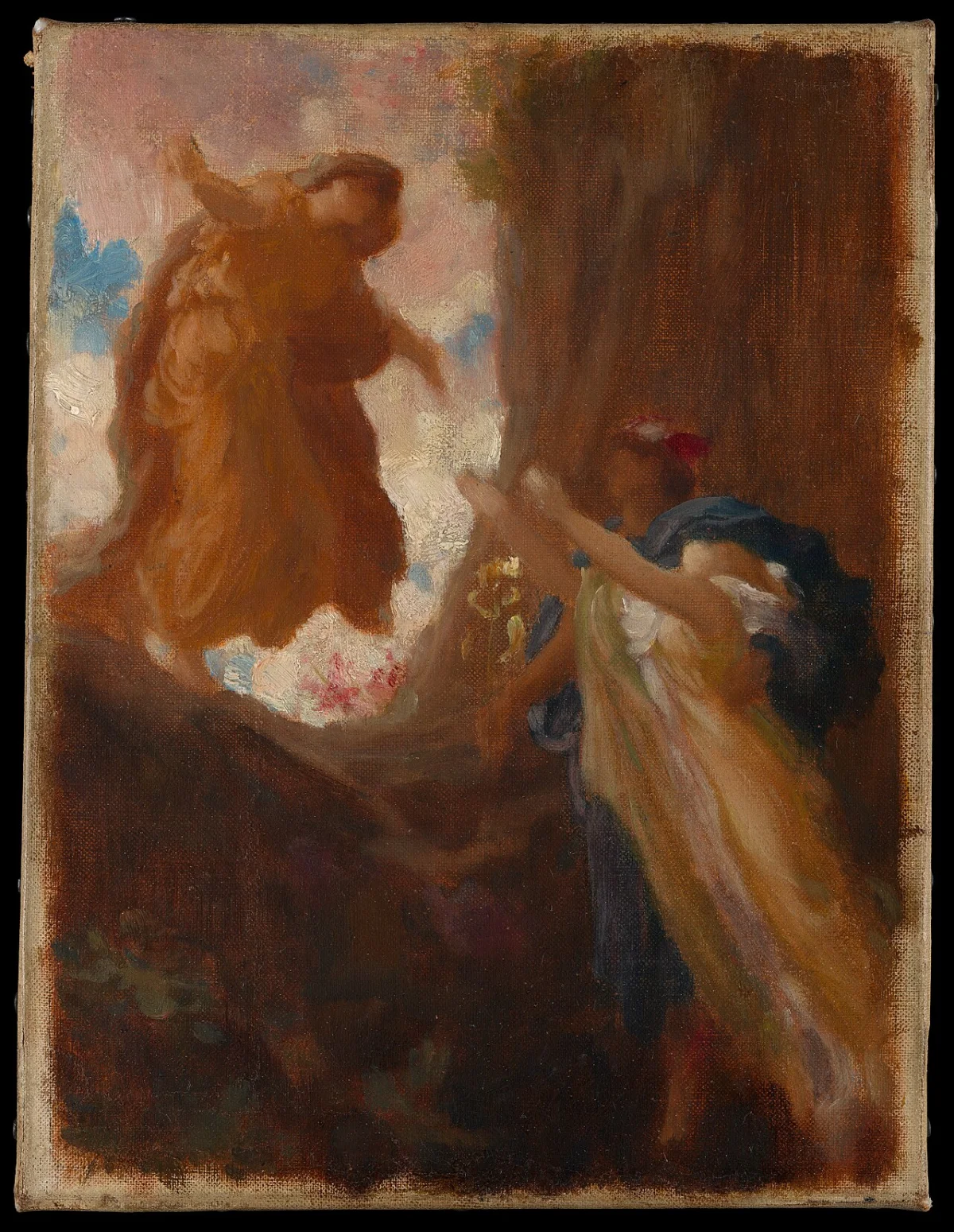
Within "The Death of Brunelleschi", Leighton weaves a profound narrative, using symbolism and composition to pay tribute to one of the Renaissance’s great architects. This fine art painting for sale not only immortalizes Brunelleschi's legacy but also invites viewers to reflect on themes of mortality and creative genius. Similar narrative depth can be found in Leighton’s "The Return of Persephone" and the evocative "Flaming June", both celebrated for their storytelling power.
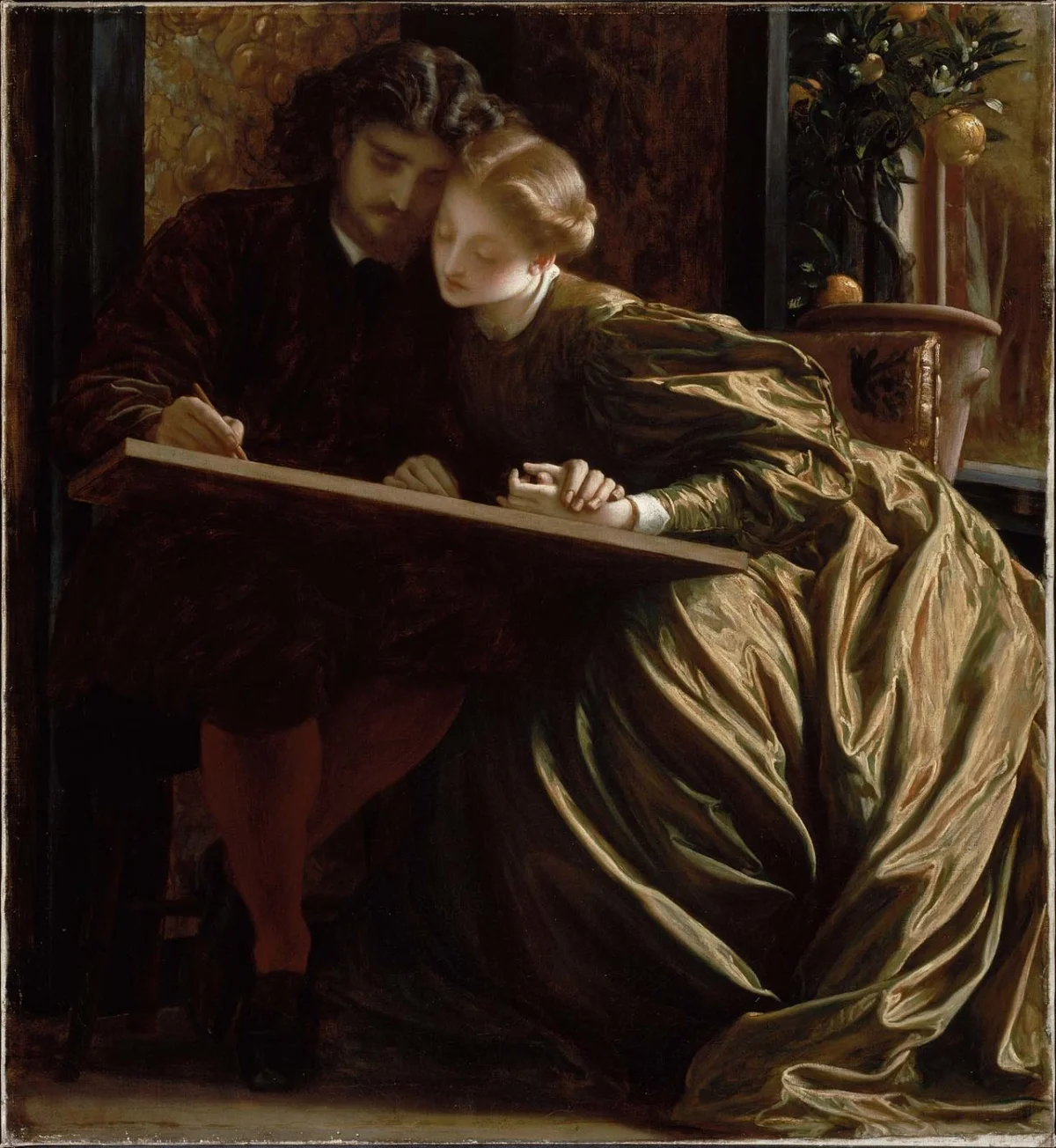
Acquiring "The Death of Brunelleschi" by Lord Frederick Leighton means owning a piece of Academic Classicism history. This hand-painted oil painting is more than decorative—it’s a window into the past, crafted by a master whose works are highly sought after. Collectors also favor related pieces such as "Cimabue's Celebrated Madonna" and "The Painter's Honeymoon", each representing the finest in fine art painting for sale from this distinguished era.
When Art Meets History
"The Death of Brunelleschi" by Lord Frederick Leighton stands as a striking example of Academic Classicism, capturing a pivotal historical moment in exquisite detail. This hand-painted oil painting brings together the grandeur of Renaissance architecture and the emotional resonance of Brunelleschi's final moments. Leighton, renowned for works like "Venus Rising" and "Jacob receiving Joseph's bloody coat," masterfully blends narrative and technique, making this piece a remarkable addition to the tradition of historical fine art painting for sale.
Techniques That Speak
Lord Frederick Leighton’s "The Death of Brunelleschi" showcases the refined skills characteristic of Academic Classicism, with every brushstroke enhancing the realism and drama of the scene. Executed in oil on canvas, Leighton’s approach mirrors the precision seen in "A Portrait of Eugene Bouguereau" and "La Vierge au Lys (The Virgin of the Lilies)." The meticulous attention to detail and mastery of light and shadow elevate this work, making it a standout example of nineteenth-century oil on canvas artistry.
Emotions on Display
In "The Death of Brunelleschi," Lord Frederick Leighton conveys a powerful sense of loss and reverence, immersing viewers in the emotional gravity of the scene. The Academic Classicism movement is renowned for its ability to evoke deep feeling, much like Leighton’s contemporaries did in "The Duel After the Masquerade." This hand-painted oil painting captures not only historical accuracy but also the poignant humanity behind Brunelleschi’s legacy, offering an evocative viewing experience for admirers of fine art painting for sale.
Coveted by Collectors
Collectors prize "The Death of Brunelleschi" for its blend of historical significance and artistic mastery, hallmarks of Lord Frederick Leighton’s oeuvre. As with celebrated works like "Venus Rising" and "Jacob receiving Joseph's bloody coat," this oil on canvas piece is highly sought after by enthusiasts of Academic Classicism. Its enduring appeal lies in the seamless fusion of narrative depth and technical brilliance, making it a premier choice for those seeking a fine art painting for sale that embodies timeless elegance.
Related Academic Classicism Hand-Painted Oil Paintings by Other Artists
Other Famous Academic Classicism Artists:
Frequently Asked Questions About The Death of Brunelleschi
What historical event does "The Death of Brunelleschi" depict?
The painting portrays the death of Filippo Brunelleschi, a pivotal figure in Renaissance architecture, known for designing the dome of the Florence Cathedral.
Who was Lord Frederick Leighton, and what is his significance in art history?
Lord Frederick Leighton was a prominent British painter and sculptor of the Victorian era, known for his classical themes and mastery of color and form, which are evident in this work.
What artistic techniques did Leighton employ in this painting?
Leighton utilized a combination of dramatic lighting, rich color palettes, and meticulous detail to convey emotion and the gravity of the moment depicted in the painting.
What symbols are present in "The Death of Brunelleschi"?
The painting includes symbols of knowledge and creativity, such as architectural tools and scrolls, representing Brunelleschi's contributions to architecture and the arts.
How does Leighton convey emotion in this artwork?
Leighton conveys emotion through the expressions and postures of the figures surrounding Brunelleschi, capturing a sense of loss and reverence for the deceased architect.
What is the significance of the setting in "The Death of Brunelleschi"?
The setting, often interpreted as a blend of classical and contemporary elements, reflects the transition from the medieval to the Renaissance period, emphasizing Brunelleschi's role in this cultural shift.
In what ways does this painting reflect the ideals of the Renaissance?
This painting embodies Renaissance ideals by celebrating human achievement, the revival of classical knowledge, and the importance of individual contributions to society.
What influences can be seen in Leighton's portrayal of Brunelleschi?
Leighton's portrayal is influenced by classical art traditions, particularly in the use of drapery and anatomical precision, which highlight the beauty of the human form and the dignity of the subject.
How does "The Death of Brunelleschi" compare to other works by Leighton?
Compared to other works by Leighton, this painting showcases a more somber and reflective tone, diverging from his typical vibrant and dynamic compositions, while still exhibiting his signature style.
What impact did "The Death of Brunelleschi" have on contemporary audiences?
The painting resonated with contemporary audiences by highlighting the importance of artistic legacy and the emotional weight of loss, prompting discussions about the role of artists in society.























_GFM_Painting_(1).webp)


 100% Hand-Painted: Finished in 3-6 Weeks

.png)















_(1).webp)