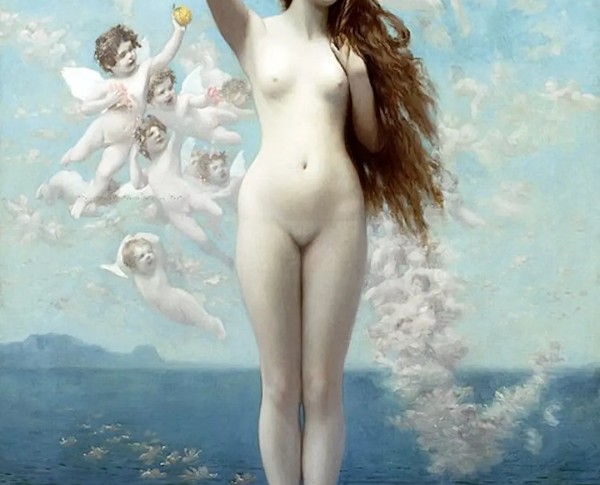
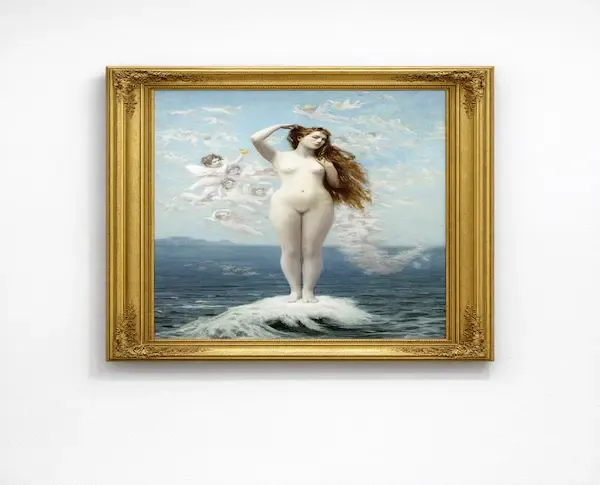
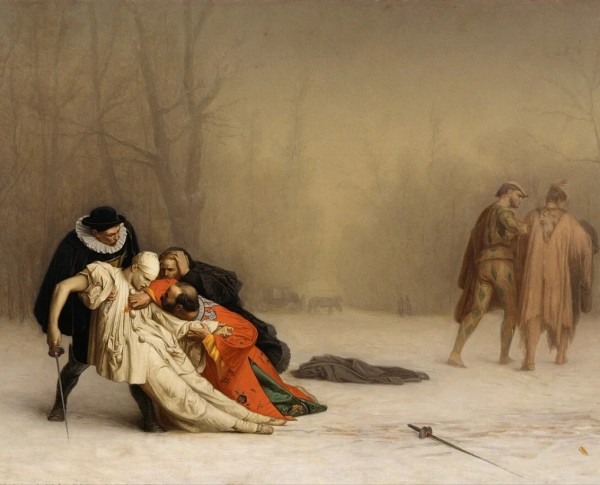
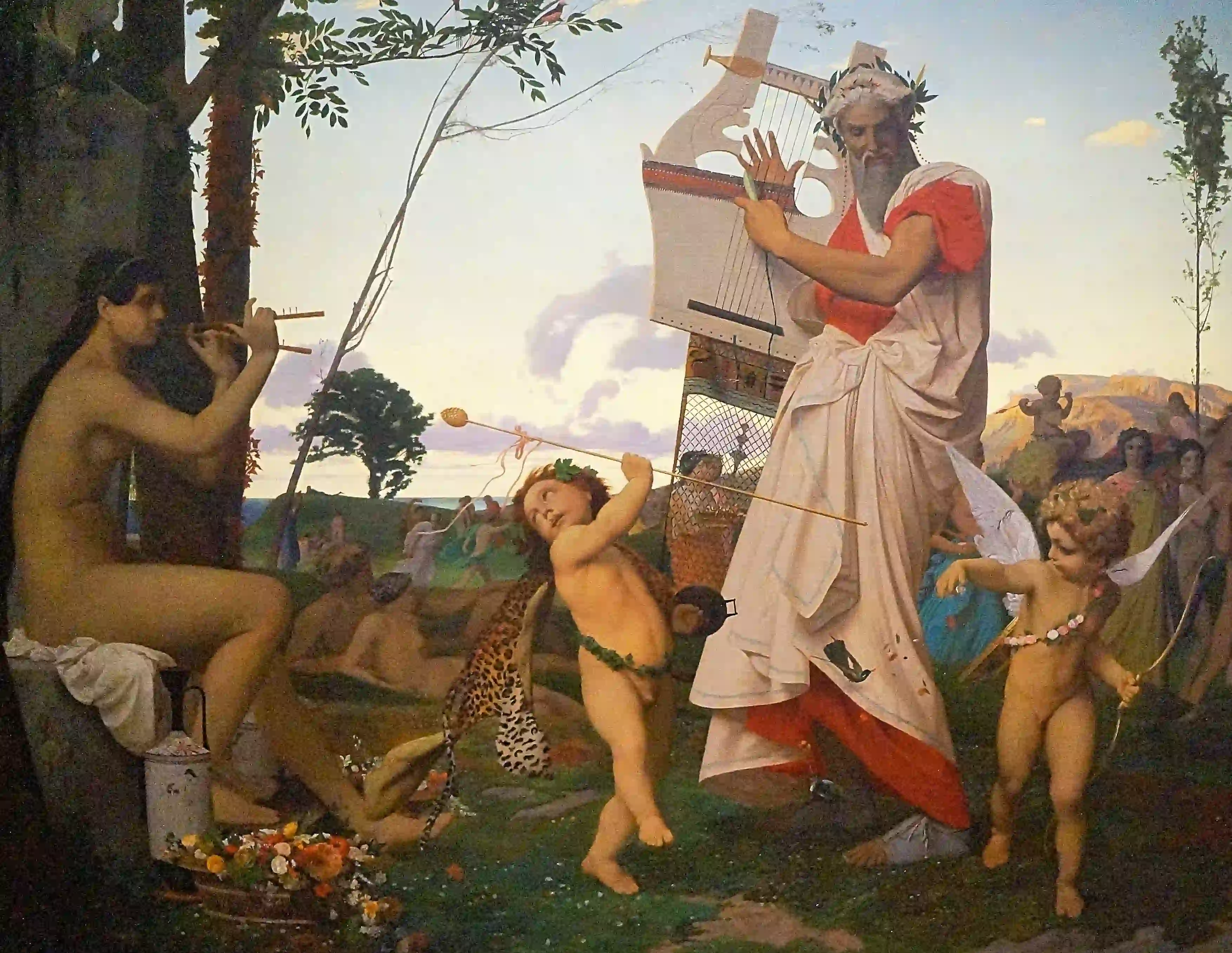
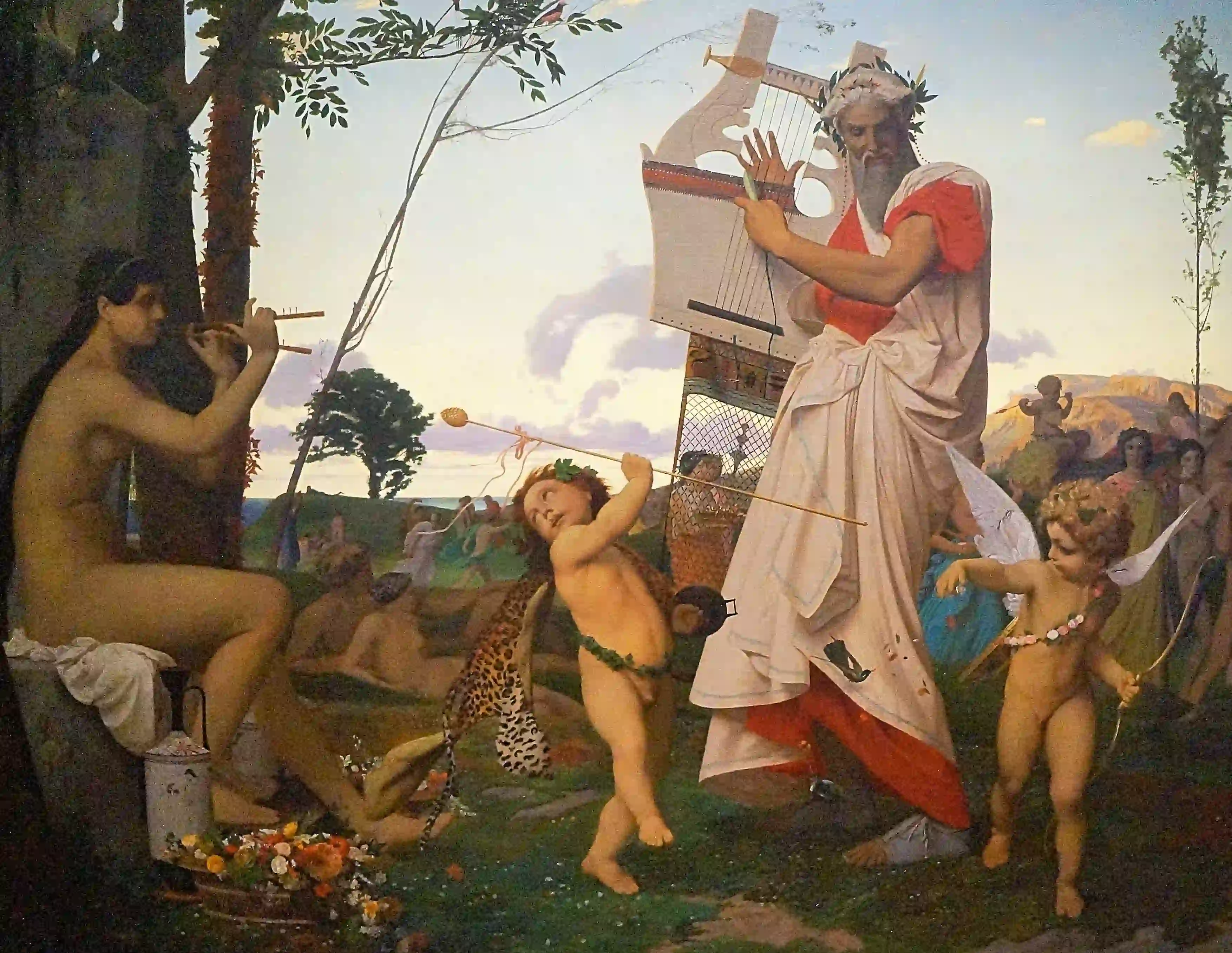
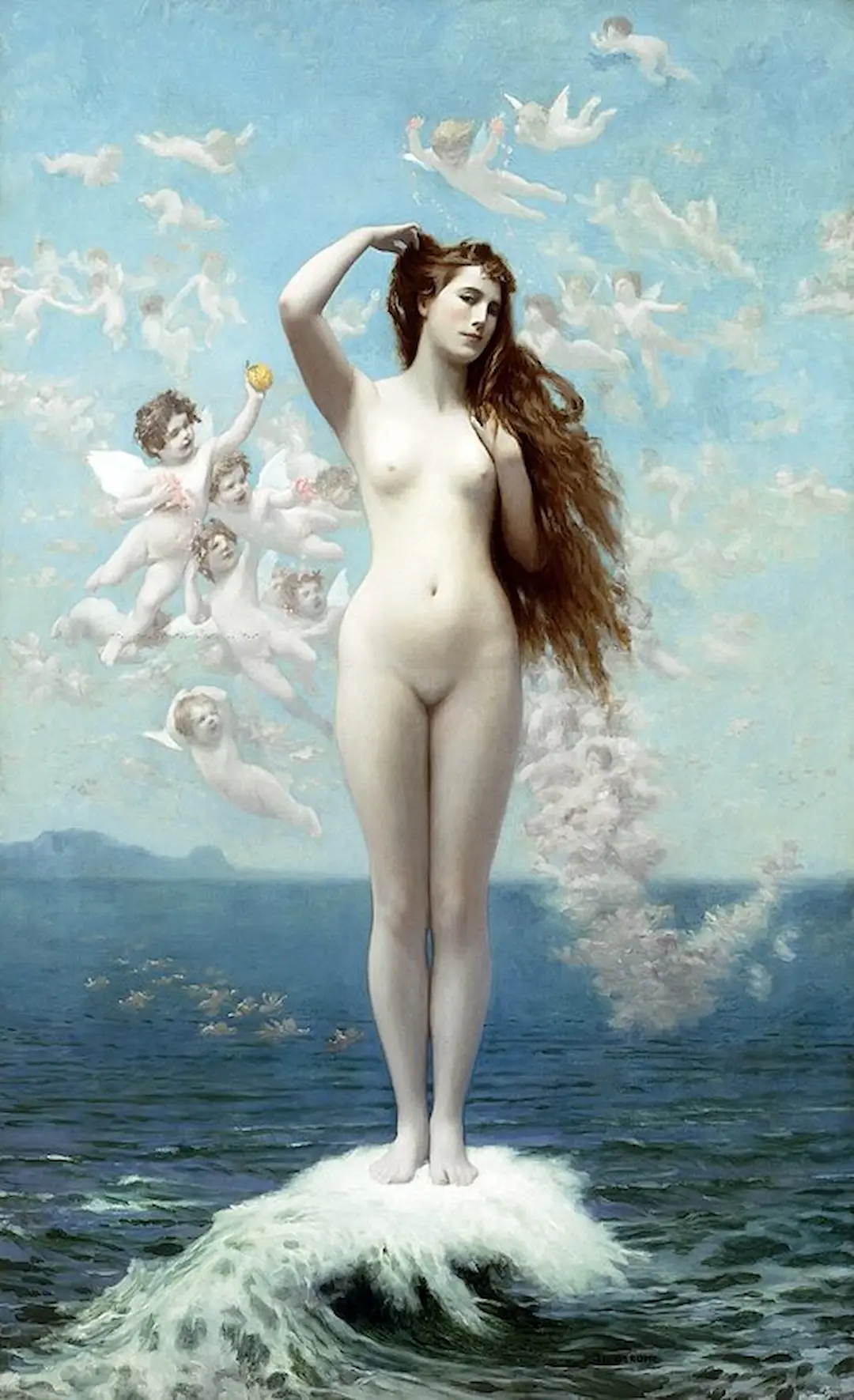
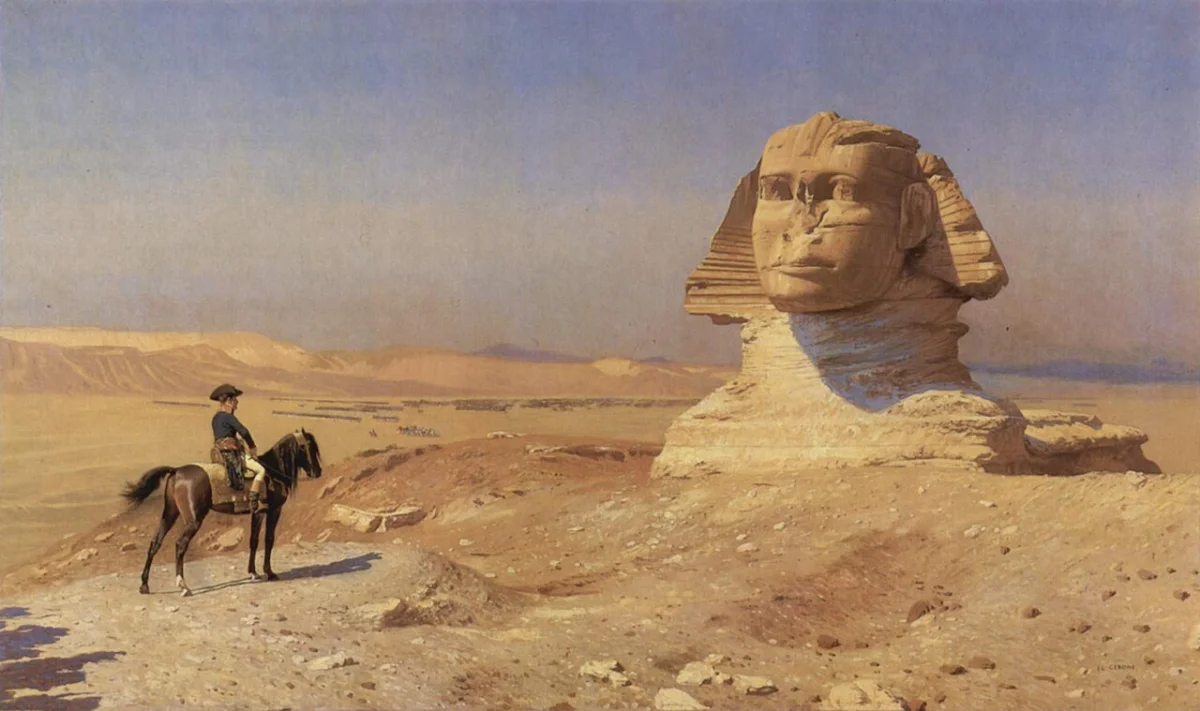
The technique showcased in "Léon Gérôme (vesoul, – Paris, )" reflects Gérôme’s dedication to precision and realism. His mastery in oil on canvas brings each subject to life, blending vibrant hues and delicate textures. Academic Classicism’s emphasis on detail and historical accuracy is evident throughout the work. Gérôme’s influence extends to other fine art painting for sale, such as "Bonaparte Before the Sphinx" and "Venus Rising," admired for their exquisite craftsmanship.
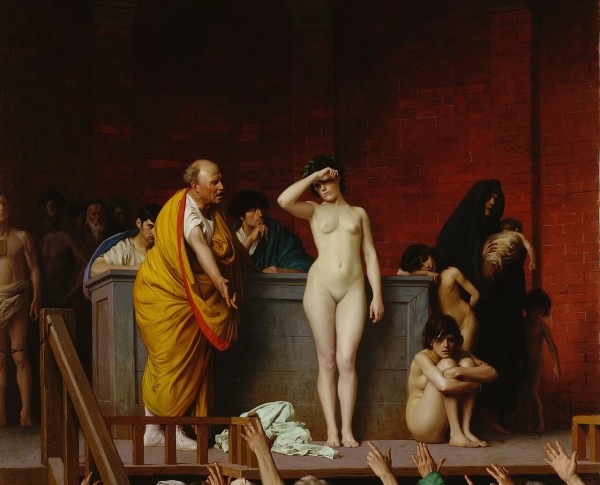
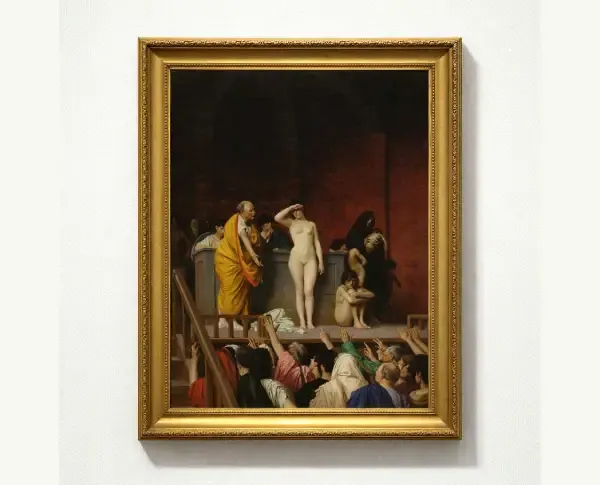
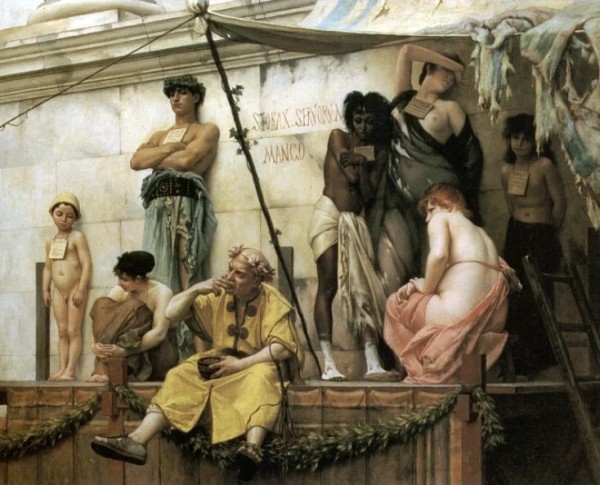
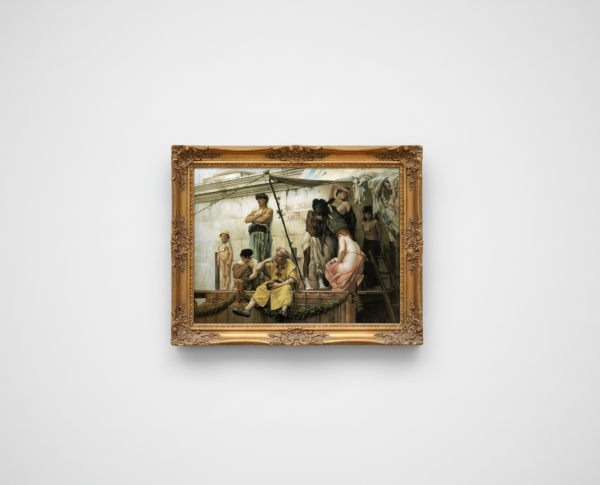
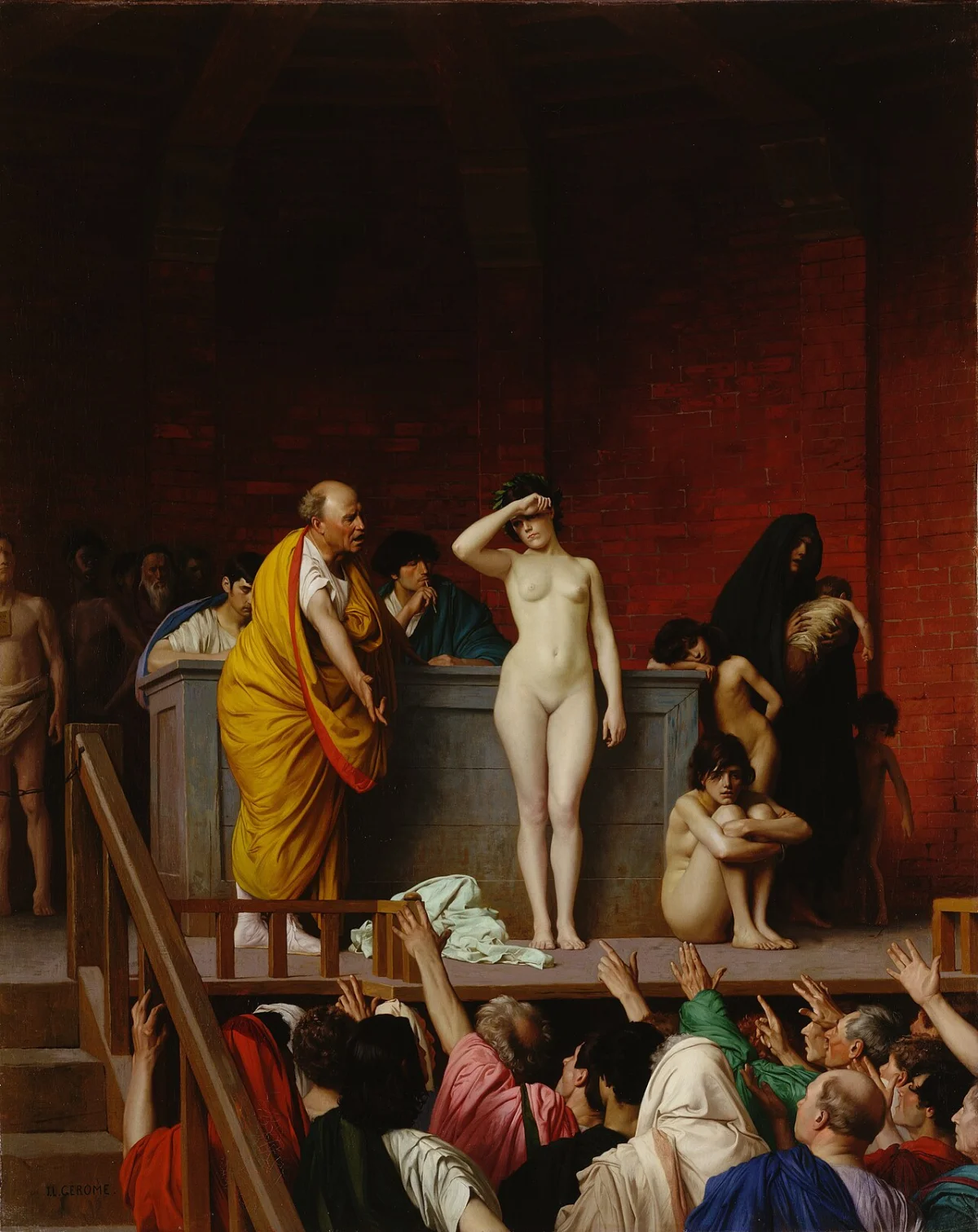
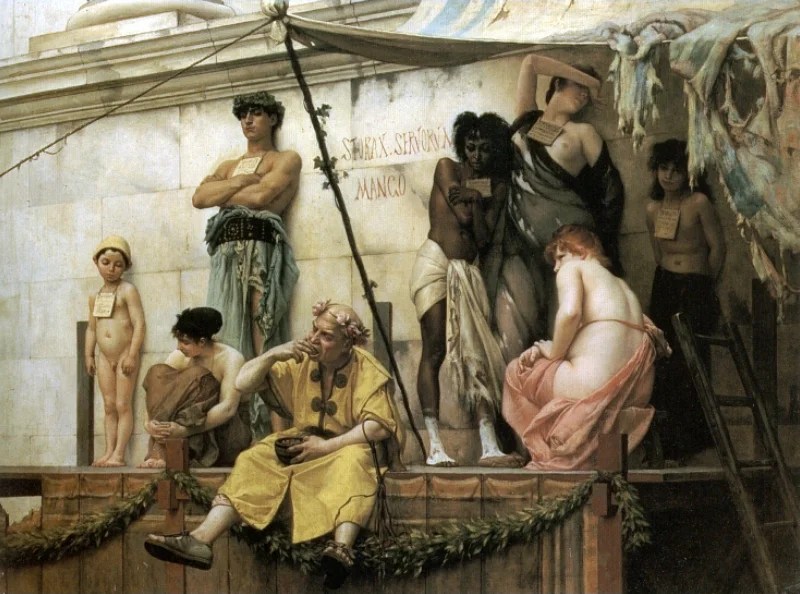
Every element in "Léon Gérôme (vesoul, – Paris, )" is thoughtfully composed, weaving stories and symbols rooted in Academic Classicism. Gérôme’s narrative approach invites viewers to explore deeper meanings within the hand-painted oil painting. His attention to cultural and historical themes resonates through related products like "The Slave Market" and "Venus Rising." Each painting offers a glimpse into the era’s sophisticated artistic dialogue and enduring appeal among collectors.
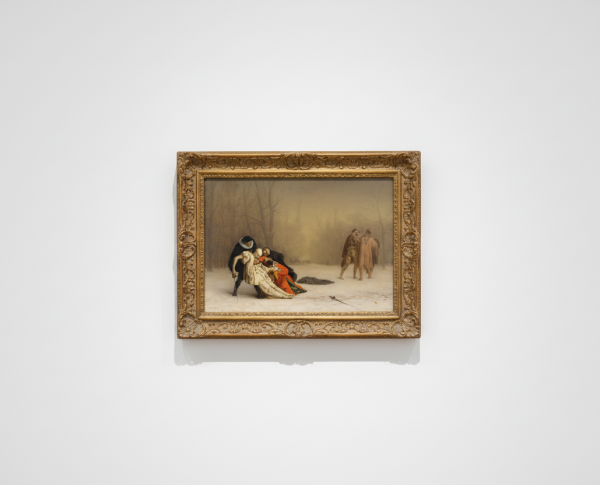
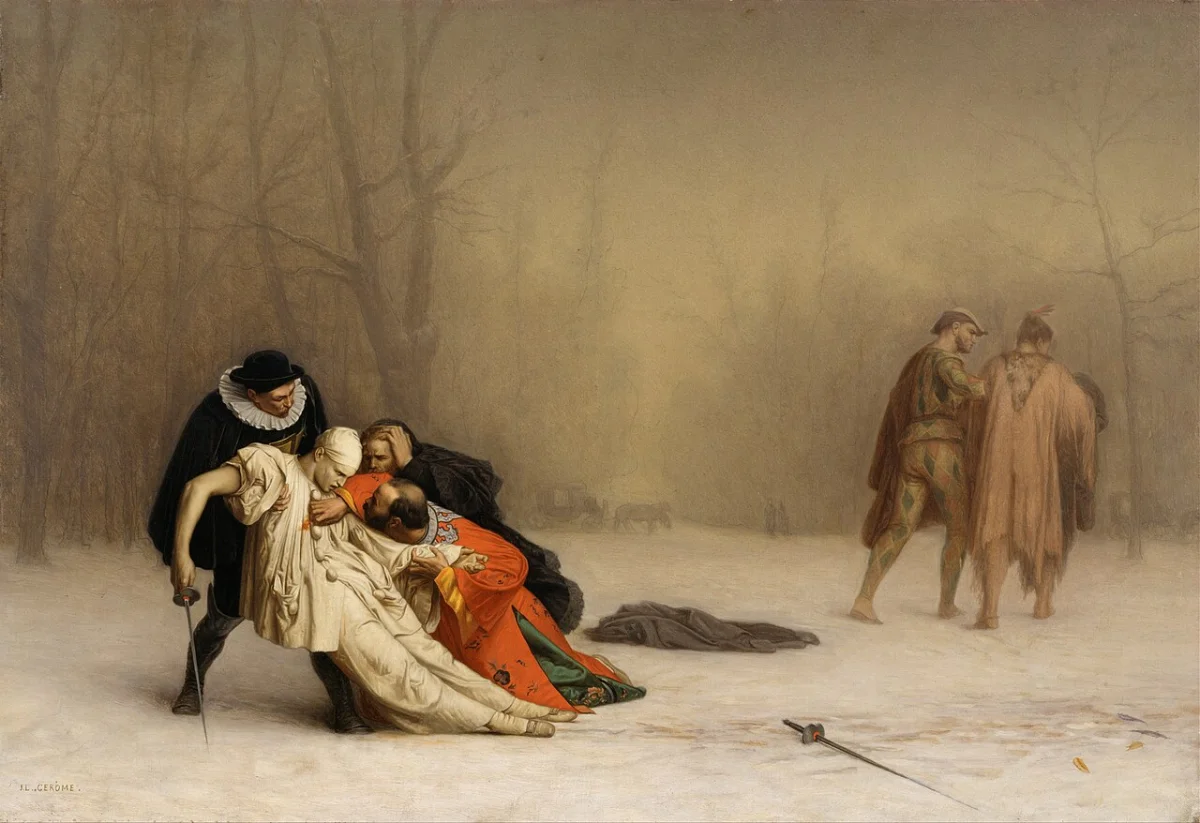
For art collectors, "Léon Gérôme (vesoul, – Paris, )" represents a fine art painting for sale that embodies the elegance of Academic Classicism. Jean-Léon Gérôme’s legacy continues to inspire, with each oil on canvas work enhancing any collection. Related products such as "The Duel After the Masquerade" and "Slave Market in Rome" further highlight his diverse portfolio. Investing in Gérôme’s art ensures a timeless addition to any refined art collection.
When Art Meets History
"Léon Gérôme (vesoul, – Paris, )" by Jean-Léon Gérôme stands as a testament to the Academic Classicism movement, intertwining historical depth with artistic mastery. Gérôme, known for his remarkable ability to capture pivotal moments, creates a narrative as rich as those in related paintings like "Dionysia" and "Dante et Virgile au Enfers (Dante and Virgil in Hell)." This hand-painted oil painting transports viewers to another era, showcasing the artist’s dedication to historical authenticity and timeless storytelling.
Techniques That Speak
Jean-Léon Gérôme’s "Léon Gérôme (vesoul, – Paris, )" exemplifies the meticulous techniques characteristic of Academic Classicism. The artist utilizes oil on canvas to achieve lifelike textures and intricate details, much like his contemporaries did in "Flaming June" and "The Storm." Gérôme’s attention to light, shadow, and anatomical precision elevates this work, making it a prime example of how oil on canvas can bring classical scenes vividly to life.
Emotions on Display
The emotional resonance of "Léon Gérôme (vesoul, – Paris, )" is palpable, drawing viewers into its evocative atmosphere. Jean-Léon Gérôme masterfully conveys subtle feelings through posture and expression, reminiscent of the poignancy found in "Pieta." This fine art painting for sale captures a spectrum of emotions, from introspection to drama, highlighting Gérôme’s ability to merge academic technique with heartfelt storytelling, a hallmark of the Academic Classicism movement.
Coveted by Collectors
Collectors worldwide seek out works like "Léon Gérôme (vesoul, – Paris, )" for their historical significance and artistic excellence. Jean-Léon Gérôme's paintings, rooted in the Academic Classicism tradition, are highly valued alongside masterpieces such as "Dionysia" and "The Storm." This hand-painted oil painting is a prized addition to any collection, representing both investment and admiration for Gérôme’s enduring legacy in fine art.
Related Academic Classicism Hand-Painted Oil Paintings by Other Artists
Other Famous Academic Classicism Artists:
Frequently Asked Questions About Léon Gérôme (vesoul, – Paris, )
What is the historical context of Léon Gérôme's work?
Léon Gérôme was active during the 19th century, a period marked by significant changes in art, including the rise of realism and the influence of academic standards. His work reflects the tension between traditional techniques and emerging modernist ideas.
What artistic movements is Gérôme associated with?
Gérôme is primarily associated with academic art and realism. His meticulous attention to detail and historical subject matter align him with the academic tradition, while his focus on realistic representation places him within the broader context of realism.
What themes are prevalent in Gérôme's paintings?
Gérôme often explored themes of history, mythology, and exoticism. His works frequently depict scenes from ancient history or the Orient, reflecting both fascination and romanticism towards these subjects.
How did Gérôme's background influence his artwork?
Born in Vesoul, France, Gérôme was trained in the classical tradition and was influenced by his studies in Italy. His exposure to different cultures and historical narratives shaped his artistic vision and subject matter.
What techniques did Gérôme employ in his paintings?
Gérôme was known for his precise brushwork, vibrant color palette, and dramatic use of light and shadow. His technique often involved layering glazes to achieve depth and luminosity in his compositions.
What is the significance of Gérôme's portrayal of the Orient?
Gérôme's portrayal of the Orient reflects Western fascination with Eastern cultures during the 19th century. His works often blend romanticized imagery with a sense of exoticism, contributing to the Orientalist movement in art.
How did Gérôme's work influence future artists?
Gérôme's commitment to technical skill and historical accuracy influenced many artists who followed him, particularly those interested in realism and narrative painting. His work has been both admired and critiqued for its academic rigor and thematic choices.
What role did Gérôme play in the academic art community?
Gérôme was a prominent figure in the academic art community, serving as a professor at the École des Beaux-Arts in Paris. His teachings and influence helped shape the next generation of artists and reinforced the values of academic art.
What are some notable exhibitions of Gérôme's work?
Gérôme's works have been featured in numerous prestigious exhibitions, including the Salon in Paris, where he gained significant recognition. His paintings are also held in major museum collections worldwide, showcasing his enduring legacy.
What symbolic meanings can be found in Gérôme's paintings?
Gérôme's paintings often carry symbolic meanings related to power, culture, and the human experience. His depictions of historical and mythical subjects invite viewers to reflect on themes of morality, civilization, and the passage of time.






















_GFM_Painting_(1).webp)


 100% Hand-Painted: Finished in 3-6 Weeks

.png)















_(1).webp)