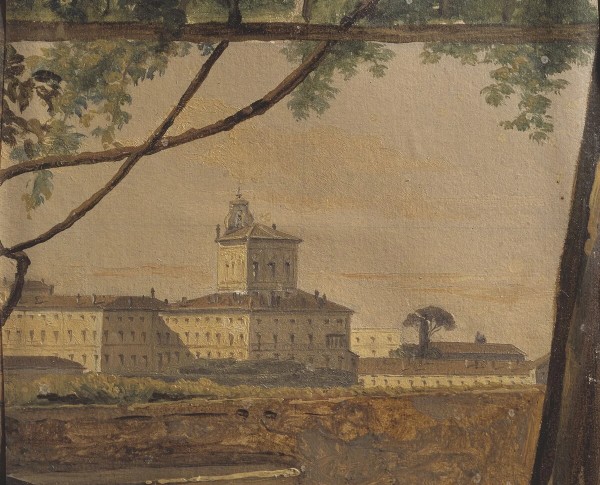
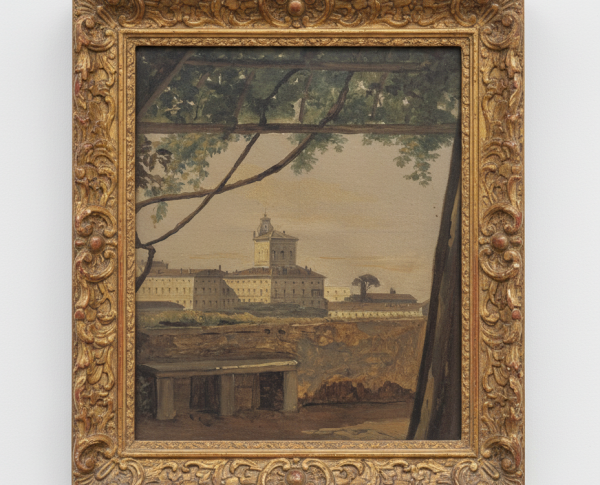
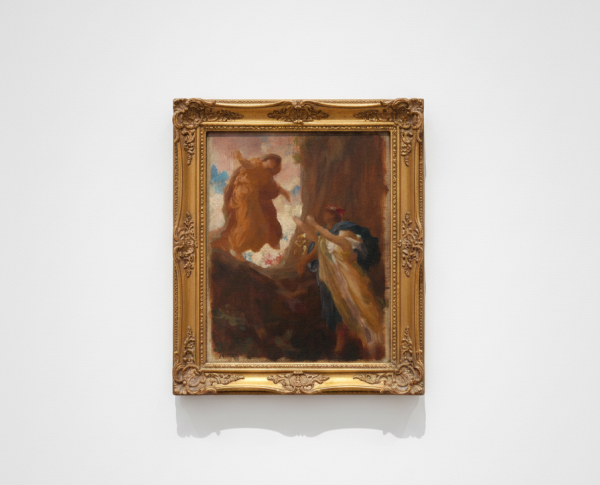
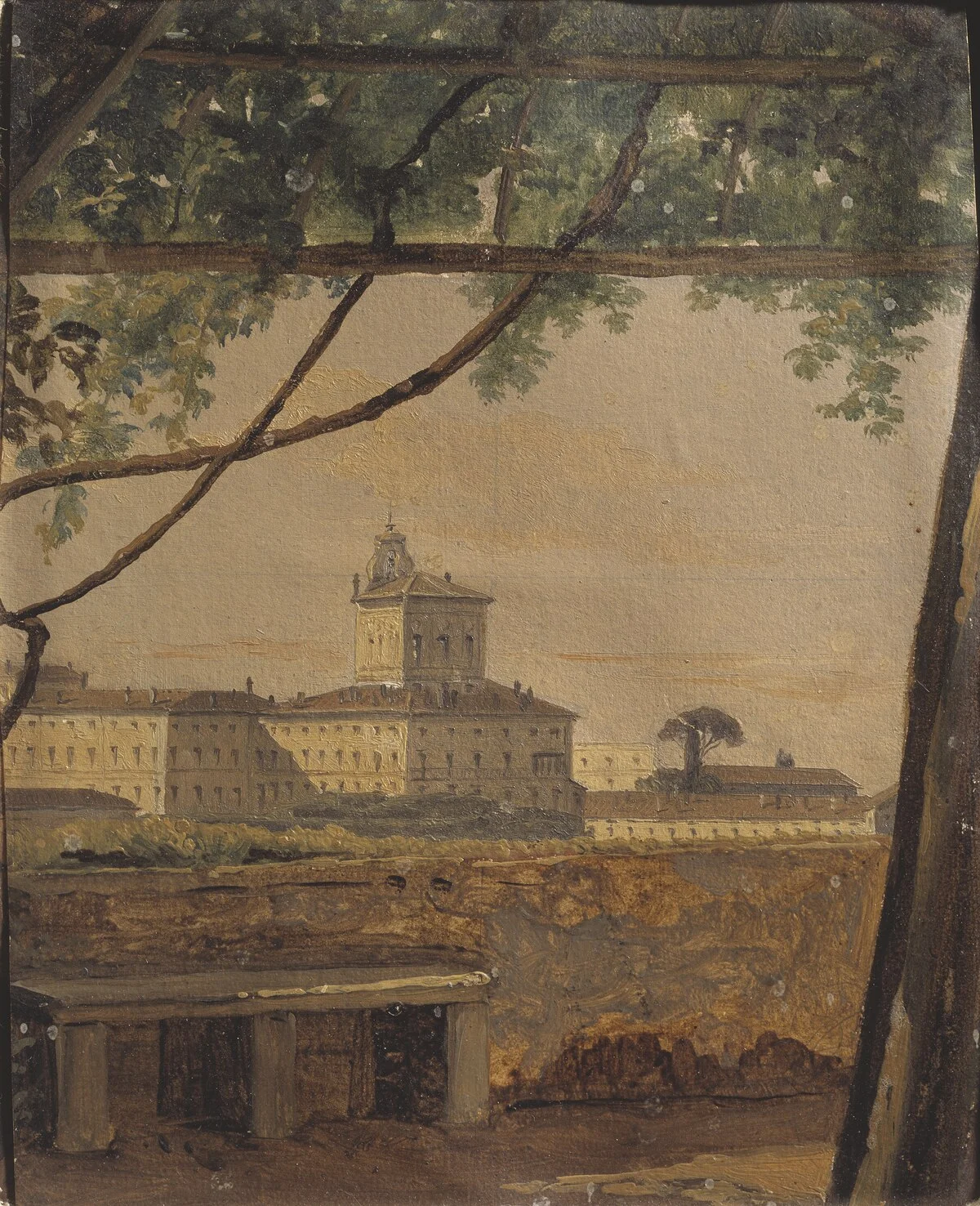
Lord Frederick Leighton’s exceptional technique is evident in every detail of "The Villa Malta, Rome." Utilizing oil on canvas, he skillfully renders the interplay of light and shadow, bringing the villa’s serene ambiance to life. The Academic Classicism movement valued technical perfection, and Leighton’s work stands as a testament to this ideal. Art enthusiasts and collectors often seek such masterpieces, making this painting and related works highly desirable additions to any fine art collection.
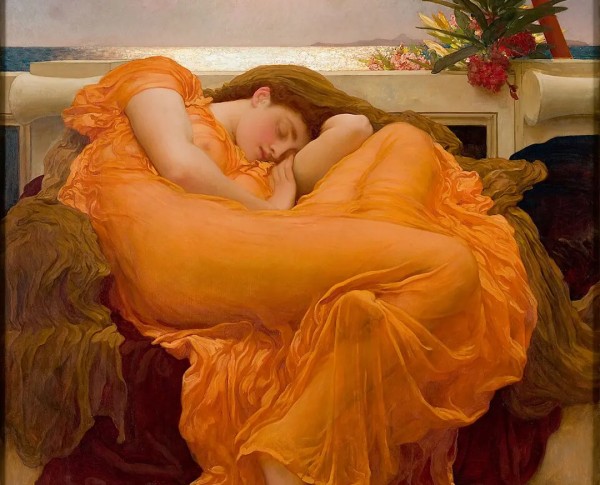
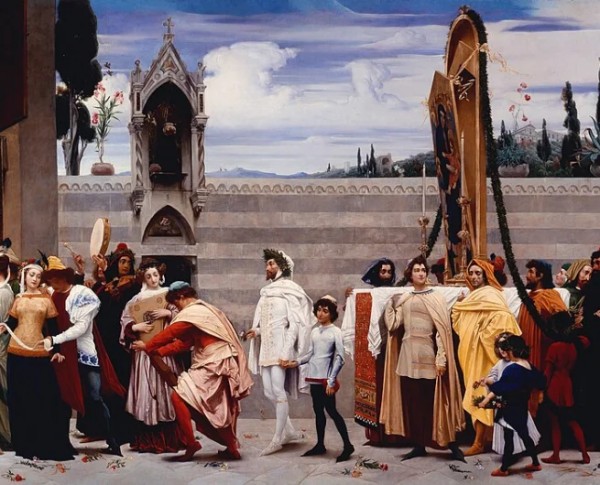
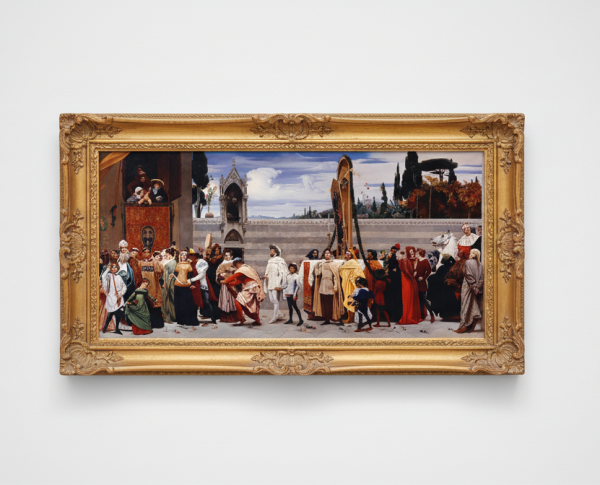
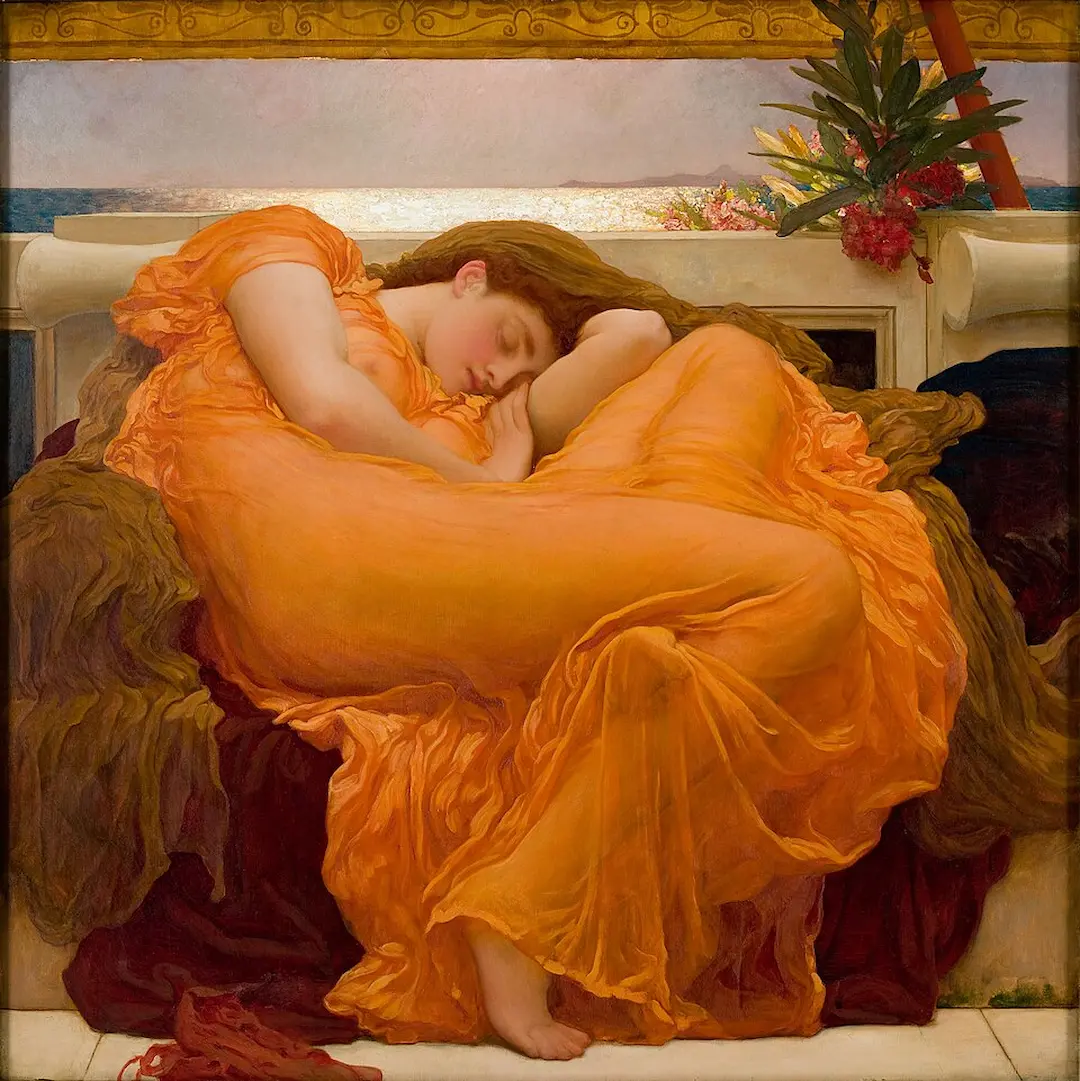
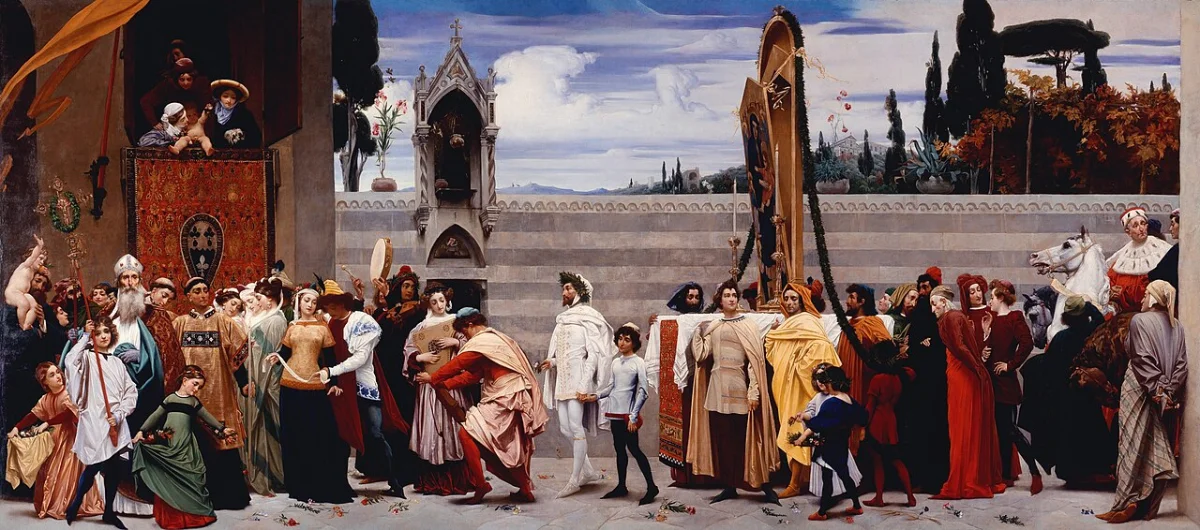
Each element in "The Villa Malta, Rome" tells a story, inviting viewers to explore the cultural and historical significance of its subject. Lord Frederick Leighton imbues the scene with symbolic references to Rome’s enduring legacy, a hallmark of the Academic Classicism movement. This fine art painting for sale appeals to those who appreciate artworks that offer both visual beauty and rich narratives, much like Leighton’s other renowned pieces, "Cimabue's Celebrated Madonna" and "Flaming June."
For art collectors, "The Villa Malta, Rome" by Lord Frederick Leighton represents a rare opportunity to own a piece of Academic Classicism history. This exquisite hand-painted oil painting exemplifies the artist’s unmatched skill and attention to detail. Its association with other esteemed works, such as "Cimabue's Celebrated Madonna" and "Flaming June," further enhances its value as a collector’s item and a distinguished fine art painting for sale in the modern market.
When Art Meets History
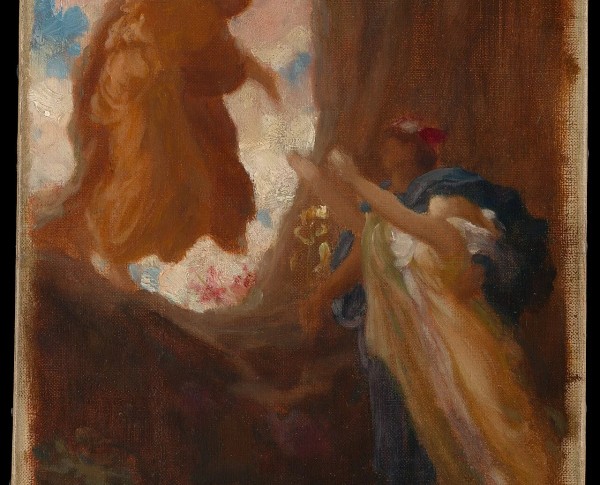
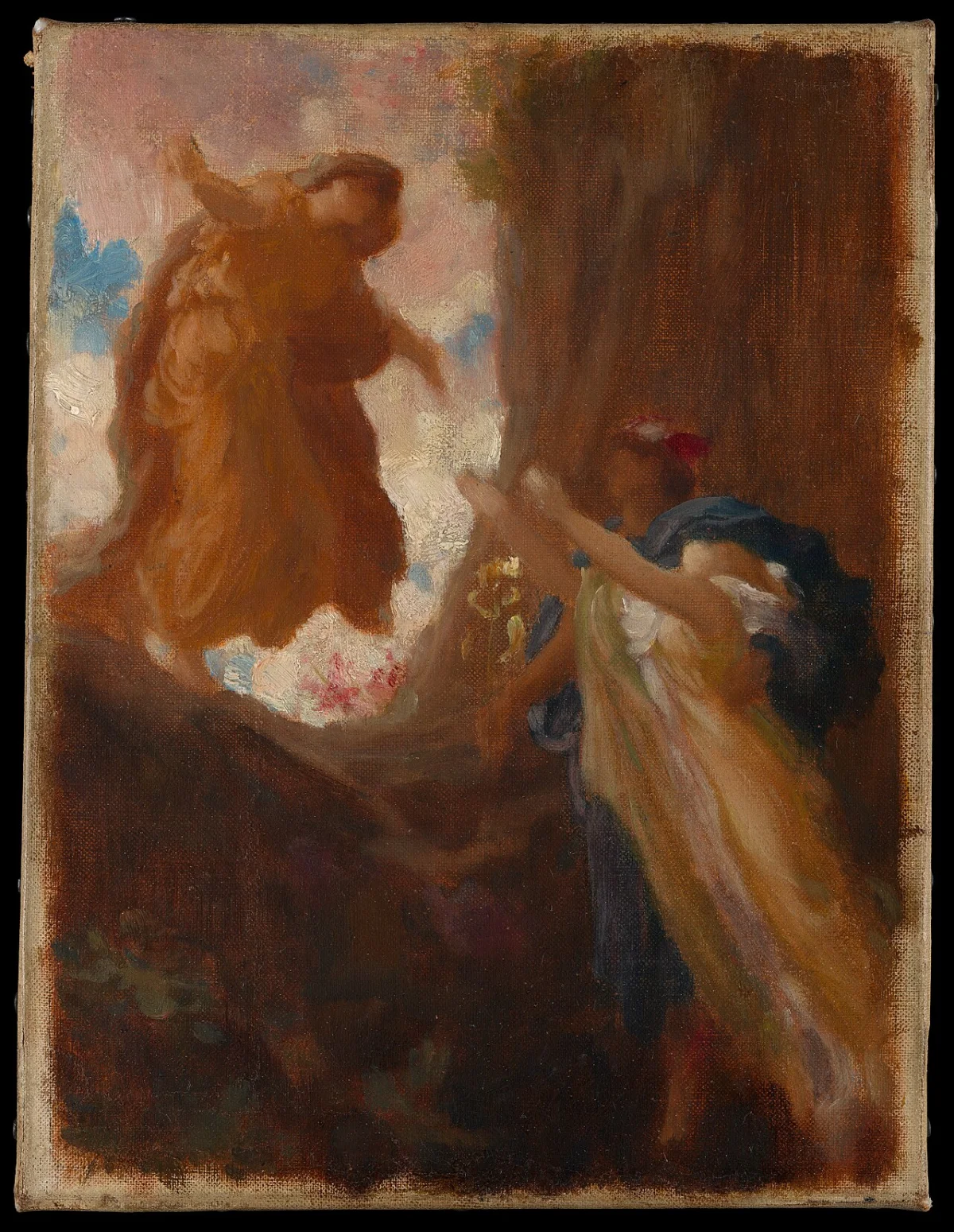
"The Villa Malta, Rome" by Lord Frederick Leighton exemplifies the grandeur of the Academic Classicism movement. Painted during a period when hand-painted oil paintings captured both architectural splendor and the spirit of their era, this masterpiece immortalizes the iconic Roman villa. Leighton's attention to historic detail places this work alongside other renowned pieces like "Pieta" and "Venus Rising," making it a pivotal fine art painting for sale for collectors fascinated by history and tradition.
Techniques That Speak
Lord Frederick Leighton's mastery is evident in the precise brushwork and luminous color palette of "The Villa Malta, Rome." Utilizing traditional oil on canvas techniques, he achieves depth and realism characteristic of Academic Classicism. The same technical prowess can be seen in related paintings such as "L'innocence (Innocence)" and "Nymphes et Satyre (Nymphs and Satyr)." Leighton's technique transforms every detail, from sunlit facades to lush gardens, into a living testament of classical artistry.
Emotions on Display
"The Villa Malta, Rome" evokes a sense of serene grandeur and timeless beauty, hallmarks of Academic Classicism. Lord Frederick Leighton imbues the scene with an emotional resonance that invites viewers to imagine life within the villa’s storied walls. Like his "Young Girl Defending Herself against Eros 1880," this hand-painted oil painting captures both tranquility and subtle drama, making it a treasured work for those seeking emotional depth in their art collections.
Coveted by Collectors
For art enthusiasts and collectors, "The Villa Malta, Rome" stands as a fine art painting for sale that embodies the prestige of Lord Frederick Leighton’s oeuvre. Its connection to the Academic Classicism movement and kinship with masterpieces like "Venus Rising" and "Pieta" add to its desirability. The oil on canvas technique and historical subject matter ensure that this painting remains a sought-after piece among those who appreciate the enduring allure of classical hand-painted oil paintings.
Related Academic Classicism Hand-Painted Oil Paintings by Other Artists
Other Famous Academic Classicism Artists:
Frequently Asked Questions About The Villa Malta, Rome
What is the historical significance of "The Villa Malta, Rome"?
"The Villa Malta, Rome" captures a moment in the late 19th century when European artists were increasingly drawn to the classical beauty and romantic landscapes of Italy, reflecting the cultural and artistic movements of the time.
Who was Lord Frederick Leighton and what is his connection to this painting?
Lord Frederick Leighton was a prominent British painter and sculptor known for his depictions of classical themes and figures. His work "The Villa Malta, Rome" exemplifies his mastery of color and form, as well as his fascination with Italian landscapes.
What artistic techniques did Leighton employ in this painting?
Leighton utilized a combination of vibrant color palettes, intricate brushwork, and a keen sense of light and shadow to create depth and realism in "The Villa Malta, Rome," showcasing his technical prowess and attention to detail.
What themes are explored in "The Villa Malta, Rome"?
The painting explores themes of beauty, tranquility, and the relationship between nature and architecture, reflecting the romantic idealization of the Italian landscape during the 19th century.
How does "The Villa Malta, Rome" reflect the Romantic movement in art?
This painting embodies the Romantic movement through its emphasis on emotion, nature, and the sublime, as well as its celebration of historical and cultural heritage, which were central to Romantic ideals.
What is the significance of the villa depicted in the painting?
The villa represents a blend of classical architecture and natural beauty, symbolizing the harmony between human creation and the environment, a key concept in both Romanticism and the appreciation of Italian heritage.
In what ways does this painting reflect Leighton's artistic influences?
Leighton's work was influenced by the Pre-Raphaelite Brotherhood and the classical traditions of the Renaissance, which is evident in his attention to detail, use of color, and the idealized portrayal of the landscape in "The Villa Malta, Rome."
What role does light play in "The Villa Malta, Rome"?
Light is a crucial element in this painting, as Leighton skillfully captures the interplay of sunlight and shadow, enhancing the three-dimensionality of the scene and evoking a sense of time and atmosphere.
How does "The Villa Malta, Rome" compare to other works by Leighton?
Compared to other works by Leighton, "The Villa Malta, Rome" showcases his ability to blend landscape and architecture, while also highlighting his evolving style that incorporates more naturalistic elements and emotional depth.
What impact did "The Villa Malta, Rome" have on subsequent artists?
The painting influenced subsequent generations of artists by demonstrating the importance of integrating landscape and architecture, as well as inspiring a continued appreciation for the beauty of Italian scenery in art.






















_GFM_Painting_(1).webp)


 100% Hand-Painted: Finished in 3-6 Weeks

.png)
















_(1).webp)