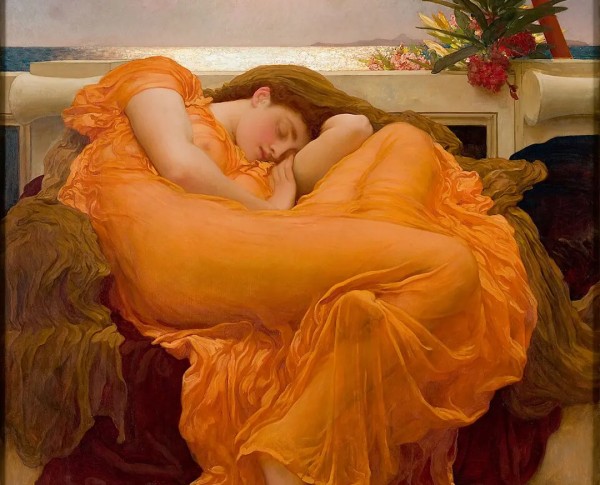
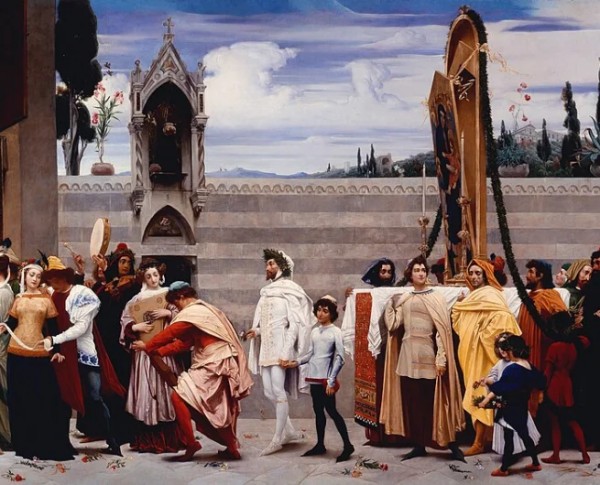
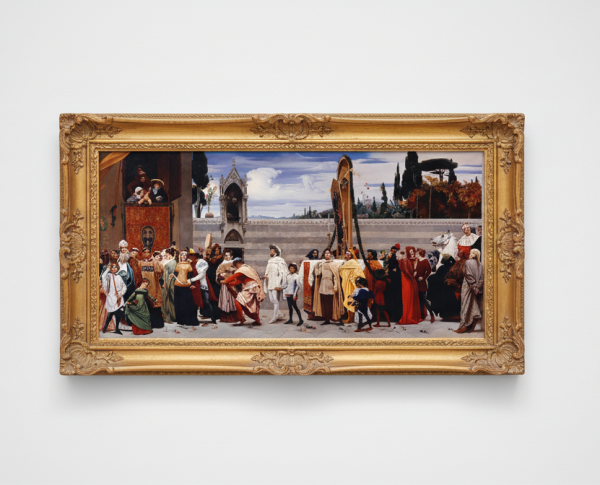
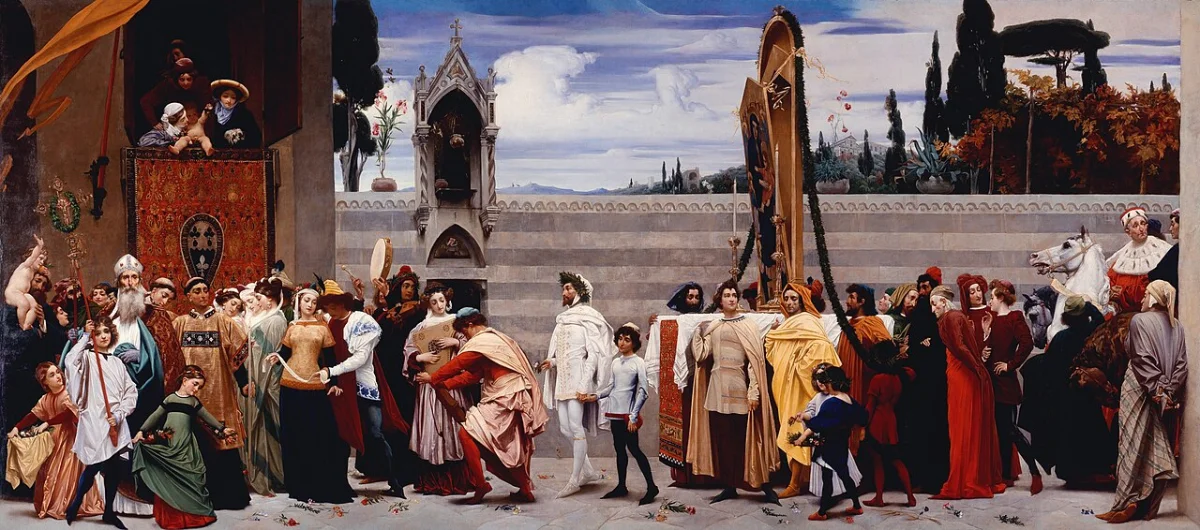
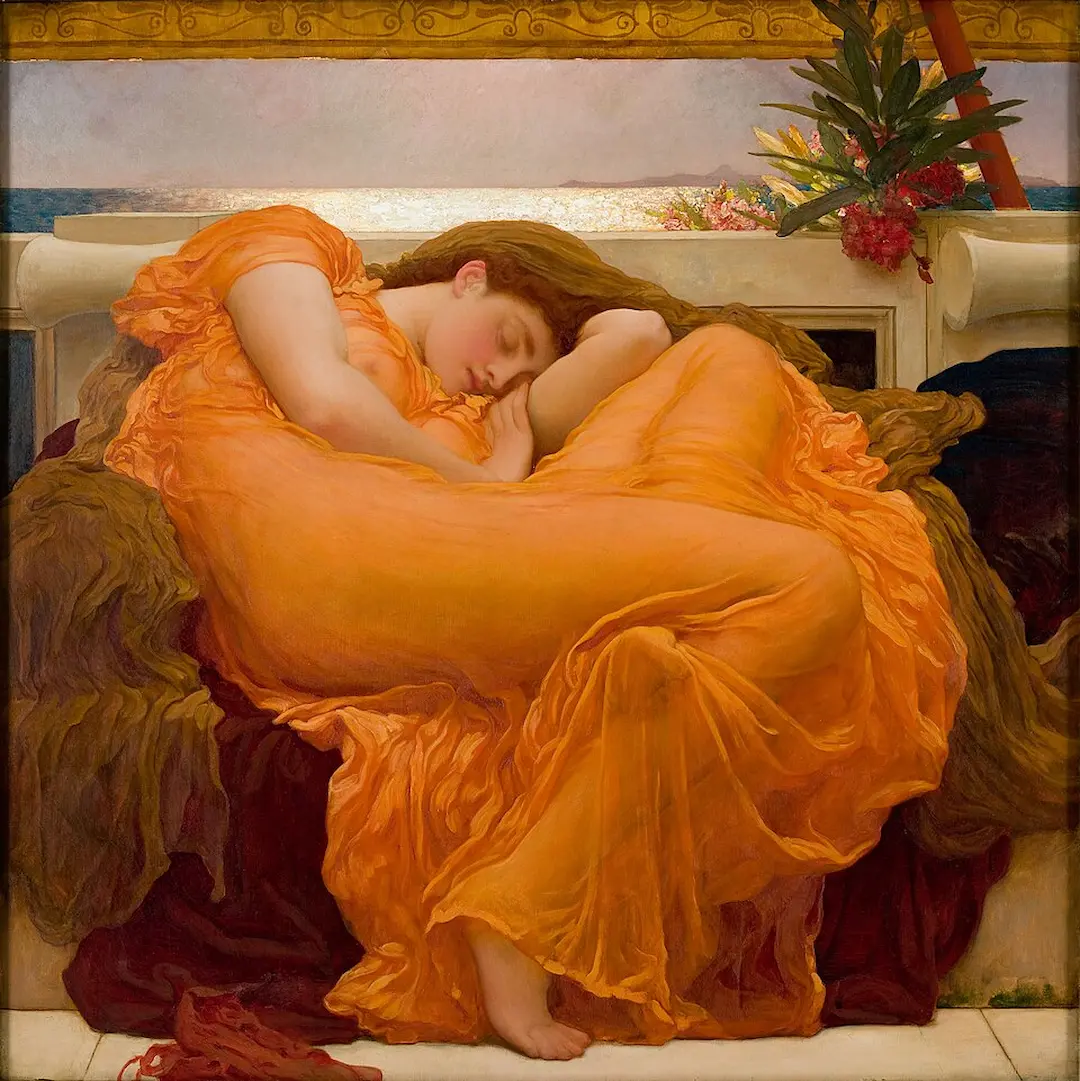
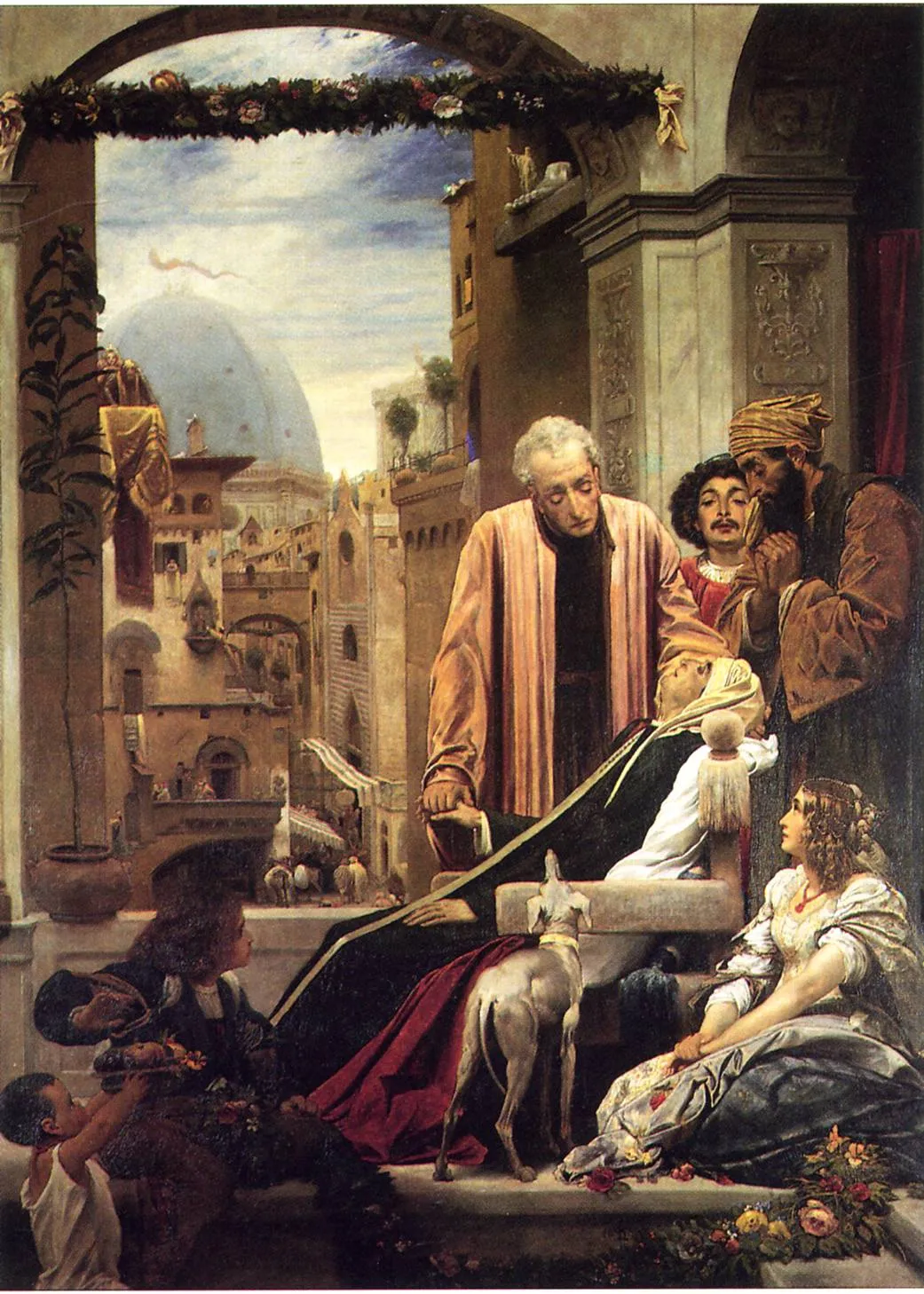
Lord Frederick Leighton’s "Cimabue's Celebrated Madonna" showcases his unrivaled skill with oil on canvas, a hallmark of Academic Classicism. Each brushstroke demonstrates his precision and attention to detail, bringing the historic procession to life. Art collectors and admirers of Leighton’s other masterpieces, such as "Flaming June," will appreciate the technical prowess and vibrant composition that make this painting a standout example of 19th-century academic artistry.
This hand-painted oil painting captures a significant moment in art history, portraying Cimabue’s Madonna being paraded through Florence. Lord Frederick Leighton weaves rich narratives and symbols into the scene, reflecting the reverence for artistic achievement during the Academic Classicism era. For those seeking a fine art painting for sale, the storytelling within this work connects deeply with both historical and contemporary audiences, making it a cherished piece alongside Leighton’s "Flaming June."
For collectors, "Cimabue's Celebrated Madonna" by Lord Frederick Leighton is more than just an oil on canvas; it is a prized work from the Academic Classicism movement. Its grandeur and historical context elevate any art collection, especially when paired with related products like "Flaming June." Those in search of a fine art painting for sale will find this piece a remarkable investment, representing the pinnacle of Leighton’s artistic vision and timeless appeal.
When Art Meets History
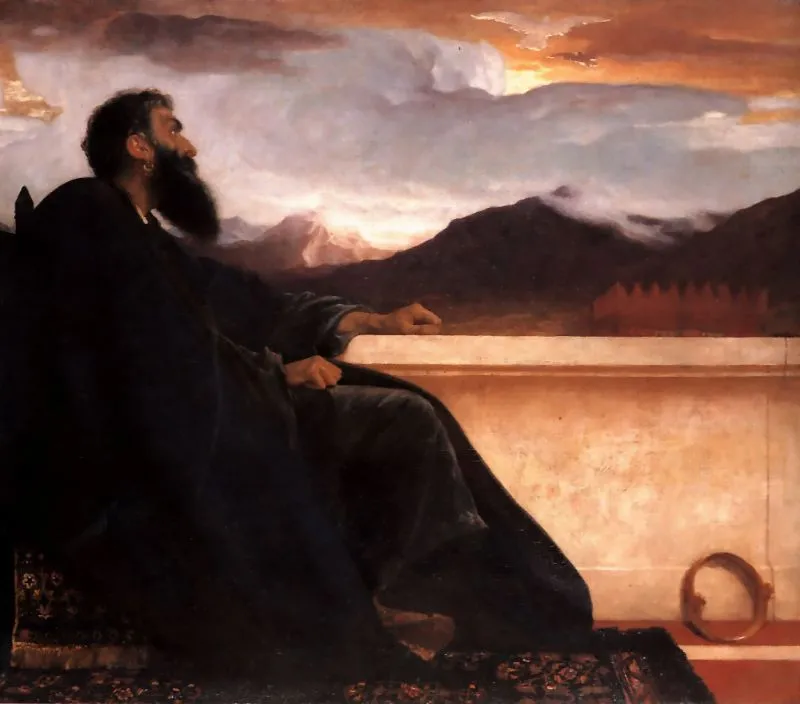
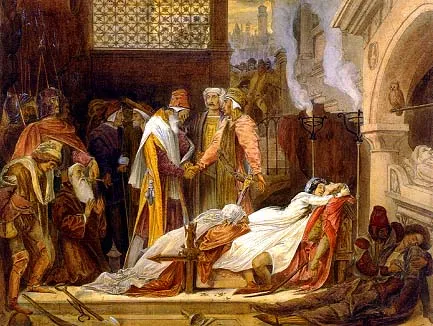
"Cimabue's Celebrated Madonna" by Lord Frederick Leighton stands as a testament to the grandeur of the Academic Classicism movement. This hand-painted oil painting captures a pivotal moment in art history, blending historical narrative with masterful technique. Leighton's work resonates alongside related paintings such as "Song of the Angels" and "The Duel After the Masquerade," offering viewers a glimpse into the era's reverence for classical themes and artistic excellence.
Techniques That Speak
Lord Frederick Leighton's "Cimabue's Celebrated Madonna" showcases the refined techniques characteristic of Academic Classicism. Executed in oil on canvas, the painting demonstrates Leighton's command of composition, color harmony, and intricate detail. Similar to his works like "Young Girl Defending Herself against Eros 1880" and "Venus Rising," this piece exemplifies the movement's dedication to technical perfection, making it a standout among collectors and art historians alike.
Emotions on Display
The emotional depth within "Cimabue's Celebrated Madonna" is palpable, as Lord Frederick Leighton captures reverence and admiration in every brushstroke. The figures and their expressions evoke a sense of awe, echoing the sentiment found in "The Abduction of Psyche 1895." As a fine art painting for sale, it invites viewers to experience the profound connection between subject and audience, a hallmark of the Academic Classicism movement.
Coveted by Collectors
As a masterpiece by Lord Frederick Leighton, "Cimabue's Celebrated Madonna" remains highly sought after by collectors of Academic Classicism. The painting’s hand-painted oil painting technique and historical significance increase its appeal, much like "Song of the Angels" and "Venus Rising." For those seeking a distinguished fine art painting for sale, Leighton's work offers both aesthetic beauty and a tangible link to the storied tradition of classical art.
Related Academic Classicism Hand-Painted Oil Paintings by Other Artists
Other Famous Academic Classicism Artists:
Frequently Asked Questions About Cimabue's Celebrated Madonna
What is the historical significance of Cimabue's Celebrated Madonna?
Cimabue's Celebrated Madonna is significant as it marks a pivotal moment in the transition from Byzantine to Renaissance art, showcasing the evolving techniques and emotional depth of the period.
Who was Cimabue and what was his influence on art?
Cimabue, an Italian painter active in the late 13th century, is often credited as one of the first artists to break away from the rigid Byzantine style, paving the way for future Renaissance masters like Giotto.
What artistic techniques are evident in Cimabue's Celebrated Madonna?
The painting employs tempera on wood, with a focus on naturalism, use of light and shadow, and a more humanized portrayal of sacred figures, which were innovative for its time.
What symbols are present in Cimabue's Celebrated Madonna?
The Madonna is often depicted with a serene expression, symbolizing divine grace, while the child Jesus may be shown with gestures that signify his future role in salvation.
How does Cimabue's Celebrated Madonna reflect the values of its time?
The painting reflects the medieval values of piety and devotion, emphasizing the importance of the Virgin Mary as an intercessor between humanity and the divine.
What role did color play in Cimabue's Celebrated Madonna?
Cimabue utilized a rich palette, with gold leaf accents to signify divinity, while the deep blues and reds symbolize the Virgin's purity and royalty, enhancing the spiritual narrative of the piece.
In what ways does this painting differ from later Renaissance works?
Unlike later Renaissance works that emphasized perspective and anatomical accuracy, Cimabue's Celebrated Madonna retains a more stylized and hierarchical composition, reflecting the transitional nature of its time.
What is the significance of the composition in Cimabue's Celebrated Madonna?
The composition centers around the Madonna and child, creating a triangular structure that draws the viewer's eye and emphasizes the importance of the figures, a common motif in religious art.
How has Cimabue's Celebrated Madonna influenced subsequent artists?
This work has influenced countless artists by establishing a precedent for the portrayal of religious figures with emotional depth and realism, inspiring the techniques of the High Renaissance.
Where can I view Cimabue's Celebrated Madonna today?
Cimabue's Celebrated Madonna is housed in the Santa Croce Basilica in Florence, Italy, where it continues to be a focal point for art historians and visitors alike.






















_GFM_Painting_(1).webp)


 100% Hand-Painted: Finished in 3-6 Weeks

.png)















_(1).webp)