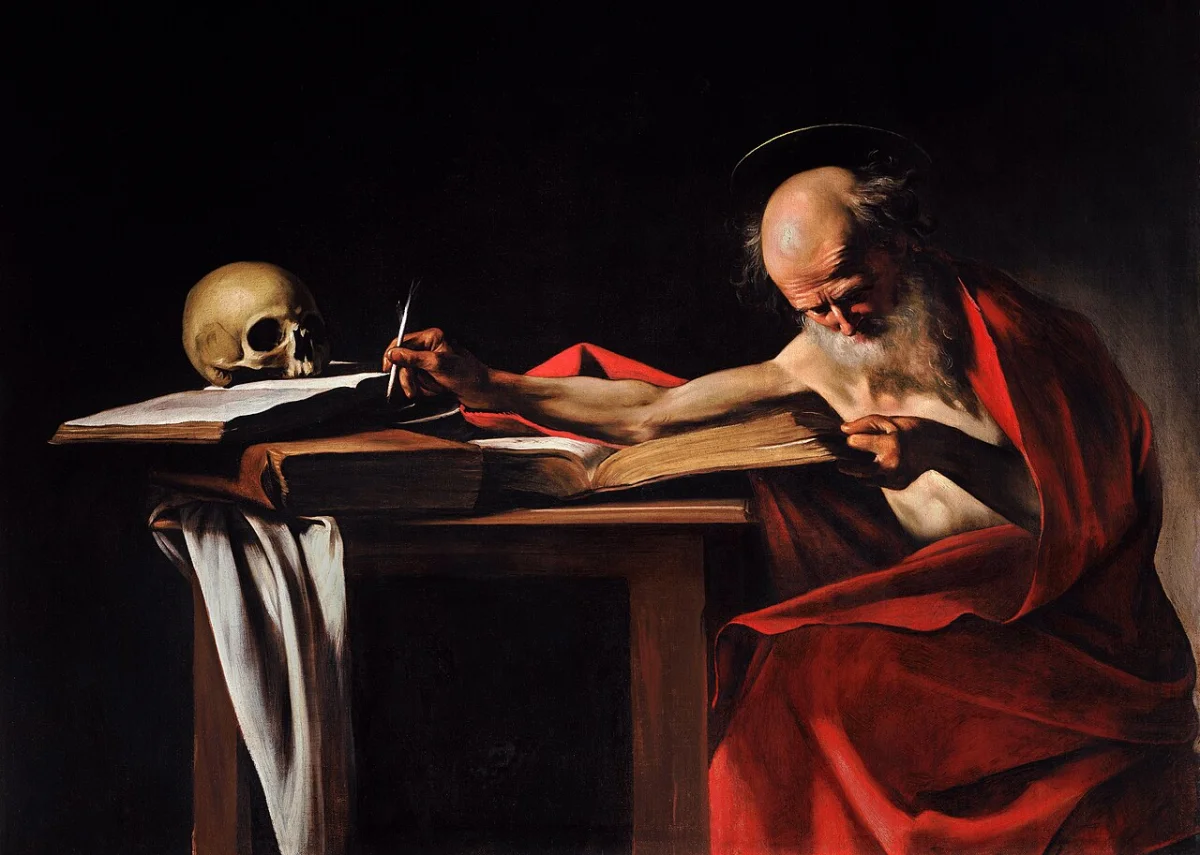
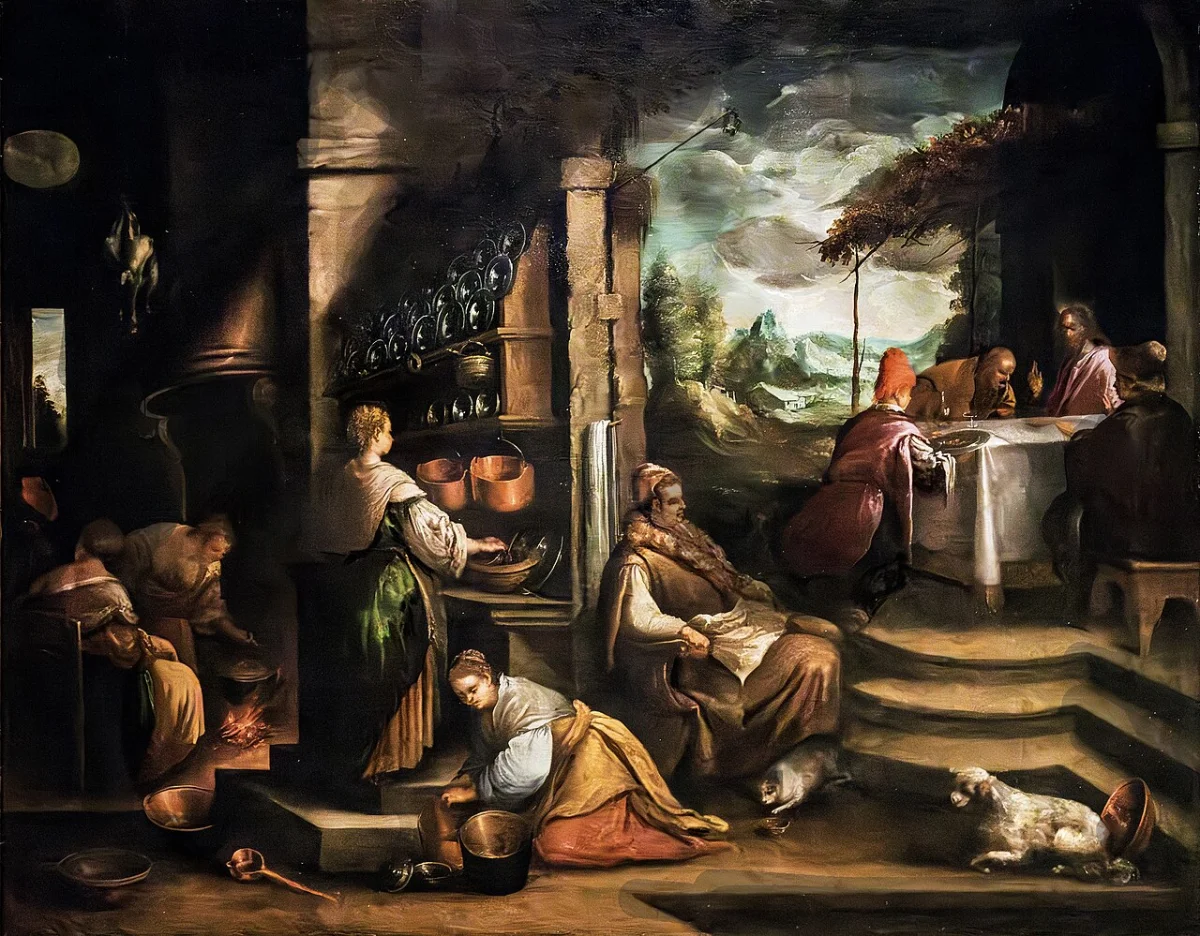
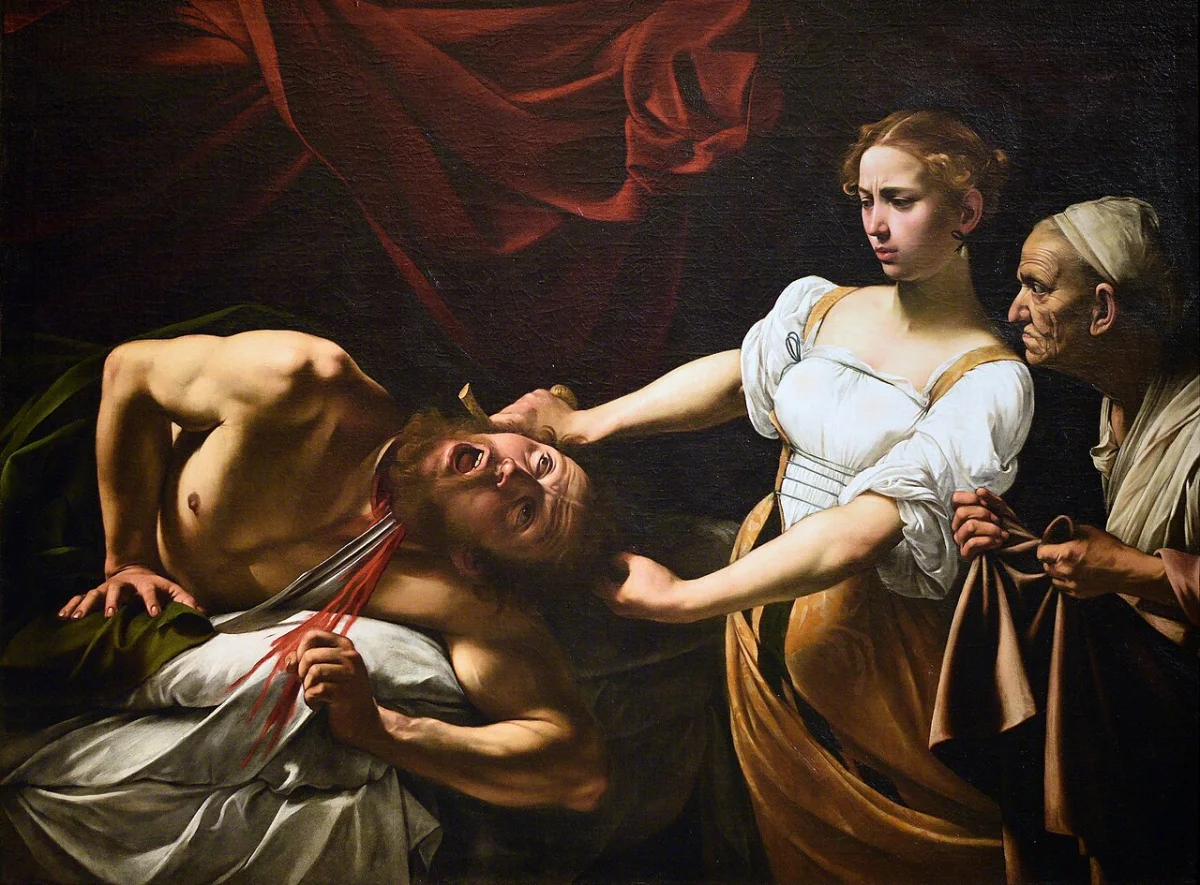
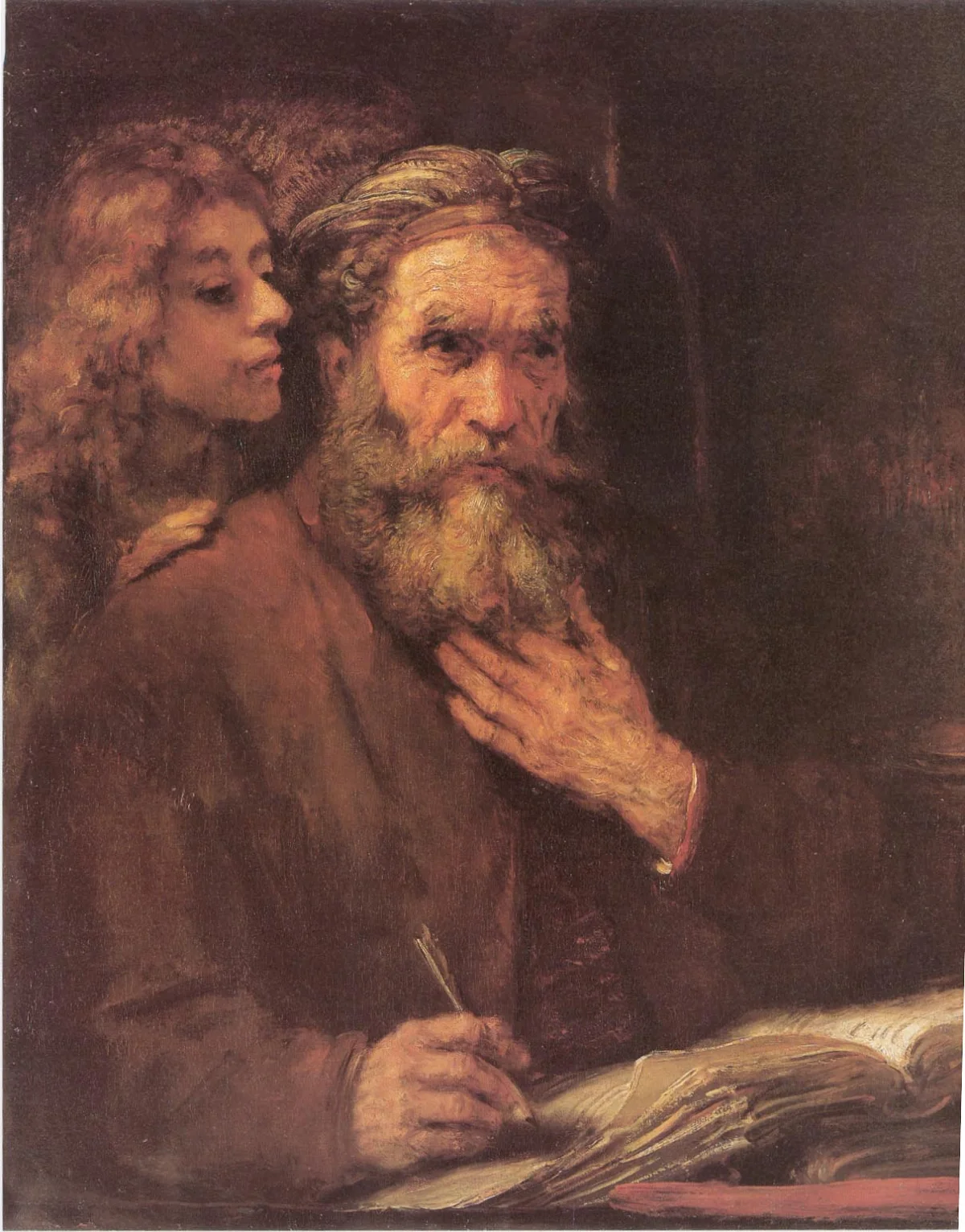
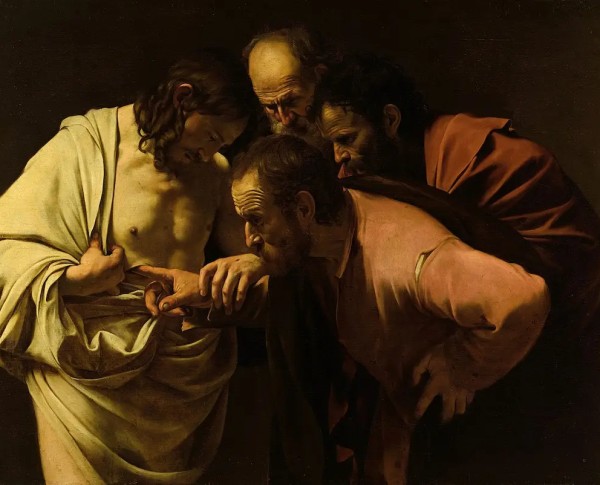
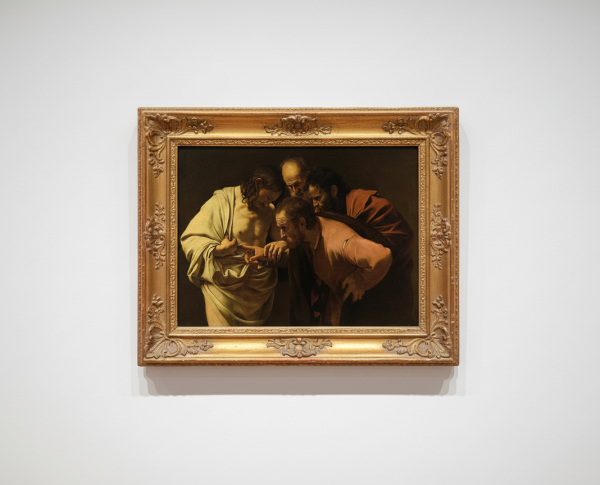
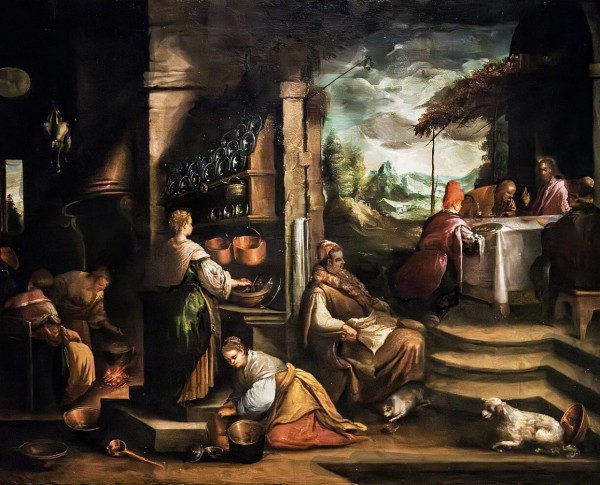
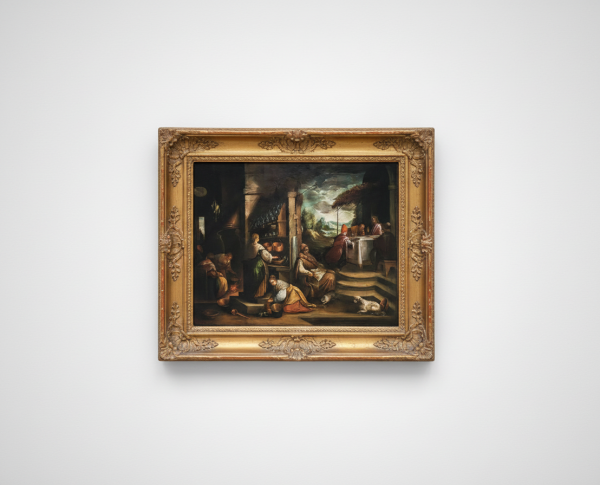
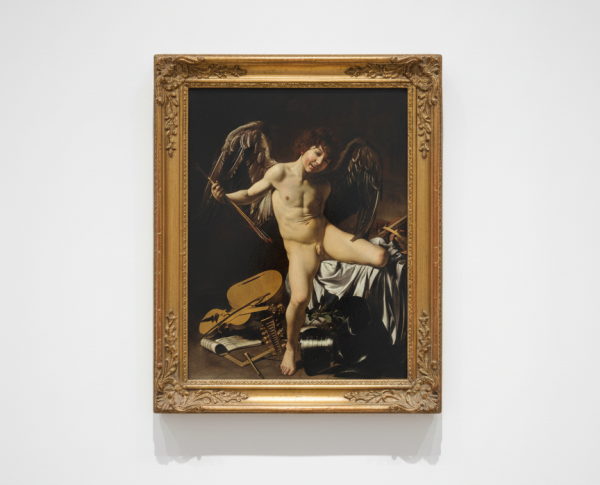
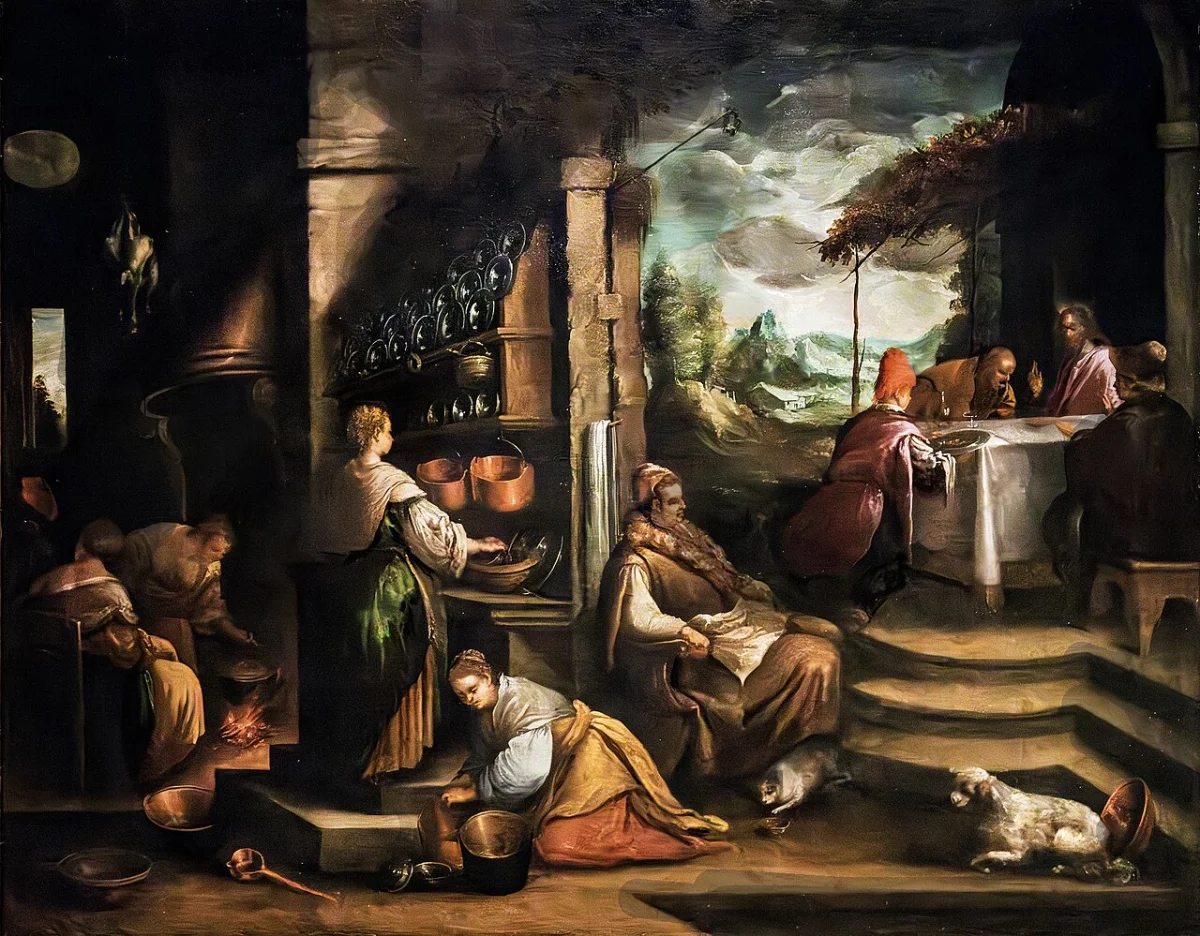
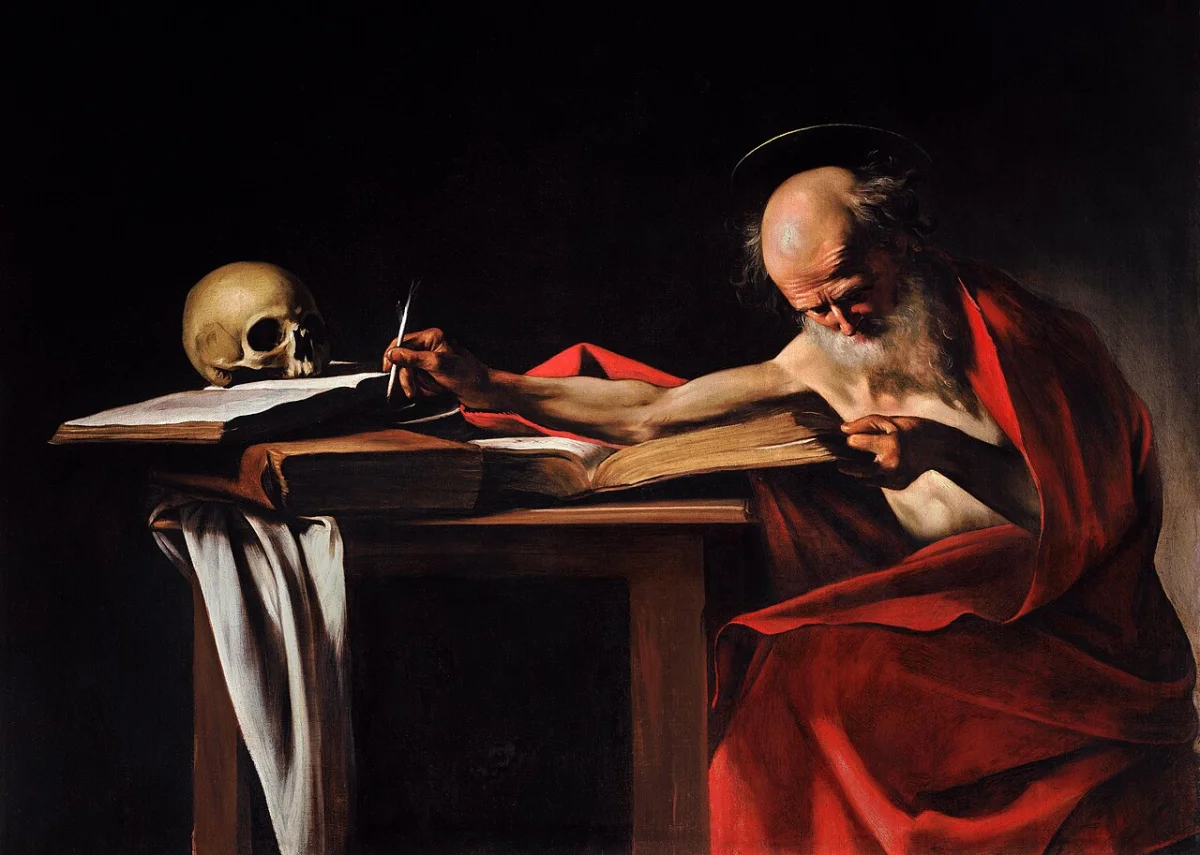
The meticulous detail in Caravaggio’s "The Taking of Christ" exemplifies the artist’s mastery of oil on canvas. Each brushstroke reveals a deep understanding of human emotion and movement, hallmarks of the Baroque style. Caravaggio’s technique is equally evident in related works such as "Supper at Emmaus" and "Saint Jerome Writing," making his oil on canvas paintings highly sought after by art lovers and collectors worldwide.
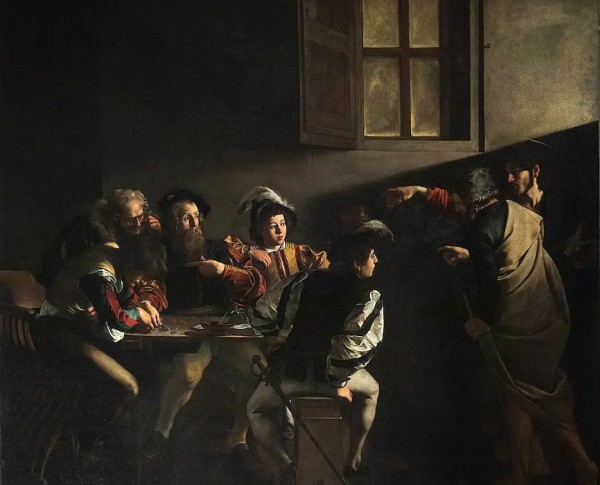
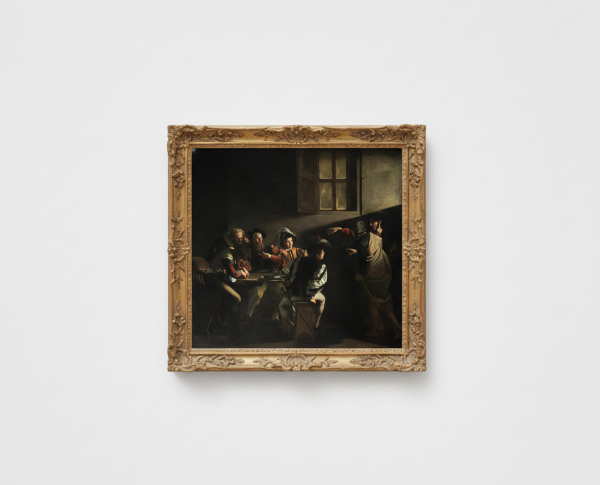
Owning "The Taking of Christ" by Caravaggio is more than acquiring a fine art painting for sale; it is an investment in Baroque history. This masterpiece, alongside related products such as "The Calling of Saint Matthew" and "Doubting Thomas," offers collectors a window into Caravaggio’s genius. Each hand-painted oil painting in this collection stands as a testament to the enduring appeal and significance of authentic Baroque artistry.
When Art Meets History
"The Taking of Christ" by Caravaggio stands as a masterwork of the Baroque movement, capturing a pivotal biblical moment with dramatic flair. This hand-painted oil painting not only immortalizes the betrayal of Jesus but also reflects the turbulence of early 17th-century Europe. Caravaggio's contemporaries, such as those behind "Self-Portrait" and "Repentant Mary Magdalene," also explored themes of human frailty and redemption, making this era a remarkable period for fine art painting for sale.
Techniques That Speak
Caravaggio’s use of oil on canvas in "The Taking of Christ" demonstrates his unique command of chiaroscuro, the dramatic interplay of light and shadow. This technique, a hallmark of the Baroque movement, imbues the scene with a sense of immediacy and tension. Like "Mountain landscape with lightning" and "Teresa Francisca Mudarra y Herrera," Caravaggio’s painting showcases meticulous detail and lifelike expressions, making each hand-painted oil painting a testament to his innovative artistry.
Emotions on Display
In "The Taking of Christ," Caravaggio channels raw emotion through the anguished faces and tense gestures of his subjects. The oil on canvas medium allows for rich, deep hues that intensify the drama of this pivotal moment. Similar emotional intensity can be observed in works like "Portrait of Charles II" and "Repentant Mary Magdalene," each fine art painting for sale bearing witness to the Baroque movement’s focus on human experience and psychological depth.
Coveted by Collectors
Caravaggio’s "The Taking of Christ" remains highly sought after among collectors of Baroque masterpieces. Its status as a hand-painted oil painting, along with its historical significance, ensures enduring appeal. Collectors often pursue related works such as "Self-Portrait" and "Mountain landscape with lightning," each oil on canvas piece representing a unique chapter in art history. For those seeking a fine art painting for sale, Caravaggio’s legacy offers both beauty and investment value.
Related Baroque Hand-Painted Oil Paintings by Other Artists
Other Famous Baroque Artists:
Frequently Asked Questions About The Taking of Christ
What is the historical context of "The Taking of Christ"?
"The Taking of Christ" was painted by Caravaggio in 1602, during the Counter-Reformation period, a time when the Catholic Church sought to reaffirm its influence through art. The painting captures the moment of Christ's arrest in the Garden of Gethsemane, a pivotal event leading to the Crucifixion.
What artistic techniques did Caravaggio use in this painting?
Caravaggio employed chiaroscuro, a technique that uses strong contrasts between light and dark to create a dramatic effect. This technique enhances the emotional intensity of the scene and draws the viewer's attention to the figures of Christ and Judas.
What is the significance of the figures in the painting?
The figures in "The Taking of Christ" represent key biblical characters: Jesus, Judas Iscariot, and the soldiers. Their expressions and postures convey a range of emotions, from betrayal and fear to authority and aggression, emphasizing the gravity of the moment.
How does Caravaggio depict light in "The Taking of Christ"?
Caravaggio uses light to highlight Christ's face and hands, symbolizing his divine nature and the importance of his sacrifice. The stark illumination contrasts with the surrounding darkness, representing the moral conflict between good and evil.
What role does symbolism play in the painting?
Symbolism is central to "The Taking of Christ." The kiss of Judas signifies betrayal, while the lantern held by one of the soldiers symbolizes the darkness of sin. The overall composition reflects themes of sacrifice, redemption, and the human condition.
How does this painting reflect Caravaggio's style?
This work exemplifies Caravaggio's signature style, characterized by realism, dramatic lighting, and emotional depth. His focus on human emotion and physicality sets his work apart from the idealized forms of earlier Renaissance artists.
What is the significance of the composition in "The Taking of Christ"?
The composition is dynamic, with figures arranged in a triangular formation that guides the viewer's eye towards Christ. This arrangement enhances the tension of the scene and underscores the central conflict of the narrative.
Where is "The Taking of Christ" currently housed?
"The Taking of Christ" is part of the collection at the National Gallery of Ireland in Dublin. It was acquired in the 19th century and has since been a significant piece in the gallery's collection of Baroque art.
What impact did "The Taking of Christ" have on later artists?
The painting had a profound influence on Baroque artists and beyond, inspiring generations with its emotional intensity and innovative use of light. Artists such as Rembrandt and Rubens were notably influenced by Caravaggio's dramatic storytelling and realism.
What are the main themes explored in "The Taking of Christ"?
The main themes of the painting include betrayal, sacrifice, and the struggle between light and darkness. These themes resonate with the viewer, inviting reflection on moral choices and the nature of faith.






















_GFM_Painting_(1).webp)


 100% Hand-Painted: Finished in 3-6 Weeks

.png)















_(1).webp)