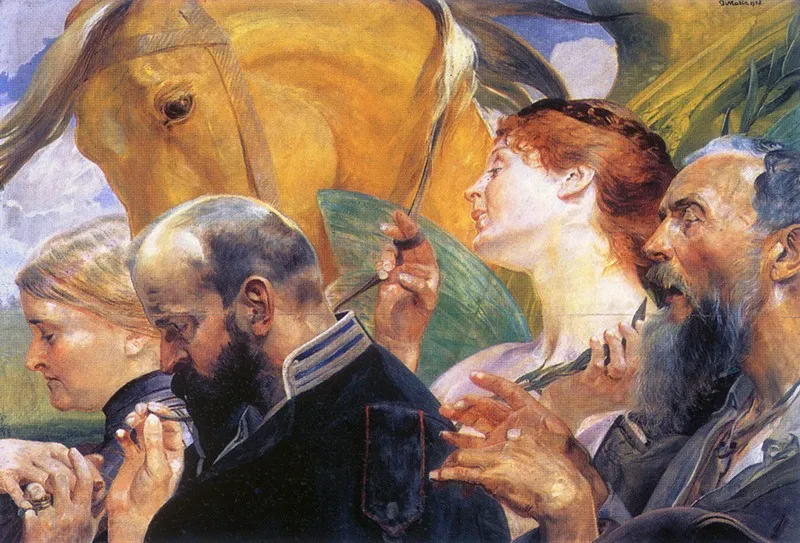
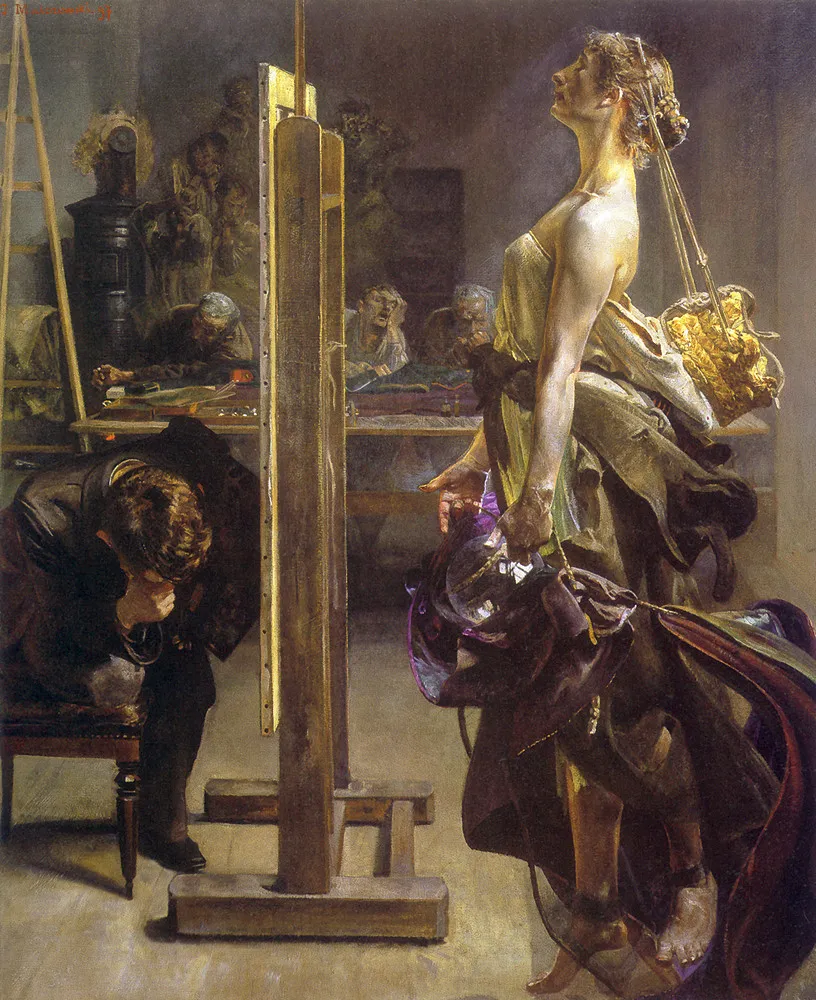
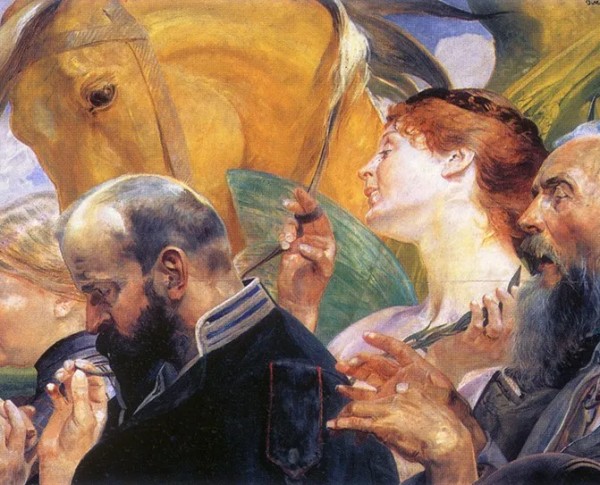
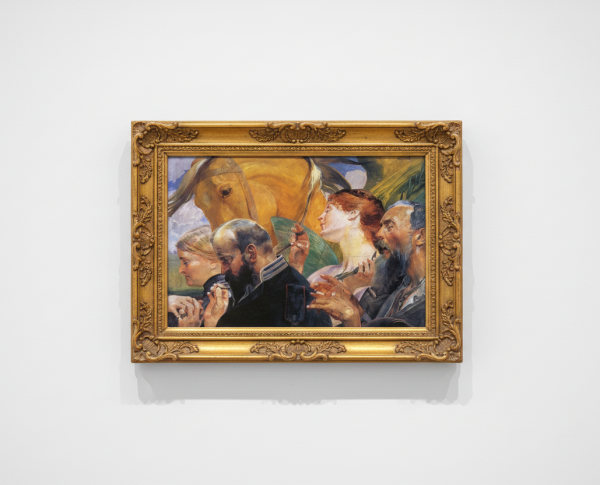
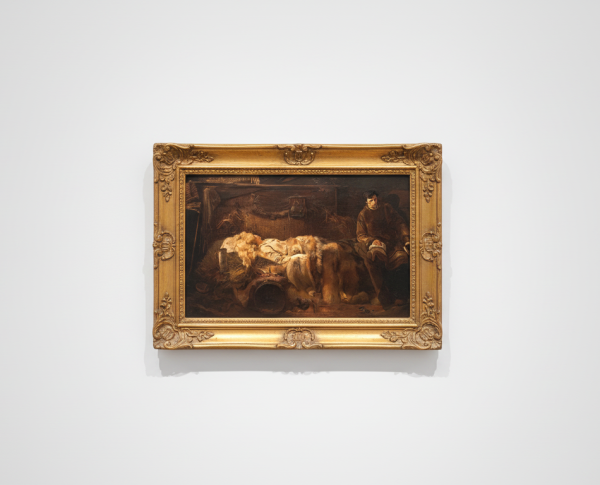
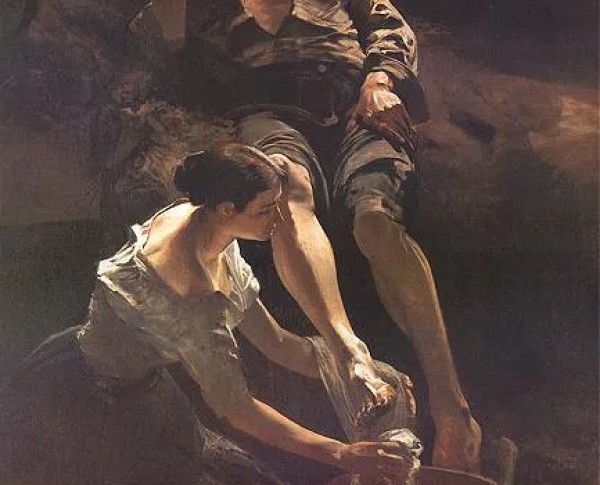
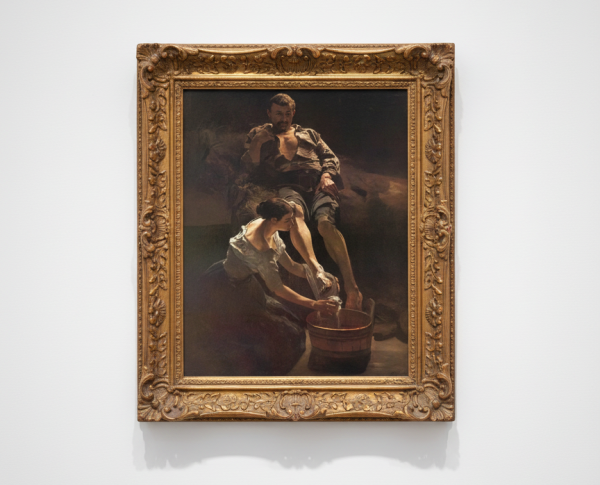
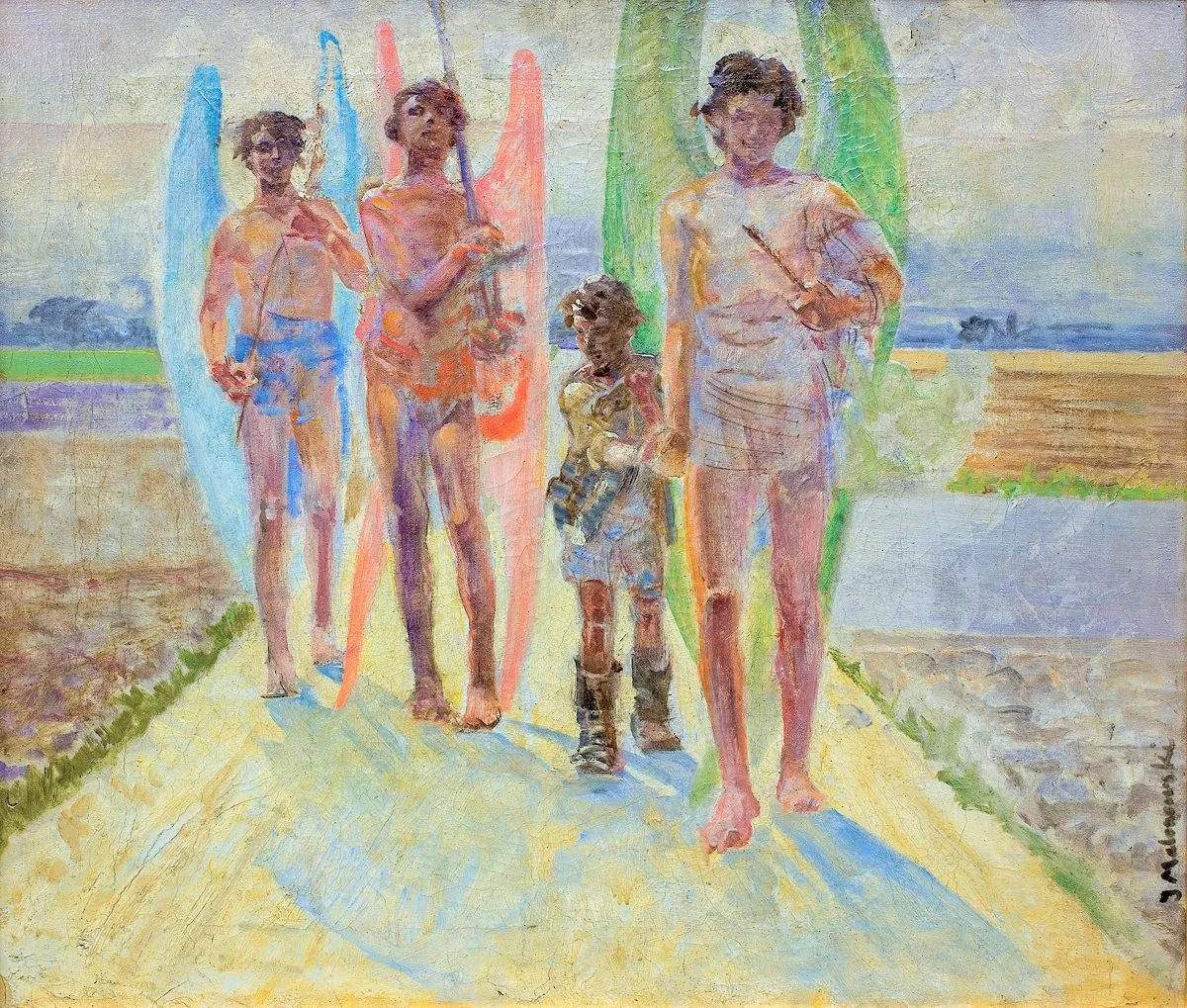
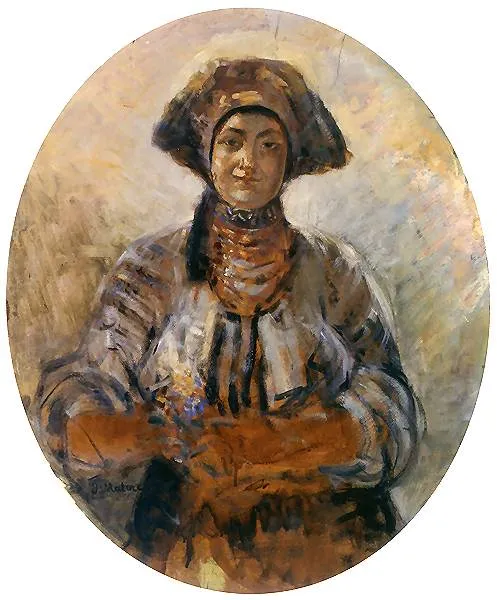
Jacek Malczewski’s “Angels with Tobias” demonstrates exquisite technique and attention to detail, evident in the delicate rendering of figures and ethereal backgrounds. The artist’s expert use of oil on canvas brings a captivating luminosity to the scene, enhancing the emotional depth and symbolic meaning. This fine art painting for sale exemplifies the technical brilliance and creative vision characteristic of the Symbolism movement. Discover similar works like “Portrait of Tadeusz Blotnicki with Medusa” to appreciate Malczewski’s mastery.
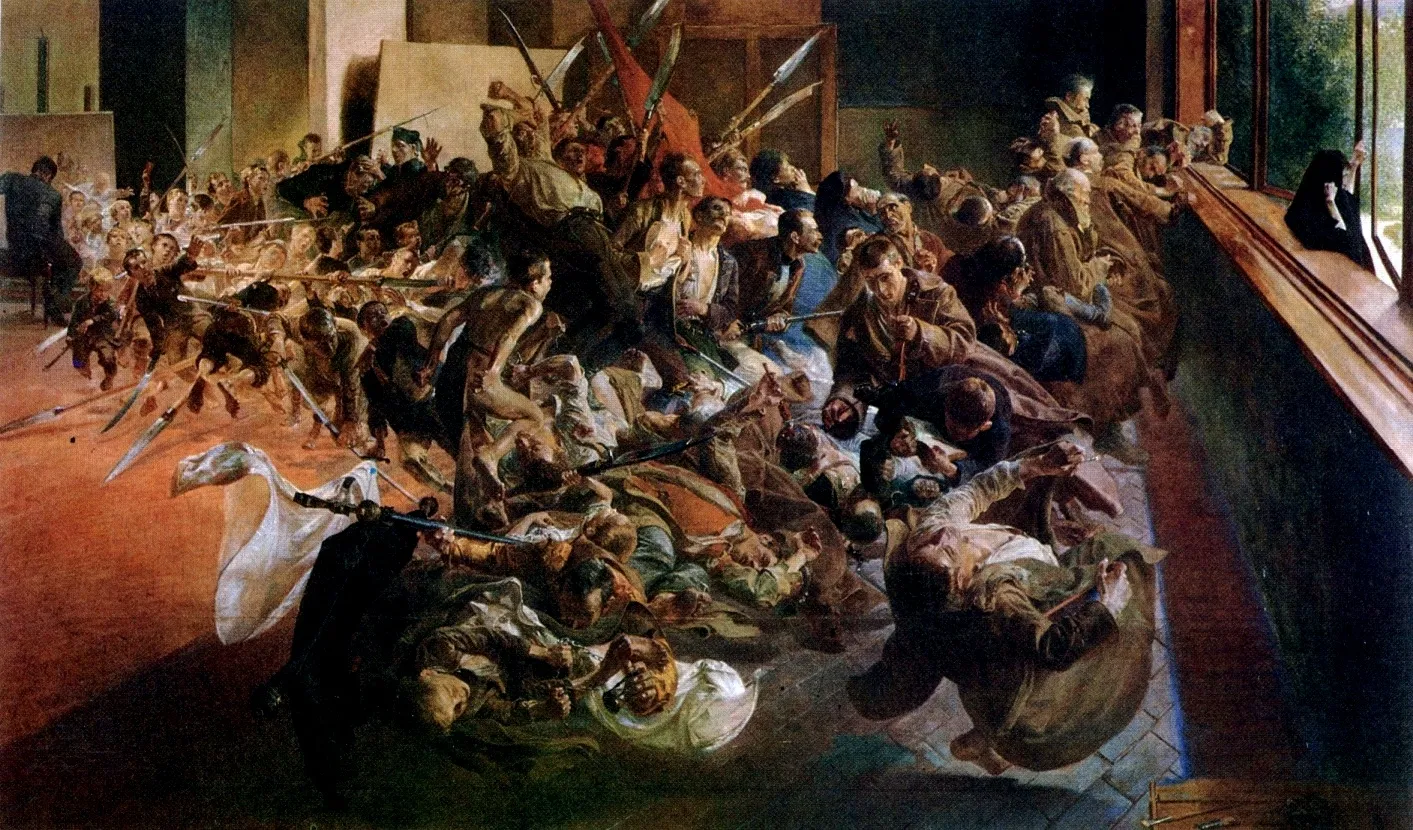
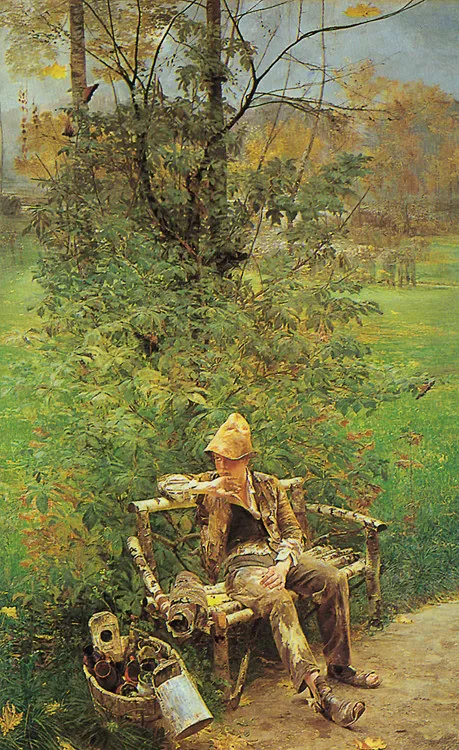
“Angels with Tobias” weaves together biblical stories and complex symbolism, a hallmark of Jacek Malczewski’s artistry within the Symbolism movement. The hand-painted oil painting invites viewers to interpret its layered meanings—angelic guidance, innocence, and the journey of the soul. Malczewski’s narrative approach is echoed in related pieces such as “The Painter Boy” and “Portrait of Adam Asnyk with a Muse,” each offering a unique exploration of myth and allegory through fine art.
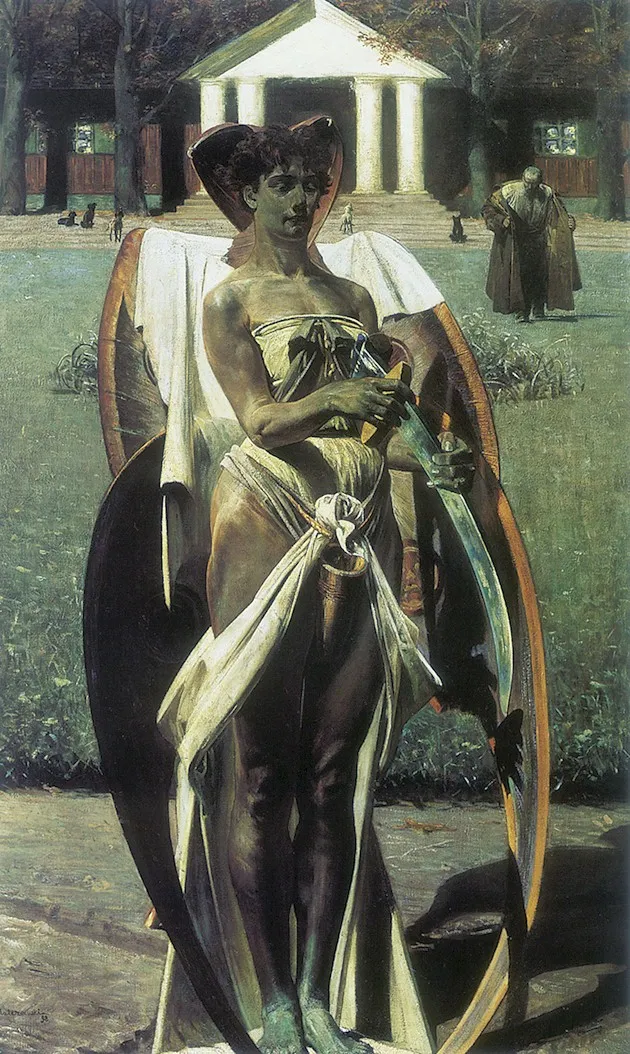
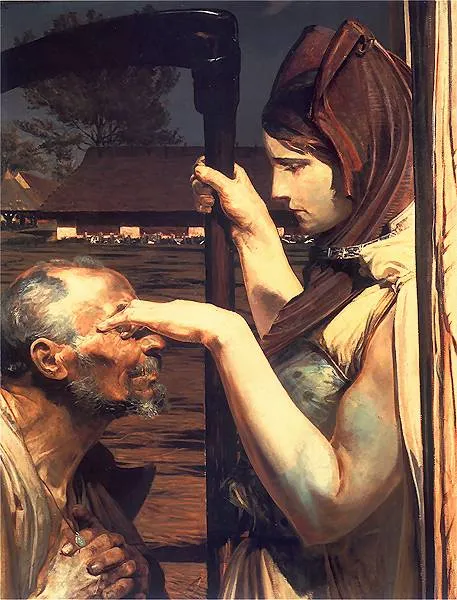
Owning “Angels with Tobias” by Jacek Malczewski means possessing a significant piece of Symbolist history. This oil on canvas artwork is highly sought after by collectors who value both its artistic merit and its evocative storytelling. As a fine art painting for sale, it stands alongside masterpieces like “Thanatos” and “Vicious circle,” making it an exceptional addition to any collection focused on Symbolism or the genius of Malczewski.
When Art Meets History
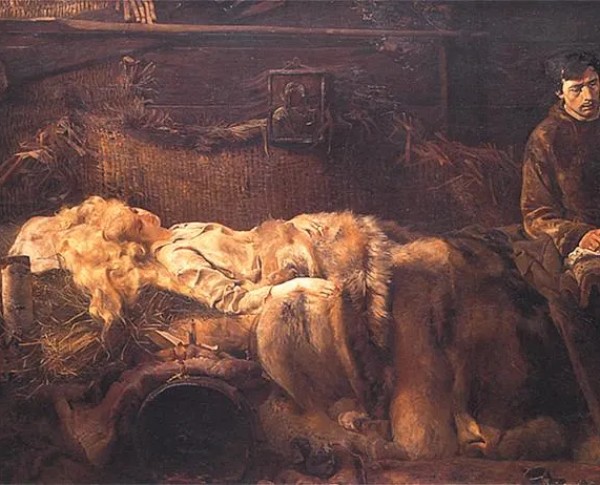
"Angels with Tobias" by Jacek Malczewski stands as a testament to the Symbolism movement, merging mythological themes with personal narratives. Painted during a period of artistic transformation, it reflects the era's fascination with mysticism and allegory. This hand-painted oil painting echoes the spirit of related masterpieces like "Salome" and "Woman in Blue," showcasing Malczewski's unique approach to symbolism and storytelling. The work continues to captivate art enthusiasts and historians alike with its layered historical context.
Techniques That Speak
Jacek Malczewski’s "Angels with Tobias" employs masterful oil on canvas techniques, characteristic of the Symbolism movement. Through ethereal brushwork and subtle color gradations, Malczewski crafts a dreamlike atmosphere, much like those seen in "Maja Maldita" and "Catalan Cap D'estudi." His careful layering and attention to light evoke an otherworldly presence, making each figure appear alive. This painting exemplifies how oil on canvas can be transformed into a portal of mystical storytelling.
Emotions on Display
The emotional depth of "Angels with Tobias" is unmistakable, as Jacek Malczewski channels inner turmoil and hope into every brushstroke. The Symbolism movement thrives on such evocative storytelling, evident here and in related works like "Lady Antony Rothschild as an Egyptian Princess." Through expressive gestures and poignant facial expressions, Malczewski creates a narrative that resonates deeply, making this fine art painting for sale a moving addition to any collection seeking profound emotional impact.
Coveted by Collectors
Collectors worldwide prize "Angels with Tobias" for its rarity and profound symbolism, a hallmark of Jacek Malczewski’s oeuvre. As a hand-painted oil painting, it stands alongside "Woman in Blue" and "Salome" as a highly sought-after example of Symbolist art. The painting’s rich narrative and exquisite technique elevate its status in the art market, making it a fine art painting for sale that appeals to discerning collectors seeking both beauty and historical significance.
Related Symbolism Hand-Painted Oil Paintings by Other Artists
Other Famous Symbolism Artists:
Frequently Asked Questions About Angels with Tobias
What is the historical significance of "Angels with Tobias"?
"Angels with Tobias" is a significant work by Jacek Malczewski, created in the early 20th century, reflecting the artist's engagement with Polish national identity and folklore during a time of political upheaval.
What artistic movements influenced Jacek Malczewski in this painting?
Malczewski was influenced by Symbolism and Art Nouveau, which is evident in the ethereal quality of the figures and the intricate details that convey deeper meanings beyond the surface imagery.
Who are the central figures depicted in "Angels with Tobias"?
The painting features Tobias, a biblical figure, accompanied by the archangel Raphael. This pairing symbolizes guidance, healing, and the journey of self-discovery.
What is the symbolic meaning of the angels in the painting?
The angels represent divine protection and wisdom, serving as intermediaries between the human and the divine, which is a recurring theme in Malczewski's work.
How does "Angels with Tobias" reflect Polish culture?
The painting incorporates elements of Polish folklore and mythology, reflecting Malczewski's desire to connect with his cultural roots and express a sense of national identity through art.
What techniques did Malczewski use in this painting?
Malczewski employed oil on canvas, utilizing rich colors and dynamic brushwork to create a sense of movement and emotional depth, characteristic of his unique style.
What themes are explored in "Angels with Tobias"?
The painting explores themes of guidance, faith, and the journey of life, emphasizing the importance of spiritual support in overcoming challenges.
How does the composition of the painting contribute to its meaning?
The composition, with Tobias positioned centrally and the angels surrounding him, creates a visual hierarchy that emphasizes the protective and guiding role of the angels in Tobias's journey.
What role does color play in "Angels with Tobias"?
Color in the painting is used symbolically, with warm tones representing divine light and cool tones suggesting the earthly realm, enhancing the contrast between the spiritual and the mundane.
In what ways does "Angels with Tobias" reflect Malczewski's personal beliefs?
The painting reflects Malczewski's personal beliefs in the power of faith and the significance of divine intervention in human affairs, showcasing his introspective approach to art.























_GFM_Painting_(1).webp)


 100% Hand-Painted: Finished in 3-6 Weeks

.png)















_(1).webp)