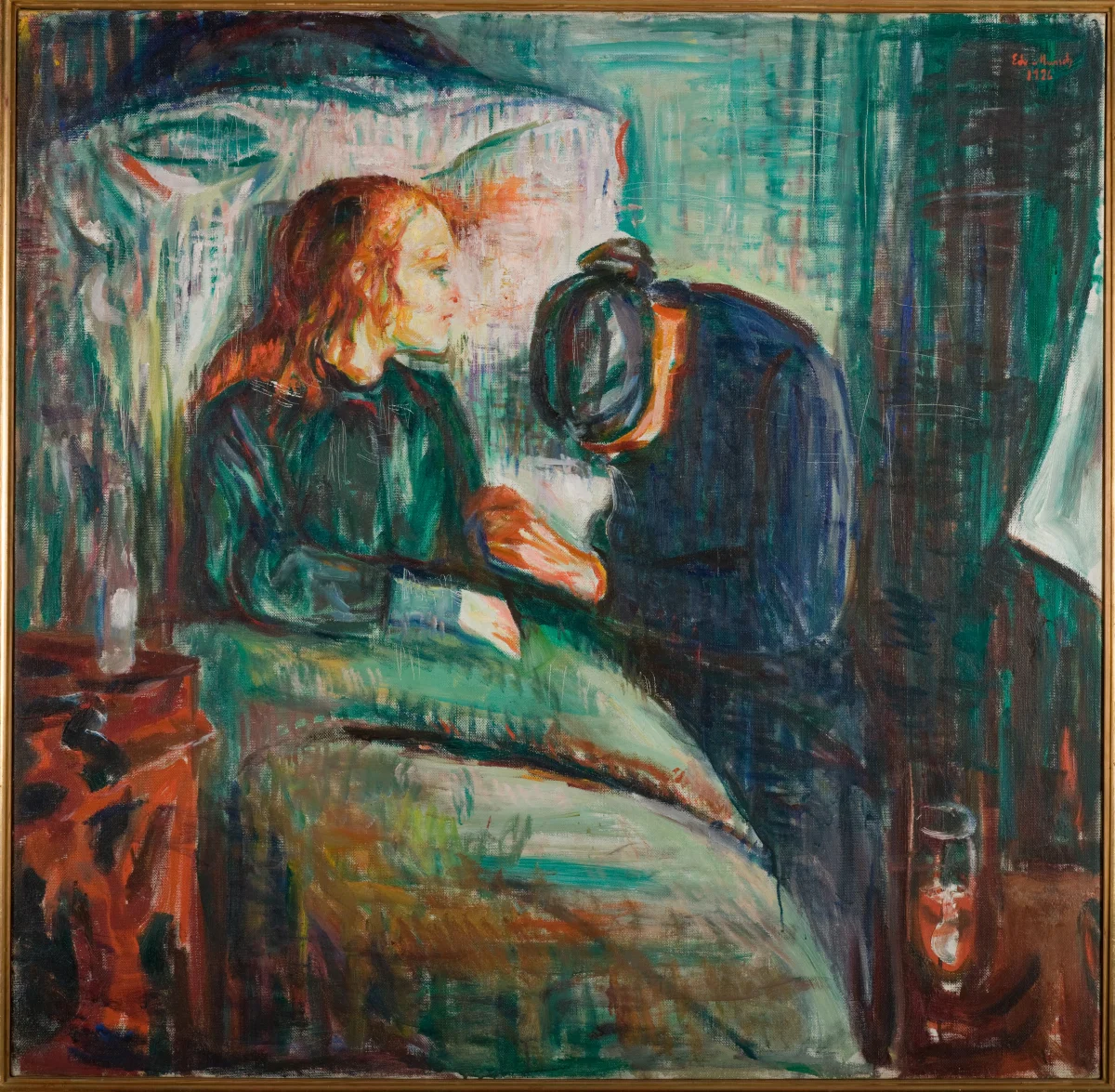
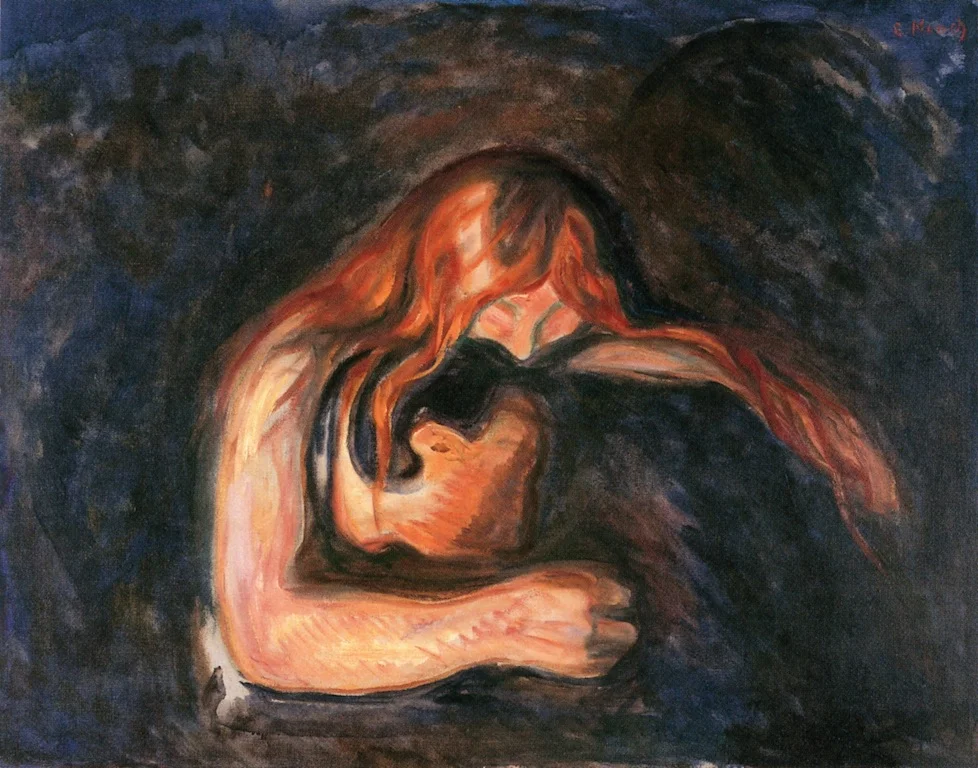
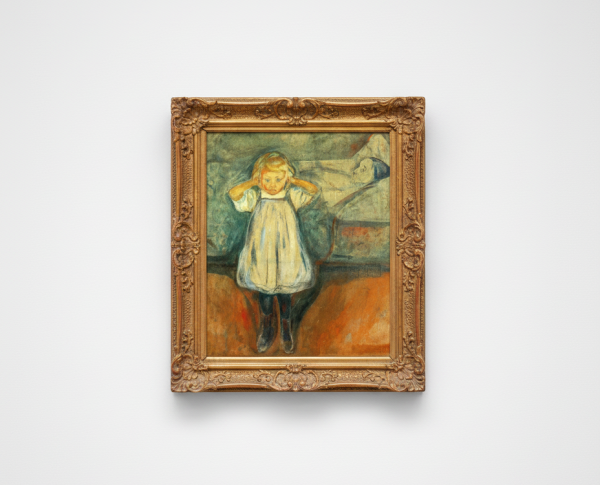
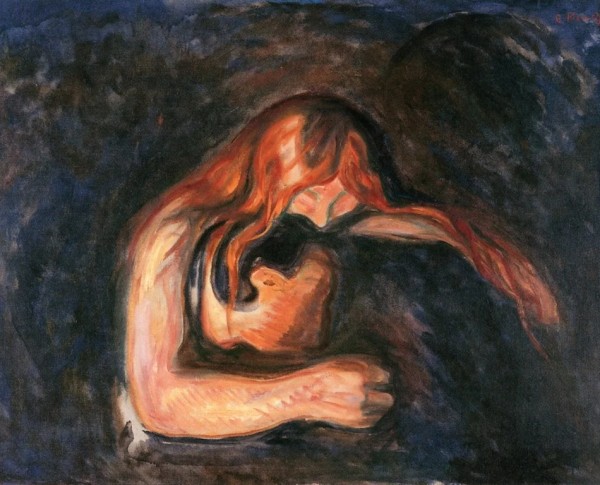
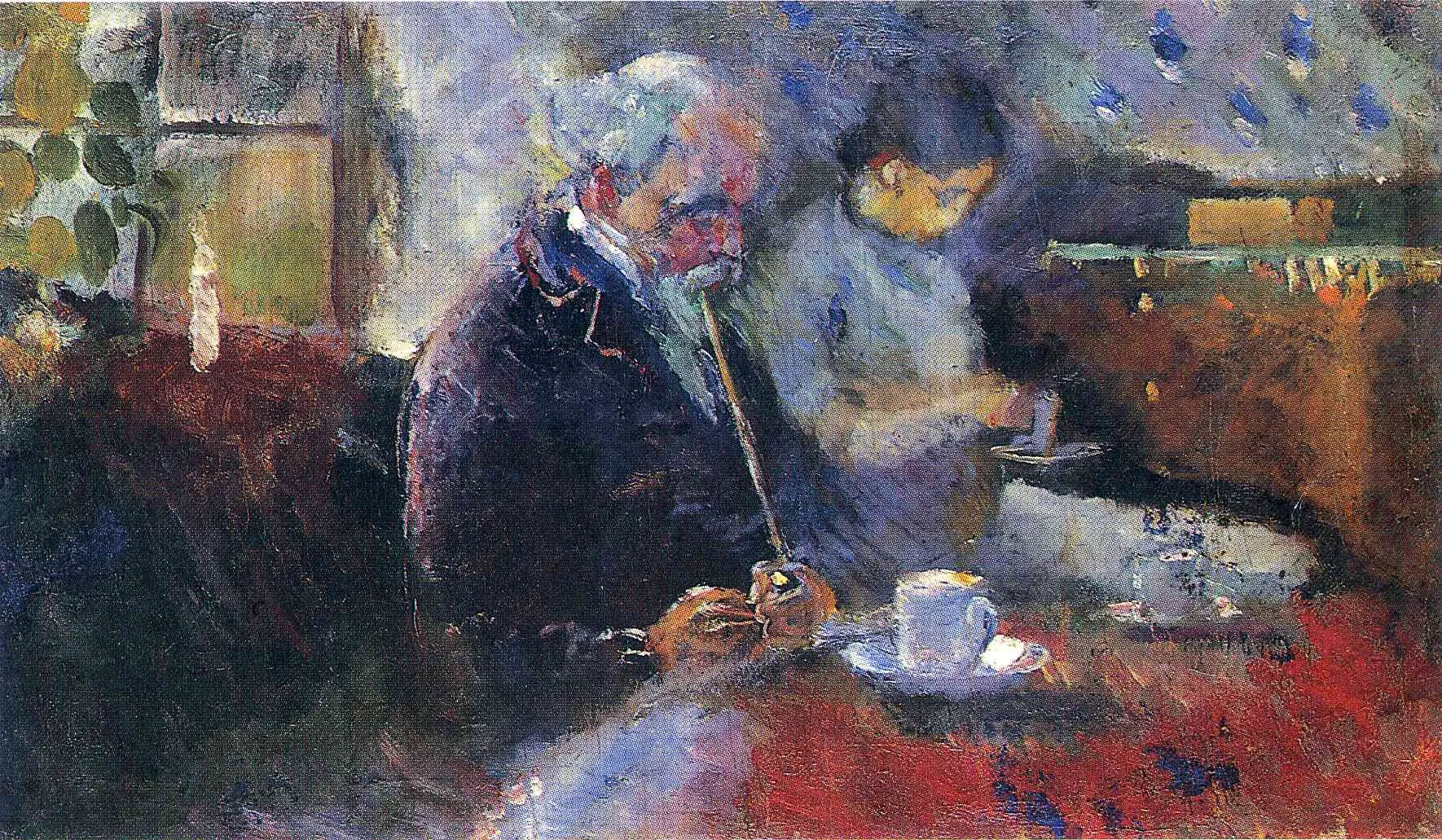
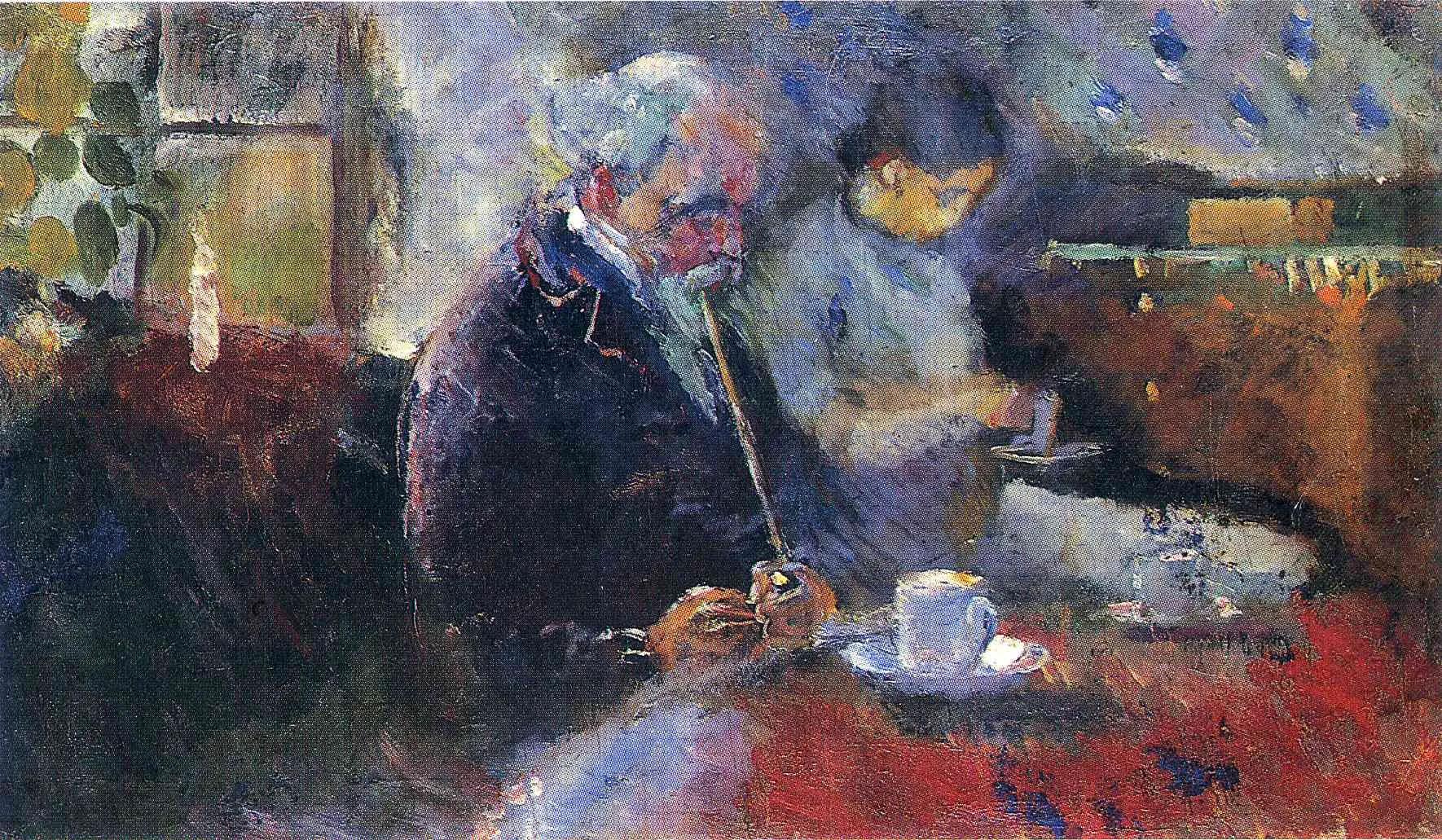
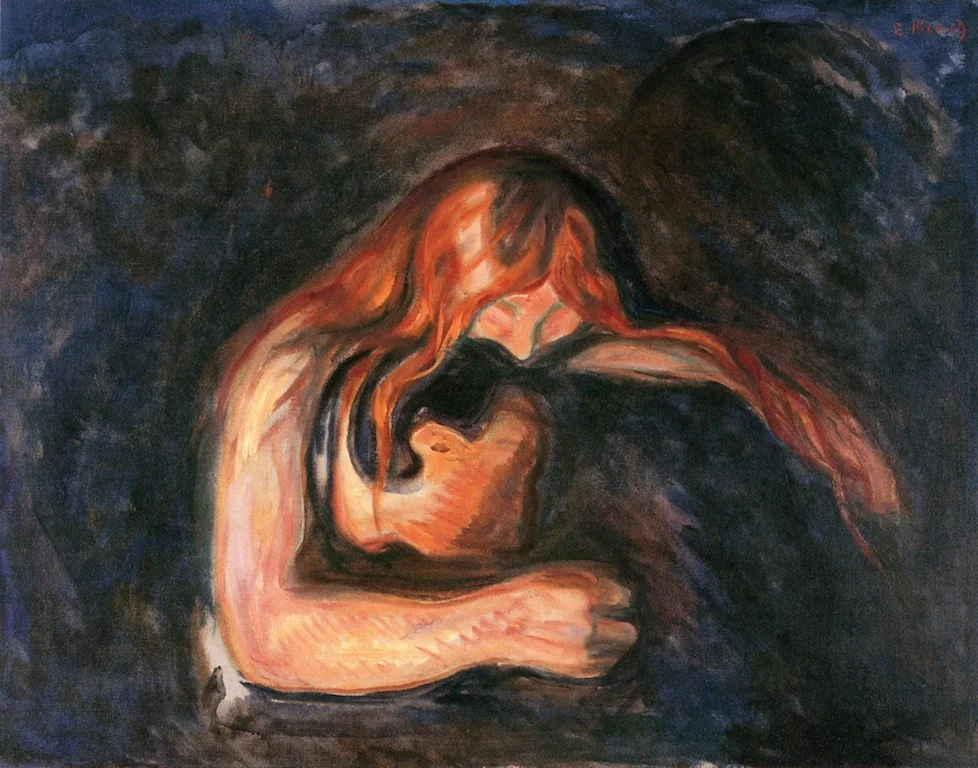
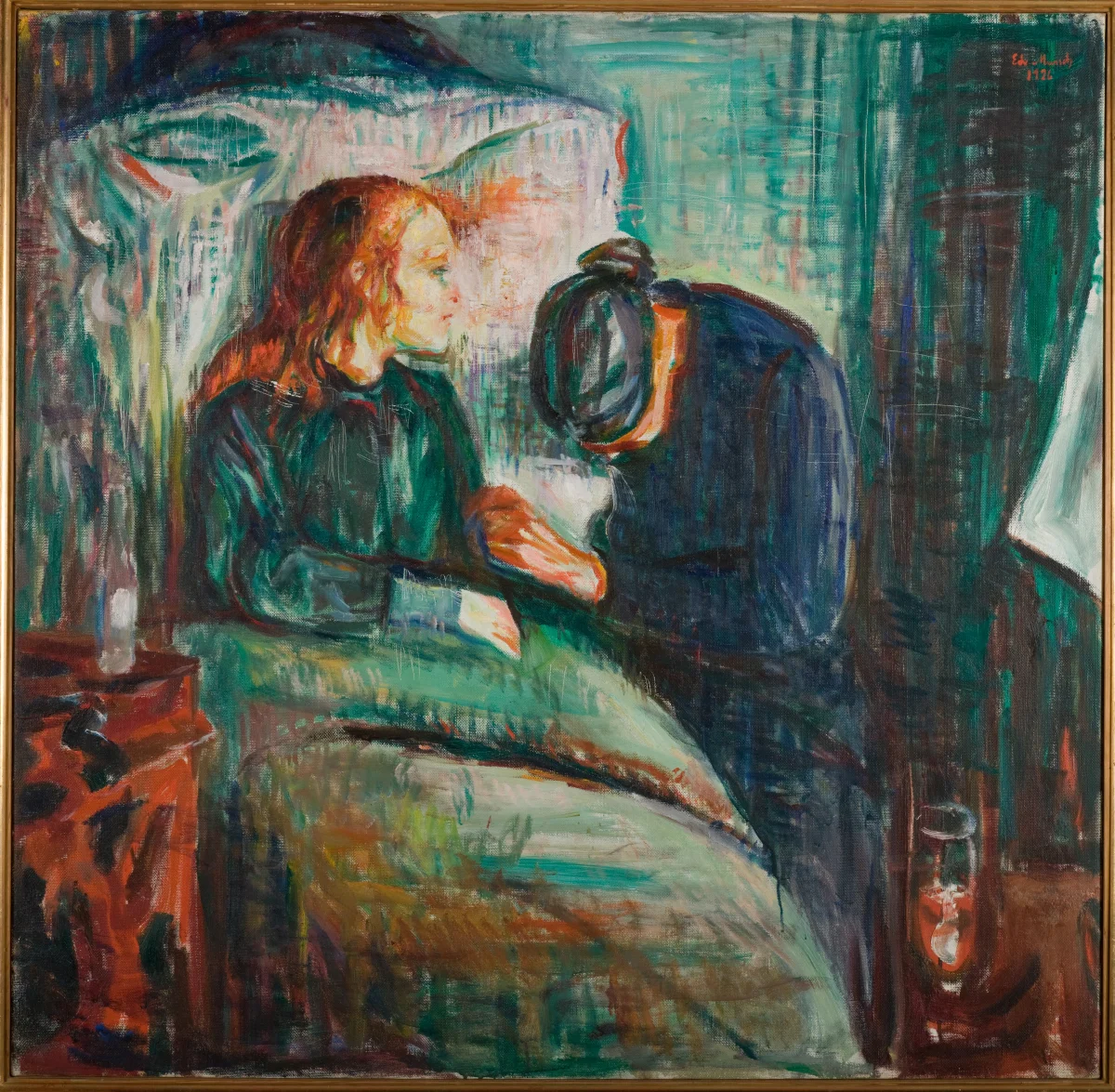
Edvard Munch’s "At the Coffee Table" demonstrates his exceptional command of oil on canvas. Every brushstroke reveals a vivid emotional landscape, characteristic of Expressionism, where color and form are used to convey mood rather than mere representation. Like his other celebrated works, including "Vampire" and "The Sick Child," this painting showcases Munch’s ability to evoke profound feelings through masterful technique, making it a must-see oil on canvas for art lovers.
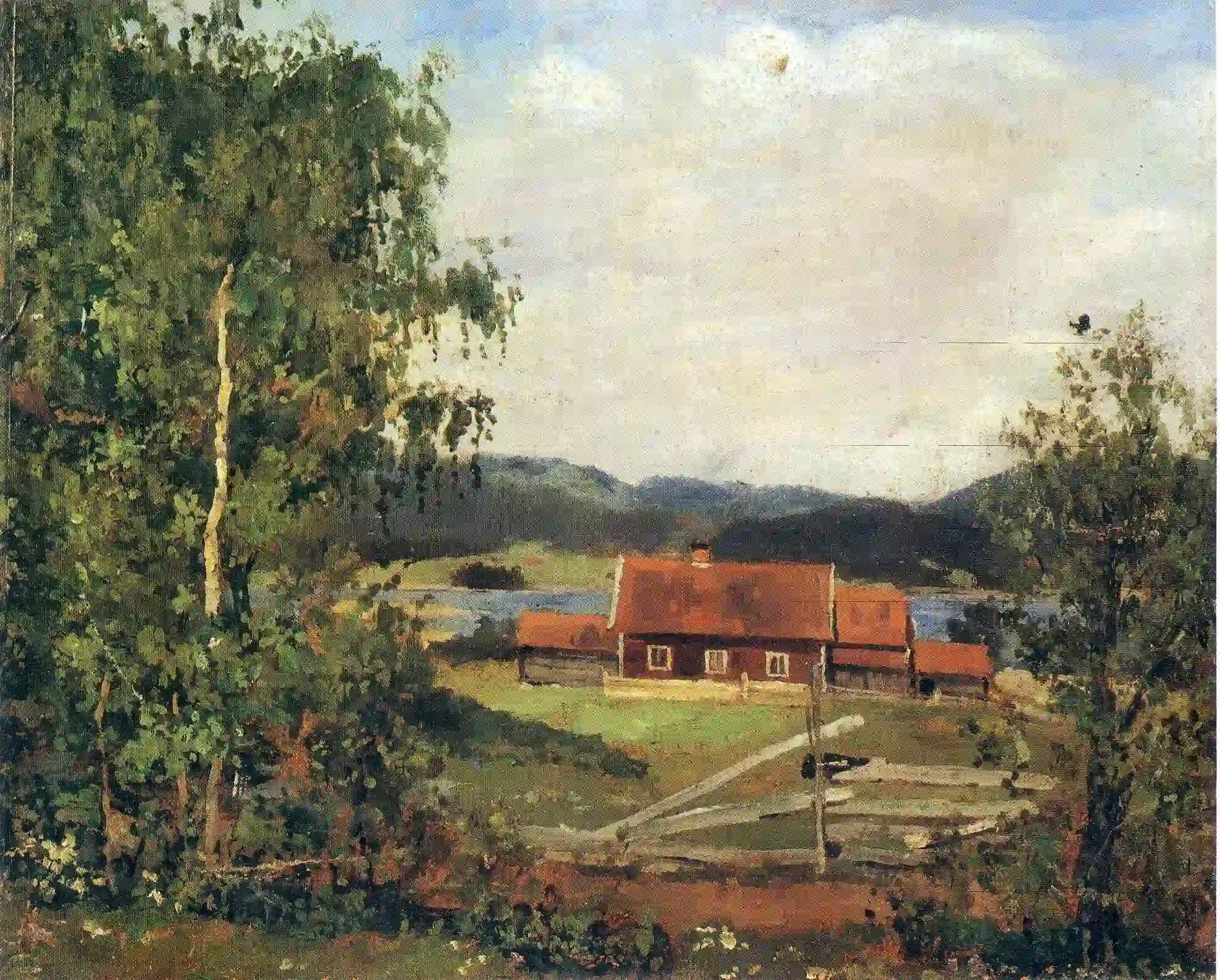
The narrative within "At the Coffee Table" unfolds through symbolic gestures and intimate settings, hallmarks of Munch’s Expressionist vision. The scene invites viewers to ponder the relationships and emotions depicted, much like in "Old Aker Church" and "Landscape. Maridalen by Oslo." Collectors seeking hand-painted oil paintings that tell captivating stories will find this piece and related products to be exceptional additions to any fine art collection.
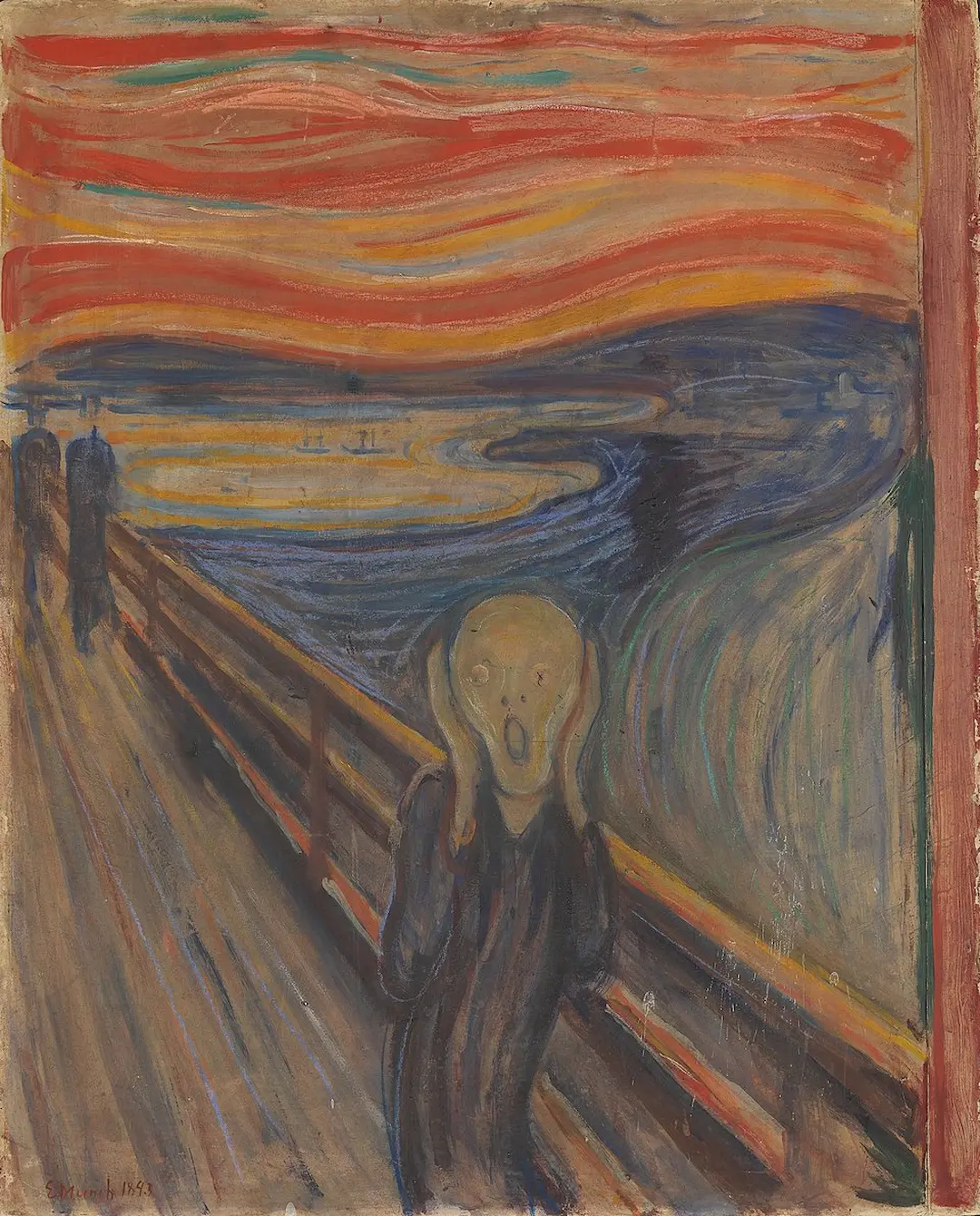
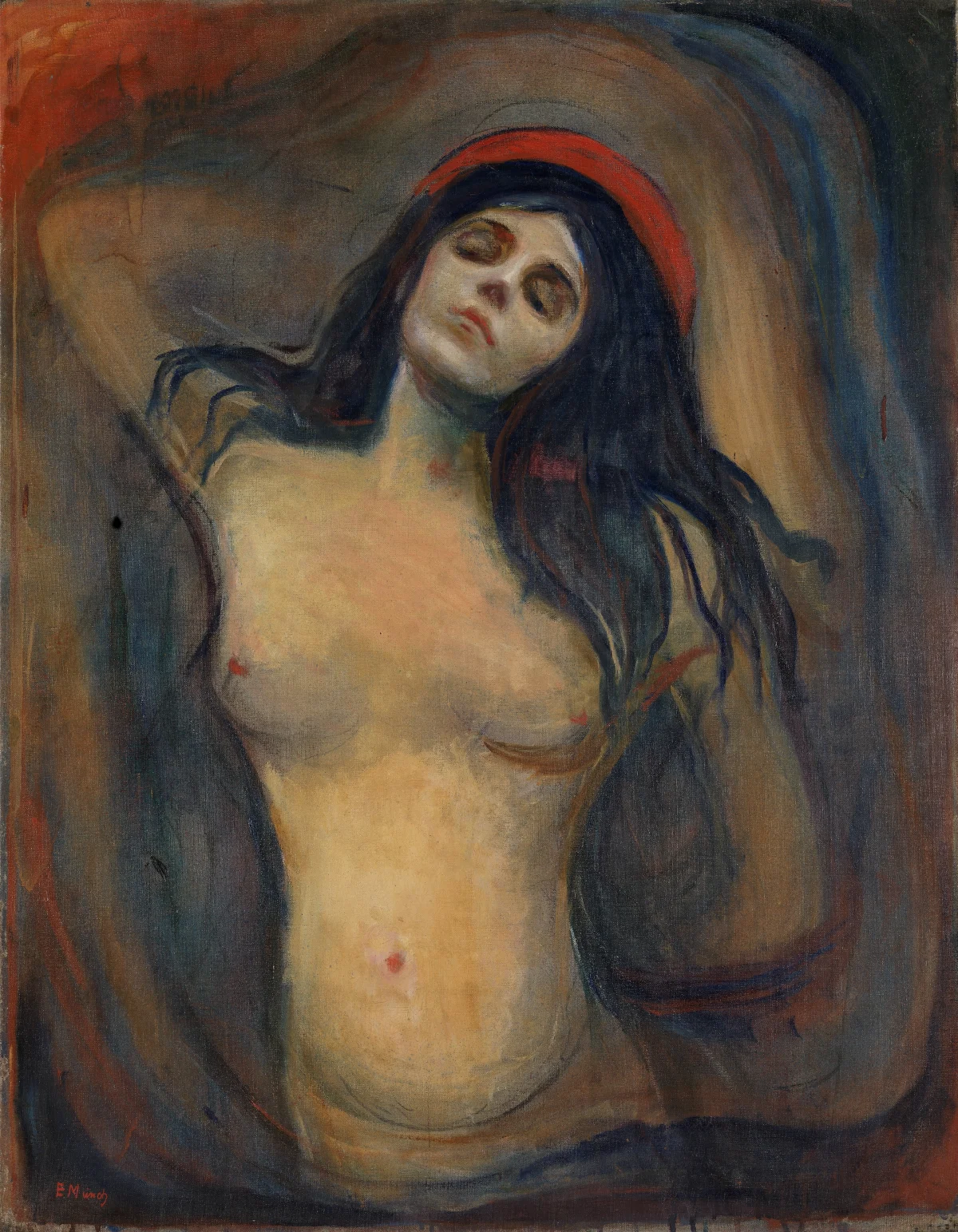
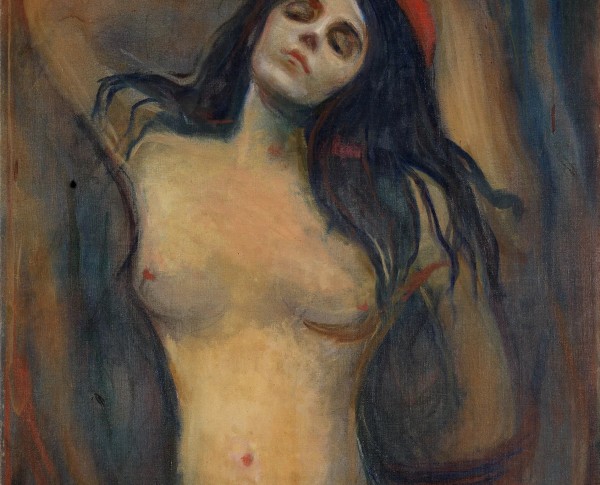
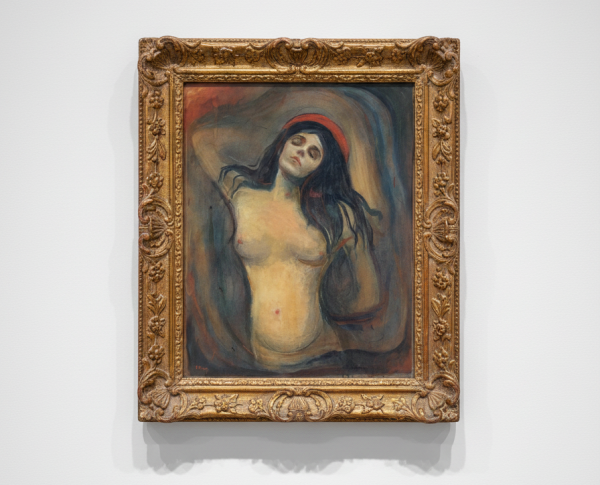
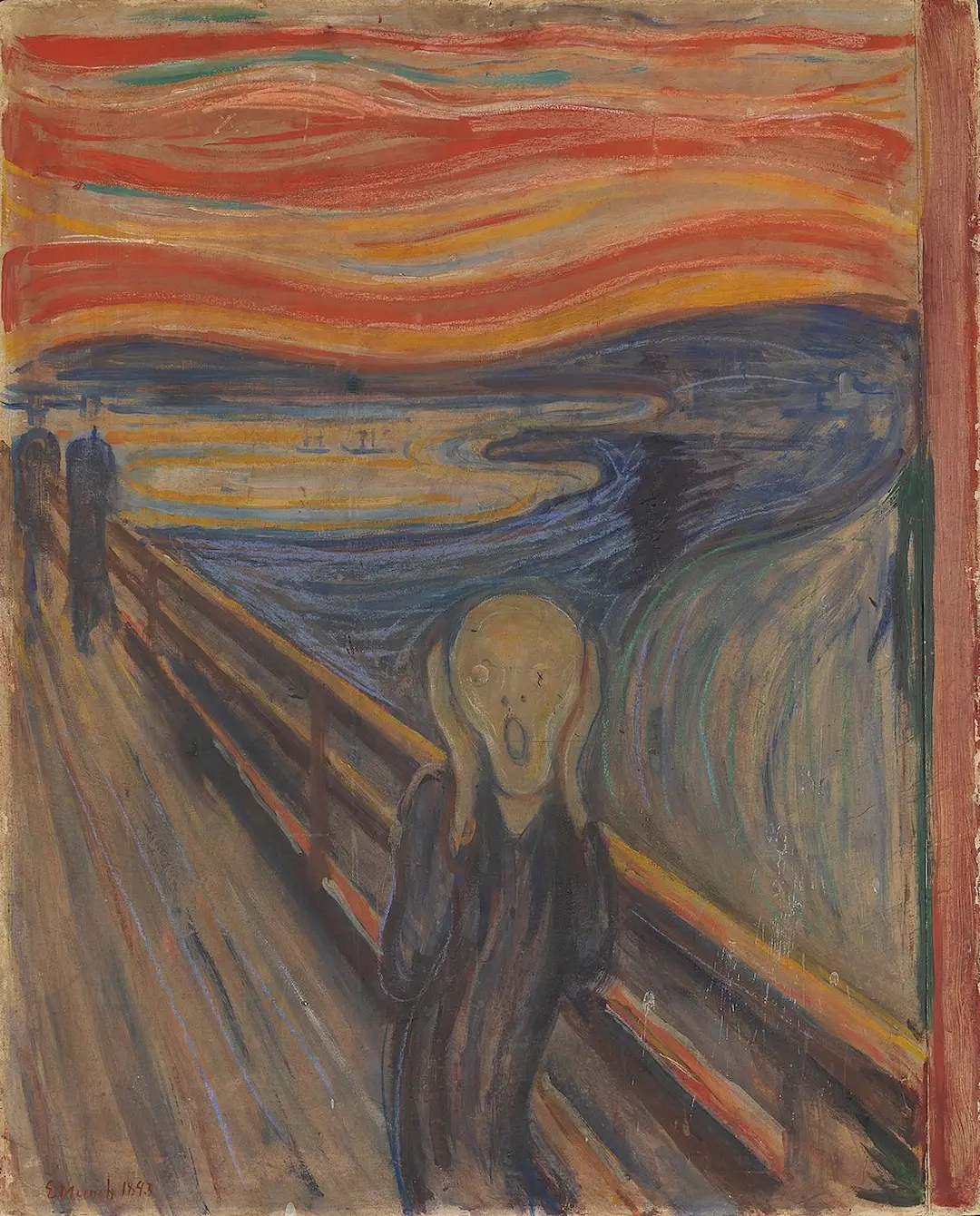
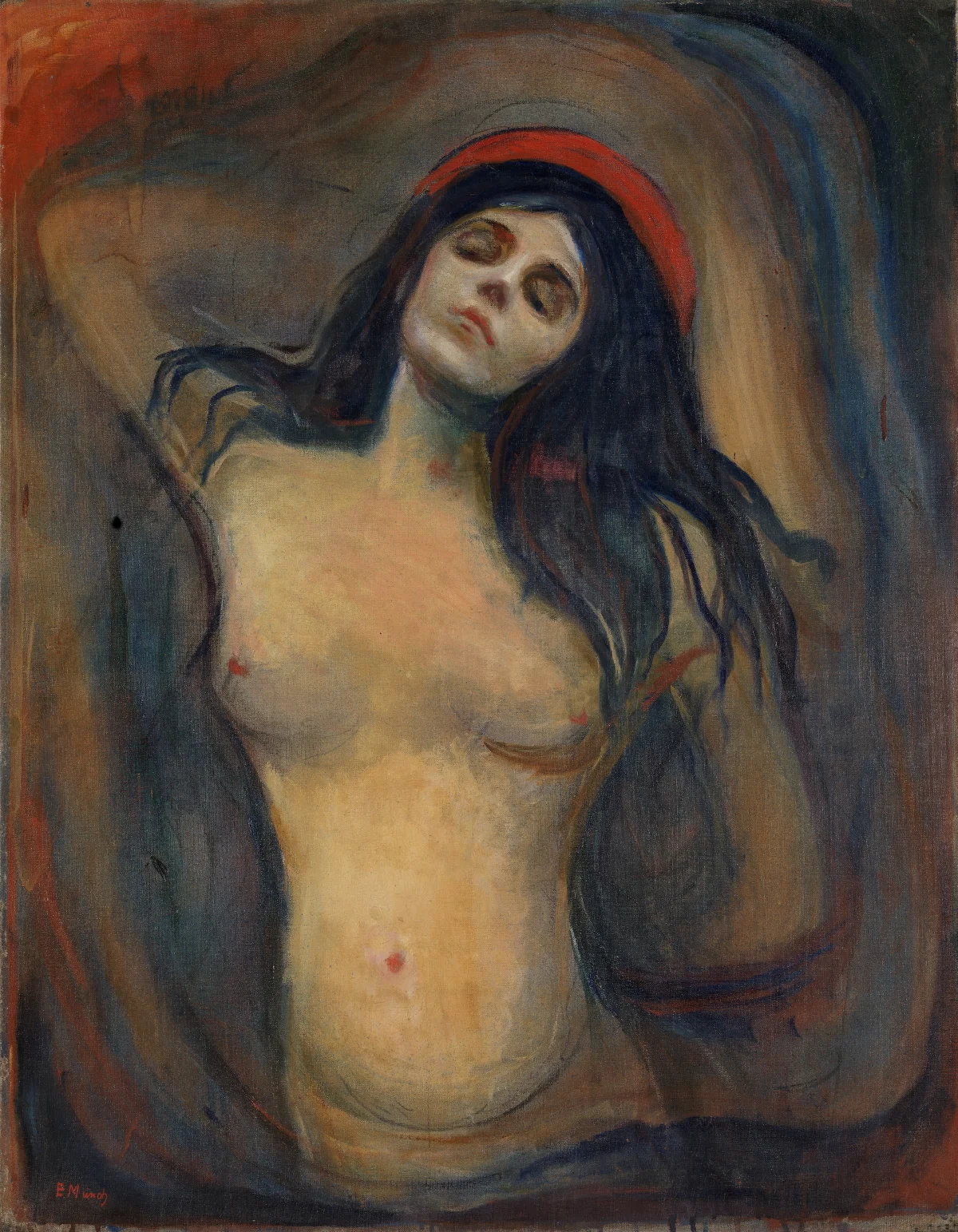
Owning "At the Coffee Table" by Edvard Munch means acquiring a piece of Expressionist history. As a fine art painting for sale, it appeals to discerning collectors who appreciate the emotional intensity and artistic innovation Munch is known for. This artwork, alongside related masterpieces like "The Scream" and "Madonna," represents a valuable investment and a testament to the enduring influence of the Expressionism movement in the art market today.
When Art Meets History
Edvard Munch’s “At the Coffee Table” stands as a testament to the Expressionism movement, capturing a moment of introspection at the turn of the 20th century. This hand-painted oil painting not only reflects Munch’s personal experiences but also the broader social changes of his time. Munch, renowned for works like “The Scream,” skillfully uses his unique vision to evoke emotion, making this piece a significant chapter in the ongoing story of Expressionist art.
Techniques That Speak
Munch’s mastery of oil on canvas is vividly apparent in “At the Coffee Table.” The artist employs loose brushwork and bold colors, typical of Expressionism, to intensify the emotional impact. His technique creates a sense of immediacy, drawing viewers into the intimate scene. Like in his related paintings, Munch’s approach to oil on canvas emphasizes mood over realism, ensuring that each stroke echoes the psychological depth for which his fine art paintings are celebrated.
Emotions on Display
“At the Coffee Table” is a fine art painting for sale that radiates emotional complexity. Munch’s expressive use of color and form conveys feelings of solitude and contemplation, hallmarks of the Expressionism movement. In this work, the artist invites viewers to explore the inner lives of his subjects, much like he does in his other iconic pieces. The painting’s raw emotional power is a testament to Munch’s ability to translate psychological states into visual art.
Coveted by Collectors
Collectors around the world prize “At the Coffee Table” for its powerful Expressionist style and historical significance. As a hand-painted oil painting by Edvard Munch, it holds a special place in the art market, much like his other renowned works. The demand for such masterpieces continues to grow, with art enthusiasts seeking to own a piece of Expressionism history. This painting’s unique blend of emotion and technique makes it a true collector’s gem.
Frequently Asked Questions About At the Coffee Table
What is the historical context of Edvard Munch's "At the Coffee Table"?
"At the Coffee Table" was painted in 1892, during a period when Munch was deeply influenced by the Symbolist movement, which sought to express emotional experiences rather than physical reality. This era was marked by a growing interest in psychological themes and the exploration of human relationships.
What themes are explored in "At the Coffee Table"?
The painting delves into themes of intimacy, isolation, and the complexity of human relationships. The figures are depicted in a moment of quiet contemplation, suggesting a tension between connection and emotional distance.
How does Munch's use of color contribute to the painting's meaning?
Munch employs a muted color palette dominated by earthy tones, which evokes a sense of melancholy and introspection. The use of contrasting light and shadow highlights the emotional weight of the scene, reinforcing the underlying themes of solitude and contemplation.
What artistic techniques did Munch use in "At the Coffee Table"?
Munch utilized expressive brushwork and a focus on line to convey emotion. The figures are stylized rather than realistic, emphasizing their psychological states over physical likeness. This technique is characteristic of Munch's broader artistic style, which often prioritizes emotional expression.
What is the significance of the coffee table in the painting?
The coffee table serves as a central element in the composition, symbolizing domesticity and social interaction. However, the way the figures are positioned around it suggests a barrier to genuine connection, highlighting the complexities of human relationships.
How does "At the Coffee Table" reflect Munch's personal experiences?
Munch's work often draws from his own life experiences, including themes of love, loss, and existential angst. "At the Coffee Table" can be seen as a reflection of his struggles with intimacy and the emotional turmoil that accompanies relationships.
What influence did "At the Coffee Table" have on later artists?
This painting has influenced numerous artists who explore themes of psychological depth and emotional complexity in their work. Munch's innovative approach to depicting human emotion paved the way for later movements, including Expressionism, which sought to convey subjective experiences.
What role does light play in "At the Coffee Table"?
The interplay of light and shadow in the painting enhances the mood and emotional resonance of the scene. Munch's strategic use of light draws attention to the figures' expressions and body language, inviting viewers to engage with their psychological states.
How is the composition of "At the Coffee Table" structured?
The composition is carefully arranged, with the figures placed in a triangular formation around the table. This structure creates a sense of balance while also emphasizing the emotional distance between the subjects, reinforcing the painting's themes of isolation and connection.
What is the legacy of "At the Coffee Table" in the context of Munch's body of work?






















_GFM_Painting_(1).webp)


 100% Hand-Painted: Finished in 3-6 Weeks

.png)















_(1).webp)