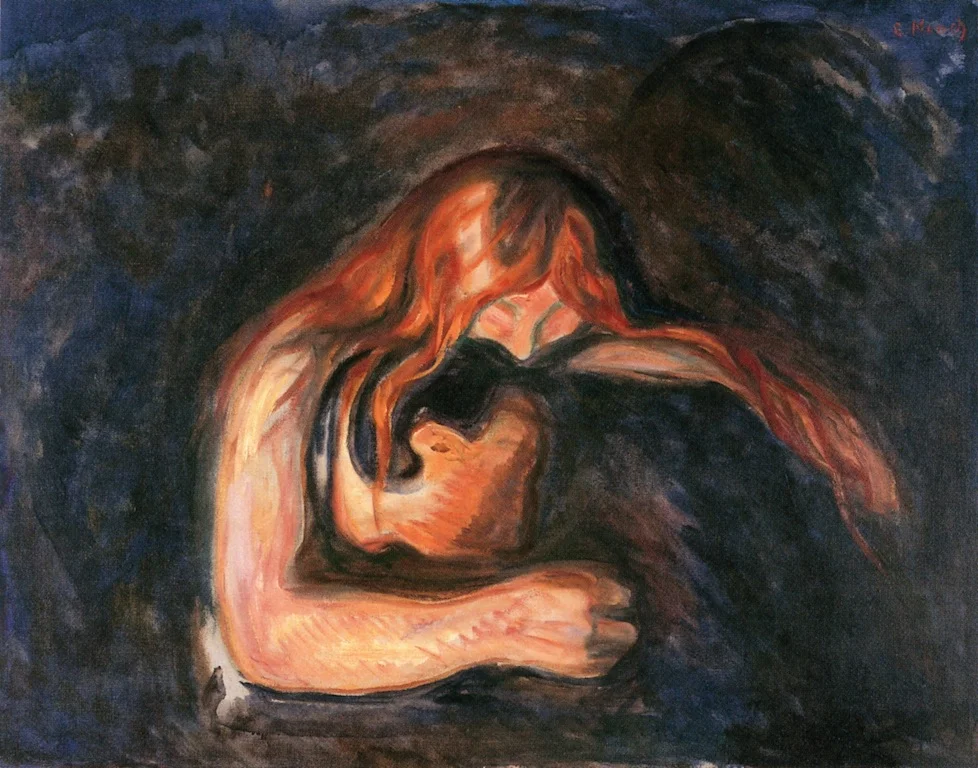
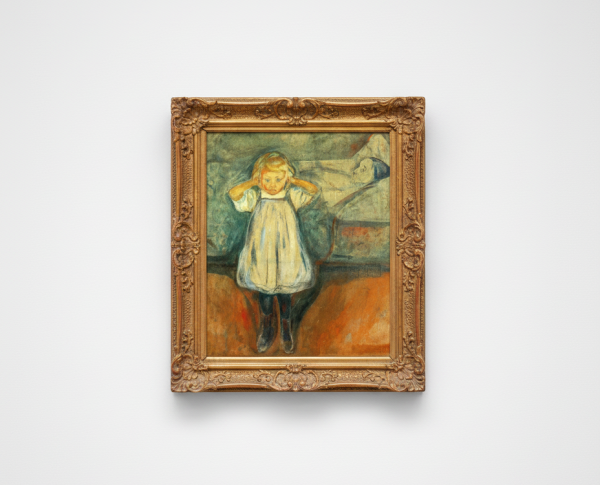
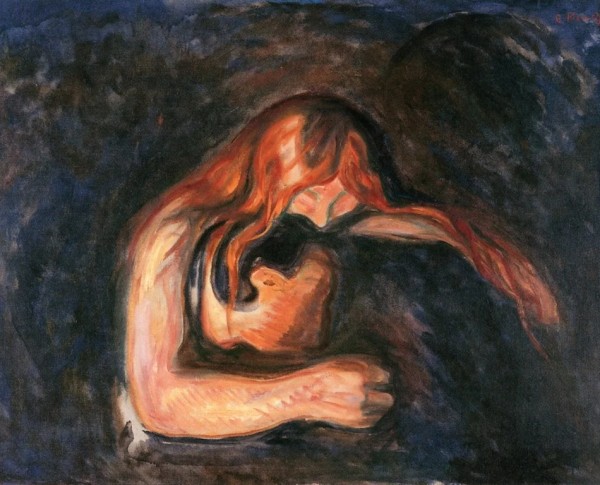
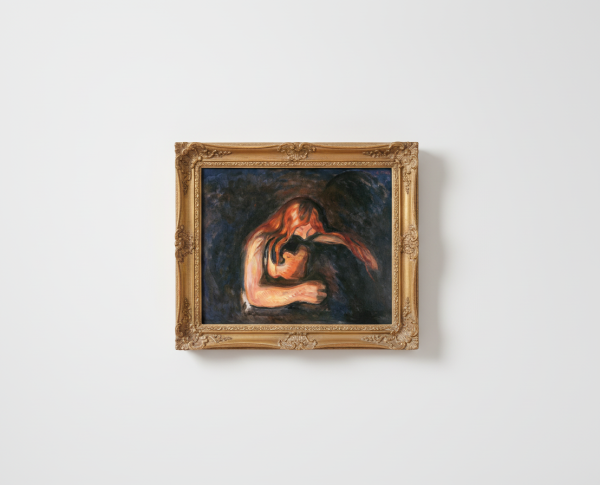
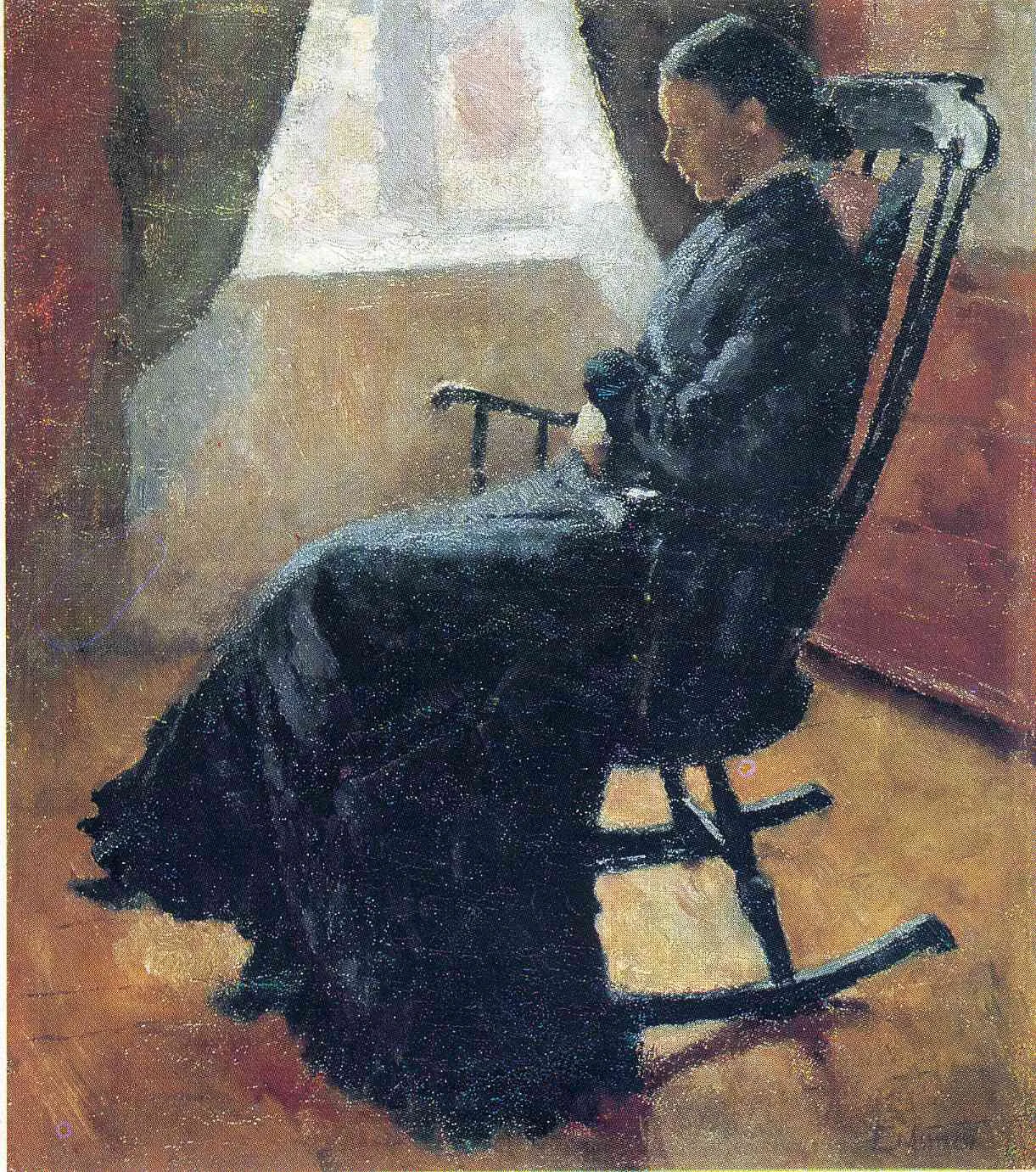
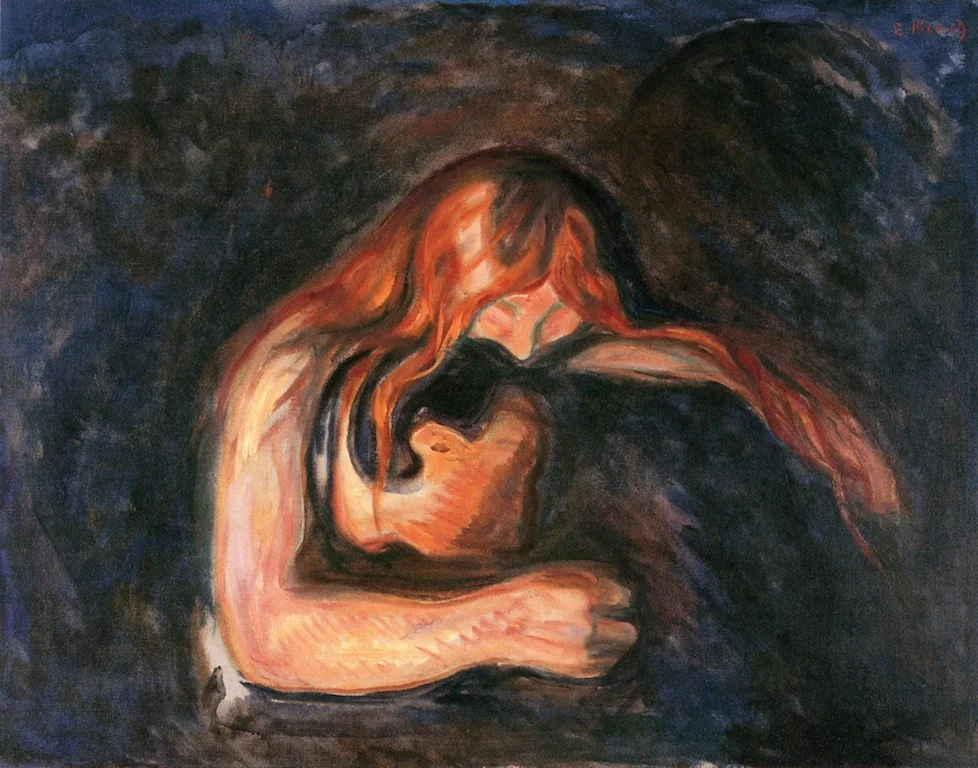
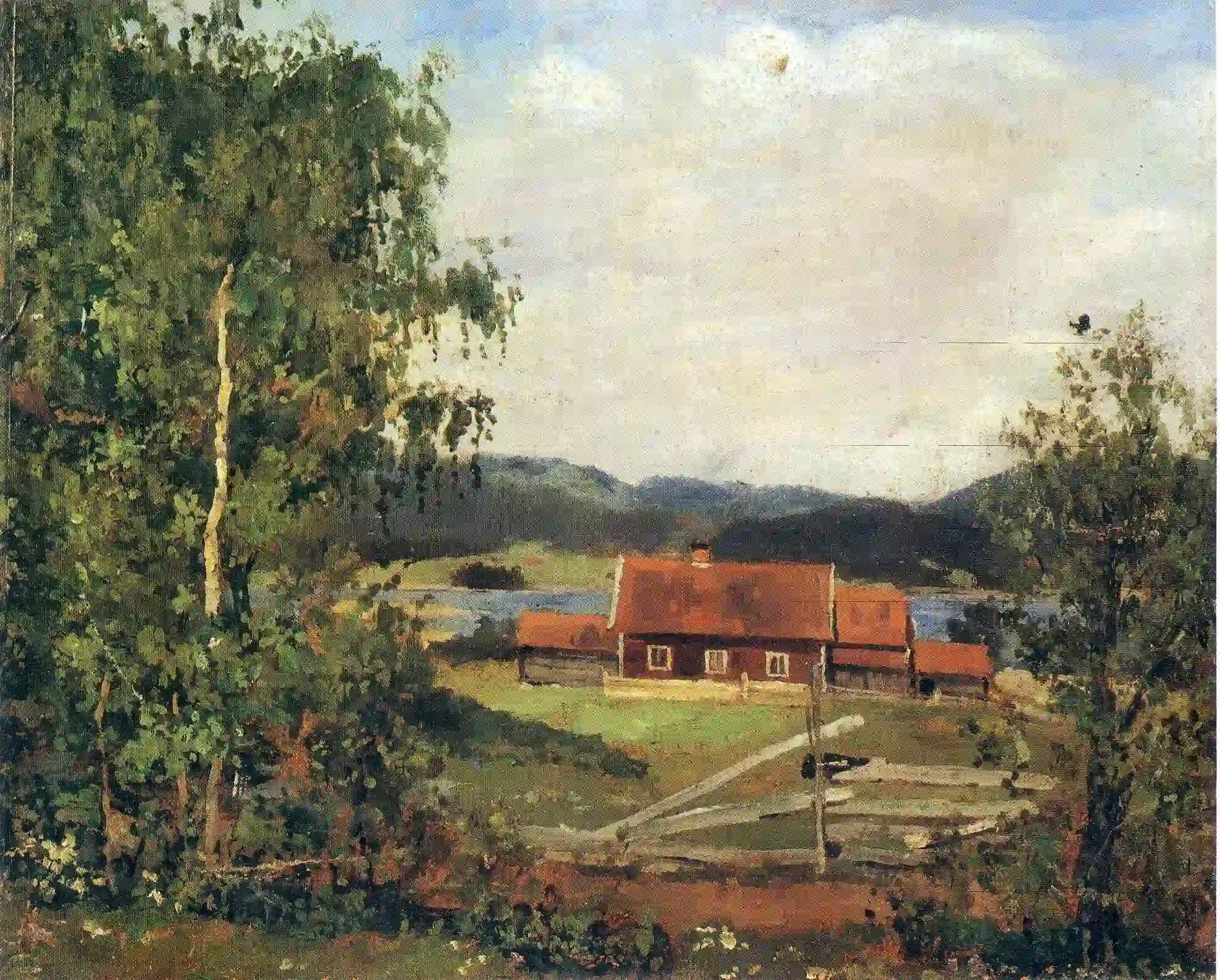
The delicate yet powerful brushwork in "Aunt Karen in the Rocking Chair" highlights Munch’s unique mastery of oil on canvas. The expressive lines and moody color palette are hallmarks of the Expressionism movement, offering viewers a glimpse into the artist’s emotional world. Like "Vampire" and "Landscape. Maridalen by Oslo," this painting demonstrates Munch’s innovative techniques, making it an essential addition for those who appreciate the craft of oil on canvas in fine art.
In "Aunt Karen in the Rocking Chair," Edvard Munch weaves personal narrative with universal emotion, a signature of the Expressionism movement. The rocking chair, a recurring motif, symbolizes comfort and nostalgia, while the subject’s introspective pose invites reflection. This hand-painted oil painting resonates with the same storytelling power found in works like "At the Coffee Table" and "Old Aker Church," making it a compelling choice for collectors seeking meaningful fine art painting for sale.
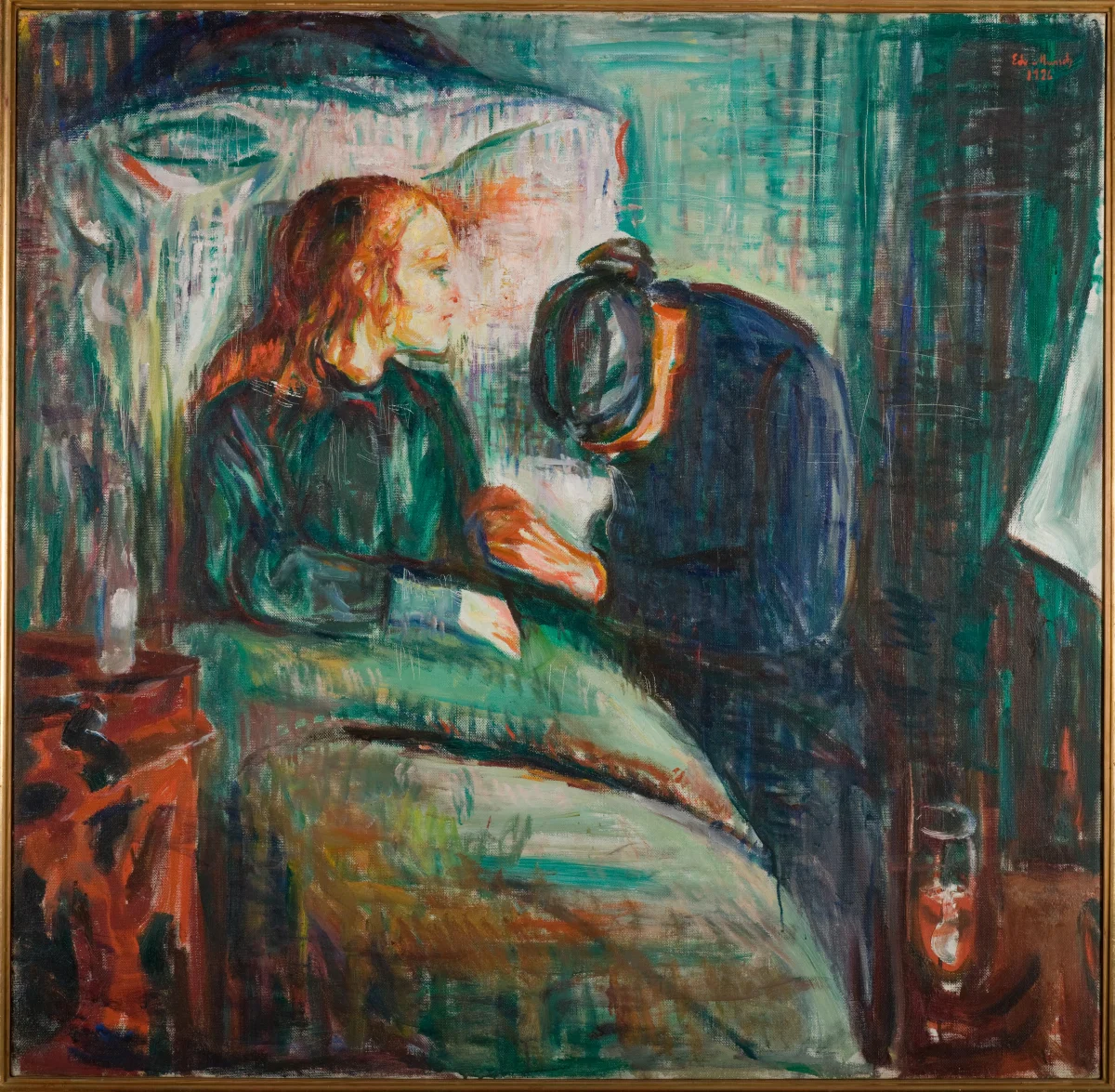
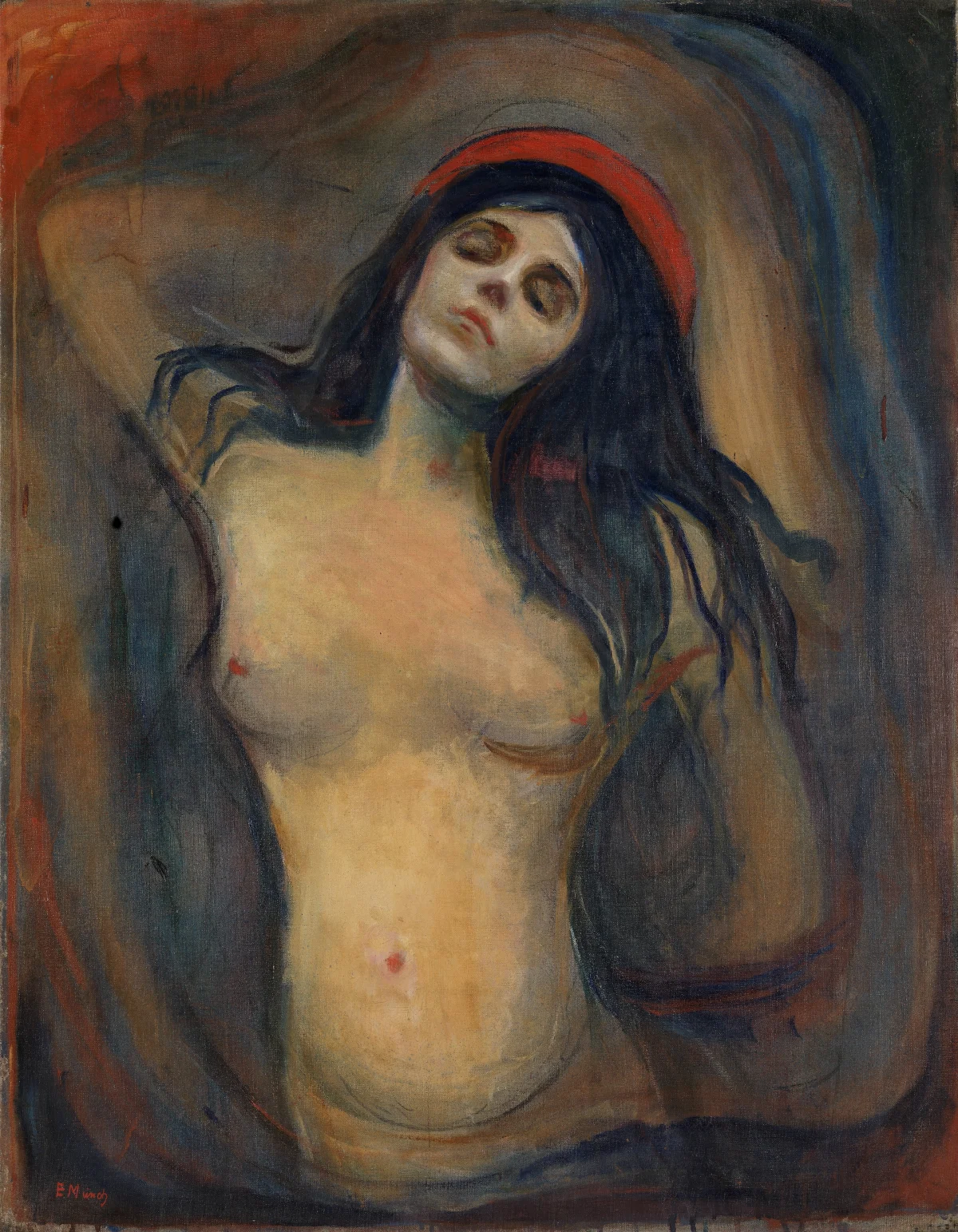
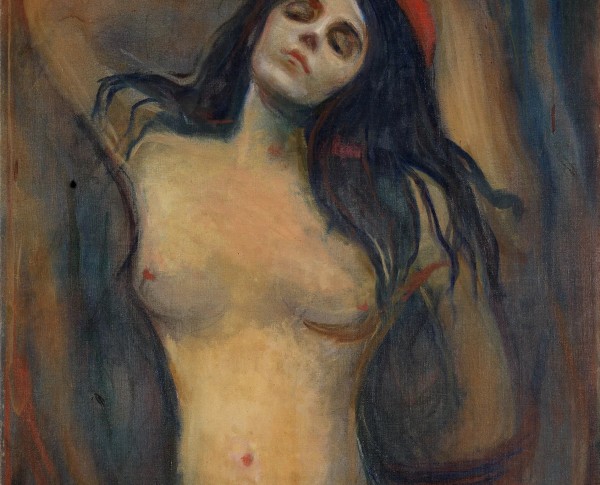
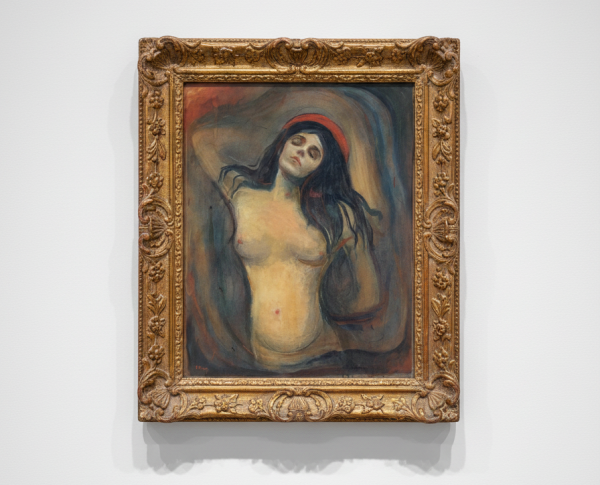
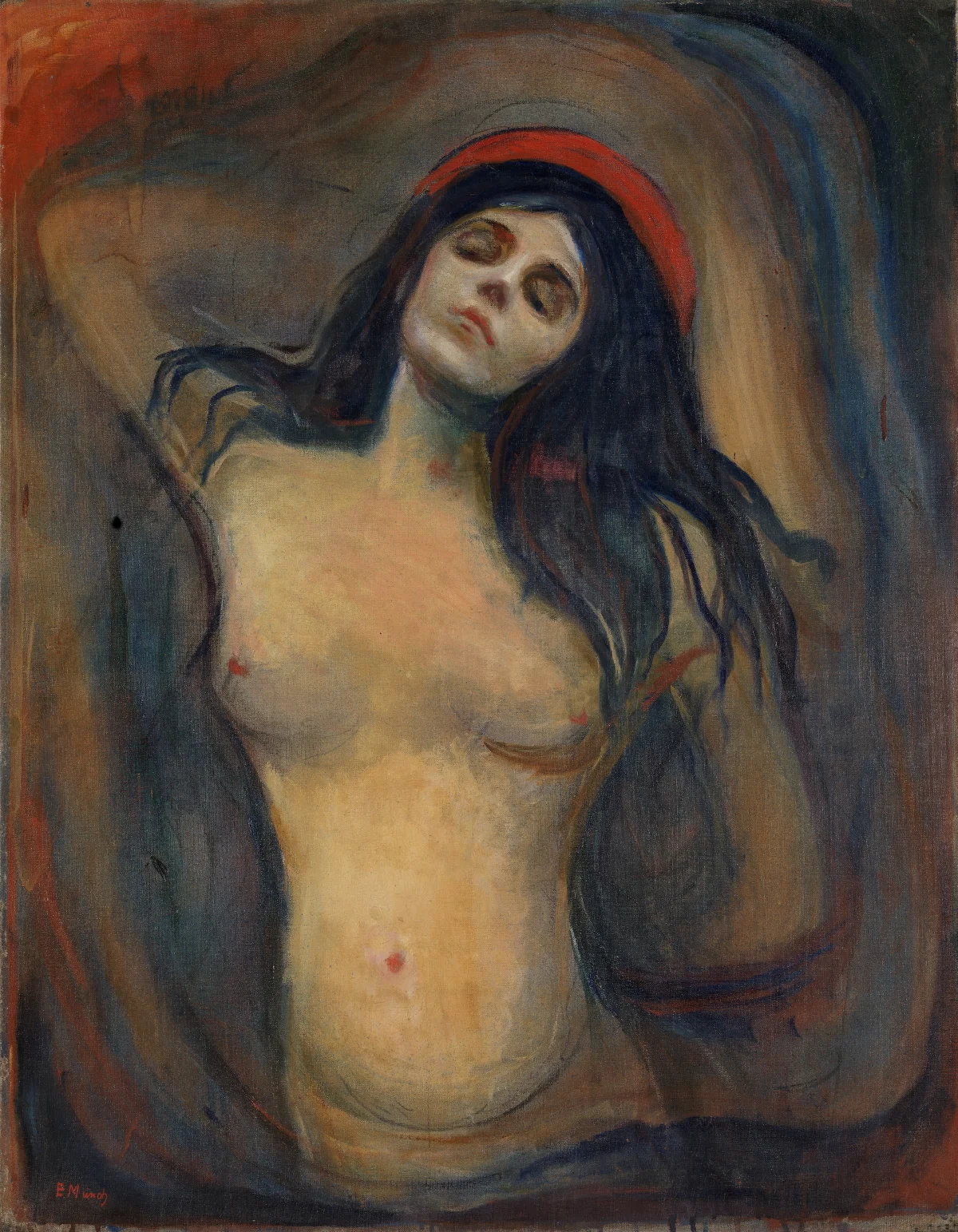
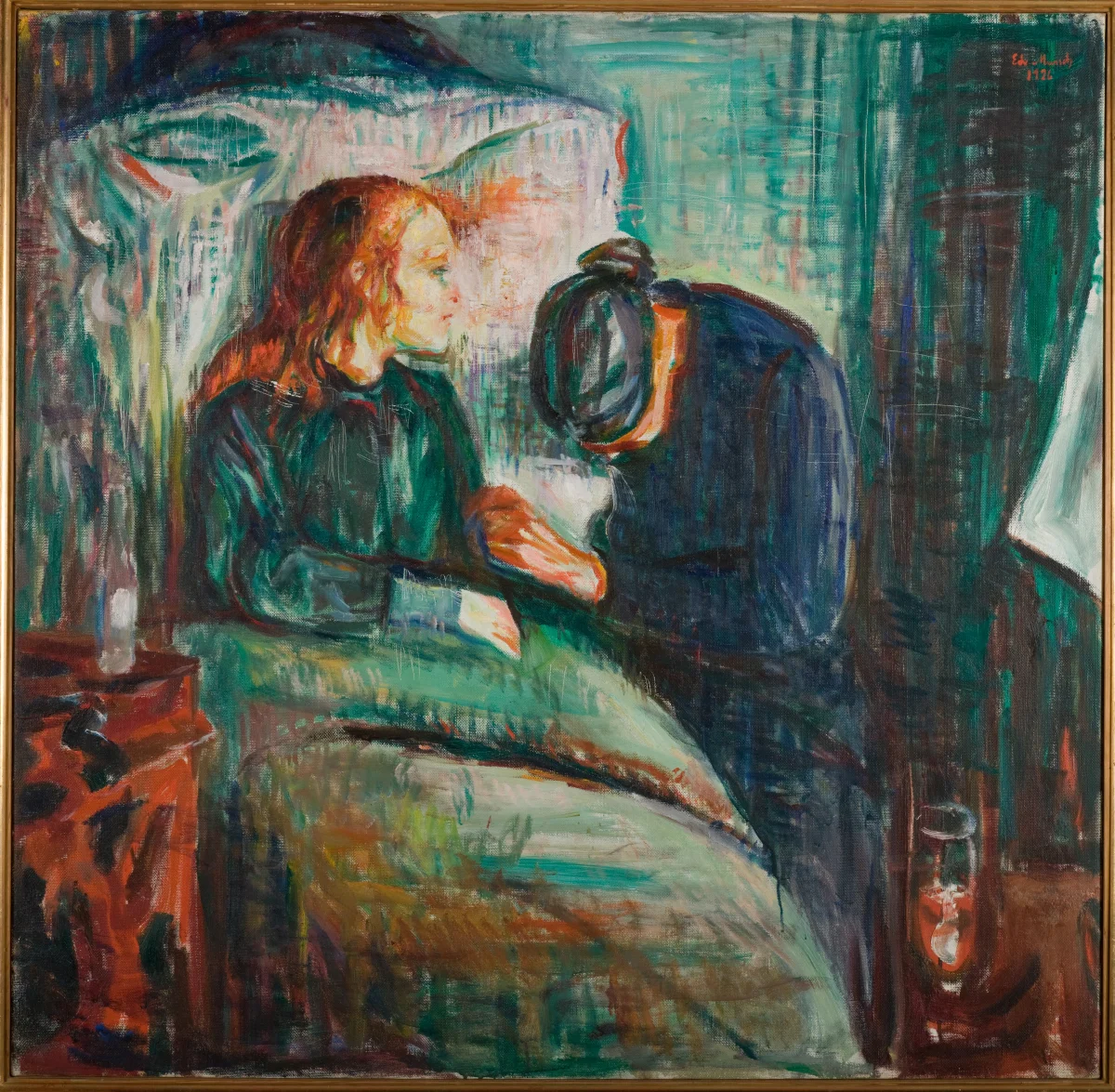
For art collectors, "Aunt Karen in the Rocking Chair" by Edvard Munch is a prized oil on canvas that exemplifies Expressionism’s emotional intensity. Its rarity and connection to other celebrated works such as "Madonna" and "The Sick Child" enhance its desirability. Owning this fine art painting for sale not only enriches a collection but also offers a tangible link to the legacy of one of Expressionism’s most influential artists and his unforgettable vision.
When Art Meets History
"Aunt Karen in the Rocking Chair" by Edvard Munch stands as a testament to the Expressionism movement. Painted during a period when artists sought to convey raw emotion, this hand-painted oil painting captures a personal moment in Munch's life. The work reflects the historical context of early twentieth-century Europe, paralleling the artist’s other notable pieces from this era. Collectors and historians alike value its unique place in art history and the broader Expressionist dialogue.
Techniques That Speak
Edvard Munch’s mastery is evident in his use of oil on canvas for "Aunt Karen in the Rocking Chair." Munch’s brushwork, characterized by loose, expressive strokes, brings dynamic movement to the otherwise tranquil scene. The painting’s textured surface and bold color palette are hallmarks of the Expressionism movement, aligning it with his other emotionally charged works. This technique invites viewers to connect deeply with the subject, making the piece a standout in the realm of fine art.
Emotions on Display
"Aunt Karen in the Rocking Chair" is a fine art painting for sale that exemplifies the emotional intensity of Expressionism. Edvard Munch channels introspection and melancholy through his portrayal of Aunt Karen, using color and form to evoke empathy. The painting’s mood resonates with viewers, similar to Munch’s other powerful portraits. This emotional depth makes it a sought-after artwork for those who appreciate paintings that communicate more than what meets the eye.
Coveted by Collectors
Among collectors, "Aunt Karen in the Rocking Chair" by Edvard Munch is highly prized for its historical significance and expressive technique. As a hand-painted oil painting, it represents the pinnacle of the Expressionism movement. The painting’s rarity and emotional resonance place it alongside other masterworks by Munch. Its presence in any collection signifies a deep appreciation for fine art painting for sale that echoes the innovation and spirit of early modern art.
Frequently Asked Questions About Aunt Karen in the Rocking Chair
What is the historical context of "Aunt Karen in the Rocking Chair"?
"Aunt Karen in the Rocking Chair" was created during a period of significant change in Europe, marked by the rise of modernism and the exploration of psychological themes in art. Edvard Munch, influenced by his own life experiences and the Symbolist movement, sought to convey deeper emotional truths through his work.
What artistic techniques did Edvard Munch employ in this painting?
Munch utilized a combination of bold brushwork and vibrant colors to evoke emotion. The use of light and shadow creates depth, while the expressive lines and forms contribute to the overall psychological intensity of the piece.
What is the significance of the rocking chair in the painting?
The rocking chair serves as a symbol of comfort and domesticity, yet it also evokes a sense of nostalgia and the passage of time. It reflects the themes of memory and the transient nature of life, which are prevalent in Munch's body of work.
How does this painting reflect Munch's exploration of family dynamics?
The portrayal of Aunt Karen in a contemplative pose suggests a complex relationship with family and the emotional weight that often accompanies familial bonds. Munch's focus on individual psychology allows viewers to reflect on their own experiences within family structures.
What emotions are conveyed through Aunt Karen's expression and posture?
Aunt Karen's expression, combined with her relaxed yet introspective posture, conveys a sense of melancholy and introspection. Munch's ability to capture these nuanced emotions invites viewers to engage with the deeper psychological themes present in the work.
In what ways does "Aunt Karen in the Rocking Chair" exemplify Munch's style?
This painting exemplifies Munch's signature style through its emotive use of color, expressive brushwork, and focus on psychological themes. The work embodies the essence of Symbolism, emphasizing emotional experience over realistic representation.
What role does color play in the overall composition of the painting?
Color plays a crucial role in establishing mood and atmosphere in "Aunt Karen in the Rocking Chair." Munch's use of contrasting colors enhances the emotional impact, drawing attention to the subject's inner world and the surrounding environment.
How does this painting relate to Munch's other works?
"Aunt Karen in the Rocking Chair" shares thematic similarities with Munch's other works, particularly his exploration of existential angst, love, and loss. This painting can be seen as a continuation of Munch's lifelong investigation into the complexities of human emotion.
What is the significance of the setting in the painting?
The setting, characterized by a domestic interior, reinforces themes of intimacy and solitude. It serves as a backdrop for the exploration of personal and familial relationships, highlighting the contrast between the external world and internal emotional landscapes.
How has "Aunt Karen in the Rocking Chair" been received by critics and art historians?
Critics and art historians have praised "Aunt Karen in the Rocking Chair" for its emotional depth and innovative approach to portraiture. The painting is often discussed in the context of Munch's broader oeuvre, highlighting its significance in the evolution of modern art.






















_GFM_Painting_(1).webp)


 100% Hand-Painted: Finished in 3-6 Weeks

.png)















_(1).webp)