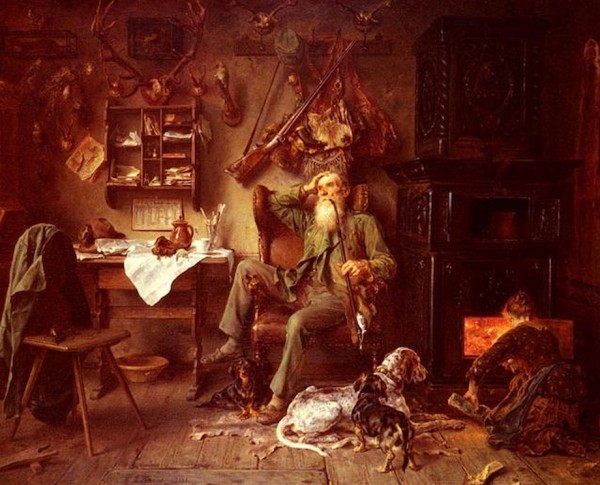
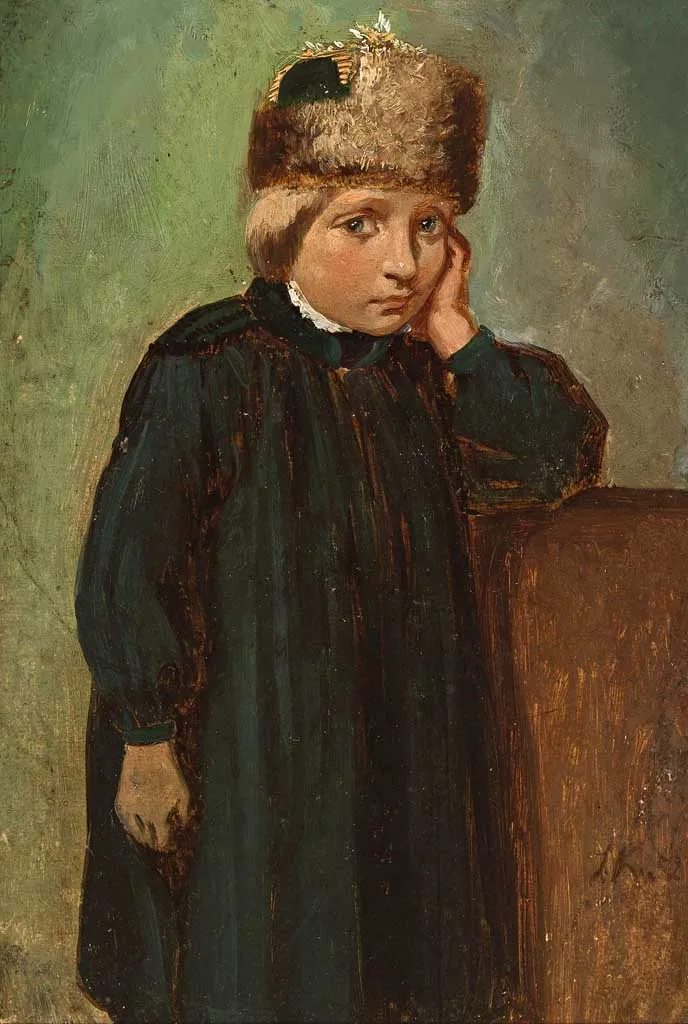
With remarkable precision, Ludwig Knaus captured the intricate textures and vibrant colors of Hessian attire in this oil on canvas. His technical skill and mastery of light and shadow are hallmarks of the Academic Art movement, making each portrait a study in both artistry and authenticity. Art enthusiasts often compare this work to other Knaus pieces like "The Cheater" and "Drunken Peasants," all showcasing the artist’s unparalleled attention to detail and emotional depth.
"Boy in Hessian costume from the Schwalm area near Ziegenhain" is more than just a fine art painting for sale; it’s a visual narrative that honors rural German heritage. Ludwig Knaus infused subtle symbolism into the subject’s costume and posture, inviting viewers to explore themes of innocence and tradition. This storytelling approach resonates in Knaus’s other works, such as "Death of a Gentleman" and "Promenade," each offering a glimpse into the past.
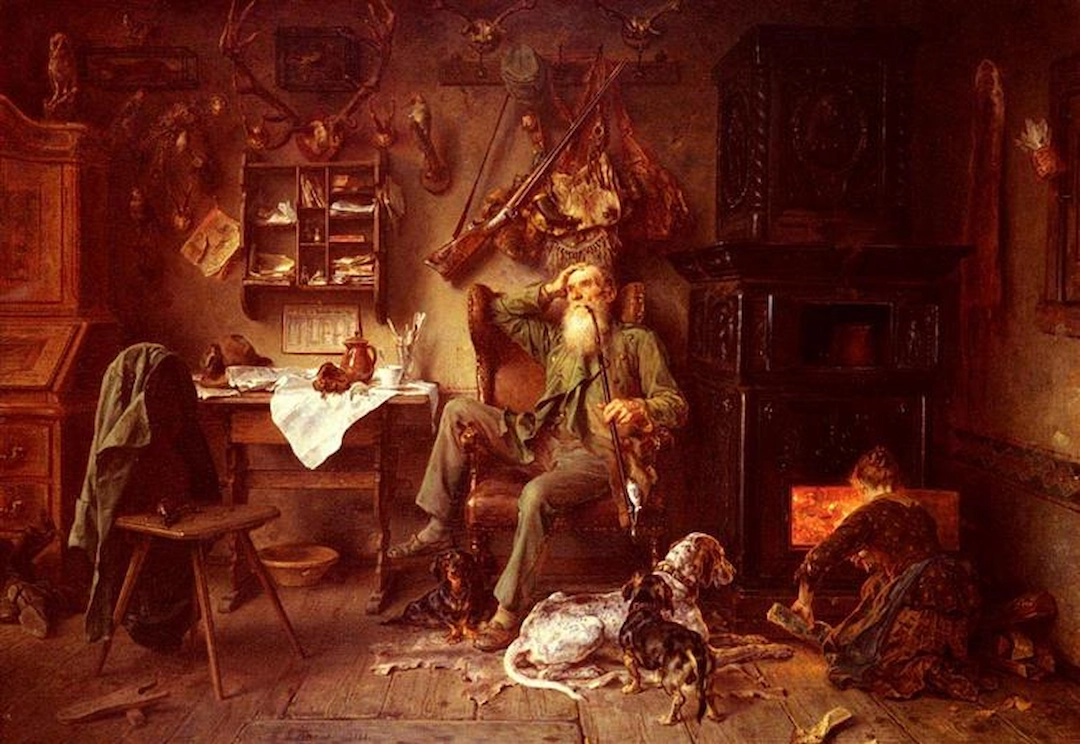
Owning a hand-painted oil painting by Ludwig Knaus, especially from the Academic Art movement, is to possess a piece of art history. "Boy in Hessian costume from the Schwalm area near Ziegenhain" is highly sought after by collectors who appreciate authentic oil on canvas works. Those interested in expanding their collection often look to related products like "The Truant" and "A Forester at Home" for their timeless depiction of German life and culture.
When Art Meets History
"Boy in Hessian costume from the Schwalm area near Ziegenhain" by Ludwig Knaus beautifully bridges tradition and artistry in the Academic Art movement. This hand-painted oil painting captures the essence of rural German life in the 19th century, reflecting Knaus’s dedication to cultural authenticity. The artist, renowned for works like "Rest on the Flight into Egypt" and "Reclining Odalisque," adeptly presents a slice of history, making this piece a timeless addition to any fine art collection.
Techniques That Speak
Ludwig Knaus’s mastery is evident in his use of oil on canvas, a hallmark of Academic Art. The detailed brushwork and delicate control of light bring this painting to life, echoing the technical brilliance found in "General Gaston de Sonis" and "Still Life: Objects of Art." The artist’s layering techniques and subtle color transitions showcase his commitment to realism while inviting viewers to appreciate the skill behind every stroke of this remarkable oil on canvas.
Emotions on Display
In "Boy in Hessian costume from the Schwalm area near Ziegenhain," Ludwig Knaus masterfully conveys emotion through posture and expression. The boy’s gentle gaze and relaxed stance evoke a sense of innocence and nostalgia, characteristic of Knaus’s approach in the Academic Art movement. Like in "An Afternoon Rest," viewers are drawn into the subject’s world, making this fine art painting for sale a poignant representation of human emotion and everyday life.
Coveted by Collectors
Collectors seeking a hand-painted oil painting with historical and artistic depth are captivated by Ludwig Knaus’s work. "Boy in Hessian costume from the Schwalm area near Ziegenhain" stands alongside masterpieces like "Rest on the Flight into Egypt" and "Still Life: Objects of Art" as a prized example of Academic Art. Its authenticity and technical excellence ensure that this fine art painting for sale remains a highly desired addition to distinguished collections worldwide.
Related Academic Art Hand-Painted Oil Paintings by Other Artists
Other Famous Academic Art Artists:
Frequently Asked Questions About Boy in Hessian costume from the Schwalm area near Ziegenhain
What is the historical significance of the Hessian costume depicted in the painting?
The Hessian costume represents the traditional attire of the Schwalm region, reflecting the cultural heritage and customs of the area during the 19th century. It serves as a visual documentation of local identity and craftsmanship.
Who was Ludwig Knaus, and what is his contribution to art?
Ludwig Knaus was a prominent German painter known for his realistic depictions of rural life and traditional costumes. His work often highlights the beauty of everyday scenes and the dignity of common people, contributing significantly to the genre of genre painting in the 19th century.
What artistic techniques did Knaus employ in this painting?
Knaus utilized a combination of realism and naturalism, focusing on detailed textures and lifelike representations. His use of light and shadow enhances the three-dimensionality of the figure, while the vibrant colors of the costume draw attention to the subject's cultural background.
What does the boy's expression convey in the context of the painting?
The boy's expression reflects a sense of innocence and curiosity, embodying the spirit of youth. This portrayal invites viewers to connect emotionally with the subject, emphasizing the theme of childhood within a specific cultural context.
How does this painting reflect the social conditions of its time?
This painting captures the simplicity and authenticity of rural life in the 19th century, highlighting the social conditions of the working class. It serves as a reminder of the importance of preserving cultural traditions amidst the rapid changes brought about by industrialization.
What role does the background play in the overall composition of the painting?
The background, though understated, complements the figure by providing context to the boy's attire and surroundings. It enhances the narrative quality of the painting, situating the subject within the landscape of the Schwalm area.
Can you explain the symbolism of the Hessian costume in this artwork?
The Hessian costume symbolizes regional pride and cultural identity. It represents the connection between the individual and their heritage, serving as a visual marker of the traditions that define the community of the Schwalm area.
What influence did Knaus have on later artists?
Knaus's focus on realism and the depiction of everyday life influenced subsequent generations of artists who sought to capture the essence of their subjects with authenticity. His work paved the way for a greater appreciation of genre painting in the art world.
How does this painting fit within the broader context of 19th-century German art?
This painting exemplifies the Romantic movement's interest in folk culture and the everyday lives of ordinary people. It reflects a growing appreciation for regionalism and the desire to document and celebrate local traditions during a time of nationalistic sentiment in Germany.
What can viewers learn about the Schwalm area from this painting?
Viewers can gain insight into the cultural practices, clothing styles, and social dynamics of the Schwalm area during the 19th century. The painting serves as a historical artifact that preserves the visual identity of a specific community and its traditions.























_GFM_Painting_(1).webp)


 100% Hand-Painted: Finished in 3-6 Weeks

.png)















_(1).webp)