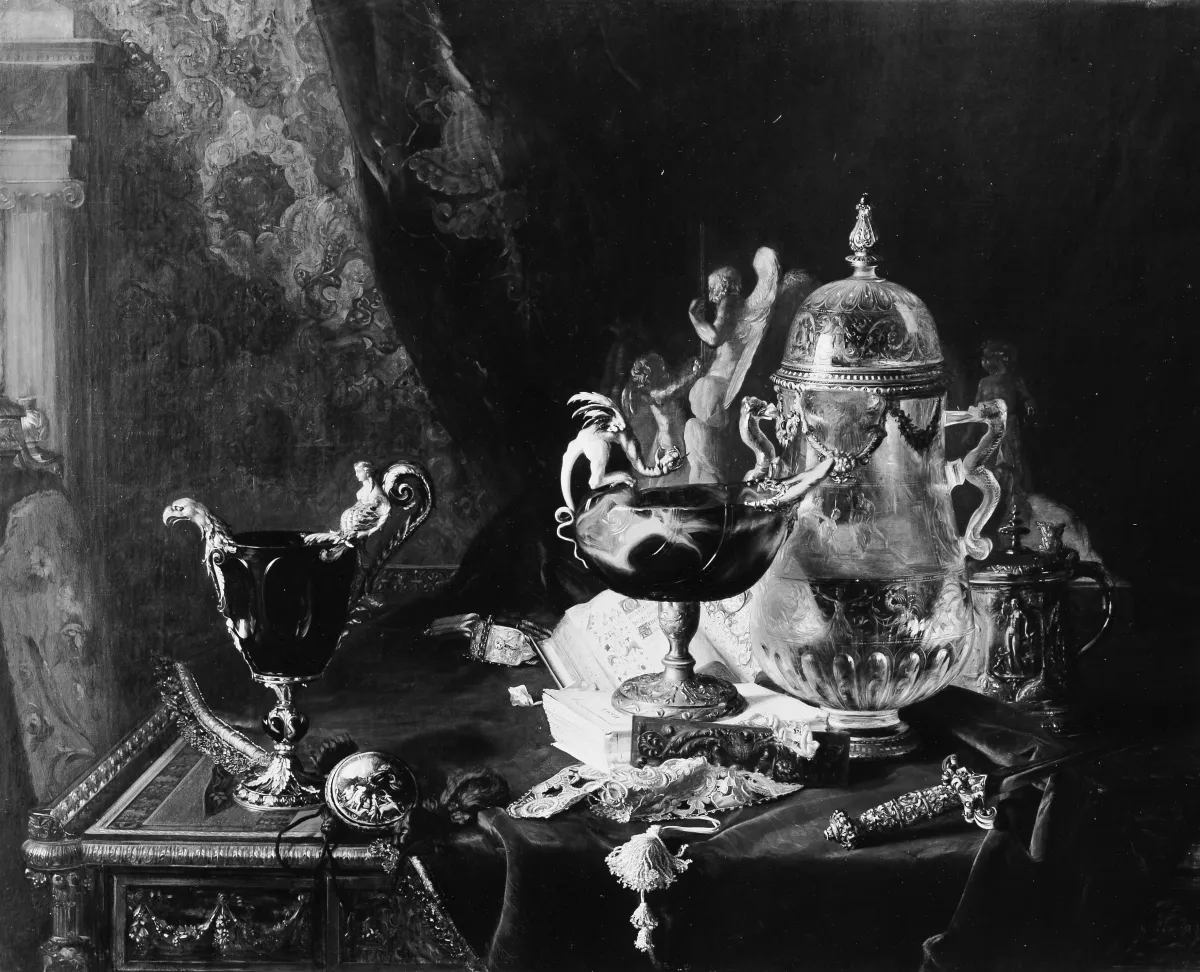
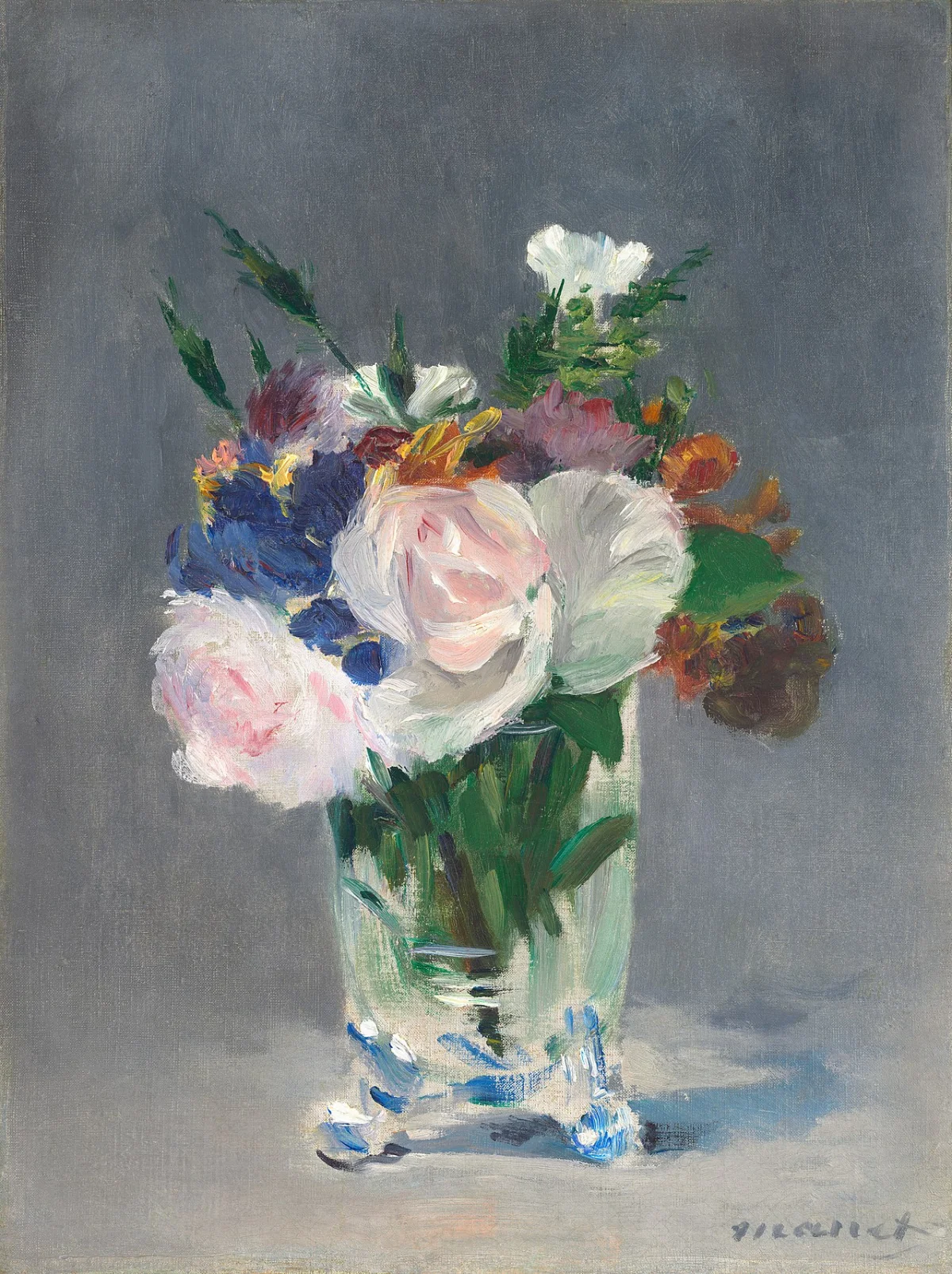
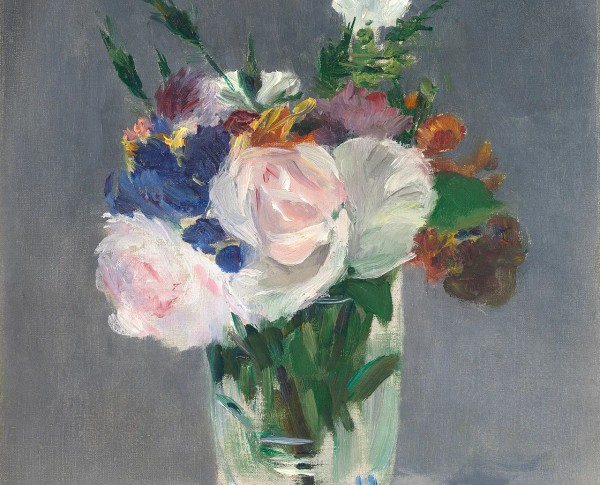
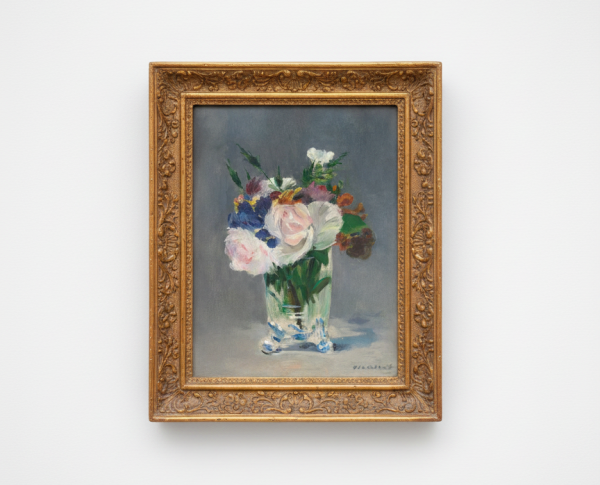
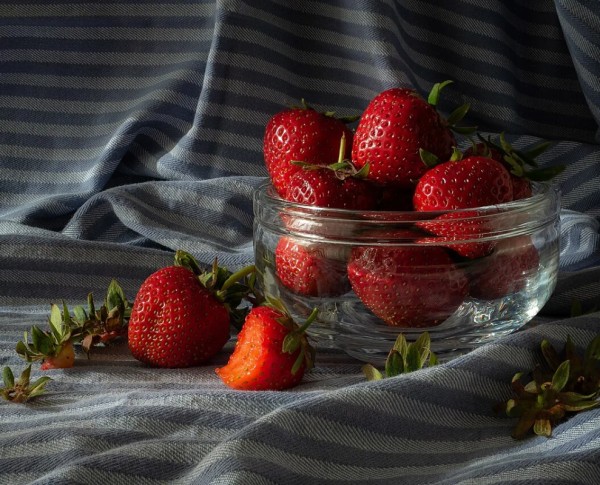
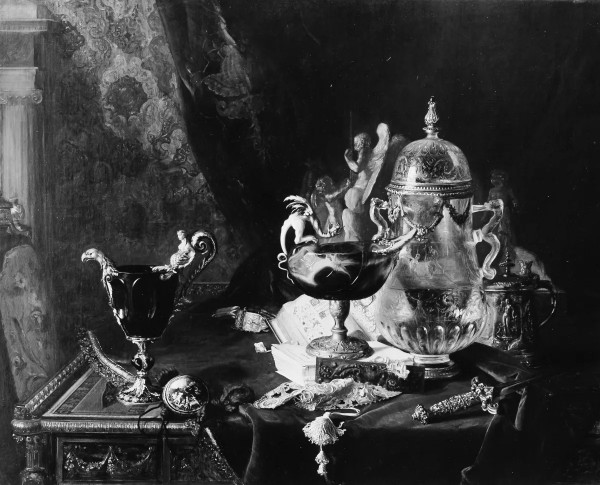
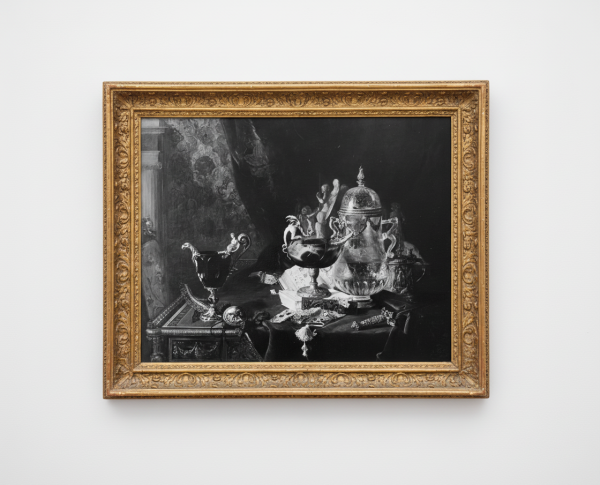
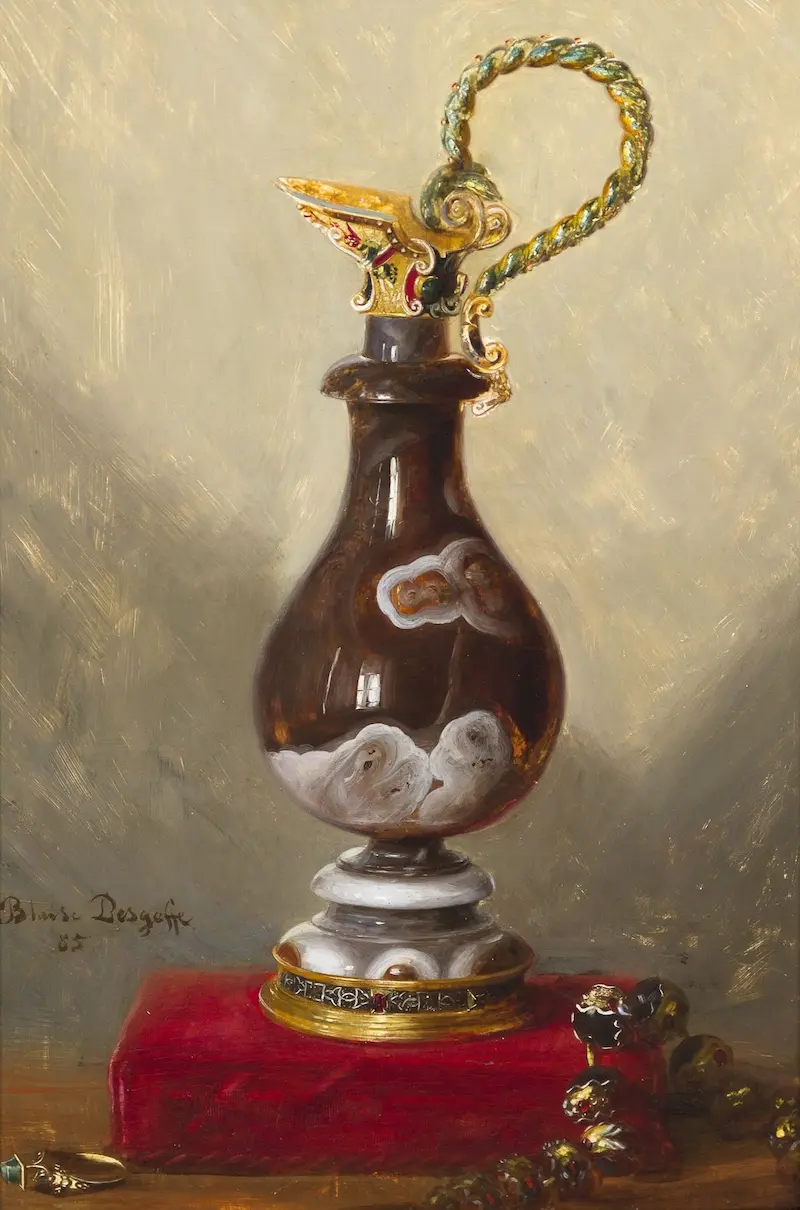
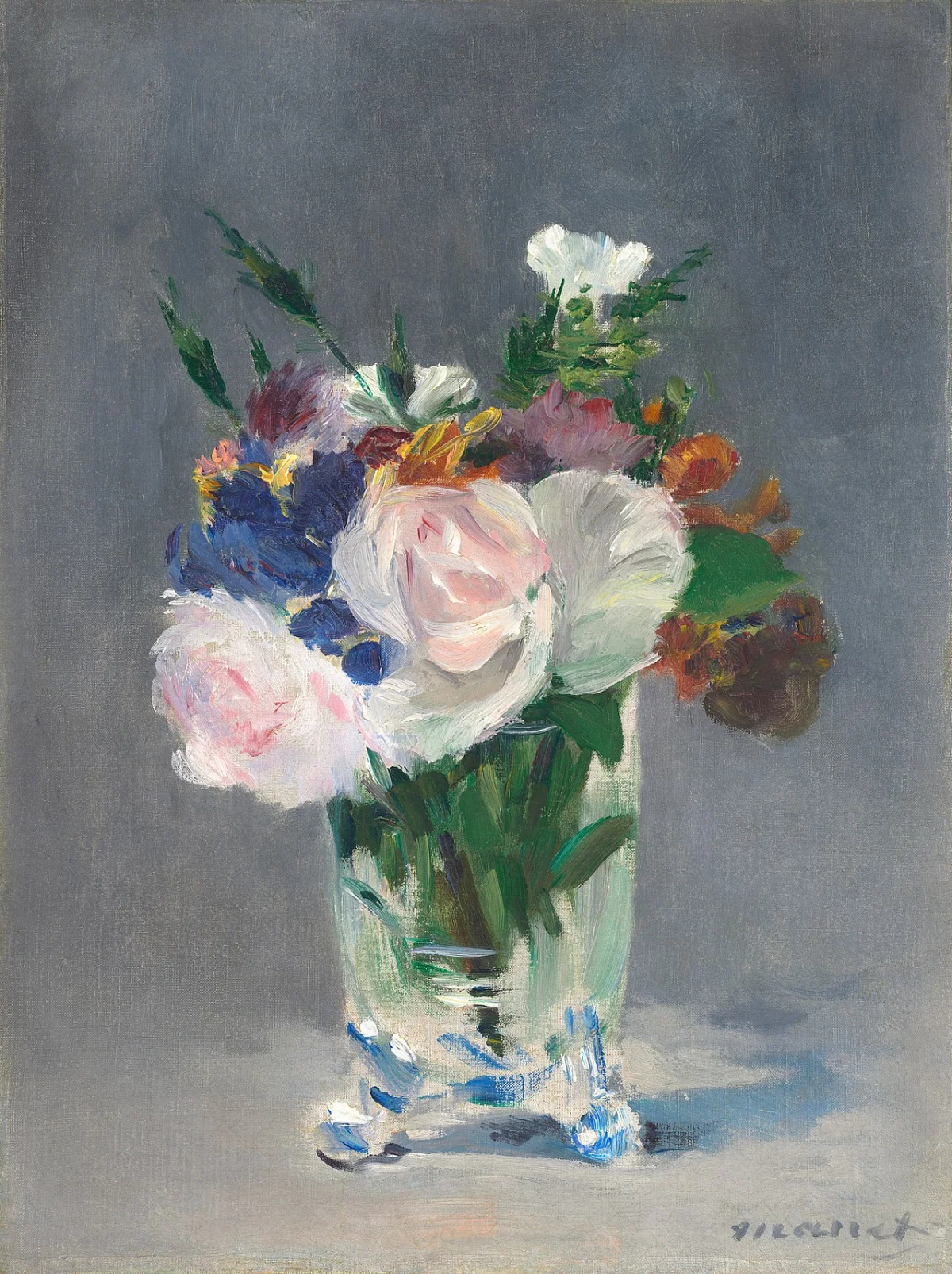
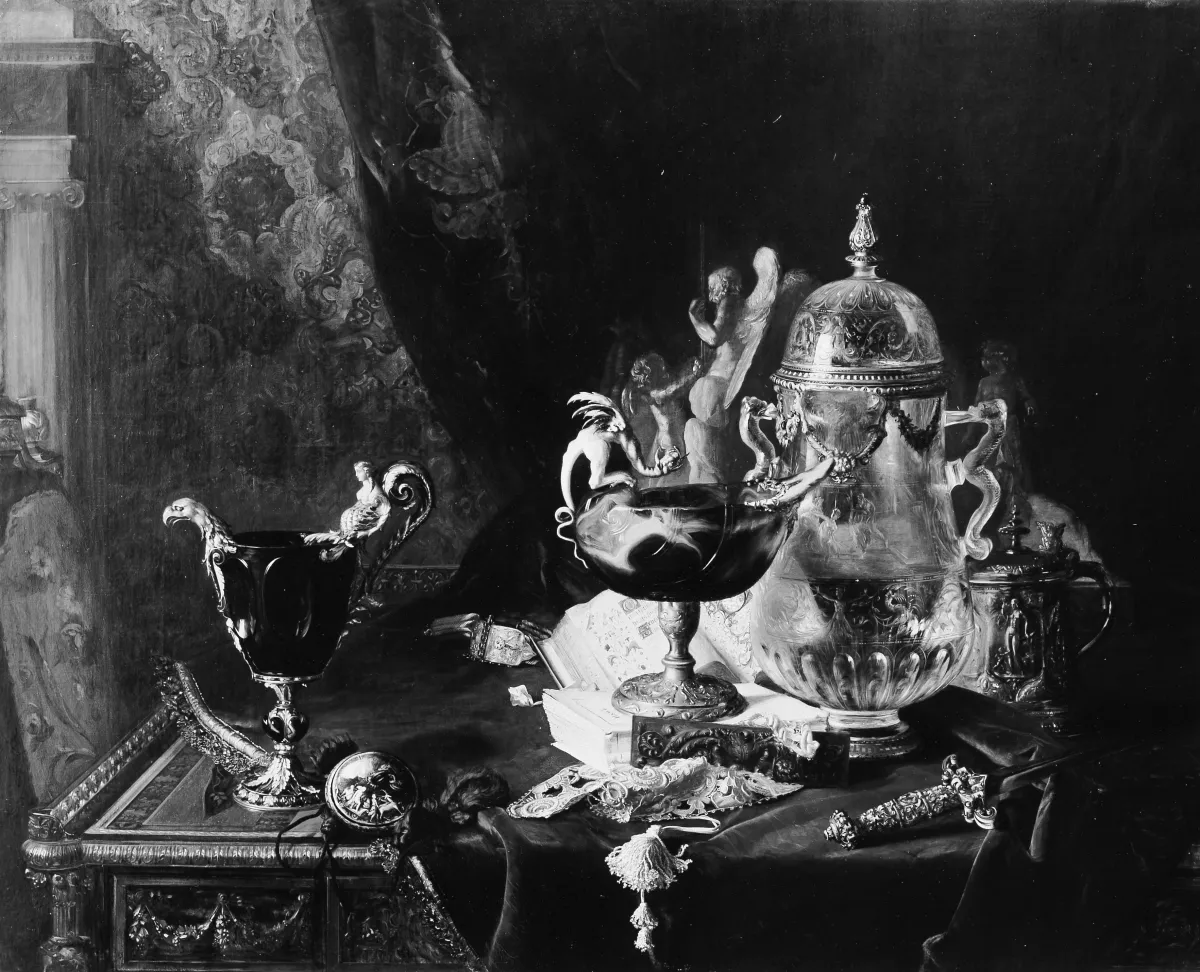
Desgoffe’s meticulous technique shines through in every brushstroke of this oil on canvas masterpiece. The artist’s skillful rendering of textures and light recalls the grandeur of Academic Art, reminiscent of "STILL LIFE WITH EWER AND ACCOUTREMENTS ON GILT MOUNTED BUREAU PLAT" and "Crystal vase." Each element is carefully composed, demonstrating why Blaise Alexandre Desgoffe remains a revered name among those seeking a truly remarkable oil on canvas for their collection.
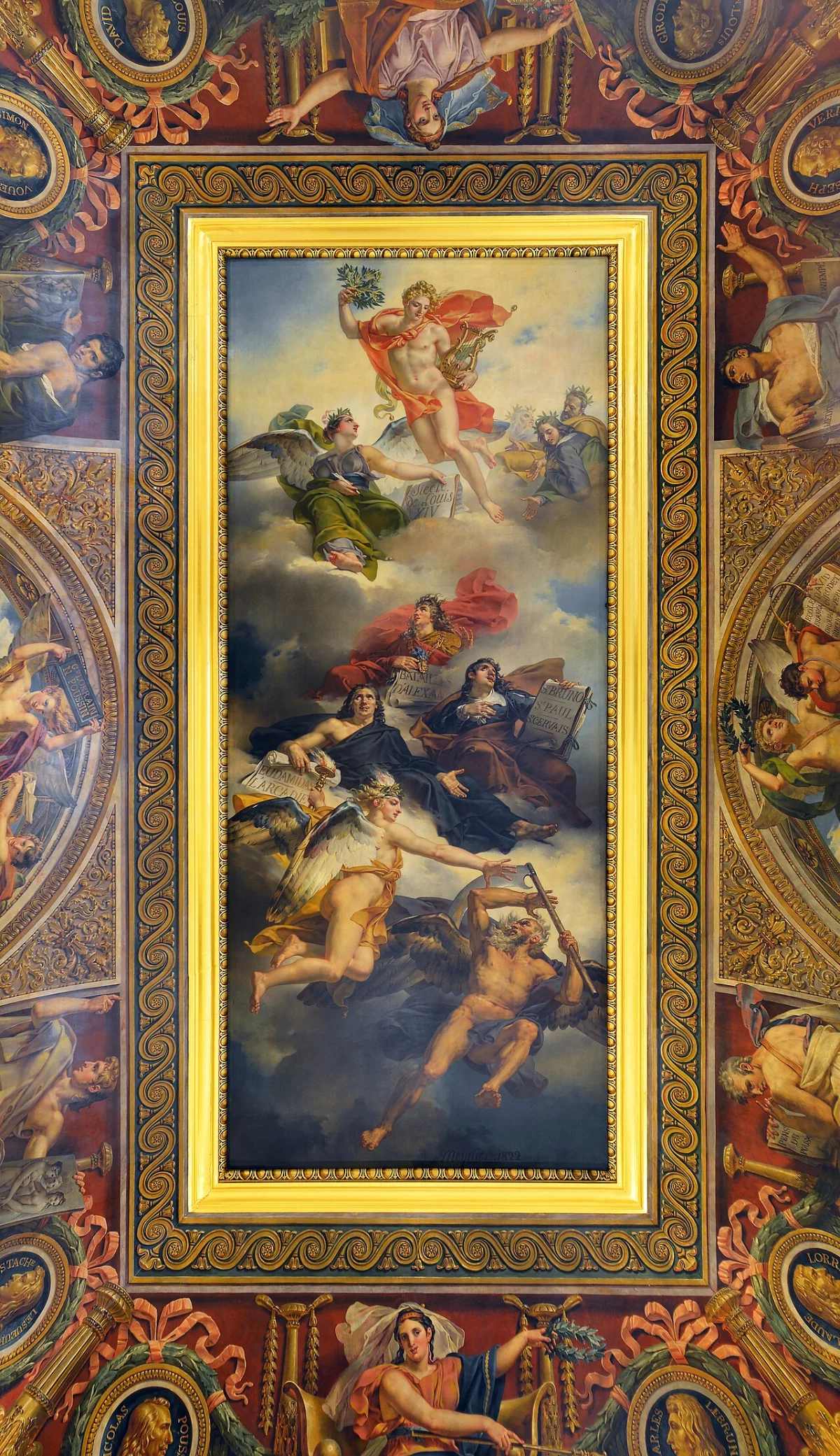
"Still Life: Objects of Art" is more than a display of objects—it tells stories through symbolic arrangements. Desgoffe’s composition invites viewers to interpret the significance of each artifact, much like the narrative depth found in "At the Louvre" and "Urne et drapé sur un entablement Panneau de chêne." This hand-painted oil painting draws on the visual language of Academic Art, offering collectors and enthusiasts layers of meaning to explore within its refined details.
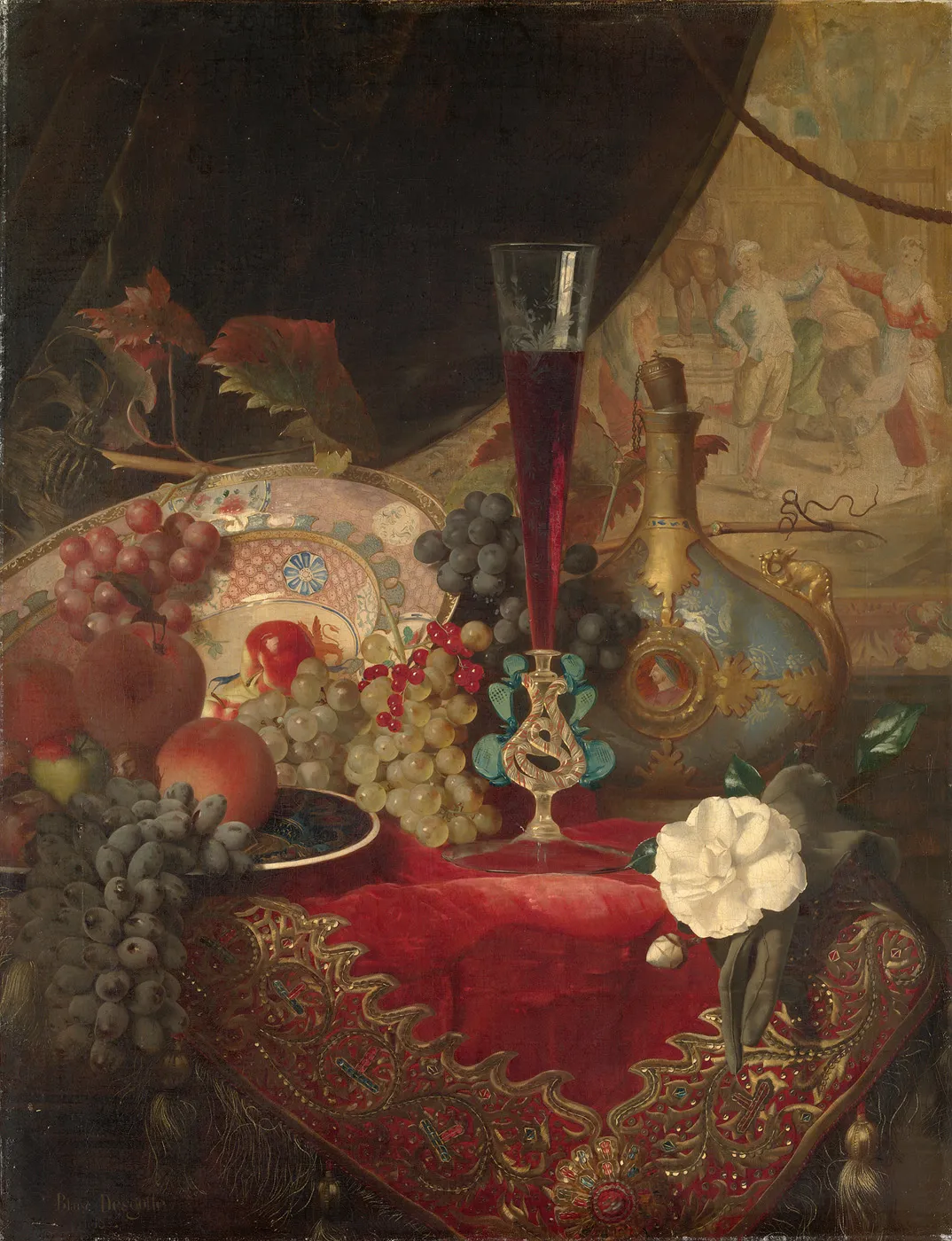
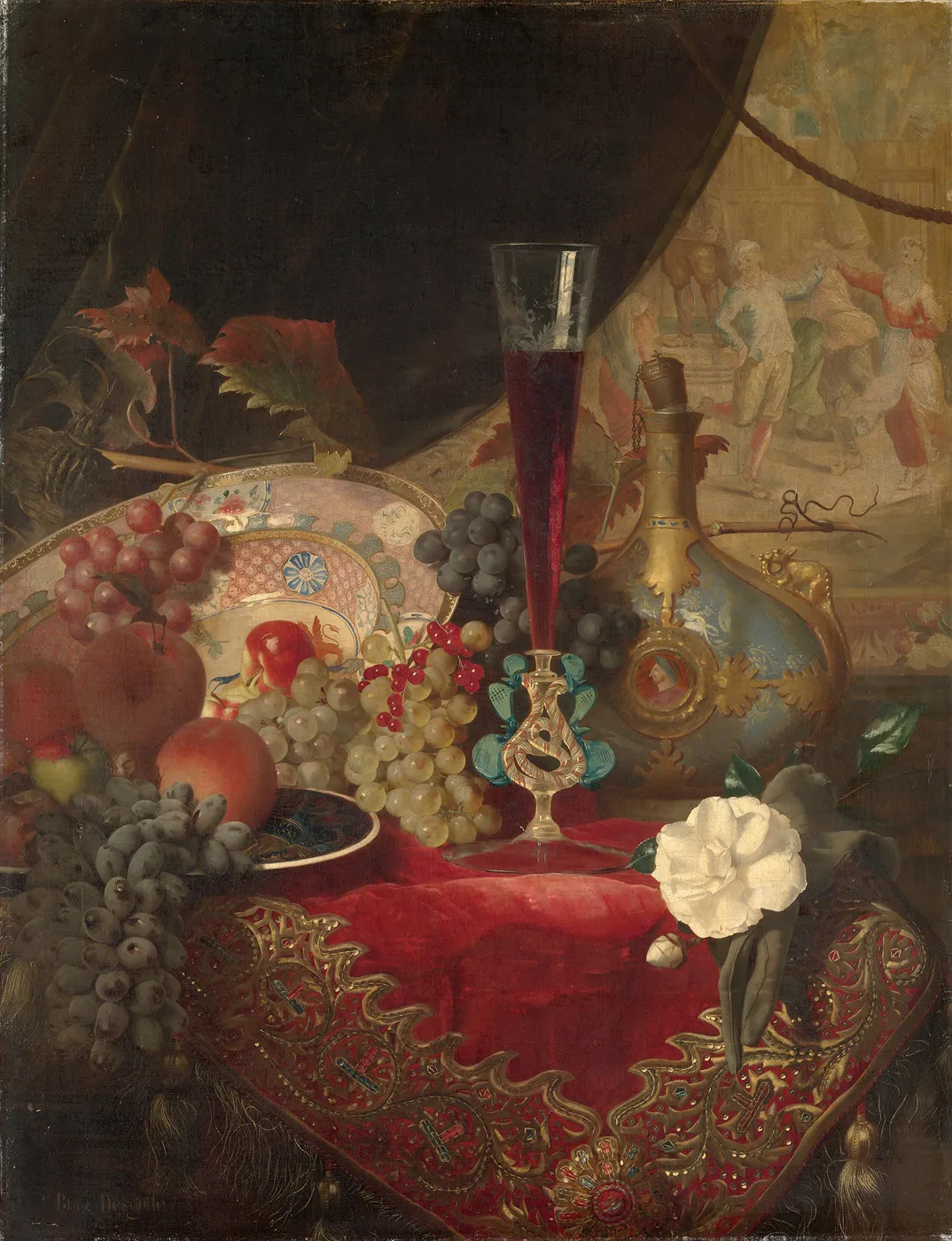
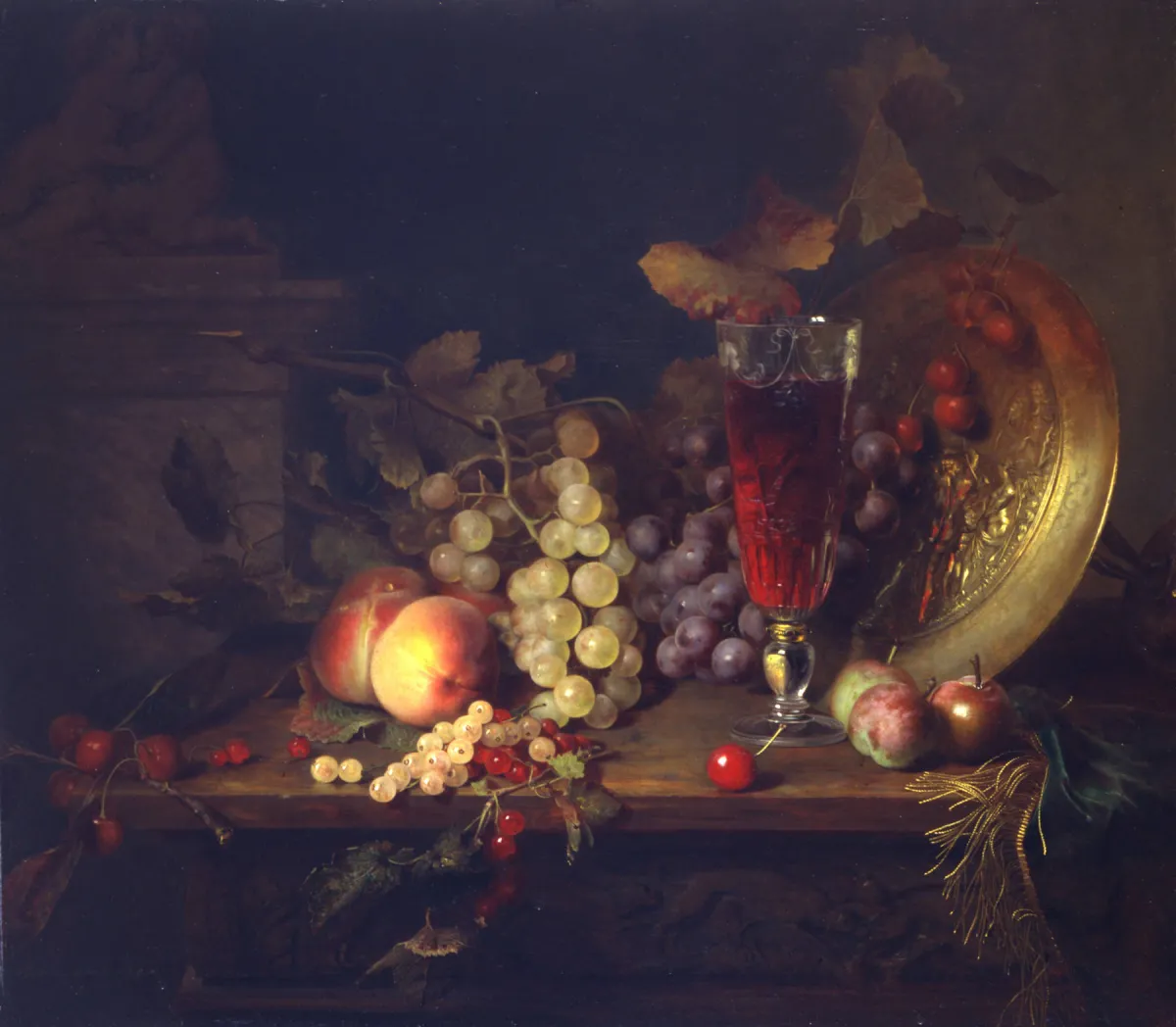
For art connoisseurs, "Still Life: Objects of Art" by Blaise Alexandre Desgoffe presents an unparalleled opportunity to own a fine art painting for sale from the Academic Art movement. Its connection to celebrated works such as "Still Life with Fruit, Glass of Wine" enhances its desirability. With its exquisite execution and historical resonance, this piece is a collector’s treasure—perfect for those seeking to enrich their space with a distinguished oil on canvas.
When Art Meets History
"Still Life: Objects of Art" by Blaise Alexandre Desgoffe exemplifies the meticulous craftsmanship of the Academic Art movement. This hand-painted oil painting captures a moment frozen in time, where art and history converge through carefully arranged objects. Desgoffe, renowned for his attention to detail, invites viewers to reflect on the cultural significance of everyday items. Related works like "Mud Pies" and "The Awakening of Psyche" further showcase the period’s devotion to realism and technical mastery.
Techniques That Speak
Desgoffe’s "Still Life: Objects of Art" employs the classic oil on canvas technique, a hallmark of Academic Art. The artist’s mastery is evident in the rich textures and luminous surfaces, which bring each object to life with astonishing realism. His use of light and shadow rivals that of contemporaries who painted "Odalisque with a Fan" and "A Nymph by a Fountain," making this oil on canvas a testament to the enduring power of traditional artistic methods.
Emotions on Display
In "Still Life: Objects of Art," Blaise Alexandre Desgoffe infuses everyday objects with a quiet dignity, allowing viewers to experience subtle emotions. The composition’s harmonious arrangement evokes contemplation and nostalgia, characteristic of fine art painting for sale from the Academic Art era. Like "General Gaston de Sonis," Desgoffe’s work transcends mere representation, inviting us to connect emotionally with the objects and the stories they silently tell.
Coveted by Collectors
Collectors highly value "Still Life: Objects of Art" by Blaise Alexandre Desgoffe, whose reputation in the Academic Art movement ensures enduring appeal. This hand-painted oil painting stands alongside related masterpieces, making it a sought-after treasure in private collections and galleries. Art enthusiasts searching for a fine art painting for sale often seek works like this for their historical importance and exceptional technique, echoing the desirability of "The Awakening of Psyche" and "A Nymph by a Fountain."
Related Academic Art Hand-Painted Oil Paintings by Other Artists
Other Famous Academic Art Artists:
Frequently Asked Questions About Still Life: Objects of Art
What is the historical context of "Still Life: Objects of Art"?
"Still Life: Objects of Art" was created during the late 19th century, a period marked by a renewed interest in realism and the exploration of everyday subjects in art. This era saw a shift from romanticism to a focus on the ordinary, making still life a popular genre among artists.
Who is Blaise Alexandre Desgoffe and what is his significance in art history?
Blaise Alexandre Desgoffe was a French painter known for his exquisite still life compositions. His work is significant for its meticulous attention to detail and the ability to evoke emotion through the arrangement of everyday objects, contributing to the evolution of still life painting in the 19th century.
What artistic techniques are employed in "Still Life: Objects of Art"?
The painting showcases Desgoffe's mastery of chiaroscuro, the use of light and shadow to create depth. His technique of layering paint allows for a rich texture, enhancing the realism of the objects depicted, which is characteristic of the still life genre.
What objects are depicted in the painting and what do they symbolize?
The painting features a collection of objects such as fruits, ceramics, and textiles. Each item symbolizes abundance, the passage of time, and the beauty found in everyday life, reflecting the artist's appreciation for the mundane.
How does "Still Life: Objects of Art" reflect the values of its time?
The painting reflects the 19th-century values of realism and the celebration of domesticity. It emphasizes the importance of the home and the beauty of ordinary objects, aligning with the era's growing interest in the lives of everyday people.
What influences can be seen in Desgoffe's still life compositions?
Desgoffe was influenced by the Dutch masters of the 17th century, particularly in his use of light and composition. His work also reflects the French tradition of still life, incorporating elements of naturalism and a focus on the tactile qualities of objects.
What role does color play in "Still Life: Objects of Art"?
Color plays a crucial role in the painting, with a harmonious palette that enhances the visual appeal of the objects. The careful selection of colors not only brings the still life to life but also evokes specific emotions, inviting viewers to engage with the work on a deeper level.
How does this painting compare to other still life works of the same period?
Compared to other still life works of the period, Desgoffe's "Still Life: Objects of Art" stands out for its intricate detail and emotional resonance. While many artists focused on the arrangement of objects, Desgoffe infused his compositions with a sense of narrative and personal connection.
What is the significance of the composition in "Still Life: Objects of Art"?
The composition of the painting is carefully arranged to draw the viewer's eye across the canvas, creating a sense of balance and harmony. This thoughtful arrangement not only showcases the beauty of the objects but also reflects the artist's skill in guiding the viewer's experience.
What can we learn from "Still Life: Objects of Art" about the artist's perspective on life?
Through "Still Life: Objects of Art," we gain insight into Desgoffe's perspective that beauty exists in the everyday. His choice of subjects and the care with which he depicts them suggest a philosophy that values the simple pleasures of life and the artistry inherent in the commonplace.






















_GFM_Painting_(1).webp)

.webp)

 100% Hand-Painted: Finished in 3-6 Weeks
.webp)

.png)















_(1).webp)