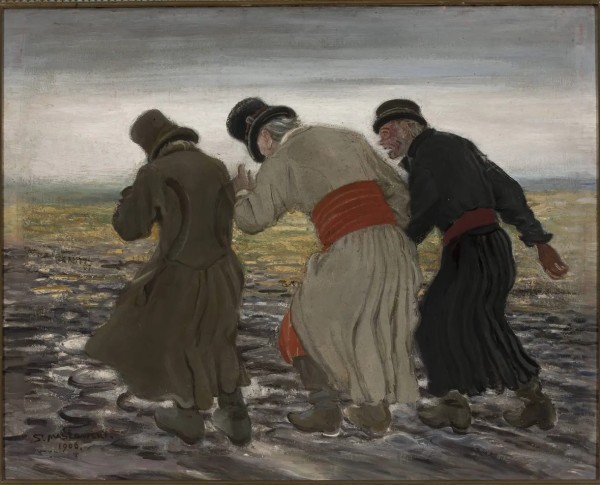
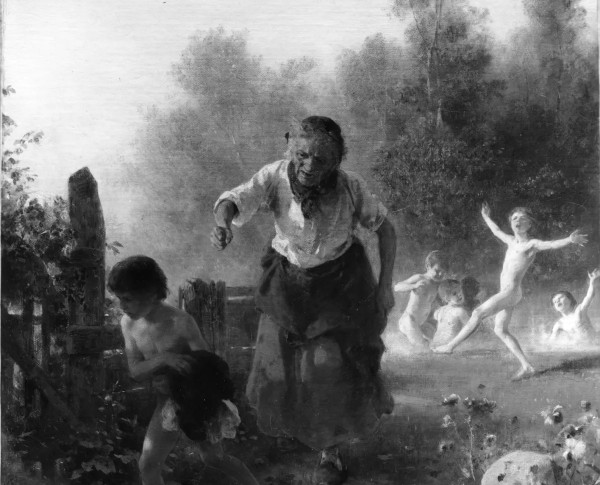
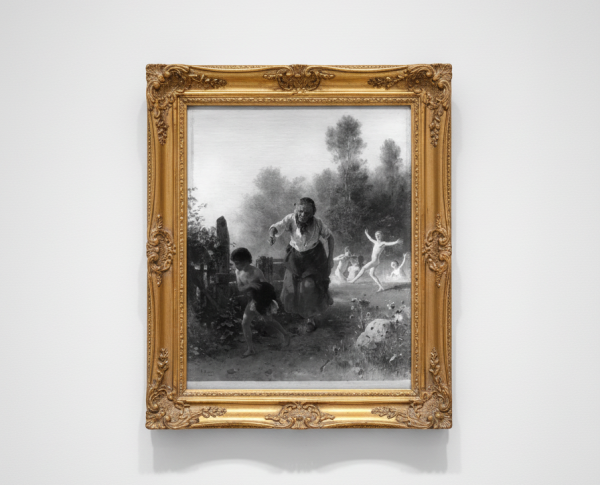
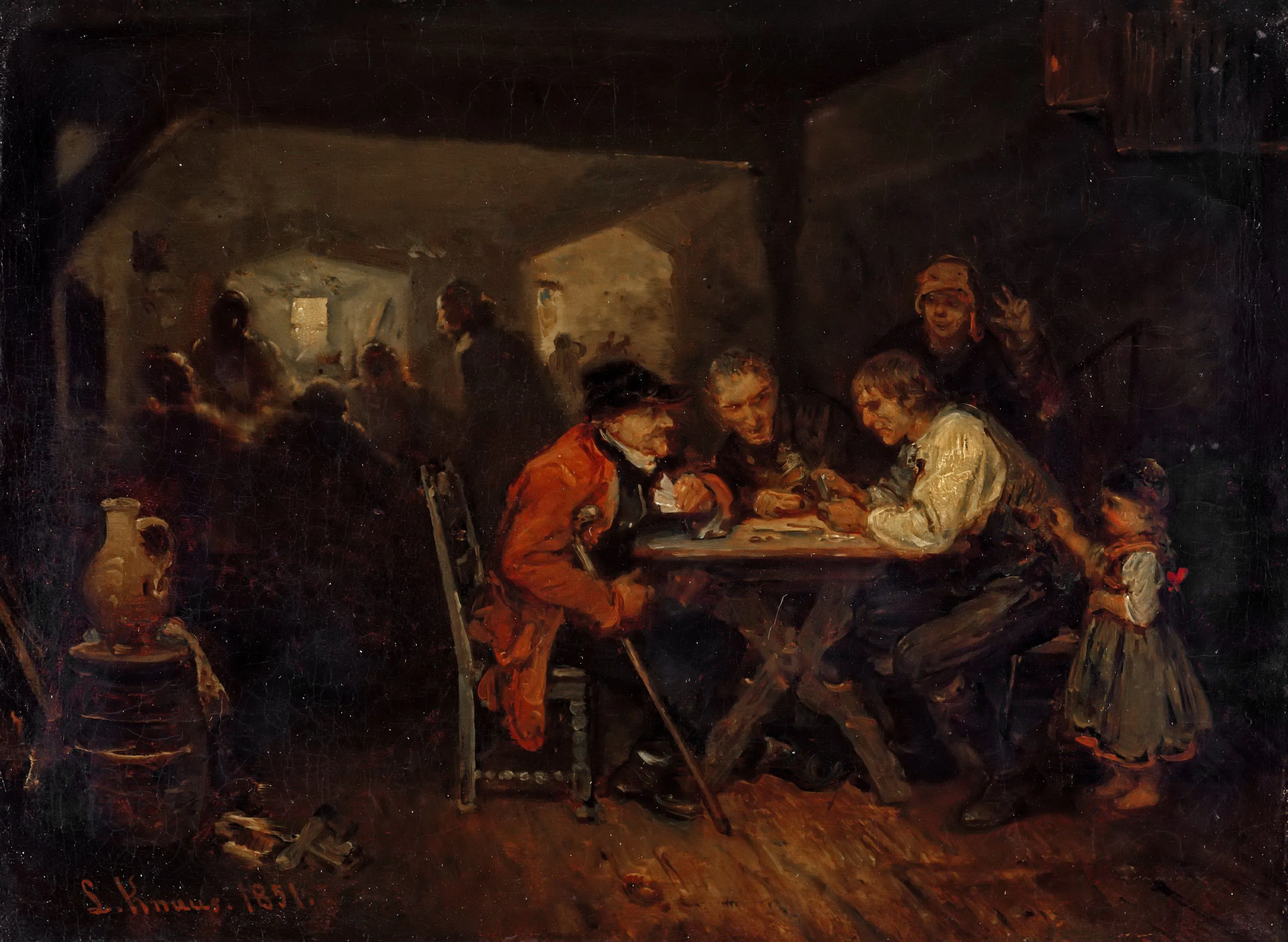
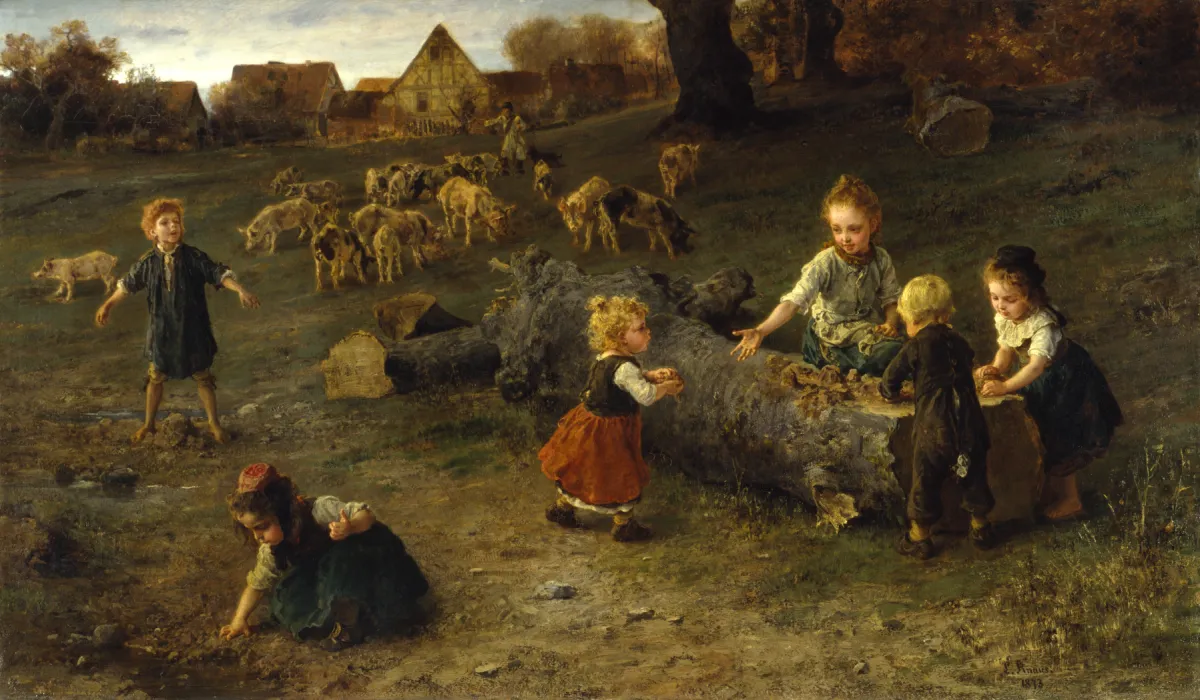
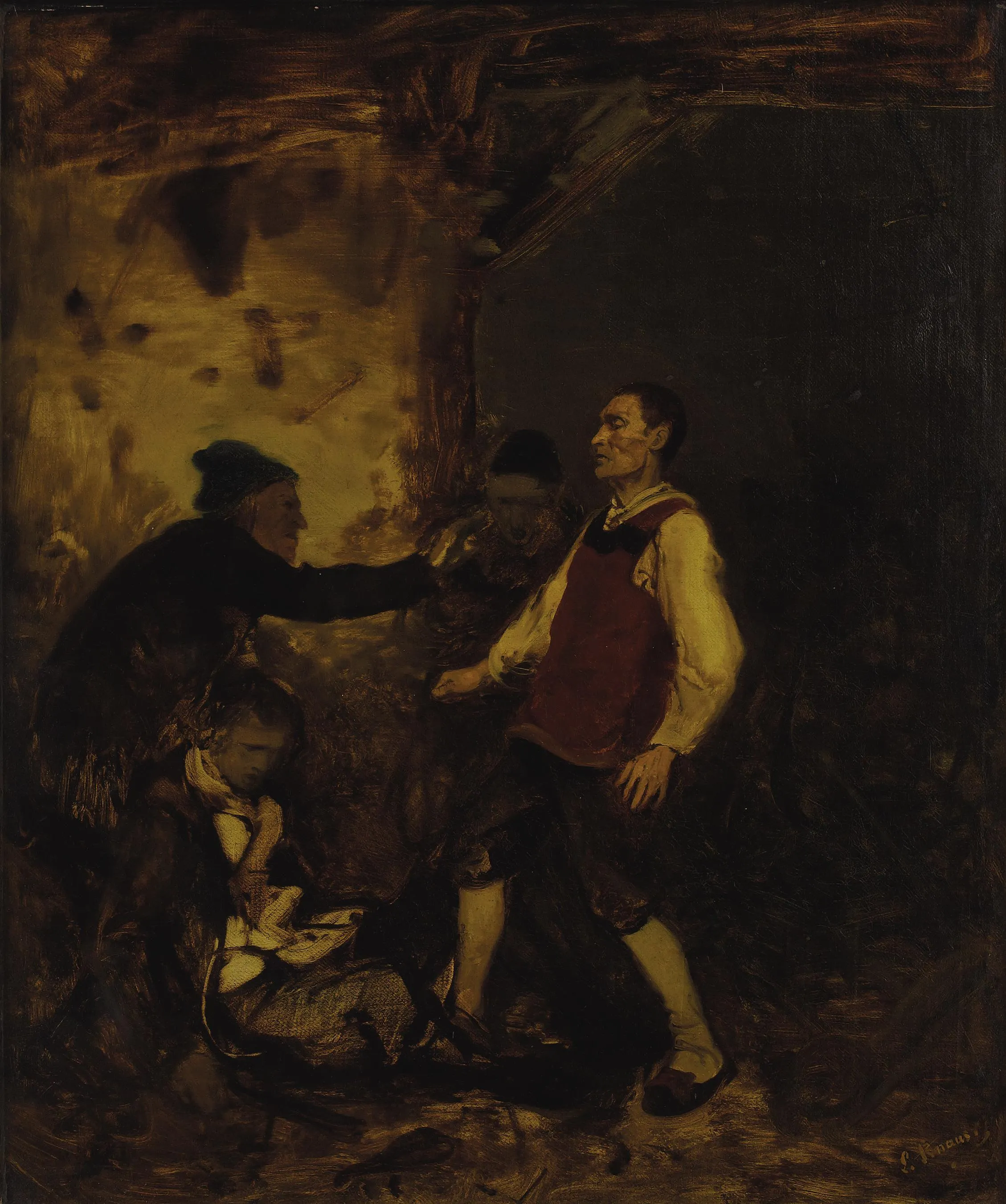
Ludwig Knaus’s technical prowess shines through in "The Cheater," an exquisite oil on canvas that exemplifies the precision and elegance of Academic Art. Each brushstroke demonstrates his remarkable attention to detail, from the subtle play of light to the realistic depiction of textures. This painting, alongside Knaus’s other works such as "Mud Pies" and "Drunken Peasants," showcases the artist’s ability to blend narrative realism with masterful technique in the oil on canvas tradition.
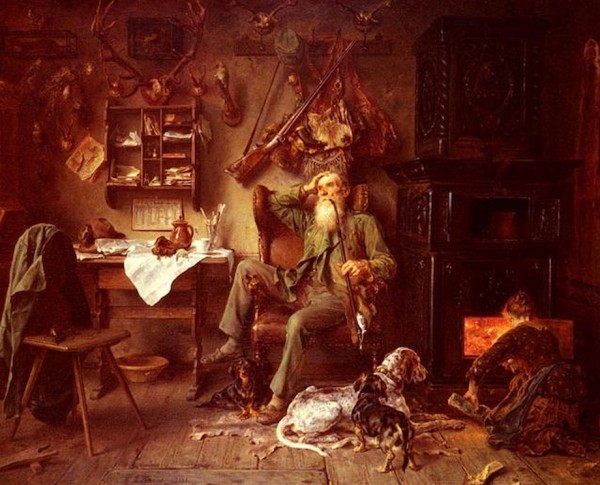
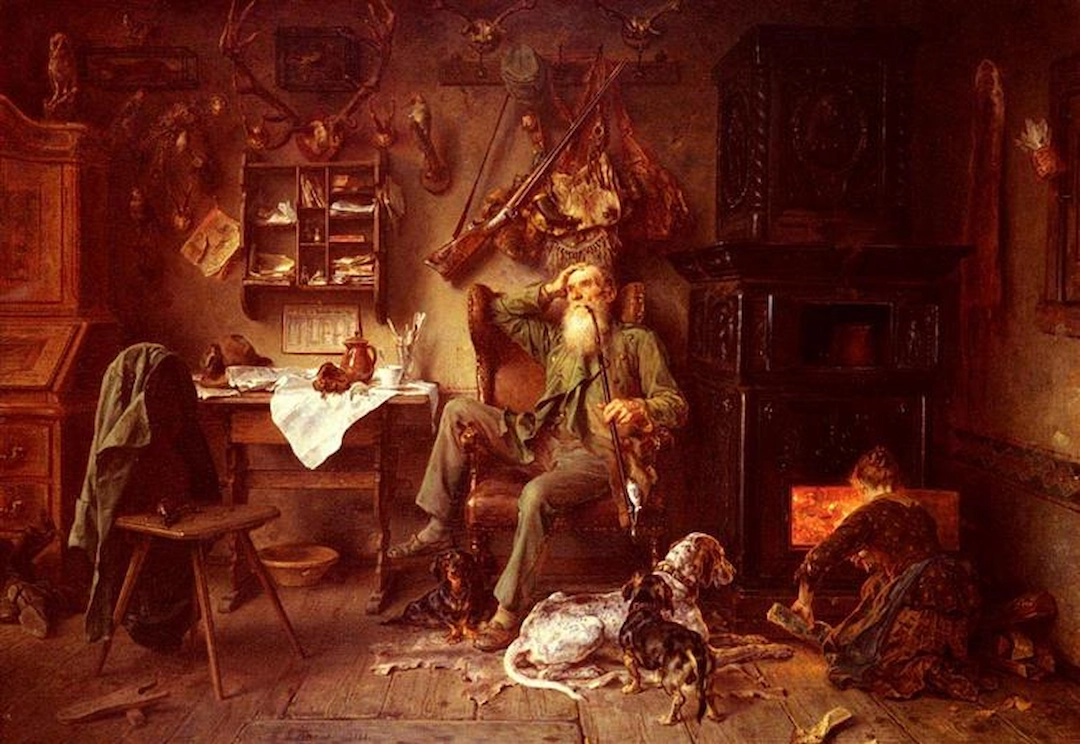
"The Cheater" by Ludwig Knaus is more than a fine art painting for sale; it is a window into 19th-century society. The artwork’s composition and character interactions hint at themes of deception and morality, inviting viewers to interpret their own stories. This narrative depth aligns it with other thought-provoking pieces from Knaus, like "A Forester at Home" and "The Truant," making it a captivating choice for those who appreciate storytelling in art.
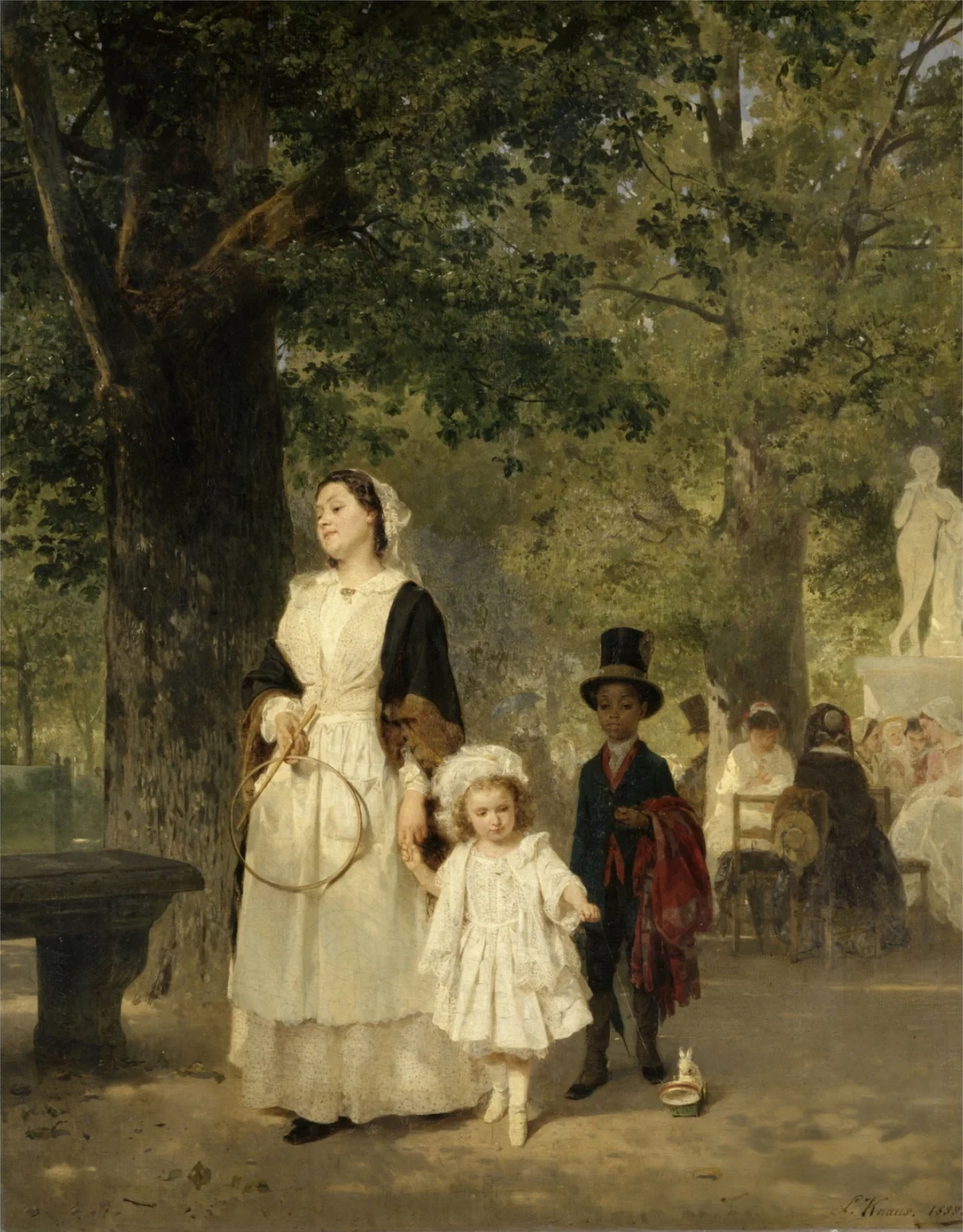
As a highly sought-after hand-painted oil painting, "The Cheater" by Ludwig Knaus embodies the sophistication of the Academic Art movement. Its enduring appeal makes it a prized addition for collectors searching for a fine art painting for sale that combines historical relevance with artistic excellence. Many art lovers expand their collections with related works such as "Death of a Gentleman" and "Promenade," appreciating the shared heritage these pieces represent.
When Art Meets History
"The Cheater" by Ludwig Knaus is a remarkable example of the Academic Art movement, reflecting the social nuances of its era. This hand-painted oil painting captures a moment of intrigue and deception, providing insight into 19th-century European society. Knaus, a master of genre scenes, also created works like "At the Louvre" and "Reunited," which similarly blend narrative and historical context, making each piece a timeless exploration of human interaction.
Techniques That Speak
Ludwig Knaus’s "The Cheater" showcases his exceptional skill with oil on canvas, a medium favored by Academic Art painters for its versatility and depth. The artist’s meticulous brushwork and attention to detail bring each figure to life, highlighting textures and subtle expressions. Techniques used here are also evident in Knaus's other works, such as "Odalisque" and "The Wave," further cementing his reputation as a leading figure in 19th-century fine art.
Emotions on Display
In "The Cheater," Ludwig Knaus vividly portrays the tension and anticipation that define the scene, allowing viewers to connect emotionally with the subjects. This fine art painting for sale stands out for its ability to evoke empathy and curiosity, hallmarks of the Academic Art movement. Knaus's knack for capturing nuanced emotions is also seen in his piece "Crystal Vase," making each painting a compelling study of human nature.
Coveted by Collectors
As a prime example of Academic Art, "The Cheater" remains highly sought after by art collectors worldwide. The hand-painted oil painting by Ludwig Knaus is admired for its historical significance and masterful execution. Collectors often seek out related paintings like "At the Louvre" and "Odalisque," recognizing the enduring value and artistry present in each of Knaus’s works, which continue to enrich private and public art collections today.
Related Academic Art Hand-Painted Oil Paintings by Other Artists
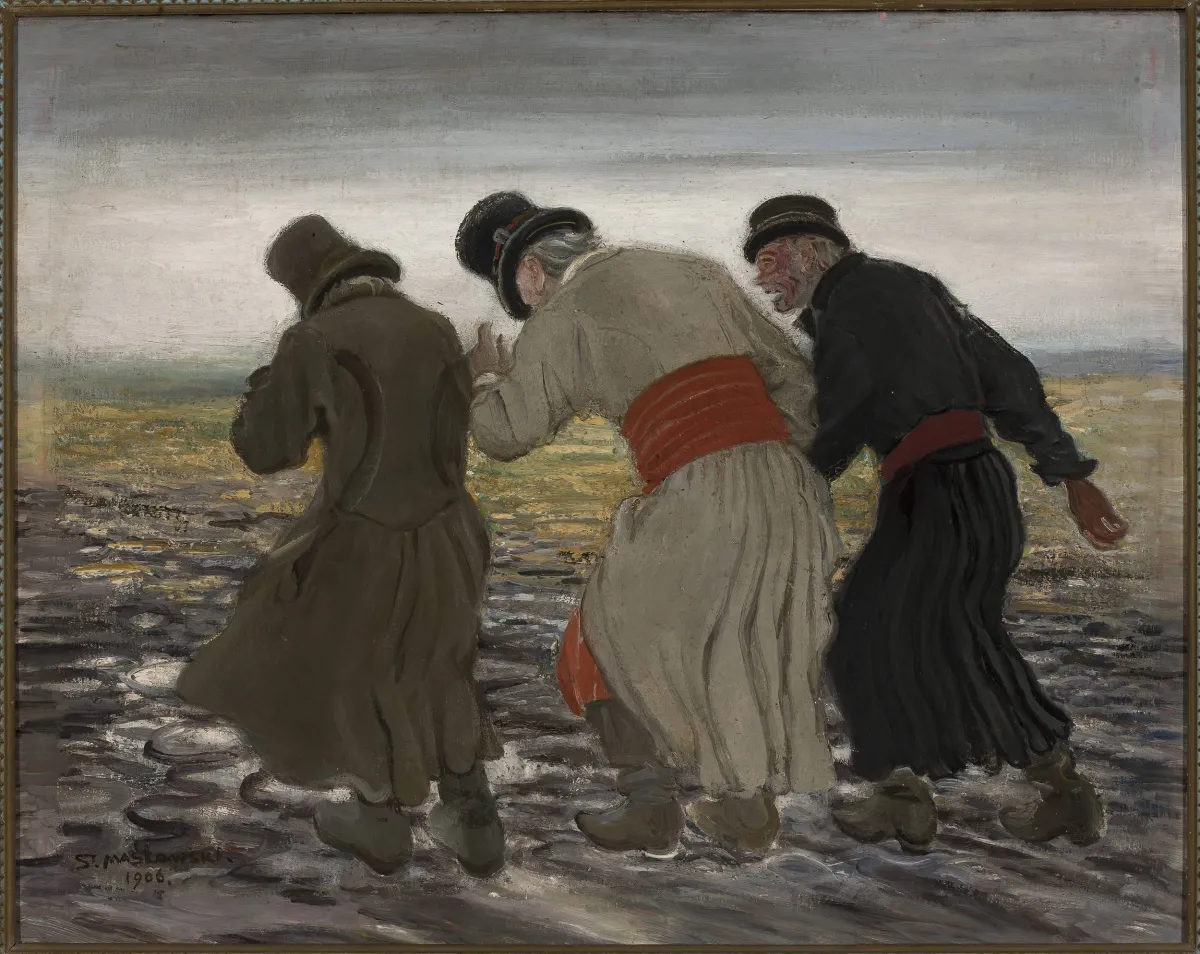
Other Famous Academic Art Artists:
Frequently Asked Questions About "The cheater"
What is the historical context of "The cheater"?
"The cheater" was created during the 19th century, a period marked by significant social and political changes in Europe. This era saw the rise of realism in art, which aimed to depict everyday life and ordinary people, contrasting with the romanticism that preceded it.
Who is Ludwig Knaus and what is his significance in art history?
Ludwig Knaus was a prominent German painter known for his realistic portrayals of social themes and everyday life. His work often reflected the complexities of human emotions and societal issues, making him an important figure in the realist movement.
What artistic techniques are employed in "The cheater"?
Knaus utilized oil on canvas to create "The cheater," employing techniques such as chiaroscuro to enhance the dramatic effect and to highlight the emotional tension between the figures depicted in the painting.
What themes are explored in "The cheater"?
The painting explores themes of deception and betrayal, capturing a moment of emotional conflict. It reflects the moral dilemmas faced by individuals in society and invites viewers to contemplate the consequences of dishonesty.
How does "The cheater" reflect the social issues of its time?
"The cheater" reflects the social issues of the 19th century, particularly the struggles of the working class and the moral complexities of human relationships. Knaus's portrayal of intimate moments reveals the vulnerabilities and ethical challenges faced by individuals in society.
What symbolism can be found in "The cheater"?
The painting is rich in symbolism, with the figures representing various aspects of human nature, such as trust, betrayal, and the consequences of one's actions. The expressions and body language of the characters convey a deep sense of conflict and emotional turmoil.
In what ways does "The cheater" exemplify realism?
"The cheater" exemplifies realism through its focus on everyday life and the portrayal of authentic human emotions. Knaus's attention to detail and the realistic depiction of the figures and their surroundings serve to ground the artwork in the real world.
What impact did "The cheater" have on contemporary artists?
The impact of "The cheater" on contemporary artists lies in its exploration of complex human emotions and social themes. It paved the way for future artists to address similar issues through realistic portrayals, influencing movements such as social realism and modern narrative art.
How is "The cheater" regarded in the context of Ludwig Knaus's body of work?
What can viewers learn from "The cheater"?
Viewers can learn about the complexities of human relationships and the moral implications of deceit through "The cheater." The painting serves as a reminder of the emotional consequences of our actions and encourages reflection on the nature of trust and betrayal in society.























_GFM_Painting_(1).webp)


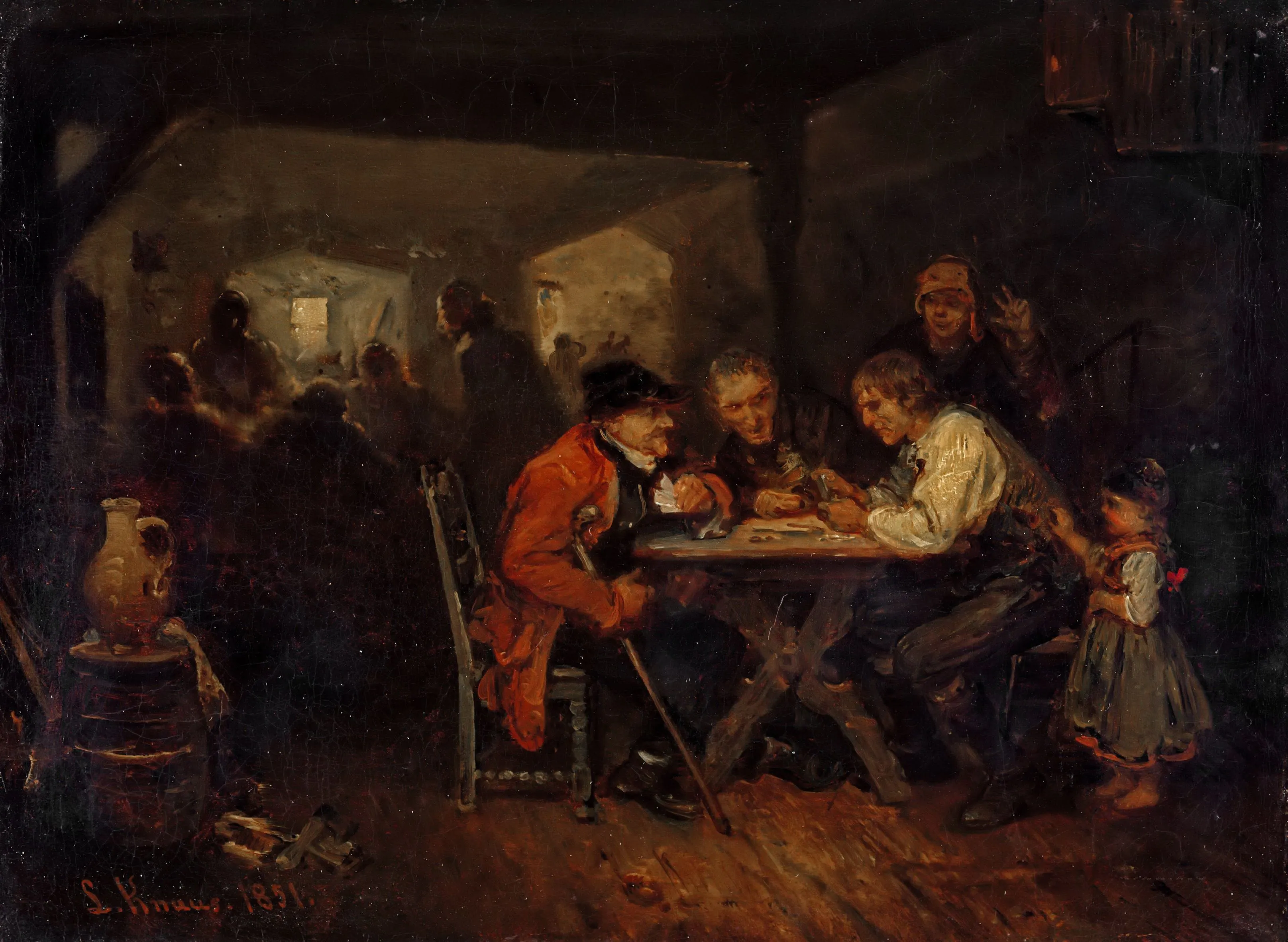
 100% Hand-Painted: Finished in 3-6 Weeks

.png)















_(1).webp)