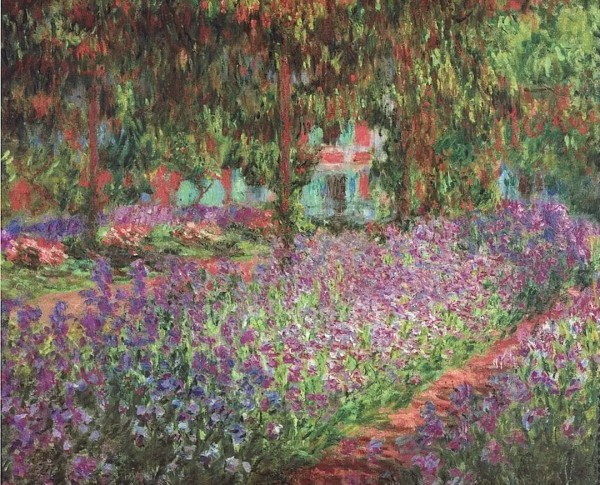
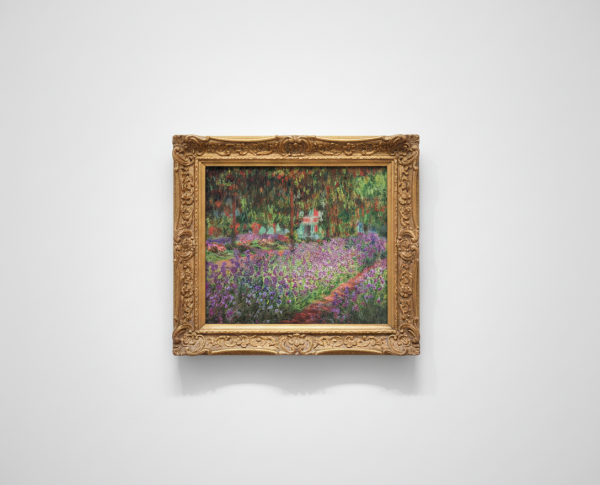
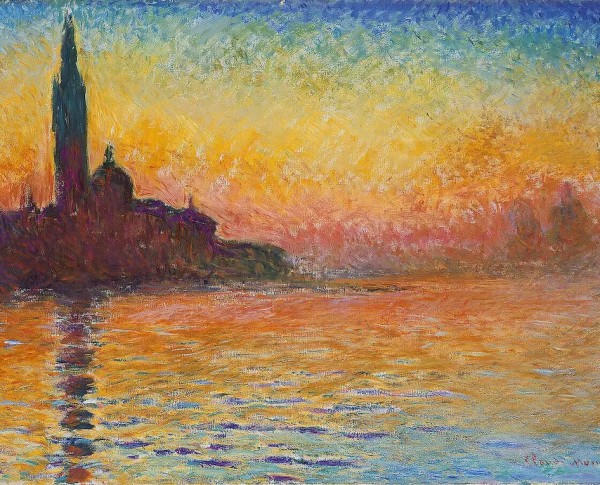
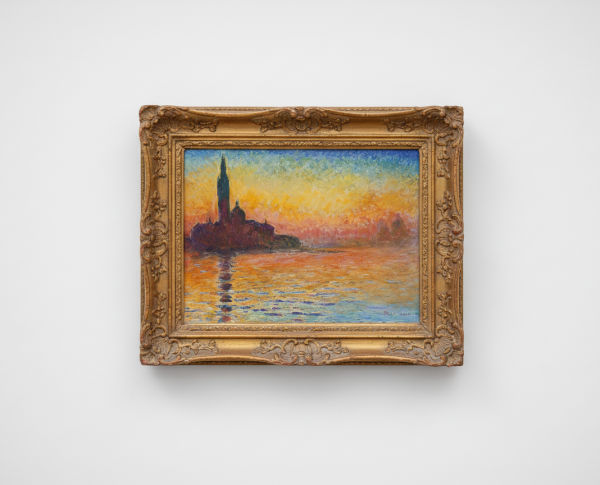
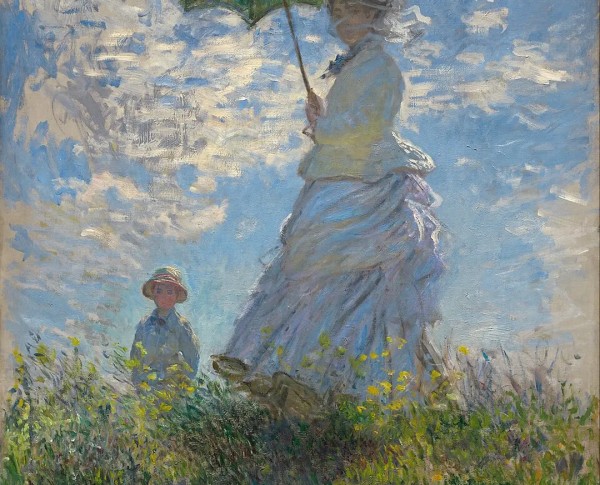
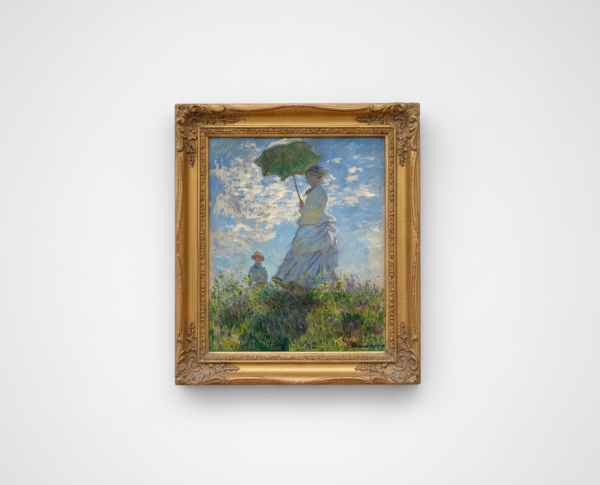
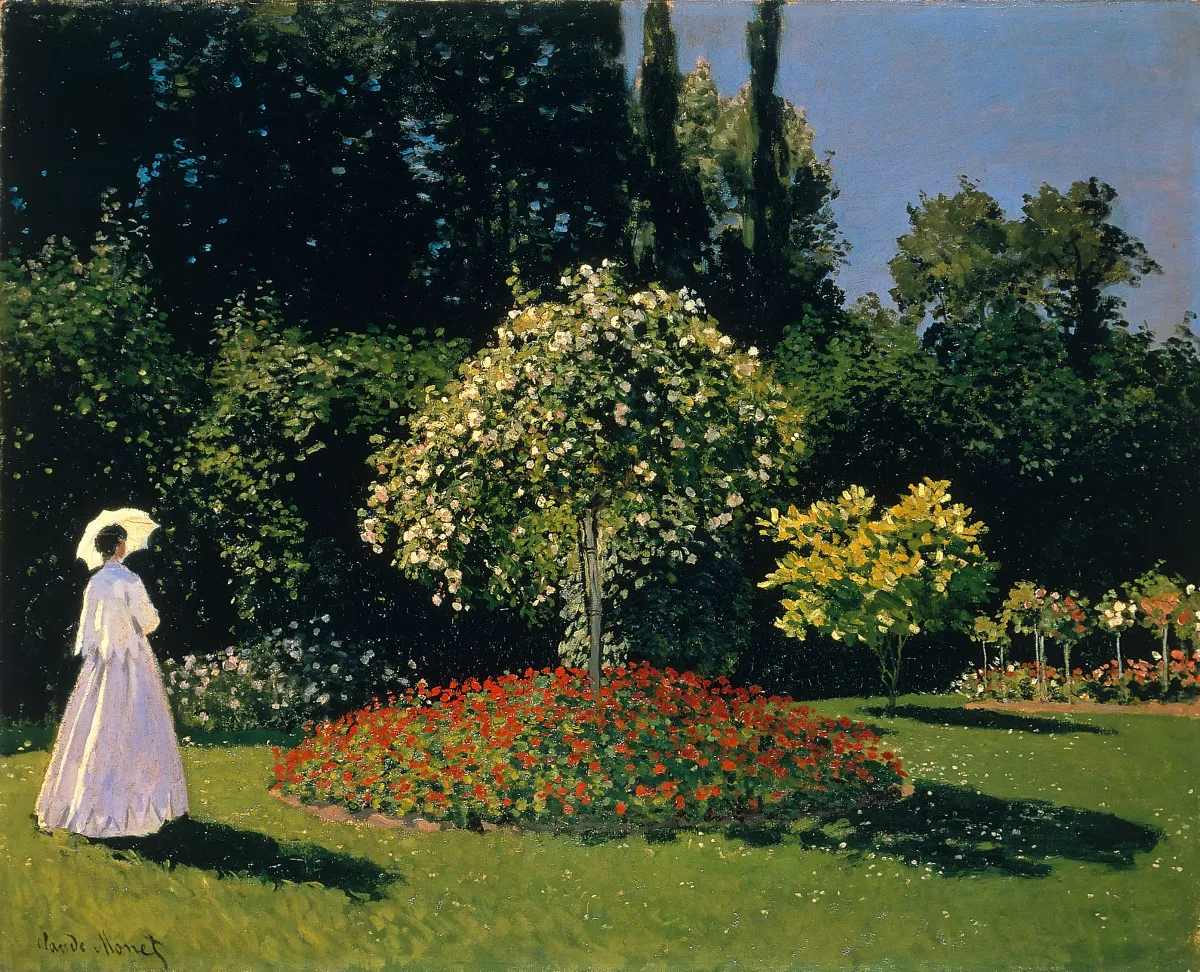
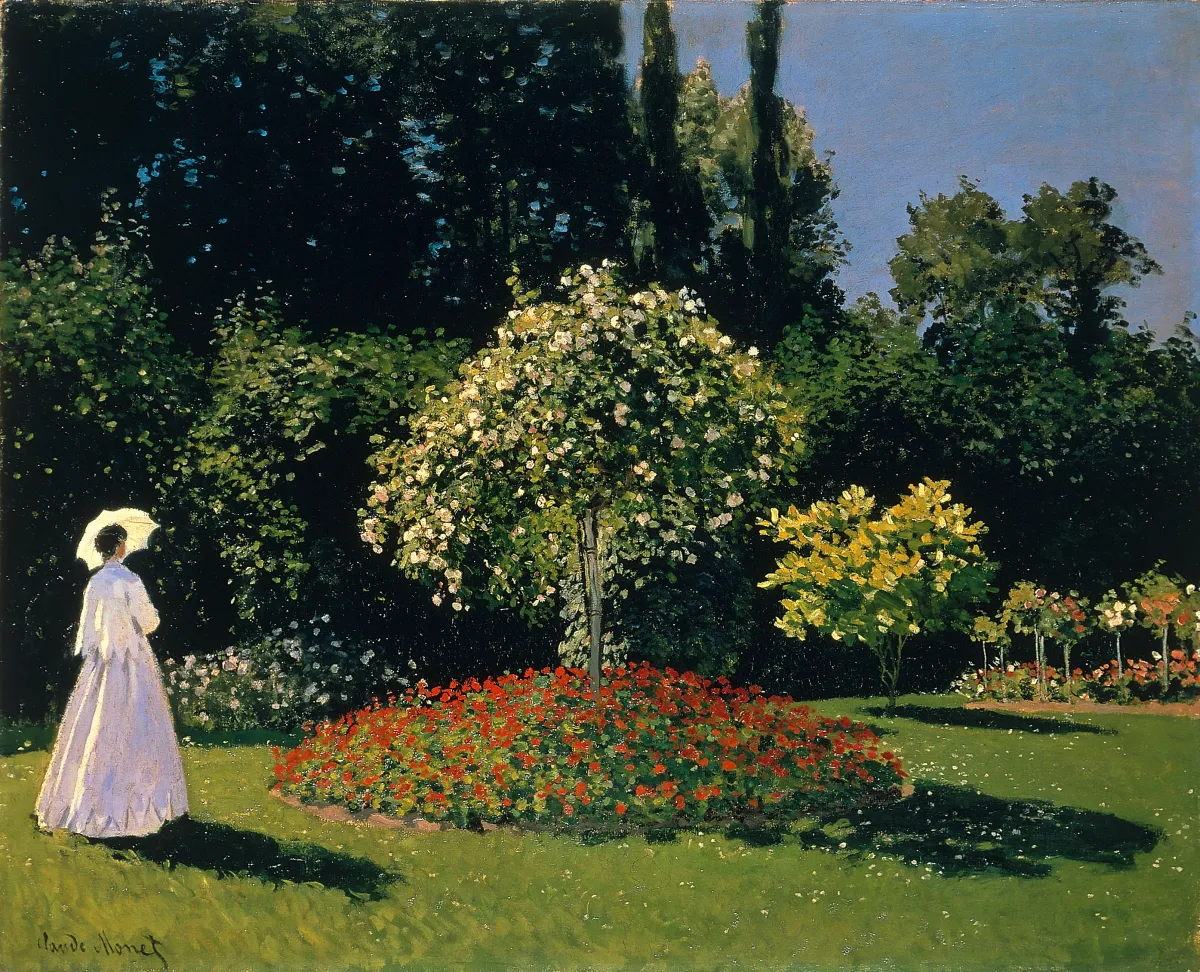
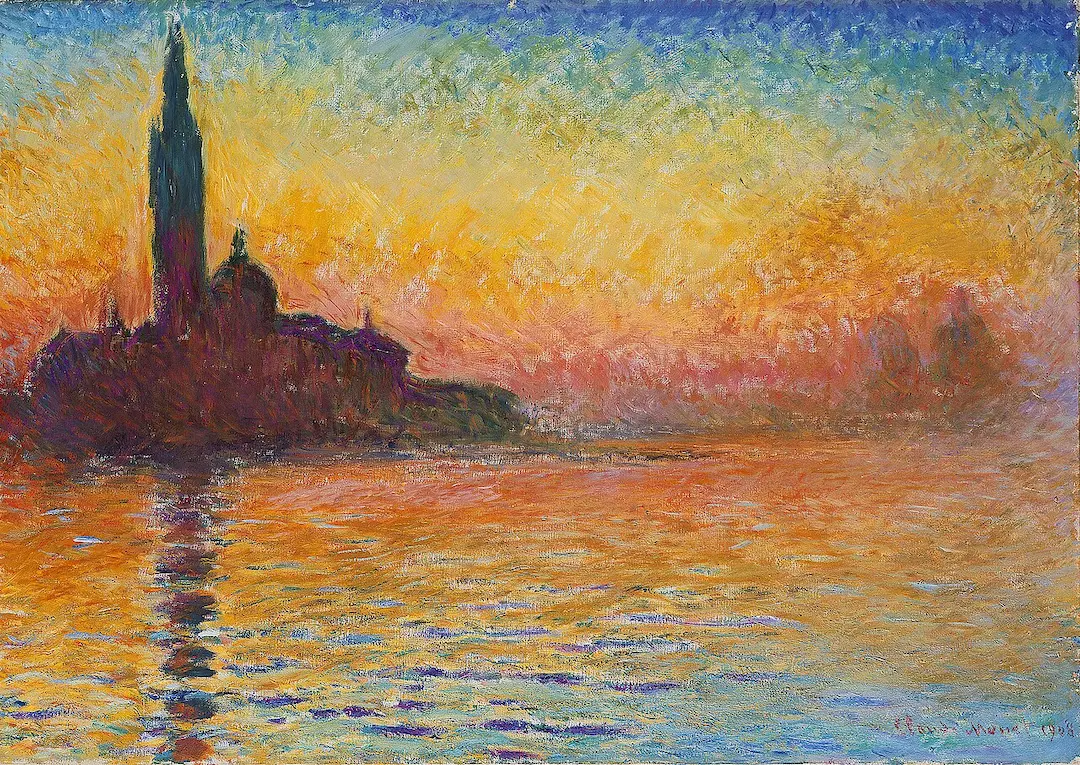
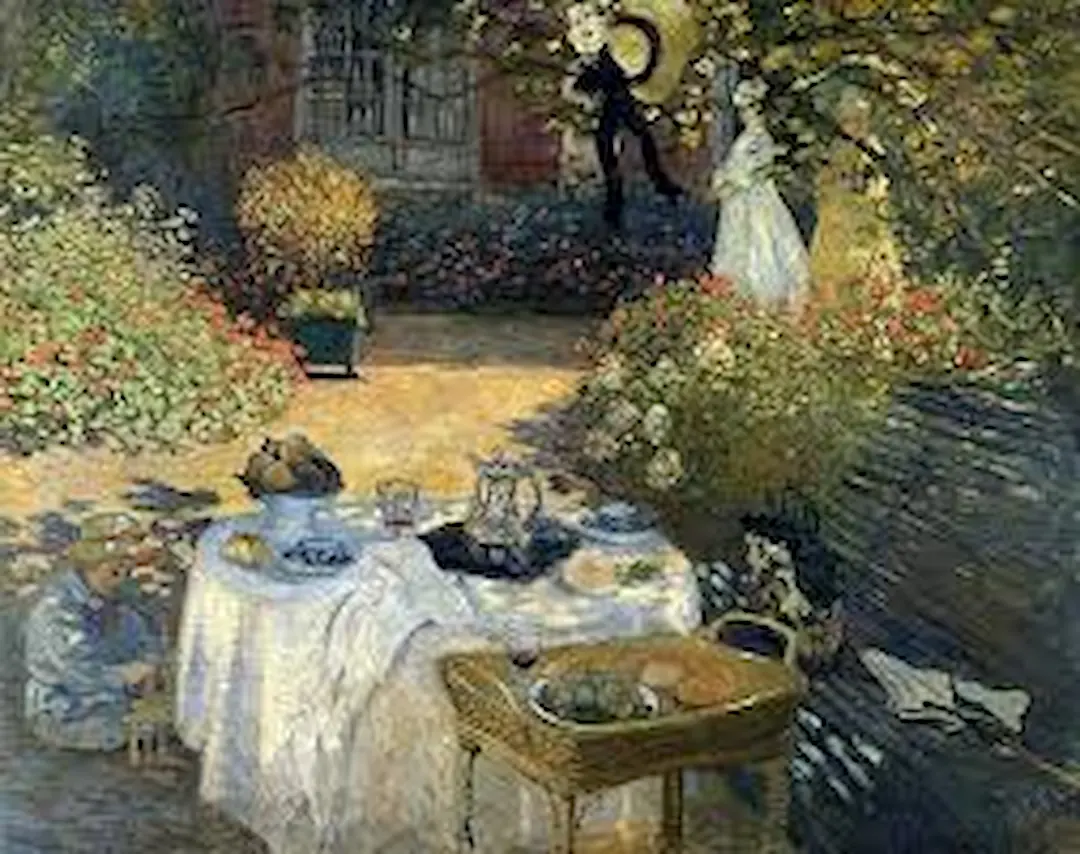
Claude Monet’s "Woman in the Garden" demonstrates exceptional technique through its use of oil on canvas, a preferred medium among Impressionists. The painting’s delicate layering and lively color palette evoke the sensation of sunlight filtering through leaves. Monet’s expertise is also evident in related pieces such as "Garden at Sainte-Adresse" and "San Giorgio Maggiore At Dusk," each hand-painted oil painting reflecting his dedication to capturing nature’s fleeting moments.
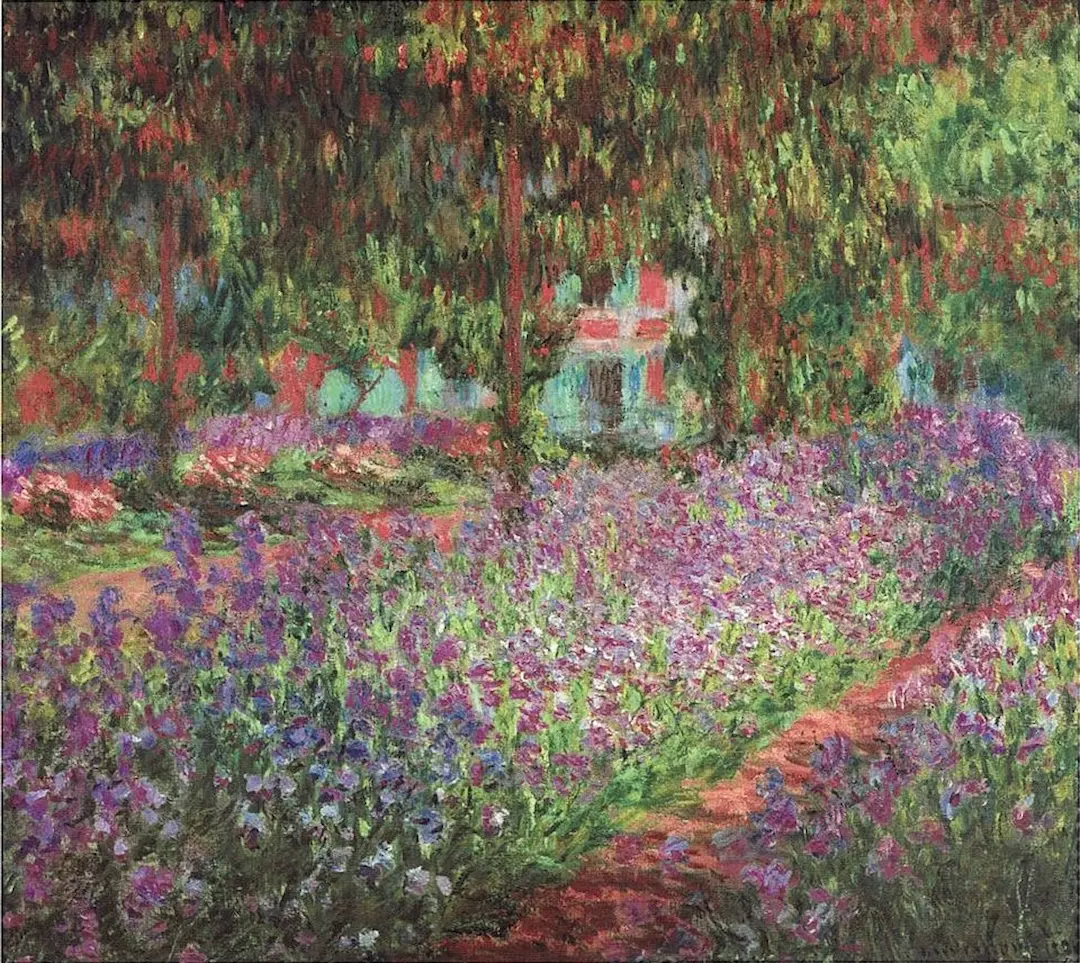
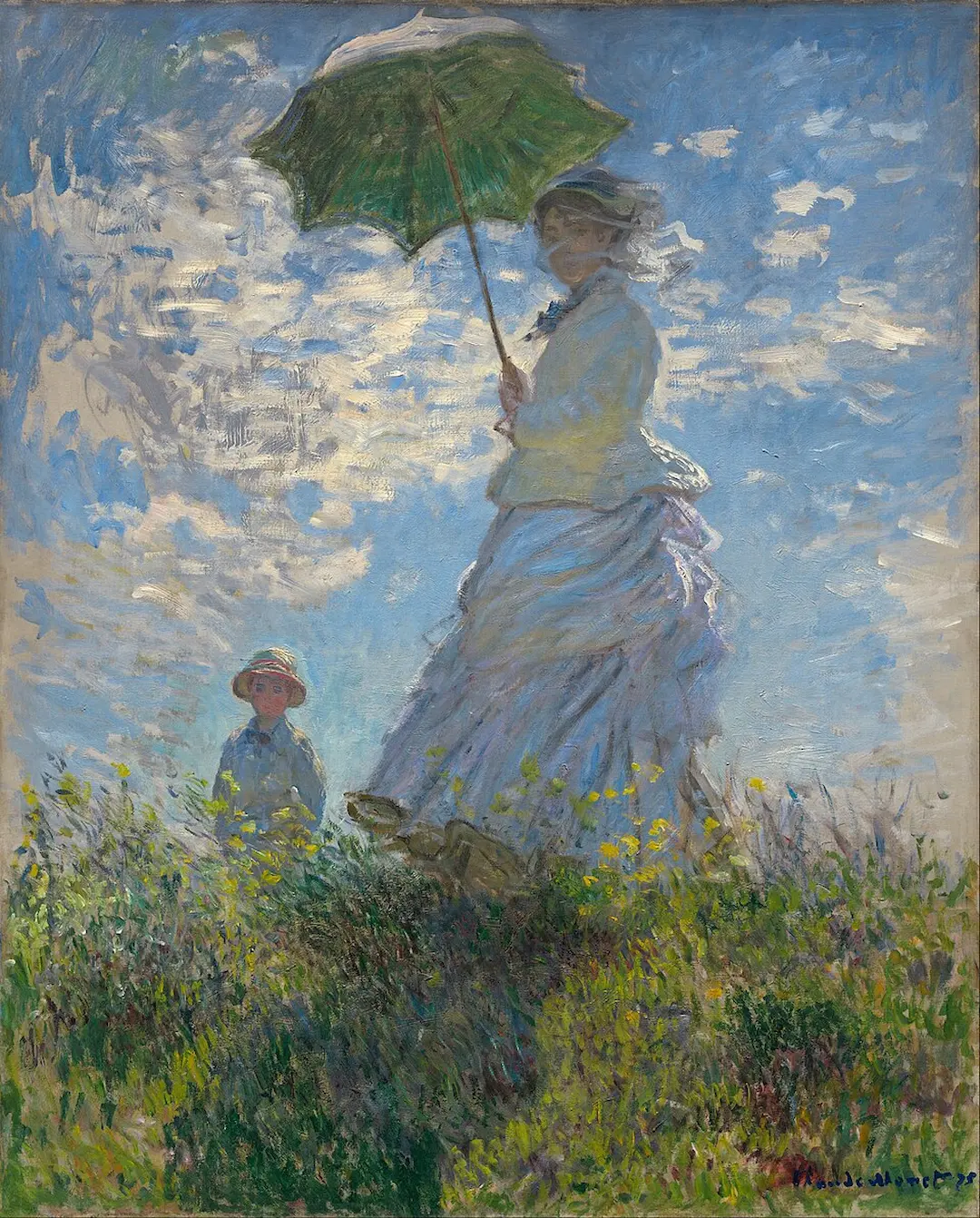
"Woman in the Garden" is more than an oil on canvas; it’s a narrative of tranquility and grace. Monet’s muse, enveloped by lush greenery, symbolizes harmony between humanity and nature—a recurring theme in Impressionism. Like "The Cliff Walk at Pourville" and "Irises In Monets Garden," this fine art painting for sale invites viewers to interpret its subtle stories, making it a timeless piece for art enthusiasts and collectors alike.
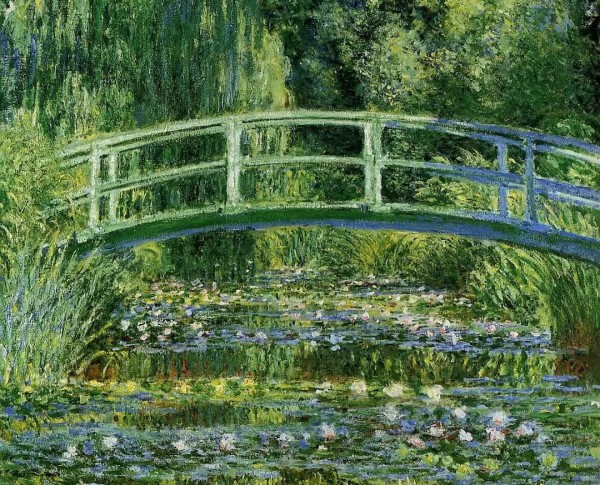
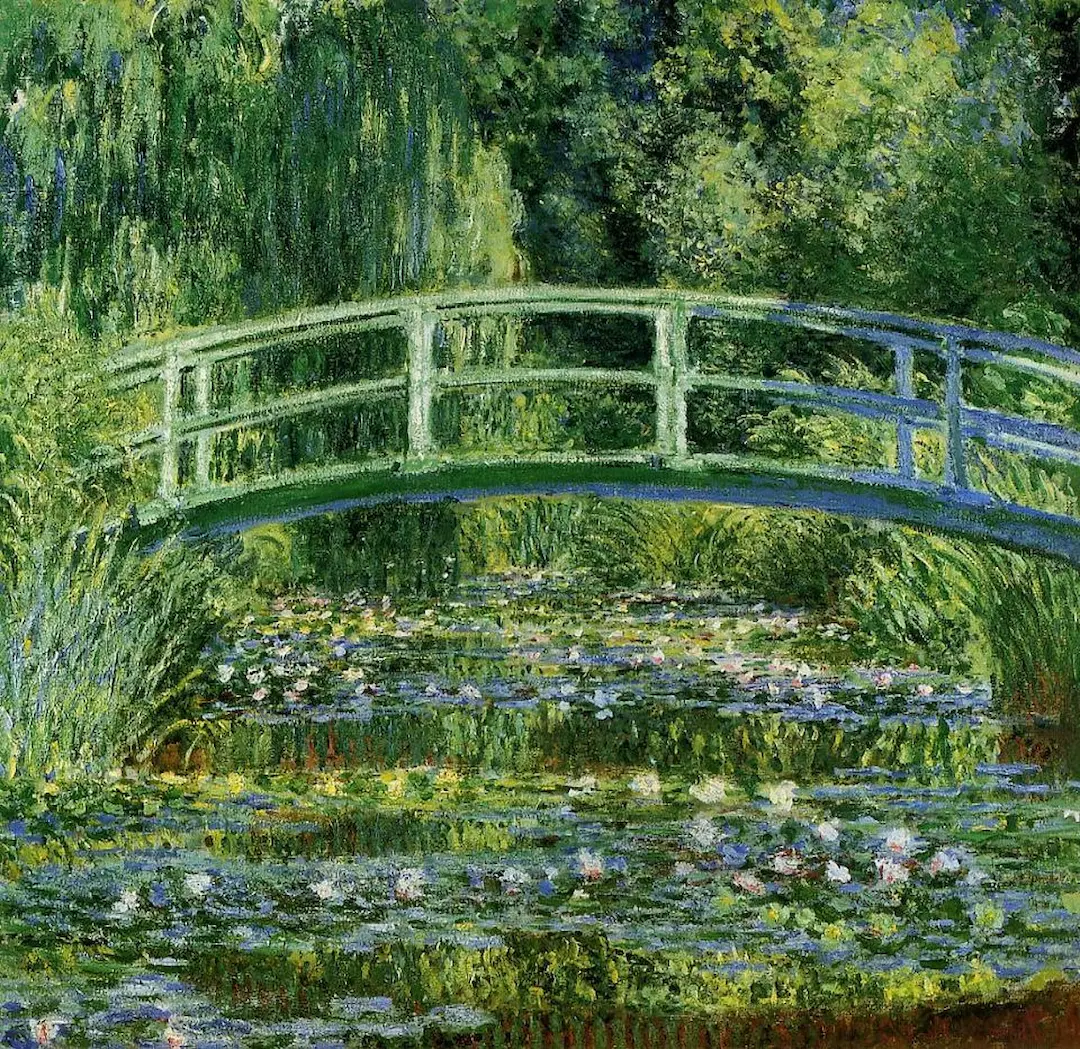
For collectors, "Woman in the Garden" by Claude Monet is a coveted fine art painting for sale. Owning this Impressionist masterpiece means possessing a slice of art history, much like acquiring "San Giorgio Maggiore At Dusk" or "The Water Lily Pond Aka Japanese Bridge." Each hand-painted oil painting from Monet’s collection adds enduring value and beauty to any space, making them cherished investments for generations.
When Art Meets History
"Woman in the Garden" by Claude Monet stands as a testament to the Impressionism movement, capturing a fleeting moment of everyday life with a masterful touch. Painted in the late 19th century, this hand-painted oil painting reflects the social and artistic changes of its era. Monet's work, alongside related paintings like "Young Spartans Exercising" and "Blue Dancers, c.1899," highlights the evolution of modern art and the enduring appeal of Impressionist masterpieces.
Techniques That Speak
Claude Monet employed innovative techniques in "Woman in the Garden," using oil on canvas to create luminous effects and delicate brushwork. His distinctive approach to light and color became a hallmark of the Impressionism movement. The painting’s vibrant textures and naturalistic depiction of the outdoors resonate with viewers, much like in "Umbrellas" and "Dancers In Pink." Monet’s oil on canvas technique continues to inspire artists and art lovers alike, demonstrating the timelessness of his vision.
Emotions on Display
"Woman in the Garden" evokes a sense of tranquility and contemplation, hallmarks of Monet’s Impressionist style. The painting captures the gentle play of sunlight and the serene presence of the figure, inviting viewers to experience a peaceful moment in nature. This fine art painting for sale shares emotional resonance with works such as "Luncheon Of The Boating Party" and "Blue Dancers, c.1899," further showcasing Monet’s ability to convey mood and atmosphere through his brush.
Coveted by Collectors
As a celebrated example of Impressionism, "Woman in the Garden" by Claude Monet remains highly sought after by collectors worldwide. The painting’s exquisite composition and historical significance make it a prized addition to any collection of fine art painting for sale. Alongside related works like "Umbrellas" and "Dancers In Pink," Monet’s masterpieces continue to captivate audiences, ensuring their place in prestigious museums and private collections for generations to come.
Related Impressionism Hand-Painted Oil Paintings by Other Artists
Other Famous Impressionism Artists:
Frequently Asked Questions About Woman in the Garden
What is the historical context of "Woman in the Garden"?
"Woman in the Garden" was painted by Claude Monet in 1866 during the early stages of the Impressionist movement, a time when artists were beginning to break away from traditional techniques and explore new ways of capturing light and color.
Who is the subject of "Woman in the Garden"?
The painting features Monet's first wife, Camille Doncieux, who was a frequent model for the artist. Her presence in the garden symbolizes both domesticity and the beauty of nature.
What techniques did Monet use in "Woman in the Garden"?
Monet employed loose brushwork and a vibrant color palette to convey the effects of light and atmosphere. This technique is characteristic of Impressionism, focusing on the momentary effects of light rather than precise detail.
What is the significance of the garden setting in the painting?
The garden serves as a symbol of tranquility and the beauty of nature, reflecting Monet's fascination with outdoor scenes. It also represents the harmony between human figures and their natural surroundings.
How does "Woman in the Garden" reflect Impressionist ideals?
The painting exemplifies Impressionist ideals through its emphasis on capturing fleeting moments and the interplay of light and color. Monet's choice to depict a casual outdoor scene aligns with the movement's focus on everyday life.
What is the composition of "Woman in the Garden"?
The composition features a dynamic arrangement of Camille in the foreground, surrounded by lush greenery and flowers. This creates a sense of depth and draws the viewer's eye into the vibrant garden.
What colors dominate "Woman in the Garden" and what do they signify?
The painting is dominated by greens, blues, and soft pastels, which evoke feelings of serenity and freshness. These colors reflect the natural beauty of the garden and the harmony of the scene.
What influence did "Woman in the Garden" have on later artists?
This work influenced subsequent generations of artists by showcasing the potential of color and light in painting. It helped to pave the way for modern art movements that further explored abstraction and expression.
Where is "Woman in the Garden" currently housed?
"Woman in the Garden" is part of the collection at the Musée d'Orsay in Paris, France, where it is preserved as an important example of Monet's early work and Impressionist art.
What themes are explored in "Woman in the Garden"?
The painting explores themes of femininity, nature, and the relationship between humans and their environment. It captures a moment of leisure, reflecting the joys of life and the beauty found in everyday experiences.






















_GFM_Painting_(1).webp)


 100% Hand-Painted: Finished in 3-6 Weeks

.png)















_(1).webp)