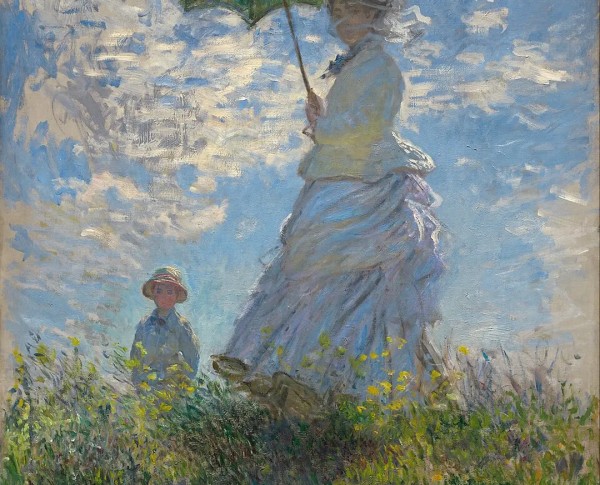
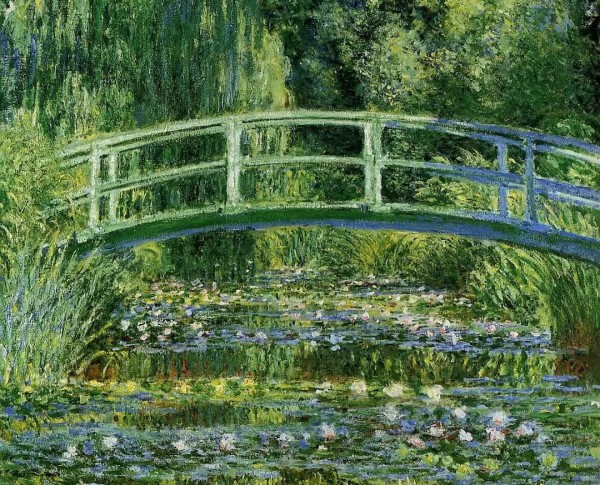
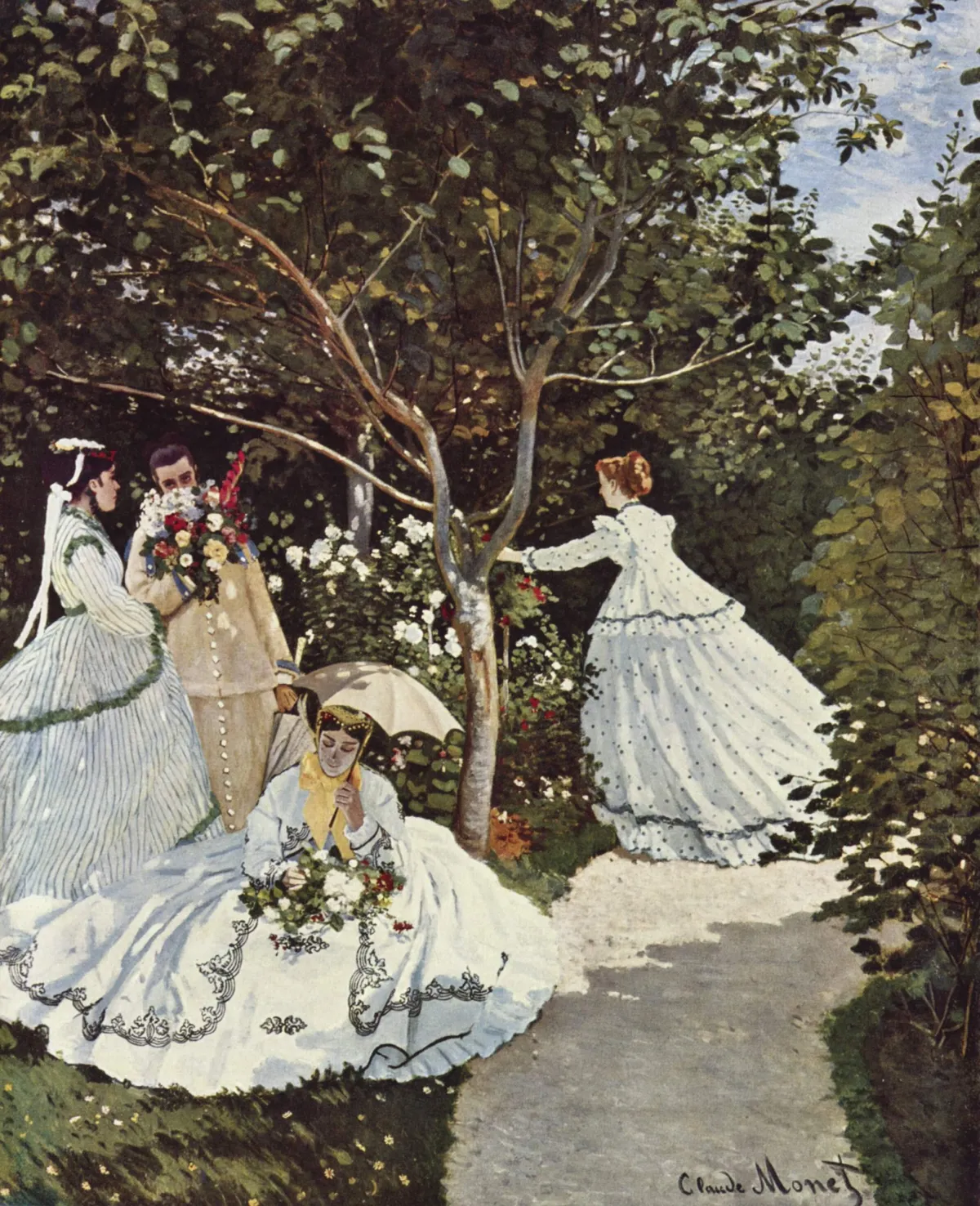
Claude Monet’s Women in the Garden demonstrates his command of oil on canvas, blending vibrant colors and dynamic brushwork to evoke a sense of natural light. Each stroke reveals Monet’s dedication to capturing fleeting moments, a hallmark of the Impressionism movement. This painting’s technique also echoes in related products such as The Road from Chailly to Fontainebleau and La Gare Saint Lazare, offering collectors a chance to experience Monet’s artistic mastery across various subjects.
Within Women in the Garden, Monet weaves subtle narratives using everyday scenes and familiar figures, creating layers of meaning beneath the surface of this hand-painted oil painting. The women’s flowing dresses, dappled sunlight, and lush greenery symbolize freedom and the beauty of ordinary life, reflecting the core ideals of Impressionism. Collectors often pair this work with pieces like Woman in the Garden or Regatta at Sainte-Adresse for a richer storytelling experience in their collections.
Owning Women in the Garden by Claude Monet means possessing a fine art painting for sale that carries the prestige of the Impressionism movement. This oil on canvas masterpiece appeals to discerning collectors, art lovers, and admirers of Monet’s legacy. For those looking to expand their collection, related products such as Spring Flowers and La Gare Saint Lazare serve as perfect companions, each offering a glimpse into Monet’s evolving style and the enduring allure of his artistry.
When Art Meets History
"Women in the Garden" by Claude Monet, a masterpiece of the Impressionism movement, captures a pivotal moment in art history. Painted in 1866, this oil on canvas work reflects the transition from traditional academic painting to the innovative techniques that defined Impressionism. Similar to related paintings like "La loge" and "Le Pont de l'Europe," Monet's hand-painted oil painting showcases his fascination with light, nature, and modern life, making it a significant piece in the evolution of fine art.
Techniques That Speak
Claude Monet’s "Women in the Garden" demonstrates his pioneering approach to oil on canvas. With visible brushstrokes, the artist captures fleeting light and shadow, embodying the essence of the Impressionism movement. This technique, also seen in "Sad Inheritance" and "Madame Georges Charpentier and her Children," creates a dynamic atmosphere that draws viewers into the scene. Monet’s innovative style in this hand-painted oil painting continues to inspire artists and art lovers worldwide.
Emotions on Display
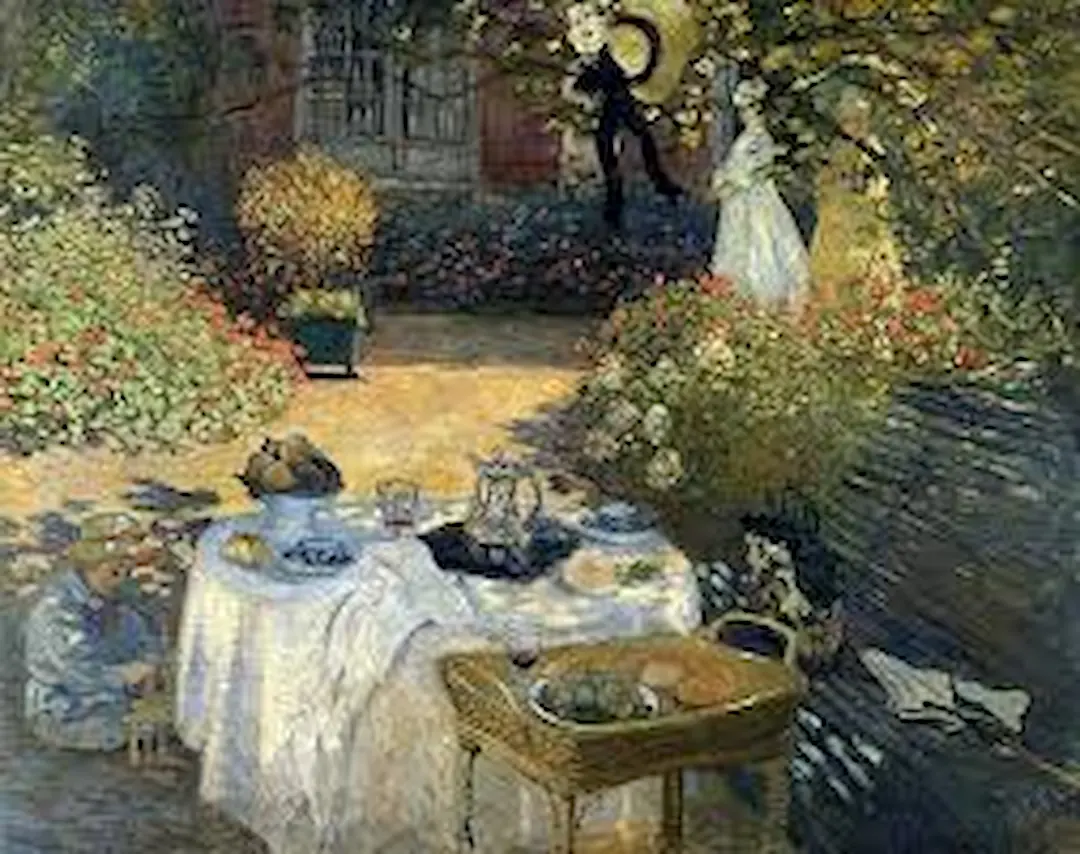
"Women in the Garden" radiates a sense of tranquility and leisure, characteristic of Monet’s Impressionism period. The painting’s gentle interplay of sunlight and foliage evokes warmth and serenity, inviting viewers to experience the everyday beauty Monet cherished. Like "Luncheon Of The Boating Party," this fine art painting for sale captures intimate moments and subtle emotions, making it a beloved work that resonates deeply with audiences across generations.
Coveted by Collectors
As a significant oil on canvas from Claude Monet, "Women in the Garden" is highly prized among collectors of Impressionism. Its historical importance and exquisite technique make it sought after in the art market, alongside masterpieces like "La loge" and "Le Pont de l'Europe." The enduring appeal of this hand-painted oil painting ensures its place in prestigious collections, where it continues to be admired as a quintessential example of Impressionist innovation and beauty.
Related Impressionism Hand-Painted Oil Paintings by Other Artists
Other Famous Impressionism Artists:
Frequently Asked Questions About Women in the Garden
What is the historical context of "Women in the Garden"?
"Women in the Garden" was painted in 1866 during the height of the Impressionist movement, a time when artists were beginning to break away from traditional techniques and subjects to explore modern life and the effects of light and color.
What artistic techniques did Monet use in "Women in the Garden"?
Monet employed loose brushwork and a vibrant color palette to capture the effects of natural light on the figures and the surrounding garden, showcasing his innovative approach to Impressionism.
Who are the figures depicted in "Women in the Garden"?
The painting features women in flowing dresses, likely representing Monet's friends and family, reflecting the social dynamics and leisure activities of the time.
What is the significance of the garden setting in the painting?
The garden symbolizes a space of beauty and tranquility, serving as a backdrop for the exploration of light, color, and the interaction between figures and nature, which are central themes in Monet's work.
How does "Women in the Garden" reflect Impressionist ideals?
The painting embodies Impressionist ideals through its emphasis on capturing a moment in time, the effects of light, and the use of color to convey emotion rather than detailed realism.
What role does light play in "Women in the Garden"?
Light is a crucial element in the painting, as Monet skillfully depicts its changing qualities, creating a sense of movement and life within the garden, which enhances the overall atmosphere of the work.
What was the public's reaction to "Women in the Garden" upon its exhibition?
Upon its exhibition, "Women in the Garden" received mixed reviews; while some critics appreciated its innovative approach, others were skeptical of its departure from traditional artistic conventions.
How does "Women in the Garden" compare to Monet's other works?
Compared to Monet's later works, "Women in the Garden" showcases a more structured composition and a focus on figures, whereas his later pieces often emphasize landscapes and abstract qualities of light and color.
What themes are explored in "Women in the Garden"?
The painting explores themes of femininity, leisure, and the relationship between humans and nature, reflecting the social changes of the 19th century and the role of women in society.
What impact did "Women in the Garden" have on future artists?
"Women in the Garden" influenced future artists by demonstrating the potential of color and light to convey emotion and atmosphere, paving the way for modern artistic movements that embraced abstraction and expressionism.






















_GFM_Painting_(1).webp)


 100% Hand-Painted: Finished in 3-6 Weeks

.png)















_(1).webp)