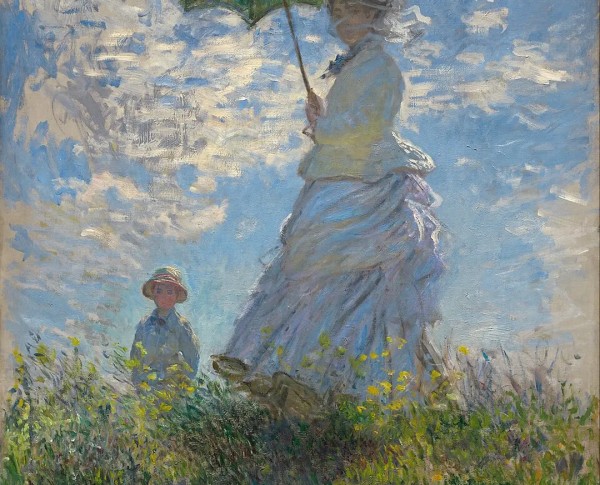
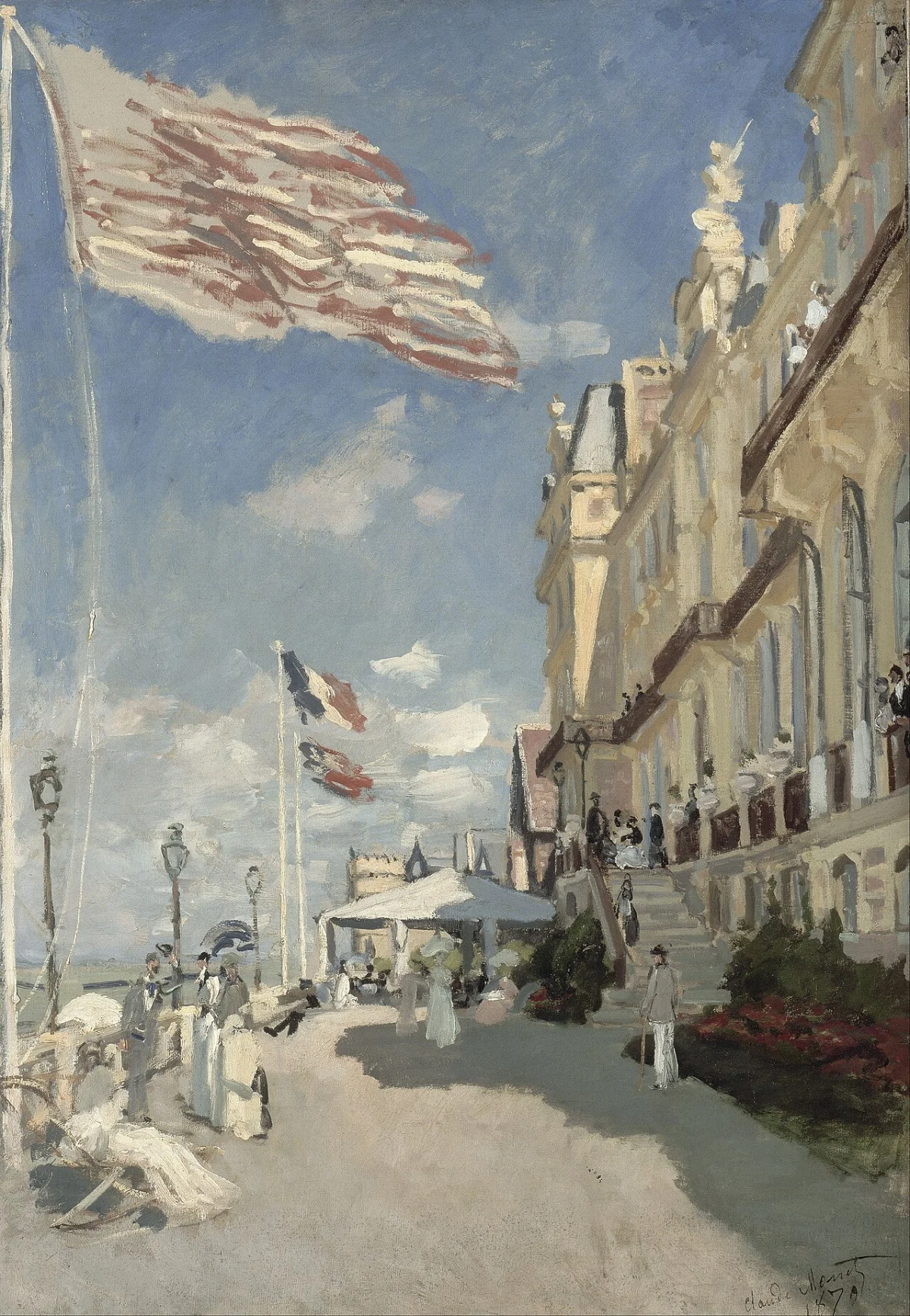
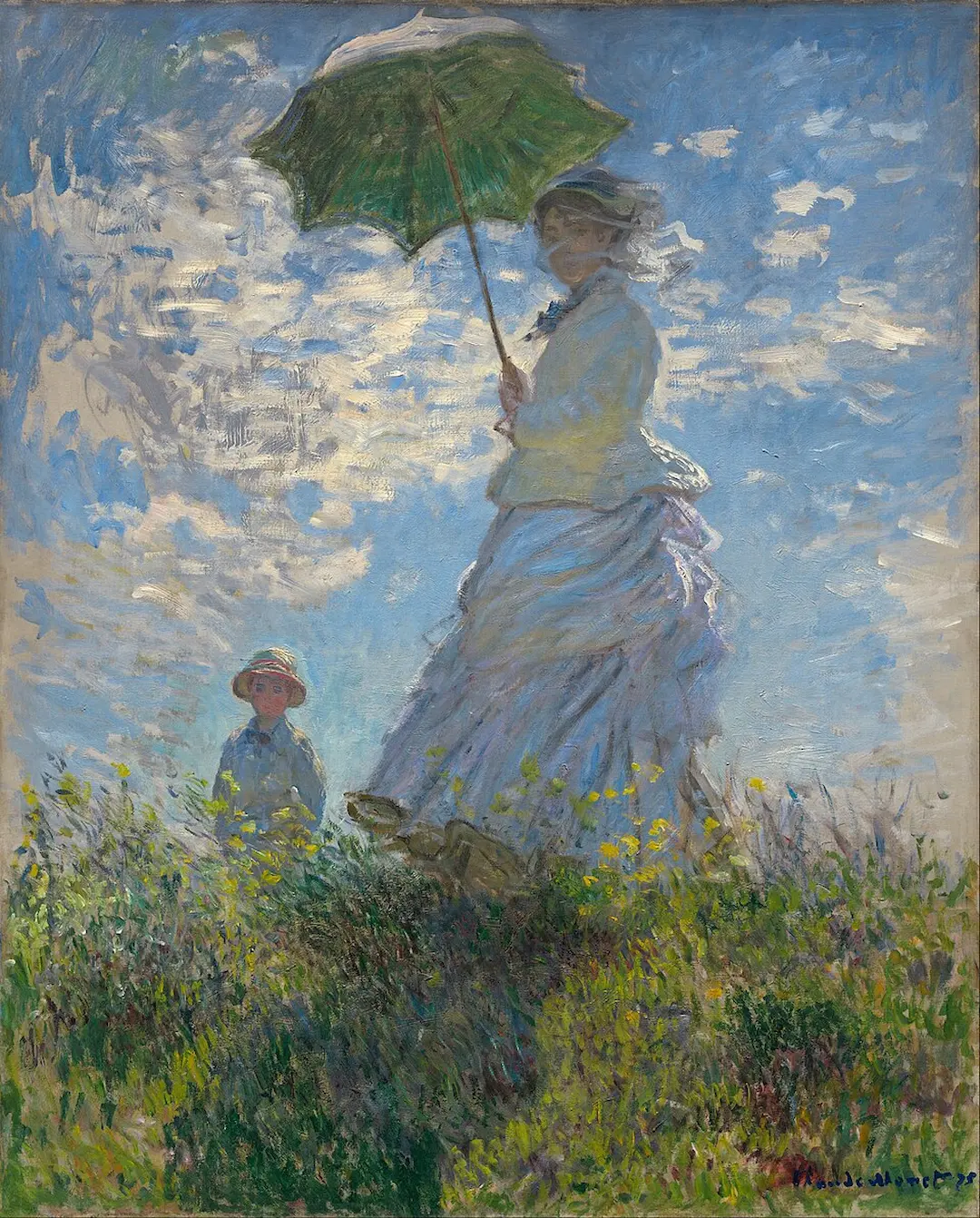
With "Hotel des Roches Noires," Monet demonstrates his exceptional skill with oil on canvas, utilizing rapid, visible brushstrokes to evoke light and movement. The Impressionism movement, for which Monet is celebrated, thrives in this painting's dynamic composition and atmospheric perspective. Collectors and enthusiasts of related products like "The Walk Woman With A Parasol" and "Seacoast at Saint-Adresse" appreciate the mastery in every stroke, which defines Monet’s enduring artistic influence.
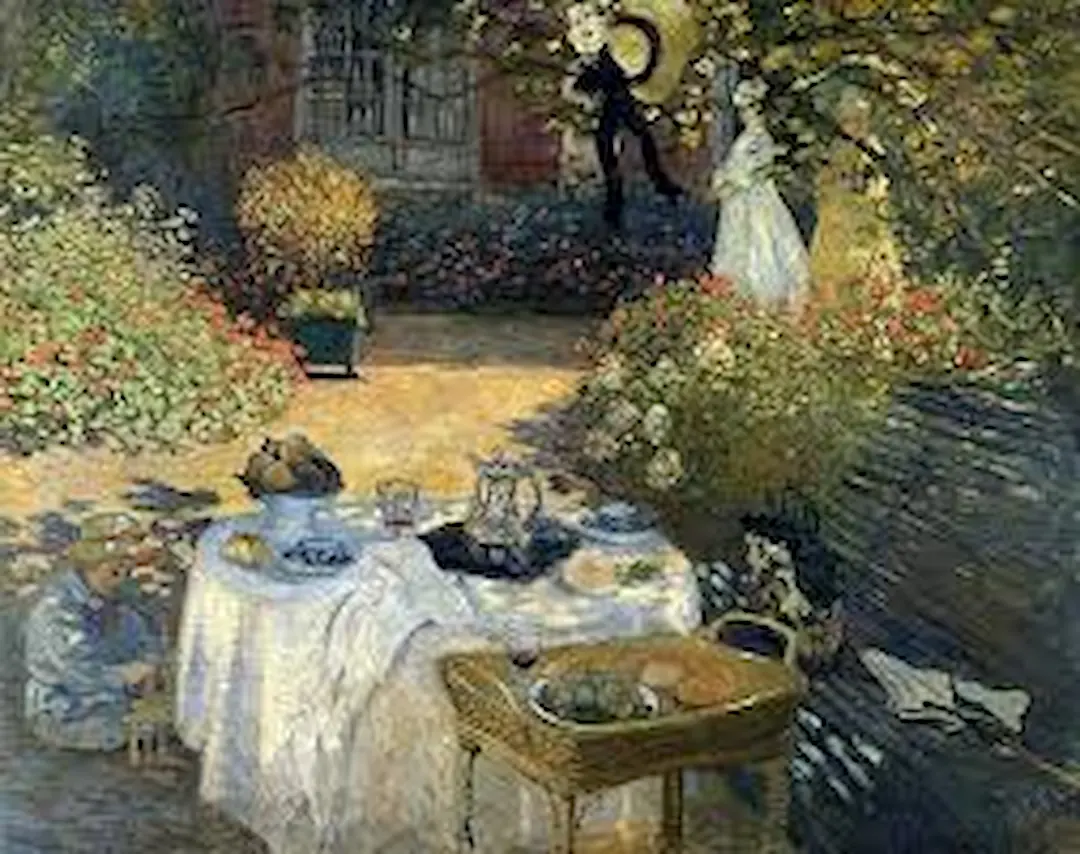
"Hotel des Roches Noires" by Claude Monet is more than just a fine art painting for sale; it is a narrative of leisure and modernity during the Impressionism era. Through delicate hues and shifting light, Monet invites viewers to imagine stories of guests and seaside escapes. Similar to "Sunset" and "The Afternoon Meal," this painting is imbued with symbols of transience and the fleeting joys of life, hallmarks of Monet’s evocative storytelling.
Owning "Hotel des Roches Noires" offers collectors the unique opportunity to possess an authentic hand-painted oil painting from the Impressionism movement. Created by Claude Monet, this work is a prized addition, much like "Still life with flesh" and other related masterpieces. The enduring appeal of Monet’s art ensures that each piece remains a valuable and cherished investment, making it a true treasure for any fine art collection.
When Art Meets History
"Hotel des Roches Noires" by Claude Monet stands as a testament to the Impressionism movement, capturing the atmospheric elegance of its era. This hand-painted oil painting was created during a time of great transformation in France, echoing the cultural shifts seen in other Monet works like "The Artist s Mother" and "Umbrellas." Monet’s choice of subject and style reflects both historical context and his personal fascination with light, making it a true milestone in the world of fine art.
Techniques That Speak
Claude Monet's mastery is evident in every brushstroke of "Hotel des Roches Noires." Using oil on canvas, he employed the signature loose, quick techniques that define Impressionism. The play of light and shadow, reminiscent of "Conservatory Plants" and "Landscape at Valery-sur-Somme," demonstrates Monet’s keen eye for capturing fleeting moments. This method not only brings the scene to life but also invites viewers to experience the texture and movement inherent in a Monet masterpiece.
Emotions on Display
"Hotel des Roches Noires" evokes a sense of serene anticipation, a hallmark of Monet's Impressionist vision. The painting’s soft hues and atmospheric perspective stir emotions, much like his "Study of Gentile Bellini." Viewers are gently transported to the tranquil seaside, feeling the cool breeze and gentle sunlight. Such emotional resonance is what makes this fine art painting for sale a cherished piece for those who appreciate the evocative power of Impressionist art.
Coveted by Collectors
As with many works by Claude Monet, "Hotel des Roches Noires" is highly sought after by collectors worldwide. Its status as a hand-painted oil painting from the Impressionism movement increases its desirability, comparable to Monet’s other celebrated pieces such as "Arum and Conservatory Plants." Owning this artwork signifies a deep appreciation for art history and the enduring legacy of Monet, making it a prized addition to any fine art collection.
Related Impressionism Hand-Painted Oil Paintings by Other Artists
Other Famous Impressionism Artists:
Frequently Asked Questions About Hotel des Roches Noires
What is the historical significance of "Hotel des Roches Noires"?
"Hotel des Roches Noires" is significant as it captures the essence of Impressionism, showcasing Monet's innovative approach to light and color during the late 19th century. The painting reflects the changing landscape of leisure and tourism in France during this period.
What artistic techniques did Monet employ in this painting?
Monet utilized loose brushwork and a vibrant color palette to convey the effects of light on the scene. His technique of applying paint in quick, short strokes creates a sense of movement and spontaneity, characteristic of the Impressionist style.
What does "Hotel des Roches Noires" symbolize in Monet's body of work?
The painting symbolizes Monet's fascination with the interplay between nature and human structures. It reflects his exploration of leisure and the relationship between people and their environment, a recurring theme in his oeuvre.
In what ways does this painting exemplify Impressionist principles?
This painting exemplifies Impressionist principles through its emphasis on capturing a moment in time, the use of natural light, and the portrayal of everyday scenes. Monet's focus on the effects of atmosphere rather than precise details aligns with the core tenets of Impressionism.
What location inspired Monet to create "Hotel des Roches Noires"?
The painting was inspired by the seaside resort of Trouville-sur-Mer, where Monet frequently visited. The hotel depicted in the painting was a popular destination for Parisians seeking leisure by the sea, reflecting the cultural shift towards seaside vacations during the 19th century.
How does the composition of "Hotel des Roches Noires" enhance its thematic elements?
The composition features a dynamic arrangement of figures and architectural elements, drawing the viewer's eye towards the hotel while also incorporating the surrounding natural landscape. This balance emphasizes the harmony between human activity and nature, a key theme in Monet's work.
What role does color play in "Hotel des Roches Noires"?
Color plays a crucial role in conveying mood and atmosphere in "Hotel des Roches Noires." Monet's use of bright, contrasting colors reflects the vibrancy of the scene and the transient effects of sunlight on the water and buildings, enhancing the painting's overall emotional impact.
How does "Hotel des Roches Noires" reflect Monet's artistic evolution?
This painting marks a significant point in Monet's artistic evolution, showcasing his mastery of light and color. It demonstrates his shift towards a more spontaneous and expressive style, paving the way for future developments in modern art.
What influence did "Hotel des Roches Noires" have on later artists?
"Hotel des Roches Noires" influenced later artists by establishing a precedent for capturing fleeting moments and the effects of light in landscape painting. Its innovative approach inspired subsequent movements, including Post-Impressionism and Modernism.
Where can I view "Hotel des Roches Noires" today?
"Hotel des Roches Noires" is part of various prestigious collections and may be exhibited in art galleries or museums dedicated to Impressionist works. Please check with local institutions for current exhibitions featuring this iconic painting.






















_GFM_Painting_(1).webp)


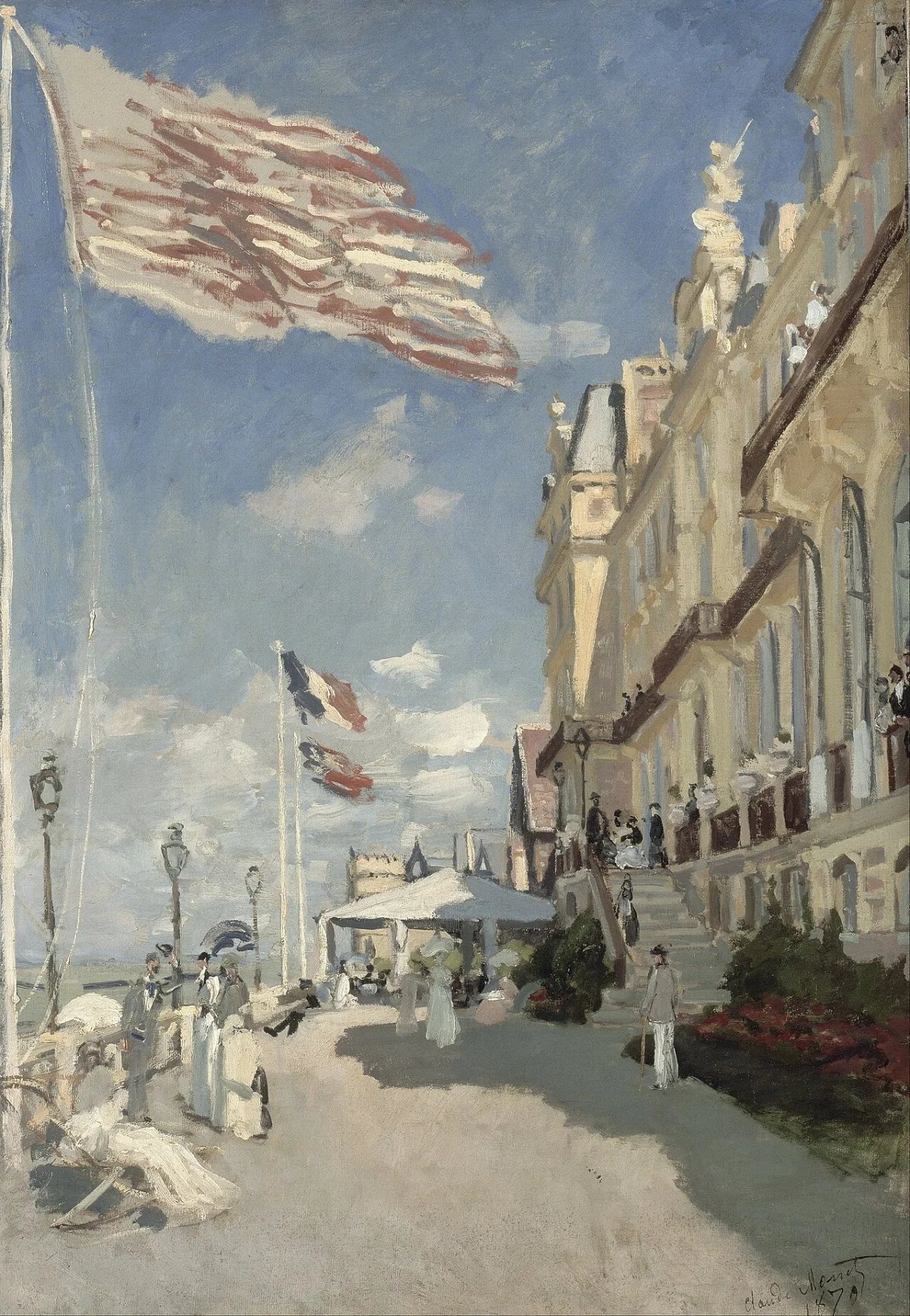
 100% Hand-Painted: Finished in 3-6 Weeks

.png)















_(1).webp)