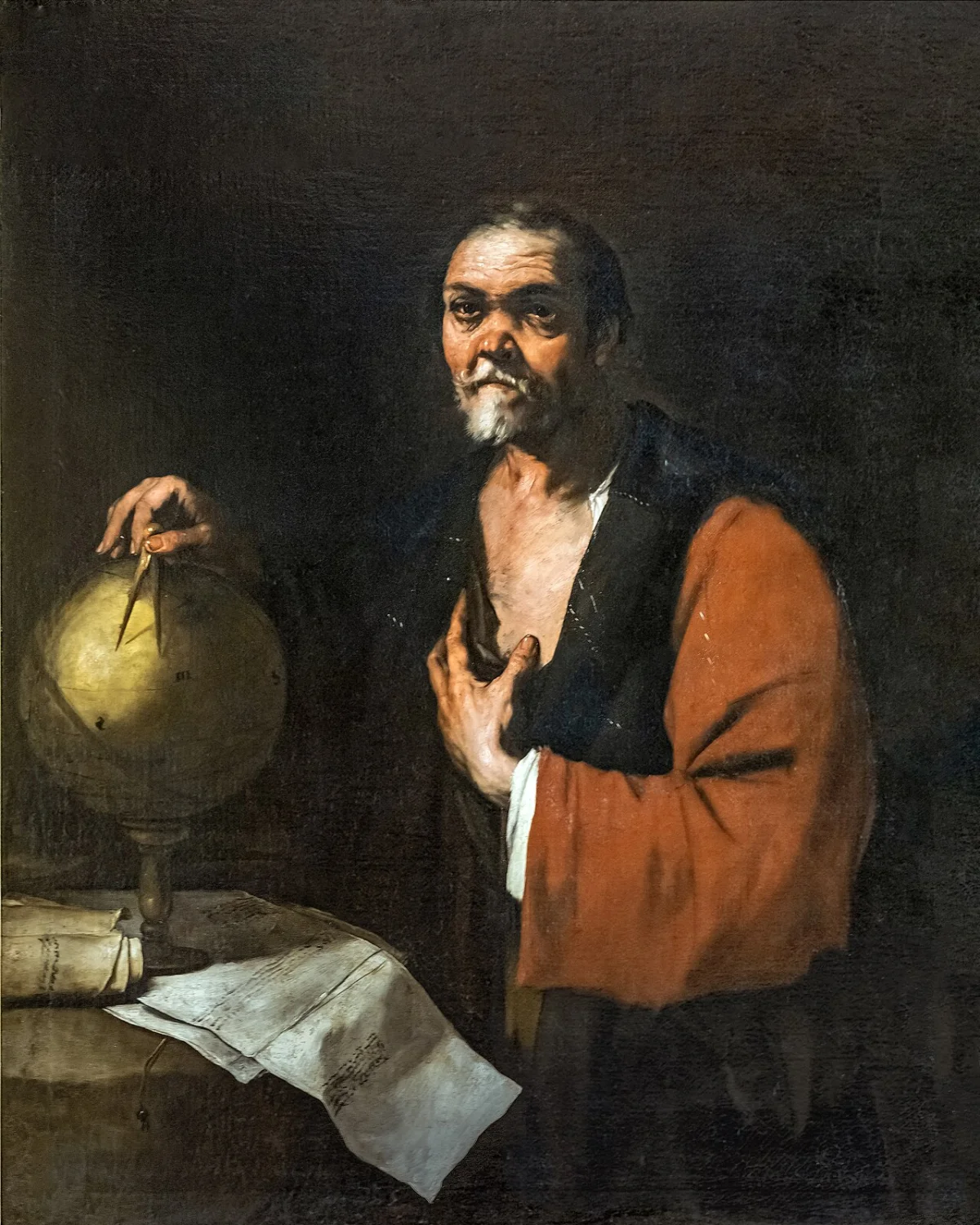
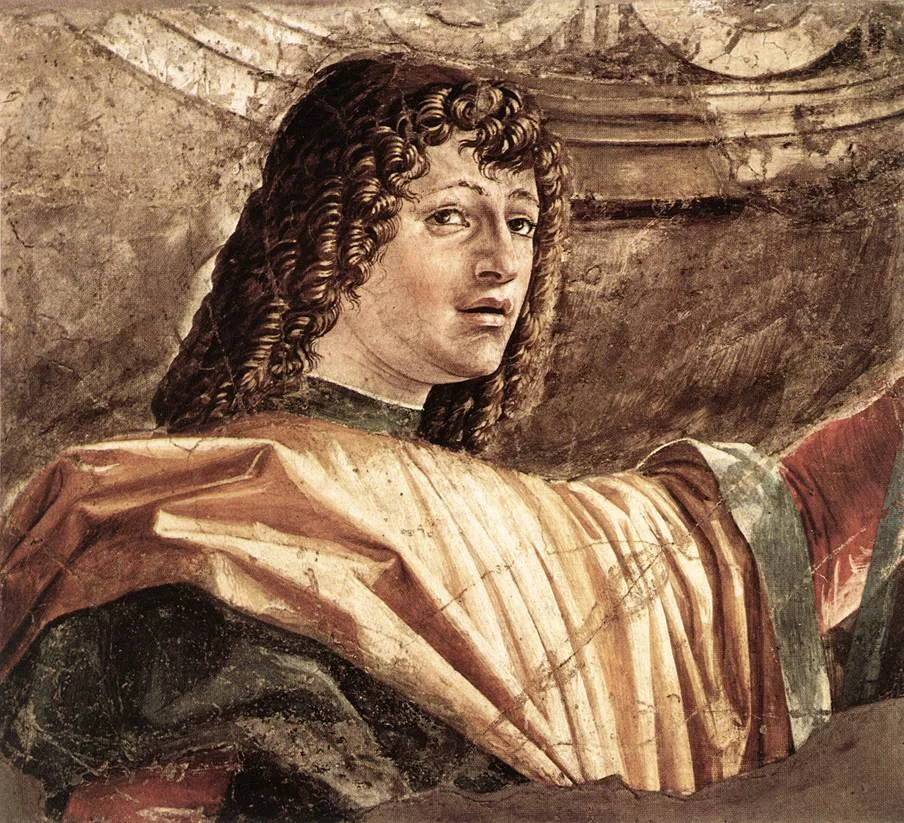
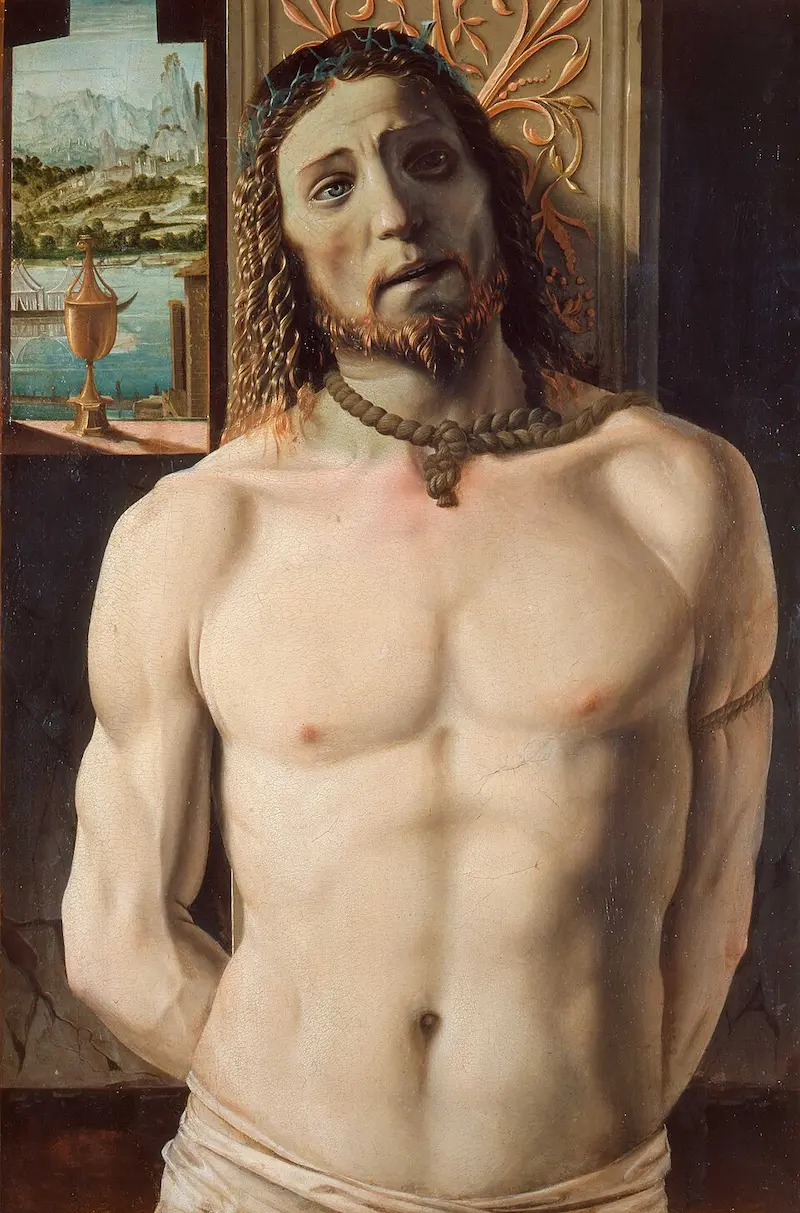
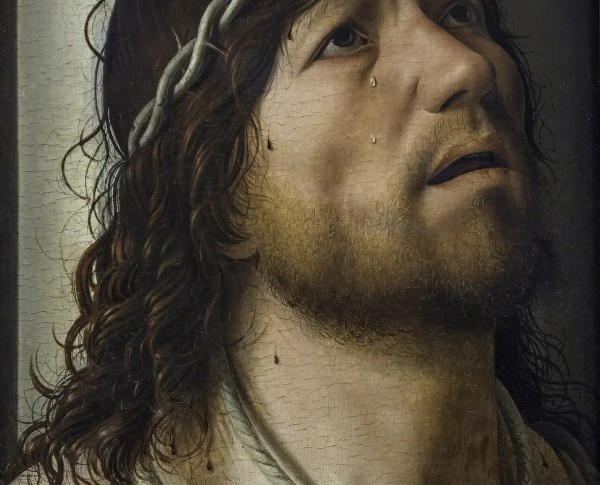
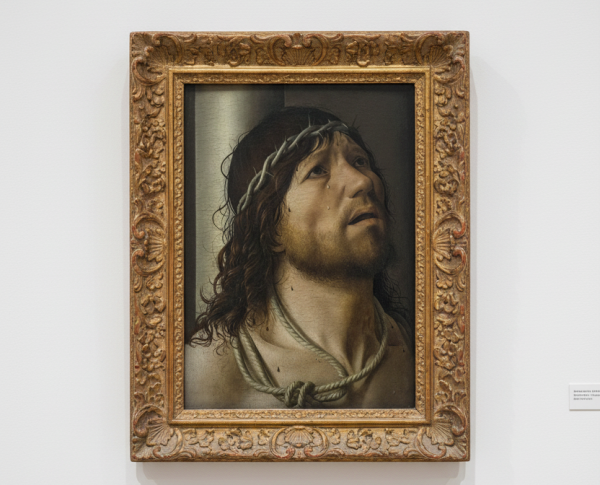
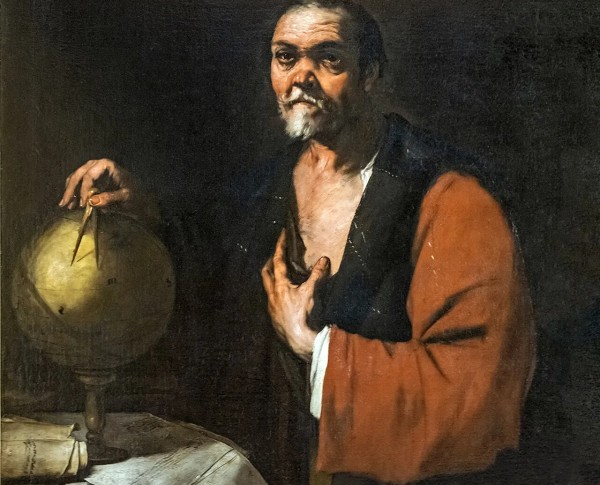
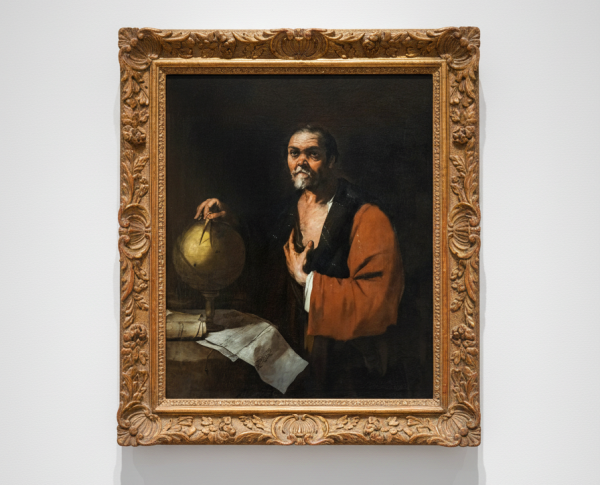
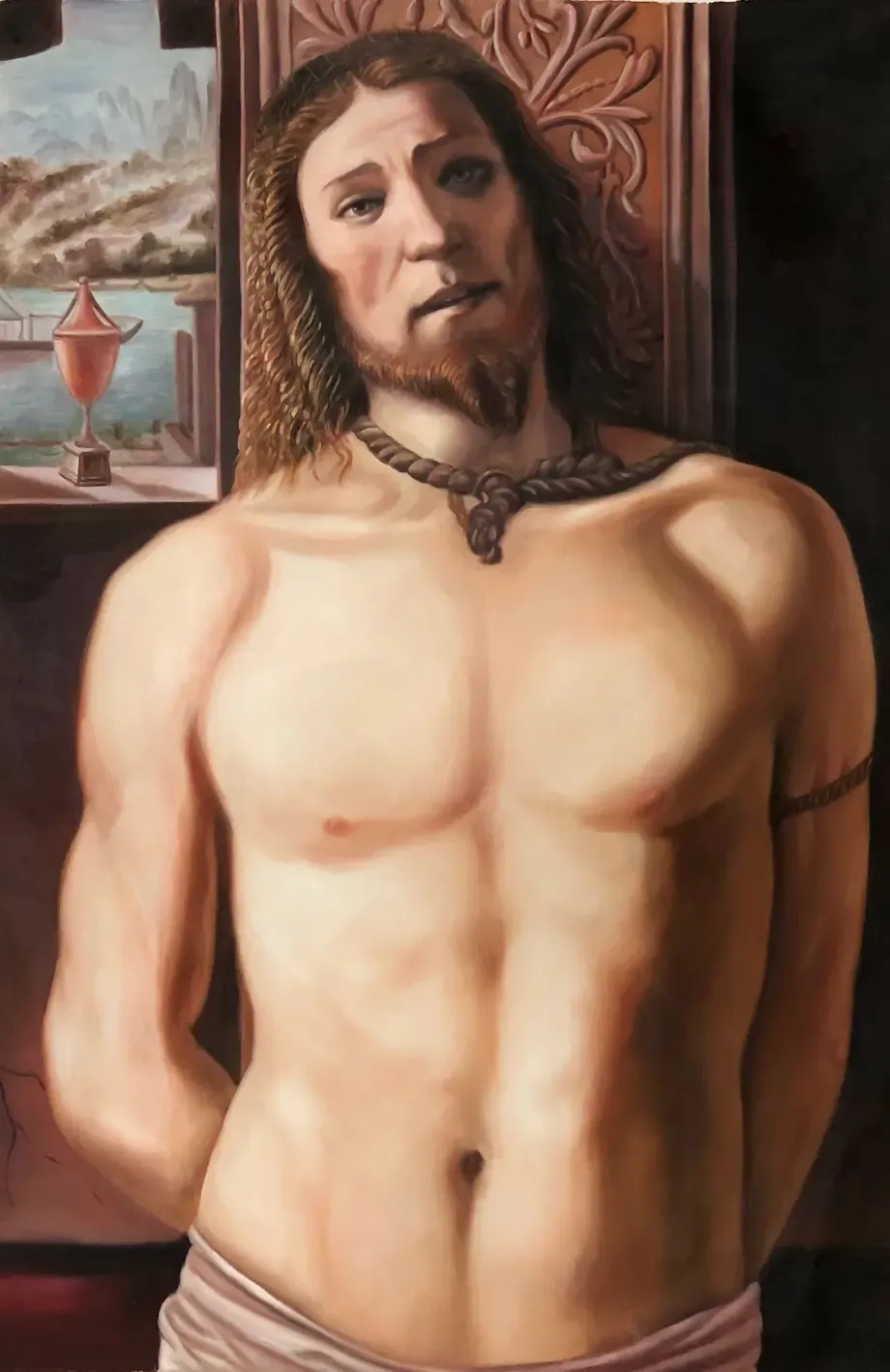
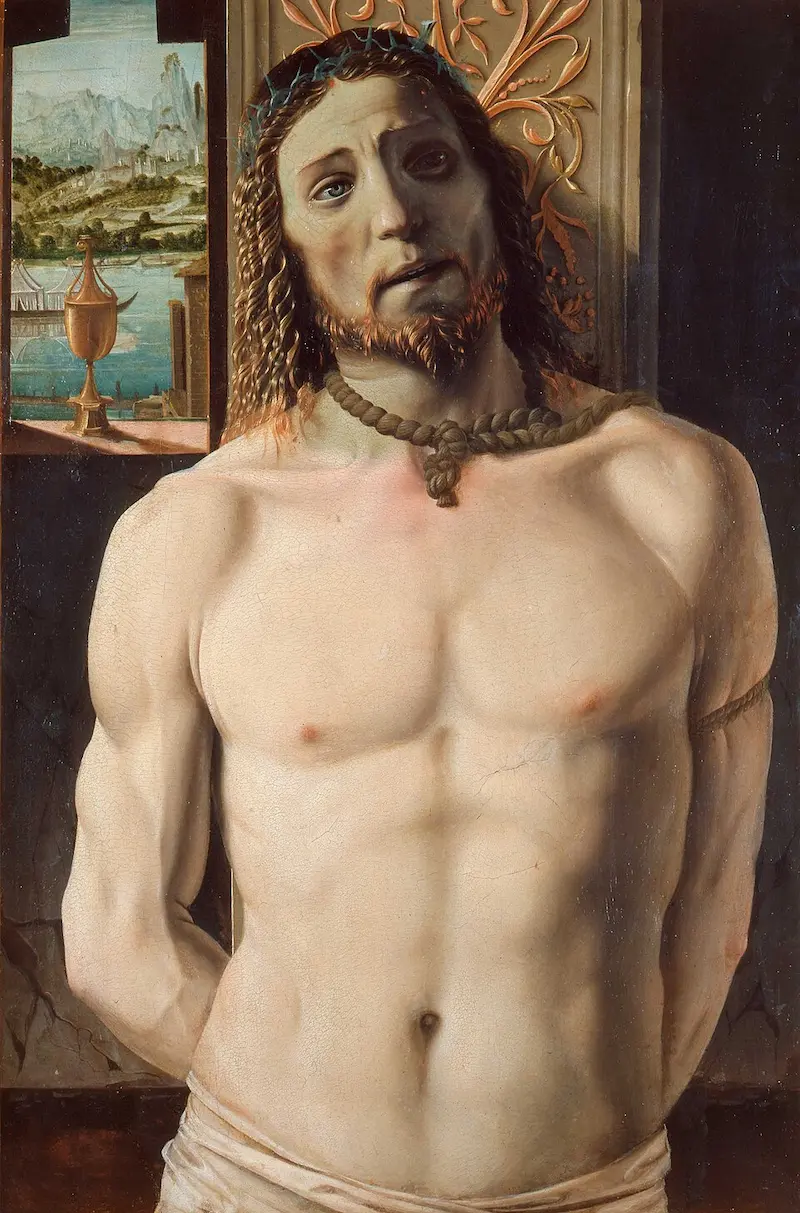
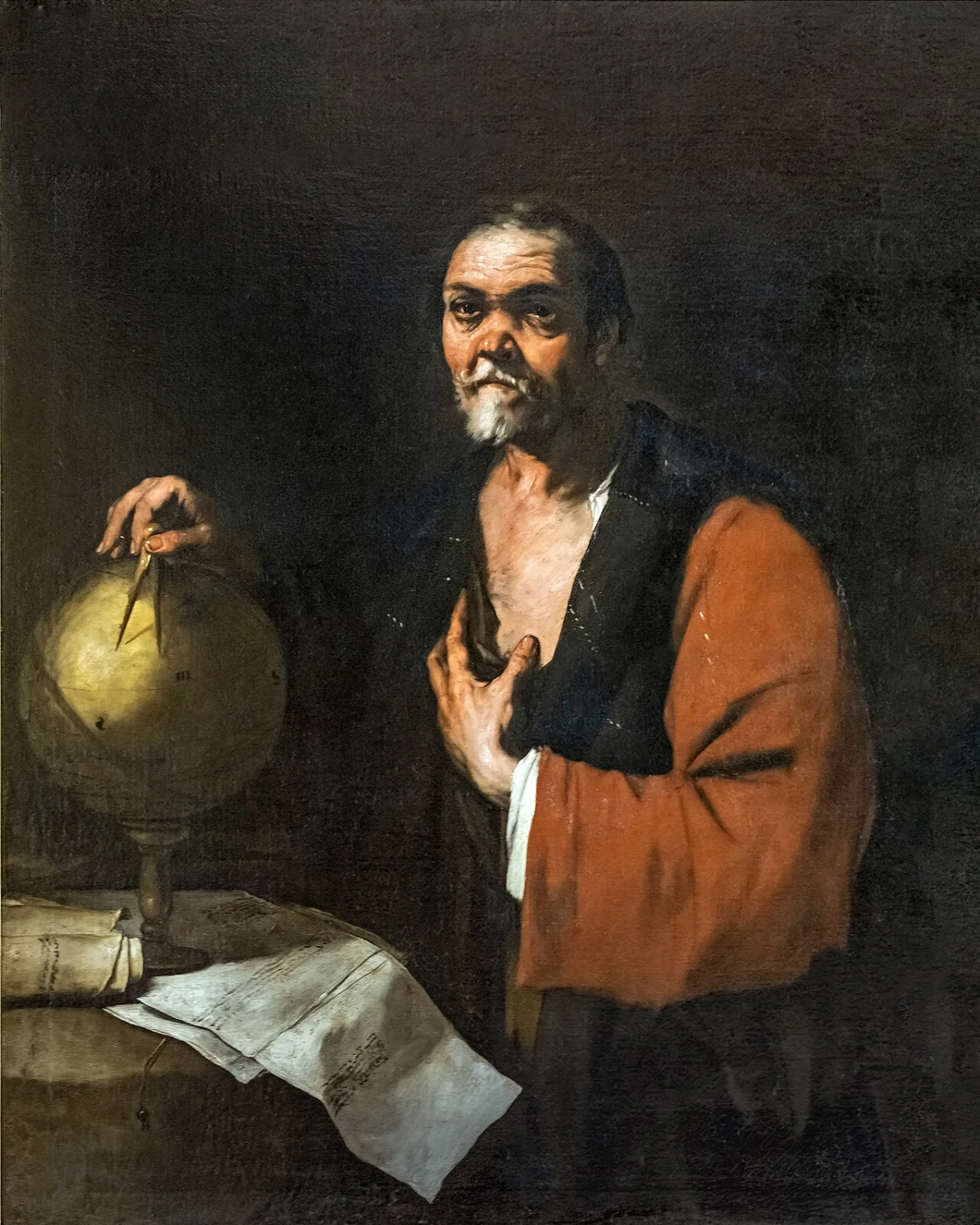
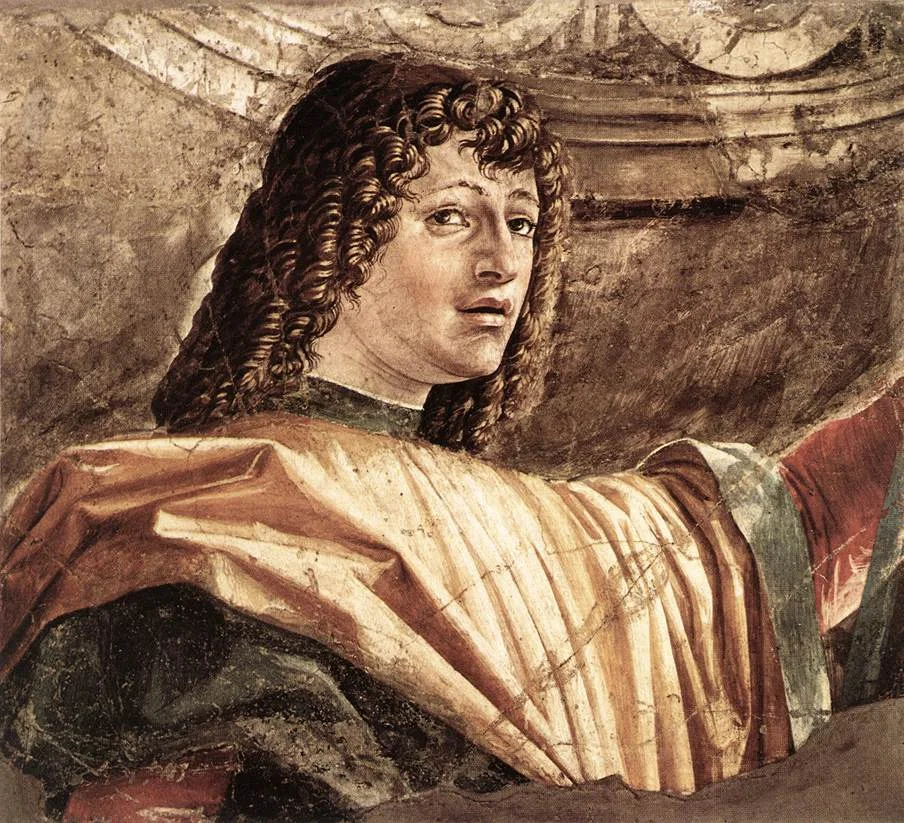
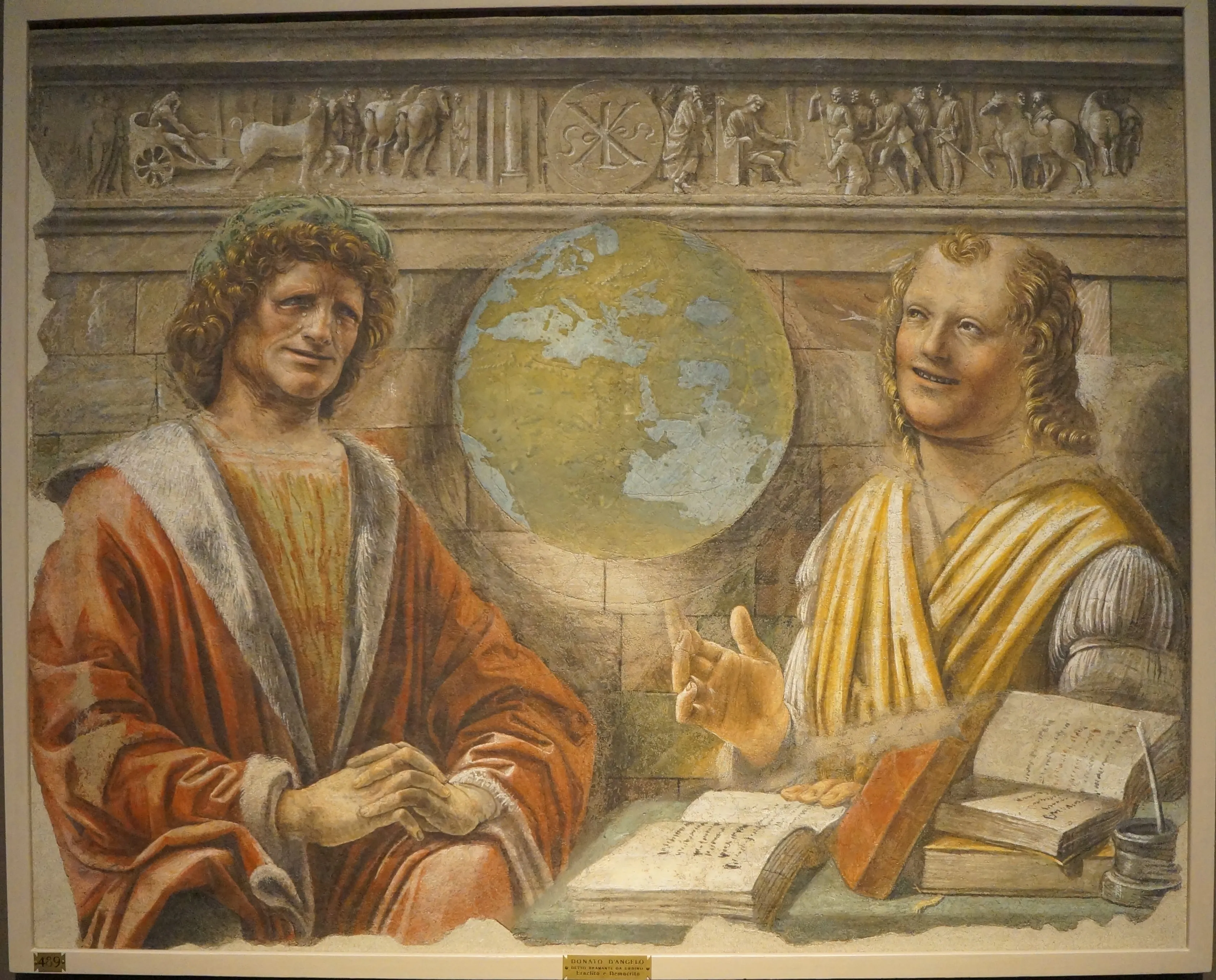
Donato Bramante’s "Christ at the Column" demonstrates extraordinary technique through his use of oil on canvas, a medium favored during the High Renaissance period. The artist’s attention to anatomical precision and light creates a powerful sense of presence and emotion. This iconic work, like other fine pieces from Bramante, shares visual harmony with related products such as "Heraclitus and Democritus" and "Man with a Halbard", making it a must-have for any serious collection.
In "Christ at the Column", Donato Bramante weaves a tapestry of stories and symbols rooted in Christian tradition. The fine art painting for sale showcases Christ’s suffering and resilience, themes that resonate through the High Renaissance movement. Collectors will find a narrative richness similar to that in "Heraclitus and Democritus" and "Man with a Halbard", making this painting not just a visual delight but also a conversation starter about faith and humanity.
Owning "Christ at the Column" by Donato Bramante is an unparalleled opportunity for art collectors seeking a hand-painted oil painting from the High Renaissance. This work, along with related products like "Heraclitus and Democritus" and "Man with a Halbard", elevates any collection with its historical and artistic value. Bramante’s mastery ensures that this painting will remain a cherished centerpiece for anyone passionate about the finest examples of Renaissance artistry.
When Art Meets History
"Christ at the Column" by Donato Bramante stands as a testament to the transformative High Renaissance movement. This hand-painted oil painting captures a pivotal biblical moment, reflecting the era’s fascination with realism and spiritual depth. Bramante, renowned for his architectural genius, also excelled in painting, as seen in this masterpiece. Similar to works like "The Stigmata of Saint Francis" and "Madonna of Belvedere," Bramante’s art bridges history and faith, inviting viewers into a profound narrative.
Techniques That Speak
Bramante’s mastery of oil on canvas is evident in "Christ at the Column," where meticulous brushwork and balanced composition define the scene. The High Renaissance movement emphasized harmony, proportion, and perspective, all of which Bramante skillfully employs. His technique rivals contemporaries who created works such as "Aminadab" and "The Last Supper 1498." The layered textures and luminous color palette showcase the technical prowess that makes this painting an enduring study for art enthusiasts.
Emotions on Display
In "Christ at the Column," Donato Bramante channels intense emotion through expressive gestures and poignant facial features. This fine art painting for sale captures the suffering and resolve of Christ, engaging viewers on a deeply emotional level. The High Renaissance’s focus on humanism shines here, much like in "Cherubini" and "Madonna del Prato." Bramante’s depiction invites empathy and contemplation, making it a moving centerpiece for any collection or sacred space.
Coveted by Collectors
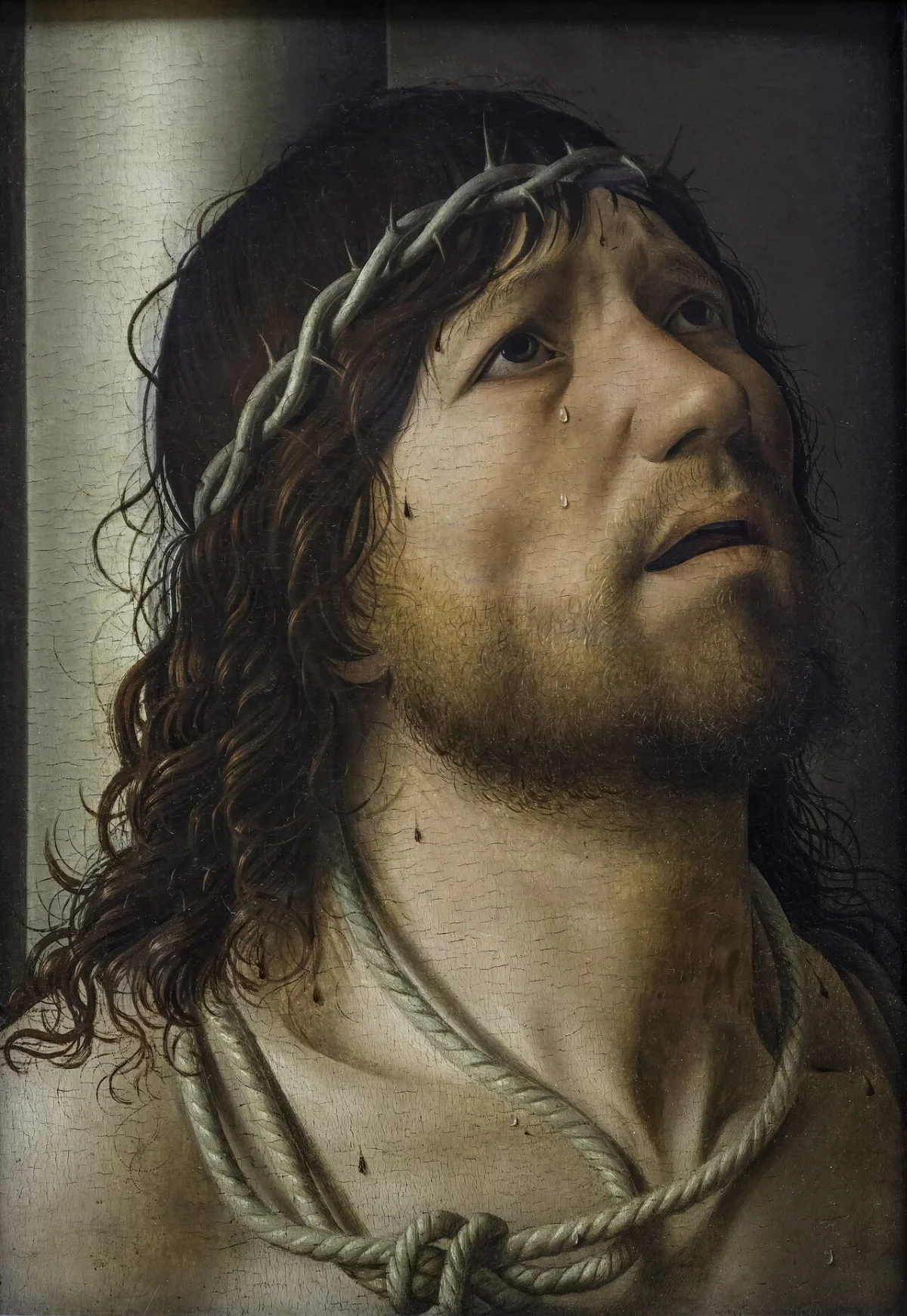
As a significant work from the High Renaissance, "Christ at the Column" by Donato Bramante is highly sought after by collectors. Its status as an original oil on canvas work, alongside related masterpieces such as "The Stigmata of Saint Francis" and "The Last Supper 1498," enhances its desirability. Art lovers appreciate its historical value and technical brilliance, making it a prized addition to any fine art collection and a highlight among fine art painting for sale.
Related High Renaissance Hand-Painted Oil Paintings by Other Artists
Other Famous High Renaissance Artists:
Frequently Asked Questions About Christ at the Column
What is the historical context of "Christ at the Column"?
"Christ at the Column" was created during the High Renaissance, a period marked by a renewed interest in classical antiquity and humanism. This era saw artists striving for greater realism and emotional depth in their works.
What artistic techniques did Donato Bramante employ in this painting?
Bramante utilized chiaroscuro to create a dramatic contrast between light and shadow, enhancing the three-dimensionality of the figures. His use of linear perspective also contributes to the depth of the composition.
What is the significance of the figure of Christ in this artwork?
The figure of Christ is depicted in a moment of suffering and vulnerability, symbolizing the human experience of pain and sacrifice. This portrayal invites viewers to reflect on themes of redemption and compassion.
How does "Christ at the Column" reflect the ideals of the Renaissance?
The painting embodies Renaissance ideals through its focus on human emotion and the physicality of the human form. Bramante's attention to anatomical accuracy and expressive poses underscores the era's celebration of humanity.
What symbolism is present in the painting?
The column itself serves as a powerful symbol of suffering and endurance, representing the trials faced by Christ. It also signifies the weight of sin and the burden of sacrifice that Christ bears for humanity.
In what ways did Bramante influence later artists?
Bramante's innovative use of perspective and composition set a precedent for future artists, influencing the development of Baroque and Mannerist styles. His ability to convey emotion through physical form inspired generations of painters.
What materials were likely used in the creation of this painting?
While the specific materials used in "Christ at the Column" are not definitively known, it is likely that Bramante employed oil paints on canvas, a common medium during the Renaissance that allowed for rich color and detail.
How does the composition of the painting guide the viewer's eye?
The composition is carefully structured to lead the viewer's eye towards the central figure of Christ. The arrangement of figures and the use of diagonal lines create a sense of movement and draw attention to the emotional core of the scene.
What role does color play in "Christ at the Column"?
Bramante's use of color enhances the emotional impact of the painting. The muted tones of the background contrast with the more vibrant hues of Christ's figure, emphasizing his significance and the gravity of the moment.
What can we learn about the religious themes in this artwork?
The painting explores profound religious themes such as sacrifice, redemption, and the human condition. It invites viewers to engage with the spiritual narrative of Christ's suffering and the hope it represents for humanity.






















_GFM_Painting_(1).webp)

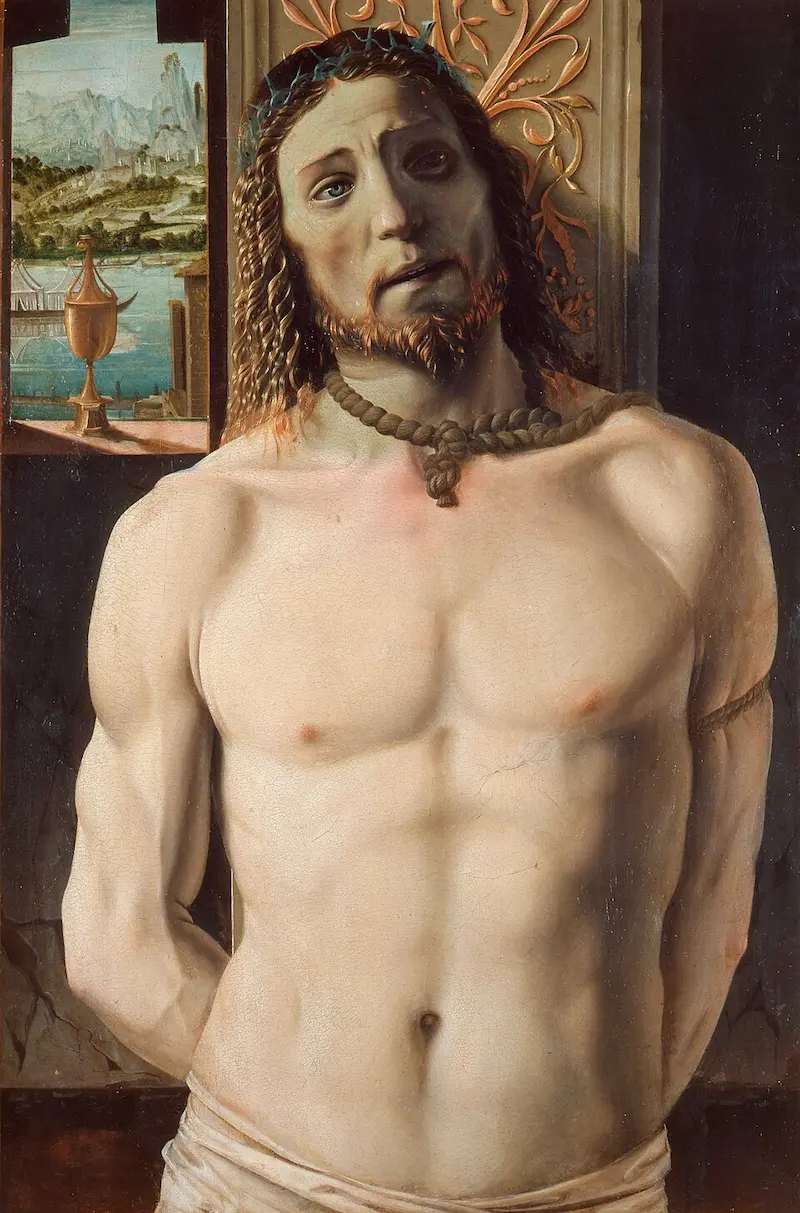

 100% Hand-Painted: Finished in 3-6 Weeks

.png)















_(1).webp)