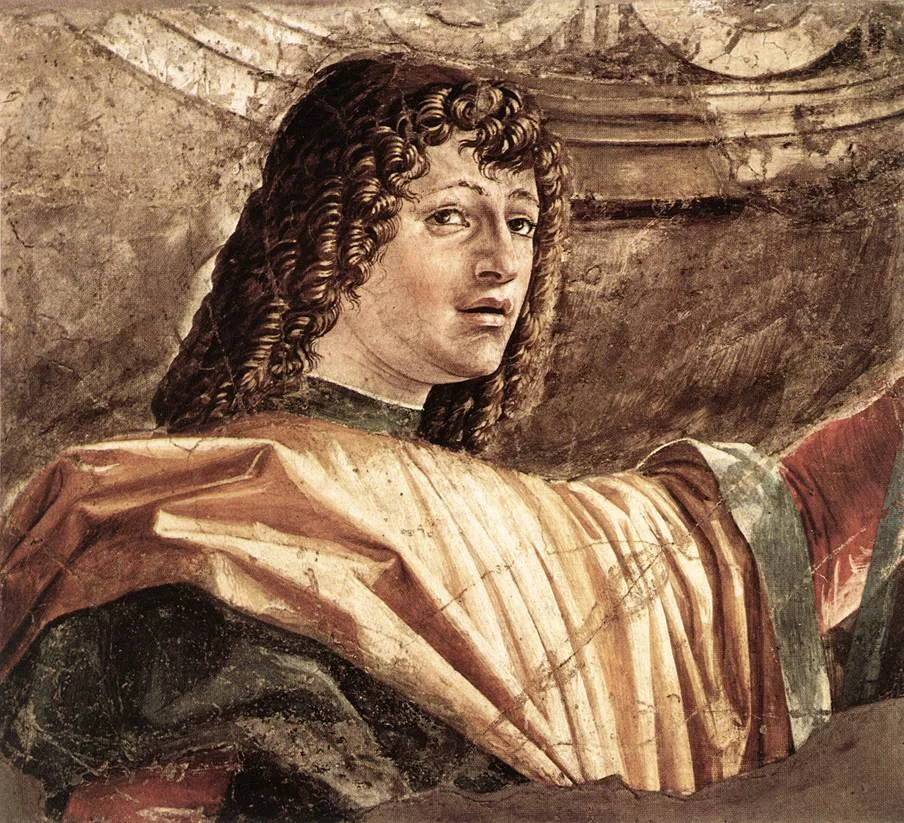
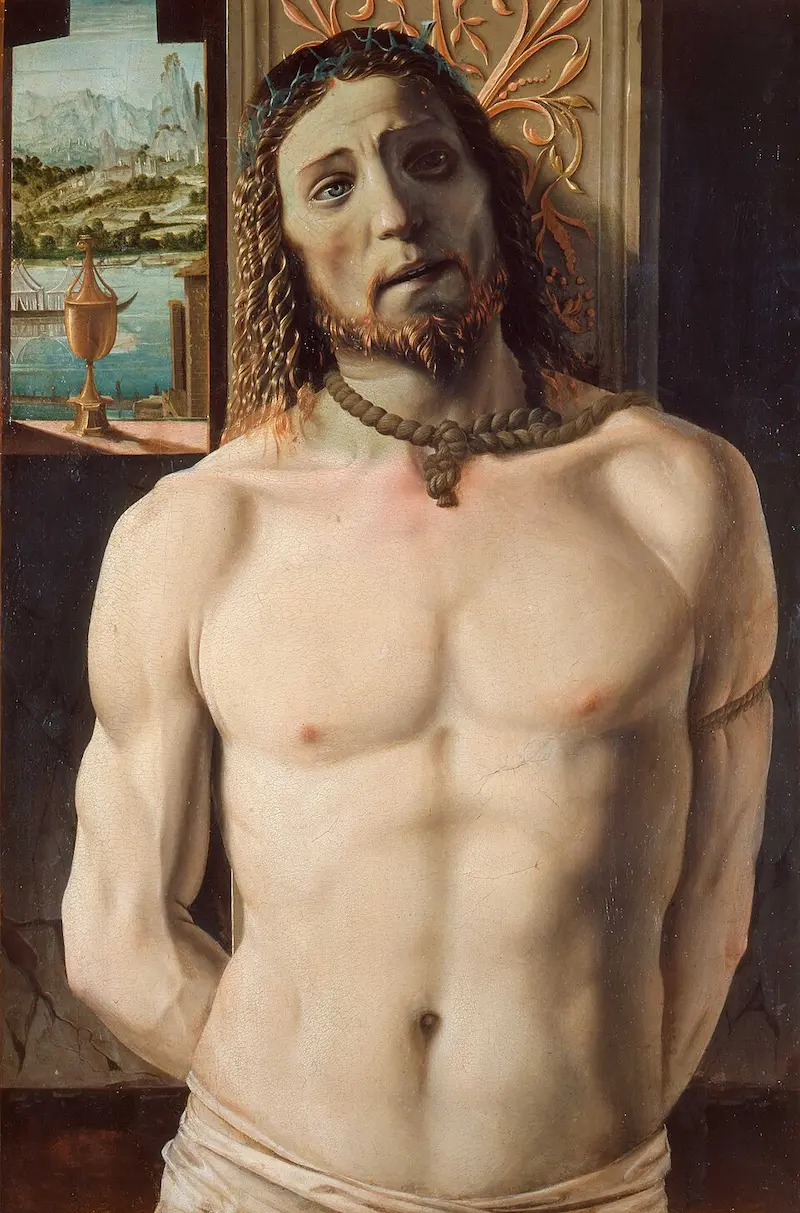
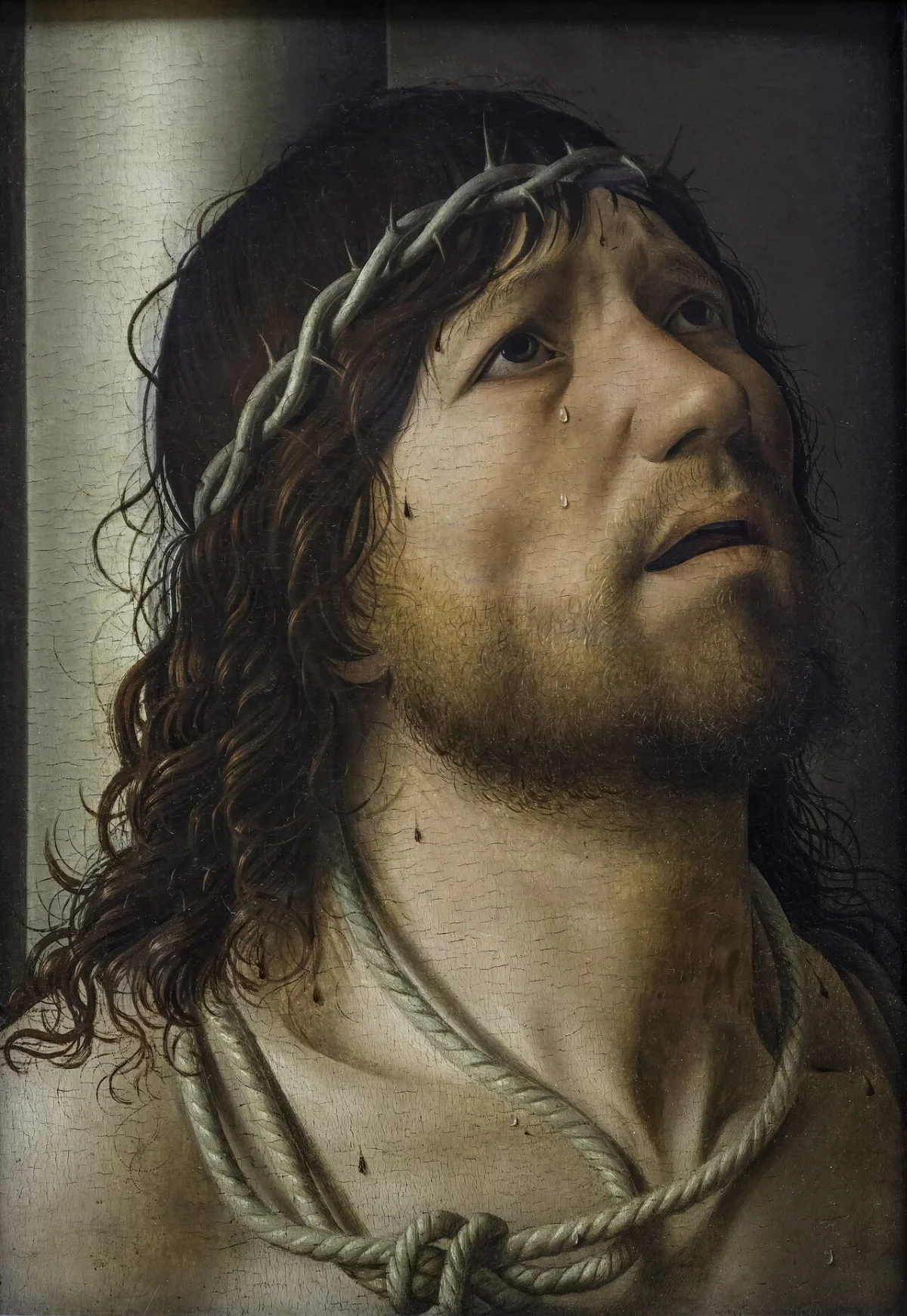
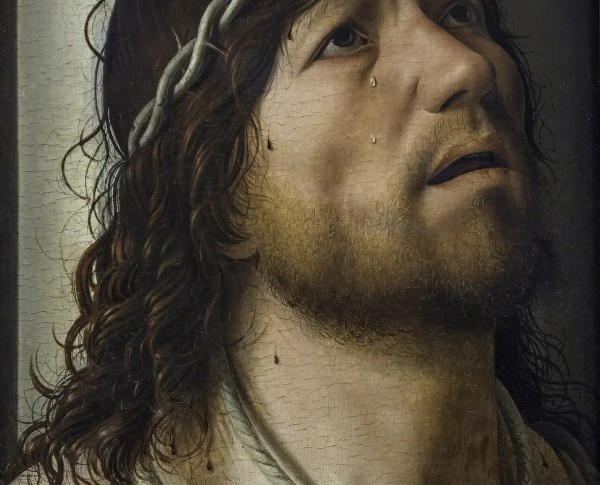
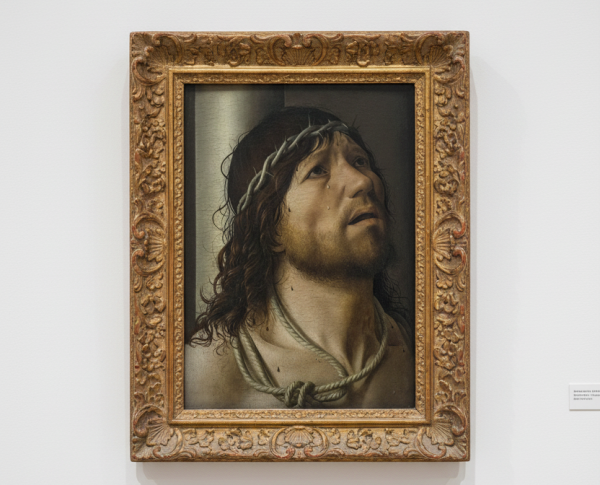
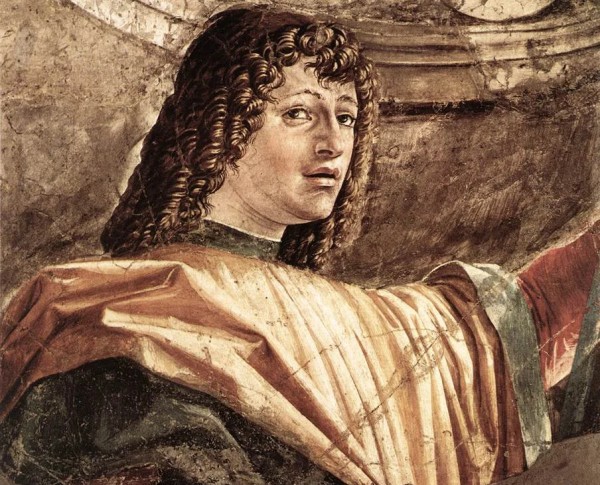
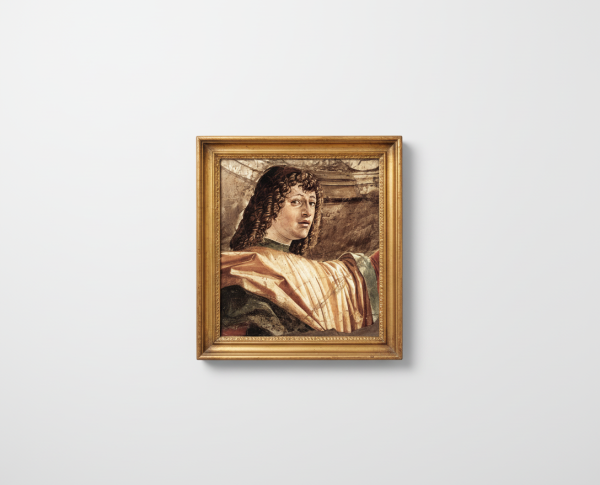
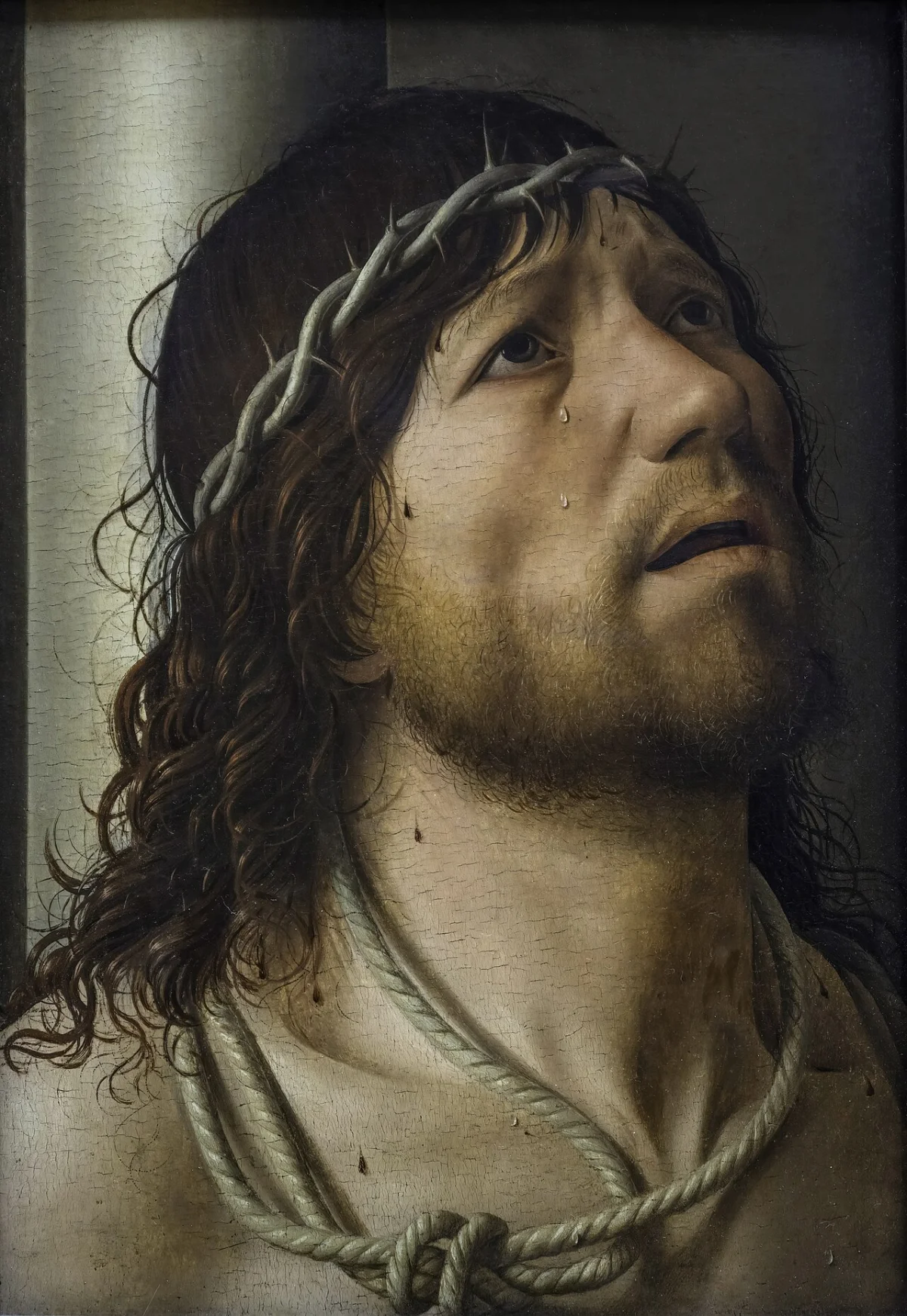
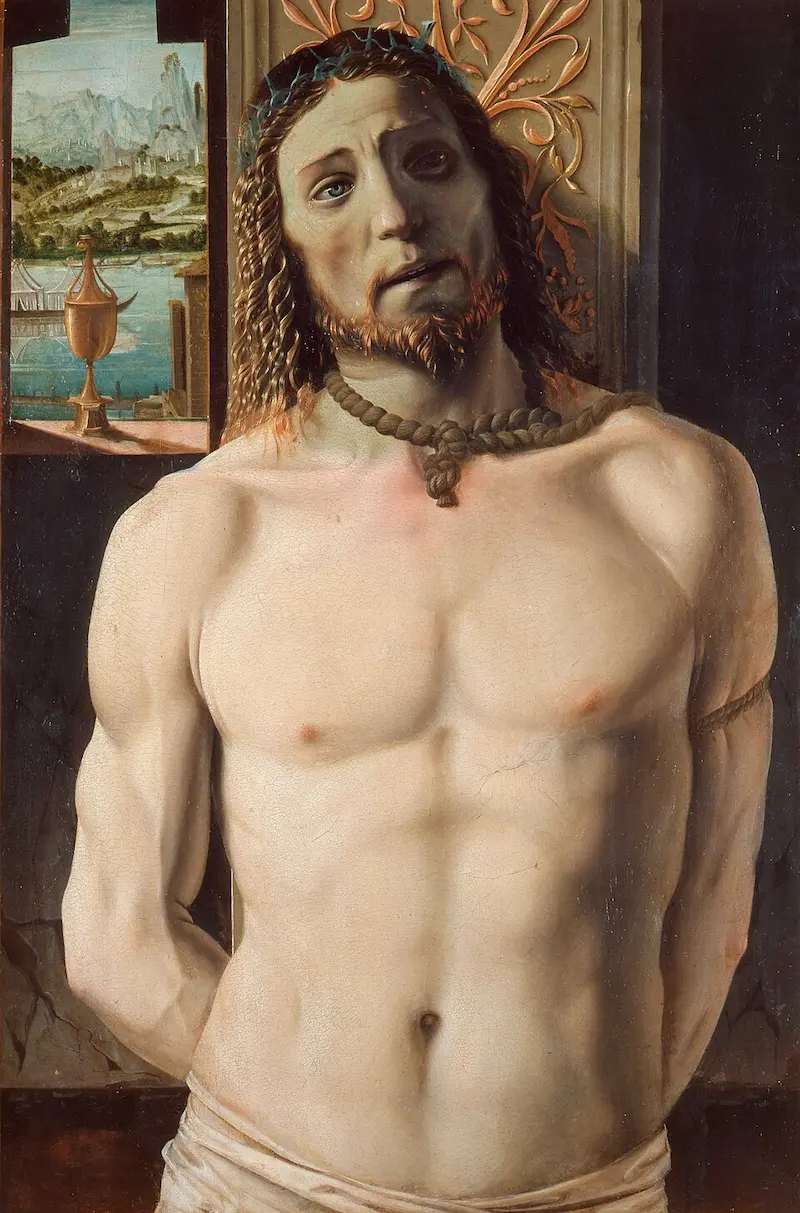
Donato Bramante’s "Man with a Halbard" exemplifies the exquisite technique characteristic of oil on canvas artworks from the High Renaissance. Bramante’s sophisticated brushwork and subtle use of light and shadow bring the subject to life, highlighting his mastery. Collectors and enthusiasts seeking quality pieces will appreciate how this painting, alongside related works such as "Christ at the Column," showcases the enduring brilliance of Renaissance oil on canvas artistry.
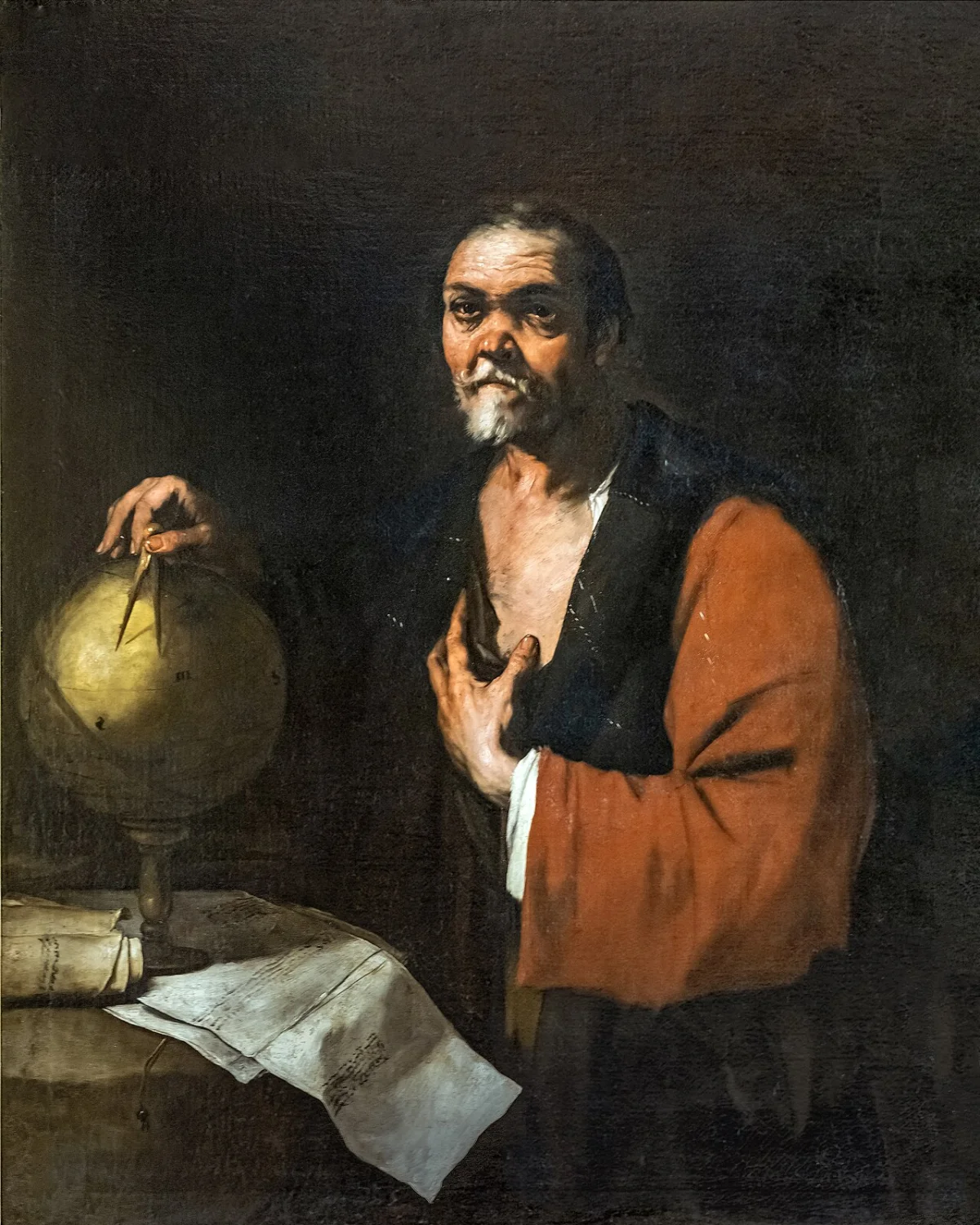
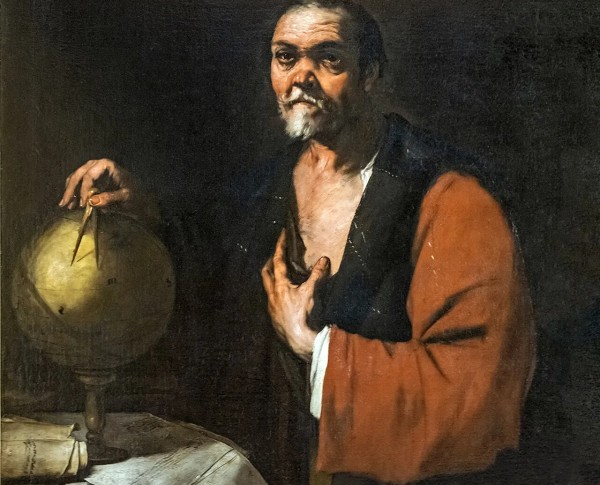
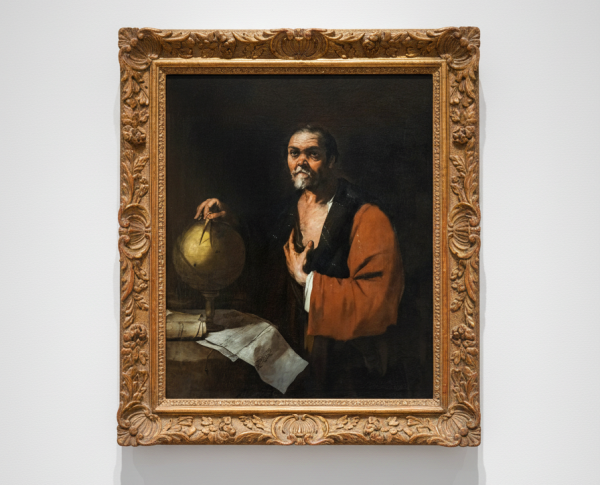
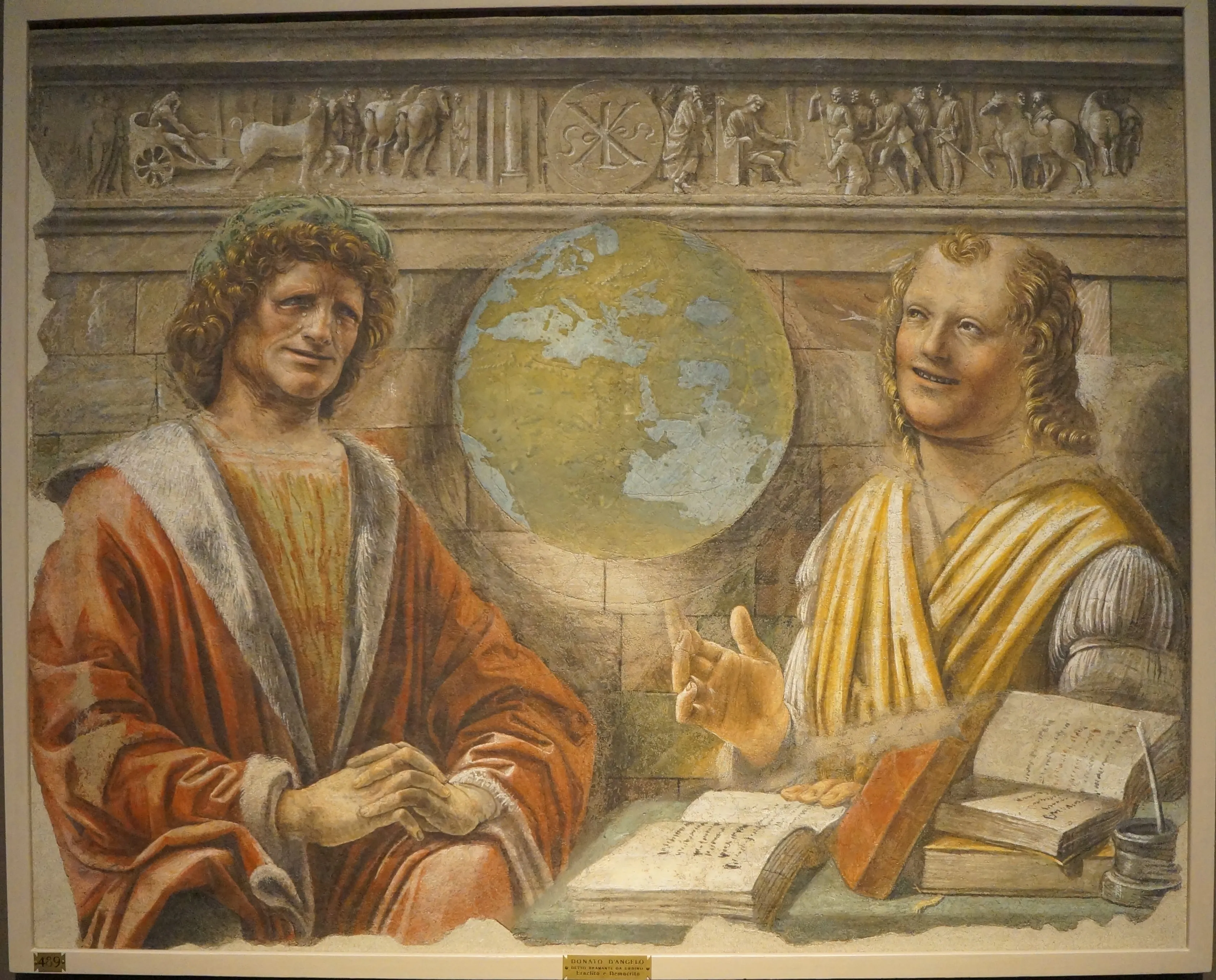
In "Man with a Halbard," Bramante weaves a narrative rich with symbolism, reflecting the values and ideals of the High Renaissance. The halbard, a historical weapon, symbolizes strength and vigilance, while the subject’s enigmatic expression invites interpretation. This fine art painting for sale is not only visually striking but also offers a window into the stories and cultural context of Bramante’s era, much like his other works, "Heraclitus and Democritus."
As a fine art painting for sale, "Man with a Halbard" by Donato Bramante stands out as a prized addition to any collection. Its High Renaissance heritage and remarkable artistry elevate its value, attracting collectors who appreciate historical significance. Pairing this masterpiece with related works such as "Christ at the Column" or "Heraclitus and Democritus" can create a stunning showcase of Renaissance brilliance for discerning art lovers.
When Art Meets History
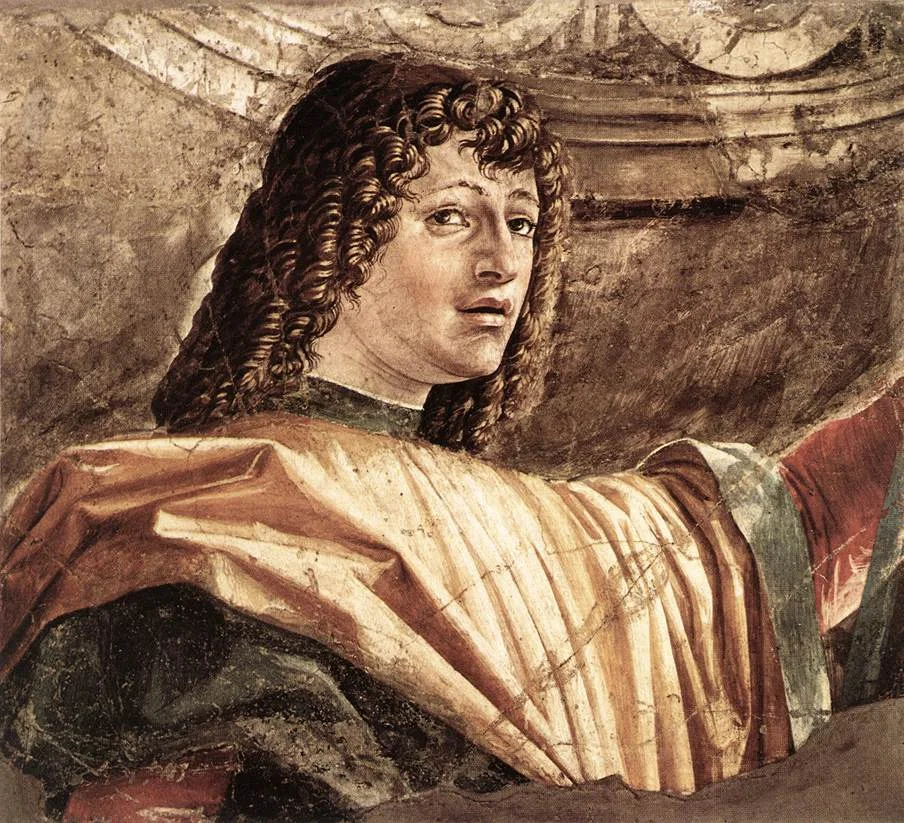
"Man with a Halbard" by Donato Bramante stands as a testament to the grandeur of the High Renaissance. This hand-painted oil painting captures the spirit of an era where art and history intertwined seamlessly. Bramante, renowned for his architectural genius, also excelled in portraiture, much like his contemporaries who created masterpieces such as "Portrait Of Bindo Altoviti" and "Saint Michael Trampling the Dragon." This work embodies the historical depth and artistic innovation of its time.
Techniques That Speak
Donato Bramante’s "Man with a Halbard" showcases his mastery with oil on canvas, a medium favored during the High Renaissance. The painting’s intricate details and lifelike textures reveal Bramante's skillful brushwork, comparable to the technical brilliance seen in "St George and the Dragon" and "Disputation of the Holy Sacrament (La Disputa)." Every stroke in this oil on canvas portrait reflects the artist’s deep understanding of light, shadow, and anatomical precision characteristic of the Renaissance period.
Emotions on Display
In "Man with a Halbard," Donato Bramante channels the emotional depth that defines the High Renaissance. The subject’s poised stance and expressive gaze evoke a sense of strength and contemplation, resonating with the emotional weight found in works like "Saint Michael And The Dragon." This fine art painting for sale invites viewers to connect with the human experience, capturing both the dignity and vulnerability of its subject through Bramante’s sensitive portrayal.
Coveted by Collectors
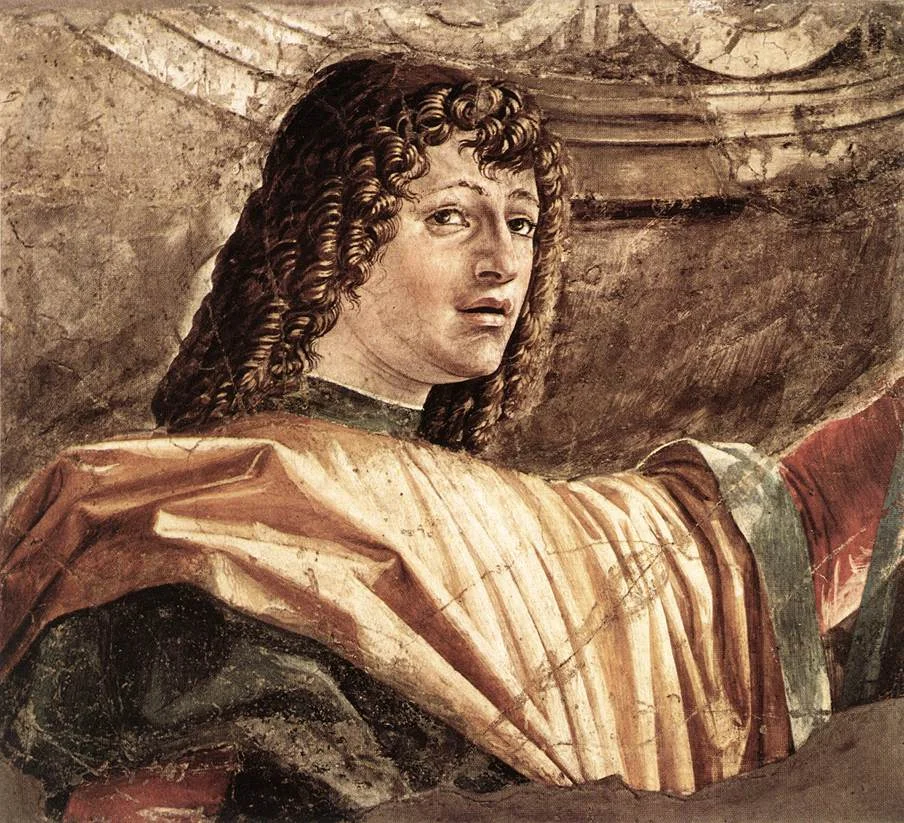
As a remarkable example of High Renaissance portraiture, "Man with a Halbard" by Donato Bramante is highly sought after by collectors. Its historical significance and artistic excellence make it a prized hand-painted oil painting. Collectors often seek related masterpieces such as "Portrait Of Bindo Altoviti" and "Saint Michael Trampling the Dragon," but Bramante’s unique vision ensures this piece remains a standout. This artwork continues to capture the admiration of art enthusiasts worldwide.
Related High Renaissance Hand-Painted Oil Paintings by Other Artists
Other Famous High Renaissance Artists:
Frequently Asked Questions About Man with a Halbard
Who is the artist of "Man with a Halbard"?
The painting "Man with a Halbard" was created by the renowned Italian artist Donato Bramante, who is best known for his contributions to architecture and painting during the High Renaissance.
What is the historical context of "Man with a Halbard"?
What does the halbard symbolize in the painting?
The halbard, a pole weapon used by foot soldiers, symbolizes strength and authority. In the context of the painting, it may also represent the duality of power and vulnerability inherent in the human condition.
How does Bramante's style influence "Man with a Halbard"?
Bramante's style in "Man with a Halbard" reflects the transition from Gothic to Renaissance ideals, showcasing a greater emphasis on proportion, perspective, and the human form, which were hallmarks of his artistic approach.
What artistic techniques are evident in this painting?
The painting employs techniques such as chiaroscuro, which creates a dramatic contrast between light and shadow, and sfumato, which softens edges and adds depth, enhancing the three-dimensionality of the figure.
What is the significance of the figure's pose in "Man with a Halbard"?
The figure's pose is both assertive and contemplative, suggesting a readiness for action while also inviting the viewer to reflect on the nature of power and duty, which were central themes during the Renaissance period.
How does "Man with a Halbard" reflect Renaissance ideals?
The painting embodies Renaissance ideals through its focus on the individual, the exploration of human emotion, and the celebration of human strength and intellect, all of which were pivotal during this transformative era in art history.
What role does color play in "Man with a Halbard"?
The color palette in "Man with a Halbard" is rich and varied, utilizing warm tones to convey a sense of vitality and presence, while cooler shades provide contrast, enhancing the overall composition and emotional impact of the work.
What is the significance of the background in the painting?
The background in "Man with a Halbard" is often understated, allowing the focus to remain on the figure. This choice emphasizes the importance of the individual in Renaissance art, reflecting the era's shift towards humanism.
How has "Man with a Halbard" influenced later artists?
"Man with a Halbard" has influenced later artists by exemplifying the integration of human emotion with technical skill, inspiring subsequent generations to explore the relationship between subject and environment in their own works.






















_GFM_Painting_(1).webp)


 100% Hand-Painted: Finished in 3-6 Weeks

.png)















_(1).webp)