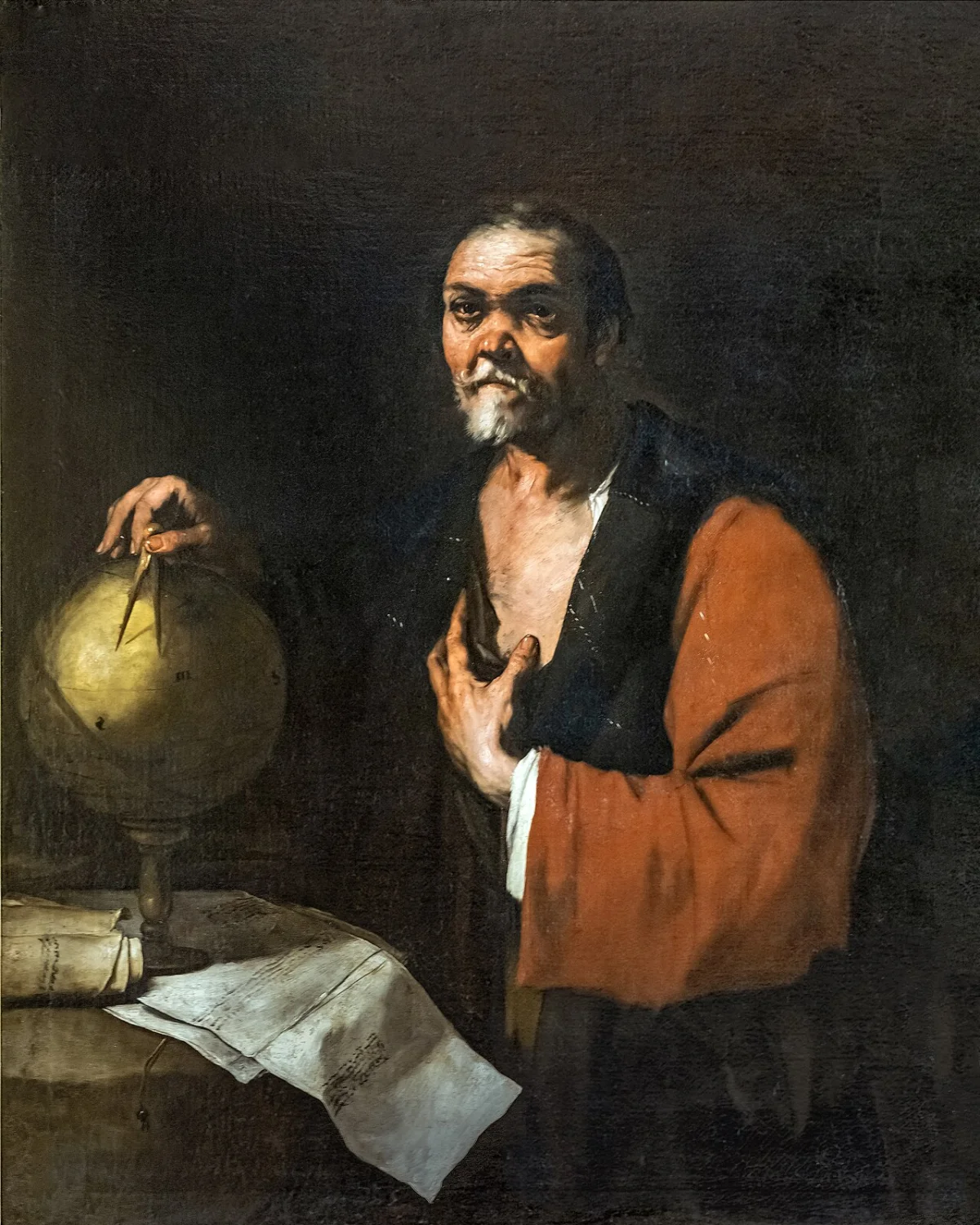
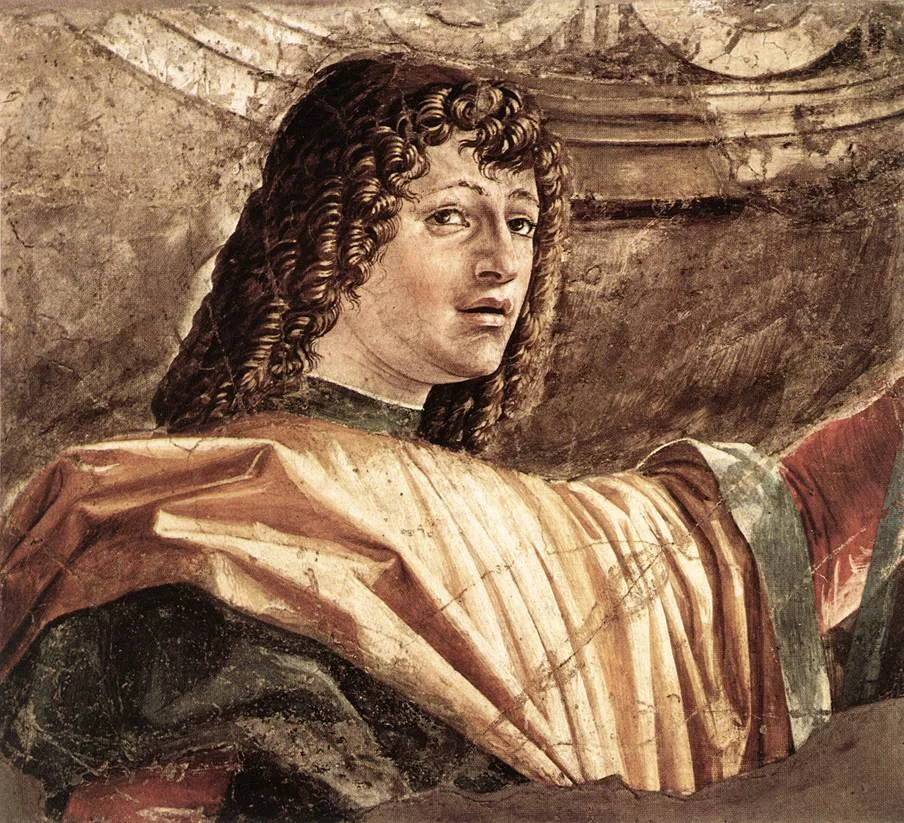
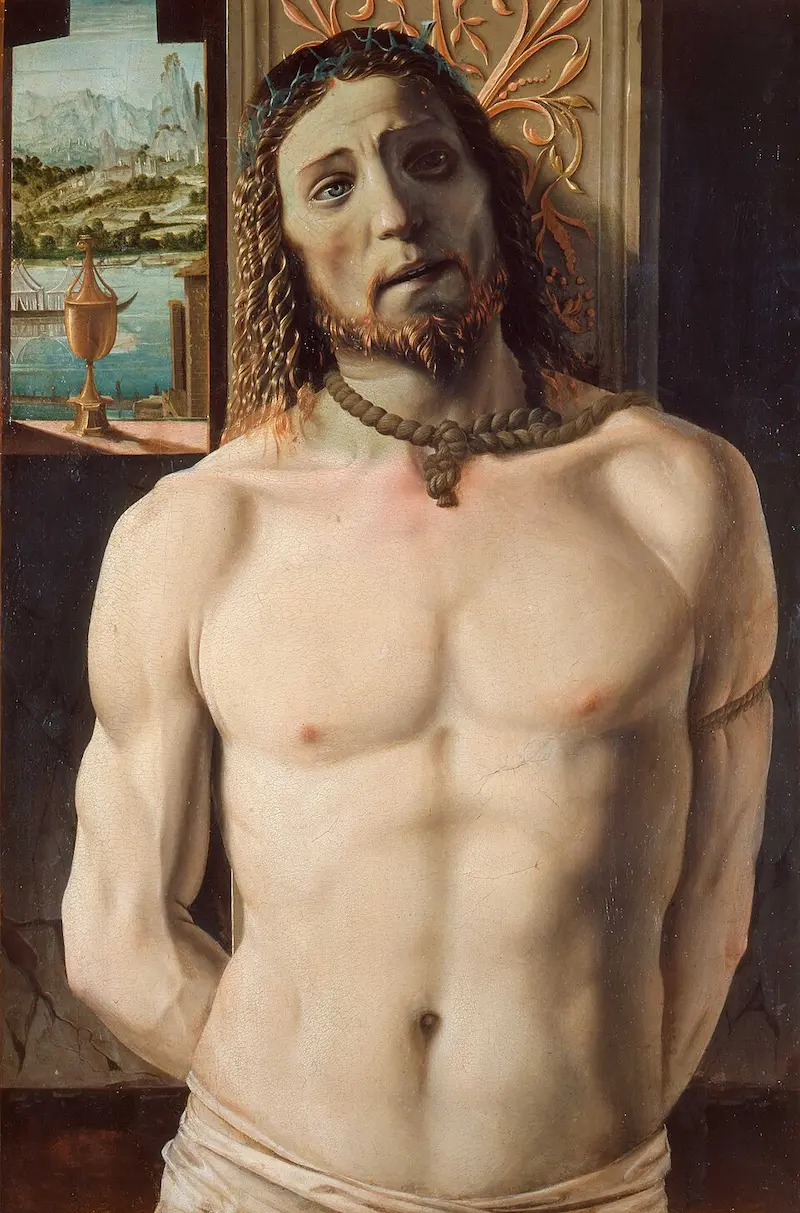
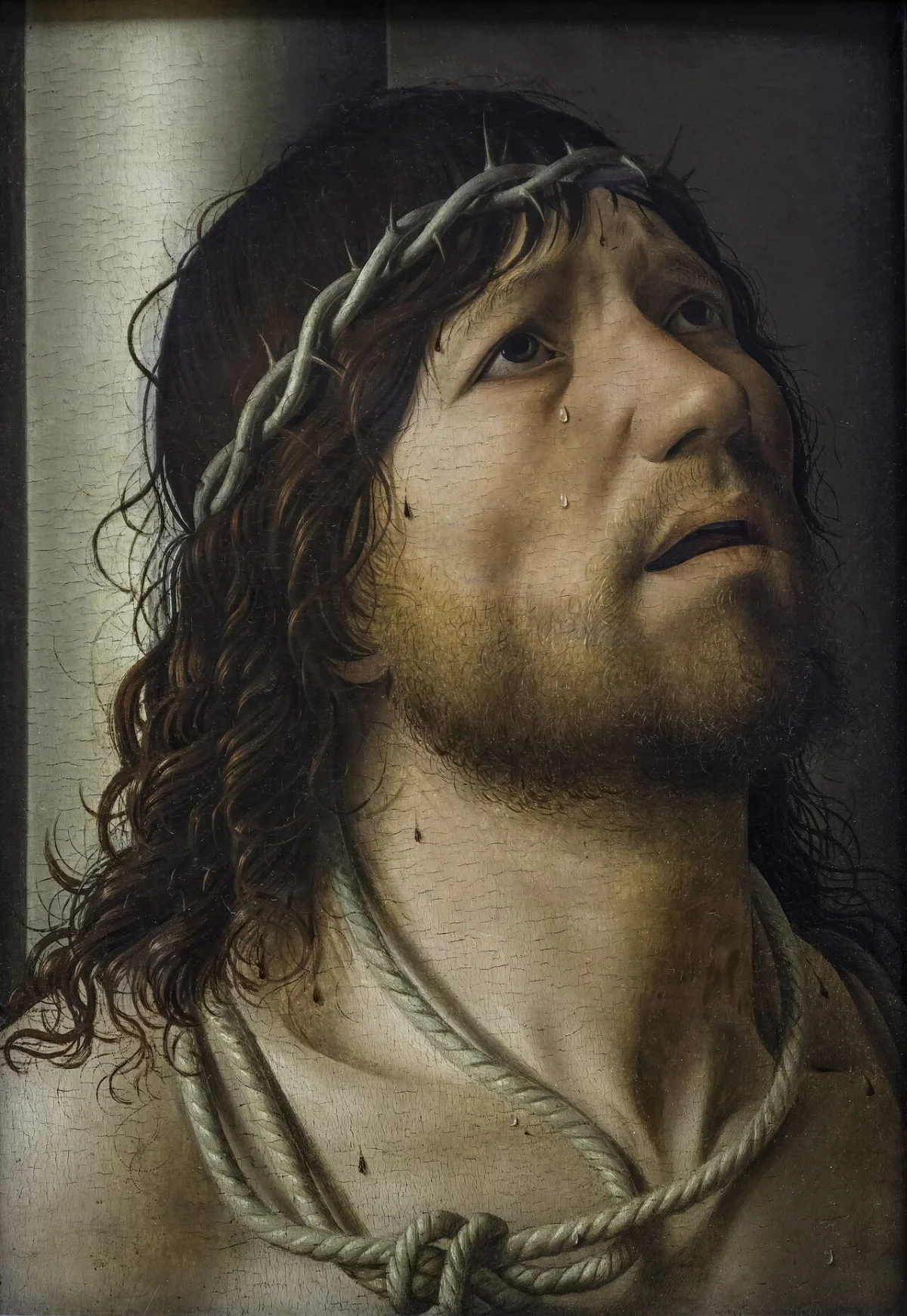
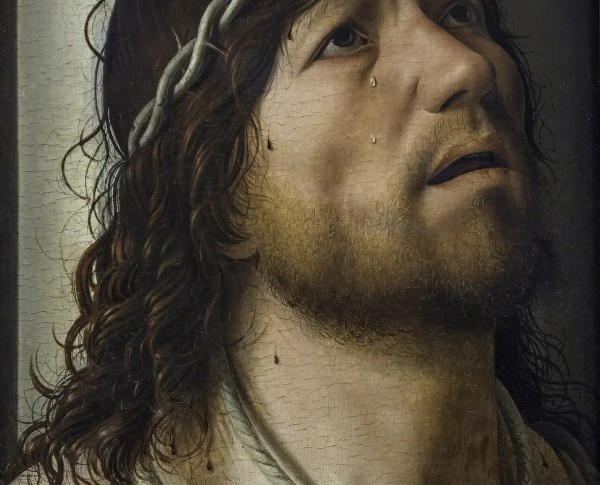
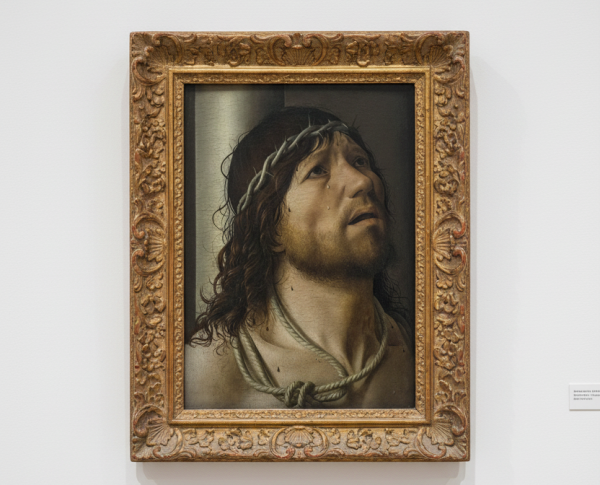
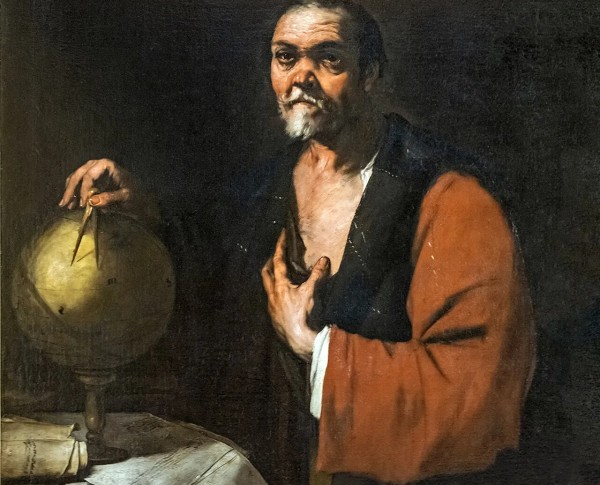
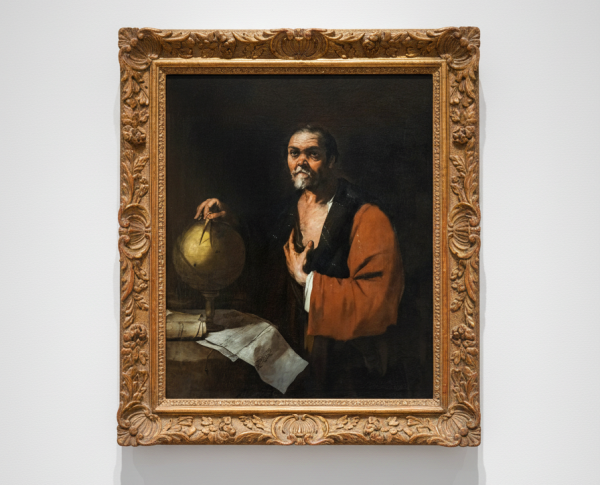
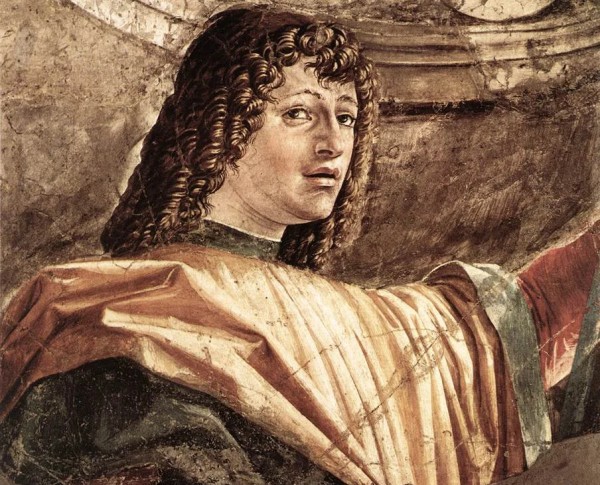
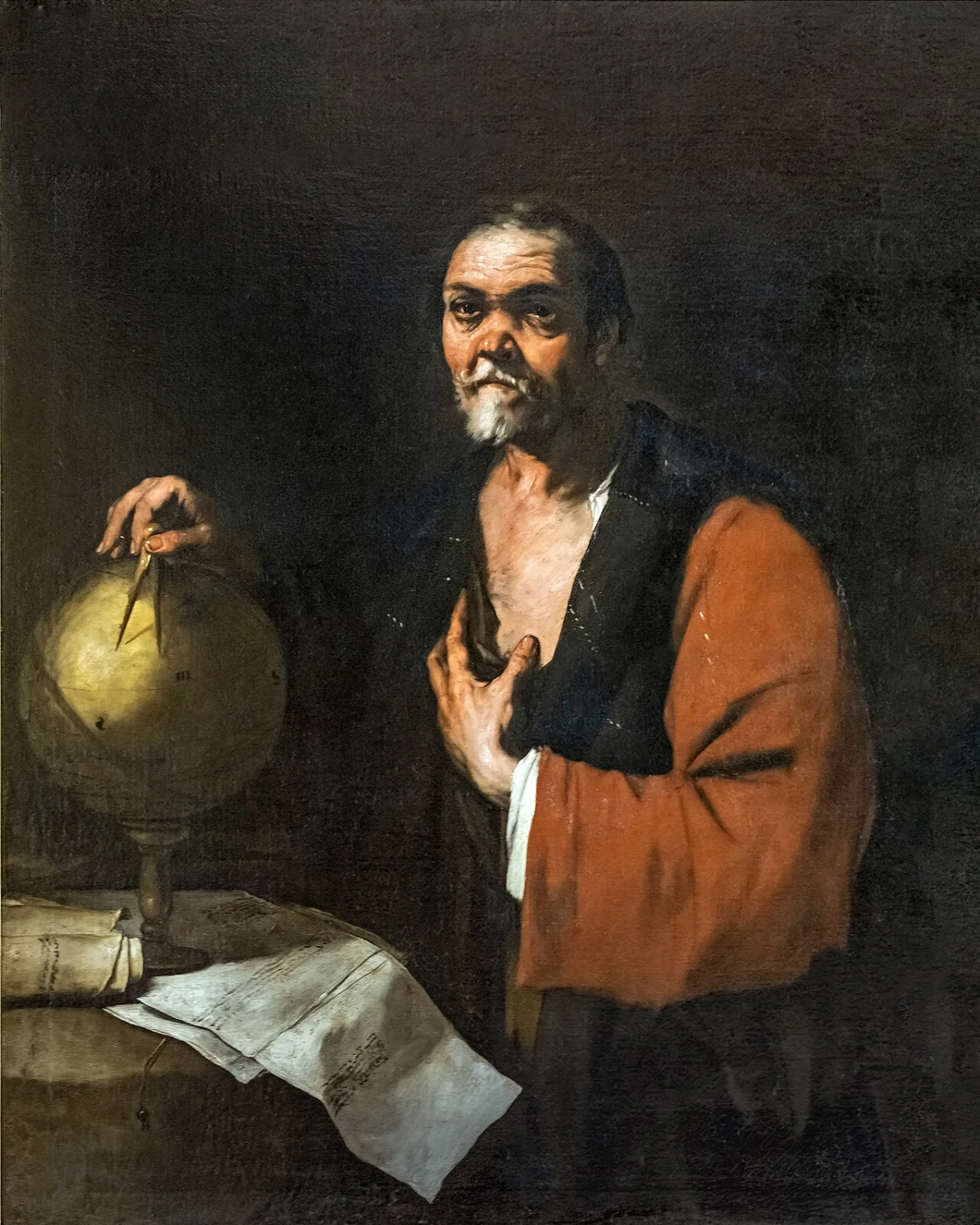
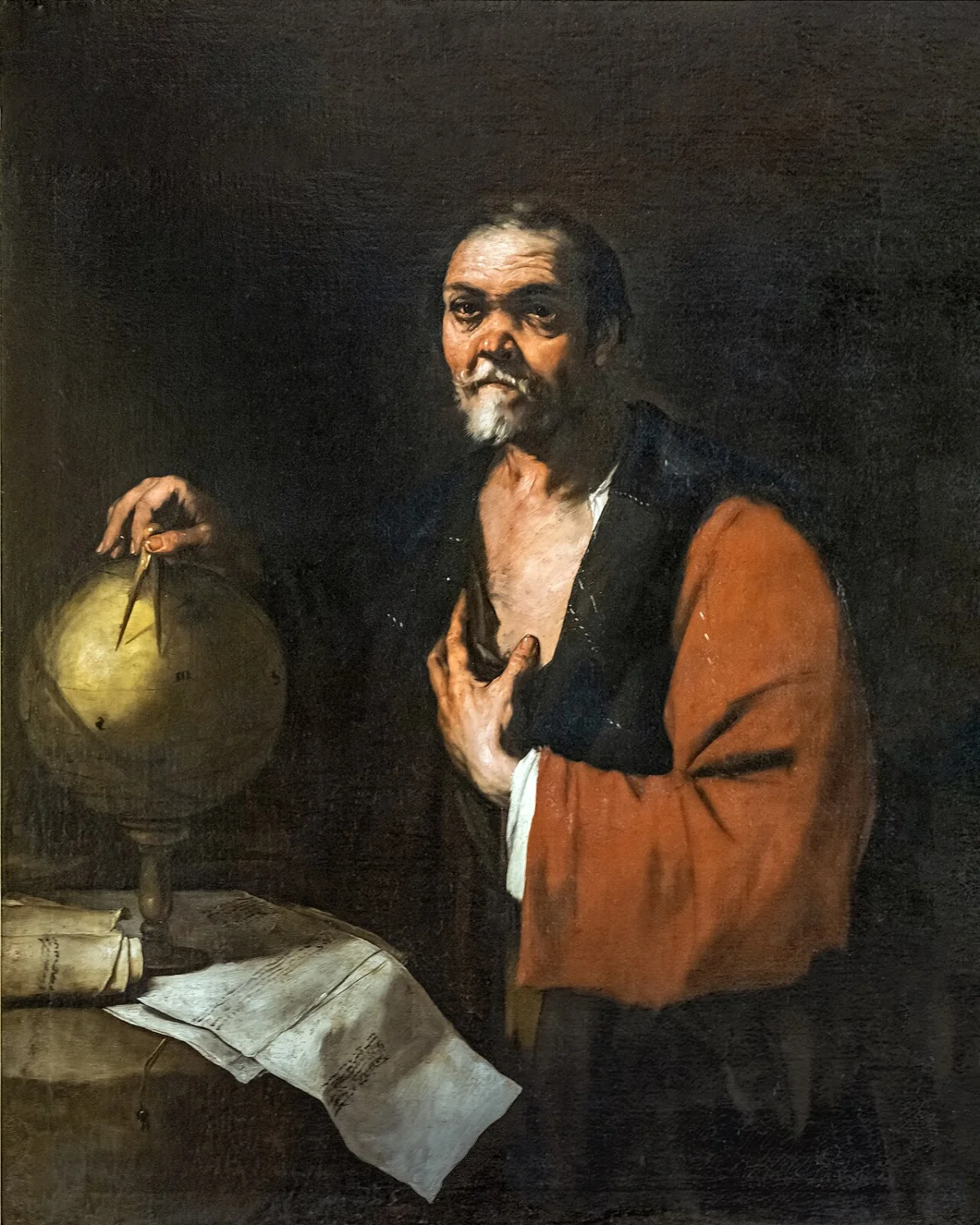
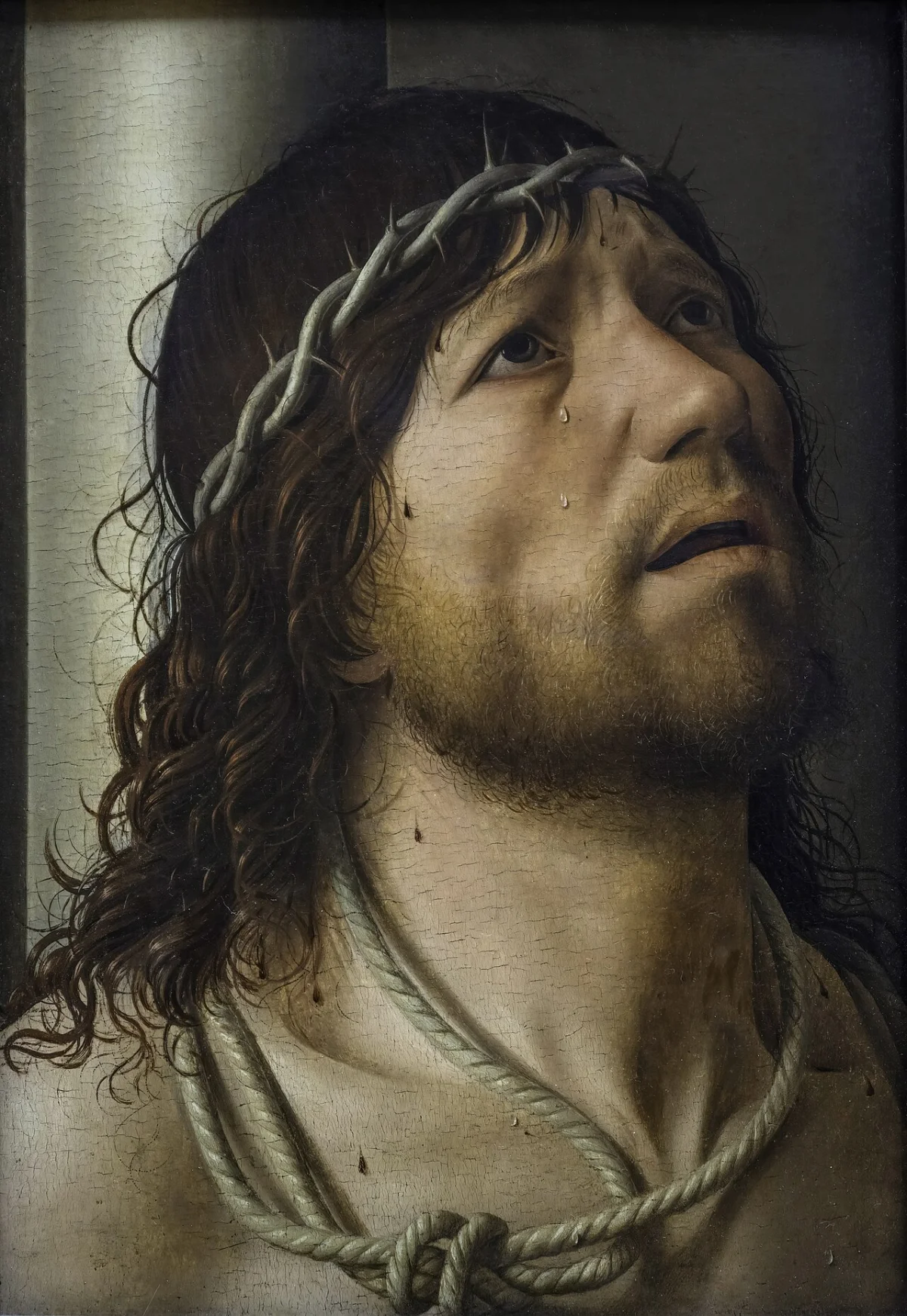
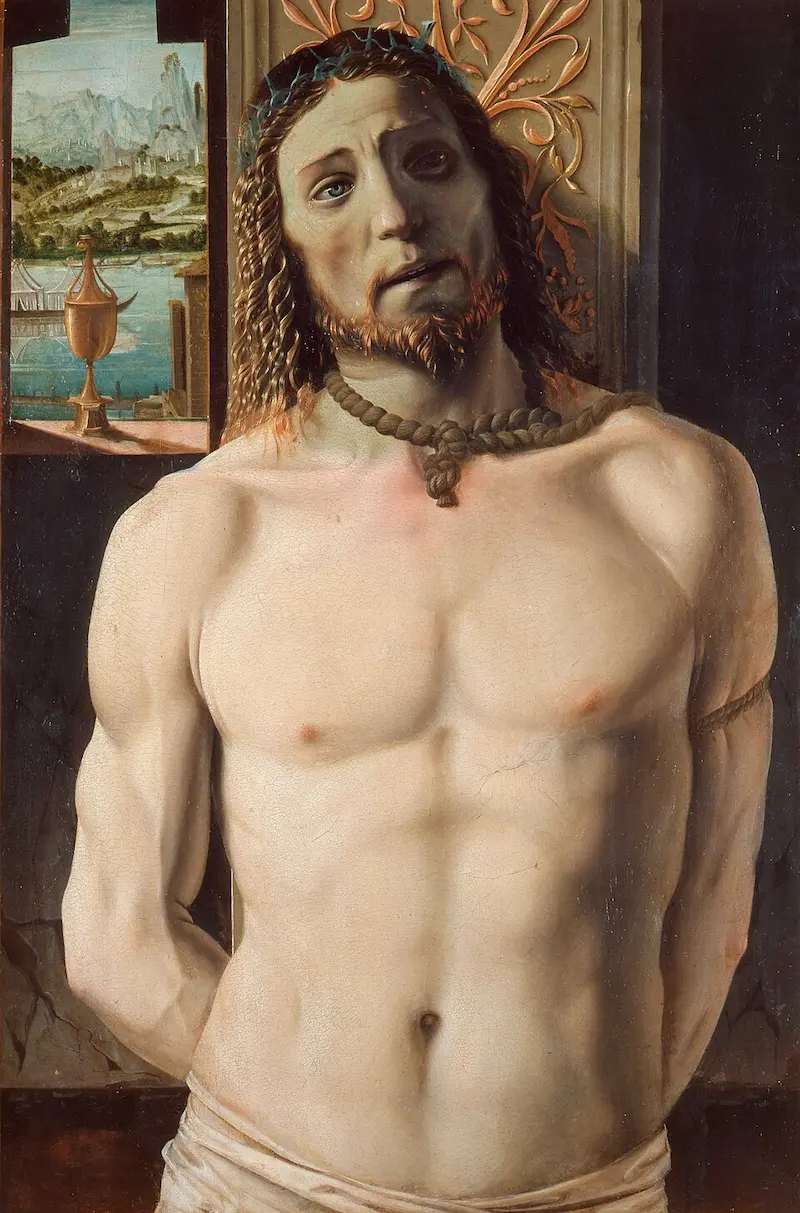
With remarkable attention to detail, Bramante’s "Heraclitus and Democritus" showcases the artist’s mastery over oil on canvas. The subtle gradations of light, the lifelike expressions, and the harmonious composition exemplify the technical brilliance characteristic of the High Renaissance. Bramante’s technique influenced generations of artists, making this piece a cornerstone for those who appreciate the evolution of painting. Collectors often seek out related works like "Christ at the Column" to diversify their collections.
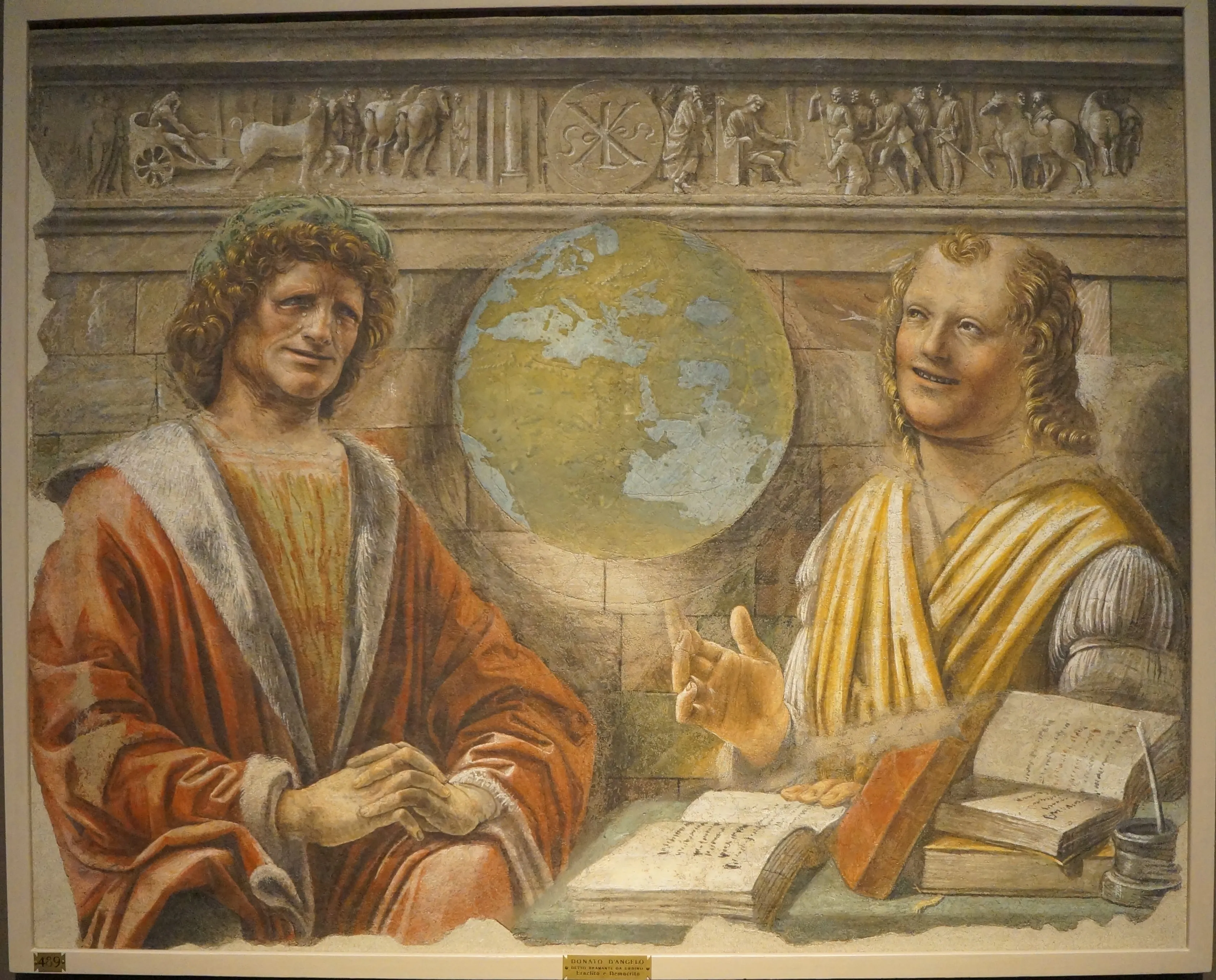
In "Heraclitus and Democritus," Donato Bramante weaves together visual storytelling and symbolism, hallmarks of the High Renaissance. The two philosophers are depicted in contrasting moods, representing sorrow and laughter, an exploration of human nature. This fine art painting for sale offers viewers a glimpse into the intellectual currents of the era. For enthusiasts, pairing this work with related paintings such as "Christ at the Column" deepens the appreciation of Renaissance symbolism.
Owning "Heraclitus and Democritus" by Donato Bramante is a privilege for any fine art connoisseur. This hand-painted oil painting captures the essence of the High Renaissance, blending technical sophistication with profound meaning. As a centerpiece or companion to other works like "Christ at the Column," it elevates any collection. For those seeking a distinguished oil on canvas, Bramante’s masterpiece stands as a timeless investment and a celebration of artistic genius.
When Art Meets History
"Heraclitus and Democritus" by Donato Bramante is a remarkable hand-painted oil painting that captures a pivotal moment in philosophical history. Created during the High Renaissance, this artwork brings together the contrasting figures of Heraclitus and Democritus, symbolizing melancholy and mirth. Bramante, celebrated for works like "The Sistine Madonna" and "Aminadab," masterfully bridges classical thought and Renaissance ideals, making this piece a cornerstone among fine art painting for sale from the era.
Techniques That Speak
Donato Bramante’s "Heraclitus and Democritus" showcases exceptional technique, utilizing oil on canvas to create lifelike textures and depth. The artist’s mastery in rendering anatomical precision and dramatic lighting is reminiscent of other High Renaissance masterpieces such as "The Creation of the Sun, Moon and Planets." Bramante’s brushwork and color palette elevate the scene, illustrating the emotional complexity of the philosophers while highlighting the enduring appeal of oil on canvas during this influential art movement.
Emotions on Display
In "Heraclitus and Democritus," Bramante expertly conveys profound emotion, contrasting the sorrowful introspection of Heraclitus with the joyful laughter of Democritus. This hand-painted oil painting draws viewers into a narrative of human experience, a common theme in High Renaissance art. Similar emotional depth can be found in related works like "The Vision of Ezekiel" and "Portrait Of Bindo Altoviti," making Bramante’s depiction a standout among fine art painting for sale.
Coveted by Collectors
"Heraclitus and Democritus" remains highly sought after by collectors who value historical significance and artistic mastery. As a prime example of High Renaissance oil on canvas, it stands alongside treasures like "Aminadab" and "The Sistine Madonna." Donato Bramante’s attention to detail and philosophical storytelling make this fine art painting for sale a prized addition to any collection, ensuring its legacy among the most esteemed works from the Renaissance period.
Related High Renaissance Hand-Painted Oil Paintings by Other Artists
Other Famous High Renaissance Artists:
Frequently Asked Questions About Heraclitus and Democritus
What is the historical context of "Heraclitus and Democritus"?
"Heraclitus and Democritus" was created during the Renaissance, a period marked by a revival of interest in classical philosophy and humanism. This painting reflects the intellectual climate of the time, emphasizing the importance of ancient thinkers in shaping modern thought.
Who are the figures depicted in the painting?
The painting features two prominent philosophers from ancient Greece: Heraclitus, known for his doctrine of change and the concept of flux, and Democritus, recognized for his atomic theory of the universe. Their contrasting philosophies symbolize the duality of existence.
What artistic techniques did Donato Bramante employ in this work?
Bramante utilized chiaroscuro to create depth and dimension, along with a balanced composition that draws the viewer's eye towards the central figures. The use of color and light enhances the emotional intensity of the scene.
What is the significance of the contrasting poses of the two philosophers?
The contrasting poses of Heraclitus and Democritus symbolize their differing philosophies: Heraclitus is often depicted in a contemplative, brooding stance, while Democritus is shown as more jovial and light-hearted, representing the tension between pessimism and optimism.
How does this painting reflect Renaissance ideals?
This painting embodies Renaissance ideals by merging classical philosophy with artistic expression. It highlights the value of human intellect and the exploration of existential themes, which were central to Renaissance thought.
What symbols are present in the painting, and what do they represent?
Various symbols are present, such as the scrolls representing knowledge and wisdom. The contrasting expressions of the philosophers symbolize the conflict between different schools of thought, illustrating the complexity of human understanding.
How does "Heraclitus and Democritus" compare to other works by Bramante?
Compared to other works by Bramante, "Heraclitus and Democritus" showcases his ability to blend philosophical themes with visual storytelling. While many of his architectural works focus on form and structure, this painting emphasizes character and narrative.
What influence did this painting have on later artists?
The painting influenced later artists by highlighting the importance of philosophical themes in art. It inspired subsequent generations to explore the intersection of intellectual thought and visual representation, paving the way for future movements such as Romanticism and Symbolism.
In what ways does the painting address the theme of knowledge?
The painting addresses the theme of knowledge by visually representing the dialogue between two philosophical perspectives. It invites viewers to contemplate the nature of knowledge itself, questioning how different viewpoints can coexist and inform one another.
What is the legacy of "Heraclitus and Democritus" in art history?
The legacy of "Heraclitus and Democritus" lies in its profound exploration of philosophical ideas through art. It serves as a reminder of the enduring relationship between philosophy and visual culture, influencing both artistic expression and intellectual discourse for centuries.






















_GFM_Painting_(1).webp)


 100% Hand-Painted: Finished in 3-6 Weeks

.png)















_(1).webp)