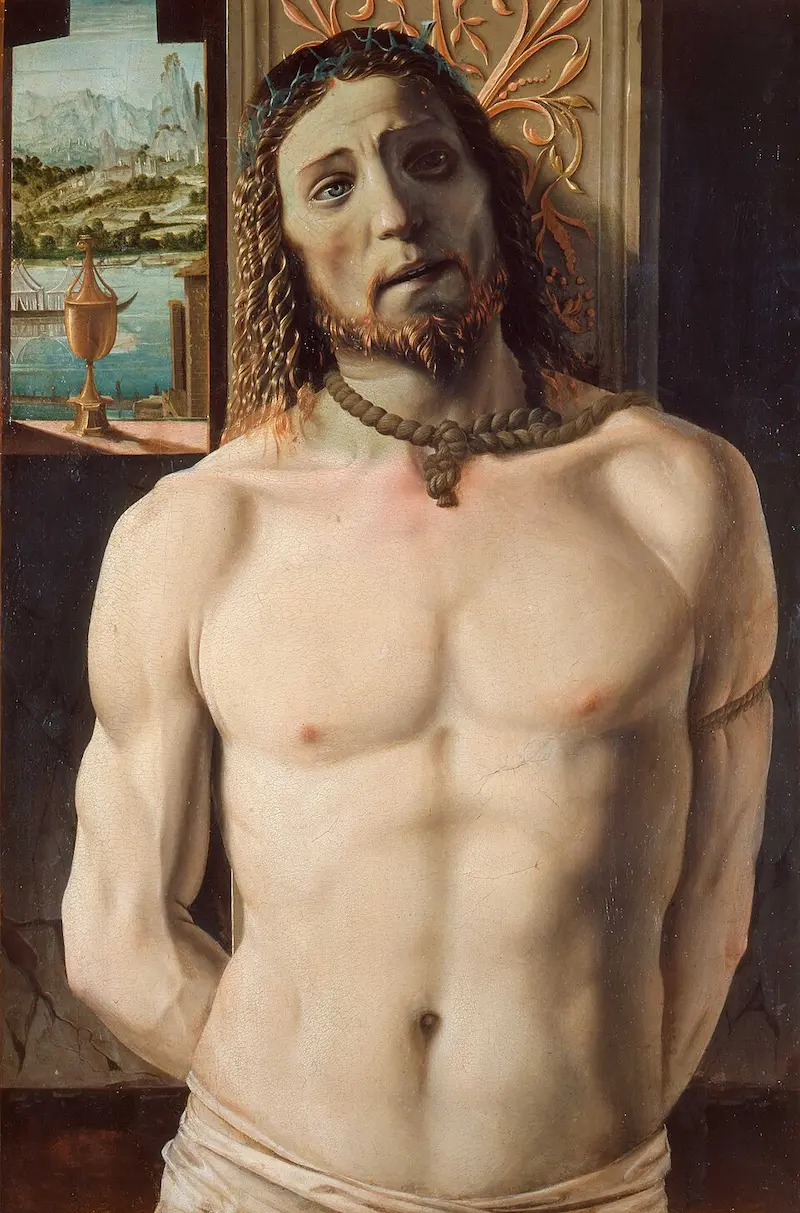
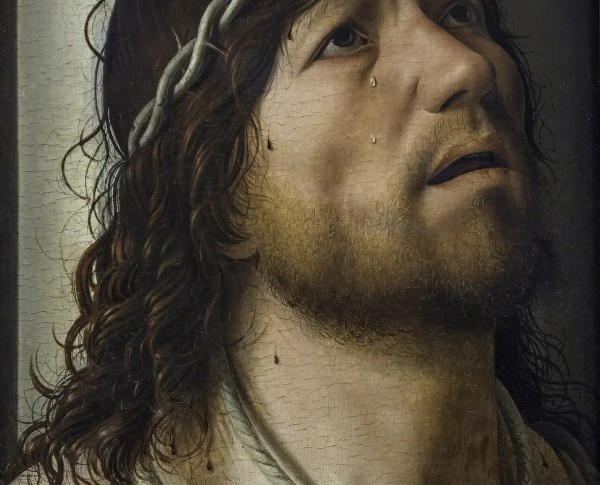
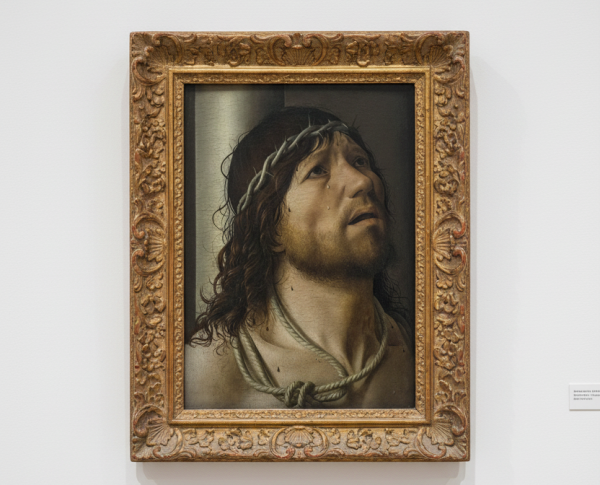
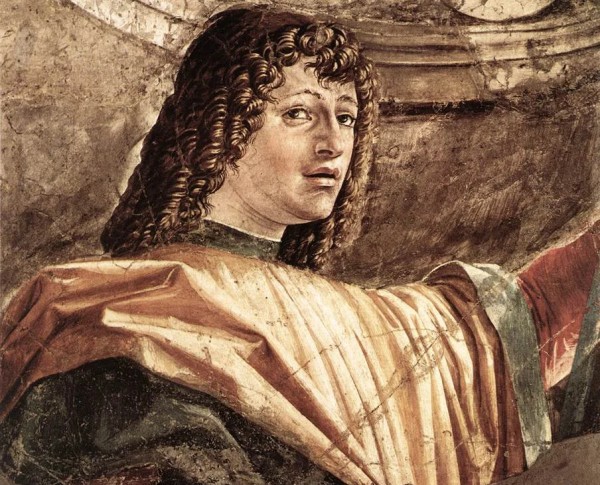
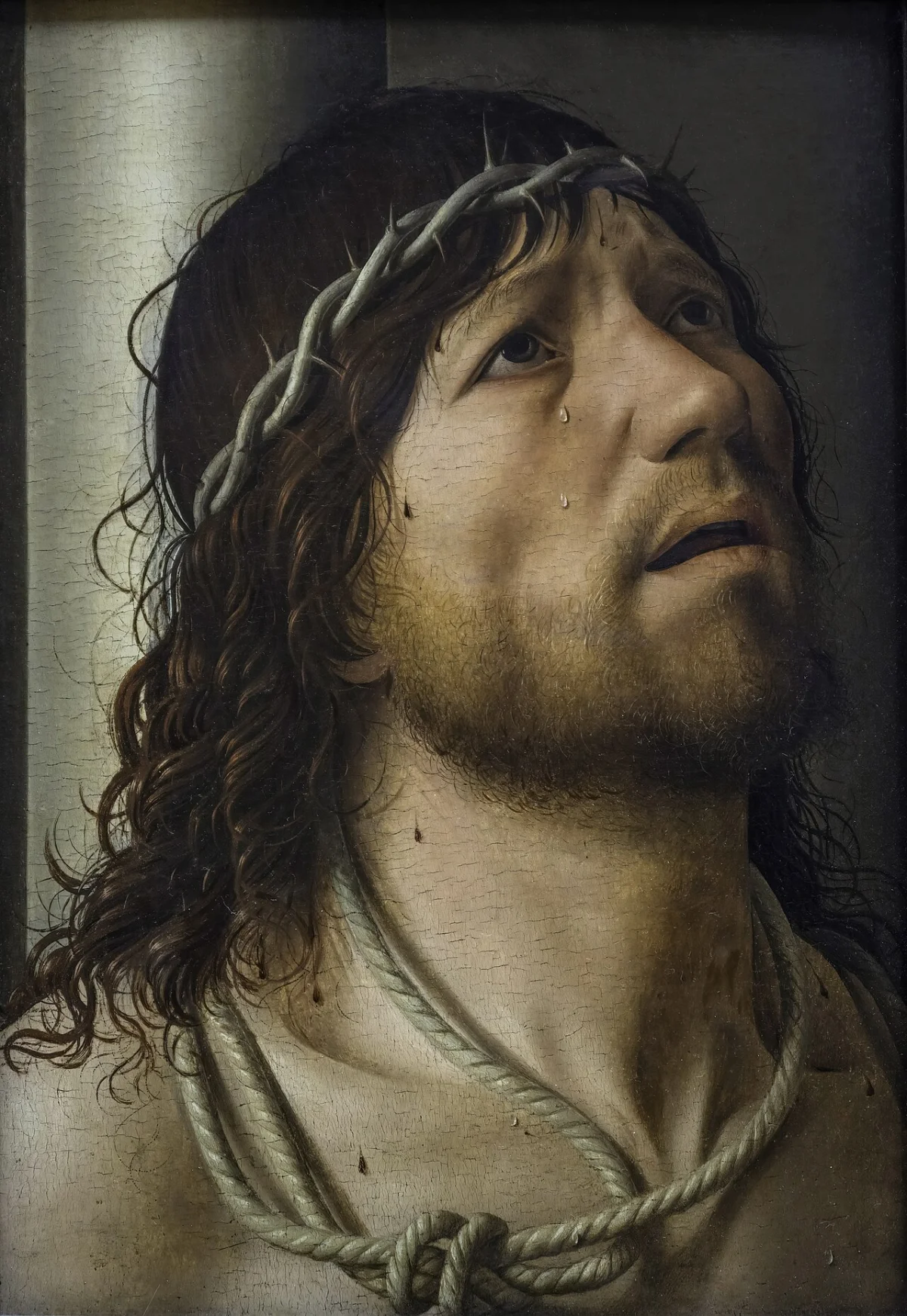
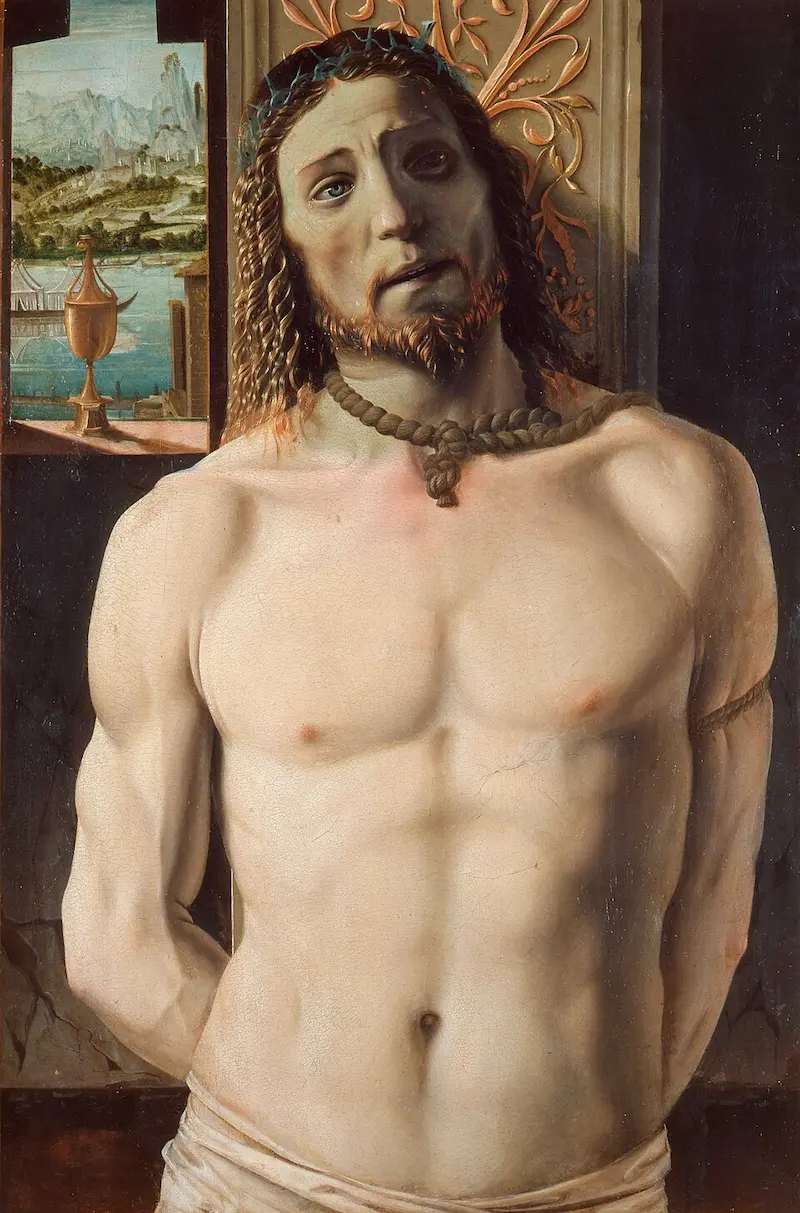
Donato Bramante’s "Christ at the Column" exemplifies the technical brilliance characteristic of High Renaissance art. Executed as an oil on canvas, Bramante’s delicate brushwork and nuanced use of light bring the poignant scene to life. The artist’s command of composition and anatomy illustrates why his works are highly valued among collectors. This painting stands as a testament to the enduring appeal of oil on canvas masterpieces from this influential art movement.
The narrative within "Christ at the Column" is rich with symbolism, reflecting Bramante’s skill in embedding deeper meanings into his hand-painted oil paintings. The depiction of Christ’s suffering and resilience is heightened by the artist’s attention to detail, a hallmark of the High Renaissance. Art historians and collectors alike are drawn to the intricate layers and emotive power of this fine art painting for sale, making it a timeless representation of faith and artistry.
Owning "Christ at the Column" by Donato Bramante is a rare opportunity for any art enthusiast seeking a distinguished oil on canvas piece from the High Renaissance. This fine art painting for sale not only enhances any personal collection but also connects owners to a pivotal era in art history. Bramante’s work, known for its spiritual depth and technical mastery, remains highly sought after by collectors who value authenticity and artistic legacy.
When Art Meets History
"Christ at the Column" by Donato Bramante is a remarkable hand-painted oil painting from the High Renaissance movement. Created during a period of profound artistic achievement, this masterpiece reflects the era's devotion to religious themes and technical precision. Bramante, renowned for his architectural genius, poured his artistry into this canvas, much like his contemporaries did in works such as "Creation of Adam 1510" and "The Last Supper 1498." This piece stands as a testament to the fusion of history and art.
Techniques That Speak
Donato Bramante’s "Christ at the Column" showcases the sophisticated oil on canvas techniques characteristic of the High Renaissance. His mastery of light, shadow, and anatomical accuracy brings the scene to life, echoing the finesse seen in "The Triumph Of Galatea" and "The Punishment of Haman." Every brushstroke demonstrates Bramante’s attention to detail and depth, making the painting not just a visual narrative, but a technical marvel of its time.
Emotions on Display
In "Christ at the Column," Bramante captures raw emotion through his exceptional skills as a High Renaissance artist. The anguish and serenity on Christ’s face are rendered with moving realism, reminiscent of the emotional depth found in "The Madonna Of The Chair." This fine art painting for sale invites viewers to connect with the profound spiritual and human elements, making it an enduring piece that resonates across centuries and cultures.
Coveted by Collectors
As a rare work by Donato Bramante, "Christ at the Column" is highly sought after by collectors of High Renaissance art. Its status as a hand-painted oil painting, comparable to masterpieces like "The Last Supper 1498" and "Creation of Adam 1510," enhances its desirability. Owning such a piece means possessing a part of art history, making it a treasured addition to any collection of fine art painting for sale.
Related High Renaissance Hand-Painted Oil Paintings by Other Artists
Other Famous High Renaissance Artists:
Frequently Asked Questions About Christ at the Column
What is the historical context of "Christ at the Column"?
"Christ at the Column" was created during the Renaissance period, a time marked by a revival of classical learning and a focus on humanism. This artwork reflects the religious fervor and the artistic innovations of the late 15th century in Italy.
Who was Donato Bramante and what is his significance in art history?
Donato Bramante was an influential Italian architect and painter, known for his role in the High Renaissance. His work laid the groundwork for the development of Renaissance architecture and he is best remembered for designing St. Peter's Basilica in Vatican City.
What artistic techniques are employed in "Christ at the Column"?
The painting showcases Bramante's mastery of chiaroscuro, which enhances the three-dimensionality of the figures. The use of dramatic lighting and shadow creates a powerful emotional impact, drawing the viewer's attention to Christ's suffering.
What symbolism is present in "Christ at the Column"?
The column itself symbolizes the suffering and humiliation of Christ. It serves as a physical representation of his impending crucifixion, while also highlighting themes of sacrifice and redemption central to Christian theology.
How does "Christ at the Column" reflect the themes of the Renaissance?
The painting embodies Renaissance themes such as the exploration of human emotion and the focus on individual experience. Bramante's portrayal of Christ emphasizes both his divinity and humanity, inviting viewers to empathize with his plight.
What influences can be seen in Bramante's style in this painting?
Bramante's style in "Christ at the Column" reflects the influence of earlier masters such as Michelangelo and Raphael. The anatomical precision and emotional depth in the figures draw from classical ideals while incorporating a more dynamic and expressive approach.
What is the significance of the color palette used in "Christ at the Column"?
The color palette is characterized by muted earth tones, which enhance the somber mood of the scene. The use of reds and browns emphasizes the physical suffering of Christ, while cooler tones in the background create a stark contrast that highlights the central figure.
How does "Christ at the Column" compare to other works depicting the Passion of Christ?
Unlike many depictions of the Passion that focus on the crucifixion itself, Bramante's work captures a moment of intense suffering prior to the crucifixion. This portrayal invites contemplation on the emotional and physical toll of Christ's sacrifice.
What role does composition play in "Christ at the Column"?
The composition of "Christ at the Column" is carefully arranged to draw the viewer's eye toward Christ as the focal point. The use of diagonal lines and the positioning of figures create a sense of movement and tension, enhancing the dramatic impact of the scene.
What is the legacy of "Christ at the Column" in the context of Bramante's oeuvre?
"Christ at the Column" is a significant work that showcases Bramante's transition from painting to architecture. It reflects his evolving artistic vision and contributes to his legacy as a pivotal figure in the development of Renaissance art and architecture.






















_GFM_Painting_(1).webp)


 100% Hand-Painted: Finished in 3-6 Weeks

.png)















_(1).webp)