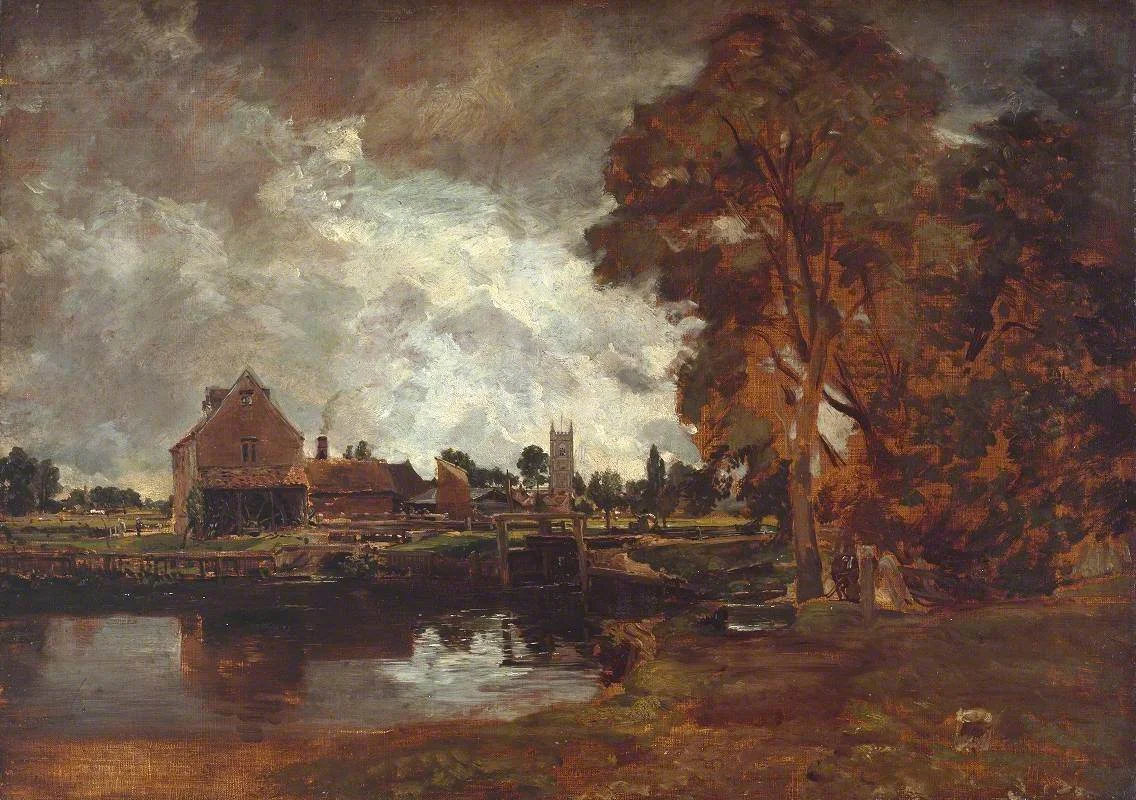
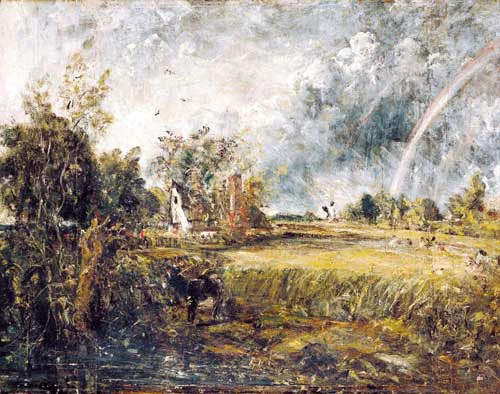
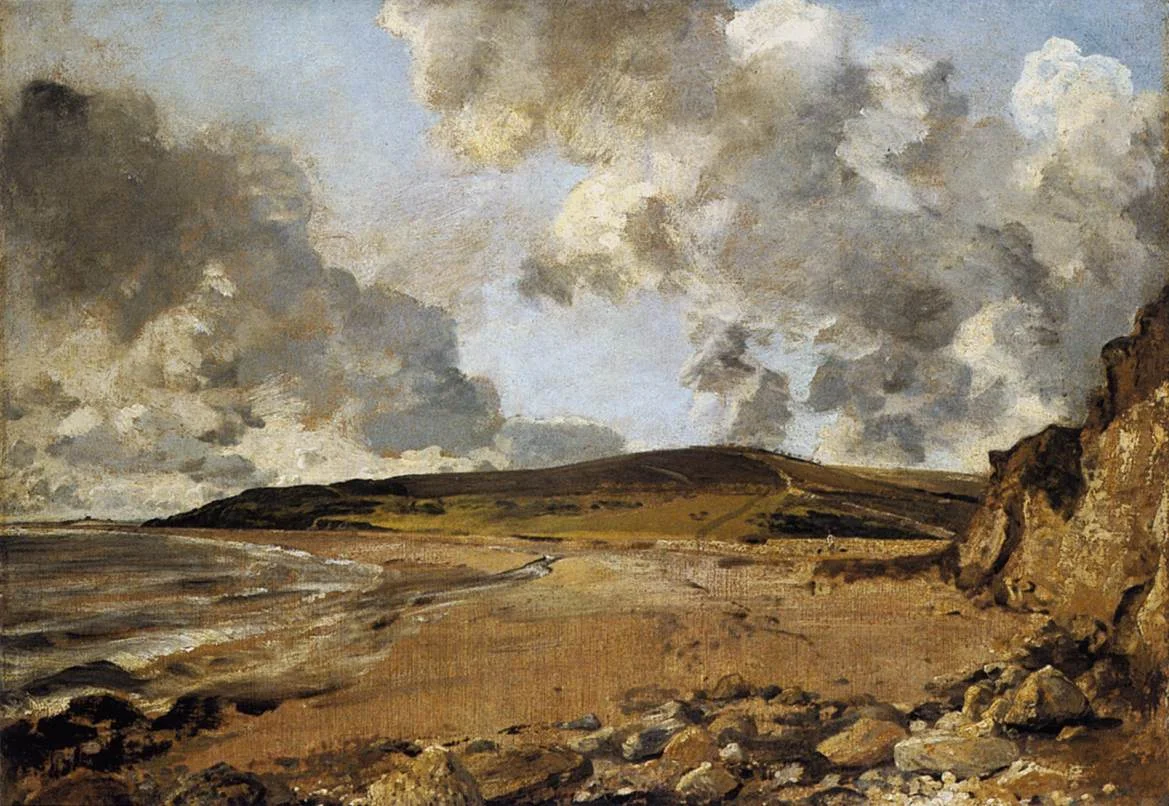
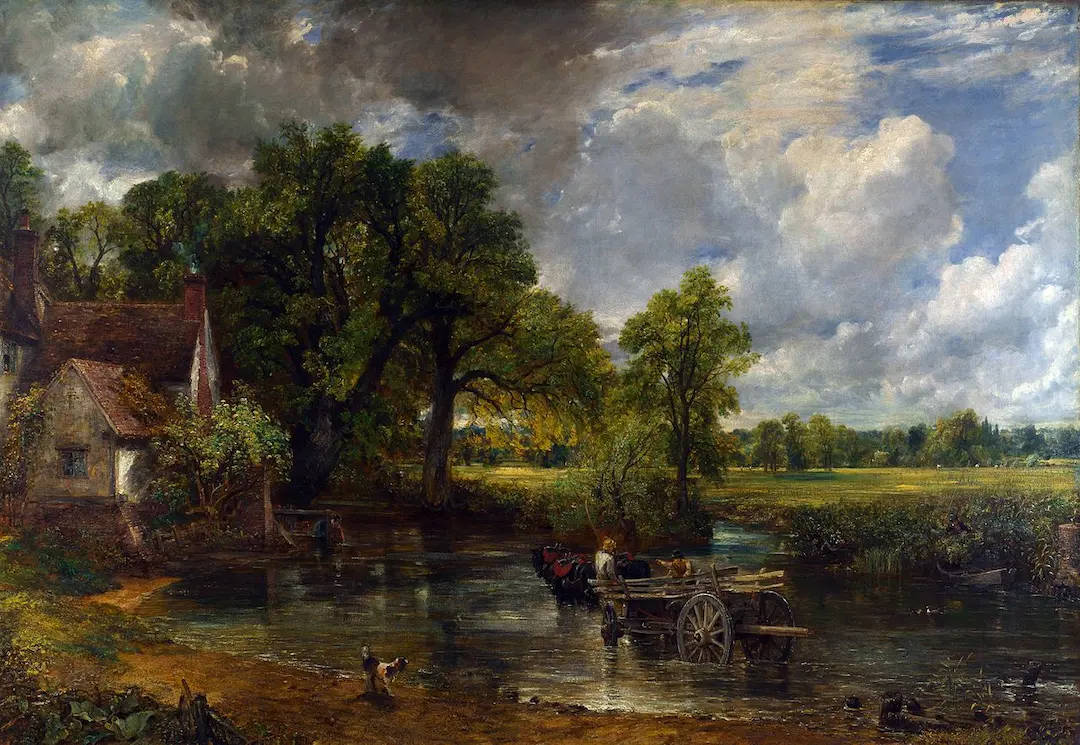
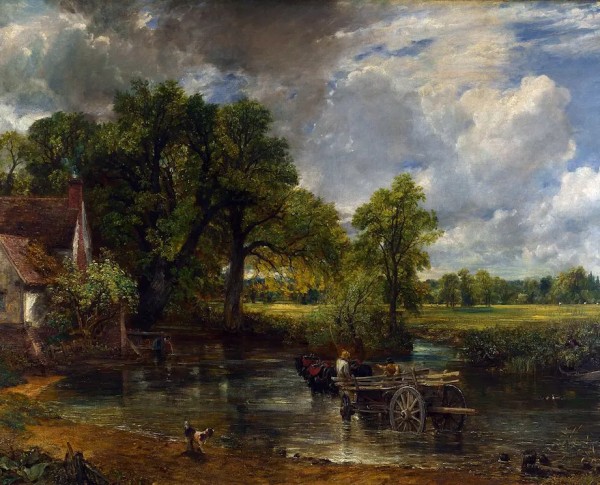
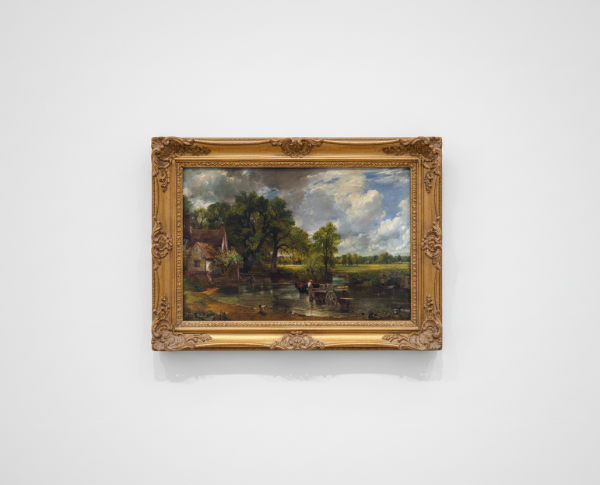
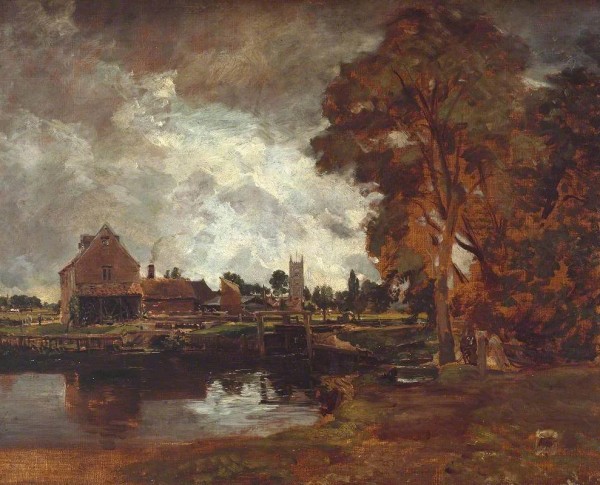
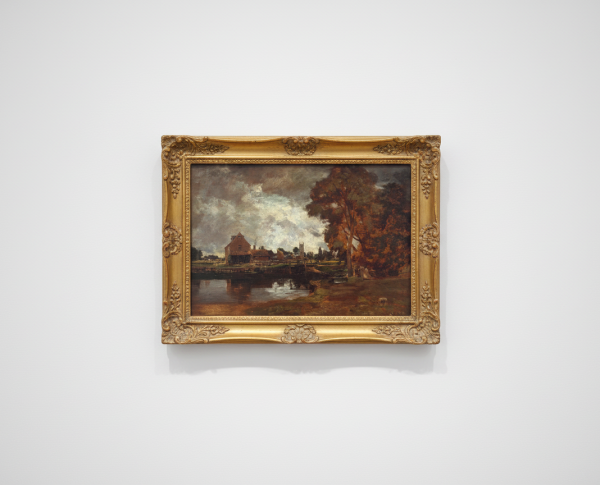
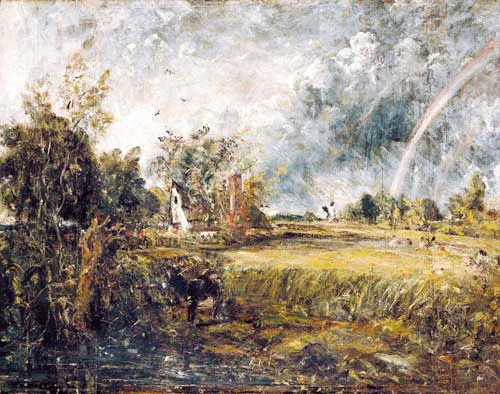
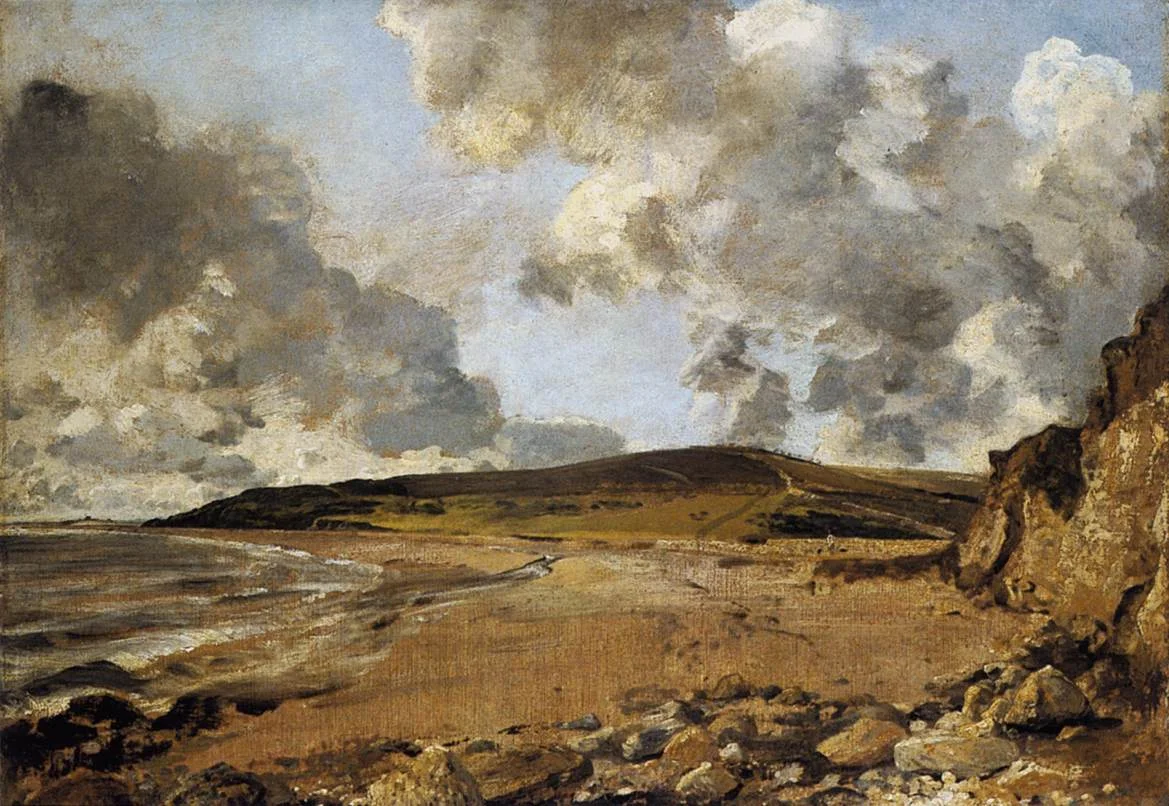
The "Cottage at East Bergholt" showcases Constable's mastery of oil on canvas, with each brushstroke conveying the lush textures of foliage and the tranquil ambiance of rural life. As a leading figure in Romanticism, Constable brought landscapes to life with vivid realism. For those seeking a fine art painting for sale, this masterpiece and related works, such as "Weymouth Bay: Bowleaze Cove and Jordon Hill," exemplify the enduring appeal of traditional oil painting techniques.
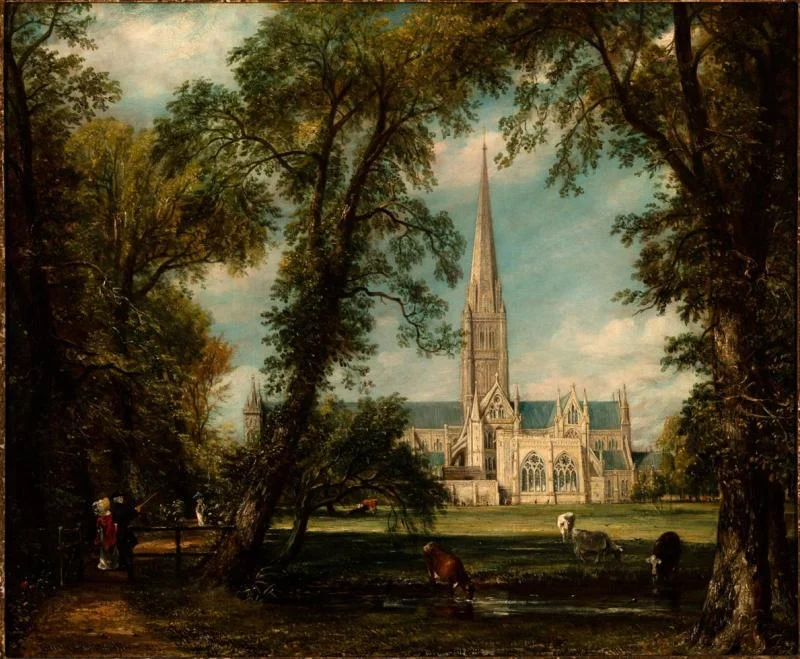
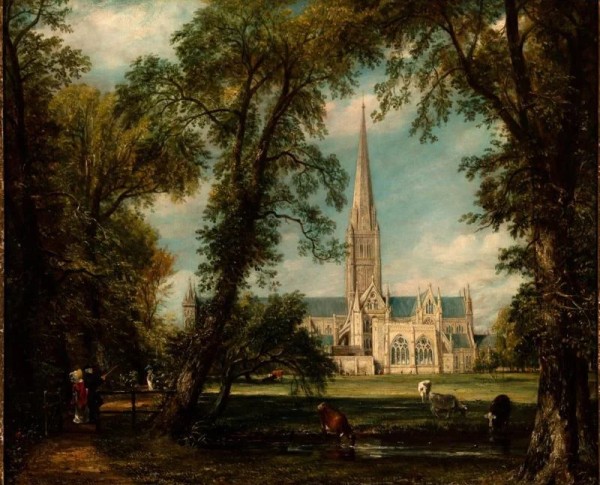
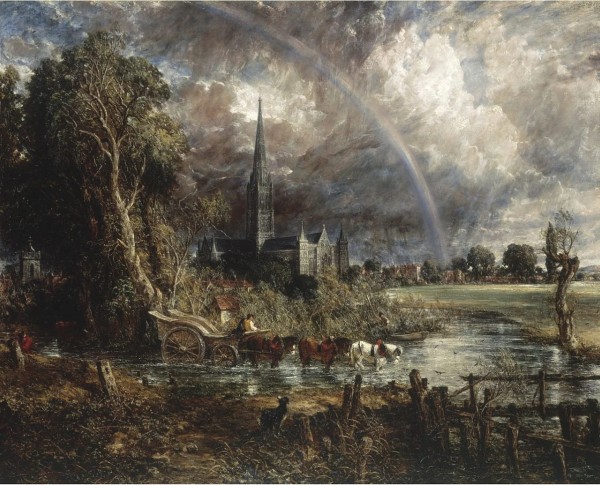
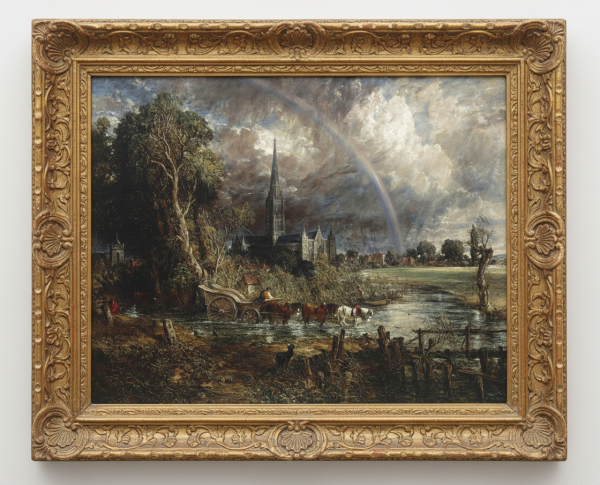
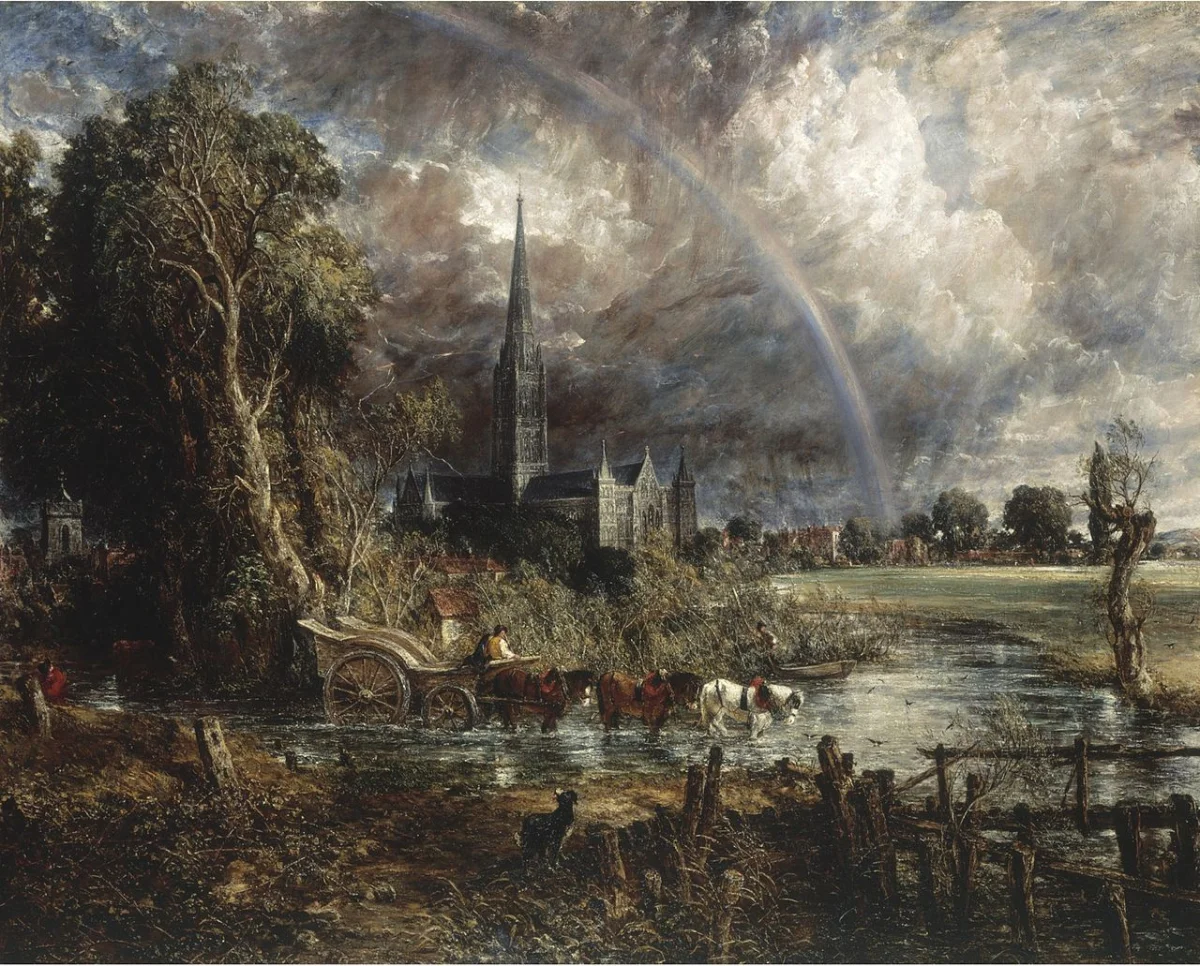
In "Cottage at East Bergholt," John Constable weaves stories of rural English life, infusing his hand-painted oil painting with symbols of home, stability, and nature’s beauty. The cottage stands as a testament to the comfort and simplicity of countryside living, a theme central to the Romanticism movement. Collectors often seek related works like "Salisbury Cathedral from the Meadows" to further explore these evocative narratives within their personal galleries.
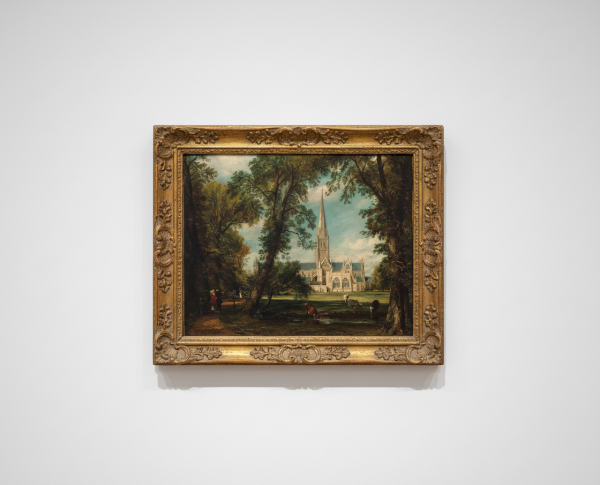
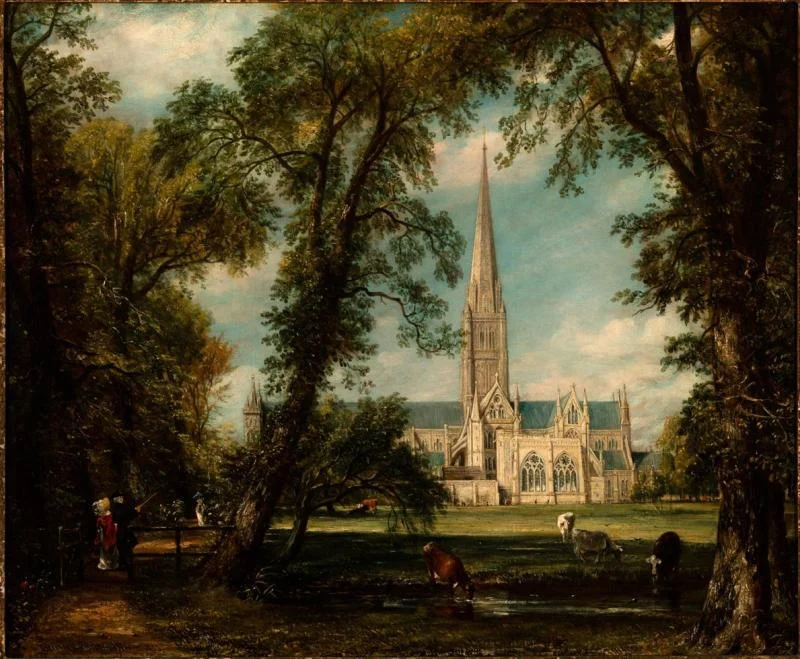
Adding "Cottage at East Bergholt" to any collection means acquiring a fine art painting for sale that embodies the spirit of Romanticism and the genius of John Constable. This oil on canvas masterpiece, along with pieces such as "Salisbury Cathedral from the Bishop's Grounds," continues to inspire art lovers and collectors alike. Each painting offers a unique glimpse into England's pastoral heritage, making them coveted treasures for discerning enthusiasts.
When Art Meets History
The hand-painted oil painting "Cottage at East Bergholt" by John Constable exemplifies the essence of the Romanticism movement. Painted in the early 19th century, this masterpiece captures rural English life and the artist’s deep connection to his hometown. John Constable’s works, alongside related paintings like "The Fighting 'Téméraire' tugged to her last Berth to be broken up" and "Hutten Grave," reflect a period when art chronicled both personal and national histories through evocative landscapes and stirring scenes.
Techniques That Speak
John Constable’s "Cottage at East Bergholt" is a prime example of oil on canvas technique used masterfully within the Romanticism movement. With expressive brushwork and a keen eye for atmospheric effects, Constable creates a vivid sense of place. His innovative use of color and light brings the countryside to life, much like in "Dawn at the Alamo" and "Santa Claus," offering viewers a glimpse into the artist’s emotional response to nature and rural England.
Emotions on Display
In "Cottage at East Bergholt," John Constable channels the spirit of Romanticism by infusing the landscape with emotion and nostalgia. The fine art painting for sale evokes a sense of tranquility and longing, inviting viewers to share in the artist’s affection for his rural roots. Similar to works like "The Lampugnani Conspiracy," Constable’s painting resonates with viewers, drawing them into a world where the beauty of everyday life is celebrated through art’s expressive power.
Coveted by Collectors
As a remarkable hand-painted oil painting, "Cottage at East Bergholt" by John Constable is highly sought after by collectors of Romanticism art. Its historical significance and technical brilliance make it a valuable addition to any collection. Collectors often seek related paintings such as "Hutten Grave" and "The Fighting 'Téméraire' tugged to her last Berth to be broken up," all of which exemplify the enduring appeal and investment potential of classic fine art from this influential era.
Related Romanticism Hand-Painted Oil Paintings by Other Artists
Other Famous Romanticism Artists:
Frequently Asked Questions About Cottage at East Bergholt
What is the historical significance of "Cottage at East Bergholt"?
"Cottage at East Bergholt" is significant as it represents John Constable's deep connection to his native landscape, reflecting the Romantic movement's emphasis on nature and emotion during the early 19th century.
What artistic techniques did John Constable use in this painting?
Constable employed techniques such as plein air painting, capturing the natural light and atmosphere, and used a vibrant color palette to evoke the beauty of the English countryside.
How does "Cottage at East Bergholt" reflect the Romantic ideals?
The painting embodies Romantic ideals by emphasizing the beauty of nature, the simplicity of rural life, and the emotional resonance of the landscape, inviting viewers to appreciate the sublime qualities of the environment.
What symbols are present in "Cottage at East Bergholt"?
The cottage itself symbolizes rural tranquility and the harmony between humanity and nature, while the surrounding landscape represents the pastoral ideal that was celebrated during Constable's time.
In what year was "Cottage at East Bergholt" painted?
John Constable painted "Cottage at East Bergholt" in 1810, a period when he was developing his unique style that focused on the English landscape.
What influences can be seen in Constable's work in this painting?
Constable was influenced by earlier landscape painters such as Claude Lorrain and Dutch masters, as well as his personal experiences and observations of the Suffolk countryside.
How did "Cottage at East Bergholt" impact the art world?
The painting contributed to the shift towards a more personal and emotional representation of landscape in art, influencing future generations of artists and the development of the Impressionist movement.
What role does light play in "Cottage at East Bergholt"?
Light plays a crucial role in the painting, as Constable captures the changing effects of sunlight on the landscape, enhancing the mood and depth of the scene.
Where is "Cottage at East Bergholt" currently displayed?
The painting is currently housed in a prominent art collection, showcasing Constable's work and its significance within the context of British art history.
What emotions does "Cottage at East Bergholt" evoke in viewers?
The painting evokes feelings of nostalgia, peace, and a sense of belonging, inviting viewers to reflect on the beauty of rural life and the connection to nature.






















_GFM_Painting_(1).webp)


 100% Hand-Painted: Finished in 3-6 Weeks

.png)















_(1).webp)