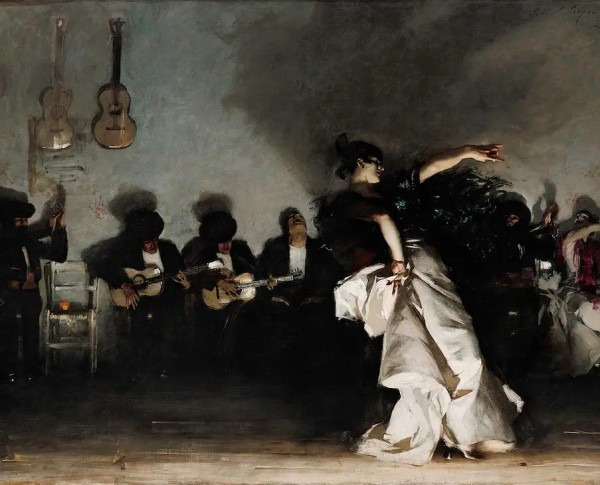
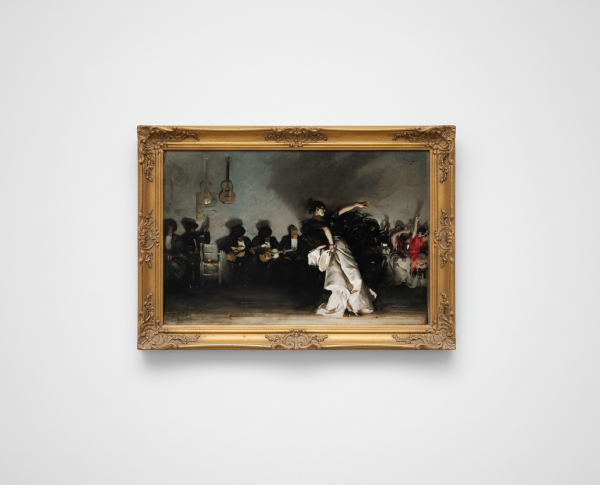
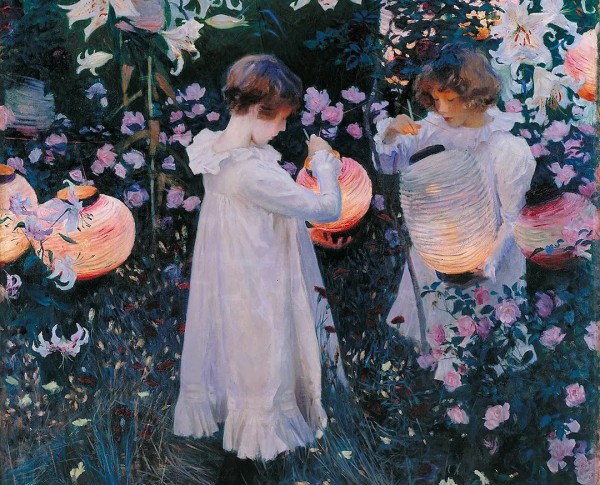
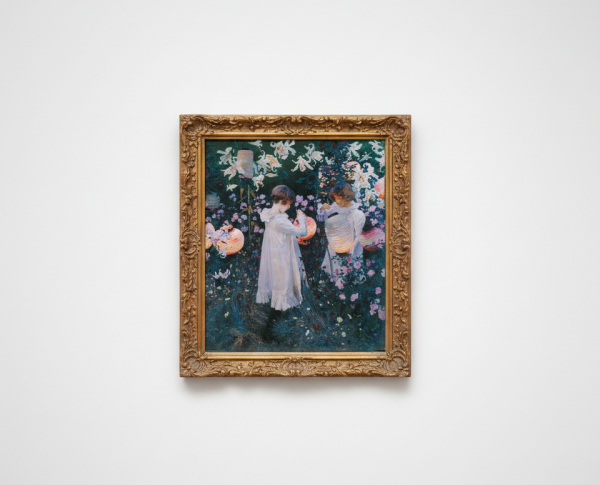
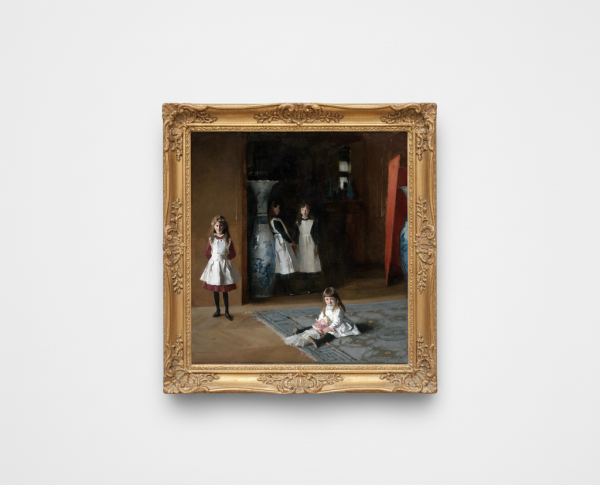
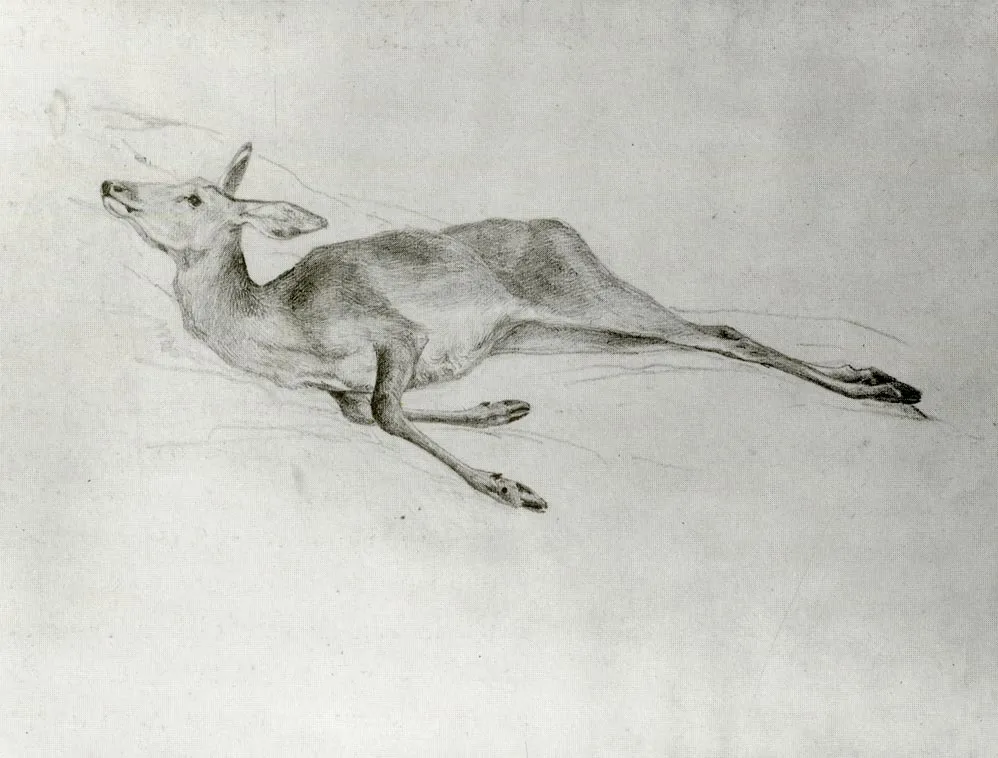
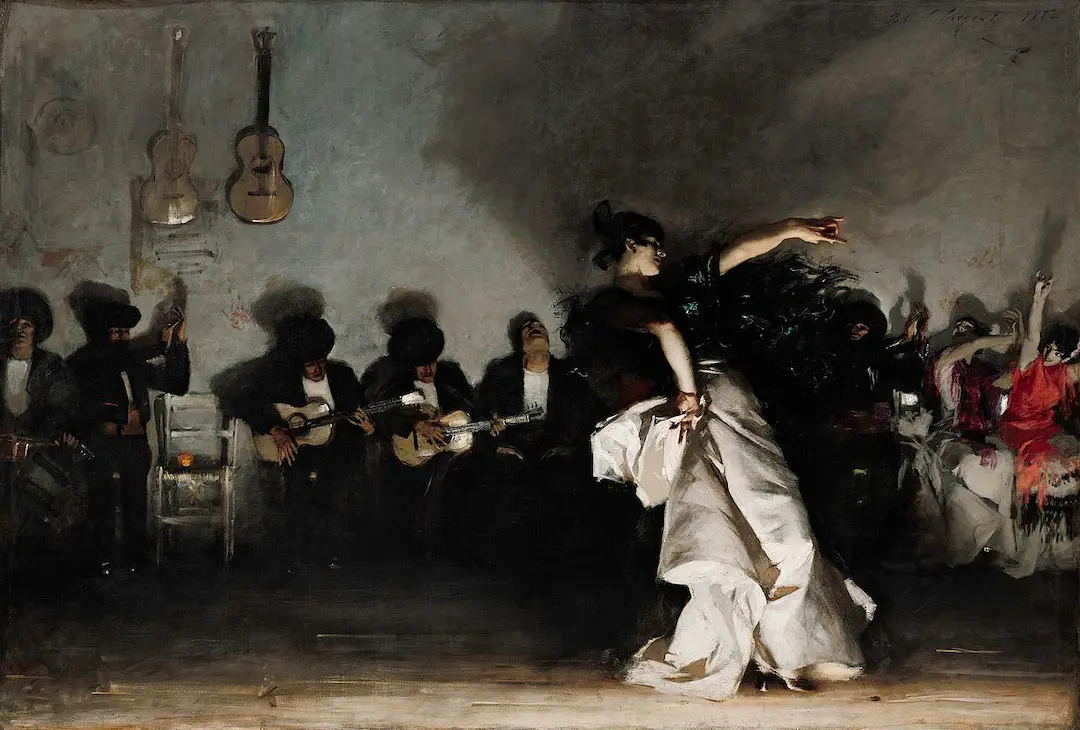
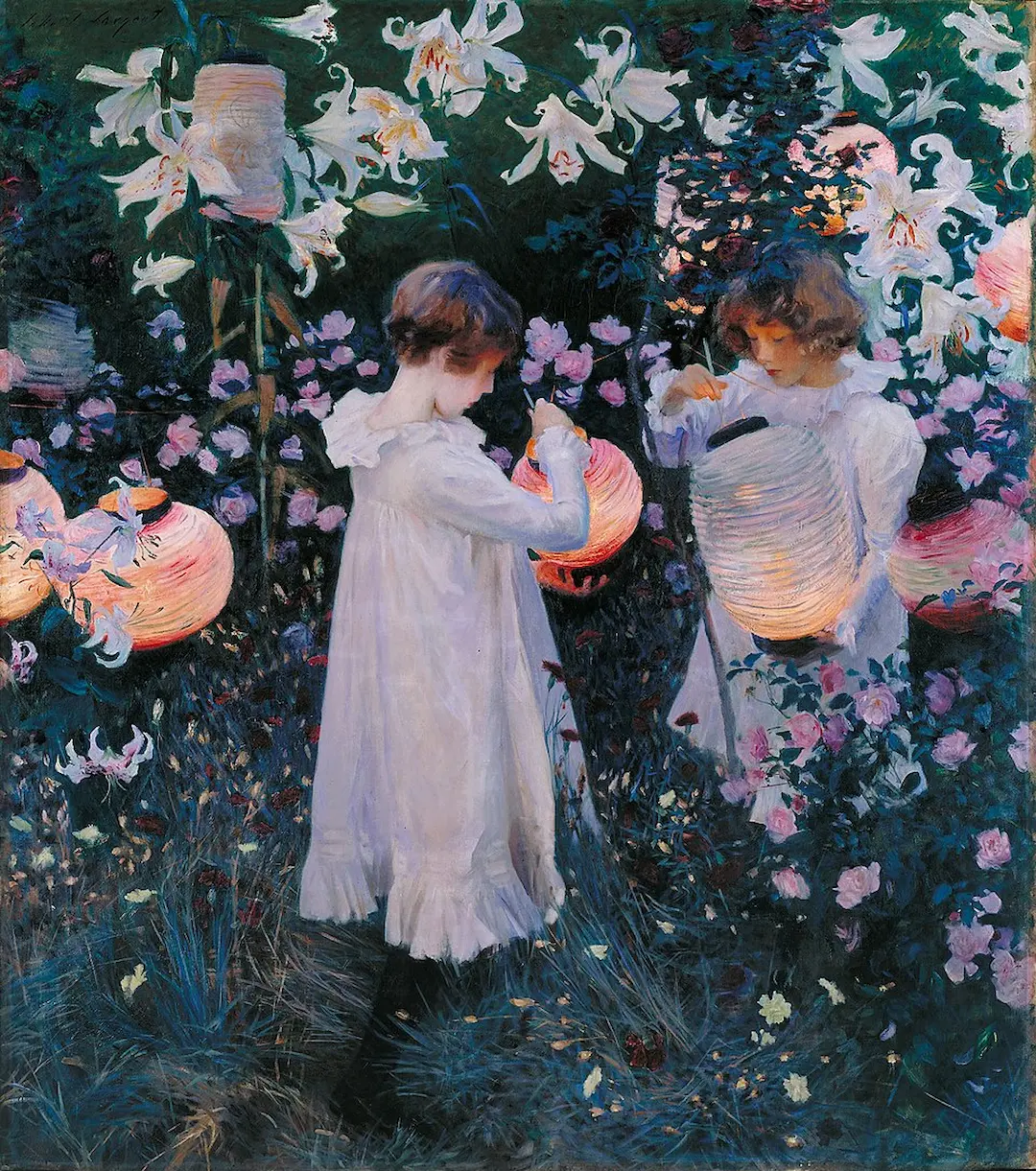
John Singer Sargent’s "Deer" showcases his exceptional technique in oil on canvas, demonstrating the fluidity and spontaneity characteristic of the American Impressionism movement. Each brushstroke reveals Sargent’s deep understanding of light, movement, and texture, making the painting a visual delight. Collectors and art enthusiasts often compare this work to his other iconic pieces such as "Carnation, Lily, Lily, Rose" and "El Jaleo," both of which highlight his command of the medium.
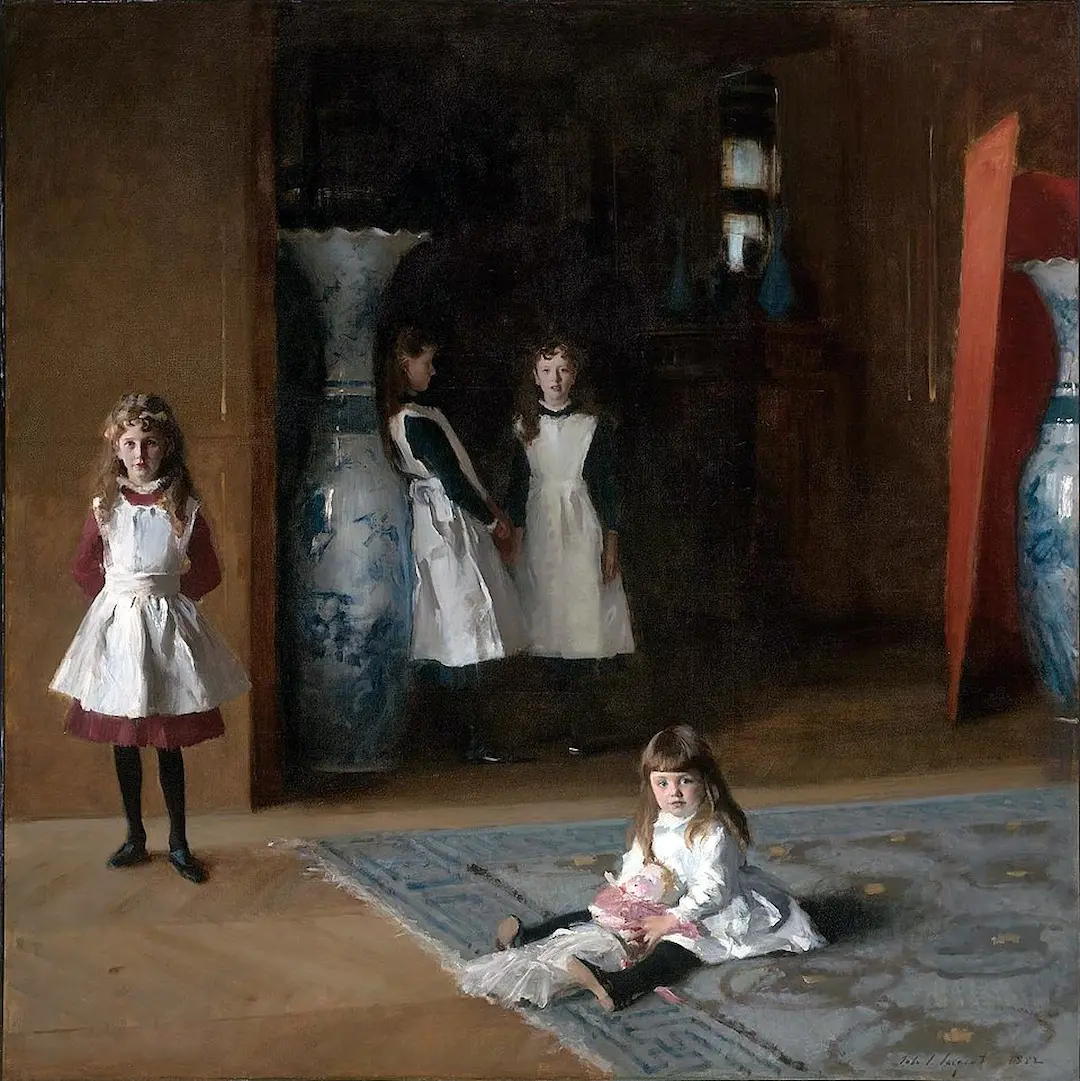
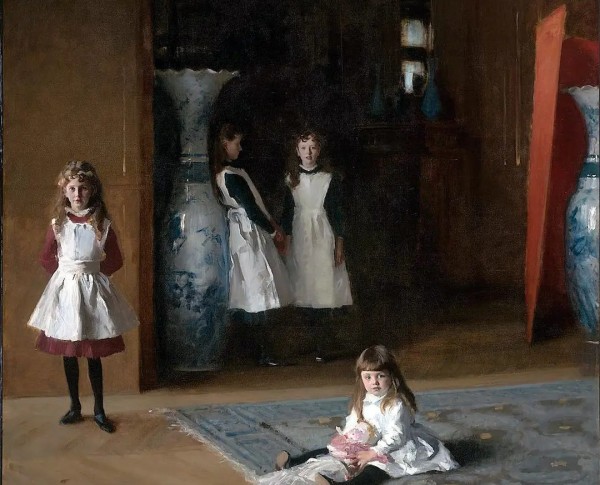
The serene imagery in Sargent’s "Deer" invites viewers to reflect on themes of nature, tranquility, and fleeting moments, all hallmarks of American Impressionism. This fine art painting for sale resonates with symbolism, as deer often represent gentleness and renewal. Sargent’s ability to infuse narrative into his works connects "Deer" with other celebrated pieces like "Madame X (or Madame Pierre Gautreau)" and "The Daughters Of Edward Darley Boit," each telling its own unique story.
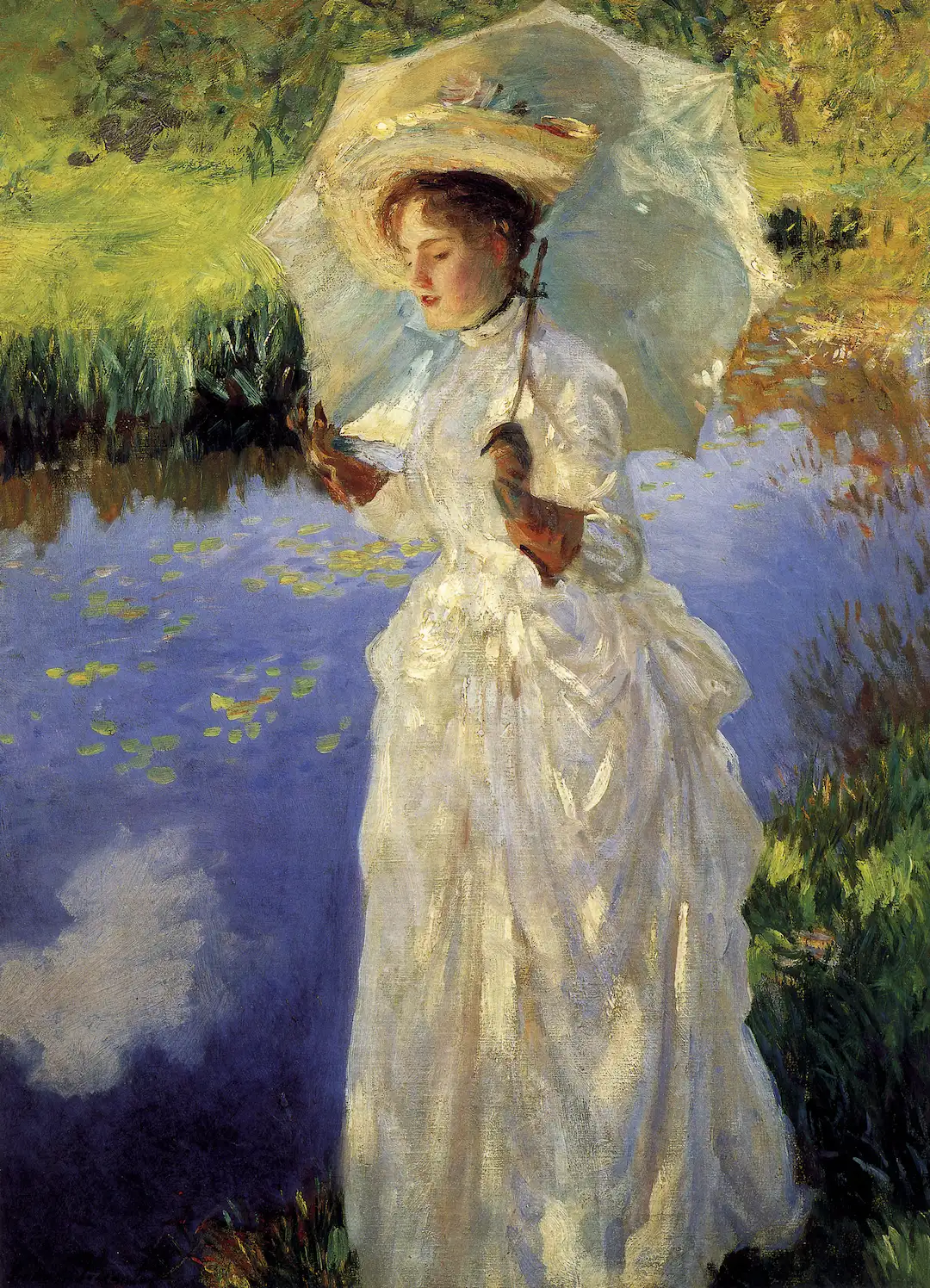
Owning John Singer Sargent’s "Deer" is a rare opportunity for anyone seeking a distinguished hand-painted oil painting from the American Impressionism era. The painting’s delicate composition and historical significance make it a coveted addition to any collection. Collectors who appreciate Sargent’s artistry may also be interested in related works such as "A Morning Walk" and "Carnation, Lily, Lily, Rose," each offering timeless elegance and investment potential.
When Art Meets History
"Deer" by John Singer Sargent stands as a testament to the American Impressionism movement, capturing the delicate interplay between nature and artistry. This hand-painted oil painting reflects Sargent’s fascination with wildlife, much like his works "The Signal Fire" and "Building the Schooner." Through "Deer," viewers are transported to a historical era where the American landscape and its creatures became central themes in fine art, bridging the gap between tradition and innovation in painting.
Techniques That Speak
Sargent’s mastery of oil on canvas is evident in every brushstroke of "Deer." The artist employs loose, expressive techniques typical of American Impressionism, allowing light and movement to animate the scene. This approach can also be seen in his related paintings, such as "Provincetown" and "Along the Seine." The vibrant, layered application of paint brings the subject to life, showcasing Sargent’s unique ability to evoke atmosphere and depth with his chosen medium.
Emotions on Display
"Deer" evokes a sense of tranquility and wonder, inviting viewers to experience the serenity of nature through Sargent’s eyes. The painting’s composition and color palette stir emotions similar to those found in "Winter" and "When the Land Belonged to God." As a fine art painting for sale, "Deer" offers collectors and admirers a powerful emotional connection to the natural world, highlighting the reflective and immersive qualities of American Impressionism.
Coveted by Collectors
As one of John Singer Sargent’s celebrated works, "Deer" is highly sought after by art enthusiasts and collectors. Its status as a hand-painted oil painting within the American Impressionism movement adds to its allure, making it a prized addition to any collection. Alongside masterpieces like "Whose Meat?" and "Building the Schooner," "Deer" continues to captivate audiences, affirming Sargent’s enduring legacy in the world of fine art and oil painting.
Related American Impressionism Hand-Painted Oil Paintings by Other Artists
Other Famous American Impressionism Artists:
Frequently Asked Questions About Deer
What is the historical context of John Singer Sargent's painting "Deer"?
"Deer" was painted during a time when Sargent was exploring themes of nature and wildlife, reflecting the late 19th to early 20th century interest in realism and the natural world.
What artistic techniques did John Singer Sargent employ in "Deer"?
Sargent utilized his signature loose brushwork and vibrant color palette to convey the texture of the deer's fur and the surrounding environment, creating a lifelike representation.
What is the significance of the deer in this painting?
The deer often symbolizes grace, gentleness, and the beauty of nature, which are central themes in Sargent's work, highlighting the connection between humanity and the natural world.
How does "Deer" reflect Sargent's overall artistic style?
This painting exemplifies Sargent's ability to blend impressionistic techniques with realistic detail, showcasing his mastery in capturing light and form.
In what ways does "Deer" connect to the broader movement of American Impressionism?
"Deer" embodies elements of American Impressionism through its focus on natural subjects and the use of light, aligning with the movement's emphasis on capturing fleeting moments in nature.
What influences can be seen in Sargent's depiction of wildlife in "Deer"?
Sargent was influenced by both European and American artistic traditions, drawing inspiration from naturalist painters and the Romantic movement's fascination with wildlife and landscapes.
What materials did Sargent likely use to create "Deer"?
Sargent typically worked with oil paints on canvas, allowing for rich color application and the ability to create texture, which is evident in the painting's execution.
How does the composition of "Deer" enhance its thematic elements?
The composition draws the viewer's eye towards the deer, framed by its natural surroundings, emphasizing the harmony between the animal and its environment, a key theme in Sargent's work.
What role does light play in the painting "Deer"?
Light is a crucial element in "Deer," as Sargent skillfully captures the way sunlight interacts with the deer's form and the surrounding foliage, enhancing the painting's realism and depth.
How has "Deer" been received by art critics and historians?
<p"deer" has="" been="" praised="" for="" its="" technical="" prowess="" and="" emotional="" resonance,="" with="" critics="" noting="" sargent's="" ability="" to="" evoke="" a="" sense="" of="" tranquility="" connection="" nature,="" solidifying="" place="" in="" art="" history.






















_GFM_Painting_(1).webp)


 100% Hand-Painted: Finished in 3-6 Weeks

.png)













.webp)



_(1).webp)