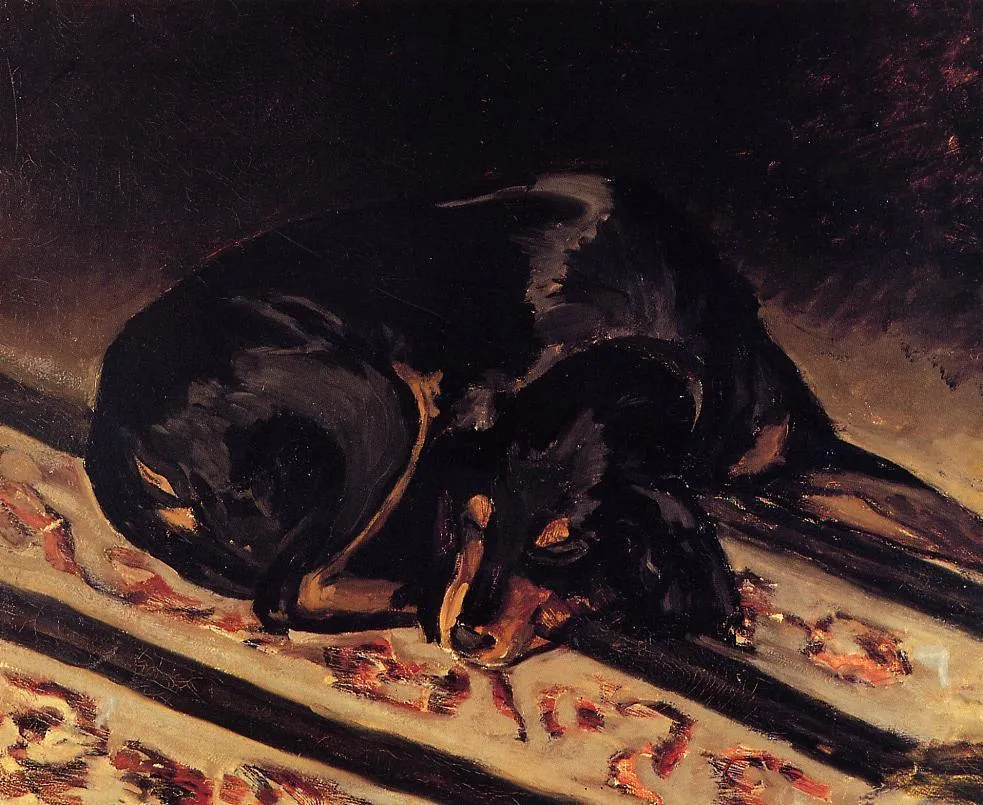
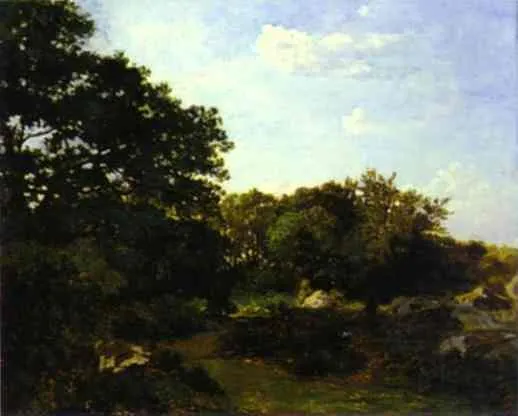
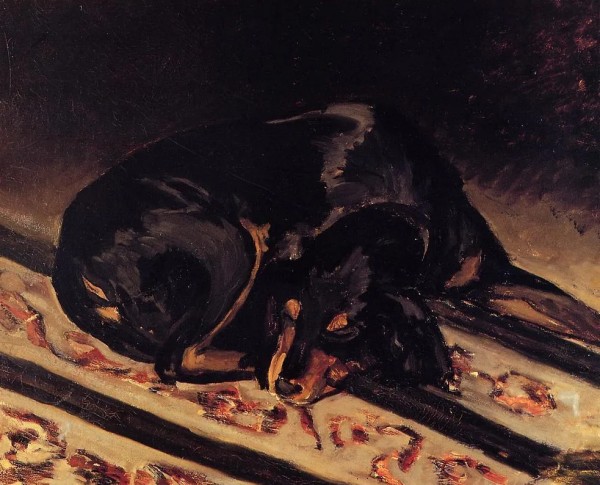
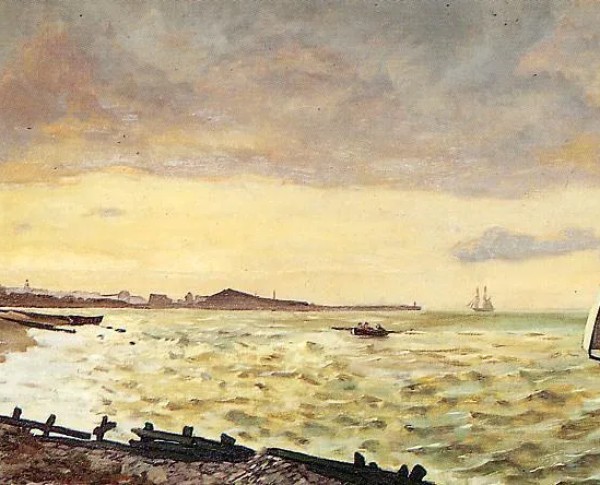
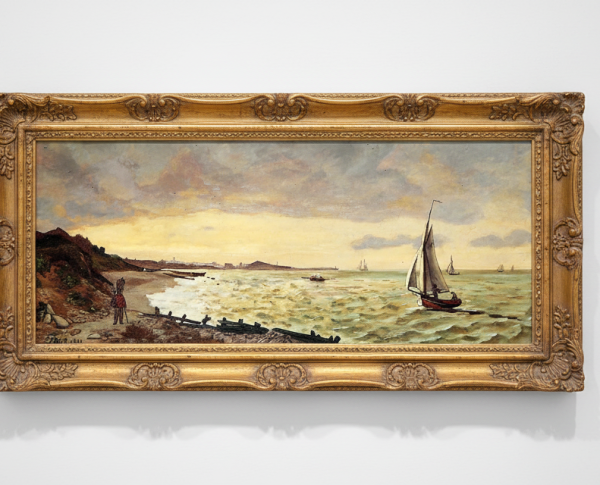
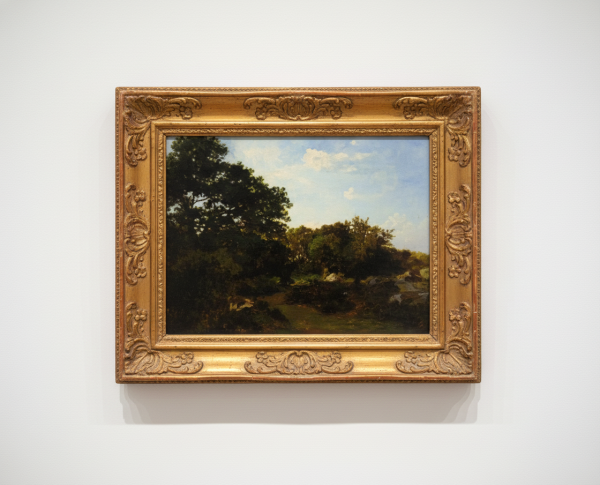
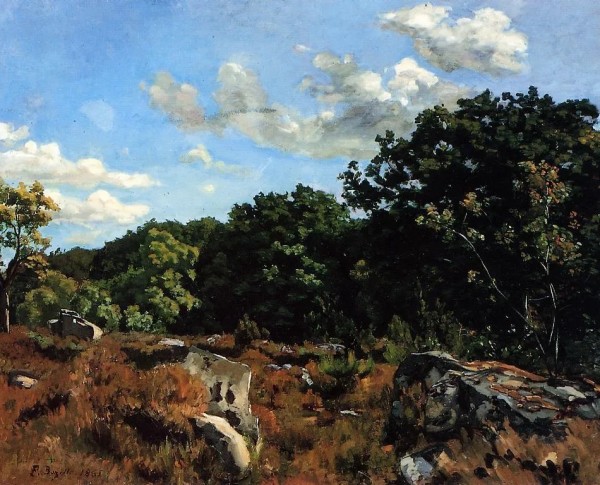
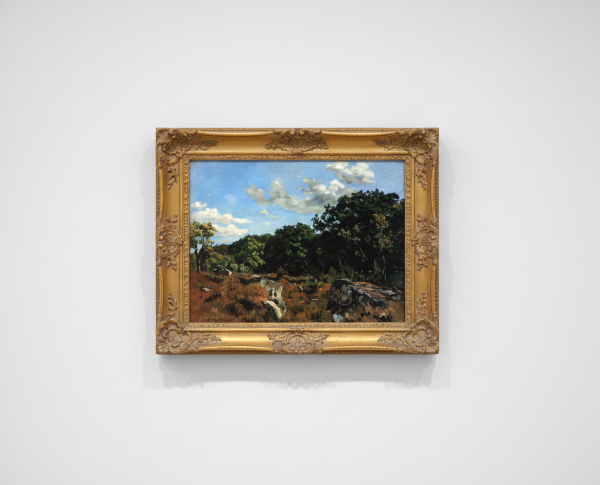
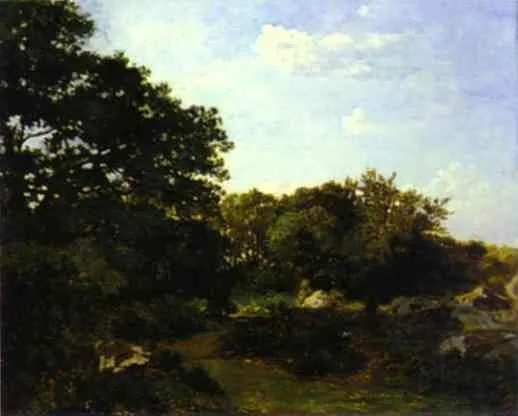
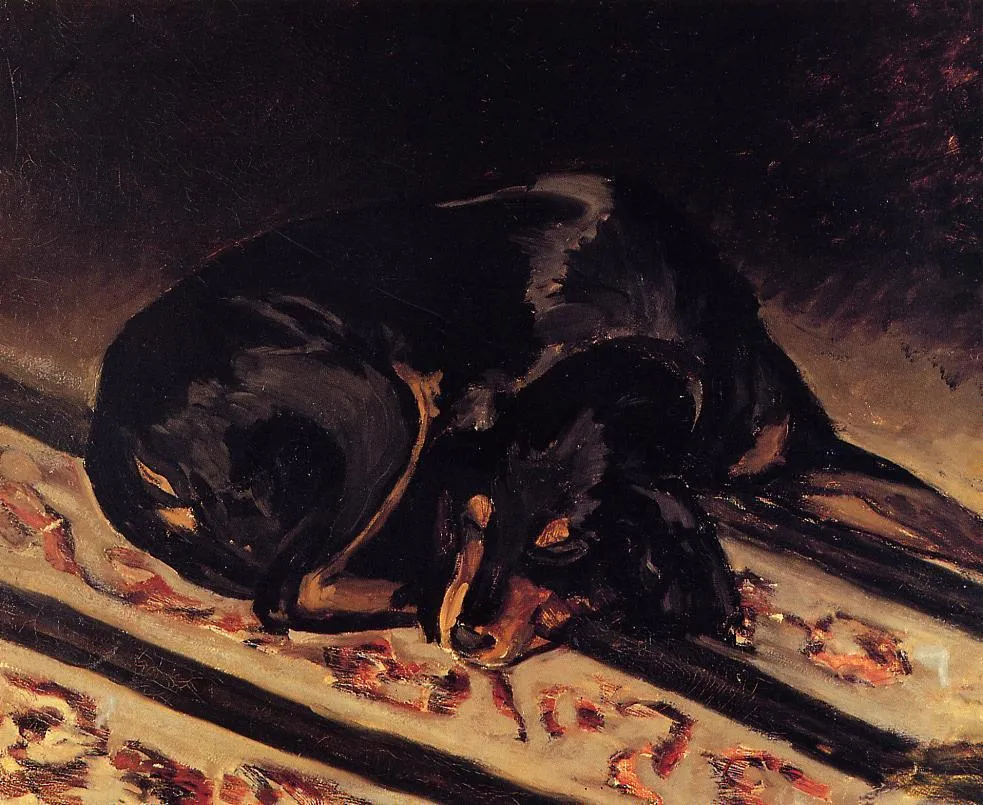
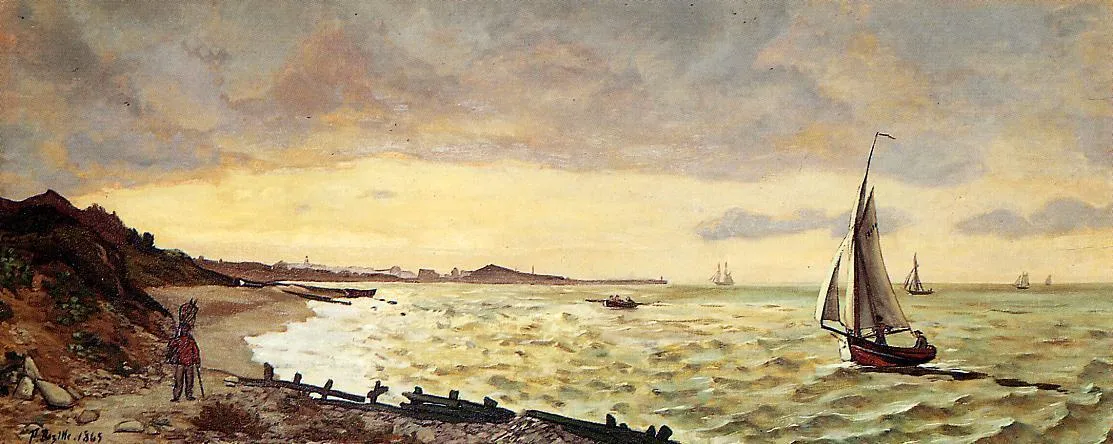
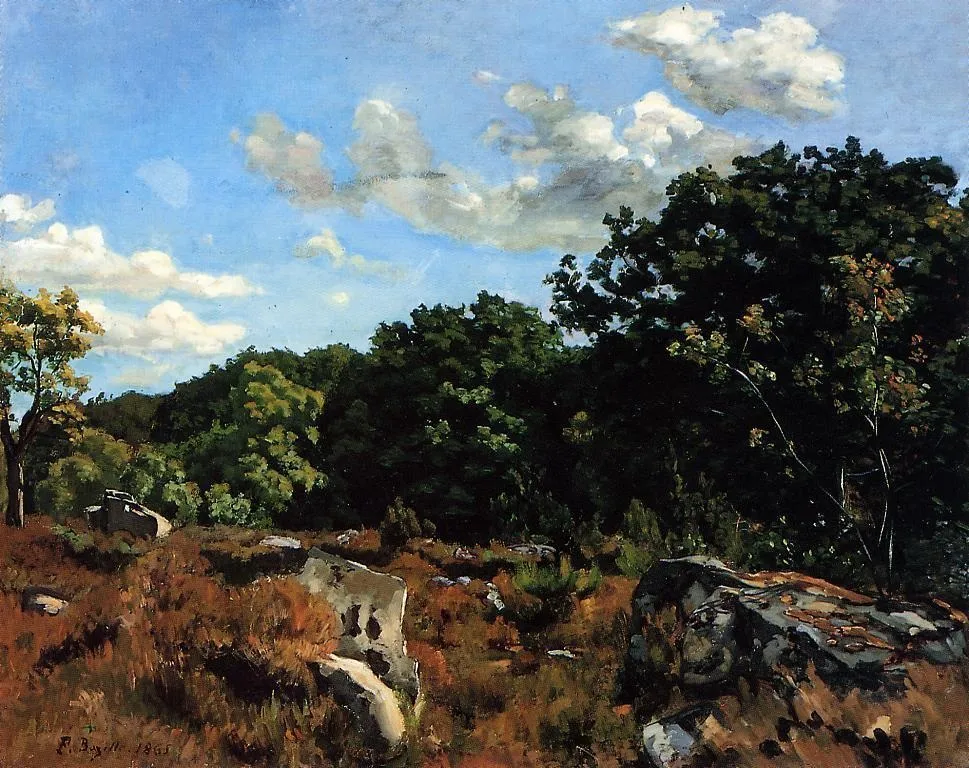
Bazille’s "Forest of Fontainebleau" demonstrates exceptional skill in oil on canvas technique, offering viewers a vivid glimpse into the lush French woodland. Each detail, from the dappled sunlight to the intricate foliage, showcases his mastery of color and composition. As a prominent Realism artist, Bazille’s ability to convey mood and atmosphere in this oil on canvas painting rivals his contemporaries and complements other celebrated works such as "The Dog Rita Asleep" and "Beach at Sainte-Adresse".
Within "Forest of Fontainebleau", Frederic Bazille weaves subtle narratives into the Realism landscape, inviting interpretation and admiration. The painting’s tranquil setting symbolizes a retreat from urban life, resonating with those who appreciate nature’s quiet power. This fine art painting for sale offers collectors the chance to own a piece rich in meaning, perfectly pairing with related Bazille creations like "The Dog Rita Asleep" and the tranquil "Beach at Sainte-Adresse".
For art enthusiasts, "Forest of Fontainebleau" represents a prized addition to any collection, exemplifying the allure of hand-painted oil painting from the Realism movement. Frederic Bazille’s attention to natural detail and atmospheric depth ensures this artwork remains timeless. Collectors interested in expanding their portfolio will find this piece, along with "The Dog Rita Asleep" and "Beach at Sainte-Adresse", to be outstanding examples of Bazille’s enduring legacy in fine art painting for sale.
When Art Meets History
"Forest of Fontainebleau" by Frederic Bazille stands as a testament to the Realism movement, capturing the serene beauty of nature with meticulous detail. Painted during a period when artists sought authenticity, this hand-painted oil painting reflects Bazille's dedication to capturing the world as it is. Like his contemporaries with works such as "The Walk to Work" and "The Spanish Singer," Bazille contributed significantly to art history by immortalizing the landscapes that inspired generations of painters.
Techniques That Speak
Bazille's "Forest of Fontainebleau" showcases masterful brushwork and a nuanced use of light, characteristic of oil on canvas techniques perfected in the Realism era. The artist's skillful layering brings depth and vibrancy to the forest scene, echoing the technical prowess seen in related paintings like "Little House in Dusseldorf" and "Saint Thomas." Every stroke in this oil on canvas masterpiece reveals Bazille's commitment to lifelike representation and his innovative approach within the Realism movement.
Emotions on Display
The tranquil atmosphere in "Forest of Fontainebleau" evokes a sense of peace and introspection, hallmarks of a fine art painting for sale. Bazille’s ability to convey mood through natural settings aligns with the emotive power found in works such as "Charge of the Rough Riders at San Juan Hill." This painting immerses viewers in the quiet majesty of the forest, inviting emotional connection and personal reflection, which are central themes within the Realism movement.
Coveted by Collectors
As a celebrated piece by Frederic Bazille, "Forest of Fontainebleau" remains highly sought after by collectors of hand-painted oil paintings. Its association with the Realism movement and its kinship to masterpieces like "The Spanish Singer" and "Saint Thomas" enhance its desirability. Art enthusiasts value this painting for its historical significance, technical excellence, and enduring appeal, making it a prized addition to any collection of fine art painting for sale.
Related Realism Hand-Painted Oil Paintings by Other Artists
Other Famous Realism Artists:
Frequently Asked Questions About Forest of Fontainebleau
What is the historical significance of "Forest of Fontainebleau"?
"Forest of Fontainebleau" is significant as it captures the essence of the Impressionist movement, showcasing the transition from traditional to modern art in the late 19th century. Frederic Bazille, a key figure in this movement, painted this work during a period of artistic experimentation.
What artistic techniques did Frederic Bazille use in this painting?
Frederic Bazille employed loose brushwork and a vibrant color palette to convey the natural beauty of the forest. His technique emphasizes light and shadow, creating a sense of depth and movement within the landscape.
How does "Forest of Fontainebleau" reflect the Impressionist movement?
The painting reflects the Impressionist movement through its focus on capturing the fleeting effects of light and atmosphere. Bazille's choice of subject matter—a serene natural landscape—highlights the movement's interest in plein air painting and the beauty of everyday scenes.
What symbols can be found in "Forest of Fontainebleau"?
The forest itself symbolizes tranquility and the beauty of nature, while the play of light represents the passage of time and the transient nature of life. These elements together evoke a sense of peace and introspection.
In what context was "Forest of Fontainebleau" created?
"Forest of Fontainebleau" was created during a time when artists were increasingly turning away from academic traditions. Bazille painted this work while he was influenced by his contemporaries, including Claude Monet and Pierre-Auguste Renoir, who were exploring new ways to depict light and color.
What role did the Forest of Fontainebleau play in French art history?
The Forest of Fontainebleau has been a significant site for artists since the 19th century, serving as an inspiration for many painters. It became a favored location for Impressionists, who sought to capture its natural beauty and changing light.
How does Bazille's background influence "Forest of Fontainebleau"?
As a member of the Impressionist circle, Bazille's background as a student of traditional techniques allowed him to blend classical elements with innovative approaches. His understanding of color theory and composition is evident in this painting, showcasing his unique style.
What emotions does "Forest of Fontainebleau" evoke?
The painting evokes feelings of serenity and contemplation. The lush greenery and soft light create a peaceful atmosphere, inviting viewers to immerse themselves in the tranquility of nature.
How has "Forest of Fontainebleau" been received by art critics over the years?
Over the years, "Forest of Fontainebleau" has been praised for its innovative approach and masterful use of color. Critics have recognized it as a significant work that exemplifies the qualities of Impressionism and Bazille's contributions to the movement.
What legacy did Frederic Bazille leave through works like "Forest of Fontainebleau"?
Frederic Bazille's legacy lies in his role as a pioneer of Impressionism. His works, including "Forest of Fontainebleau," continue to influence artists today, demonstrating the importance of capturing the beauty of nature and the effects of light in painting.























_GFM_Painting_(1).webp)


 100% Hand-Painted: Finished in 3-6 Weeks

.png)















_(1).webp)