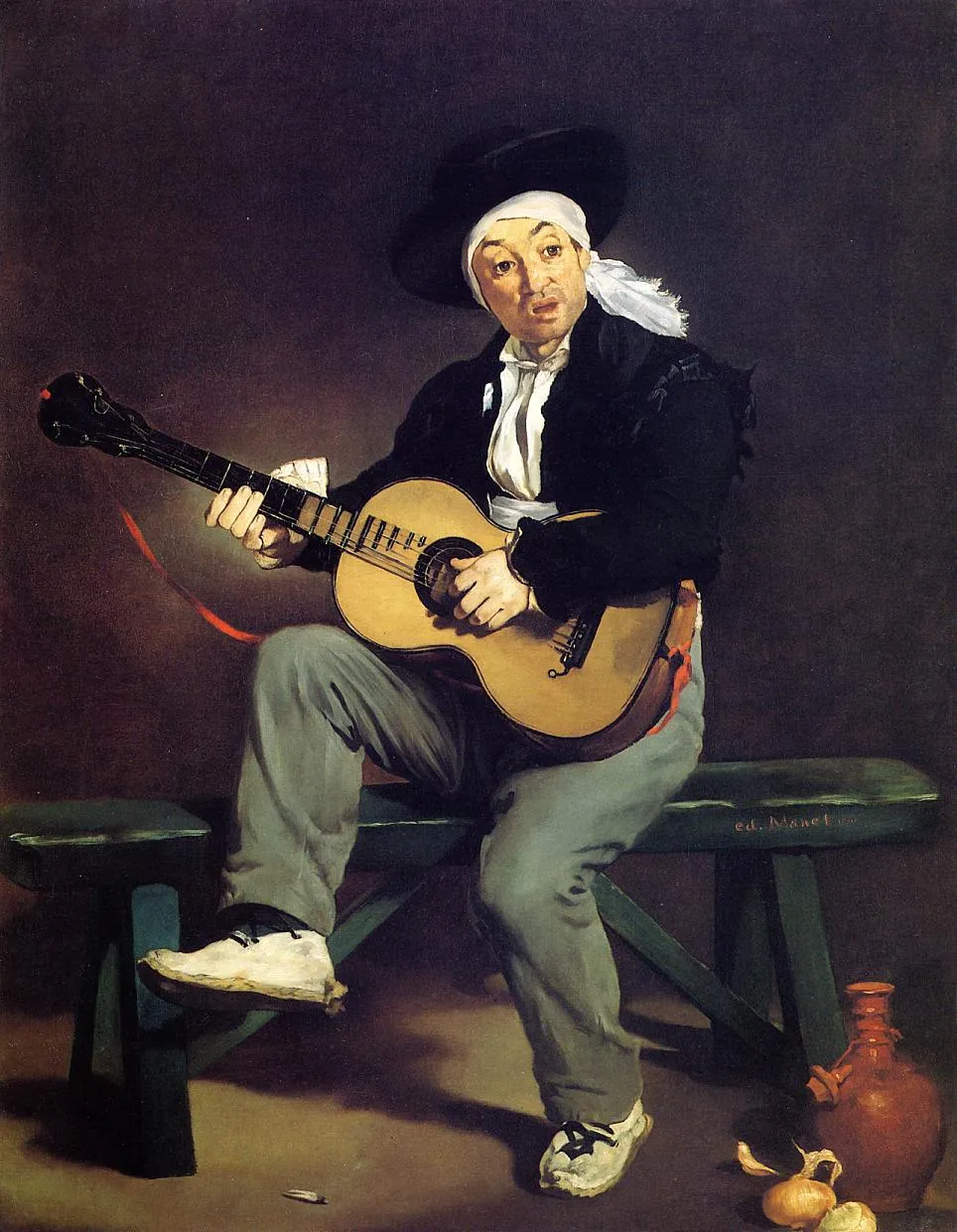
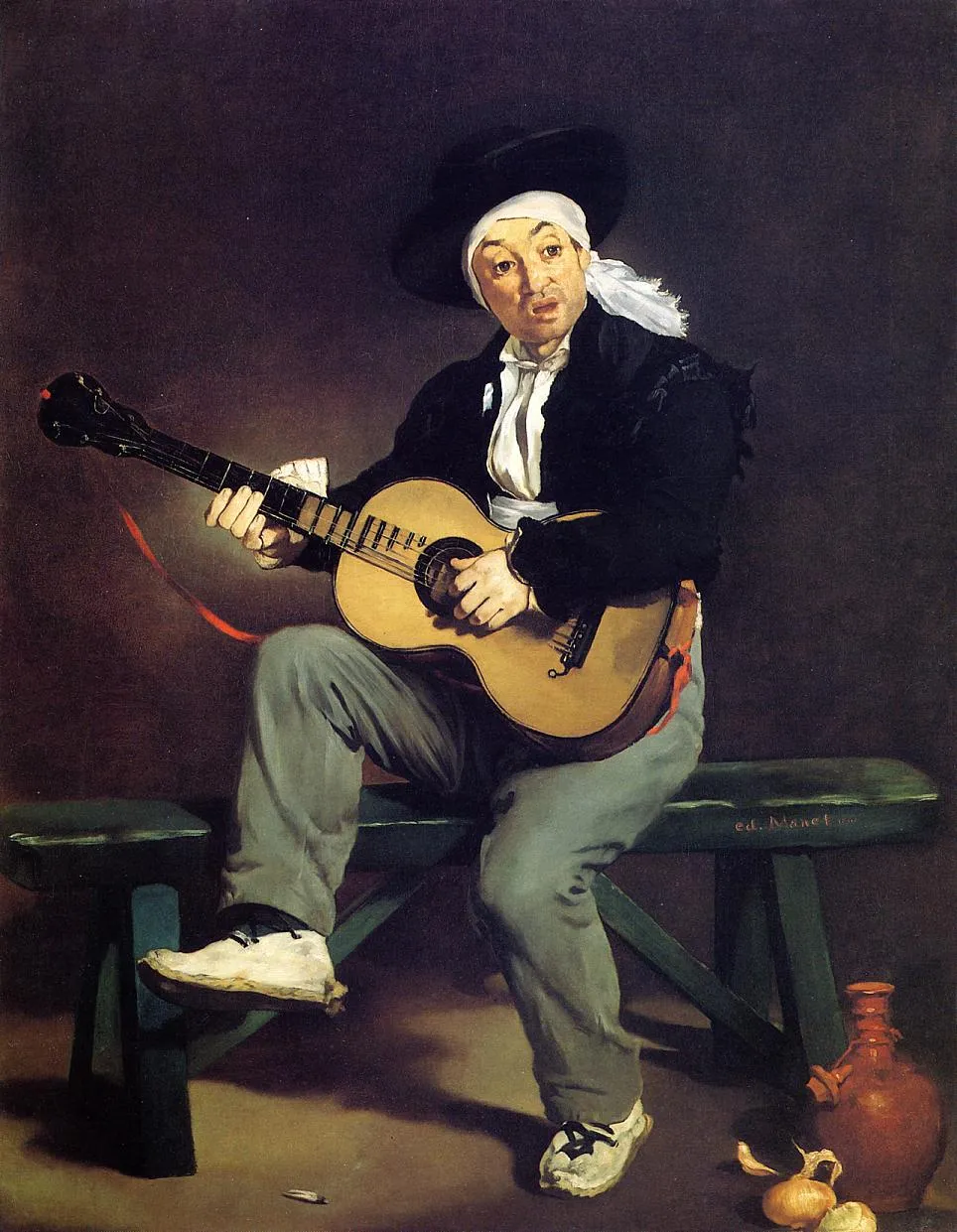
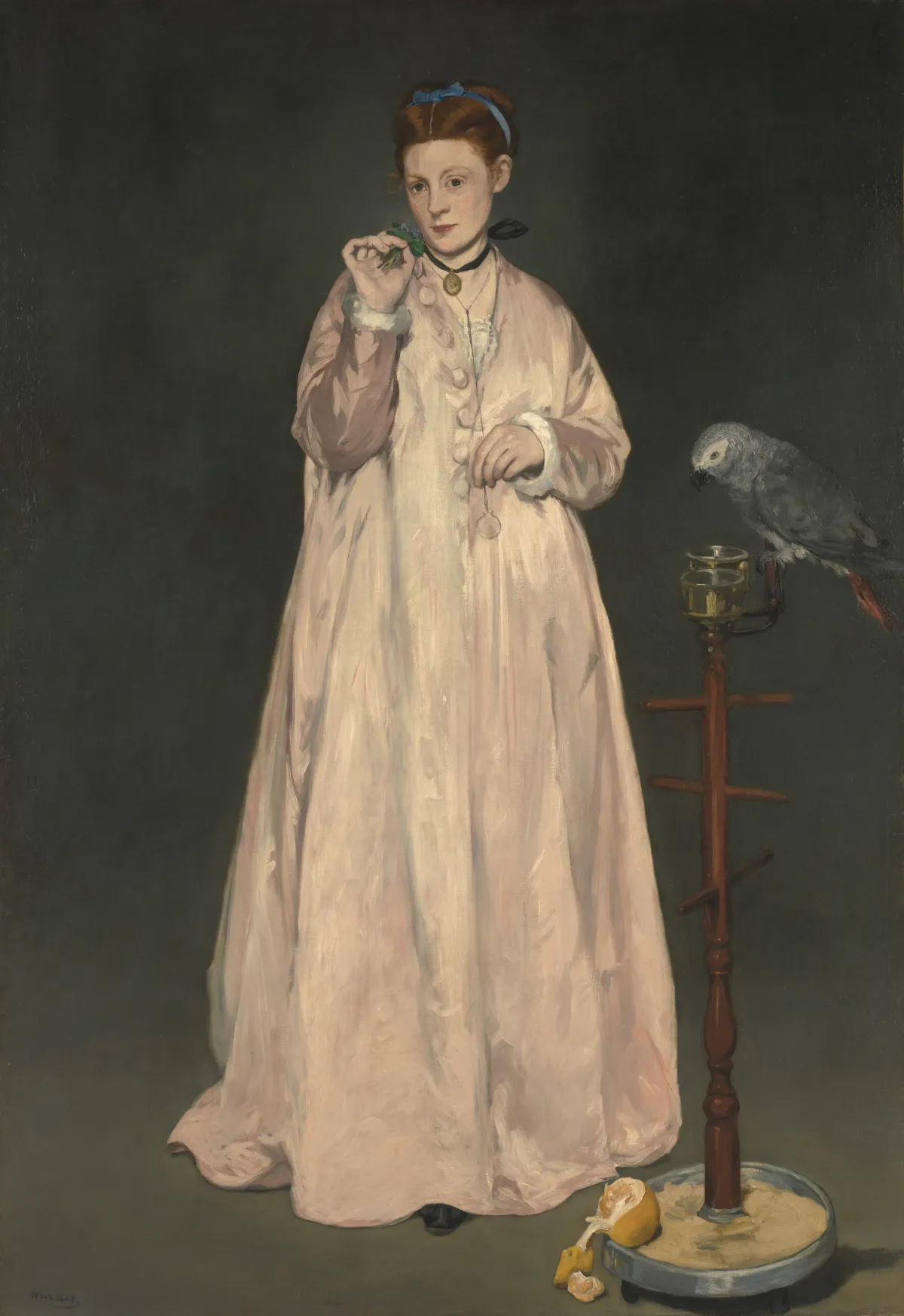
Edouard Manet’s "The Spanish Singer" showcases his exceptional skill with oil on canvas, a medium that allows for depth and texture. The painting’s lifelike depiction is a hallmark of the Realism movement, setting it apart from more stylized approaches. Collectors and enthusiasts often seek similar works, including "The Italian woman" and "The Boy with Cherries," appreciating the tactile quality and detail that Manet brings to each oil on canvas masterpiece.
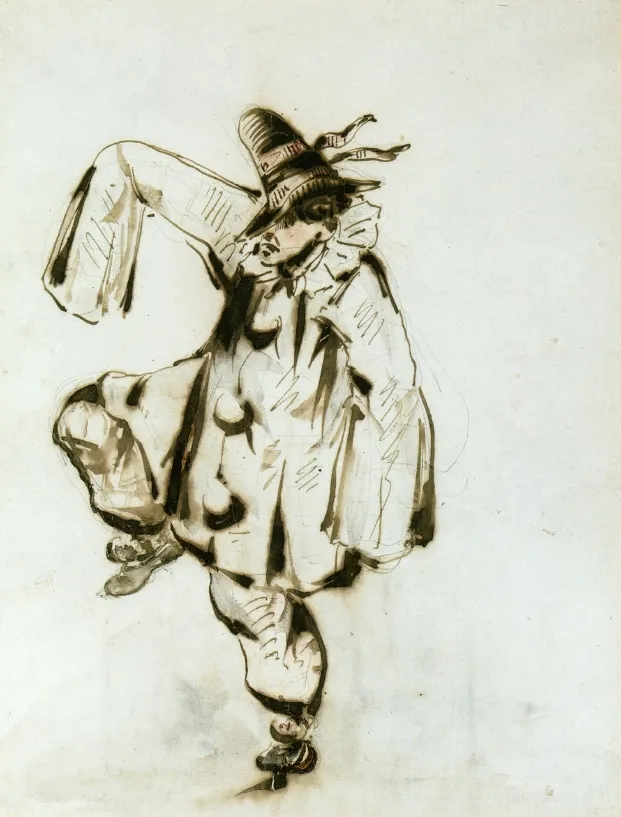
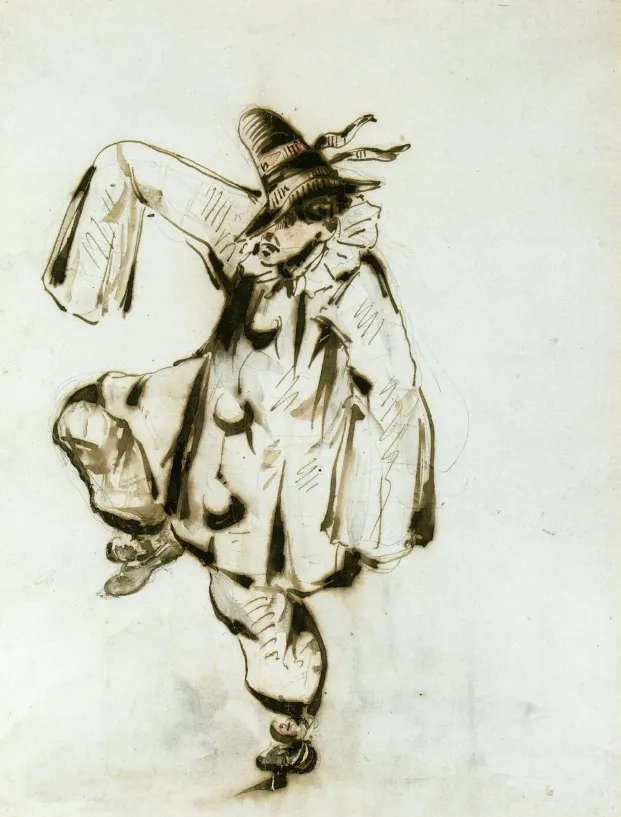
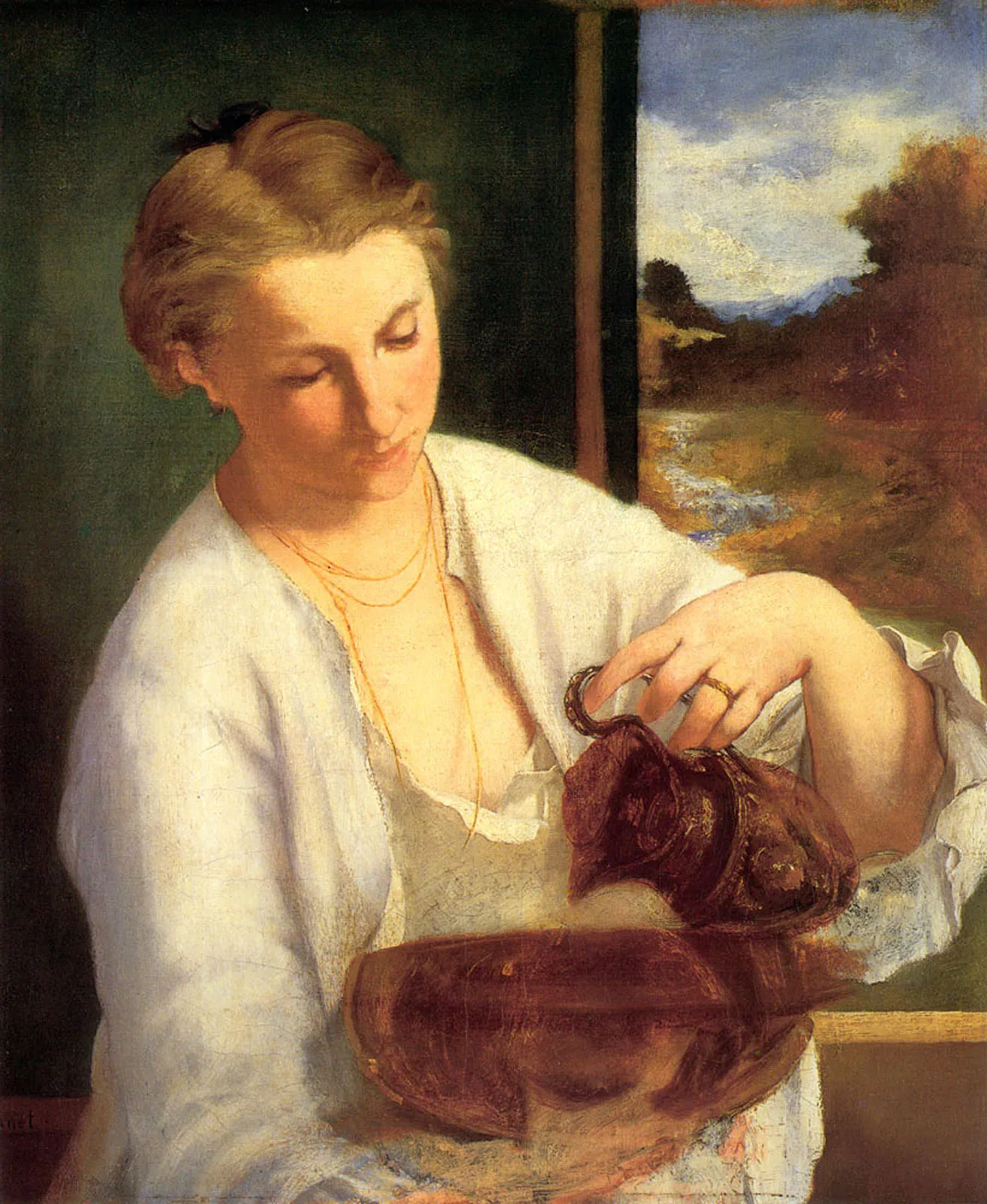
"The Spanish Singer" is more than a portrait; it tells a story rooted in culture and music, reflecting the Realism movement’s focus on authentic representation. Manet’s hand-painted oil painting invites viewers to interpret the subject’s expression and attire, hinting at Spain’s rich artistic traditions. Those who admire this narrative style may also enjoy "Pierrot dancing" and "A woman pouring water," both of which feature compelling storytelling through fine art painting for sale.
Owning "The Spanish Singer" by Edouard Manet would be a crowning achievement for any collector of Realism. As an oil on canvas work, it exemplifies the artist’s command of light and form, making it a coveted piece among connoisseurs. Collectors often pair it with related works like "The barque of Dante" or "The Boy with Cherries," seeking to build a collection of iconic fine art painting for sale that celebrates the best of 19th-century artistry.
When Art Meets History
Edouard Manet’s “The Spanish Singer” stands as a pivotal example of the Realism movement, capturing a vivid moment in 19th-century art. This hand-painted oil painting reflects Manet’s fascination with Spanish themes and contemporary life, bridging tradition and modernity. Alongside related works like “Dressing for the Carnival” and “The Winnower,” “The Spanish Singer” offers insight into the social and cultural transformations of its era, making it a significant milestone in the history of fine art.
Techniques That Speak
Manet’s masterful use of oil on canvas in “The Spanish Singer” showcases his innovative brushwork and attention to light and texture. The artist’s application of bold strokes and dramatic contrasts brings the figure to life, embodying the essence of Realism. Similar techniques can be observed in Manet’s other works, such as “Little House in Dusseldorf” and “Death and the Woodcutter.” This approach set new standards for artists seeking authenticity in their oil on canvas creations.
Emotions on Display
“The Spanish Singer” by Edouard Manet radiates emotion, capturing the intensity and spirit of its subject through expressive posture and gaze. The painting’s realistic portrayal draws viewers into the sitter’s world, offering a glimpse of humanity that is both personal and universal. Like “Portrait of Brigadier General Joseph Lewis Hogg,” this fine art painting for sale appeals to collectors who value works that stir the soul and reflect the Realism movement’s core values.
Coveted by Collectors
Collectors greatly prize “The Spanish Singer,” recognizing its importance in Edouard Manet’s career and the broader Realism movement. Its status as a hand-painted oil painting adds to its allure among connoisseurs seeking rare masterpieces. Alongside Manet’s other celebrated pieces, such as “Dressing for the Carnival,” this work remains a sought-after treasure for those looking to own a significant fine art painting for sale, symbolizing both artistic achievement and historical resonance.
Related Realism Hand-Painted Oil Paintings by Other Artists
Other Famous Realism Artists:
Frequently Asked Questions About The Spanish Singer
What is the historical significance of "The Spanish Singer"?
"The Spanish Singer," painted by Édouard Manet in 1860, is significant as it marks a transition in Manet's style, reflecting his interest in Spanish culture and the influence of Spanish artists on his work.
What artistic techniques did Manet employ in "The Spanish Singer"?
Manet utilized loose brushwork and a vibrant color palette in "The Spanish Singer," showcasing his innovative approach to capturing light and texture, which would later influence the Impressionist movement.
What themes are explored in "The Spanish Singer"?
The painting explores themes of cultural identity and the celebration of artistic expression, as it depicts a Spanish singer immersed in the act of performance, highlighting the emotional connection between artist and audience.
How does "The Spanish Singer" reflect Manet's view on modernity?
"The Spanish Singer" reflects Manet's view on modernity by portraying a contemporary subject in a traditional genre, merging the old with the new and emphasizing the importance of everyday life in art.
What role does color play in "The Spanish Singer"?
Color plays a crucial role in "The Spanish Singer," as Manet employs a rich and varied palette to evoke mood and emotion, drawing the viewer's attention to the singer's expressive features and dynamic pose.
What is the significance of the singer's pose in the painting?
The singer's pose is significant as it conveys a sense of intimacy and engagement with the viewer, inviting them into the performance and emphasizing the emotional depth of the artistic experience.
How does "The Spanish Singer" compare to other works by Manet?
Compared to other works by Manet, "The Spanish Singer" showcases his ability to blend realism with a sense of theatricality, setting it apart from his more controversial pieces like "Olympia" and "Luncheon on the Grass."
What influences can be seen in "The Spanish Singer" from Spanish art?
Influences from Spanish art are evident in "The Spanish Singer" through the use of dramatic lighting and the focus on a singular figure, reminiscent of works by Spanish masters such as Diego Velázquez and Francisco Goya.
What was the public's reaction to "The Spanish Singer" upon its exhibition?
Upon its exhibition, "The Spanish Singer" received mixed reactions, with some praising Manet's innovative style while others criticized it for its departure from traditional academic standards, reflecting the contentious nature of art during that period.
What is the current location of "The Spanish Singer"?
"The Spanish Singer" is currently housed in the collection of the Museo Thyssen-Bornemisza in Madrid, Spain, where it continues to be appreciated for its artistic and historical value.






















_GFM_Painting_(1).webp)


 100% Hand-Painted: Finished in 3-6 Weeks

.png)
















_(1).webp)