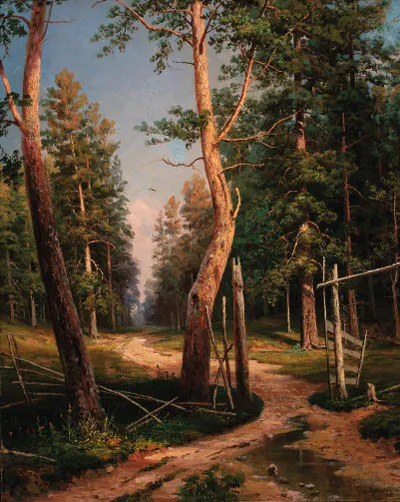
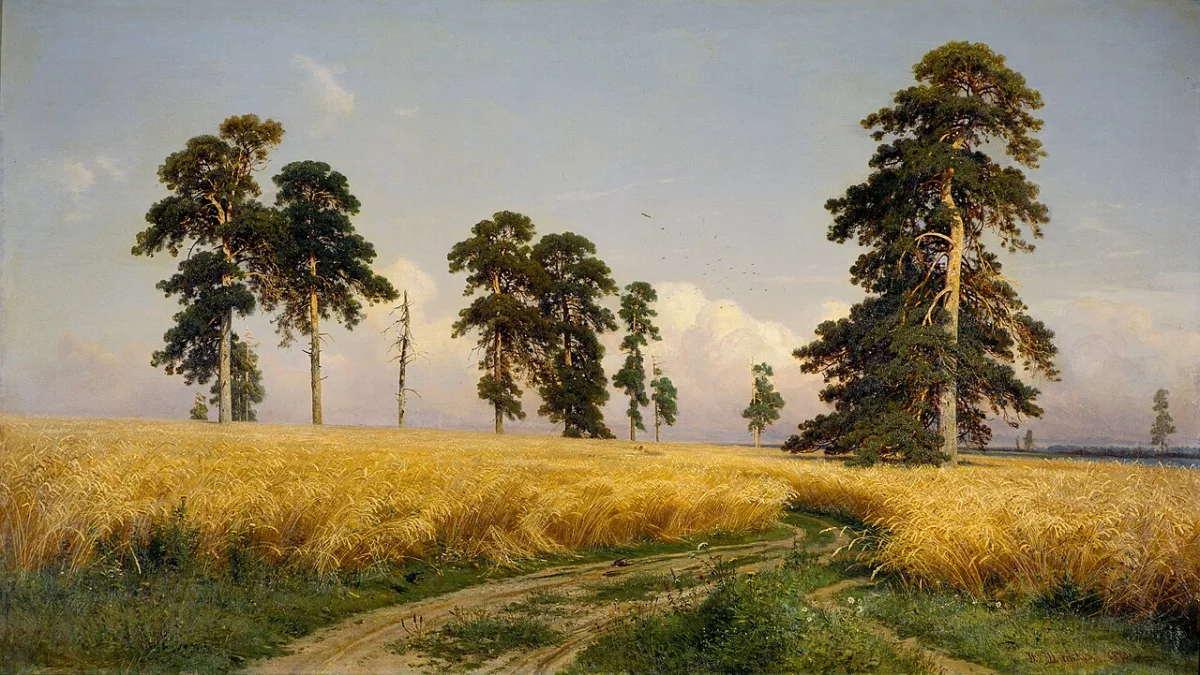
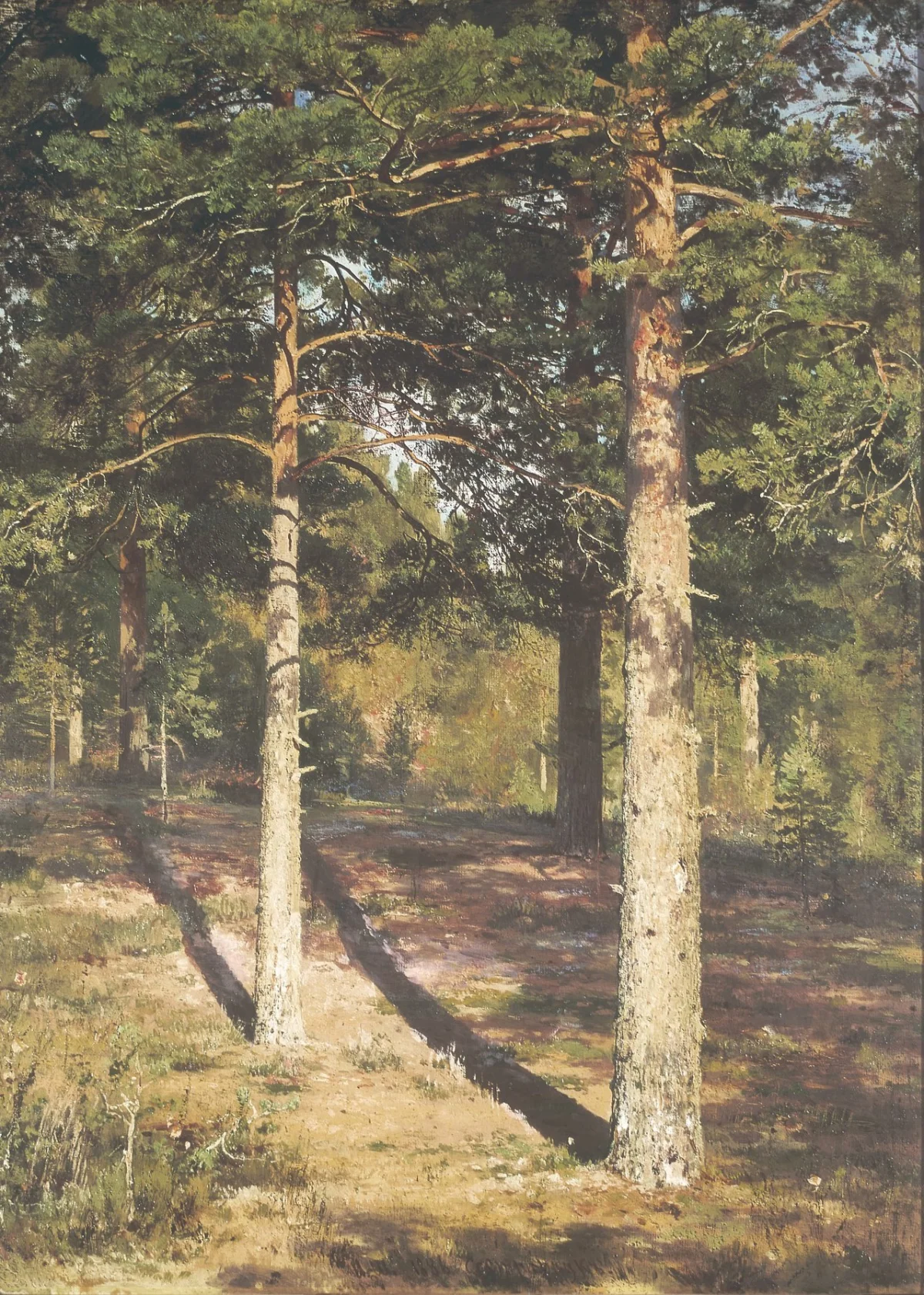
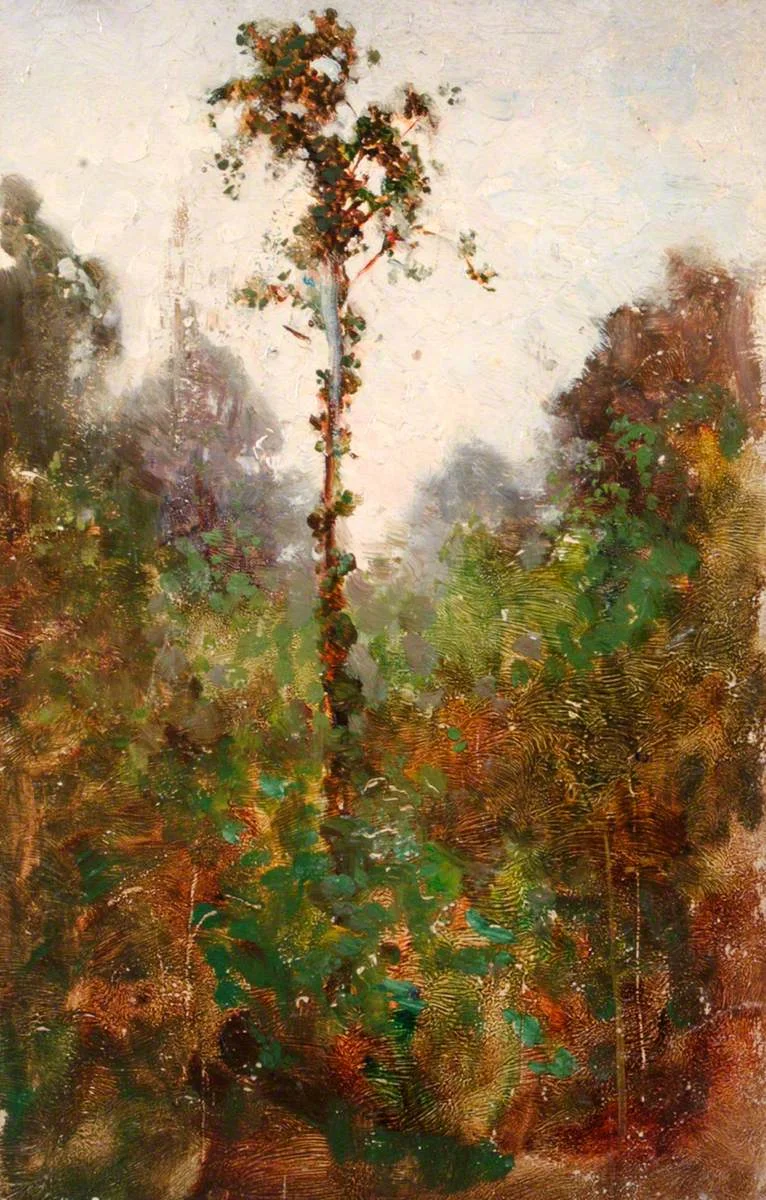
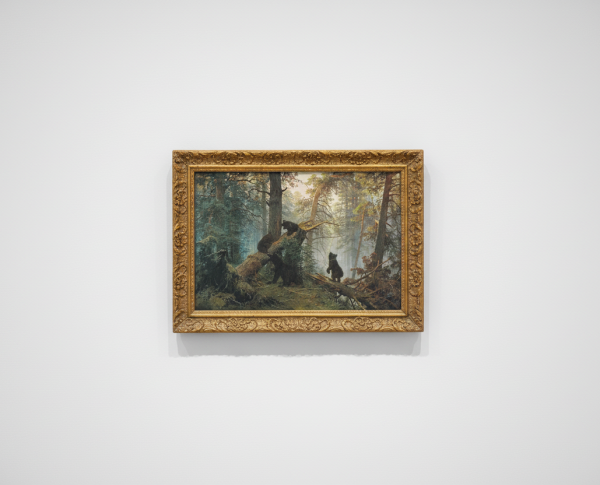
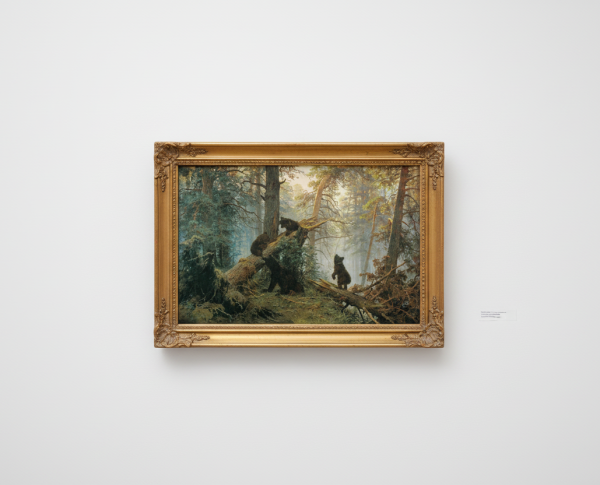
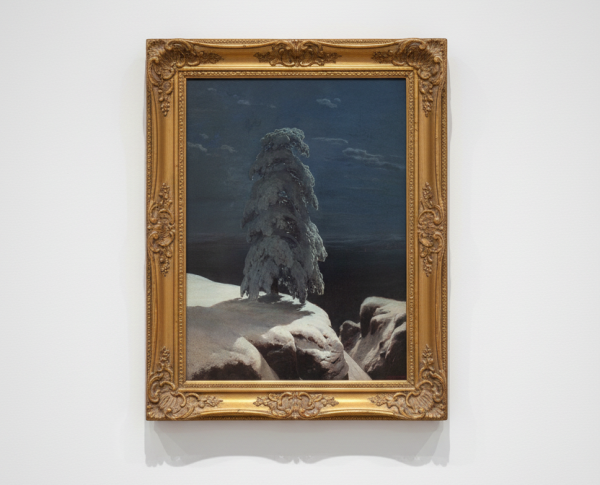
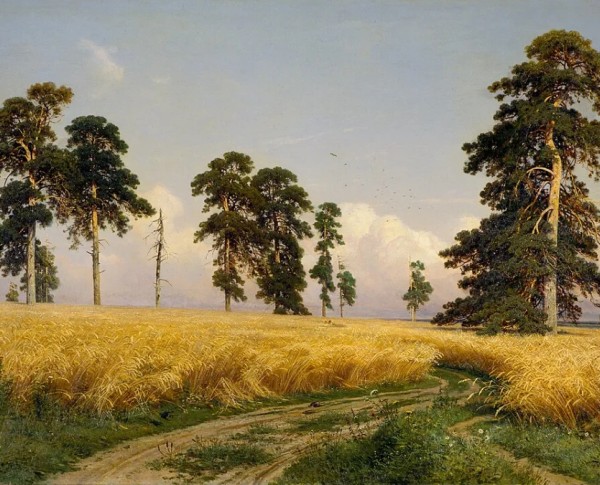
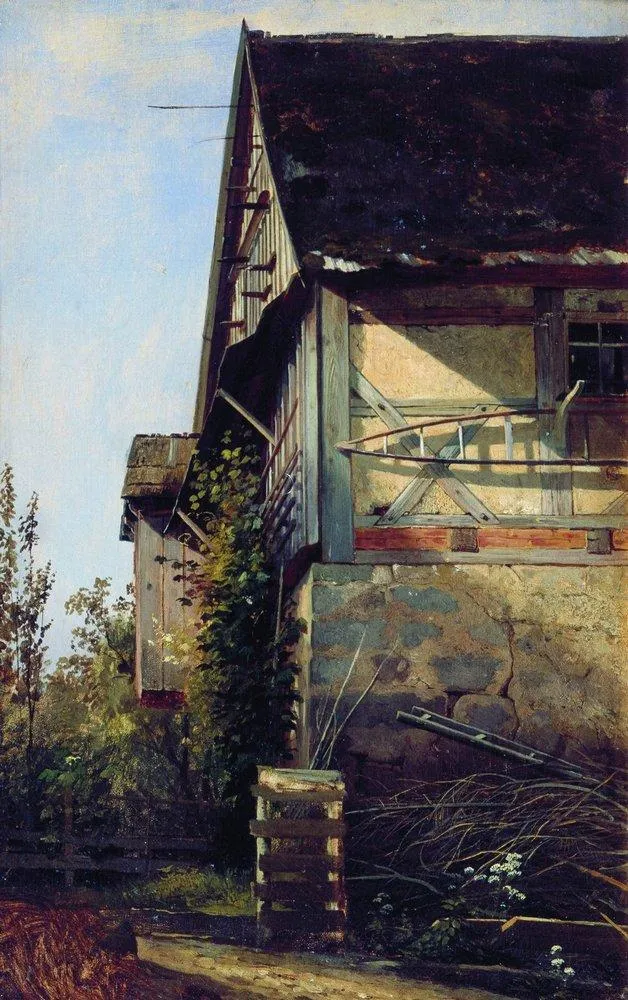
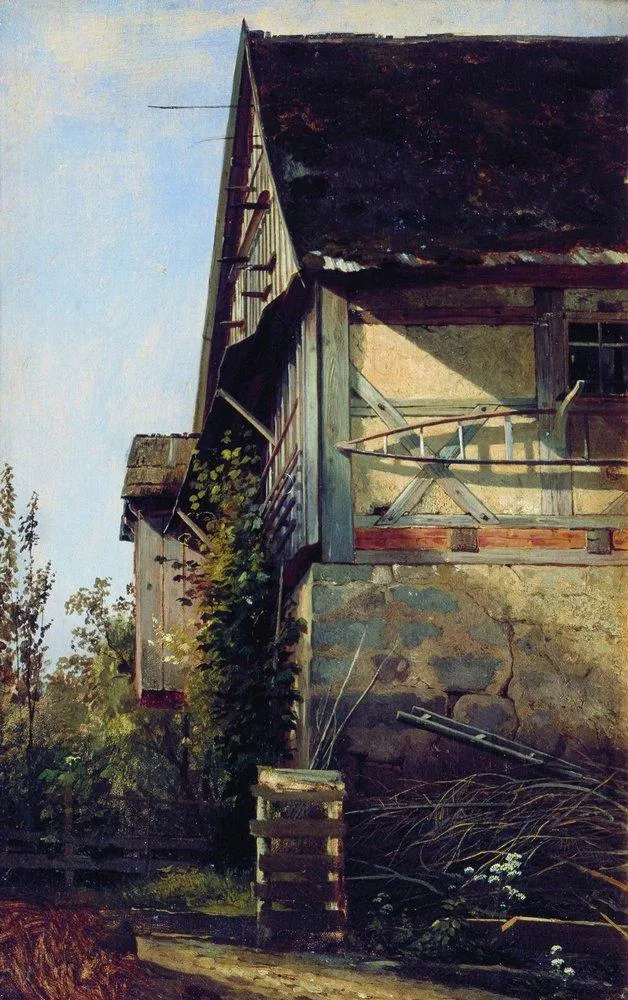
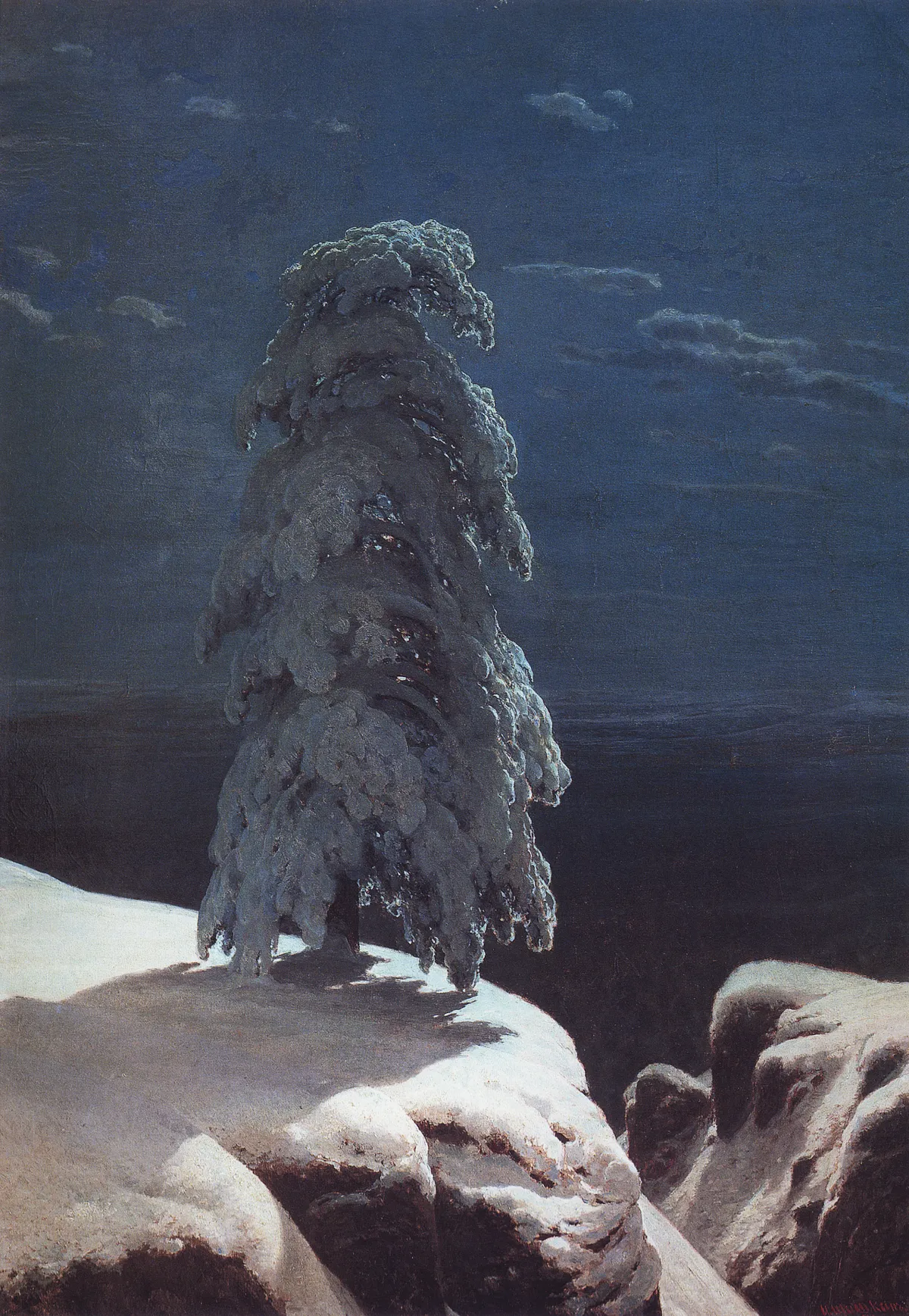
Ivan Shishkin’s "Little House in Dusseldorf" is a brilliant example of oil on canvas technique that defines the Realism movement. Each brushstroke brings the landscape to life, demonstrating the artist’s exceptional skill and attention to detail. Collectors of Shishkin’s works often admire his ability to evoke emotion through natural scenes, as seen in related pieces like "A Path In A Wood" and "Pine on the cliff," making this painting a coveted addition to any collection.
Within "Little House in Dusseldorf," Ivan Shishkin weaves stories and symbols that resonate with fans of Realism. The serene cottage and lush greenery invite viewers to contemplate the harmony between humanity and nature. This fine art painting for sale is reminiscent of the thematic depth found in Shishkin’s other works, such as "Anonymous Burials" and "Woodland," where each element is carefully selected to evoke nostalgia and a profound sense of place.
For those seeking a hand-painted oil painting that embodies both historical significance and artistic excellence, "Little House in Dusseldorf" by Ivan Shishkin is an exceptional choice. As part of the Realism movement, this artwork offers timeless beauty and intricate detail, making it a standout among fine art painting for sale. Pairing it with related masterpieces like "Brook In A Birch Forest" or "Morning in a Pine Forest" enhances any discerning collector’s gallery.
When Art Meets History
"Little House in Dusseldorf" by Ivan Shishkin is a remarkable work from the Realism movement, capturing the essence of 19th-century European life. This hand-painted oil painting reflects Shishkin’s deep connection to nature and architecture, similar to what can be seen in related works like "The Winnower" and "A Young Lady in 1866." Through intricate detail and historical accuracy, Shishkin’s masterpiece offers viewers a glimpse into the everyday moments that shaped an era.
Techniques That Speak
Ivan Shishkin’s mastery is evident in the meticulous brushwork and naturalistic shading of "Little House in Dusseldorf." Utilizing oil on canvas, he brings out the textures of wood, stone, and foliage, immersing the viewer in a lifelike environment. This approach aligns him with other Realism artists and pieces such as "Dressing for the Carnival." Shishkin’s technique elevates the painting’s authenticity, making it a standout among fine art painting for sale from this period.
Emotions on Display
"Little House in Dusseldorf" evokes a sense of tranquility and nostalgia, hallmarks of Shishkin’s Realism style. The serene setting and careful composition invite viewers to reflect on simpler times, much like "A Dash for the Timber" and "Mercury and Argus." This hand-painted oil painting conveys the artist’s reverence for nature and daily life, allowing emotions to surface through the interplay of light, shadow, and natural beauty in every brushstroke.
Coveted by Collectors
As a notable example of Realism, "Little House in Dusseldorf" by Ivan Shishkin is highly sought after by art enthusiasts. Its status as an oil on canvas masterpiece, alongside related works such as "The Winnower," makes it a prized fine art painting for sale. Collectors value the authenticity and historical significance embedded in Shishkin’s work, ensuring its place among the most treasured pieces in private and public collections worldwide.
Related Realism Hand-Painted Oil Paintings by Other Artists
Other Famous Realism Artists:
Frequently Asked Questions About Little House in Dusseldorf
What is the historical context of "Little House in Dusseldorf"?
"Little House in Dusseldorf" was painted during the late 19th century, a period marked by significant artistic movements in Europe, including realism and impressionism. Ivan Shishkin, known for his depictions of Russian landscapes, created this work while living in Germany, reflecting the influence of his surroundings on his artistic style.
What artistic techniques did Ivan Shishkin employ in this painting?
Shishkin utilized a combination of detailed brushwork and a harmonious color palette to capture the essence of the landscape. His technique emphasizes realism, showcasing his ability to depict light and shadow, which adds depth to the scene.
What is the significance of the house depicted in the painting?
The house in "Little House in Dusseldorf" symbolizes a connection to nature and the tranquility of rural life. It represents a retreat from urbanization and the industrial revolution, which were rapidly changing the landscape of Europe during Shishkin's time.
How does "Little House in Dusseldorf" reflect Shishkin's artistic philosophy?
Shishkin believed in the importance of nature as a source of inspiration and beauty. This painting embodies his philosophy by showcasing the harmony between man-made structures and the natural environment, emphasizing the need for coexistence.
What elements of nature are prominent in "Little House in Dusseldorf"?
The painting features lush greenery, a serene sky, and the rustic charm of the house, all of which highlight Shishkin's deep appreciation for the natural world. The detailed depiction of foliage and the interplay of light and shadow create a vibrant atmosphere.
In what ways does this painting represent the genre of landscape art?
"Little House in Dusseldorf" is a quintessential example of landscape art, focusing on the beauty of the natural environment while incorporating human elements. Shishkin's work captures the essence of the landscape genre, emphasizing both aesthetic beauty and emotional resonance.
What emotions does "Little House in Dusseldorf" evoke in viewers?
The painting evokes feelings of peace and nostalgia, inviting viewers to reflect on the simplicity of rural life. The serene landscape and the quaint house create a sense of calm, encouraging contemplation and appreciation for nature.
How does the painting reflect the influence of German culture on Shishkin?
While Shishkin was primarily influenced by Russian landscapes, his time in Dusseldorf exposed him to German Romanticism, which emphasized emotion and the sublime in nature. This influence is evident in the painting's composition and the emotive quality of the landscape.
What role does light play in "Little House in Dusseldorf"?
Light is a crucial element in this painting, as it enhances the natural beauty of the scene. Shishkin skillfully captures the effects of sunlight filtering through foliage, creating a dynamic interplay of light and shadow that brings the landscape to life.
How has "Little House in Dusseldorf" influenced contemporary artists?
The painting continues to inspire contemporary artists by demonstrating the enduring appeal of landscape art. Shishkin's mastery of detail and his ability to evoke emotion through nature have set a standard for artists seeking to capture the beauty of the natural world in their work.






















_GFM_Painting_(1).webp)


 100% Hand-Painted: Finished in 3-6 Weeks

.png)

















_(1).webp)