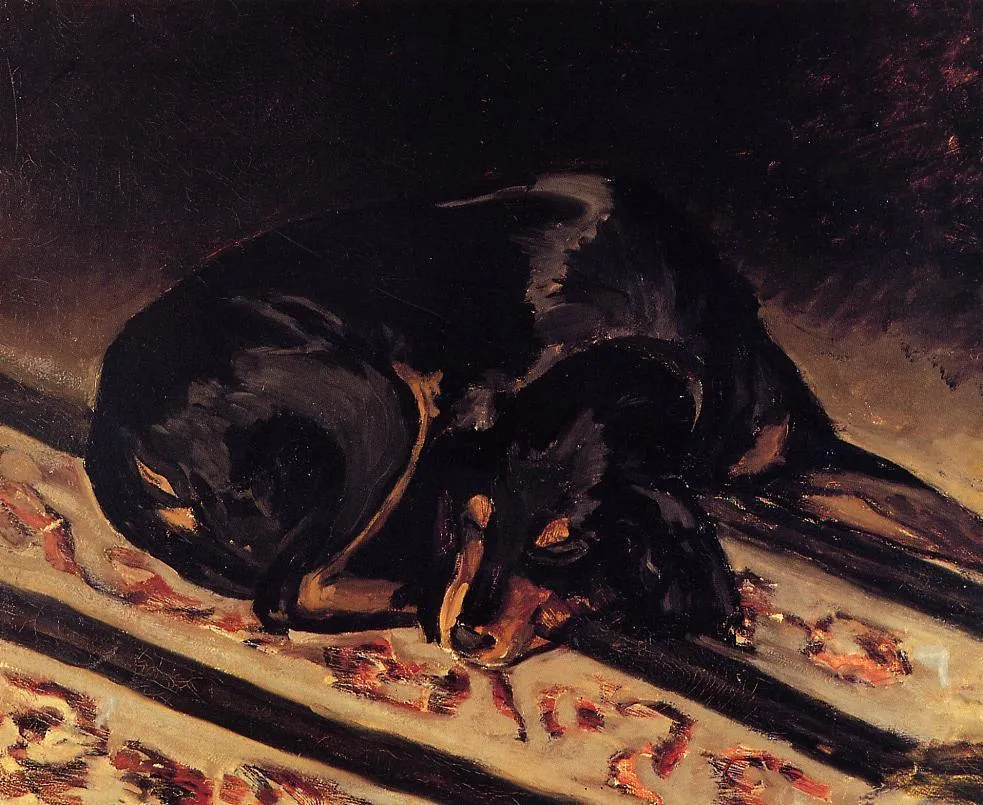
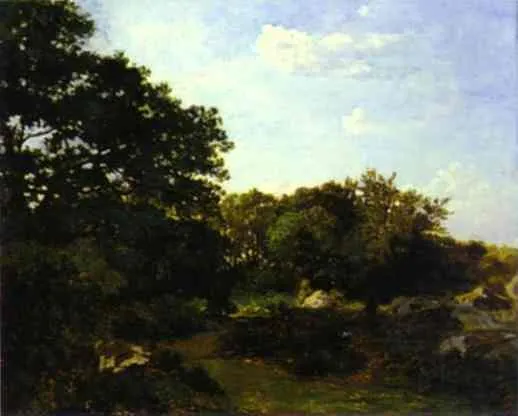
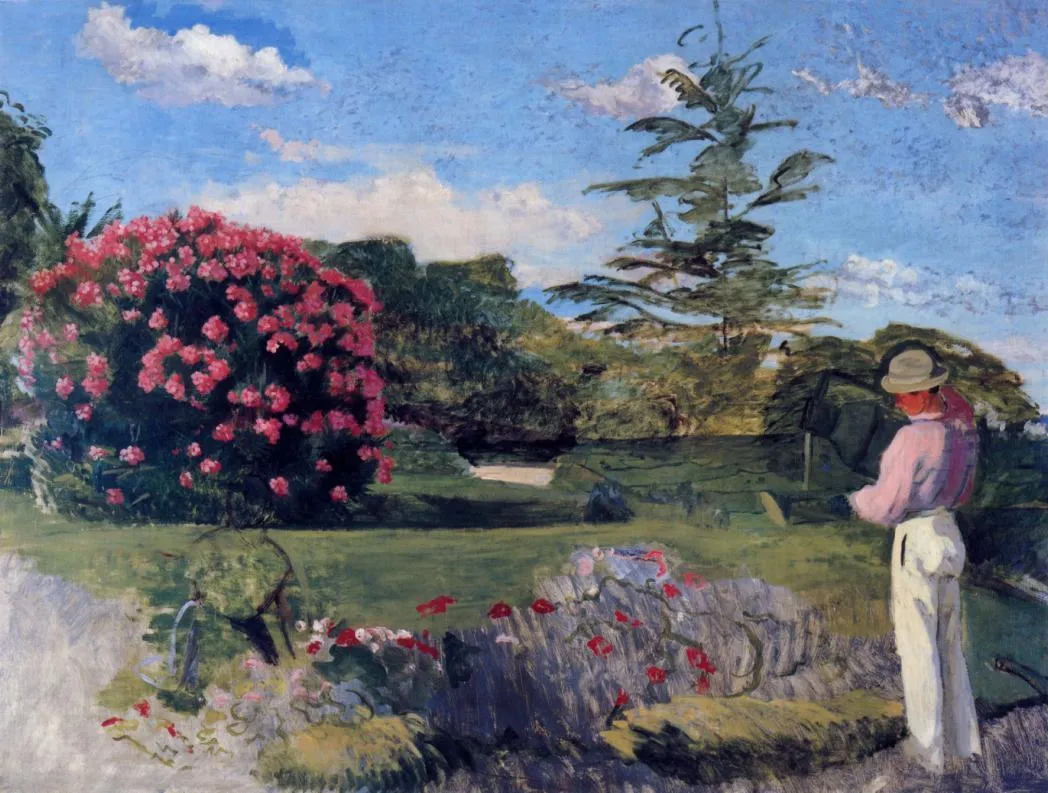
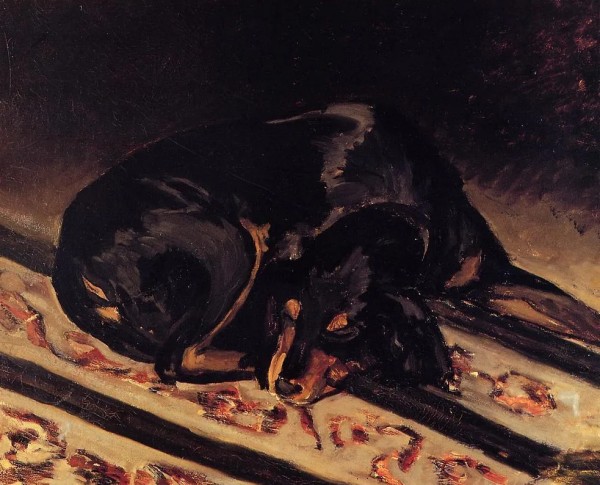
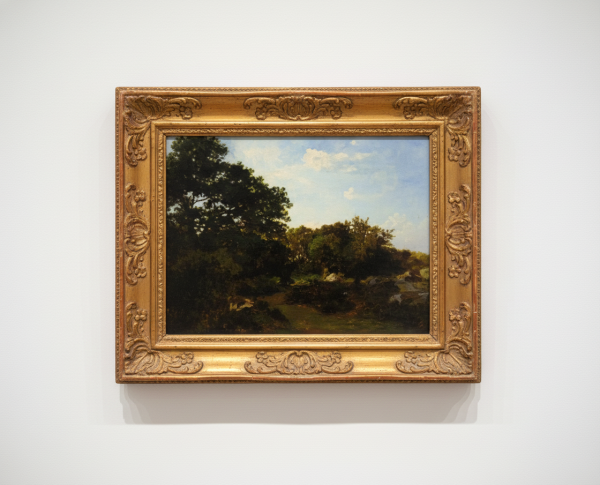
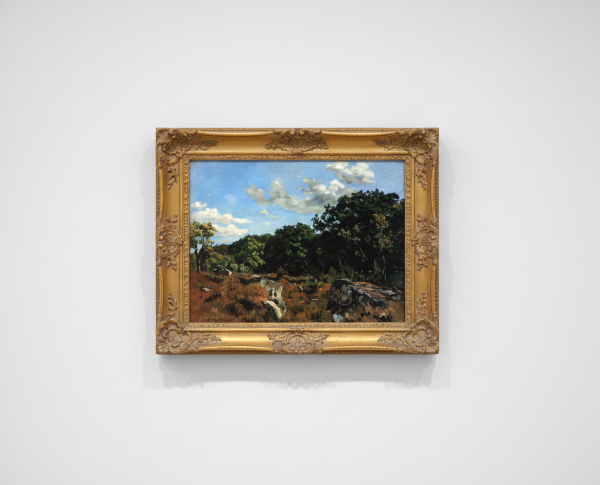
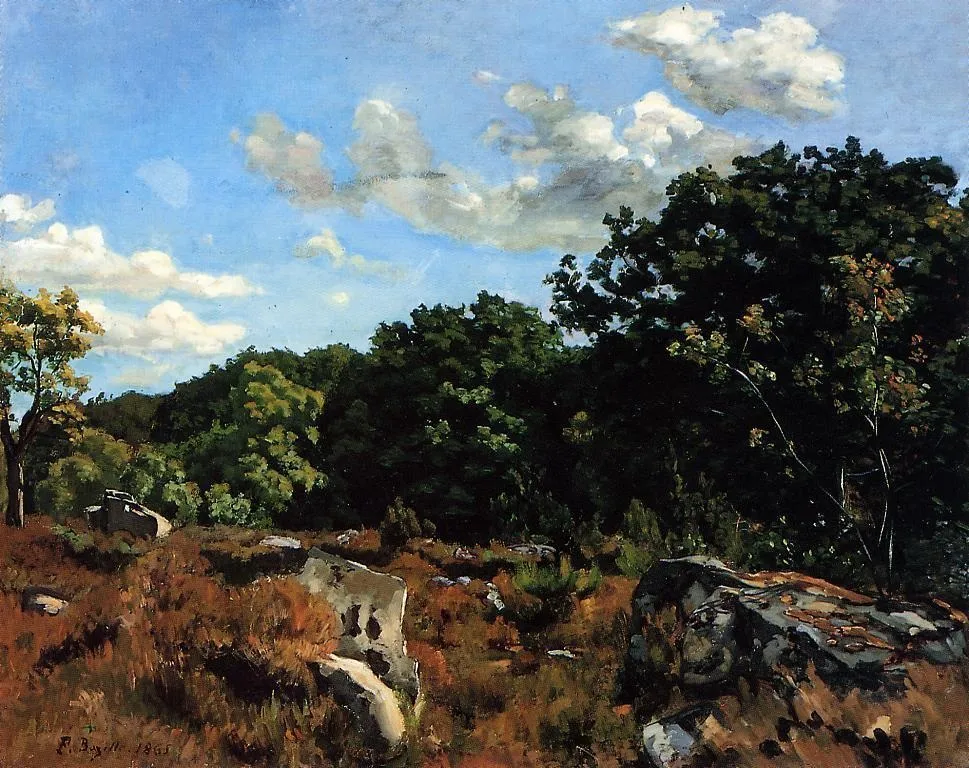
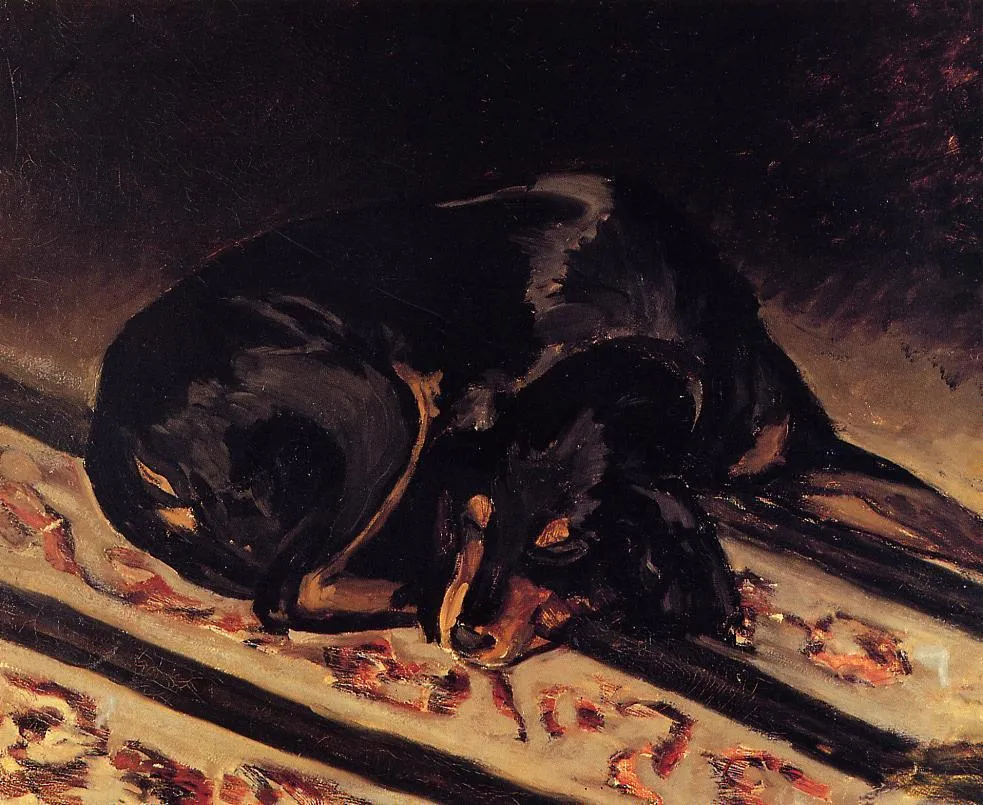
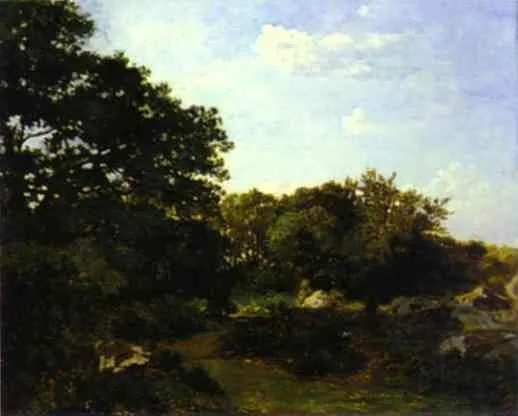
"Landscape at Chailly" exemplifies Bazille’s expert use of oil on canvas, bringing the lush countryside to life through vibrant colors and dynamic brushwork. The artist’s attention to detail and natural lighting showcases the essence of the Realism movement. Bazille’s technique invites viewers to experience the tranquility of rural France firsthand. For those seeking to own a piece of history, consider similar works like "The Dog Rita Asleep" for your collection.
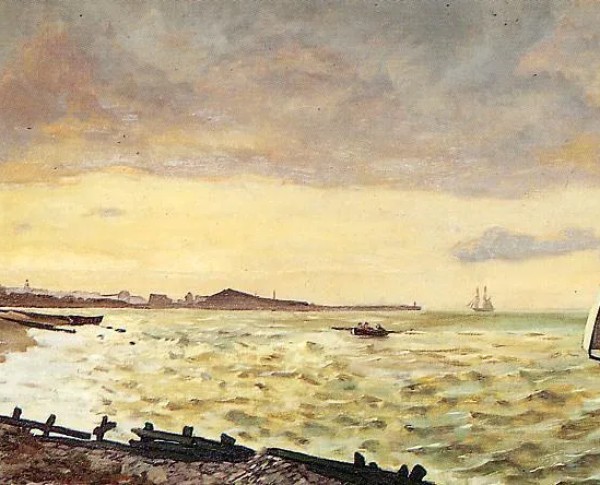
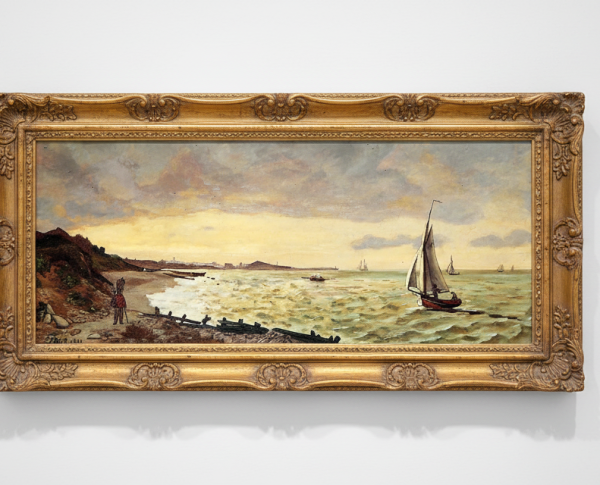
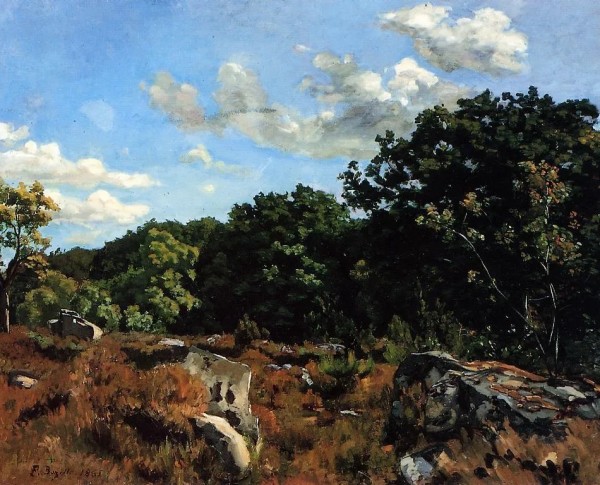
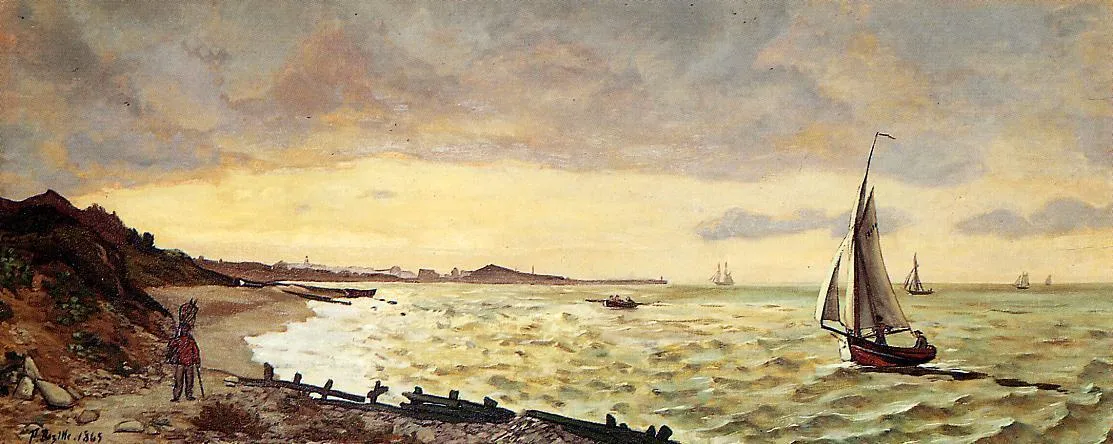
Within "Landscape at Chailly," Frederic Bazille weaves subtle narratives through his depiction of the land, trees, and sky. The painting goes beyond scenery, capturing the spirit of the time and Bazille’s personal connection to nature. As a fine art painting for sale, it offers collectors a glimpse into the artist’s world, while echoing themes found in related works like "Beach at Sainte-Adresse" and "Forest of Fontainebleau," both rooted in Realism’s evocative storytelling.
Owning "Landscape at Chailly" by Frederic Bazille allows collectors to celebrate the mastery of the Realism movement. This hand-painted oil painting not only enhances any art collection but also connects admirers to the artistic legacy of Bazille. For those passionate about 19th-century French landscapes, exploring related products such as "The Dog Rita Asleep" and "Forest of Fontainebleau" offers additional opportunities to invest in timeless fine art.
When Art Meets History
"Landscape at Chailly" by Frederic Bazille stands as a remarkable example of the Realism movement, capturing the serene beauty of the French countryside. Painted in the 19th century, this hand-painted oil painting reflects the era's fascination with nature and everyday life. Frederic Bazille, alongside contemporaries like those behind "View in the Vicinity of St. Petersburg" and "Breezing Up (or A Fair Wind)", contributed to a pivotal moment in art history when observation and authenticity took center stage.
Techniques That Speak
Bazille’s mastery is evident in his use of oil on canvas, allowing for vibrant colors and subtle gradations that bring the landscape to life. The brushwork in "Landscape at Chailly" demonstrates the Realism movement’s dedication to accurate depiction, much like "A Misdeal" and "The Spanish Singer". Through careful layering and attention to detail, Frederic Bazille creates a sense of depth and atmosphere, inviting viewers to step into the tranquil world he so meticulously rendered.
Emotions on Display
In "Landscape at Chailly", Frederic Bazille conveys a sense of calm and contemplation, hallmarks of Realism. The painting’s composition and color palette evoke feelings of peace and longing, similar to the emotional resonance found in "Morning in the Pine-tree Forest". As a fine art painting for sale, it continues to move audiences, drawing them into its gentle embrace and encouraging reflection on the beauty of nature and the passage of time.
Coveted by Collectors
Collectors worldwide seek out "Landscape at Chailly" for its historical significance and exquisite execution. As a prized hand-painted oil painting within the Realism movement, it stands alongside masterpieces like "A Misdeal" and "The Spanish Singer". Frederic Bazille’s attention to natural detail and his innovative approach make this work a staple for those desiring a fine art painting for sale that bridges the gap between tradition and modern appreciation.
Related Realism Hand-Painted Oil Paintings by Other Artists
Other Famous Realism Artists:
Frequently Asked Questions About Landscape at Chailly
What is the historical significance of "Landscape at Chailly"?
"Landscape at Chailly" is significant as it represents Frederic Bazille's engagement with the Impressionist movement during the late 19th century, showcasing his innovative approach to capturing light and color in natural landscapes.
What artistic techniques did Bazille employ in this painting?
In "Landscape at Chailly," Bazille utilized loose brushwork and a vibrant color palette to convey the play of light on the landscape, characteristic of Impressionist techniques that emphasize spontaneity and the effects of changing weather conditions.
What themes are explored in "Landscape at Chailly"?
The painting explores themes of nature's beauty and tranquility, reflecting the artist's desire to connect with the natural world and the emotional responses it evokes in the viewer.
How does "Landscape at Chailly" relate to other works by Bazille?
This work can be seen as a pivotal piece in Bazille's oeuvre, linking his earlier academic training with the emerging Impressionist style, as it captures both the structure of the landscape and the fluidity of light.
What influences can be seen in "Landscape at Chailly"?
The painting reflects the influence of earlier Romantic landscape painters, as well as the burgeoning Impressionist movement, particularly in its emphasis on capturing fleeting moments in nature.
What is the significance of the location depicted in the painting?
Chailly, located in the countryside near Paris, was a favored retreat for artists seeking inspiration from nature, and the choice of this setting underscores the importance of rural landscapes in the Impressionist narrative.
How did Bazille's personal experiences influence "Landscape at Chailly"?
Bazille's personal experiences, including his time spent in the countryside and his interactions with fellow artists, deeply influenced his approach to painting, allowing him to infuse his landscapes with a sense of immediacy and personal connection.
What role does color play in "Landscape at Chailly"?
Color plays a crucial role in the painting, as Bazille employs a bright and varied palette to evoke the vibrancy of the natural world, enhancing the emotional impact and inviting viewers to experience the scene viscerally.
How does "Landscape at Chailly" reflect the values of the Impressionist movement?
The painting embodies the values of the Impressionist movement by prioritizing the artist's perception of a moment in time, emphasizing the importance of light, atmosphere, and the subjective experience of nature over traditional representation.
What can viewers learn from "Landscape at Chailly" about 19th-century art?
Viewers can learn about the transition from academic art to modernism in the 19th century, as "Landscape at Chailly" exemplifies the shift towards capturing personal expression, spontaneity, and the beauty of everyday life in art.























_GFM_Painting_(1).webp)


 100% Hand-Painted: Finished in 3-6 Weeks

.png)















_(1).webp)