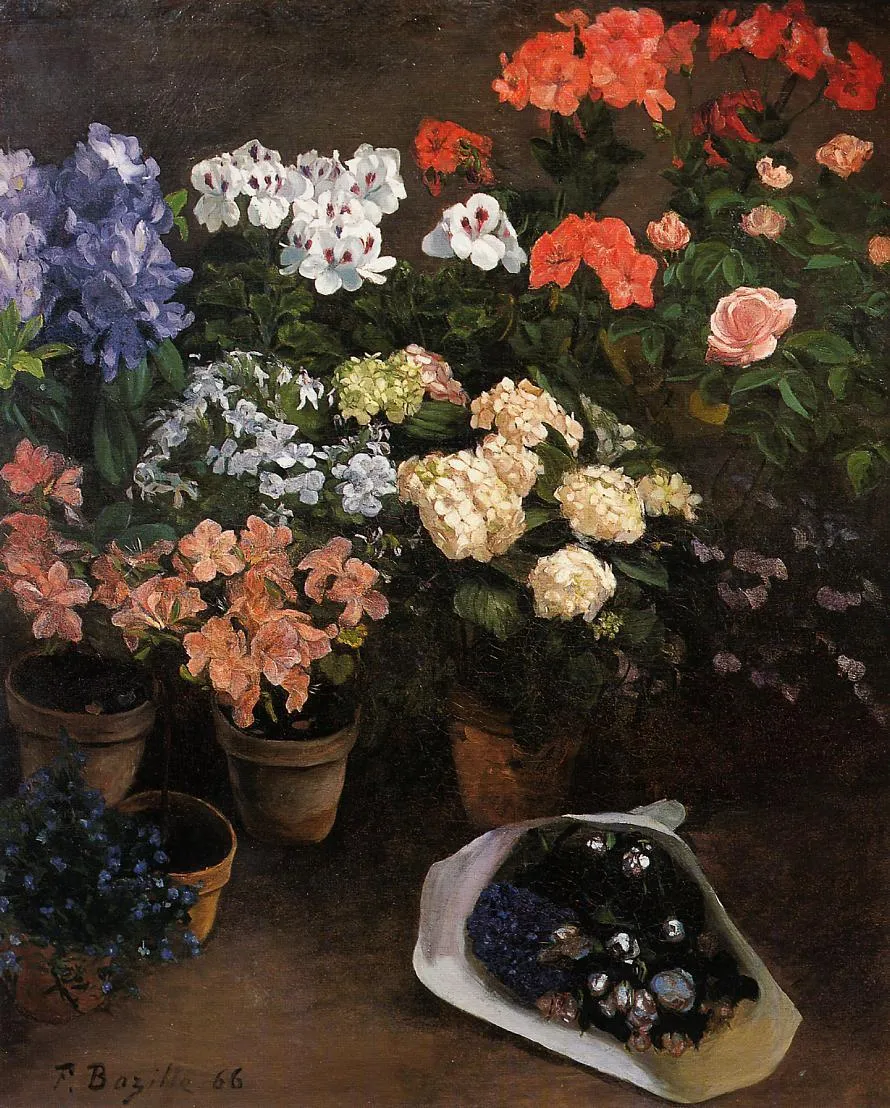
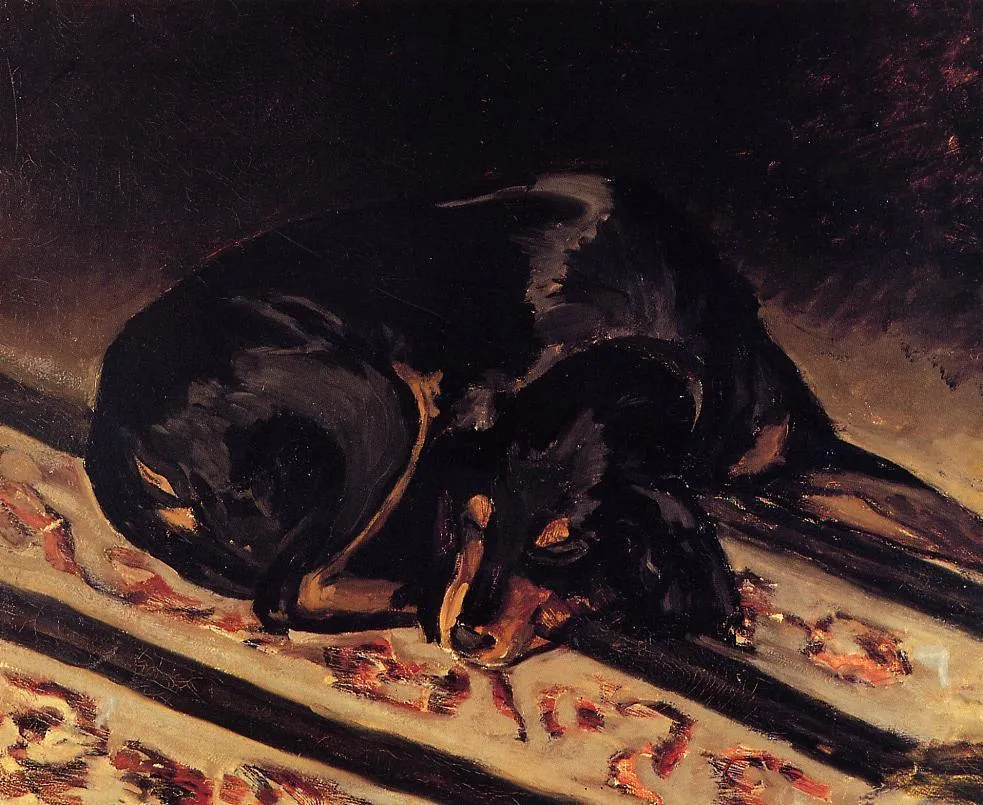
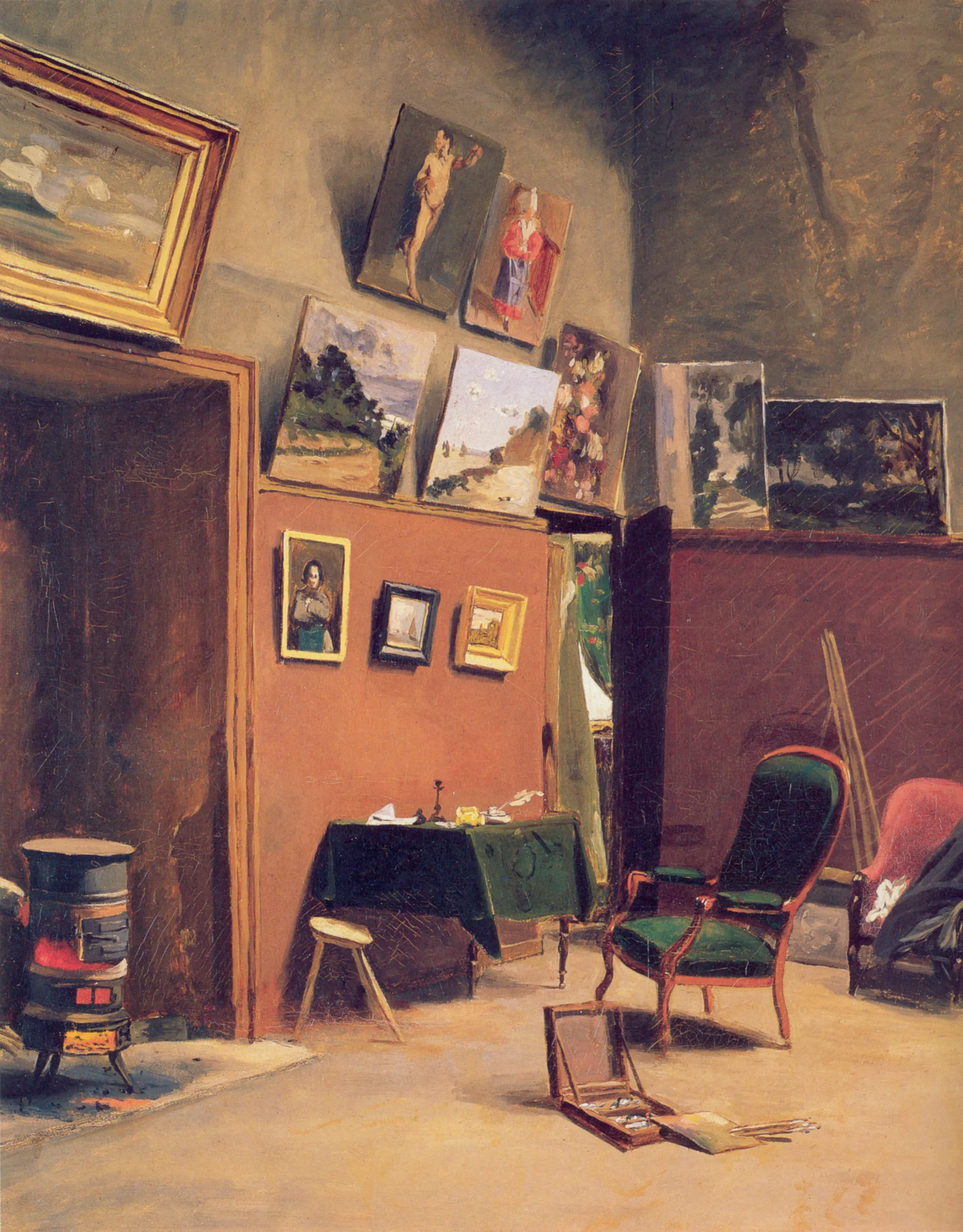
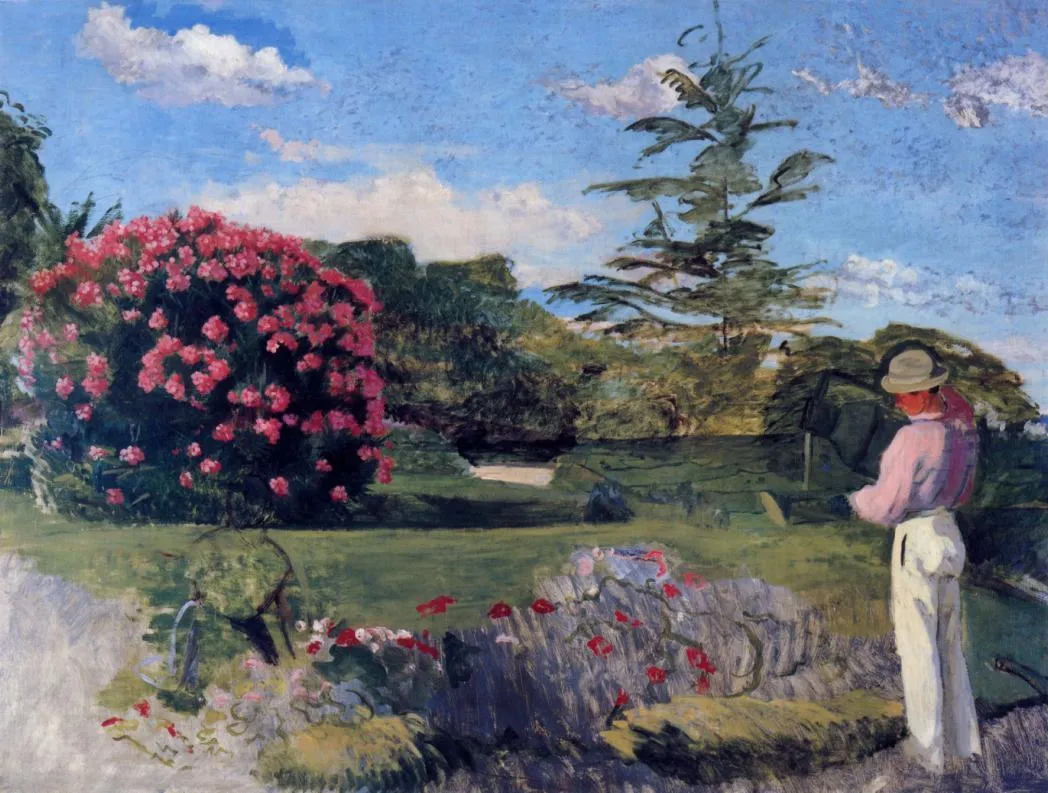
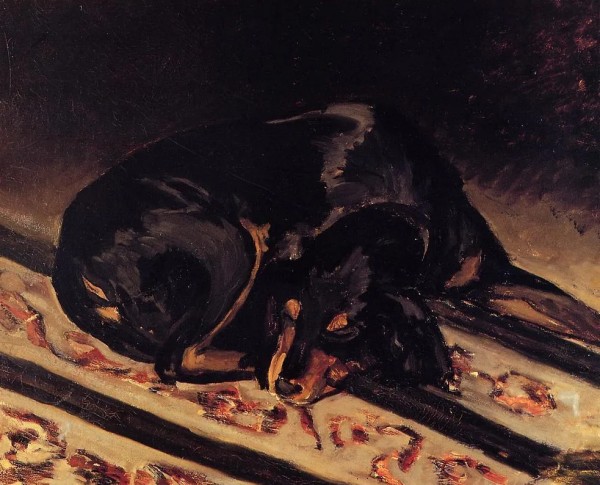
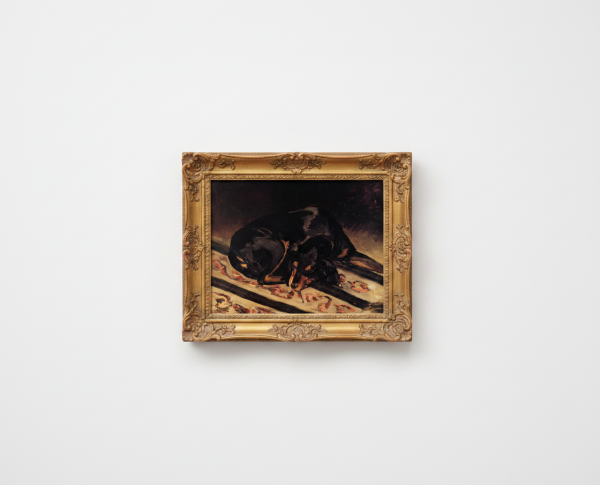
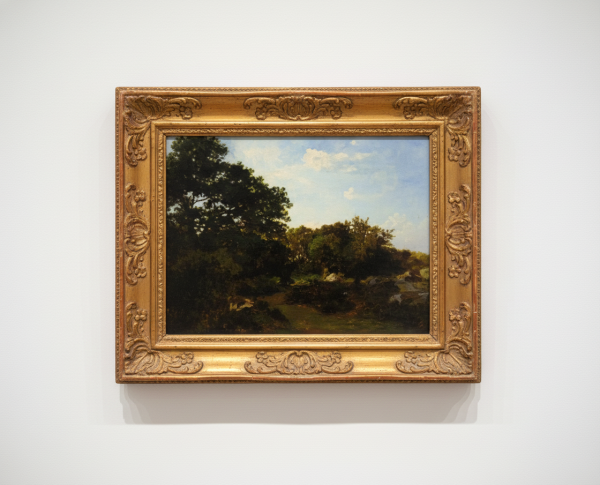
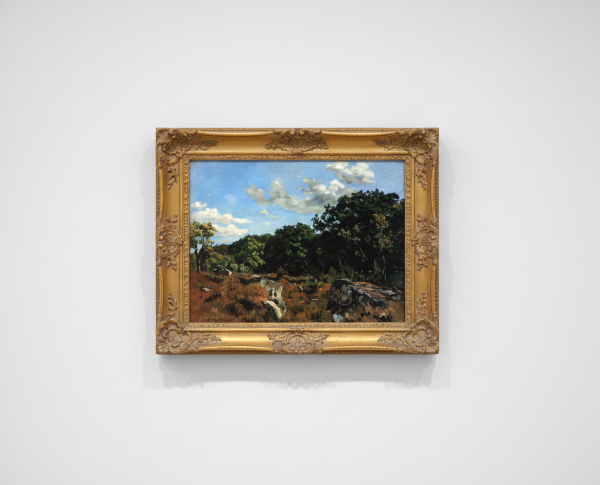
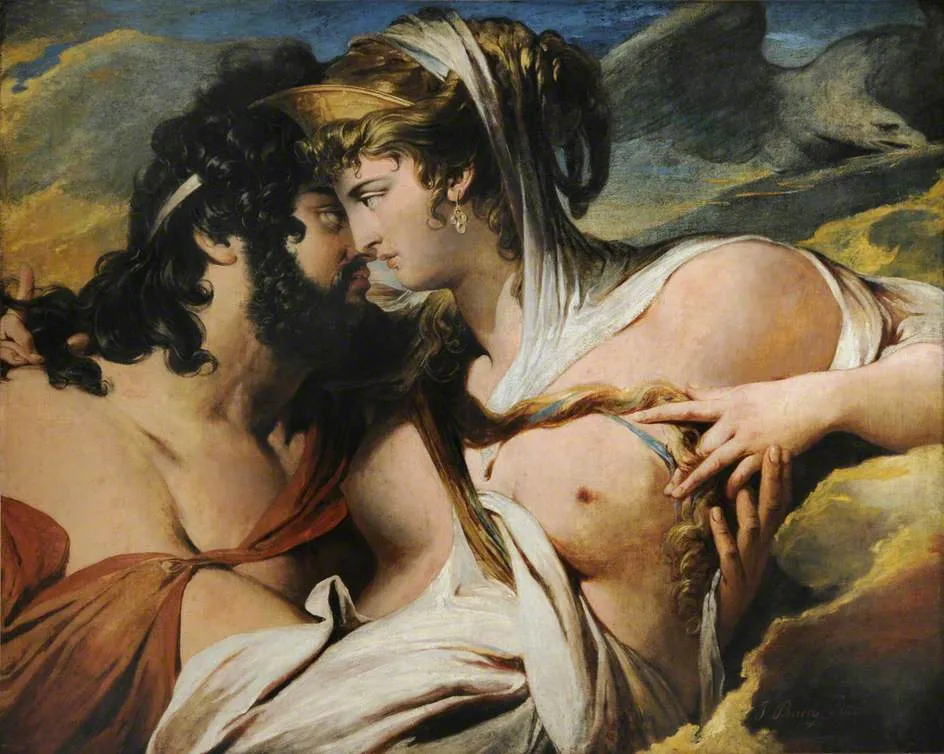
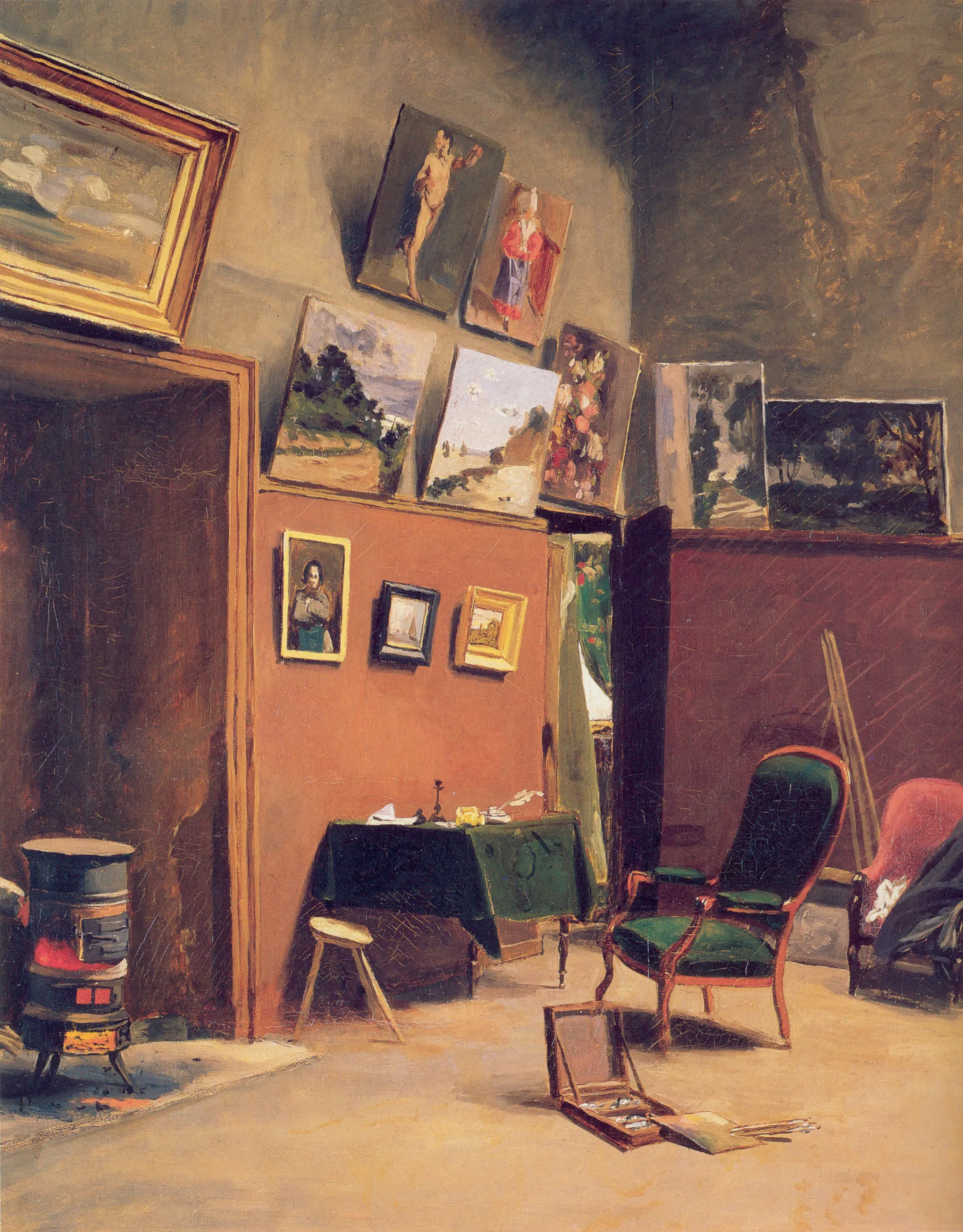
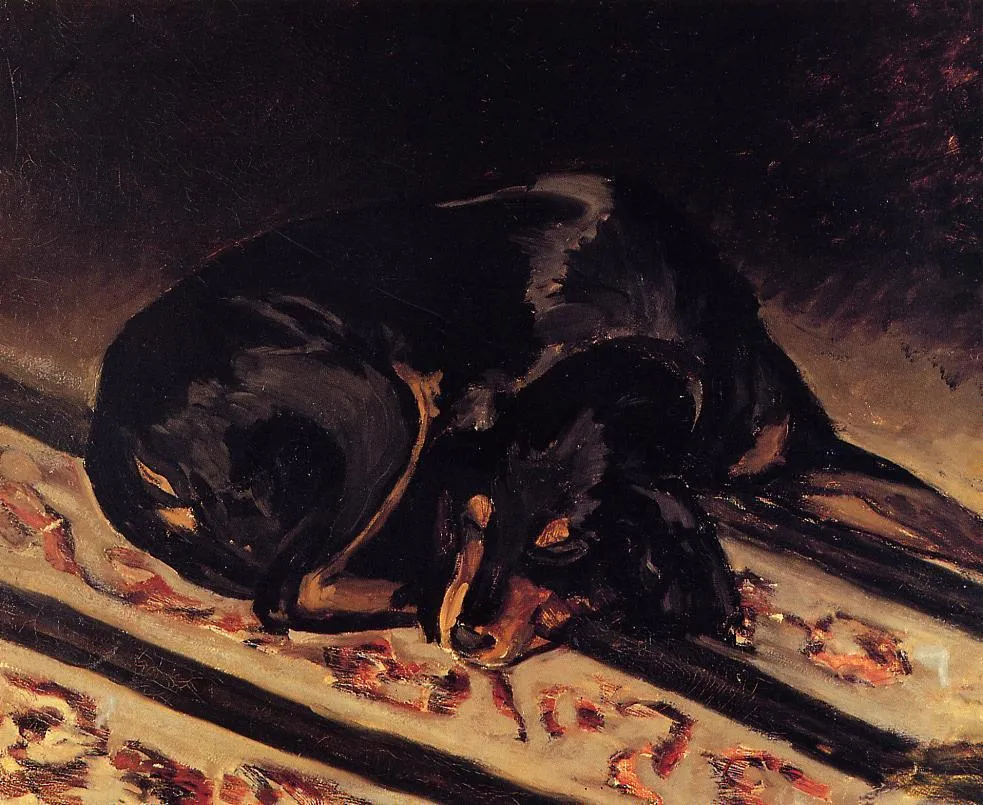
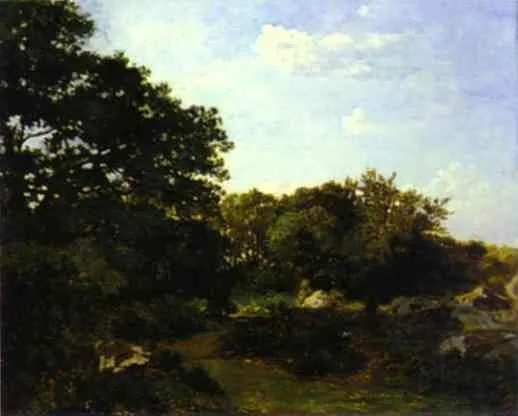
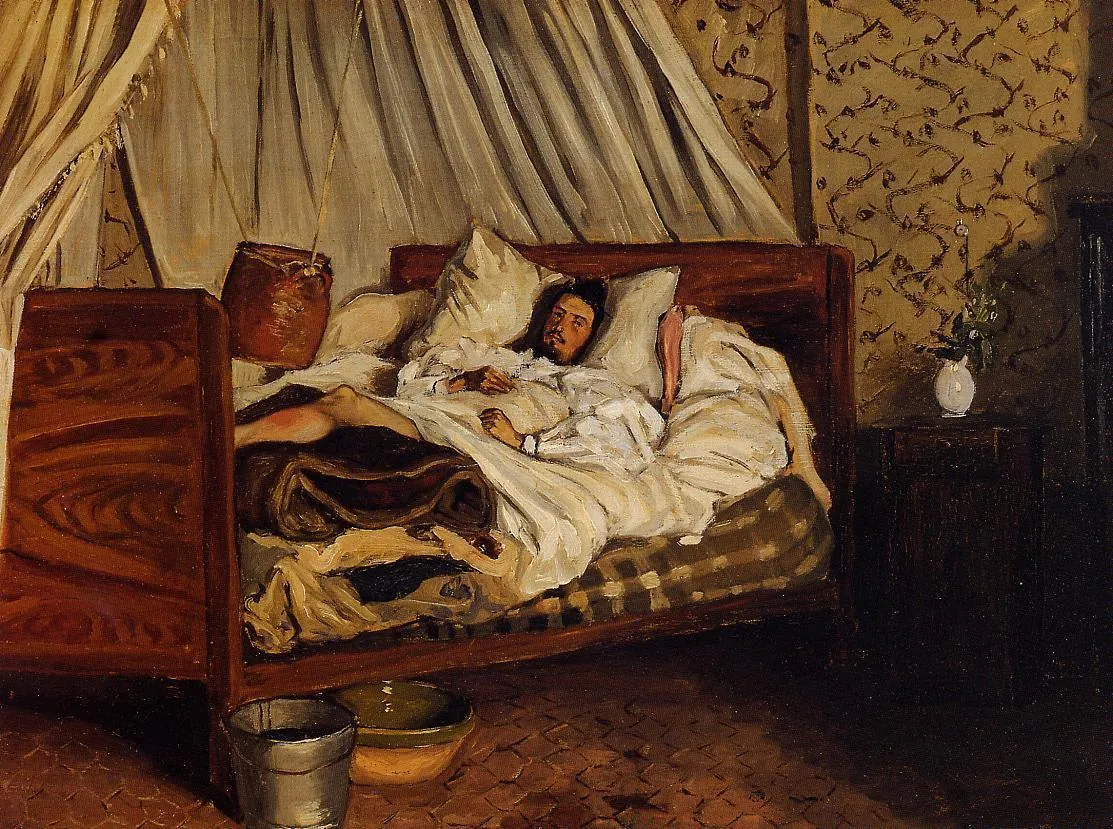
Bazille’s technique in this oil on canvas masterpiece showcases his extraordinary skill in rendering light, texture, and atmosphere. The studio setting comes alive with meticulous detail, a hallmark of the Realism movement. Collectors and admirers of fine art painting for sale often appreciate Bazille’s ability to transform everyday scenes into captivating visual narratives, much like his celebrated works "Forest of Fontainebleau" and "The Dog Rita Asleep."
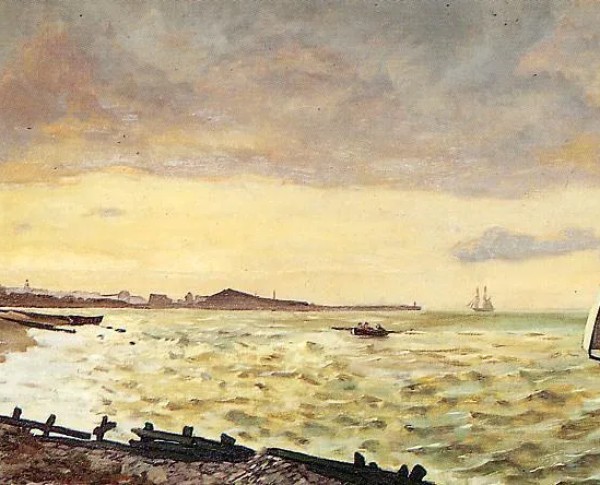
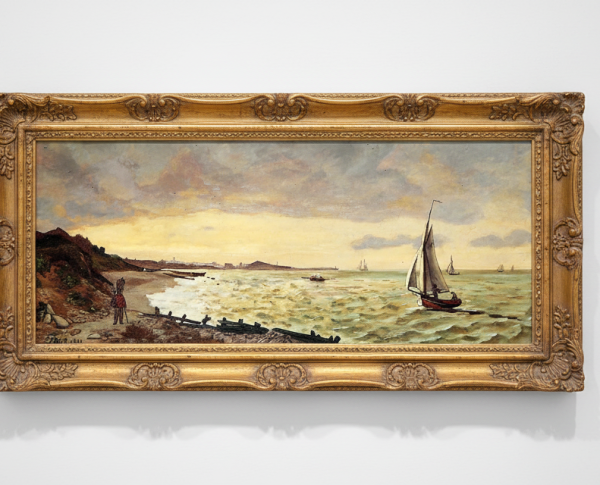
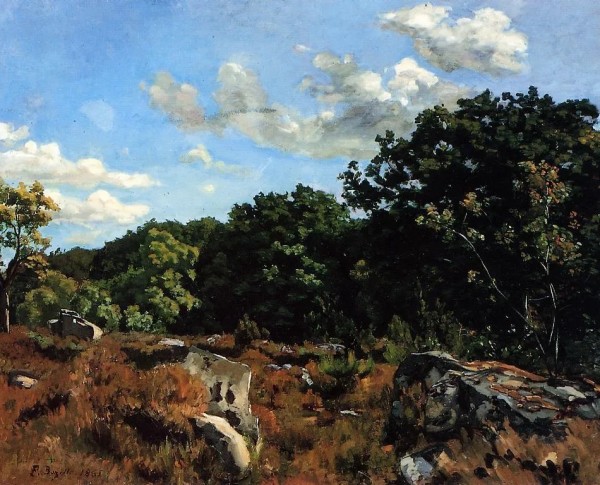
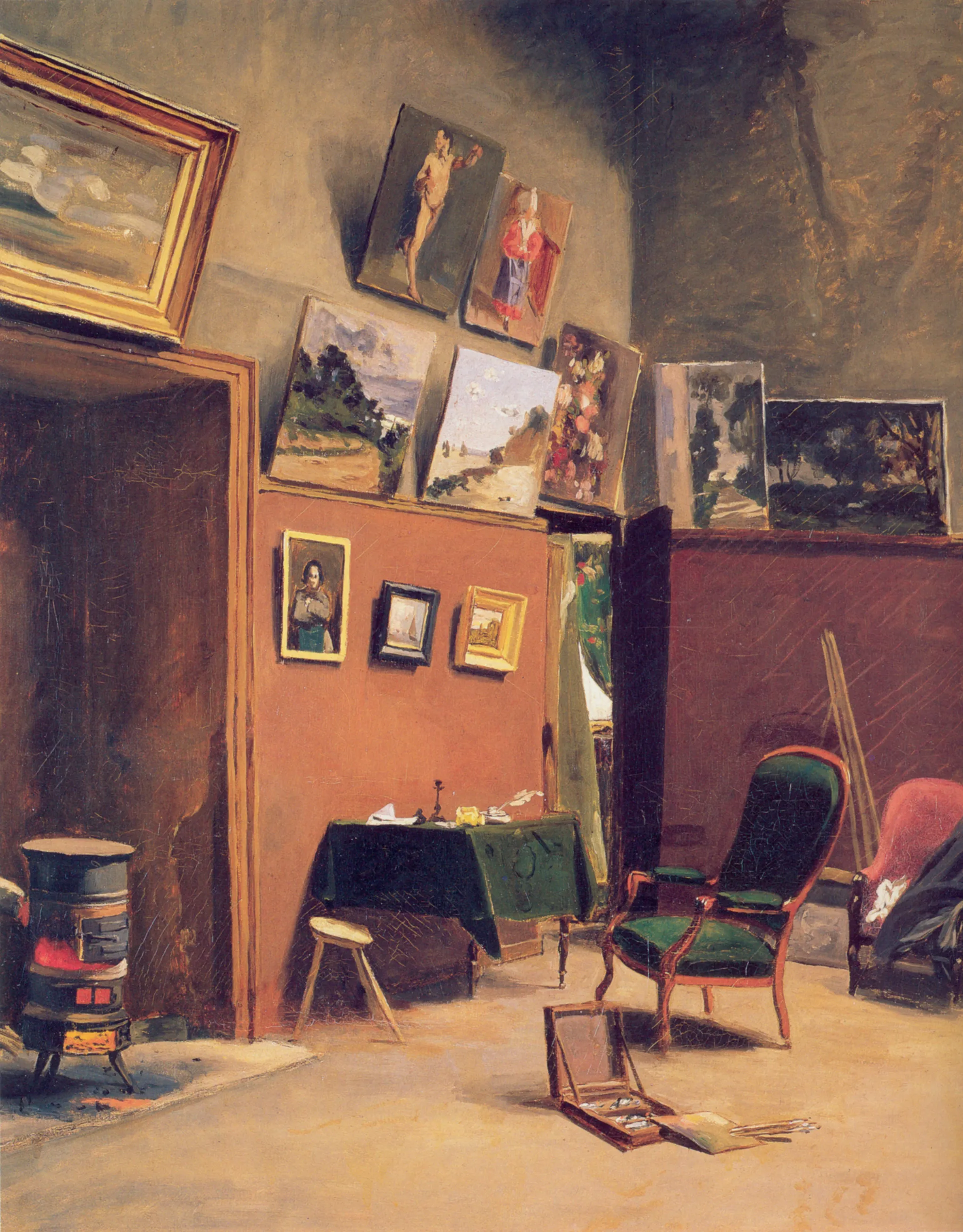
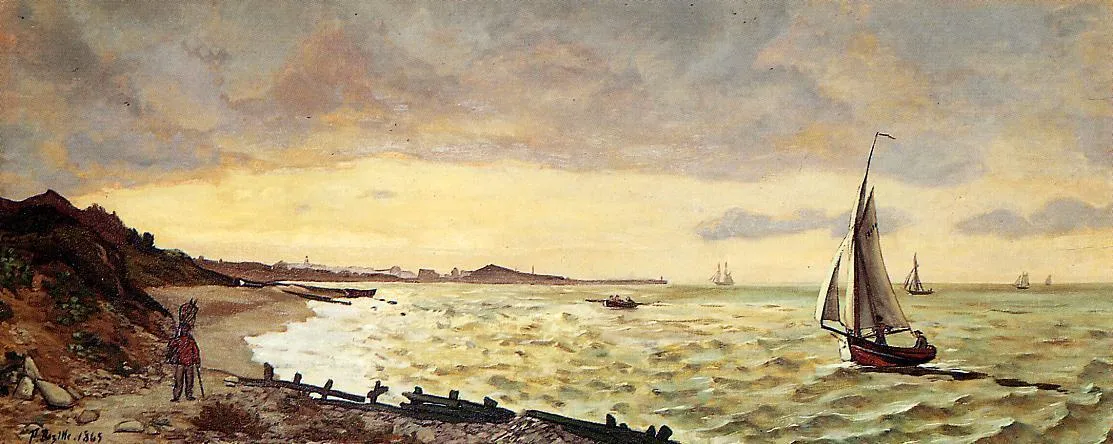
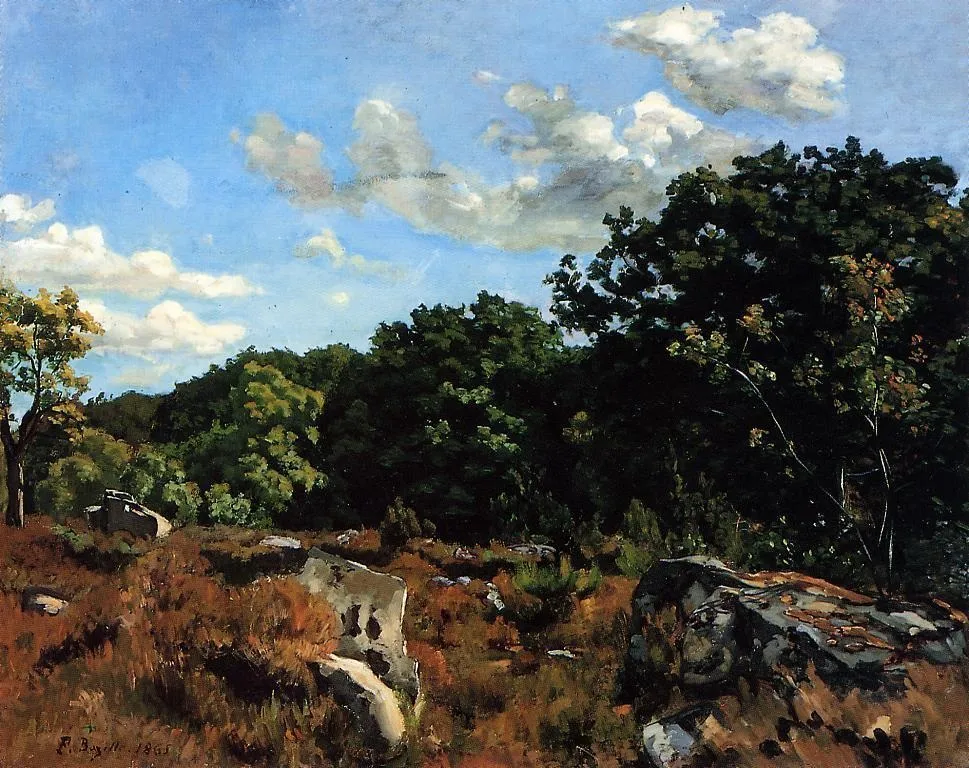
Within "Studio in the rue de Furstenberg," every object and shadow tells a story, inviting viewers to imagine the creative energy that filled Bazille’s Paris studio. This hand-painted oil painting subtly incorporates symbols of artistic life, from scattered brushes to unfinished canvases. Fans of Frederic Bazille and the Realism movement often explore related artworks, including "Beach at Sainte-Adresse" and "Landscape at Chailly," to delve deeper into these visual stories.
For those seeking a fine art painting for sale, Bazille’s "Studio in the rue de Furstenberg" represents a rare opportunity to own a piece of Realism’s history. The oil on canvas work is revered not only for its artistic merit but also for its connection to other masterpieces like "Forest of Fontainebleau" and "The Dog Rita Asleep." Owning this painting is a testament to a collector’s appreciation for Frederic Bazille’s enduring legacy.
When Art Meets History
Frederic Bazille’s "Studio in the rue de Furstenberg" stands as a testament to the Realism movement, capturing the vibrant Parisian art scene of the 19th century. This hand-painted oil painting invites viewers into Bazille’s creative world, echoing the historical significance of artist studios. Comparable works like "The Lunch" and "The Angelus, 1857-59" similarly immortalize pivotal moments in art history, making Bazille’s studio scene a cherished piece for enthusiasts of Realist masterpieces.
Techniques That Speak
Bazille employs subtle brushwork and careful composition in "Studio in the rue de Furstenberg," demonstrating the refined techniques typical of oil on canvas. His mastery of light and shadow brings depth and authenticity, aligning with the Realism movement’s commitment to truthful representation. This approach connects Bazille’s work to paintings such as "In the Wild North…" and "A Dash for the Timber," where artists use oil on canvas to evoke vivid, lifelike scenes that resonate with viewers.
Emotions on Display
The tranquil ambiance of "Studio in the rue de Furstenberg" reflects Bazille’s ability to evoke emotion through his fine art painting for sale. The artist’s attention to everyday details and intimate settings, as seen in related works like "Don Cristobal Suarez de Ribera," draws viewers into a world of contemplation and creativity. Bazille’s Realist approach ensures that each element in the painting communicates a genuine sense of presence and emotional depth.
Coveted by Collectors
As a celebrated example of Realism, "Studio in the rue de Furstenberg" by Frederic Bazille remains highly sought after among collectors interested in hand-painted oil painting. Its historical context and technical brilliance place it alongside esteemed works like "The Lunch" and "The Angelus, 1857-59." Collectors value Bazille’s unique perspective and the opportunity to own a piece of art history that continues to inspire admiration across generations.
Related Realism Hand-Painted Oil Paintings by Other Artists
Other Famous Realism Artists:
Frequently Asked Questions About Studio in the rue de Furstenberg
What is the historical context of "Studio in the rue de Furstenberg"?
This painting was created in 1870, during a period of significant artistic innovation in France. It reflects the rise of Impressionism and the movement away from traditional academic painting, showcasing the vibrant artistic community in Paris at the time.
Who was Frederic Bazille and what was his role in the Impressionist movement?
Frederic Bazille was a French painter associated with the Impressionist movement. He was known for his innovative use of color and light, and his works often depicted scenes of everyday life. Bazille was a key figure in the formation of the Impressionist style, influencing many of his contemporaries.
What is the significance of the setting depicted in the painting?
The studio in the rue de Furstenberg was a gathering place for many artists of the time. The setting symbolizes the collaborative spirit of the Impressionist movement, where artists shared ideas and techniques, fostering a new approach to art.
How does "Studio in the rue de Furstenberg" reflect the characteristics of Impressionism?
The painting exemplifies Impressionism through its loose brushwork, vibrant color palette, and emphasis on natural light. Bazille captures a moment in time, focusing on the interplay of light and shadow, which is a hallmark of the Impressionist style.
What themes are explored in "Studio in the rue de Furstenberg"?
The painting explores themes of artistic collaboration, creativity, and the everyday lives of artists. It highlights the intimate environment of the studio, where personal and artistic relationships flourish.
What artistic techniques did Bazille employ in this work?
Bazille utilized a technique of broken brushstrokes and a vibrant color palette to create a sense of movement and light. His approach to composition also emphasizes the spatial relationships between figures and objects within the studio.
What can we learn about the social dynamics of artists during Bazille's time from this painting?
The painting illustrates the camaraderie and support among artists in the late 19th century. It reflects a shift towards a more egalitarian artistic community, where collaboration and mutual influence were encouraged.
How does this painting compare to Bazille's other works?
"Studio in the rue de Furstenberg" is notable for its focus on the artist's environment, contrasting with Bazille's other works that often depict outdoor scenes. This painting serves as a unique insight into his personal and professional life.
What role does light play in "Studio in the rue de Furstenberg"?
Light is a central element in the painting, creating depth and atmosphere. Bazille's treatment of light enhances the three-dimensionality of the figures and objects, drawing the viewer's eye and evoking a sense of immediacy.
What is the legacy of "Studio in the rue de Furstenberg" in the context of art history?
This painting is considered a significant contribution to the Impressionist movement and serves as a testament to the evolution of modern art. It highlights the importance of studio practice and the collaborative nature of artistic development during this transformative period.























_GFM_Painting_(1).webp)


 100% Hand-Painted: Finished in 3-6 Weeks

.png)















_(1).webp)