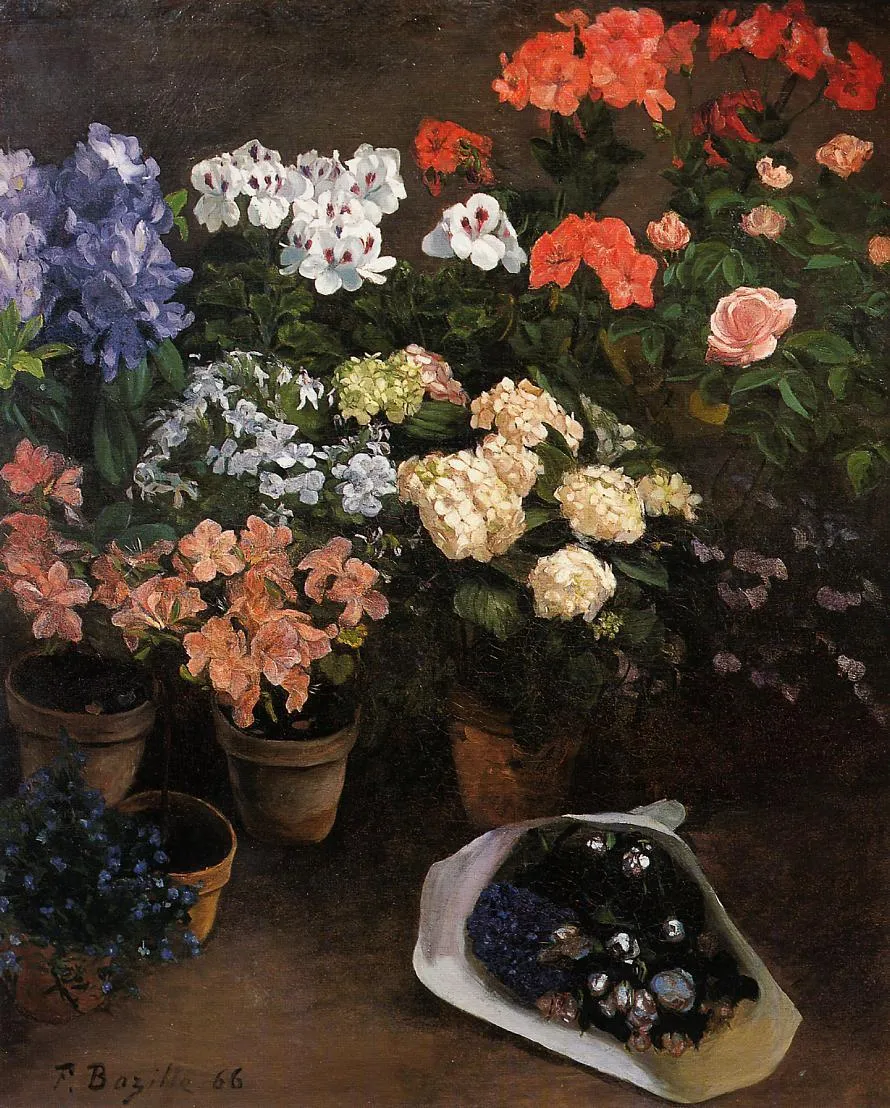
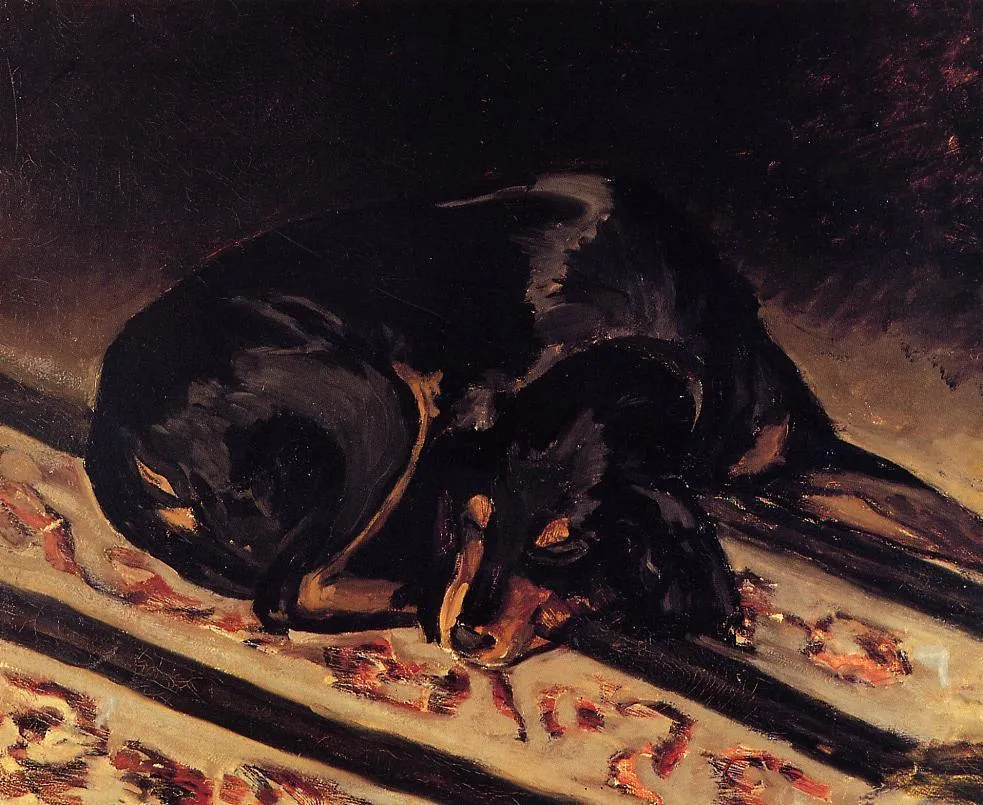
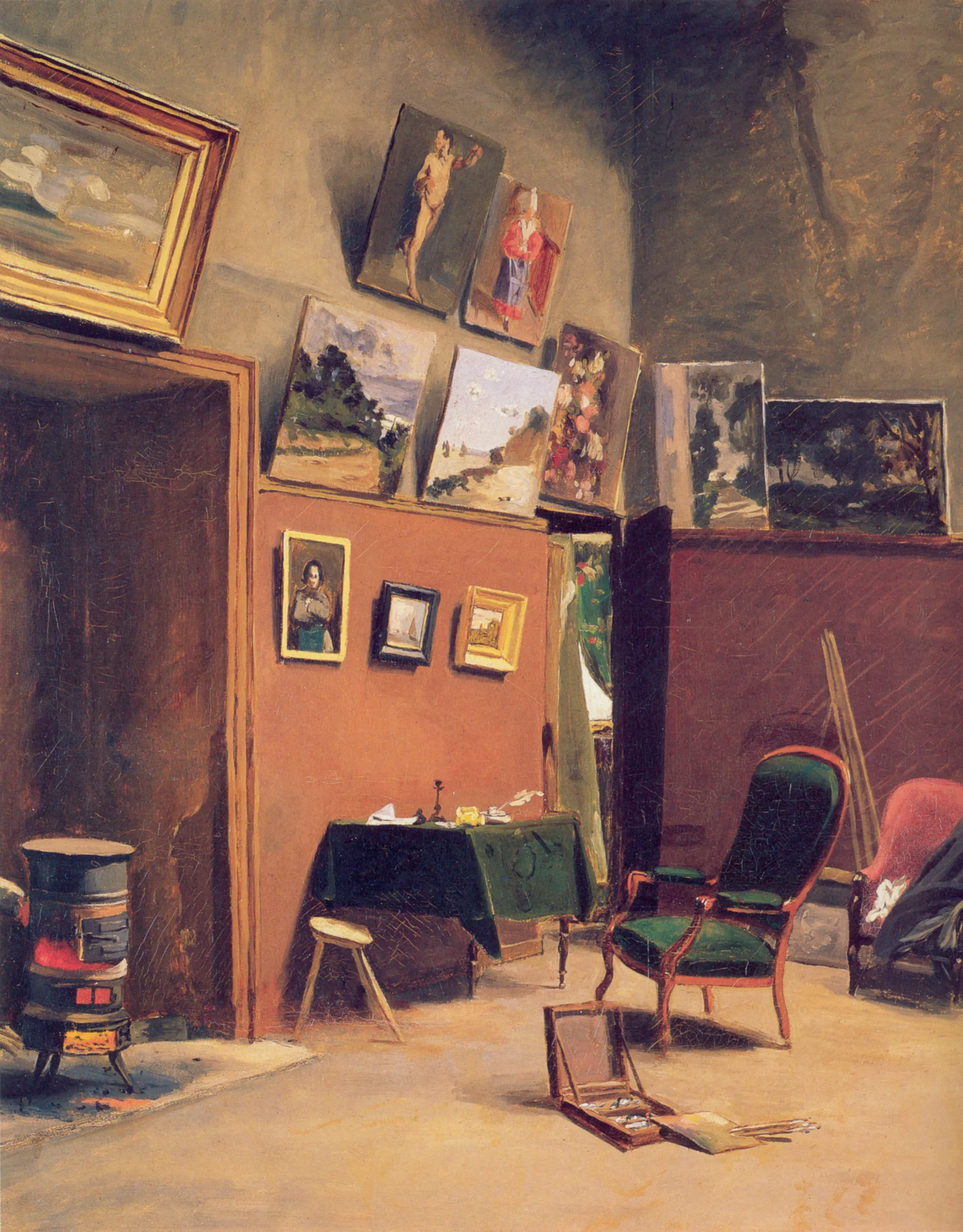
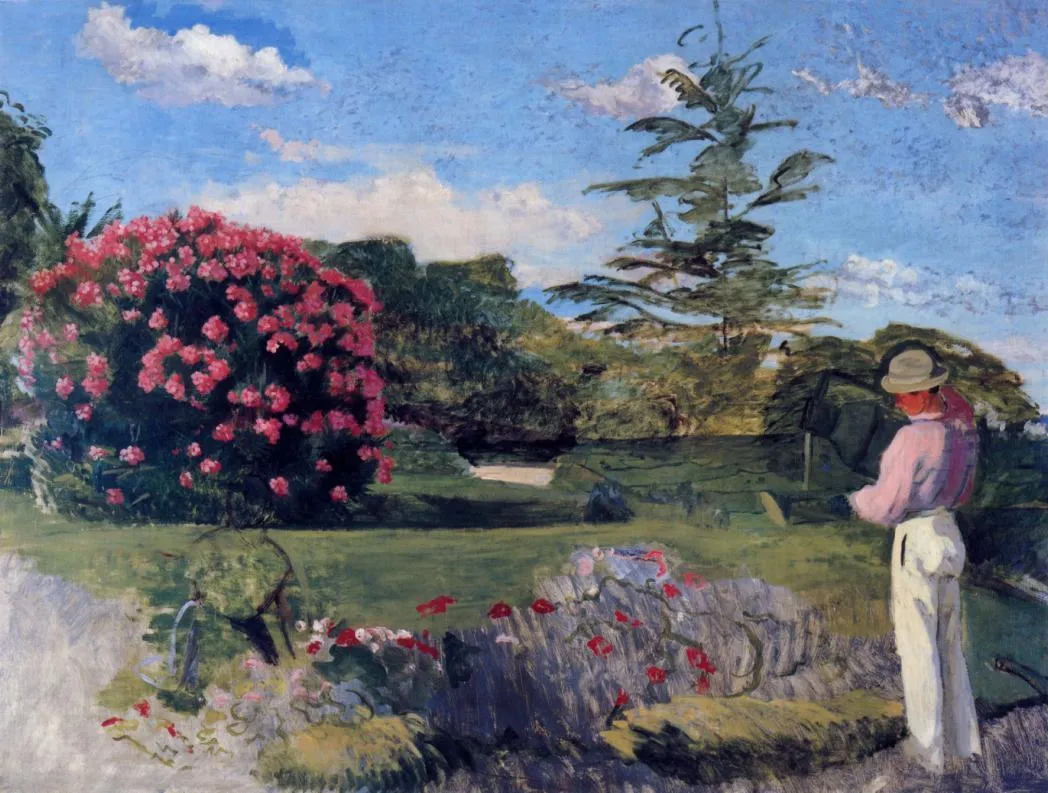
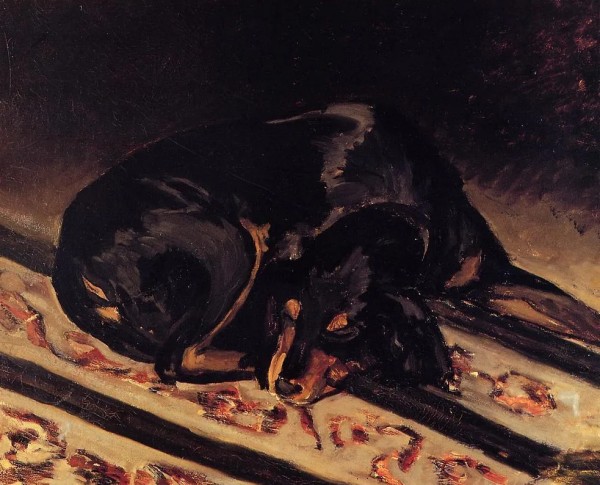
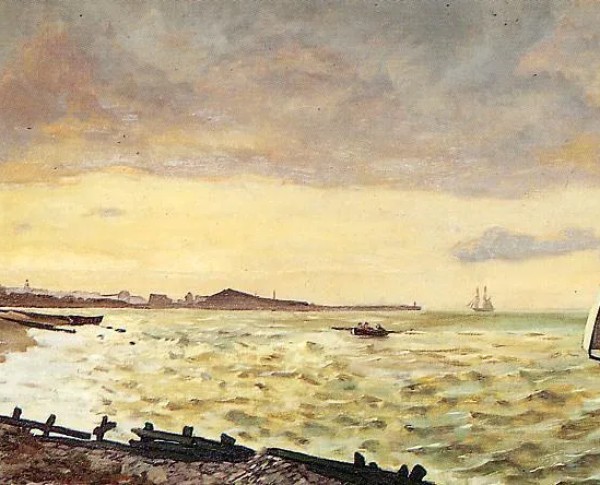
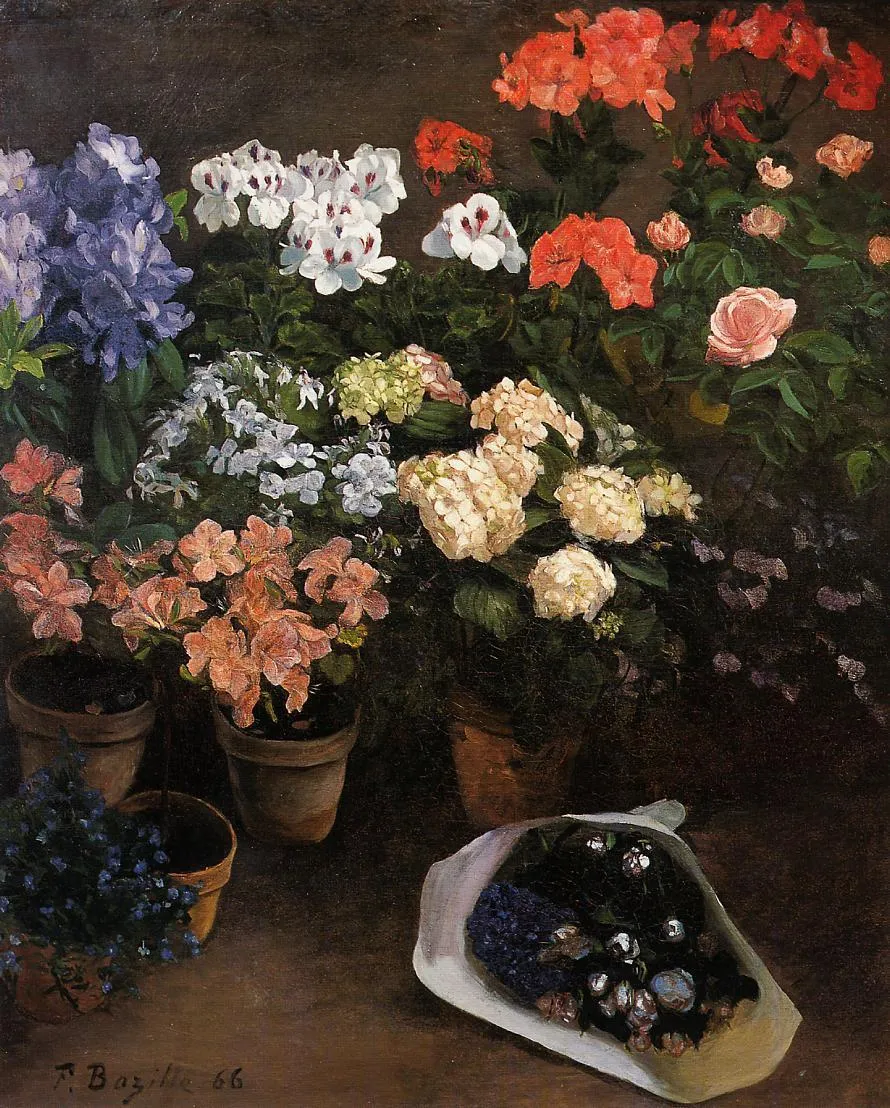
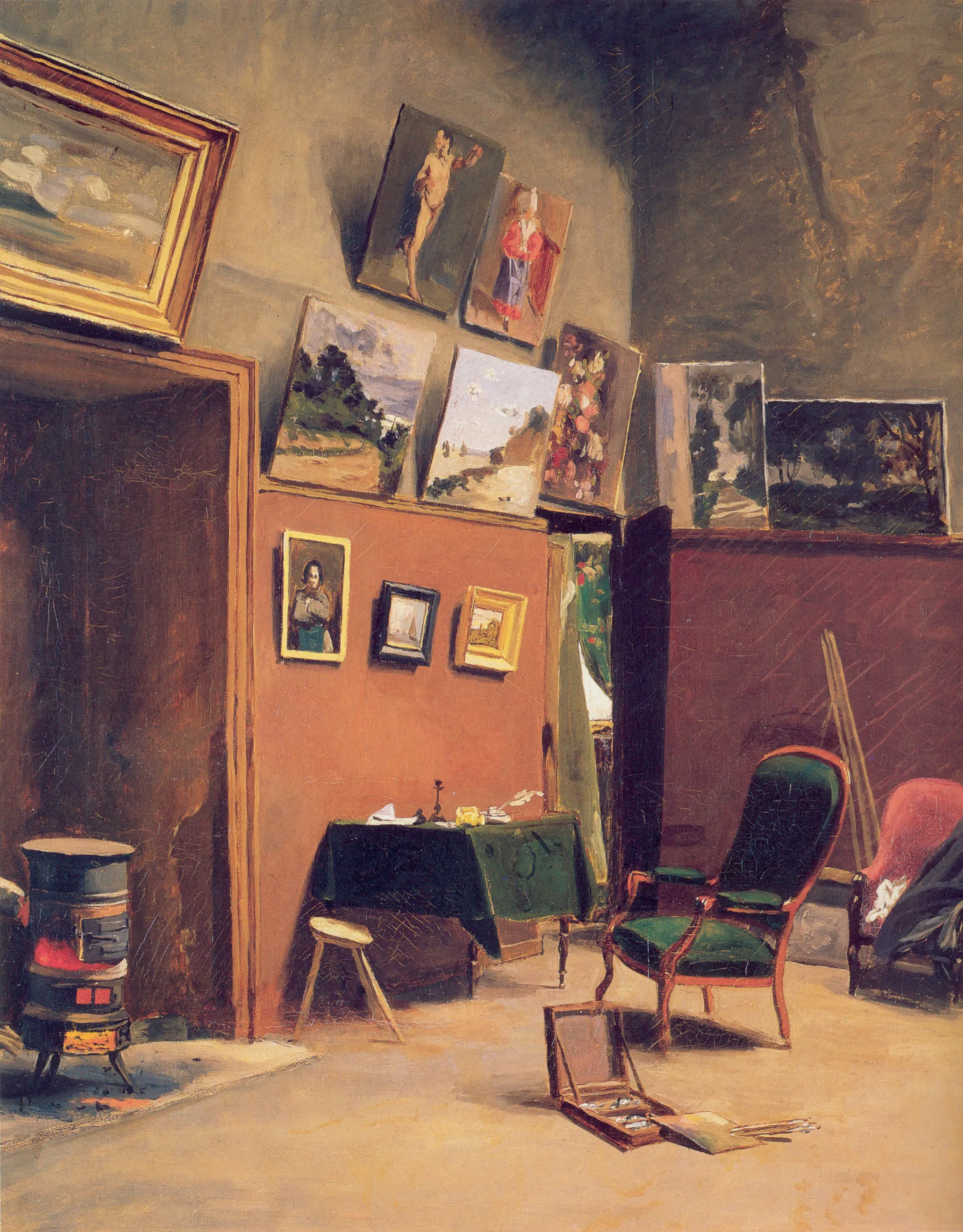
With “Study of Flowers,” Frederic Bazille demonstrates his exceptional skill in oil on canvas, rendering each petal and leaf with lifelike precision. As a key figure in the Realism movement, Bazille’s attention to light and texture brings the floral arrangement to life. This masterpiece pairs beautifully with related paintings such as “Studio in the rue de Furstenberg” and “Village Street,” offering a glimpse into the artist’s evolving technique and dedication to authenticity.
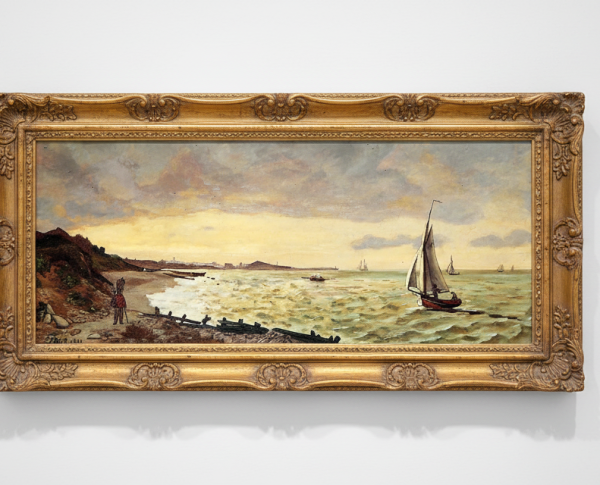
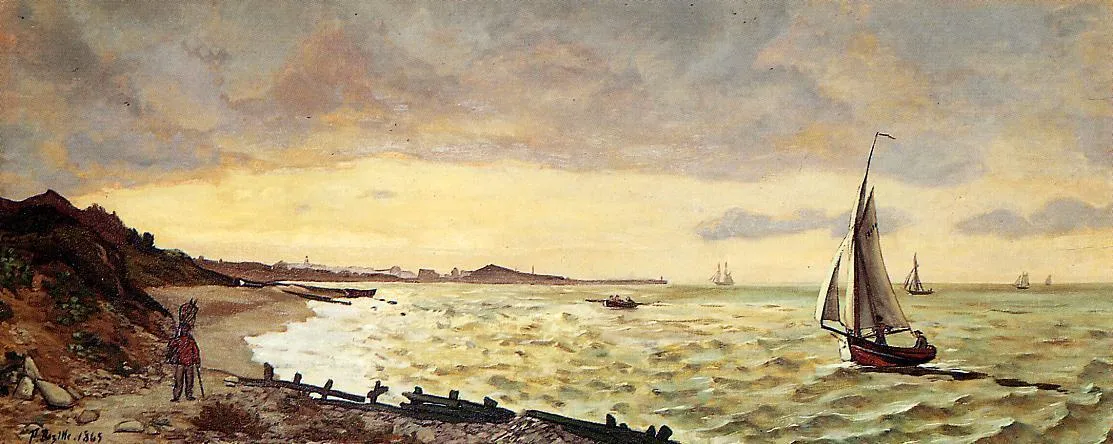
“Study of Flowers” by Frederic Bazille is more than just a fine art painting for sale—it is a window into the symbolic language of nature. Flowers often represent the fleeting nature of life, a theme Bazille explores with sensitivity and depth. Collectors who appreciate works like “Beach at Sainte-Adresse” and “Portrait of Edouard Blau” will find that this painting adds a rich narrative layer to any curated collection.
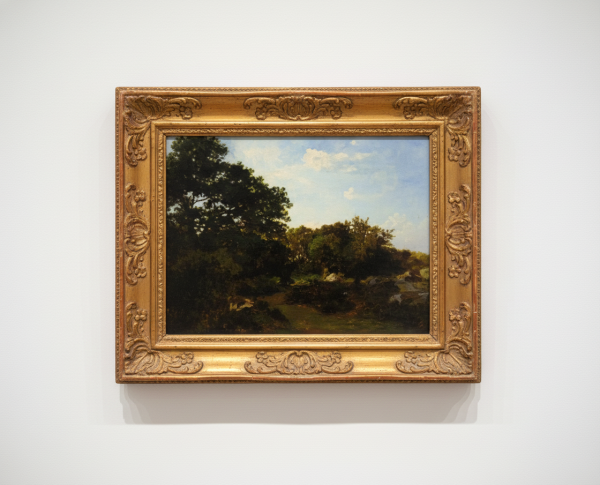
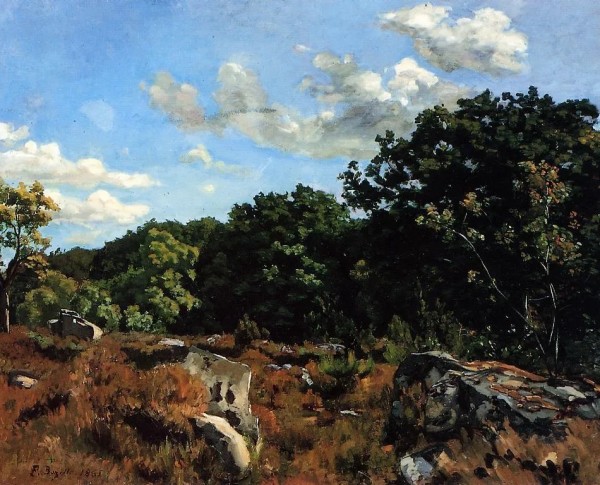
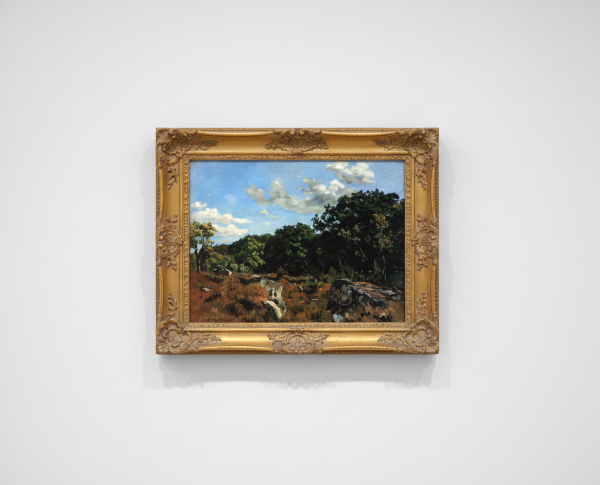
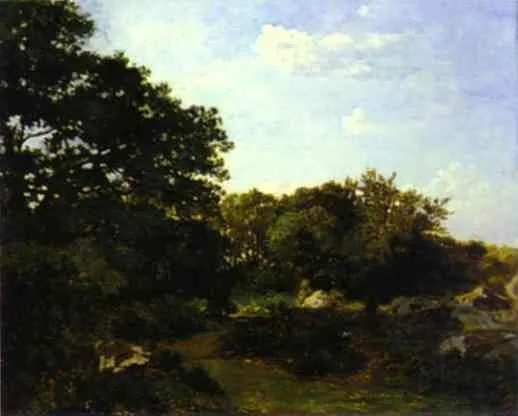
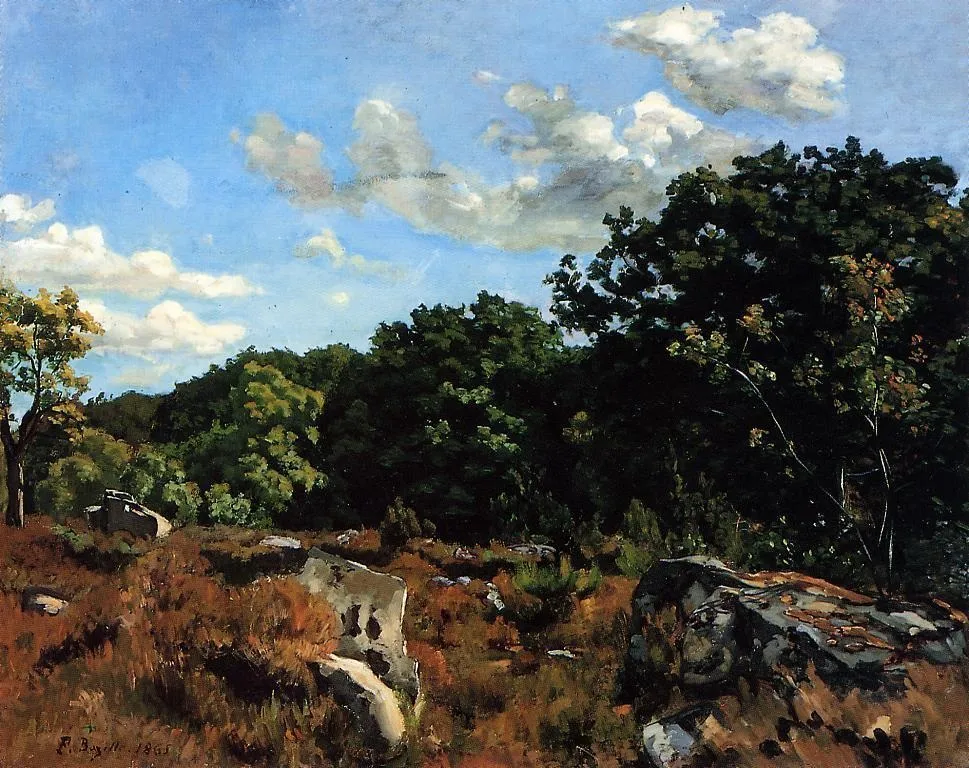
Owning a hand-painted oil painting like “Study of Flowers” by Frederic Bazille is a rare privilege for art connoisseurs. As a cornerstone of the Realism movement, this artwork is highly sought after, especially when paired with related pieces such as “Forest of Fontainebleau” or “Landscape at Chailly.” Its timeless appeal and meticulous execution make it an invaluable addition to any fine art collection, embodying Bazille’s enduring influence on nineteenth-century painting.
When Art Meets History
"Study of Flowers" by Frederic Bazille, a prominent figure in the Realism movement, beautifully captures the intricate details of nature through his masterful brushwork. Painted during a time when artists sought to depict the world with authenticity, this hand-painted oil painting reflects Bazille's dedication to lifelike representation. His work resonates alongside related paintings such as "An Old Woman Cooking Eggs" and "The Brierwood Pipe," each contributing to the rich tapestry of 19th-century fine art.
Techniques That Speak
Bazille's "Study of Flowers" demonstrates his remarkable skill with oil on canvas, utilizing subtle shading and vibrant color to create depth and realism. His technique involves delicate layering, capturing the essence of each petal and leaf with precision. As with other masterpieces like "Adoration of the Kings" and "Pierrot dancing," Bazille’s careful attention to detail elevates this painting, making it a standout example of Realism and a testament to his technical prowess.
Emotions on Display
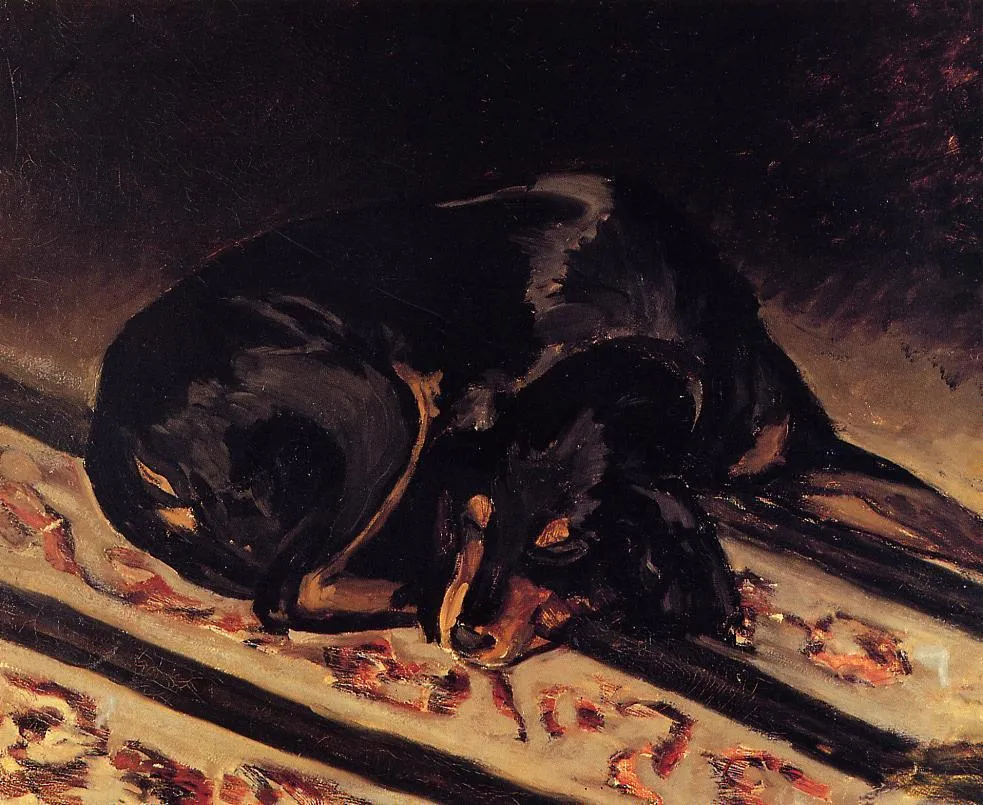
Through his sensitive portrayal in "Study of Flowers," Frederic Bazille invites viewers to experience the quiet beauty of nature. The painting evokes a sense of calm and appreciation for the simple elegance found in everyday life. This fine art painting for sale reveals the emotional depth characteristic of the Realism movement and connects with other evocative works, such as "A boy with a dog," which similarly capture fleeting moments and subtle human feelings through expert artistry.
Coveted by Collectors
Frederic Bazille's "Study of Flowers" remains highly sought after by art collectors who value authentic hand-painted oil paintings from the Realism era. Its timeless appeal and connection to related masterpieces like "Pierrot dancing" and "The Brierwood Pipe" enhance its desirability. Collectors appreciate the opportunity to own a piece that not only exemplifies Bazille’s skill but also represents a significant chapter in fine art history, making it a prized addition to any collection.
Related Realism Hand-Painted Oil Paintings by Other Artists
Other Famous Realism Artists:
Frequently Asked Questions About Study of Flowers
What is the historical context of "Study of Flowers"?
"Study of Flowers" was created during the late 19th century, a period characterized by the rise of Impressionism in France. Frederic Bazille, a contemporary of Claude Monet and Pierre-Auguste Renoir, was influenced by the naturalistic approach of the Barbizon School, which emphasized the beauty of nature.
What artistic techniques did Bazille employ in this painting?
In "Study of Flowers," Bazille utilized loose brushwork and vibrant colors to capture the essence of the flowers. His technique reflects the Impressionist style, focusing on the play of light and color rather than precise detail.
What symbolism can be found in "Study of Flowers"?
The flowers in the painting symbolize beauty, transience, and the fleeting nature of life. Bazille’s choice of flowers may also reflect personal emotions or sentiments, common in still-life compositions of the time.
How does "Study of Flowers" compare to other works by Bazille?
What influences can be seen in Bazille's floral compositions?
Frederic Bazille was influenced by the works of earlier artists such as Édouard Manet and the Impressionists. His floral compositions reflect a blend of traditional still-life techniques and the innovative approaches of his contemporaries.
What role did nature play in Bazille's artistic philosophy?
Nature was central to Bazille's artistic philosophy, as he believed in capturing its beauty and spontaneity. His studies of flowers illustrate his fascination with the natural world and his desire to convey its ephemeral qualities.
What materials did Bazille likely use for "Study of Flowers"?
It is likely that Bazille used oil paints on canvas for "Study of Flowers," a common medium for artists of his time, allowing for rich color application and texture that enhances the depiction of flowers.
How did "Study of Flowers" reflect the Impressionist movement?
"Study of Flowers" reflects the Impressionist movement through its emphasis on light, color, and the natural beauty of the subject. Bazille's approach to capturing the essence of flowers aligns with the movement's focus on perception and momentary impressions.
What impact did Frederic Bazille have on future generations of artists?
Frederic Bazille's innovative techniques and commitment to capturing natural beauty influenced future generations of artists, particularly those within the Impressionist and Post-Impressionist movements, who continued to explore similar themes in their work.
Where can I view "Study of Flowers" today?
"Study of Flowers" is part of various collections and may be exhibited in art galleries or museums that focus on Impressionist art. Please check with local institutions for current exhibitions featuring Bazille's work.























_GFM_Painting_(1).webp)


 100% Hand-Painted: Finished in 3-6 Weeks

.png)















_(1).webp)