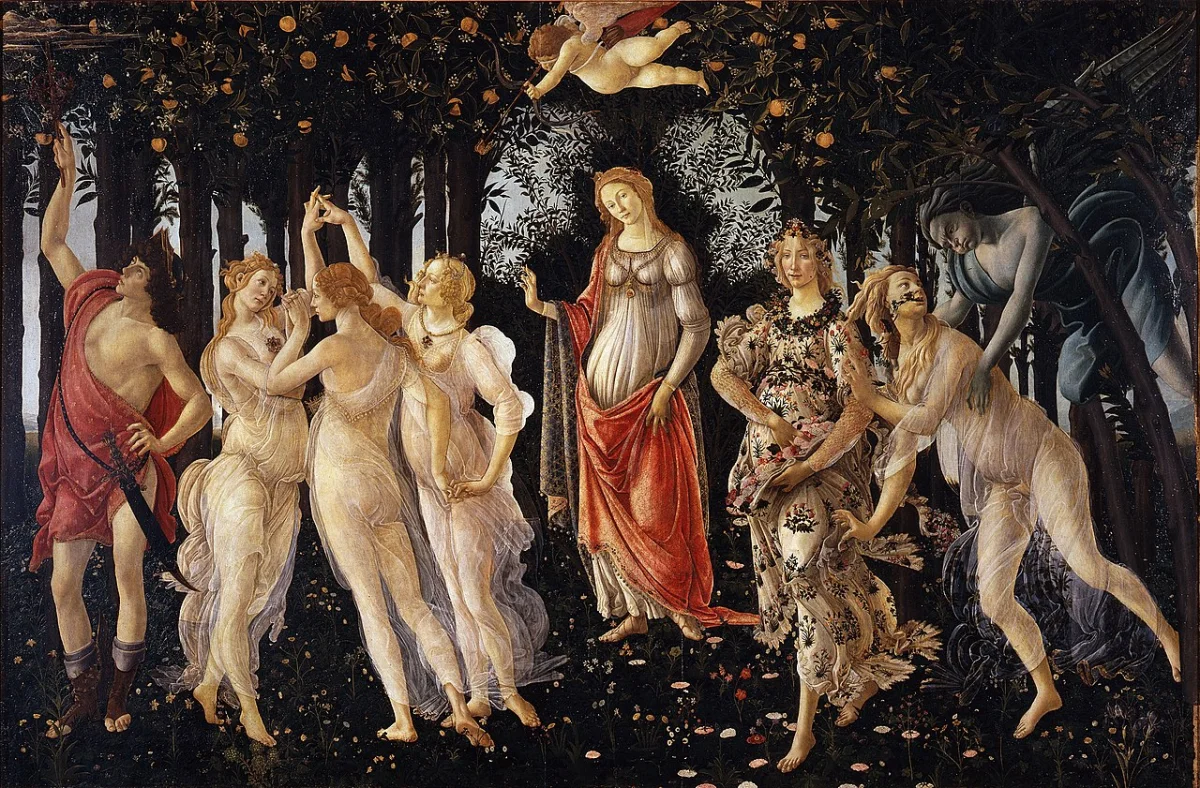
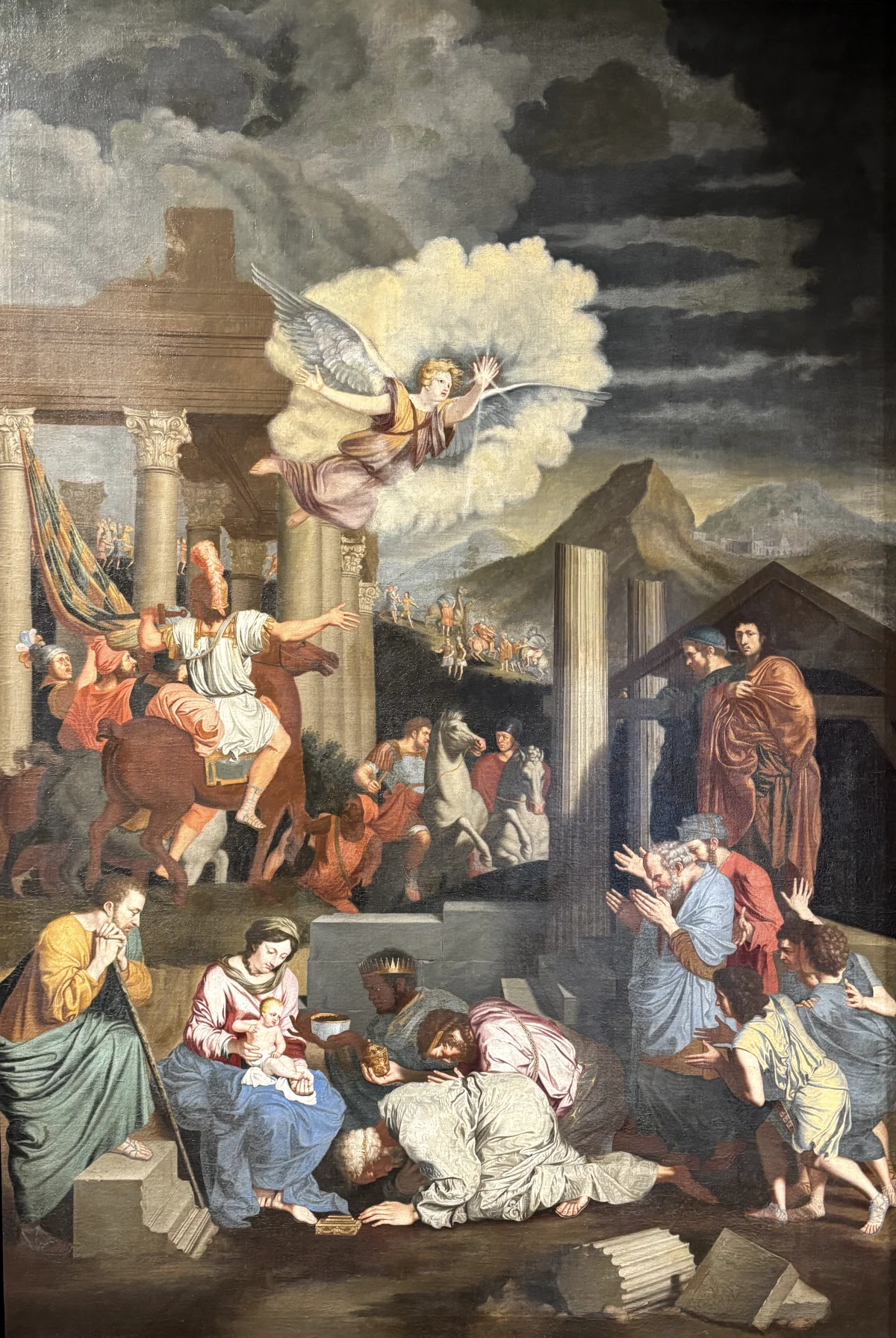
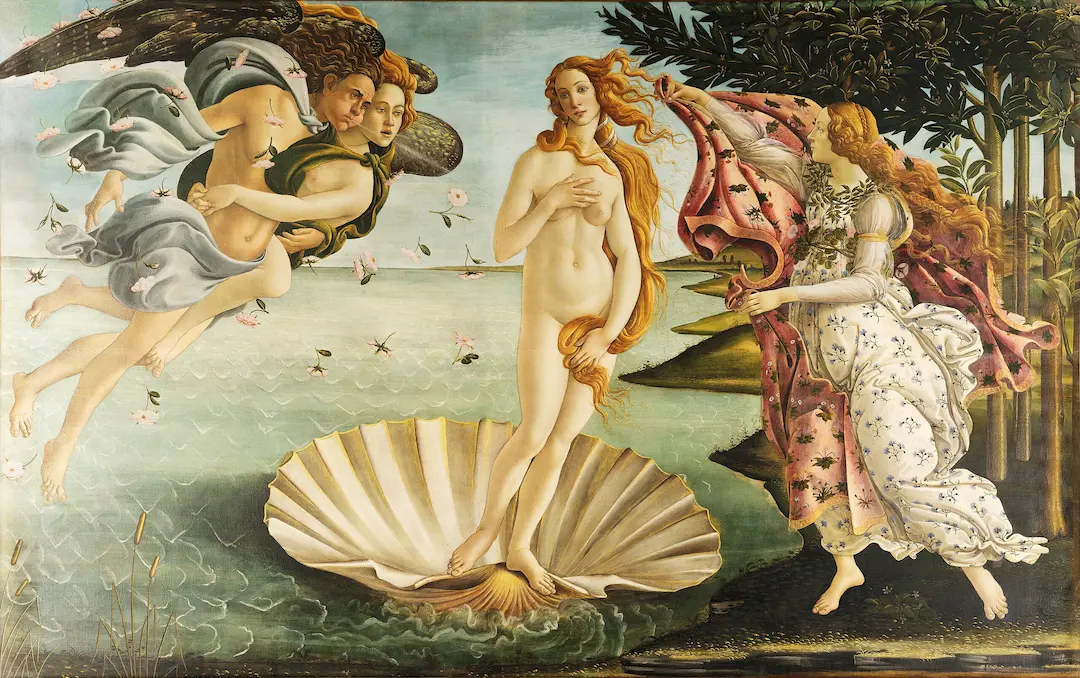
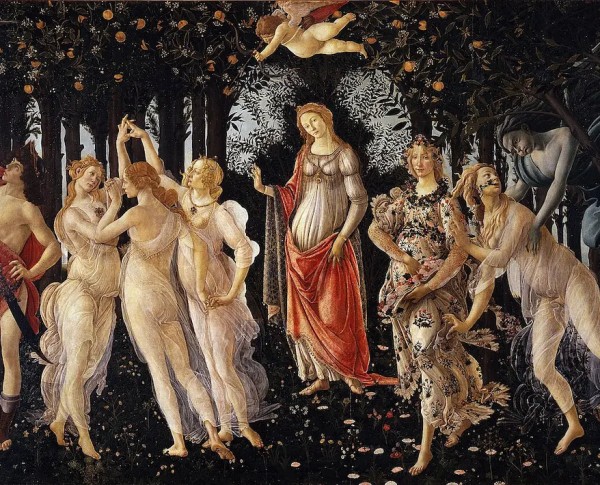
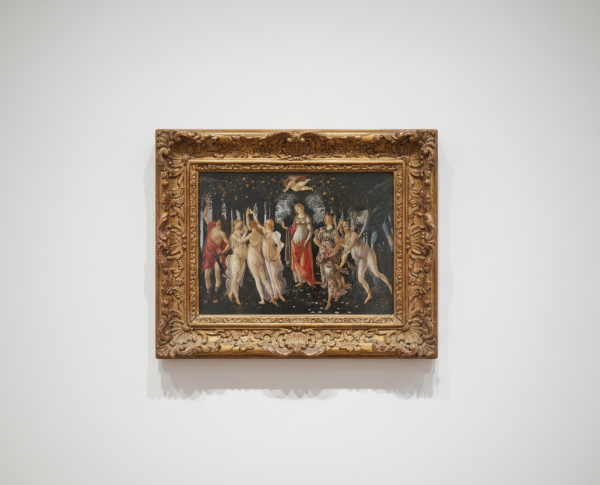
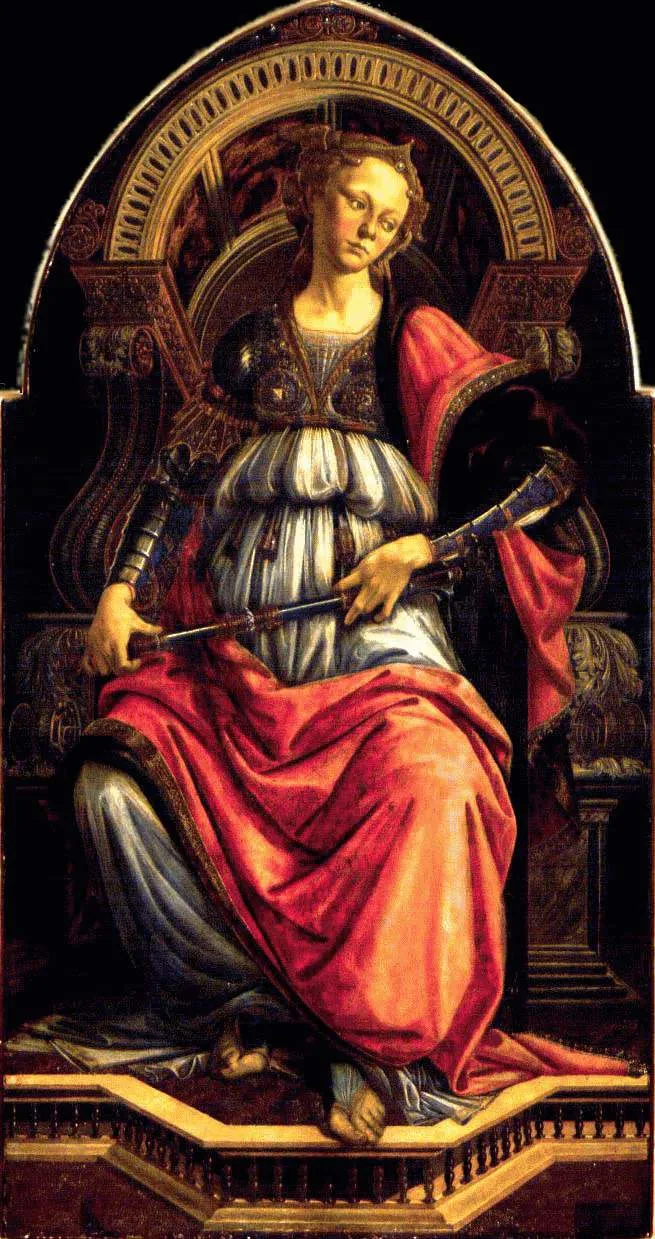
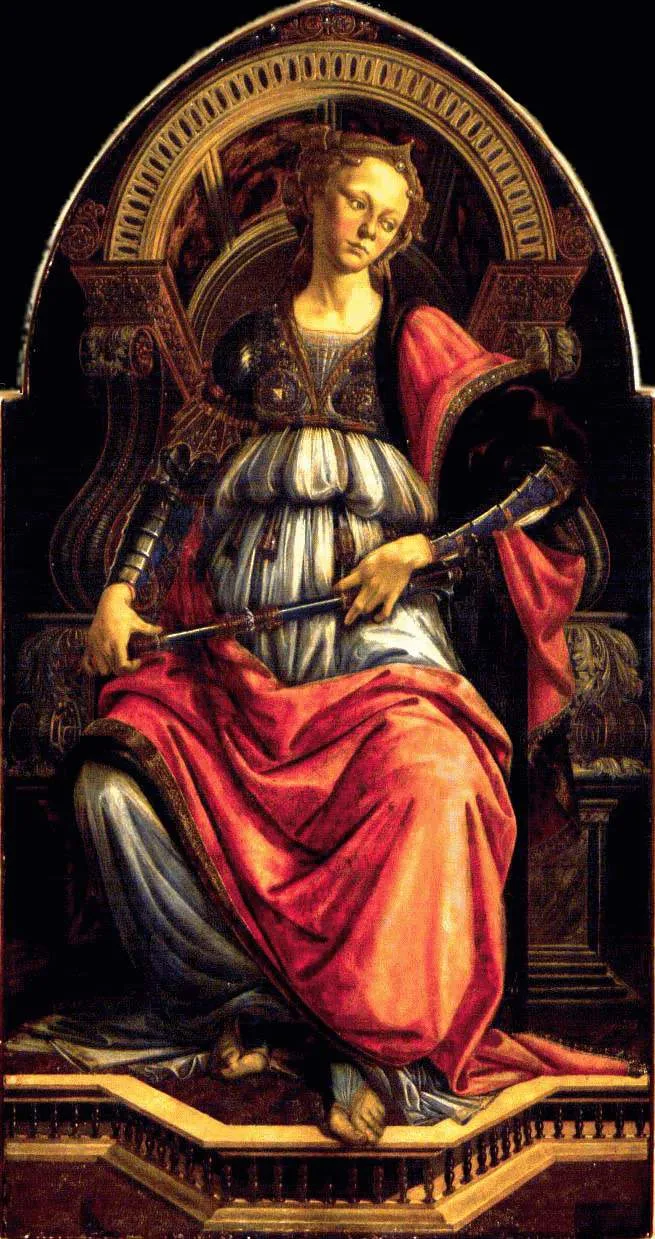
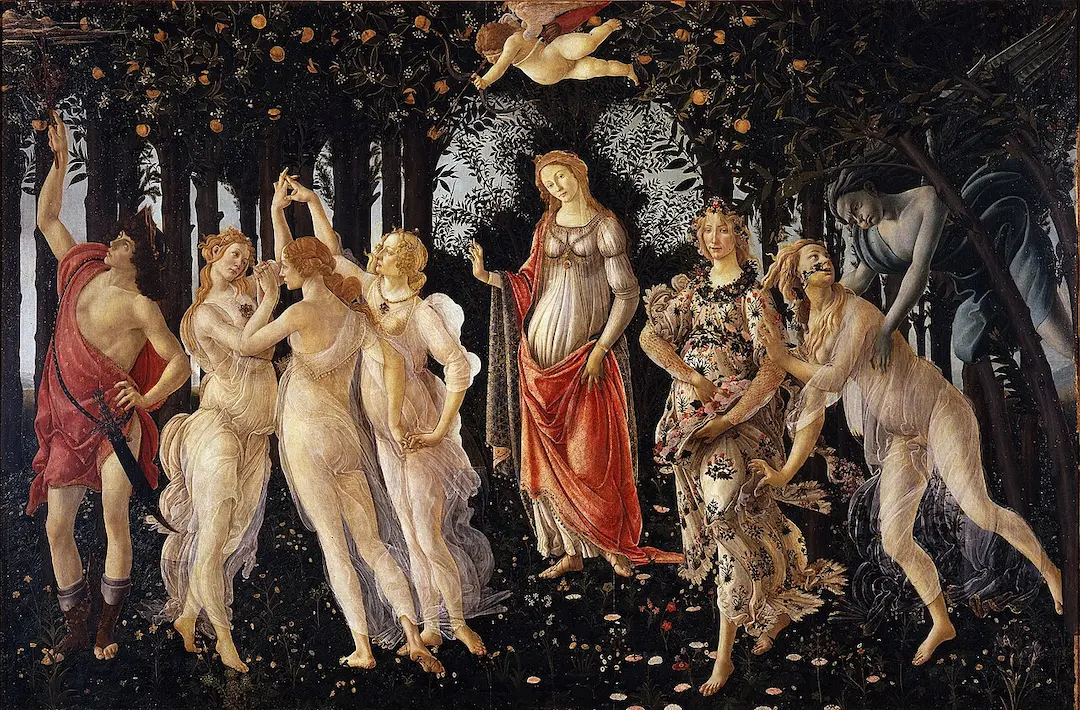
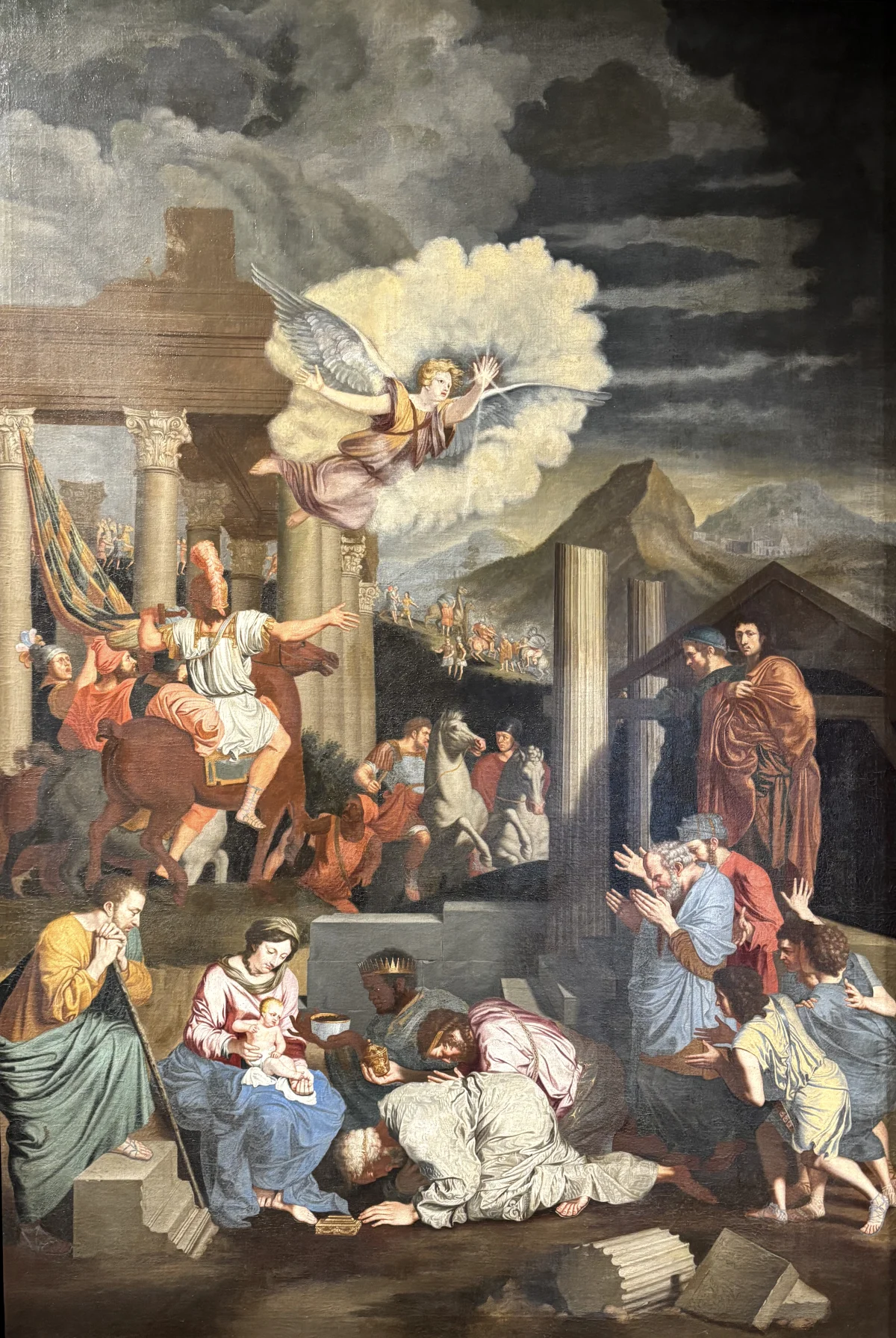
"Fortitude" by Alessandro Filipepi, widely known as Sandro Botticelli, stands as a testament to the Early Renaissance movement. This hand-painted oil painting showcases Botticelli’s devotion to classical ideals and artistic innovation. With masterpieces like "Adoration of the Magi" and "Primavera," Botticelli shaped the visual language of his era. "Fortitude" continues to captivate collectors and art lovers, embodying the enduring legacy of fine art painting for sale from this transformative period.
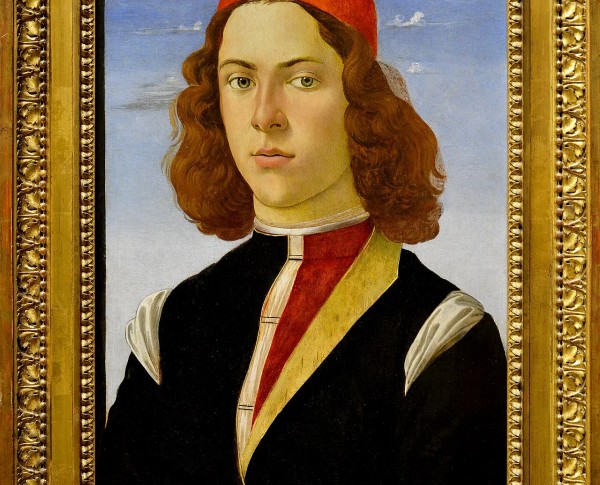
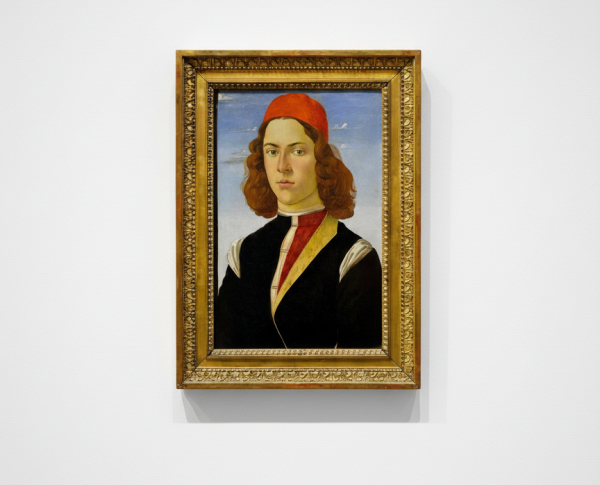
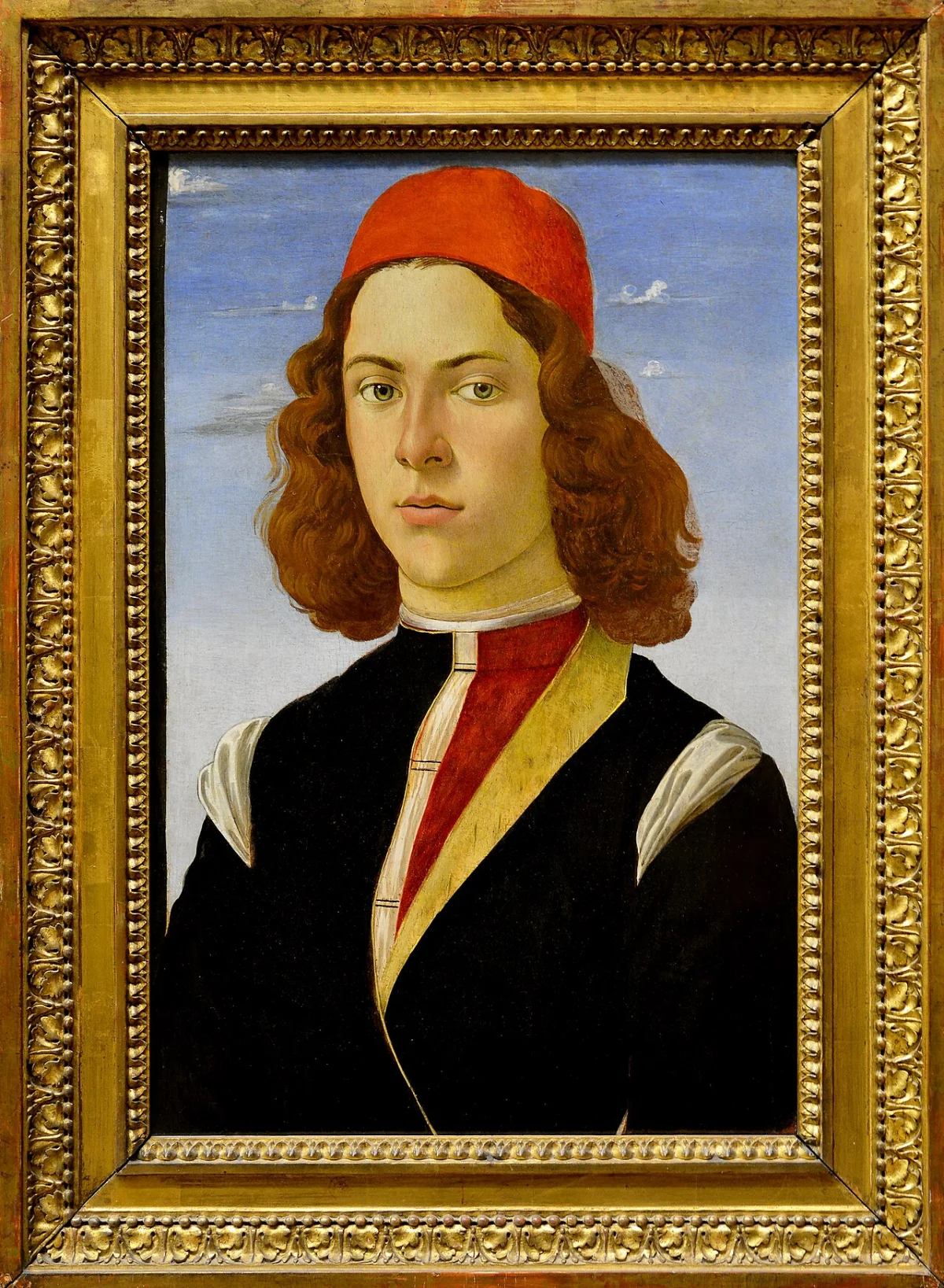
Botticelli’s "Fortitude" exemplifies the precision and grace typical of Early Renaissance oil on canvas works. Each brushstroke reveals the artist’s remarkable skill in capturing human emotion and strength. Comparing it to related products such as "Portrait of a Young Man" or "Madonna and Child," one can appreciate the consistent mastery in Botticelli’s technique. This oil on canvas is a remarkable example of how Botticelli merged technical prowess with profound symbolism in his compositions.
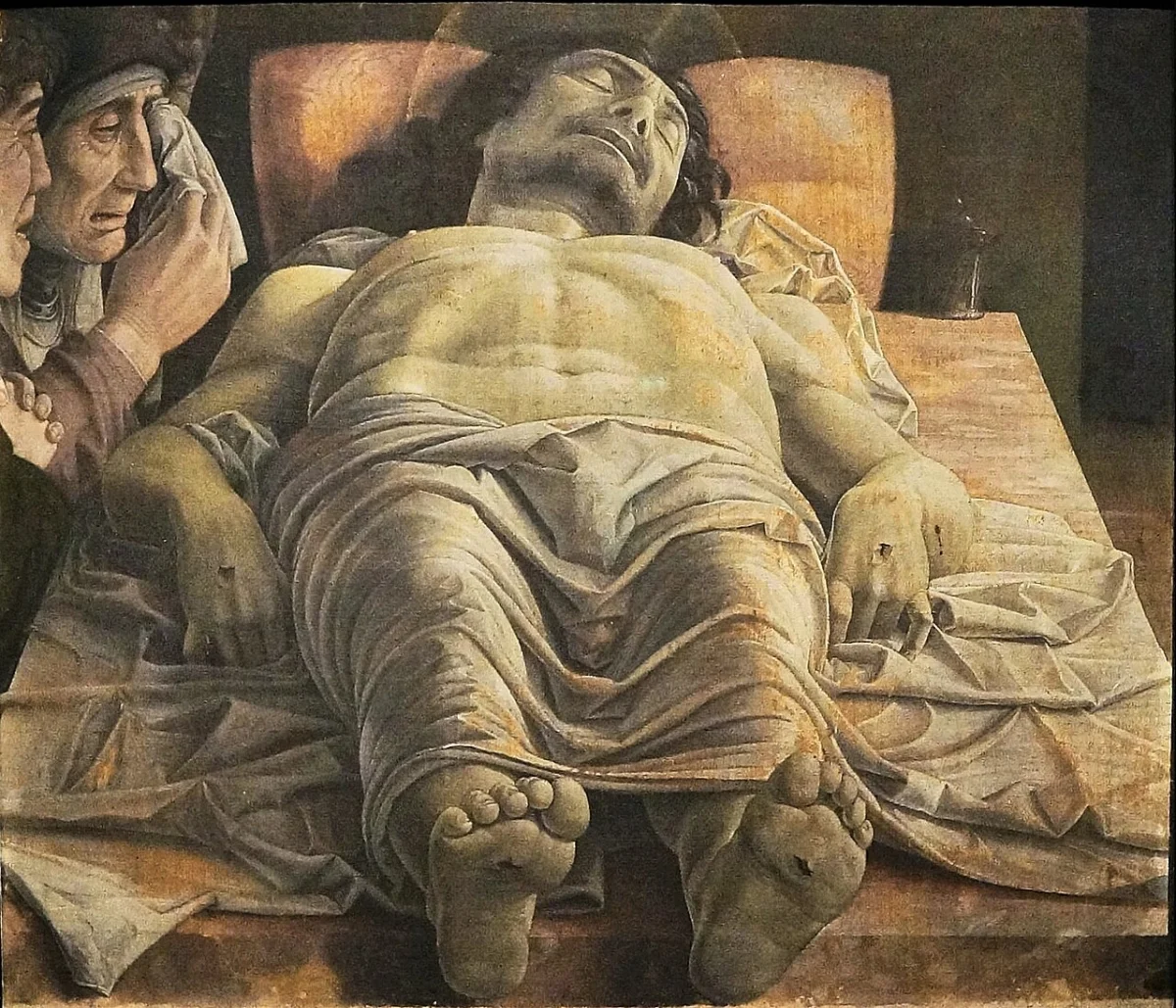
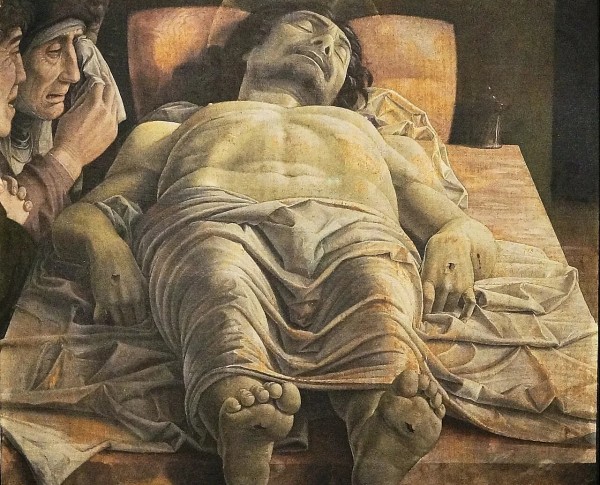
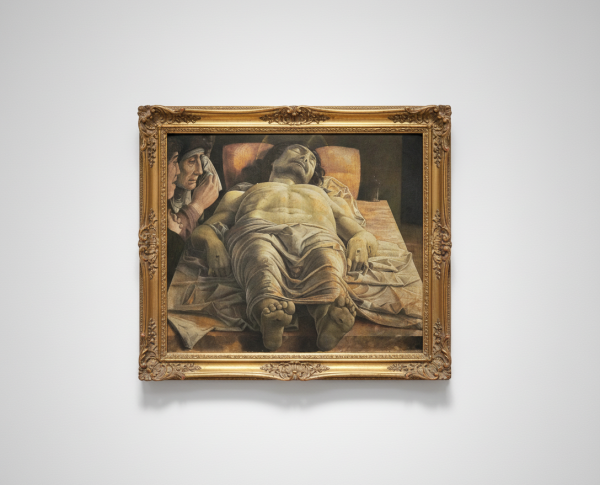
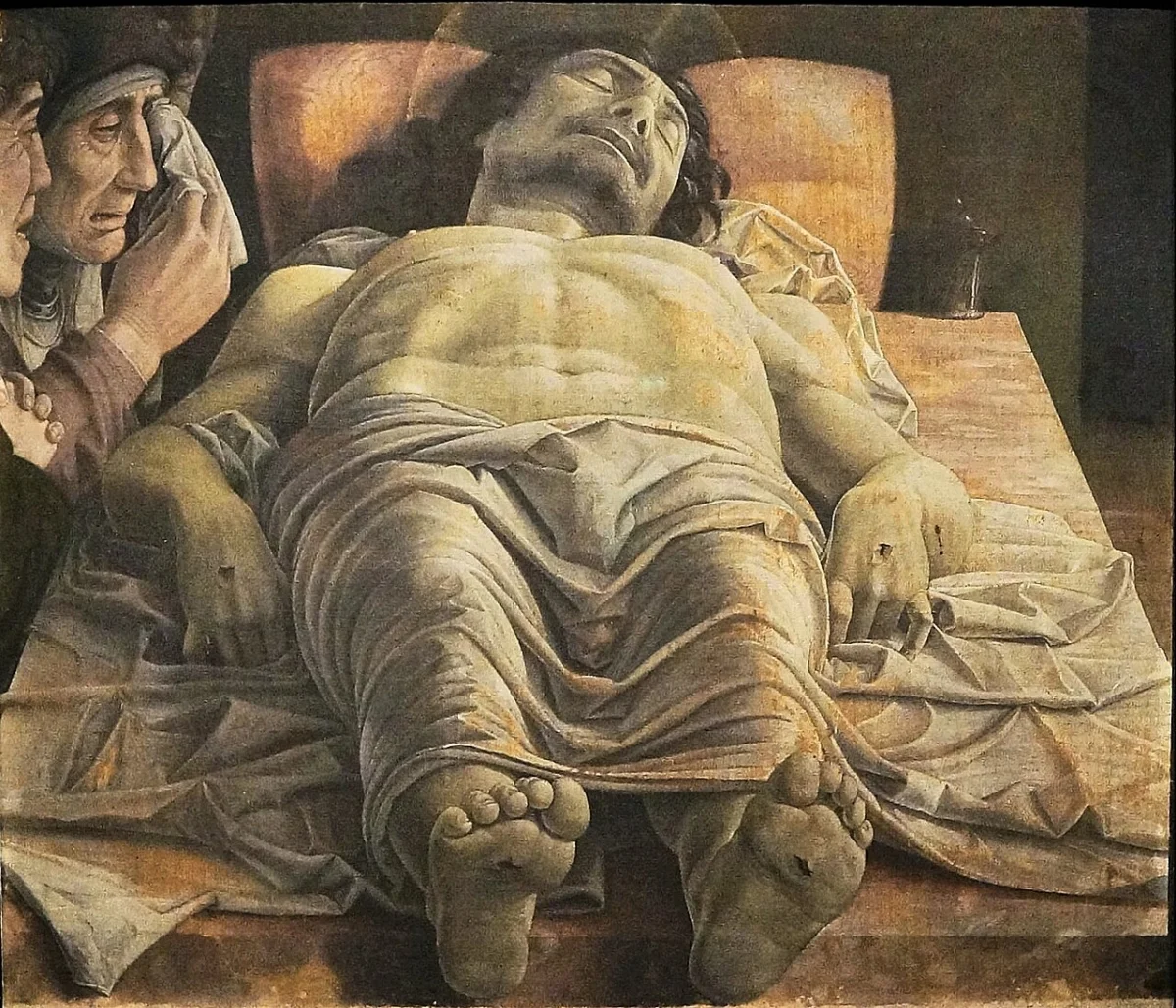
In "Fortitude," Botticelli weaves together rich stories and profound symbols characteristic of the Early Renaissance. The allegorical figure symbolizes courage and virtue, a theme echoed in works like "Lamentation over the Dead Christ" and "Madonna with two angels." This hand-painted oil painting invites viewers to explore layers of meaning, making it a compelling addition to any collection of Renaissance art. Botticelli’s storytelling through art remains a hallmark of his celebrated career.
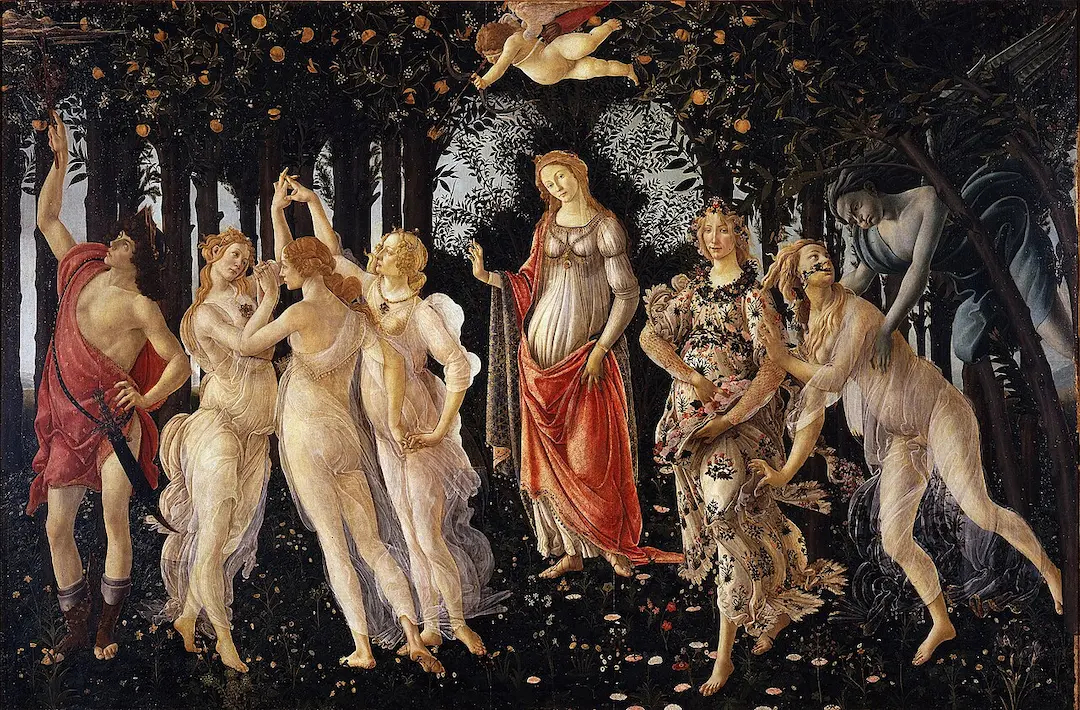
Owning "Fortitude" by Sandro Botticelli means possessing a piece of Early Renaissance history. This fine art painting for sale is more than a decorative object—it’s a rare artifact from an era that redefined artistic expression. Collectors often seek Botticelli’s works, including "Primavera" and "Adoration of the Magi," for their timeless beauty and cultural significance. "Fortitude" stands out as a collector’s treasure, representing both artistic mastery and historical value.
When Art Meets History
"Fortitude" by Alessandro Filipepi, widely known as Sandro Botticelli, stands as a testament to the Early Renaissance movement. Painted in 1470, this hand-painted oil painting captures the era’s fascination with classical virtues and humanist ideals. Botticelli’s mastery is evident as he places "Fortitude" alongside other monumental works, marking a pivotal point in art history. The painting not only reflects Botticelli’s genius but also the societal values of Florence during the Renaissance.
Techniques That Speak
Sandro Botticelli’s "Fortitude" employs refined oil on canvas techniques, showcasing the artist’s delicate brushwork and attention to intricate details. The Early Renaissance movement’s emphasis on realism and perspective is evident in the painting’s composition and the lifelike rendering of the figure’s garments and expressions. Botticelli’s use of light and shadow creates depth, demonstrating his innovative approach to oil painting, which would go on to influence generations of artists.
Emotions on Display
In "Fortitude," Botticelli conveys a profound sense of inner strength and calm, hallmarks of Early Renaissance portraiture. The subject’s serene gaze and poised posture evoke resilience and dignity. As with his other masterpieces, Botticelli imbues the hand-painted oil painting with a quiet intensity, inviting viewers to contemplate the emotional depth behind the figure’s composed exterior. The emotional resonance of "Fortitude" continues to captivate art enthusiasts and scholars alike.
Coveted by Collectors
"Fortitude" by Sandro Botticelli remains a highly sought-after fine art painting for sale among collectors and museums worldwide. Its significance within the Early Renaissance movement and Botticelli’s reputation as a master artist add to its allure. The painting’s timeless themes and exquisite execution make it a prized possession, often featured alongside other Renaissance treasures. Collectors value "Fortitude" not only for its artistry but also for its enduring historical and cultural impact.
Frequently Asked Questions About Fortitude
What is the historical context of "Fortitude"?
"Fortitude" was painted by Sandro Botticelli during the early Renaissance, a period characterized by a renewed interest in classical philosophy, art, and humanism. This painting reflects the values and ideals of the time, emphasizing strength and virtue.
What are the main themes depicted in "Fortitude"?
The primary theme of "Fortitude" is the representation of strength and resilience in the face of adversity. The painting embodies the virtue of fortitude, which was highly regarded in both classical and Renaissance thought.
How does Botticelli's style influence the portrayal of Fortitude?
Botticelli's distinctive style, characterized by flowing lines, delicate figures, and a harmonious composition, enhances the portrayal of Fortitude. The elegant depiction of the figure conveys both physical strength and inner grace.
What symbolic elements are present in "Fortitude"?
The painting includes various symbolic elements, such as the lion, which represents courage and bravery. Additionally, the figure's posture and expression symbolize inner strength and determination.
What is the significance of the figure's attire in "Fortitude"?
The figure's attire in "Fortitude" is rich and elaborate, reflecting the status and virtues associated with the character being depicted. The clothing serves to elevate the figure's importance and emphasizes the nobility of fortitude.
How does "Fortitude" compare to other works by Botticelli?
What influence did "Fortitude" have on later artists?
"Fortitude" has influenced numerous artists who sought to capture the ideals of strength and virtue in their work. Botticelli's approach to character and emotion has inspired both Renaissance and modern artists in their portrayals of similar themes.
What was the original purpose of "Fortitude"?
The original purpose of "Fortitude" is believed to be part of a larger series of virtues, intended to convey moral lessons and ideals to the viewer. Such works were often displayed in public or private spaces to inspire contemplation and virtue.
How has "Fortitude" been received by art critics over time?
Art critics have long praised "Fortitude" for its masterful execution and profound symbolism. Over time, it has been recognized as a significant work that encapsulates the essence of Botticelli's artistic vision and the values of the Renaissance.
What techniques did Botticelli use in the creation of "Fortitude"?
Botticelli employed techniques such as tempera on panel, allowing for vibrant colors and fine details. His use of line and form creates a sense of movement and grace, contributing to the overall impact of the painting.






















_GFM_Painting_(1).webp)


 100% Hand-Painted: Finished in 3-6 Weeks

.png)












.webp)



_(1).webp)