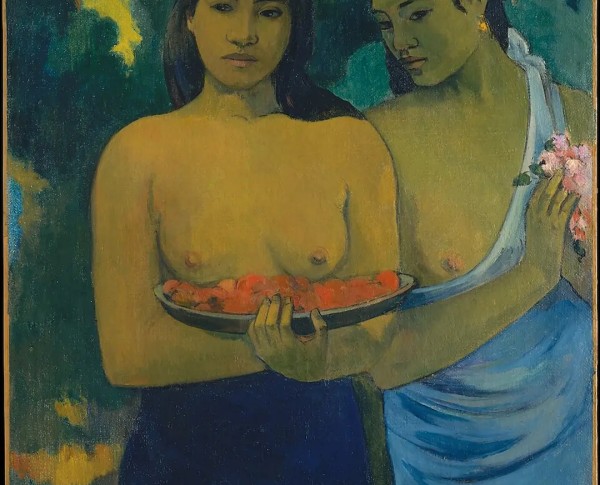
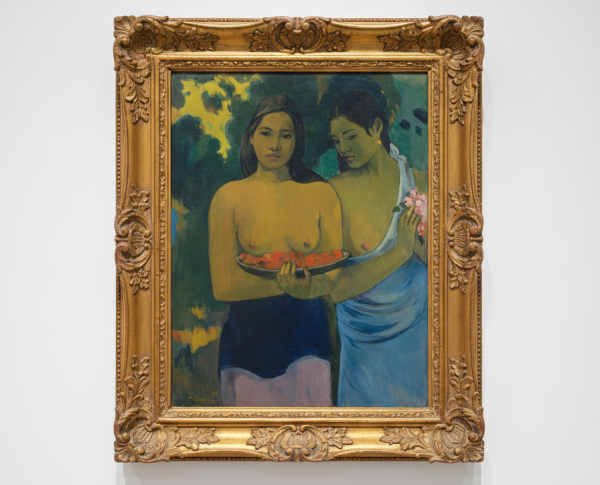
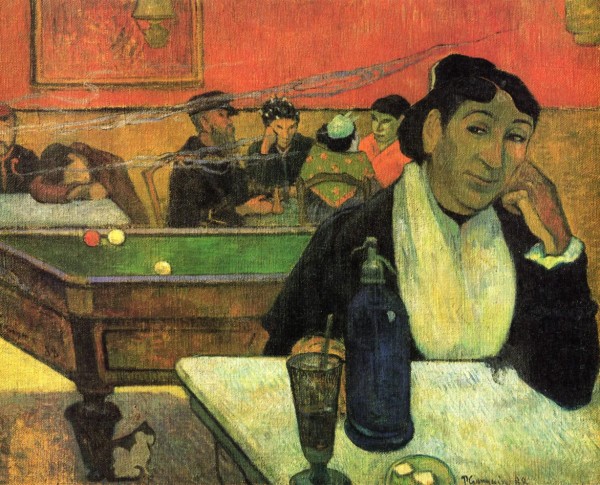
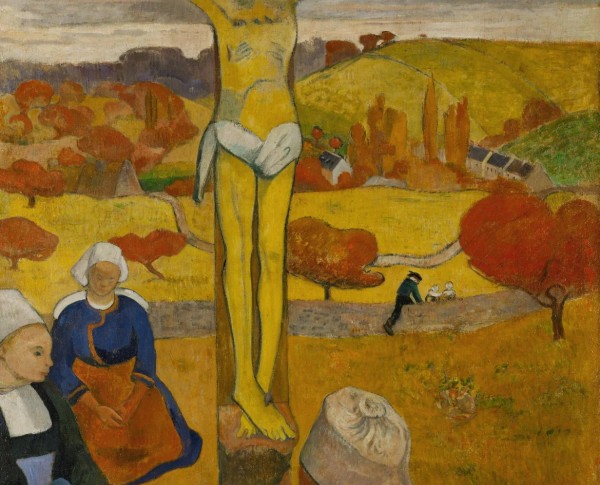
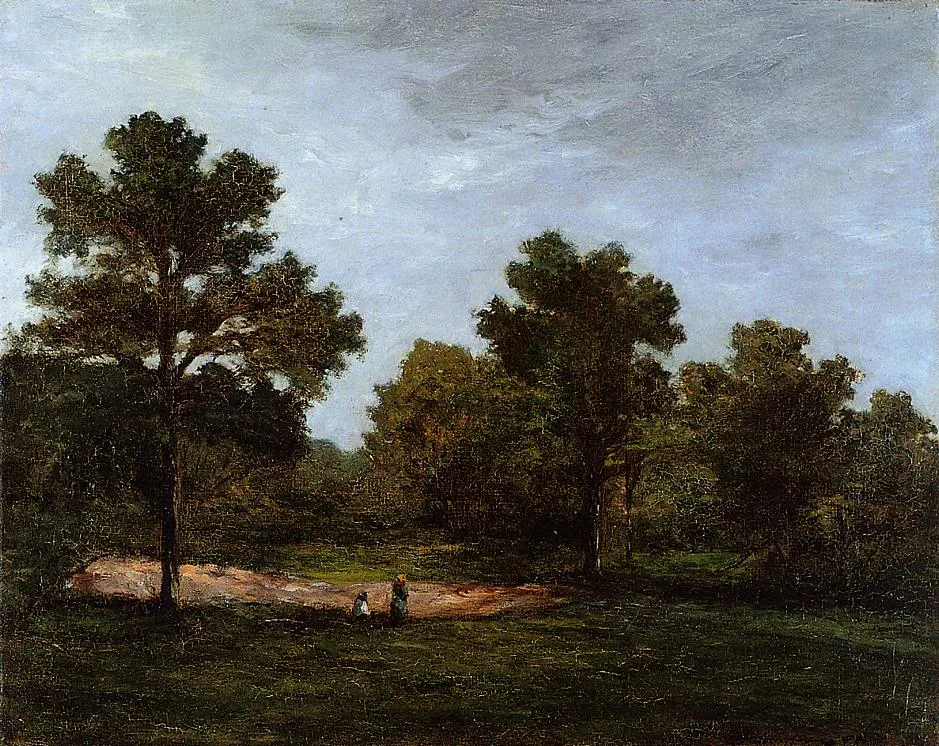
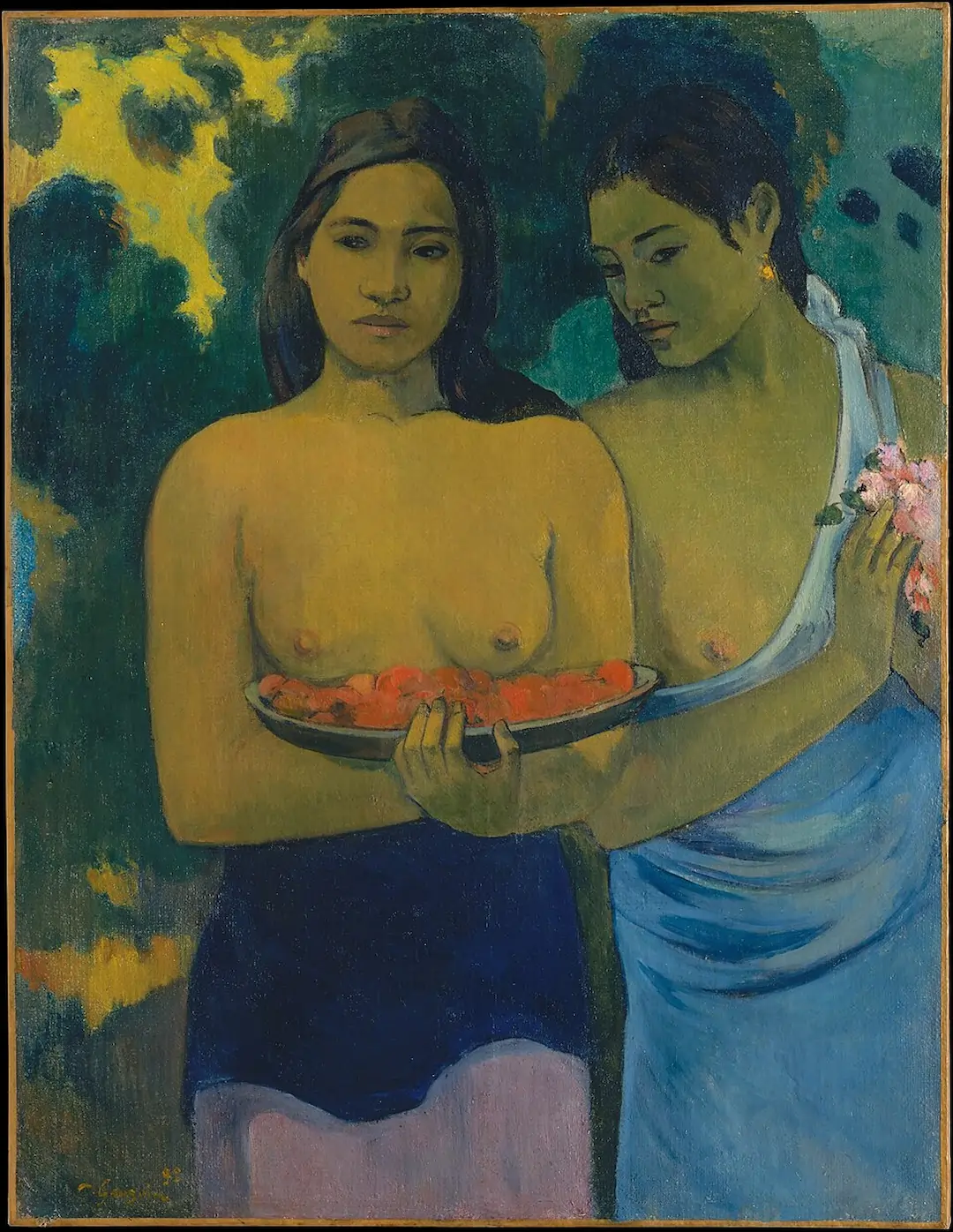
Paul Gauguin’s "Clearing" demonstrates his exceptional technique with oil on canvas, bringing to life the vibrant hues and bold forms characteristic of Post-Impressionism. Each brushstroke reveals his quest to move beyond Impressionism’s fleeting effects, favoring strong outlines and symbolic color. Art enthusiasts seeking other masterpieces by Gauguin may also appreciate related products such as "Ia Orana Maria" and "Manaò tupapaú," which showcase similar mastery and innovation in oil on canvas artworks.
Within "Clearing," Gauguin weaves a narrative rich in symbolism, using the landscape to evoke deeper meanings and emotions. This fine art painting for sale is more than a visual delight; it invites viewers to interpret its hidden stories, much like his renowned works "Where Do We Come From? What Are We? Where Are We Going?" and "Chicken Coop." As a leading figure in Post-Impressionism, Gauguin’s art continues to inspire curiosity and thoughtful reflection.
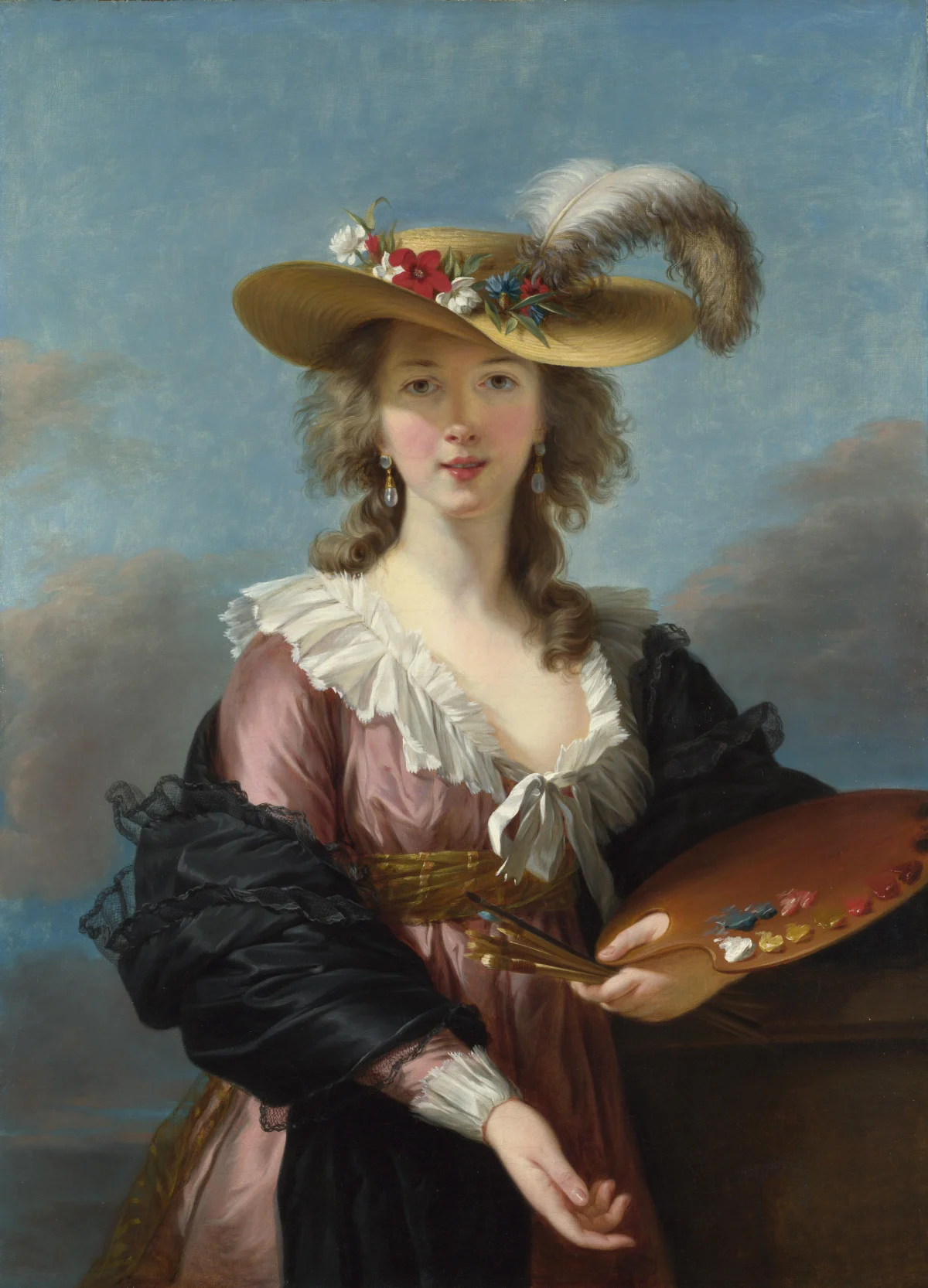
For collectors, "Clearing" by Paul Gauguin represents a prized acquisition, embodying the spirit of the Post-Impressionism movement. The hand-painted oil painting stands out for its vivid palette and expressive composition, making it a sought-after masterpiece. Those interested in expanding their collection may consider related products, including other oil on canvas gems like "Self-portrait with hat" and "Ia Orana Maria," all testaments to Gauguin’s enduring influence in the world of fine art.
When Art Meets History
"Clearing" by Paul Gauguin stands as a remarkable example of the Post-Impressionism movement, which sought to push the boundaries of traditional Impressionist techniques. Created during a time of artistic innovation, this hand-painted oil painting reflects Gauguin's deep connection to nature and his desire to capture its essence in new ways. Similar works, such as "Milk Jug" and "The Red Vineyard," also highlight the era's vibrant exploration of color and form, making "Clearing" a pivotal piece in art history.
Techniques That Speak
Paul Gauguin’s "Clearing" employs the masterful use of oil on canvas, showcasing his signature brushwork and bold color palette. The painting’s layered textures and dynamic composition are hallmarks of Post-Impressionism, inviting viewers to experience the landscape’s energy firsthand. Comparable paintings like "Bridges Across The Seine At Asnieres" and "Olive Trees With Yellow Sky And Sun" also demonstrate this innovative approach, solidifying Gauguin's reputation as a pioneer in expressive technique.
Emotions on Display
"Clearing" evokes a tranquil yet vibrant atmosphere, capturing the emotional depth that Paul Gauguin infused into his Post-Impressionist works. Through his unique perspective, the fine art painting for sale radiates a sense of serenity and contemplation. Other pieces, such as "Morning Mist on the Orwell," share this emotive quality, allowing viewers to connect deeply with the artist’s vision and appreciate the nuanced feelings conveyed through each brushstroke.
Coveted by Collectors
Paul Gauguin’s "Clearing" remains highly sought after by art enthusiasts and collectors, who value the painting’s historical significance and striking visual appeal. As a distinguished hand-painted oil painting from the Post-Impressionism movement, it joins the ranks of other celebrated works like "The Red Vineyard." Its rarity and expressive style make it a prized addition to any collection, embodying the timeless allure of Gauguin’s artistic legacy.
Related Post-Impressionism Hand-Painted Oil Paintings by Other Artists
Other Famous Post-Impressionism Artists:
Frequently Asked Questions About Clearing
What is the historical context of Paul Gauguin's "Clearing"?
"Clearing" was created during Gauguin's time in Tahiti, a period marked by his exploration of primitive art and a departure from European artistic conventions. This painting reflects his quest for a more authentic and spiritual connection to nature.
What artistic techniques did Gauguin employ in "Clearing"?
Gauguin utilized bold colors, simplified forms, and a flattened perspective in "Clearing." These techniques are characteristic of his post-impressionist style, emphasizing emotional expression over realistic representation.
What themes are present in "Clearing"?
The painting explores themes of nature, spirituality, and the contrast between civilization and the natural world. It embodies Gauguin's fascination with the idyllic and untouched landscapes of Tahiti.
How does "Clearing" reflect Gauguin's philosophy of art?
Gauguin believed that art should transcend mere representation and convey deeper emotional truths. "Clearing" exemplifies this philosophy by inviting viewers to experience a sense of tranquility and introspection.
What is the significance of the title "Clearing"?
The title "Clearing" suggests a space of openness and clarity, symbolizing a departure from the chaos of modern life. It reflects Gauguin's desire to find solace in nature and the simplicity of life in Tahiti.
What role does color play in "Clearing"?
Color in "Clearing" serves to evoke emotion and create a sense of harmony. Gauguin's use of vibrant greens and earthy tones reflects the lushness of the Tahitian landscape, enhancing the painting's serene atmosphere.
How does "Clearing" compare to other works by Gauguin?
Compared to other works by Gauguin, "Clearing" showcases his unique approach to landscape painting, emphasizing emotional resonance over realism. It shares thematic elements with his other Tahitian works, focusing on the beauty and spirituality of the natural world.
What influences can be seen in "Clearing"?
Gauguin was influenced by various artistic movements, including Impressionism and Symbolism. In "Clearing," one can see the influence of these movements in his use of color, form, and the symbolic representation of nature.
What is the symbolic meaning of the landscape depicted in "Clearing"?
The landscape in "Clearing" symbolizes a sanctuary, representing a retreat from the complexities of modern life. It serves as a metaphor for spiritual renewal and the quest for inner peace.
How has "Clearing" been received by art critics and historians?
"Clearing" has been praised for its innovative use of color and form, as well as its emotional depth. Art critics and historians recognize it as a significant work that encapsulates Gauguin's artistic evolution and his exploration of the relationship between humanity and nature.






















_GFM_Painting_(1).webp)


 100% Hand-Painted: Finished in 3-6 Weeks

.png)















_(1).webp)