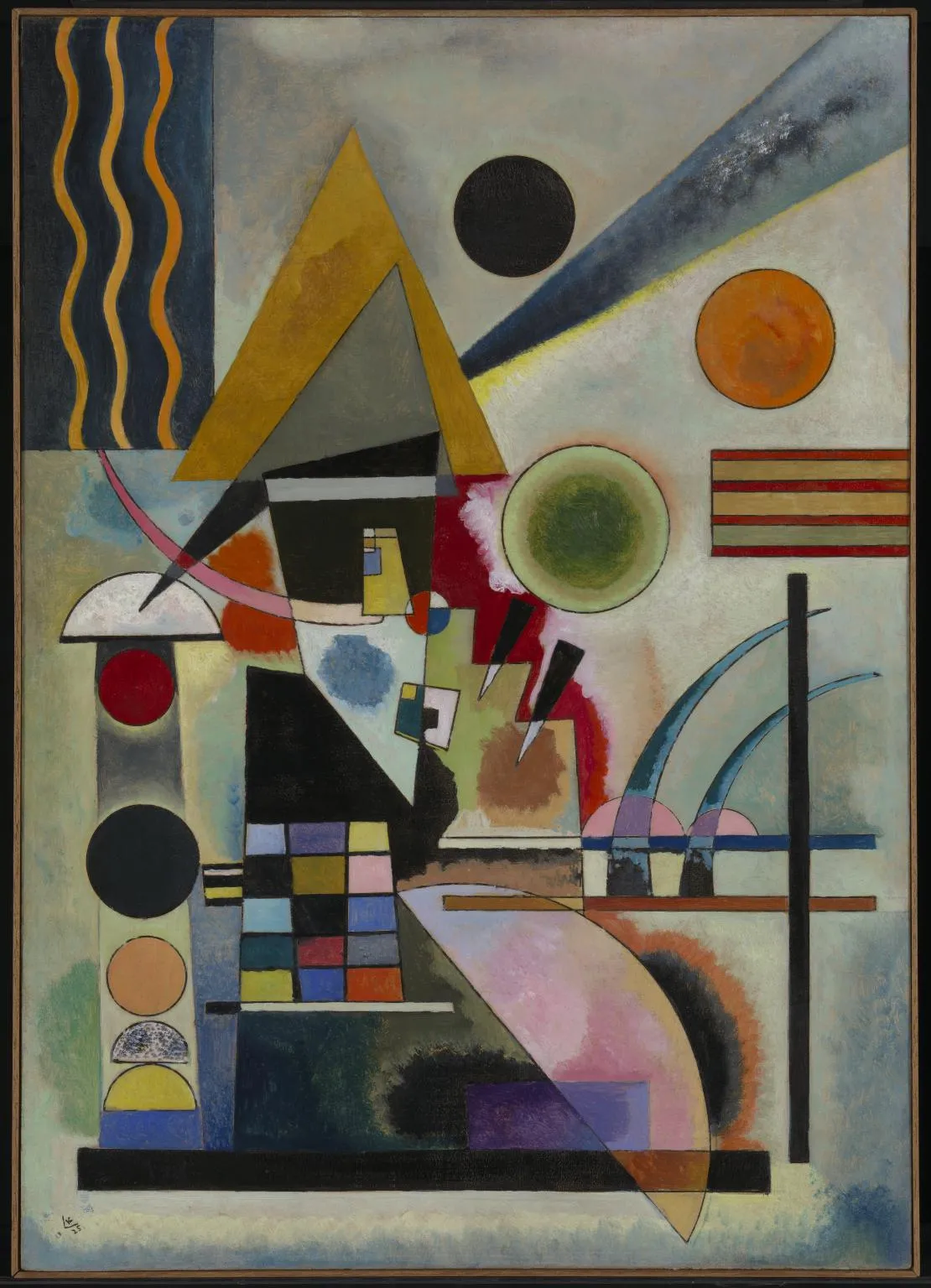
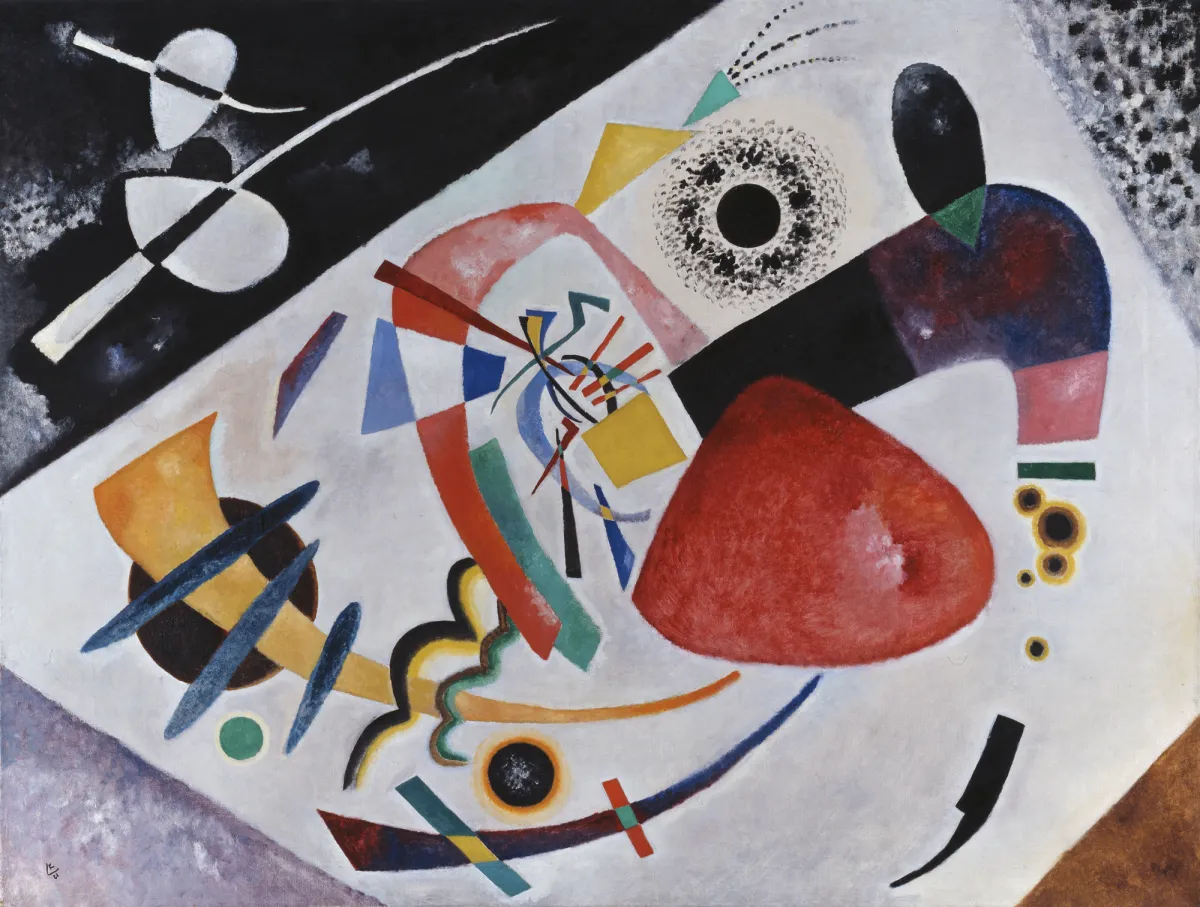
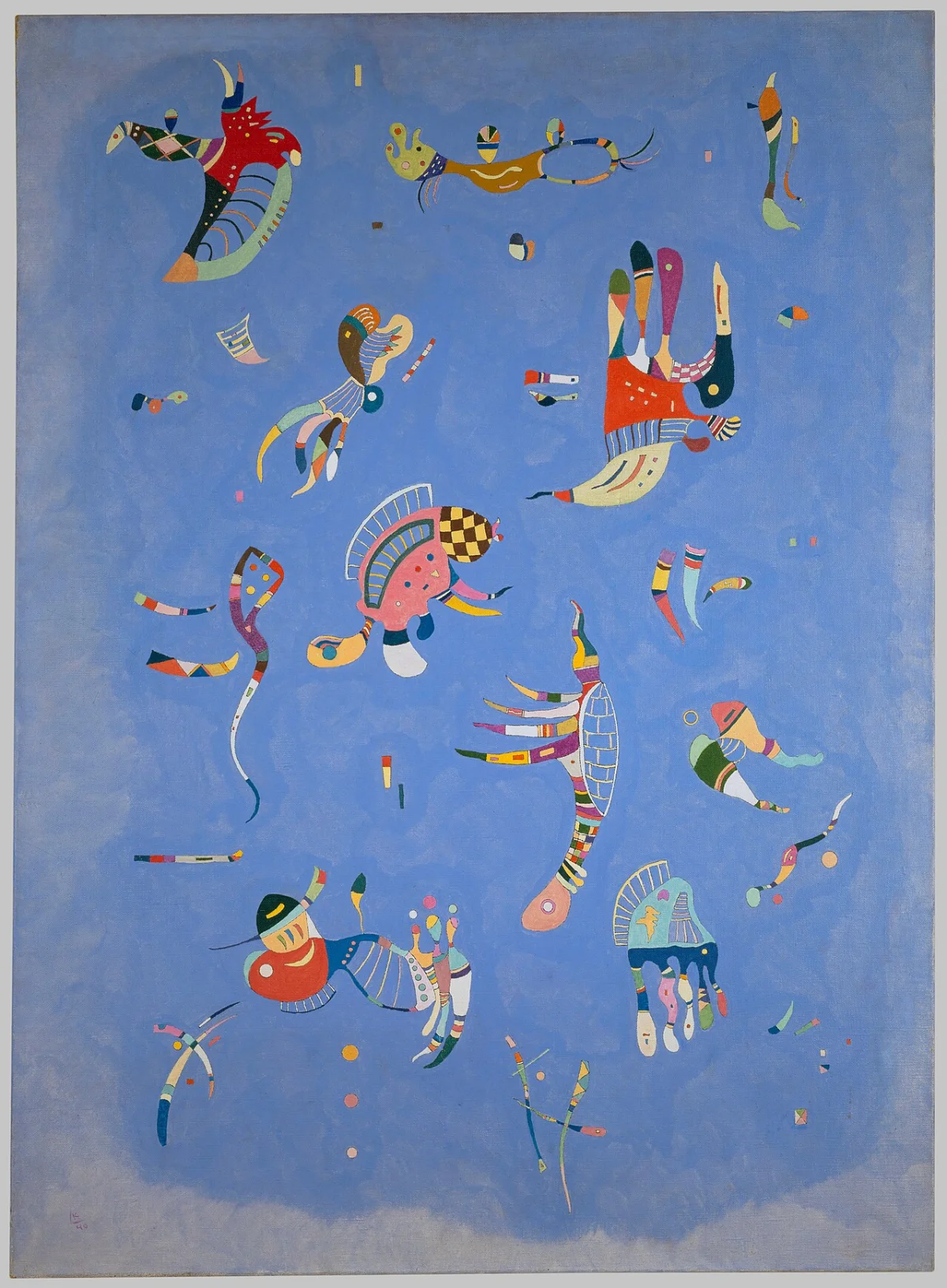
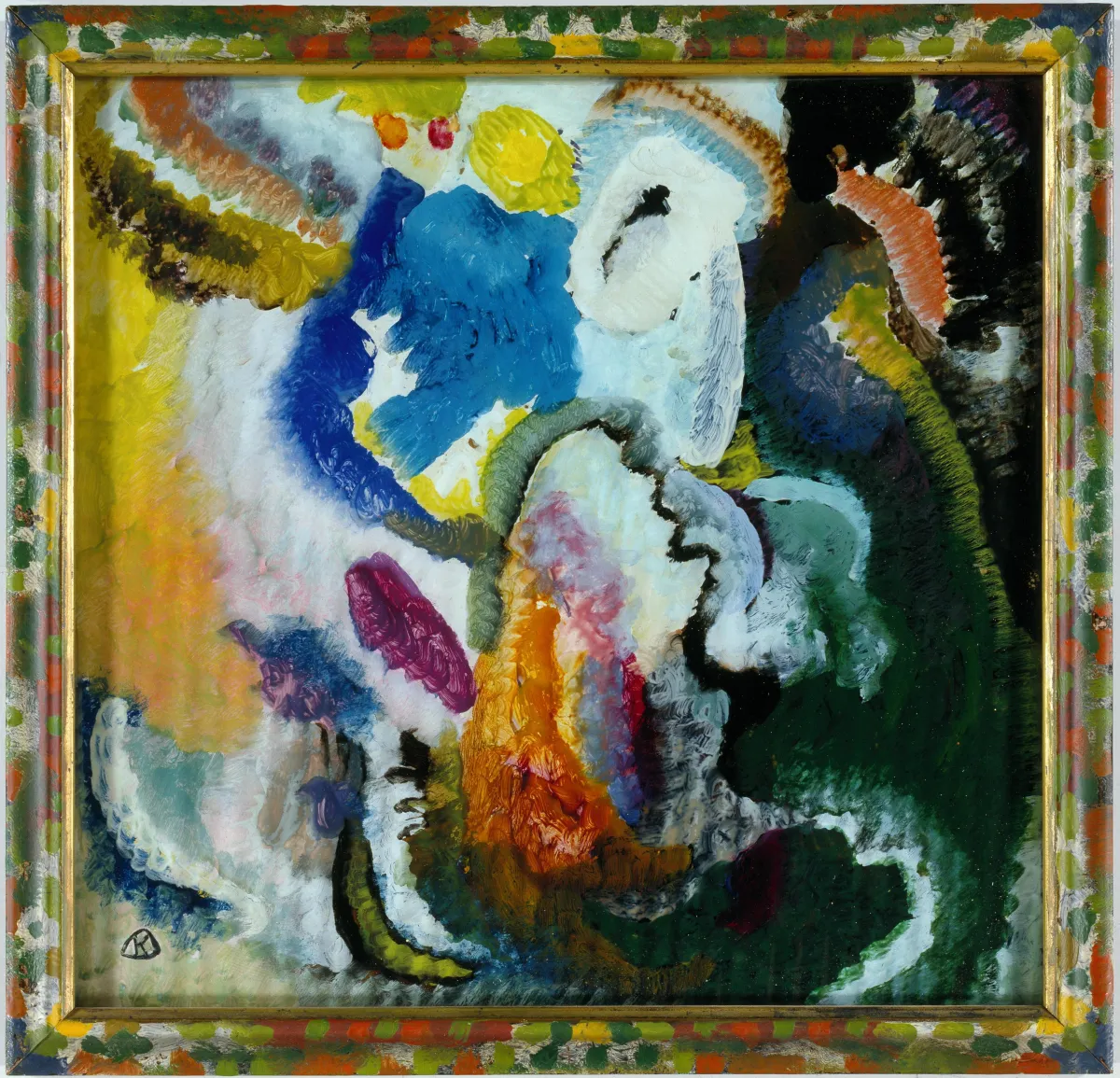
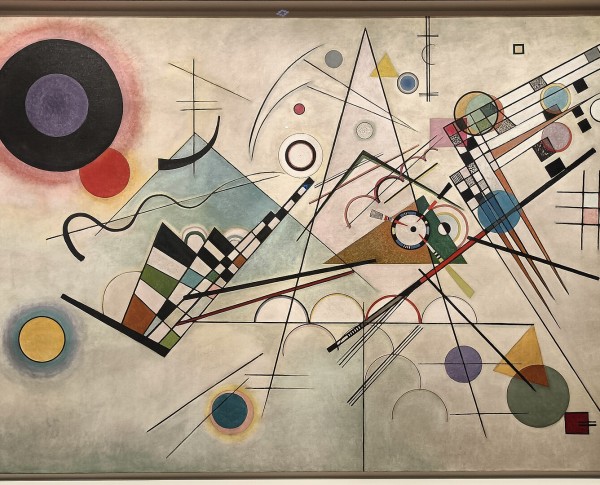
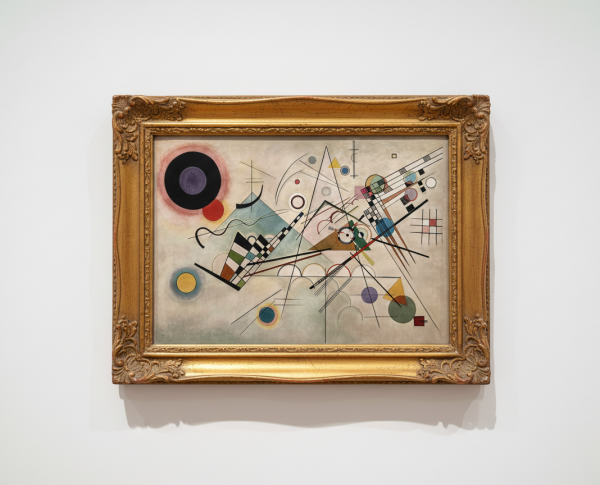
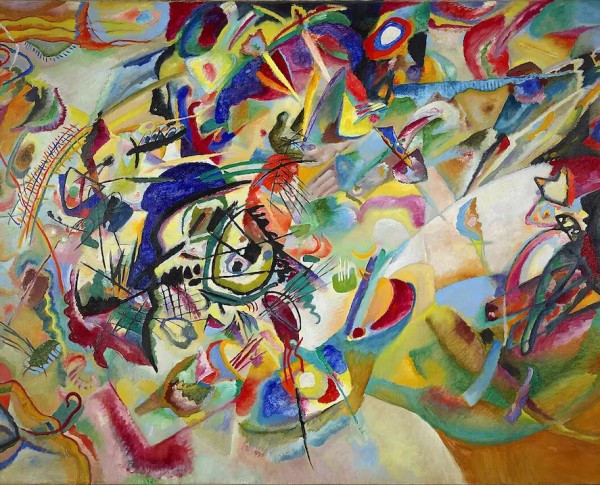
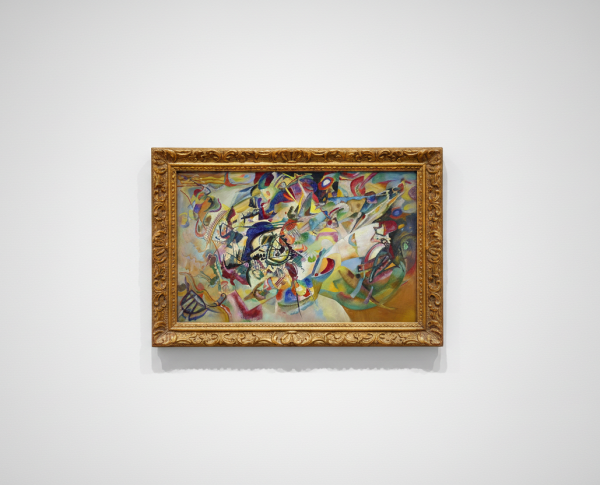
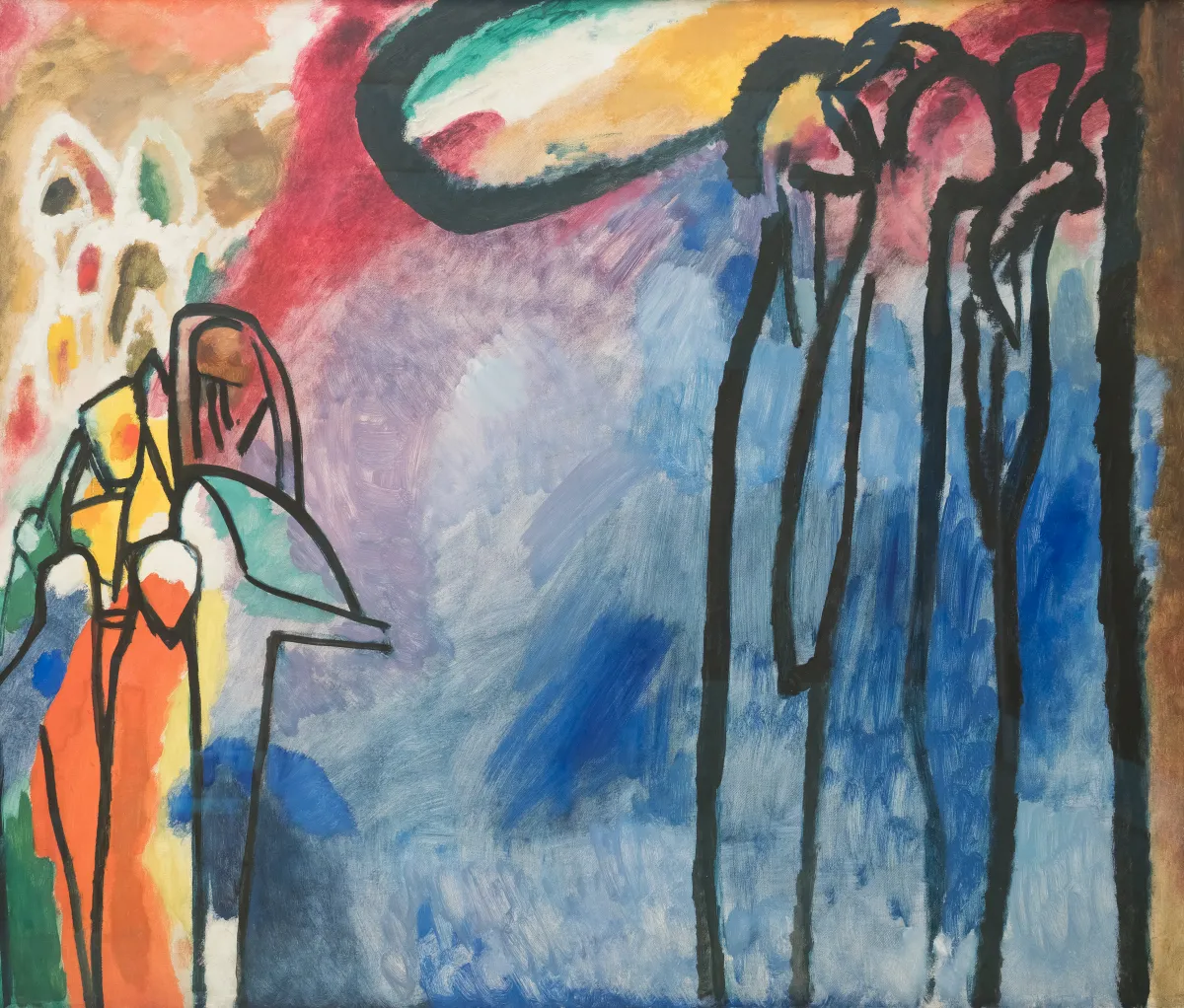
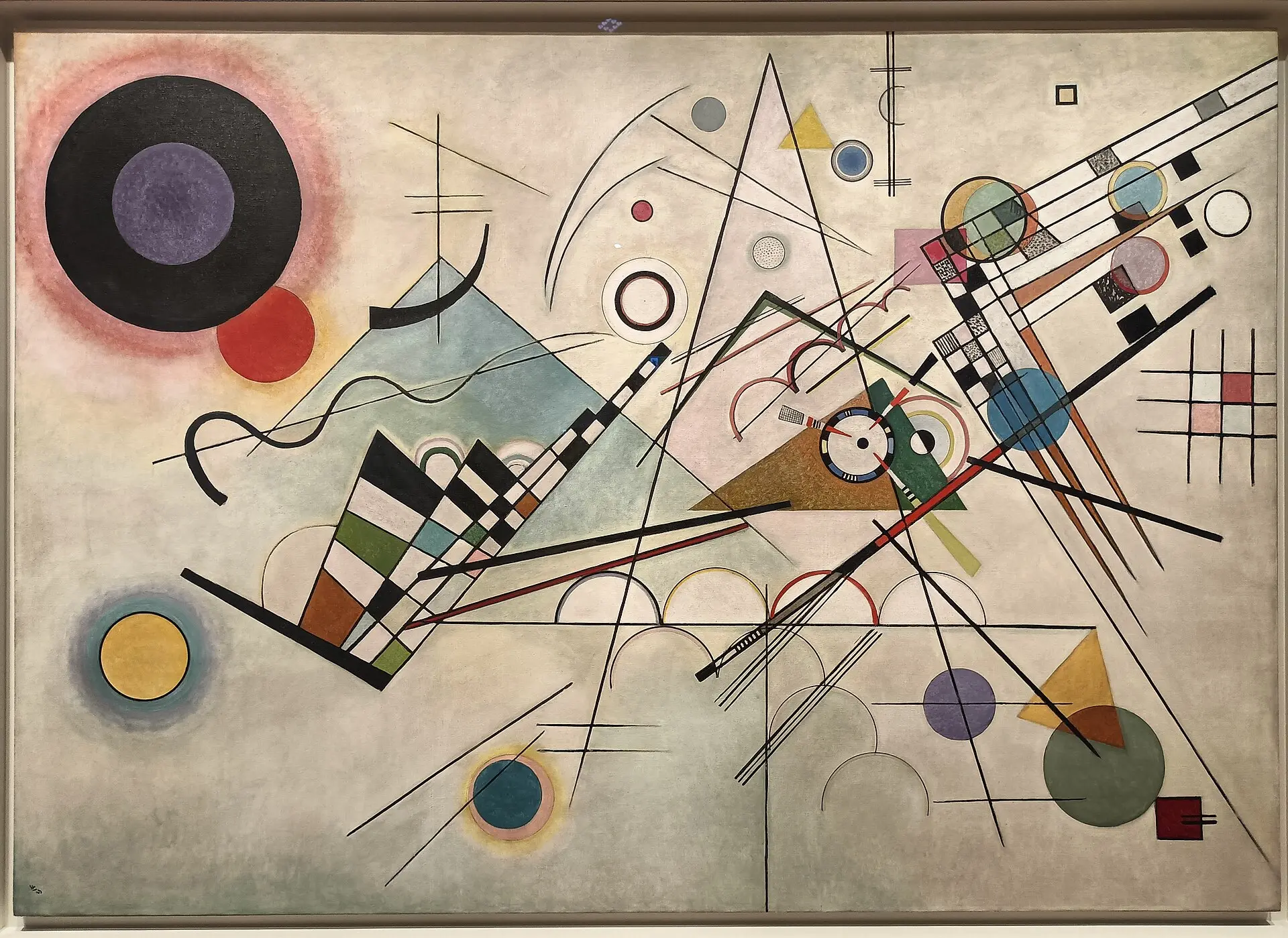
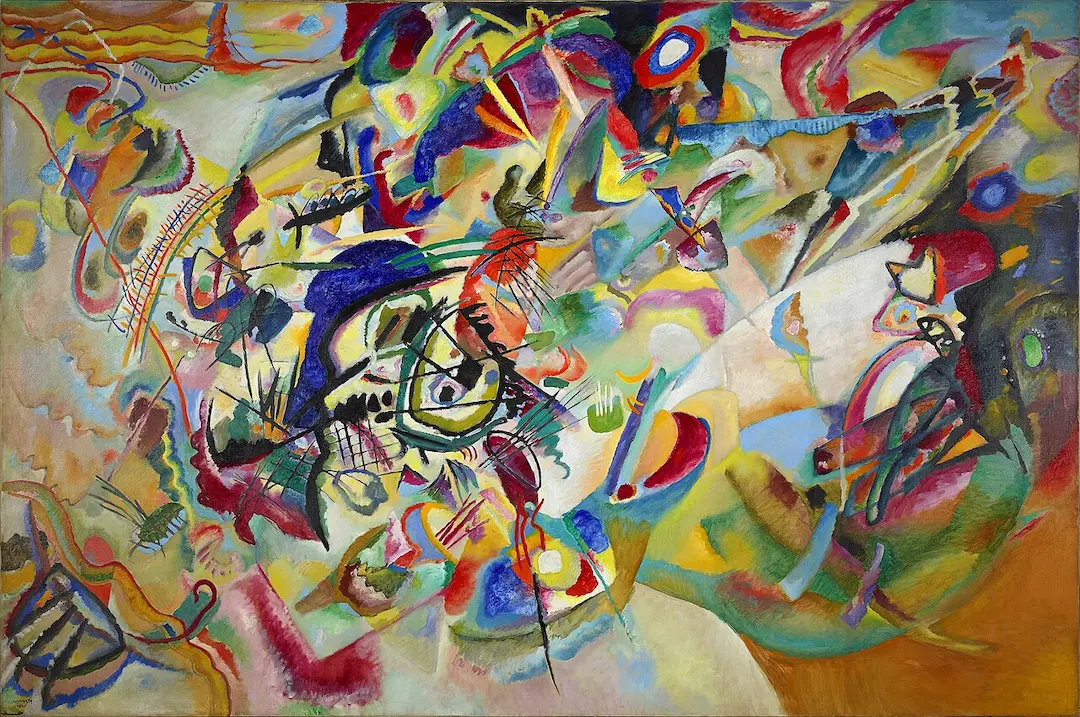
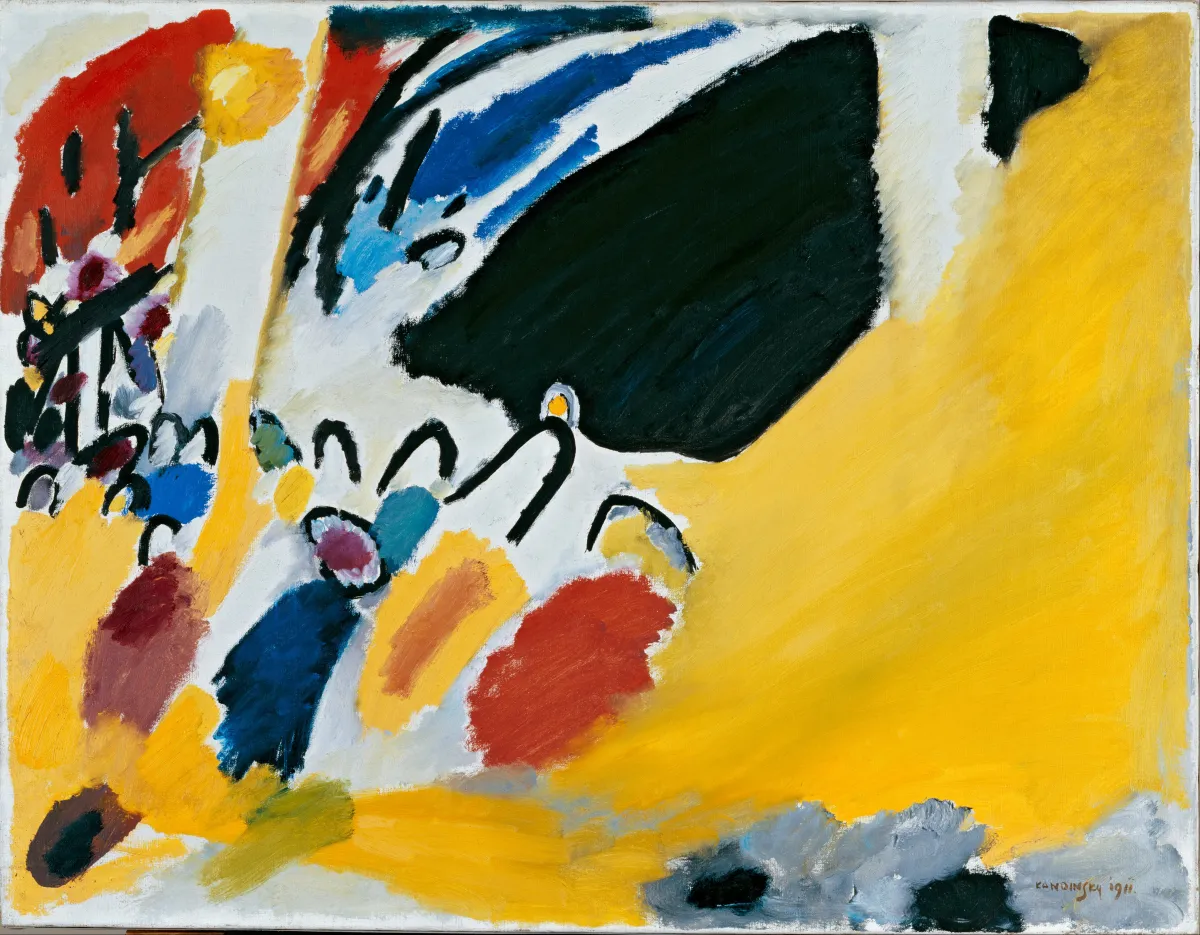
With "Improvisation 19," Kandinsky demonstrates his unparalleled skill in manipulating oil on canvas to evoke emotion and movement. Each brushstroke reflects the artist’s commitment to exploring form and color, hallmarks of the Abstract Expressionism movement. This painting’s dynamic composition aligns it with other Kandinsky works like "Composition VII" and "Impression lll (Concert)," making it a sought-after piece for those who appreciate the unique artistry behind oil on canvas creations.
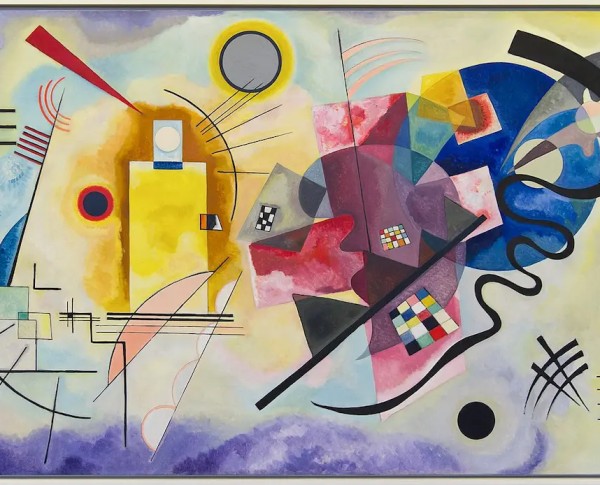
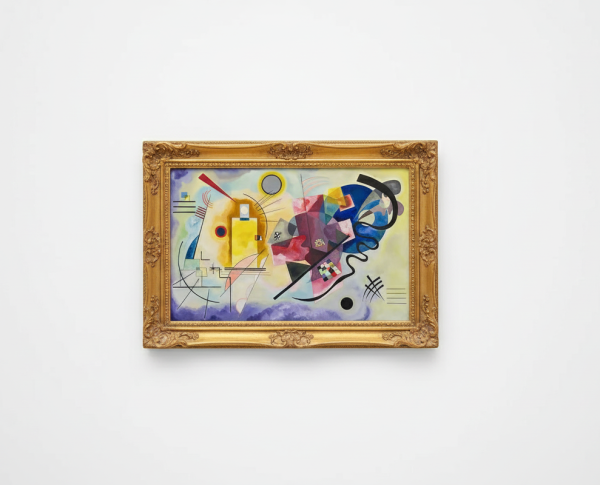
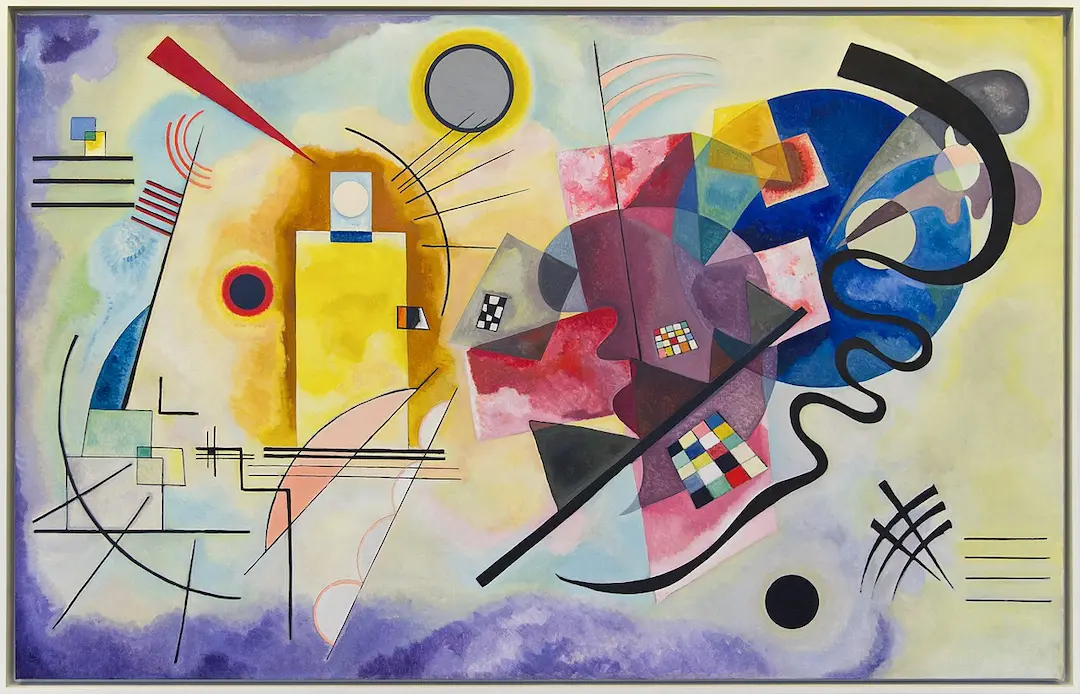
Every element in "Improvisation 19" tells a story, inviting viewers to interpret its abstract shapes and vivid hues. Kandinsky infused his fine art painting for sale with symbolic meaning, drawing from music and spirituality to create a visual language unique to Abstract Expressionism. Works such as "The Composition V111" and "Yellow Red Blue" further illustrate his mastery of symbolism, making "Improvisation 19" a captivating centerpiece for any collection of modern art.
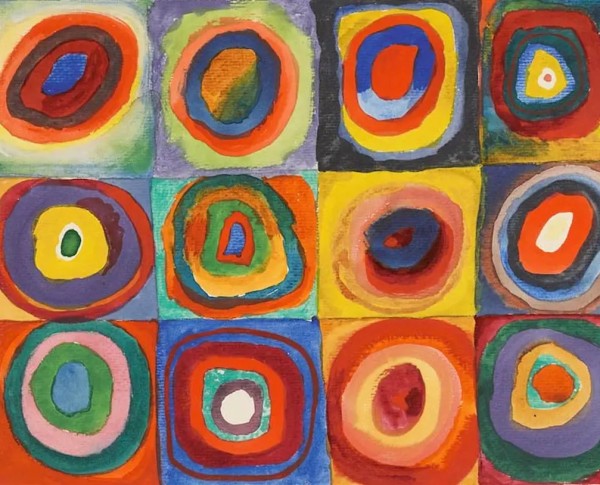
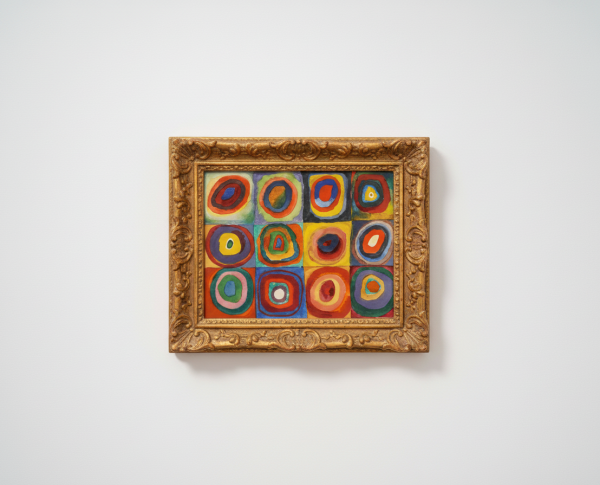
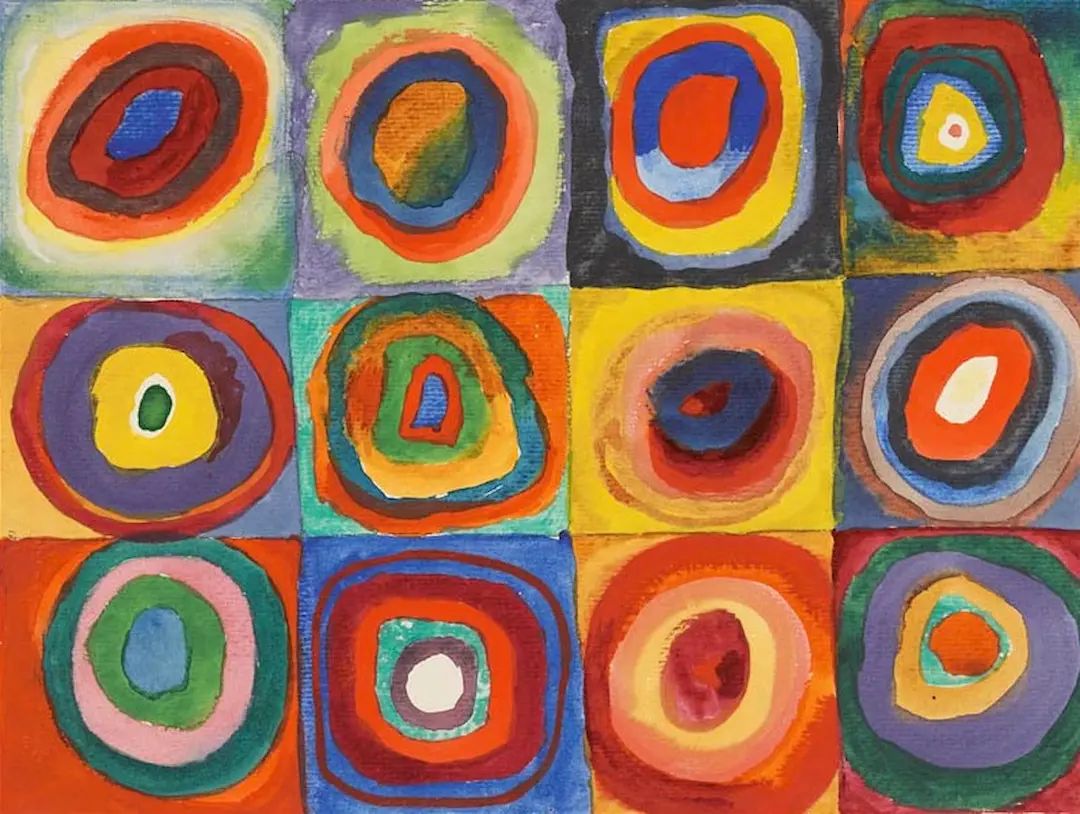
"Improvisation 19" by Wassily Kandinsky is more than just a painting—it is a fine art painting for sale that represents a pivotal moment in the Abstract Expressionism movement. Collectors prize this work for its originality and historical value, often pairing it with related pieces like "Squares with Concentric Rings" or "Composition VII." Investing in Kandinsky’s art ensures ownership of a timeless creation that continues to inspire and captivate audiences worldwide.
When Art Meets History
"Improvisation 19" by Wassily Kandinsky is a remarkable example of the Abstract Expressionism movement, a period that forever changed the landscape of modern art. Painted in the early 20th century, this hand-painted oil painting captures a pivotal moment when artists began to emphasize emotional intensity and creative freedom. Kandinsky's work stands alongside other masterpieces such as "Untitled (Violet, Black, Orange, Yellow on White and Red), 1949," showcasing the transformative power of abstraction in art history.
Techniques That Speak
Kandinsky’s "Improvisation 19" is a testament to the expressive possibilities of oil on canvas. Through bold brushstrokes and vibrant colors, the artist achieves a sense of movement and spontaneity that defines Abstract Expressionism. This approach is similar to techniques seen in related paintings like "Untitled (Violet, Black, Orange, Yellow on White and Red), 1949," where the physicality of the medium becomes part of the narrative. Kandinsky’s mastery elevates the genre, making each work a dynamic visual experience.
Emotions on Display
With "Improvisation 19," Wassily Kandinsky invites viewers into an emotional journey through color and form characteristic of Abstract Expressionism. The painting’s dynamic composition and vivid palette evoke a range of feelings, from exhilaration to contemplation. This fine art painting for sale not only reflects the artist’s inner world but also encourages personal interpretation. Like "Untitled (Violet, Black, Orange, Yellow on White and Red), 1949," Kandinsky’s works are renowned for their ability to stir deep emotions within the observer.
Coveted by Collectors
As a pioneering figure in Abstract Expressionism, Kandinsky’s "Improvisation 19" remains highly sought after by collectors and art enthusiasts. The unique qualities of this hand-painted oil painting, combined with its historical significance, make it a prized addition to any collection. Alongside related paintings such as "Untitled (Violet, Black, Orange, Yellow on White and Red), 1949," Kandinsky’s works continue to command attention in the art market, affirming their value and enduring appeal among connoisseurs of modern art.
Related Abstract Expressionism Hand-Painted Oil Paintings by Other Artists
Other Famous Abstract Expressionism Artists:
Frequently Asked Questions About Improvisation 19
What year was Improvisation 19 created?
Improvisation 19 was created in 1911, during a pivotal period in Wassily Kandinsky's artistic development.
What artistic movement does Improvisation 19 belong to?
Improvisation 19 is a significant work within the Abstract Expressionism movement, showcasing Kandinsky's pioneering role in abstract art.
What inspired Kandinsky to create Improvisation 19?
Kandinsky was inspired by the idea of conveying emotions through color and form, aiming to express the spiritual and emotional experience of music through visual art.
What techniques did Kandinsky use in Improvisation 19?
Kandinsky employed a technique of spontaneous brushwork and vibrant color contrasts, allowing for an intuitive expression of his inner feelings and thoughts.
How does Improvisation 19 reflect Kandinsky's views on art?
The painting reflects Kandinsky's belief that art should transcend representation and evoke a direct emotional response, aligning with his theories on synesthesia and the connection between color and sound.
What symbols can be found in Improvisation 19?
The painting features abstract forms and dynamic lines that symbolize movement and emotion, representing Kandinsky's exploration of the spiritual and the subconscious.
How did Improvisation 19 influence later art movements?
This work significantly influenced later movements such as Abstract Expressionism and Color Field painting, encouraging artists to explore abstraction and emotional expression in their work.
What is the significance of color in Improvisation 19?
Color plays a crucial role in the painting, serving not only as a visual element but also as a means of conveying emotion and creating a sense of harmony and dissonance.
Where is Improvisation 19 currently housed?
Improvisation 19 is part of the collection at the Museum of Modern Art (MoMA) in New York City, where it is preserved as a key work of modern art.
What was the public's reaction to Improvisation 19 when it was first exhibited?
Upon its exhibition, the painting elicited mixed reactions, with some viewers embracing its innovative approach to abstraction, while others found it challenging and difficult to interpret.























_GFM_Painting_(1).webp)


 100% Hand-Painted: Finished in 3-6 Weeks

.png)















_(1).webp)