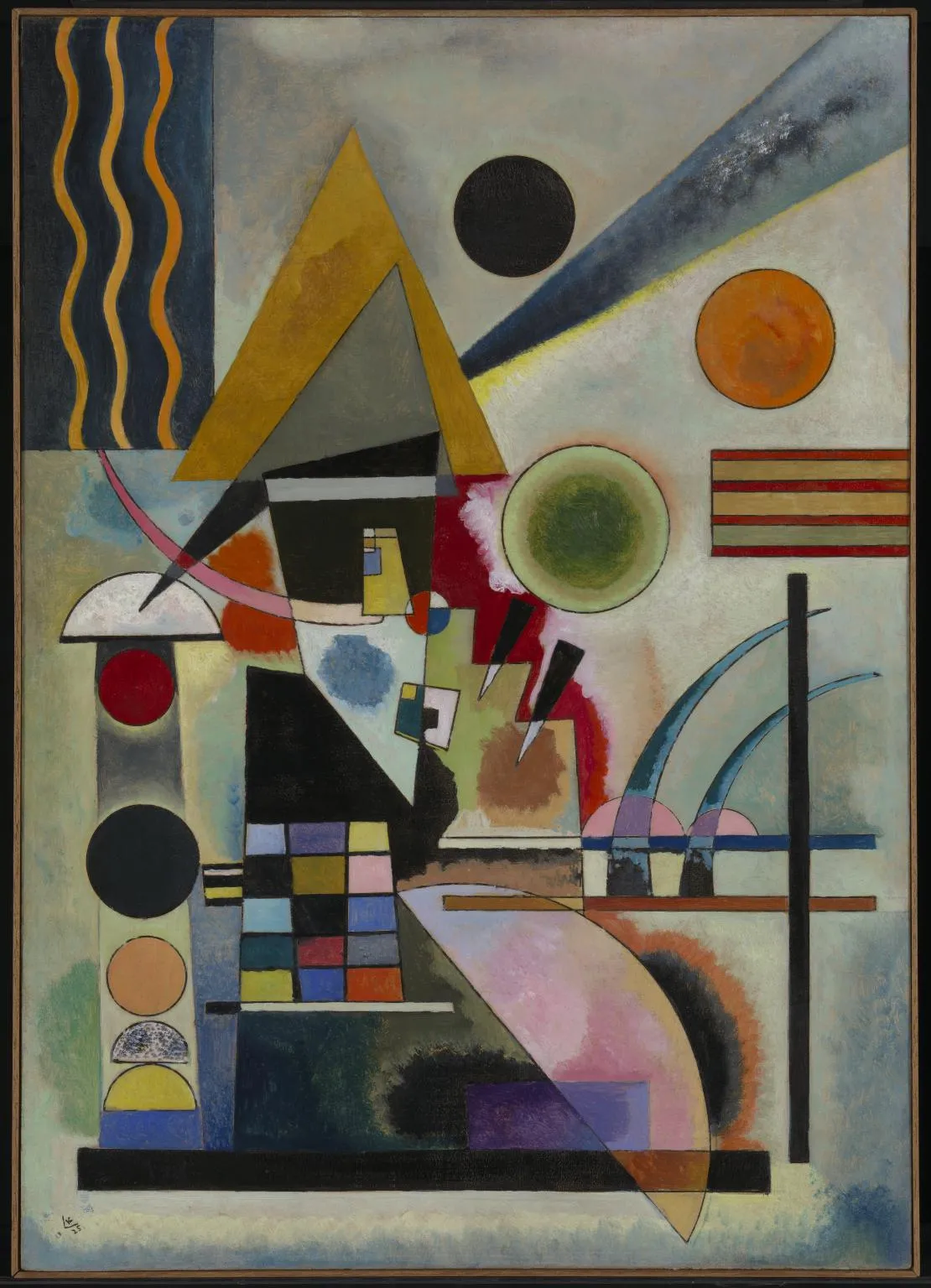
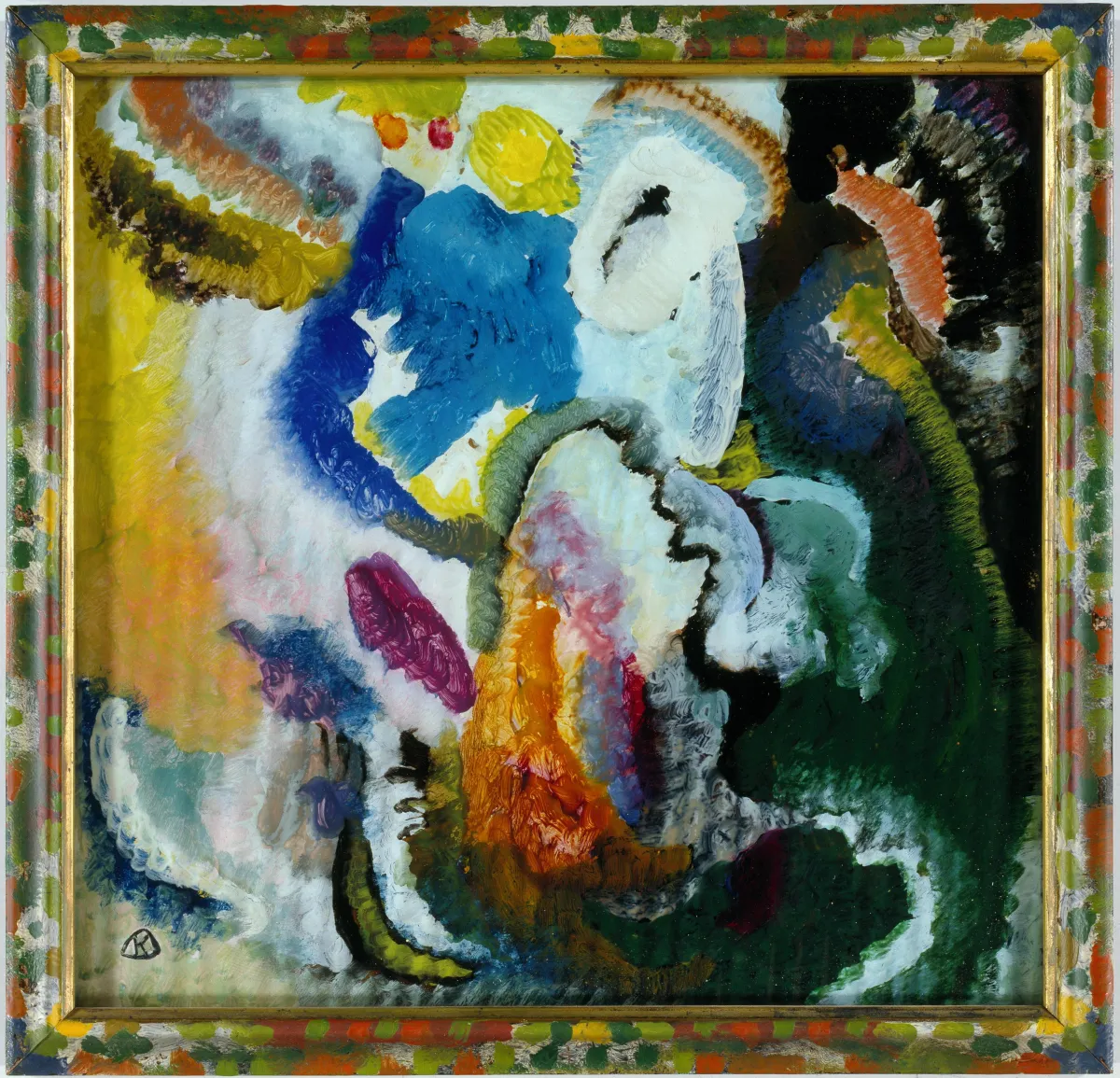
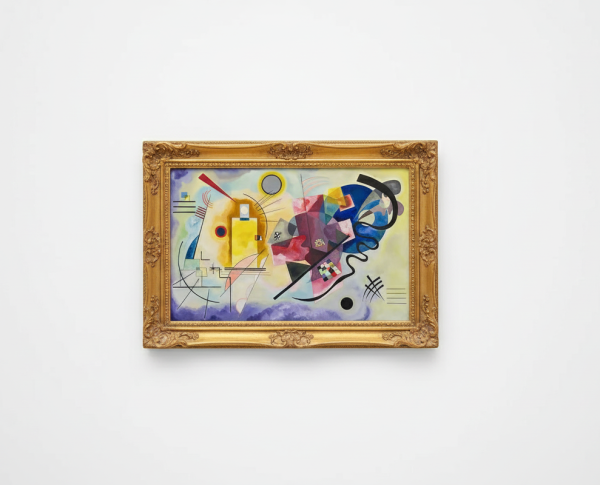
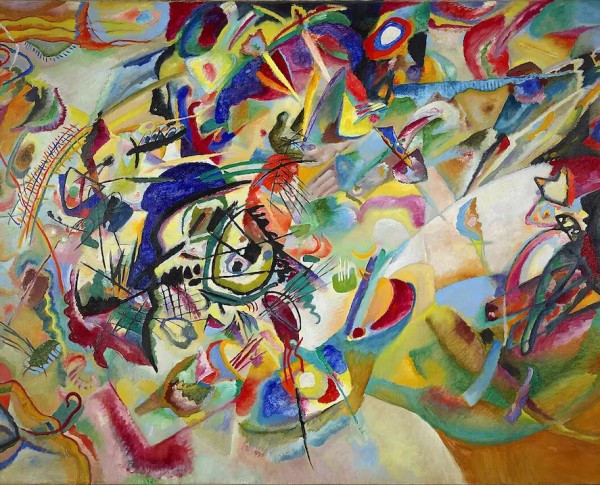
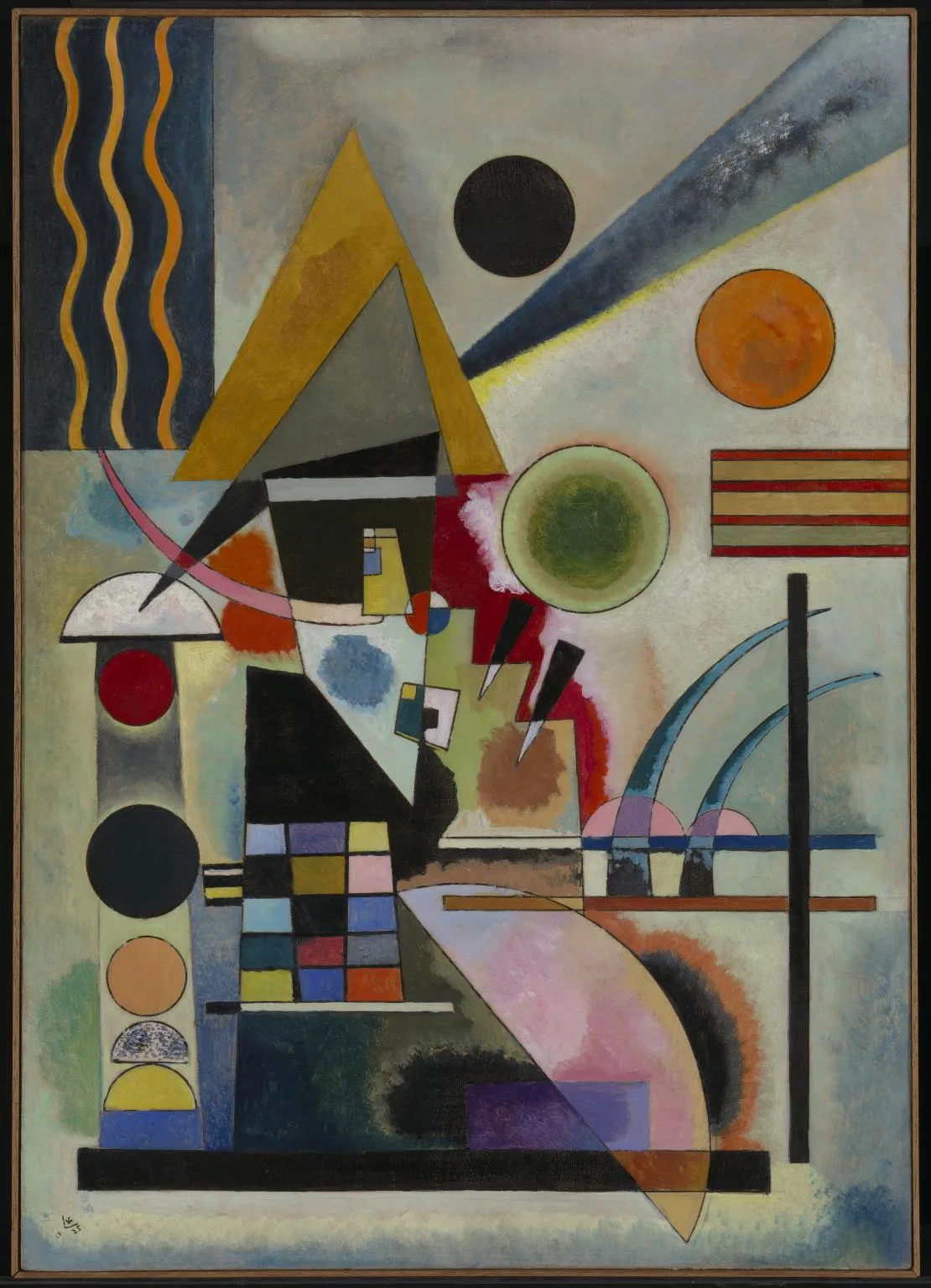
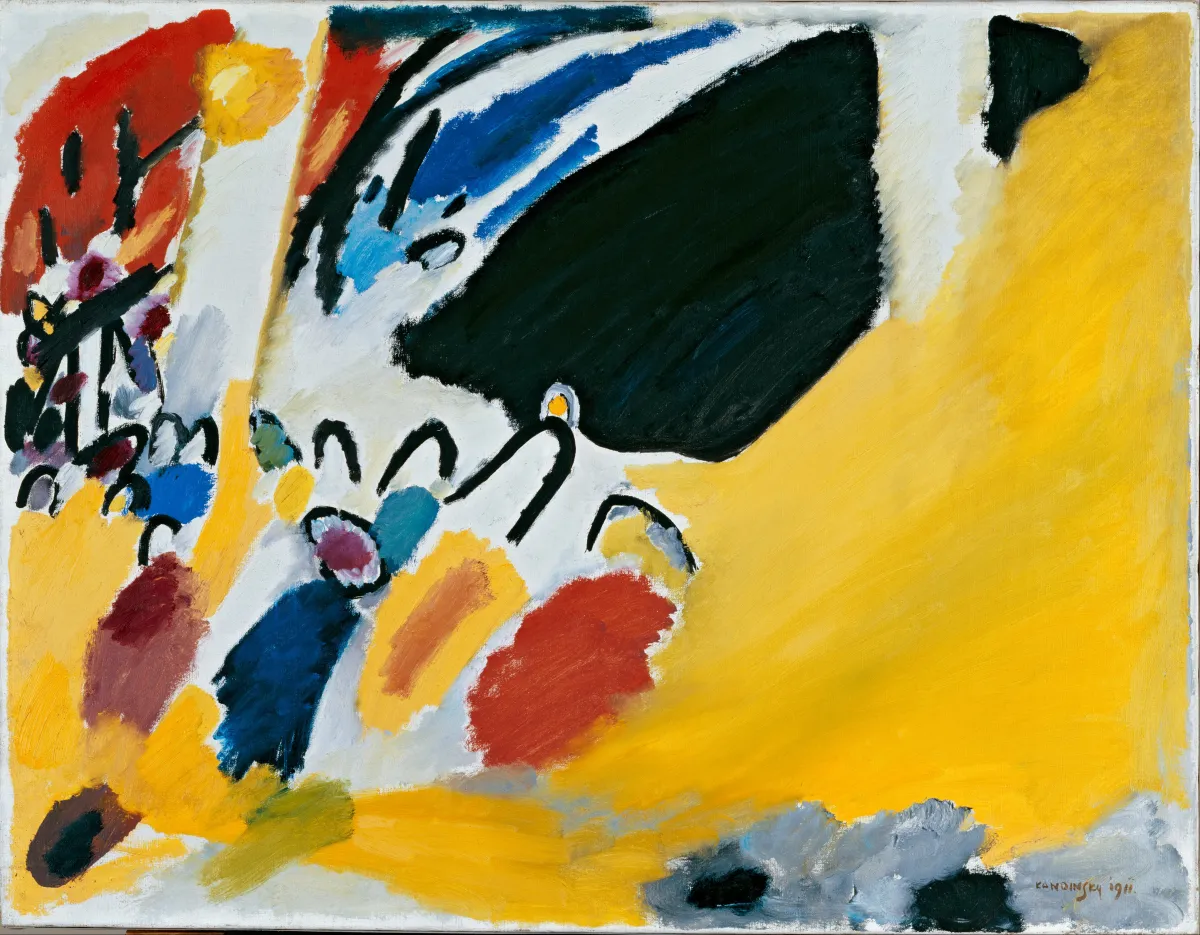
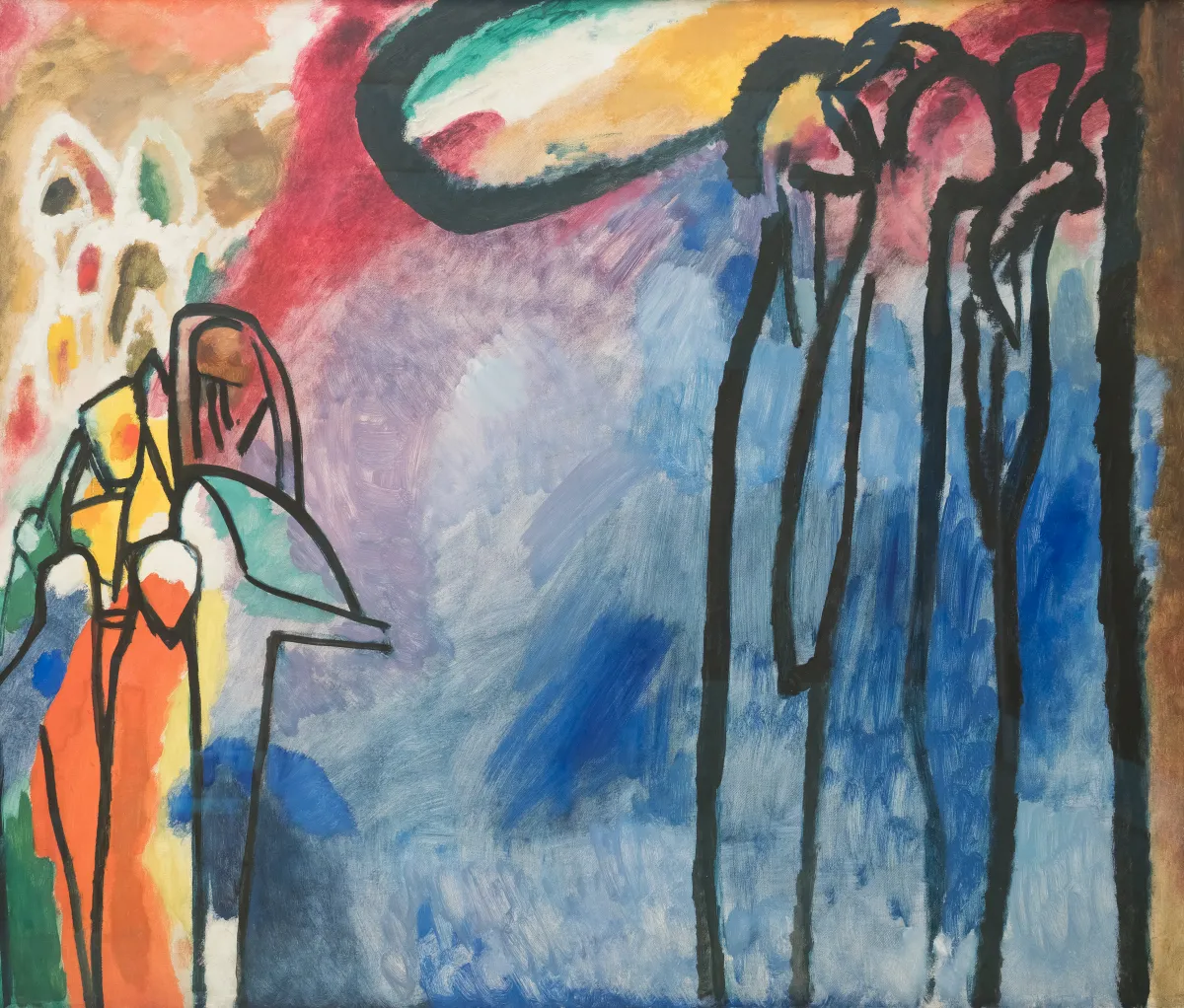
Wassily Kandinsky’s "Swinging" showcases his unique mastery of the oil on canvas medium, a testament to his technical brilliance and visionary approach. The painting’s dynamic brushwork and vibrant color palette evoke movement and emotion, hallmarks of Abstract Expressionism. Art lovers exploring Kandinsky’s oeuvre are also captivated by pieces like "Improvisation 19" and "Improvisation 21," all demonstrating the artist’s exceptional skill and innovative use of oil on canvas.
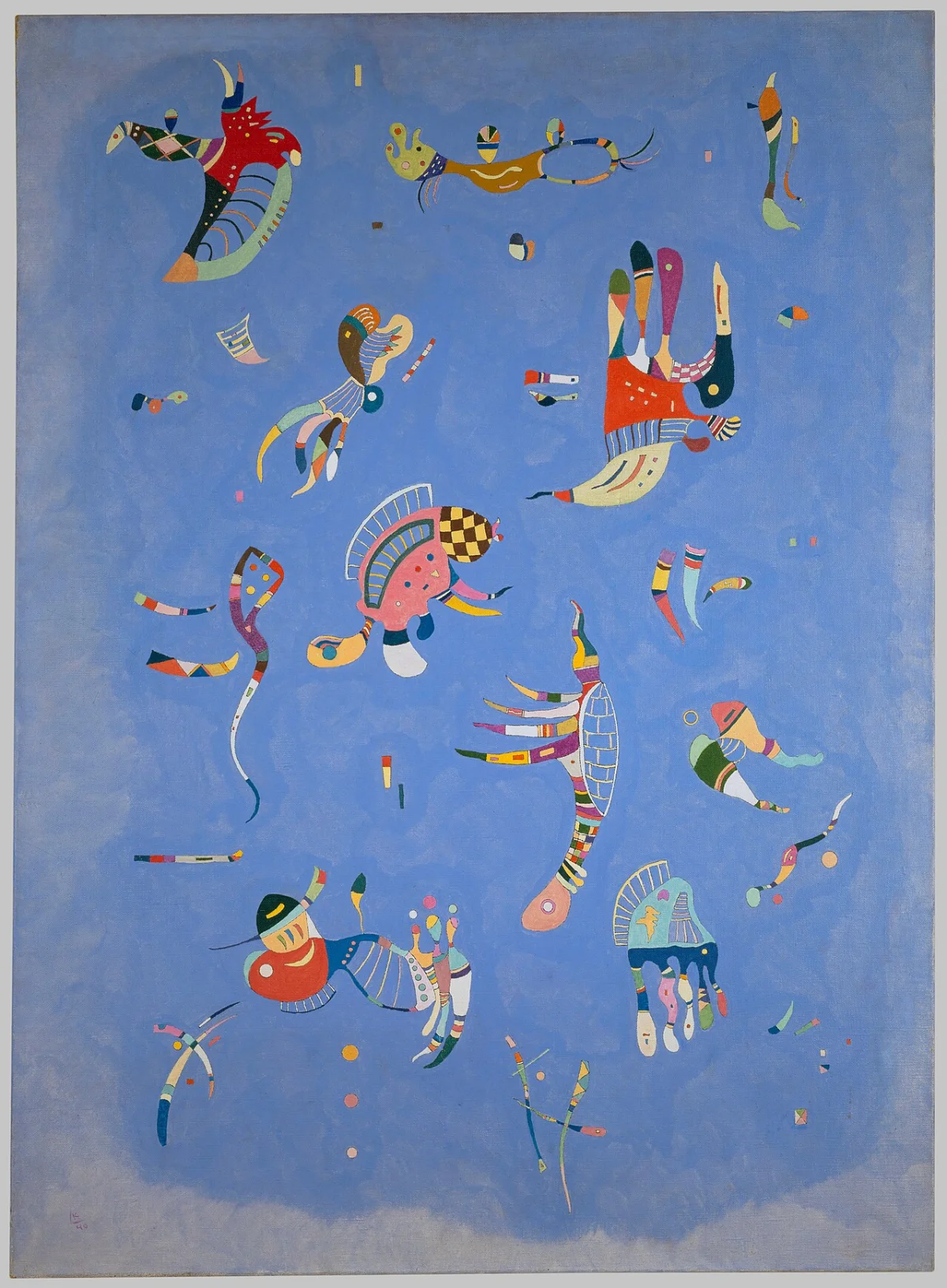
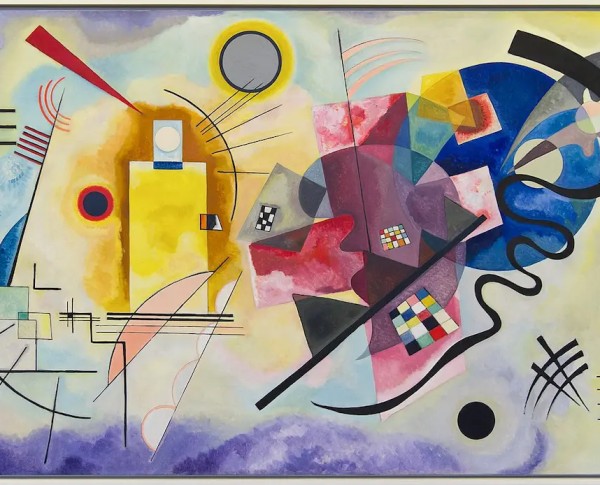
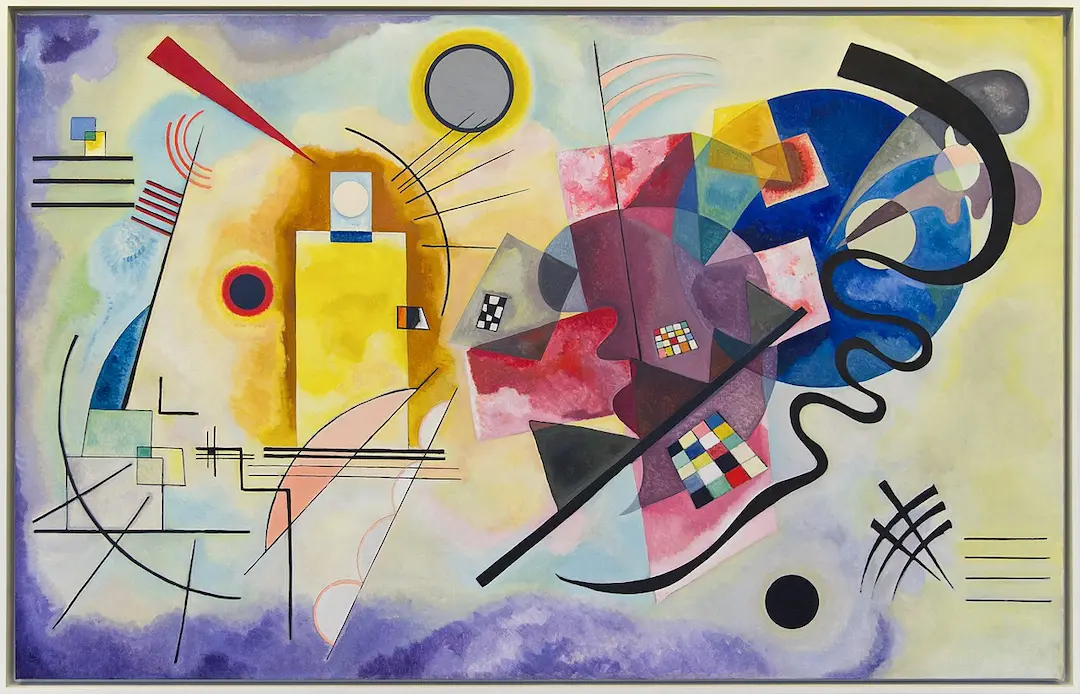
"Swinging" is rich with abstract symbols and hidden meanings, inviting viewers to interpret its forms and colors through their own experiences. As a fine art painting for sale, it exemplifies Kandinsky’s belief in the spiritual resonance of art, a core tenet of Abstract Expressionism. Collectors often pair this masterpiece with "Yellow Red Blue" or "Sky Blue" to deepen their connection with the symbolic and narrative power found in Kandinsky’s visionary works.
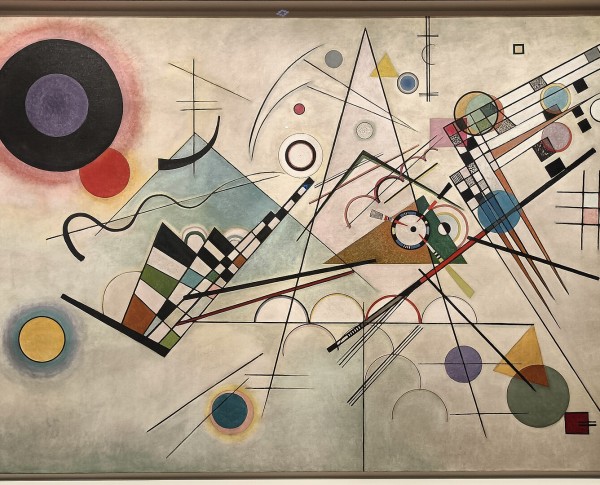
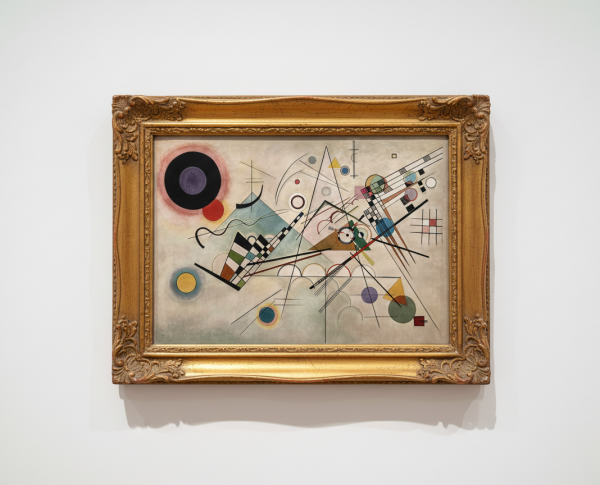
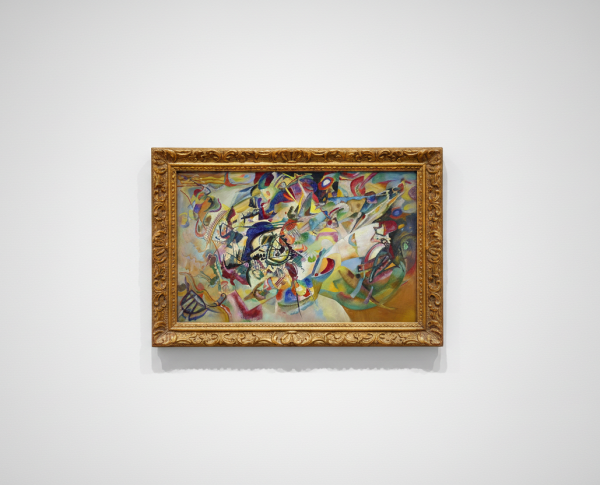
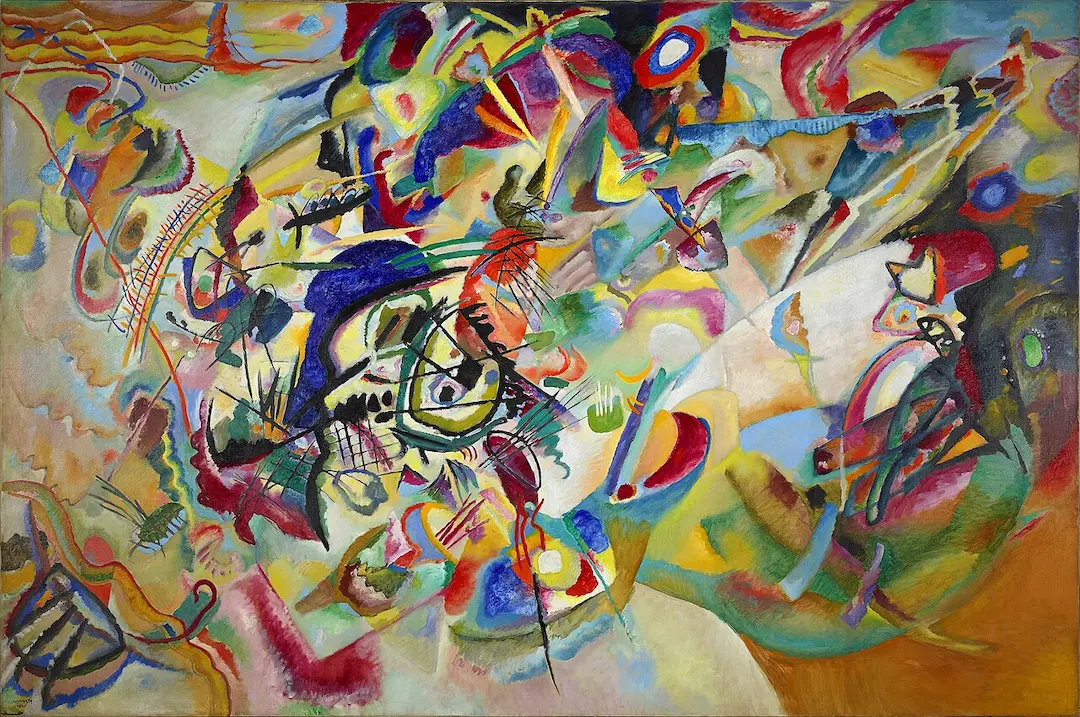
For art connoisseurs, "Swinging" by Wassily Kandinsky is more than a painting—it is a fine art painting for sale that embodies the essence of Abstract Expressionism. Owning such a piece is a testament to one’s appreciation for innovative artistry and historical significance. Many collectors seek to enhance their gallery with related Kandinsky works like "Improvisation 11" and "Composition VII," creating a curated celebration of this influential artist’s enduring impact.
When Art Meets History
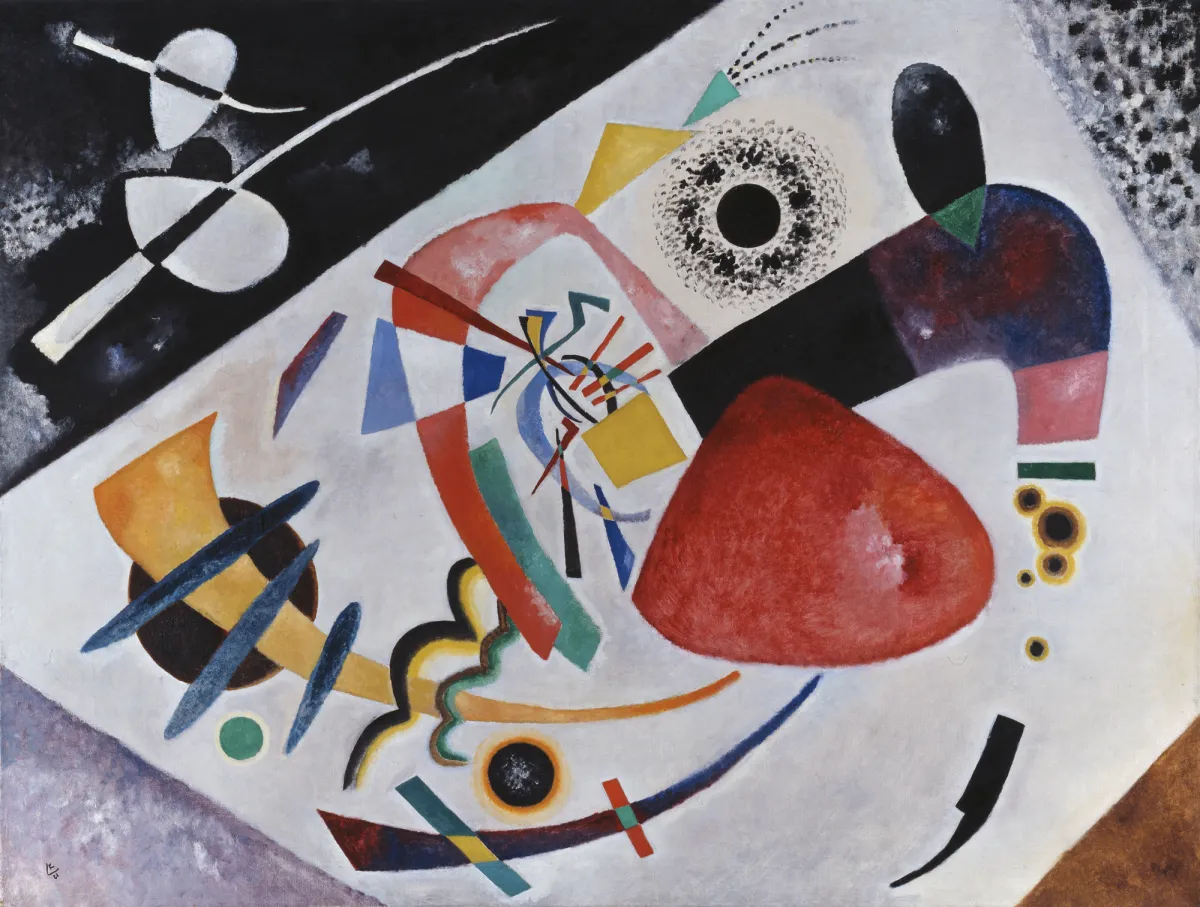
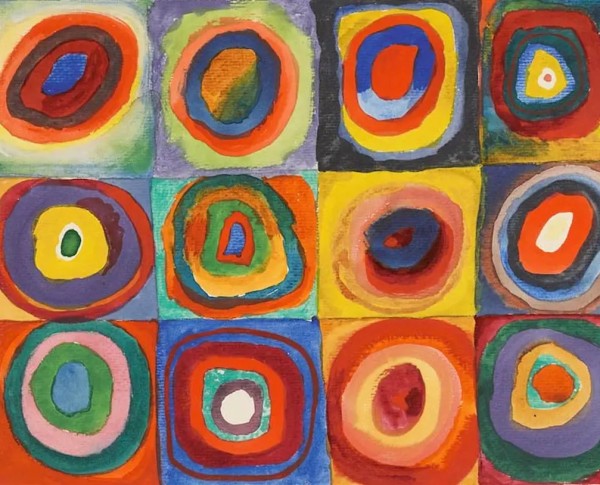
Wassily Kandinsky’s "Swinging" stands as a pivotal work in the Abstract Expressionism movement, showcasing the artist’s bold departure from traditional forms. Created during a period of intense experimentation, this hand-painted oil painting reflects the historical evolution of abstract art. Kandinsky’s influence can be seen in related paintings such as "Untitled (Violet, Black, Orange, Yellow on White and Red), 1949," which also pushes the boundaries of visual expression and historical context within modern art.
Techniques That Speak
The technique behind "Swinging" highlights Kandinsky’s mastery of oil on canvas, where vibrant colors and dynamic shapes intertwine to create a sense of movement. Through layering and gestural brushwork, he achieves depth and energy typical of Abstract Expressionism. This approach not only defines his unique style but also connects his work to other fine art painting for sale from the same era, such as "Untitled (Violet, Black, Orange, Yellow on White and Red), 1949."
Emotions on Display
"Swinging" by Wassily Kandinsky evokes a powerful emotional response through its abstract forms and vivid palette. The painting exemplifies how Abstract Expressionism communicates feelings beyond literal representation. The swirling motion and contrasting hues invite viewers to interpret their own emotions, making this hand-painted oil painting a profound experience. Similar emotional intensity can be found in related works, including "Untitled (Violet, Black, Orange, Yellow on White and Red), 1949."
Coveted by Collectors
As a standout example of Abstract Expressionism, "Swinging" is a highly sought-after fine art painting for sale among collectors worldwide. The work’s historical significance and Kandinsky’s innovative approach enhance its desirability. Collectors who appreciate masterpieces like "Swinging" often seek related paintings, such as "Untitled (Violet, Black, Orange, Yellow on White and Red), 1949," to enrich their collections with iconic oil on canvas artworks from this transformative artistic period.
Related Abstract Expressionism Hand-Painted Oil Paintings by Other Artists
Other Famous Abstract Expressionism Artists:
Frequently Asked Questions About Swinging
What is the historical context of Wassily Kandinsky's "Swinging"?
"Swinging" was created during a pivotal time in art history, specifically in the early 20th century when abstract art was emerging. Kandinsky, a key figure in this movement, sought to express emotion and spirituality through color and form, breaking away from traditional representational art.
What artistic techniques did Kandinsky employ in "Swinging"?
Kandinsky utilized a combination of geometric shapes, vibrant colors, and dynamic lines in "Swinging". His use of abstraction allows for a personal interpretation of the artwork, encouraging viewers to engage with it on an emotional level rather than a literal one.
What are the primary themes represented in "Swinging"?
The primary themes in "Swinging" include movement, rhythm, and the interplay of color and form. Kandinsky aimed to evoke a sense of joy and freedom, reflecting the energy of life and the spiritual connection between art and the viewer.
How does "Swinging" reflect Kandinsky's philosophy of art?
Kandinsky believed that art should transcend the physical world and connect with the spiritual realm. "Swinging" embodies this philosophy by using abstract forms and colors to convey emotional experiences, inviting viewers to interpret the work in a deeply personal way.
What influences can be seen in "Swinging"?
The influences in "Swinging" include the Symbolist movement and the burgeoning abstraction in art. Kandinsky was inspired by music, which he often equated with visual art, leading him to create compositions that resonate with rhythm and harmony.
In what ways does "Swinging" challenge traditional artistic conventions?
"Swinging" challenges traditional conventions by abandoning representational forms and focusing instead on abstraction. Kandinsky's approach emphasizes emotional expression over realistic depiction, encouraging viewers to engage with the artwork in a more subjective manner.
What role does color play in "Swinging"?
Color in "Swinging" plays a crucial role in conveying emotion and meaning. Kandinsky believed that colors could evoke specific feelings and associations, and in this work, he uses a vibrant palette to create a sense of vitality and movement.
How has "Swinging" influenced modern art?
"Swinging" has significantly influenced modern art by paving the way for future abstract artists. Kandinsky's exploration of color, form, and emotional expression has inspired countless artists to pursue abstraction as a legitimate and profound form of artistic expression.
What symbolism can be found in "Swinging"?
The symbolism in "Swinging" can be interpreted through its dynamic forms and vibrant colors, which may represent the dualities of life such as chaos and harmony, or the tension between the spiritual and the material. Kandinsky's work invites viewers to find their own meanings within these symbols.
What is the significance of the title "Swinging"?
The title "Swinging" suggests movement and rhythm, reflecting the dynamic quality of the artwork. It evokes a sense of playfulness and energy, which aligns with Kandinsky's intention to capture the essence of life and emotion through abstract forms.























_GFM_Painting_(1).webp)


 100% Hand-Painted: Finished in 3-6 Weeks

.png)















_(1).webp)