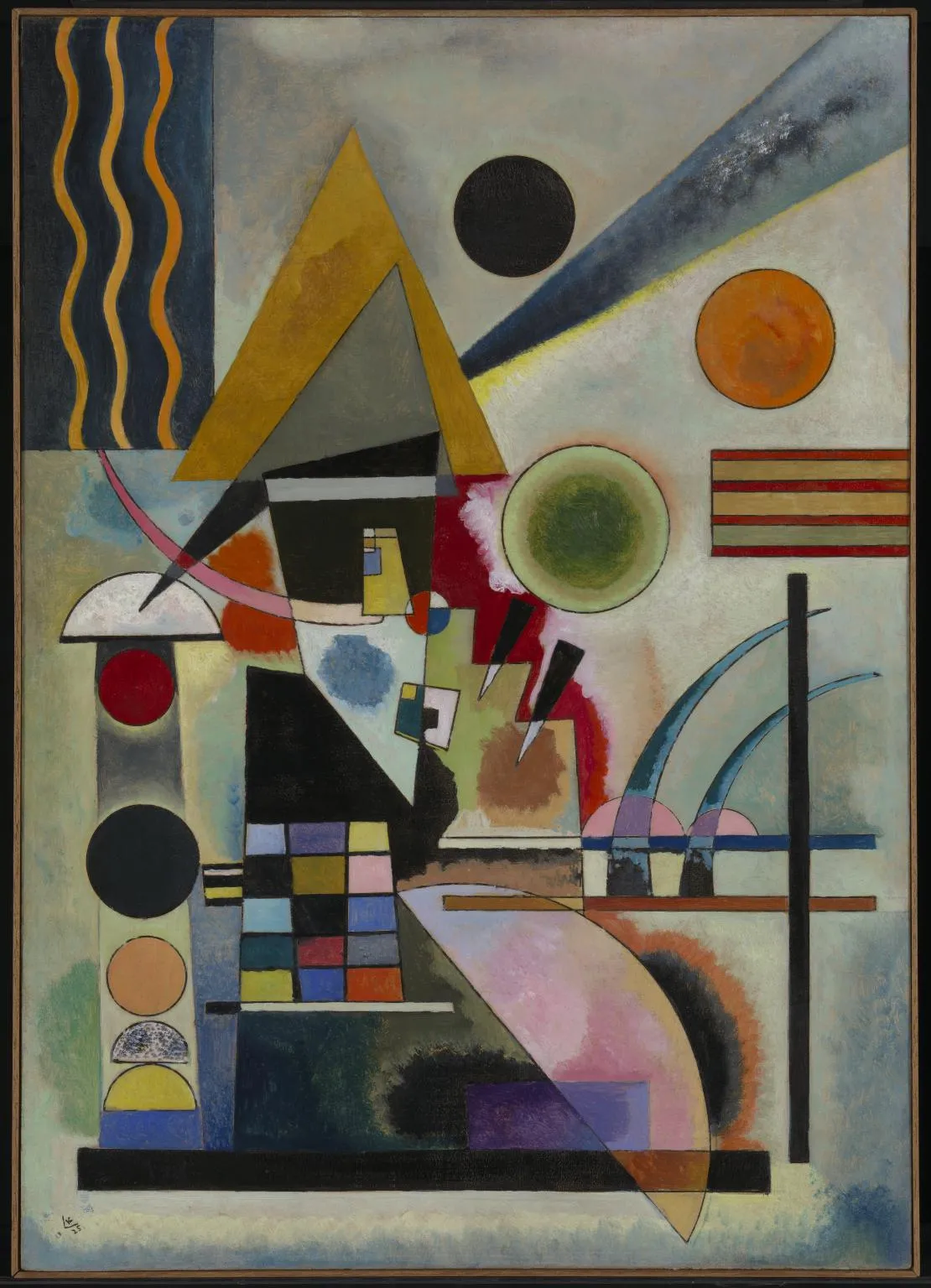
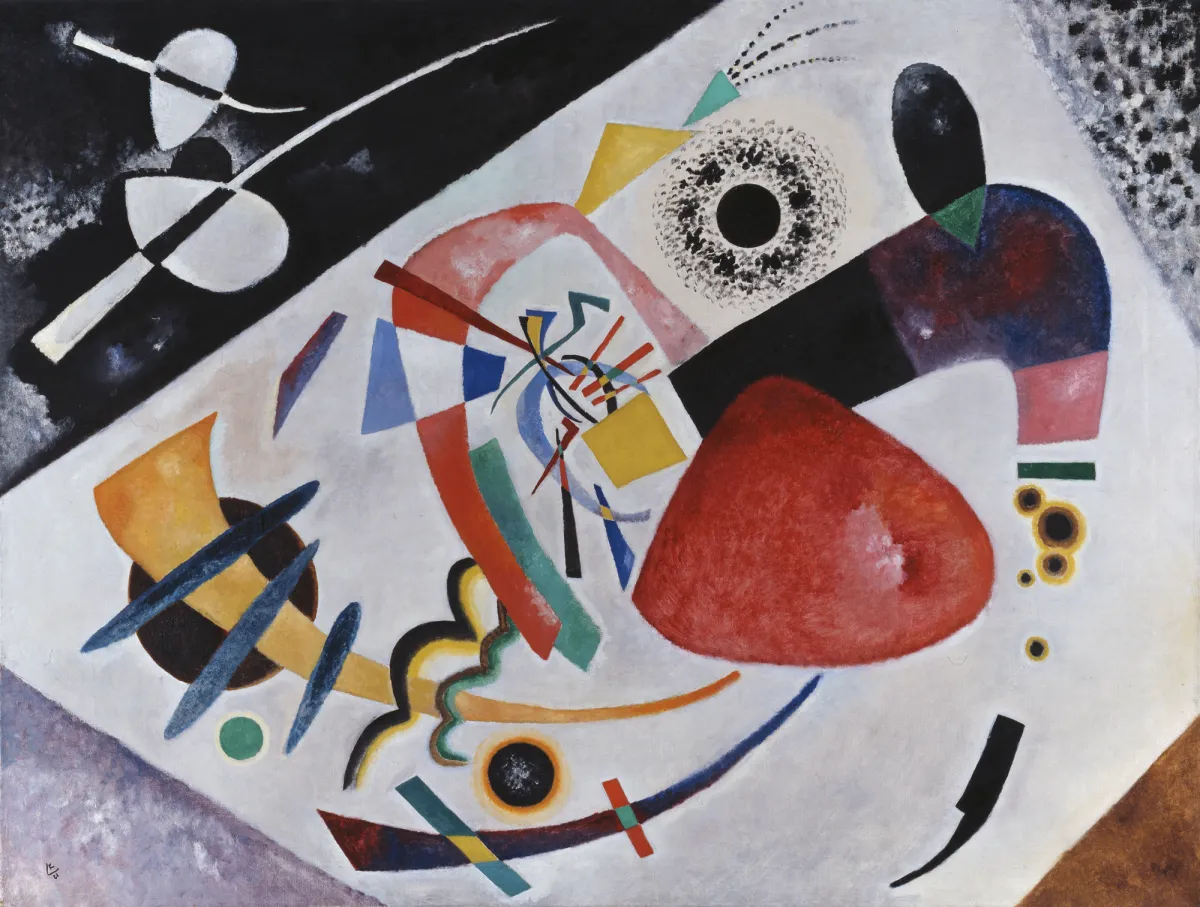
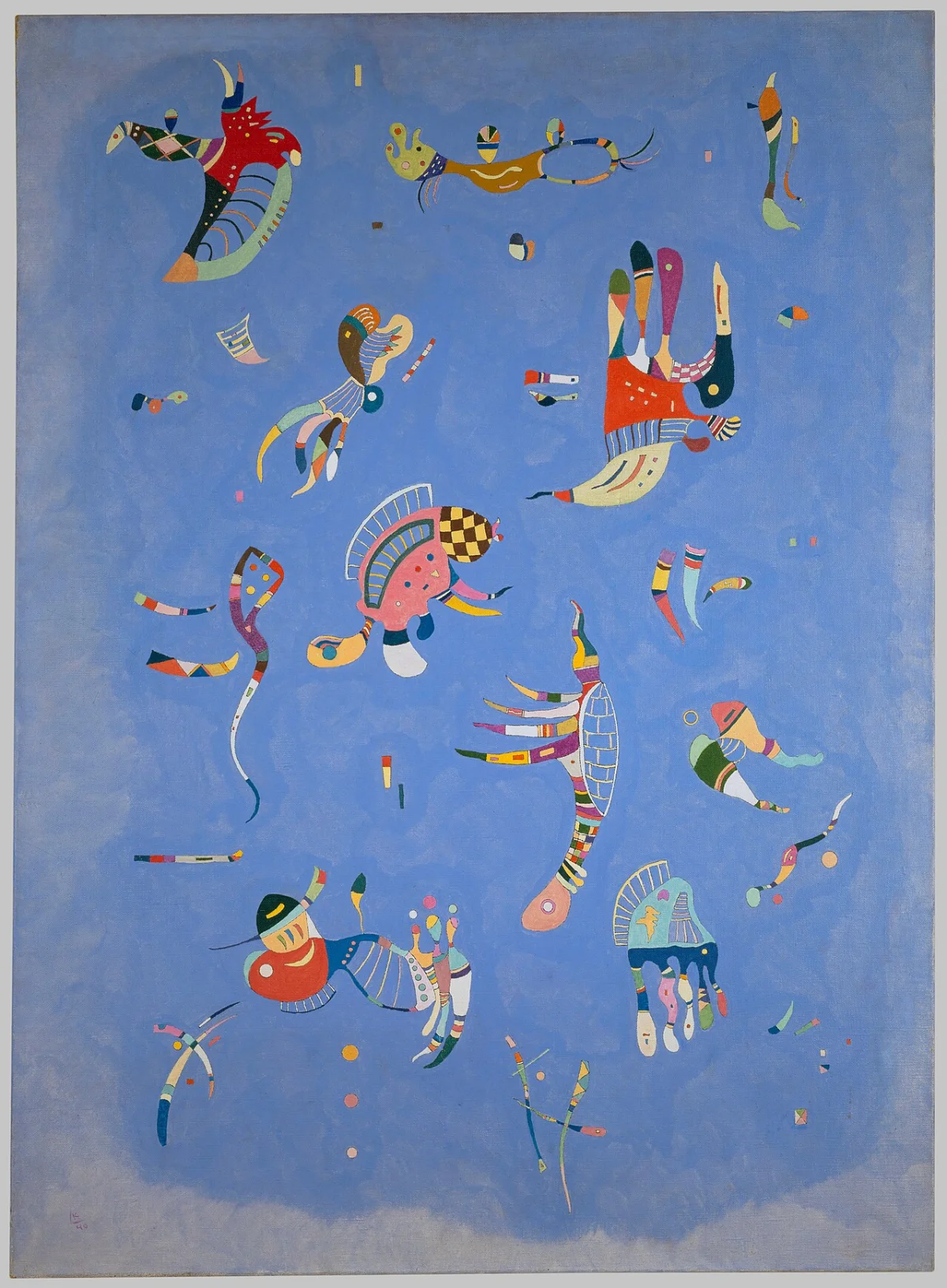
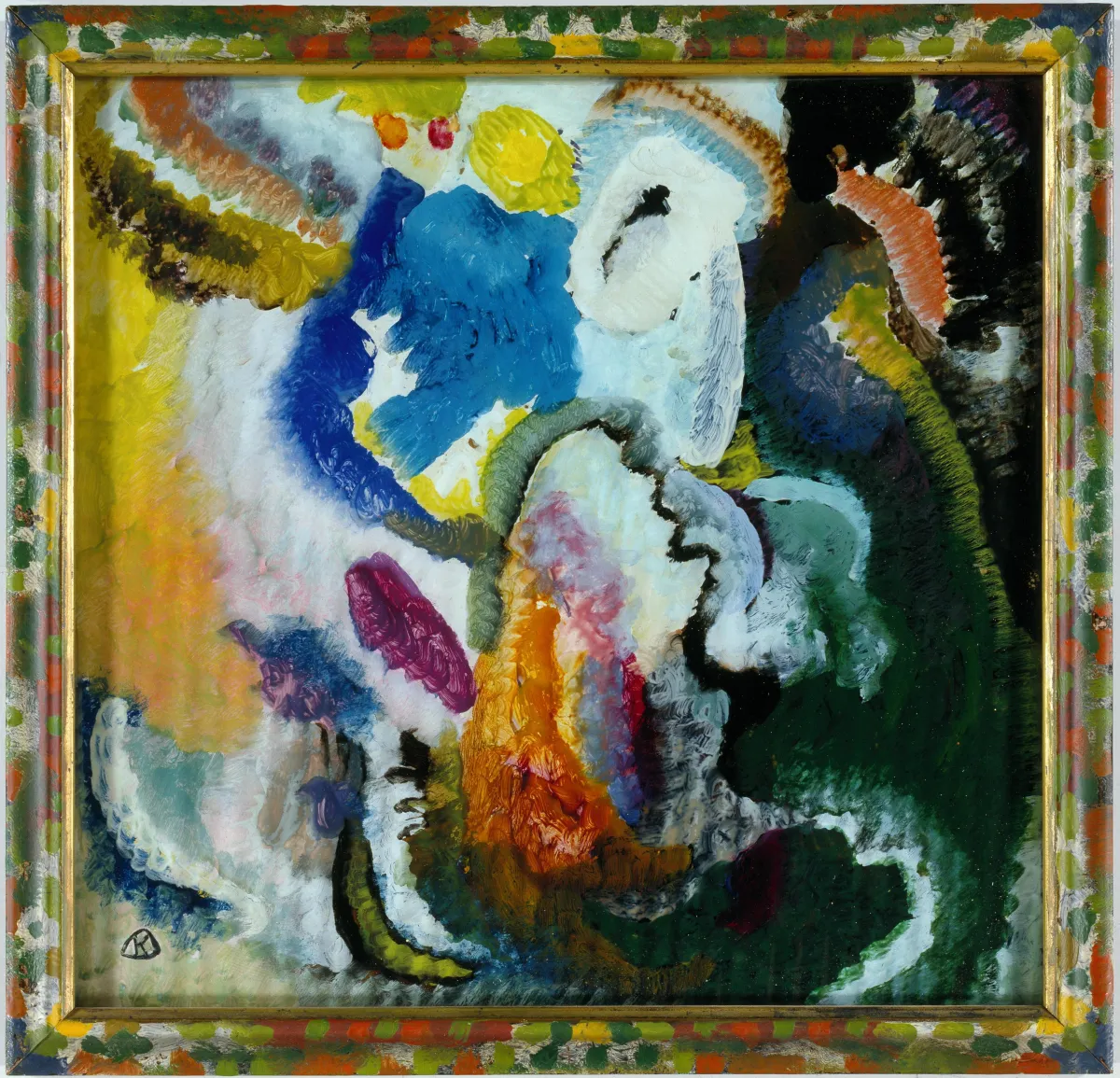
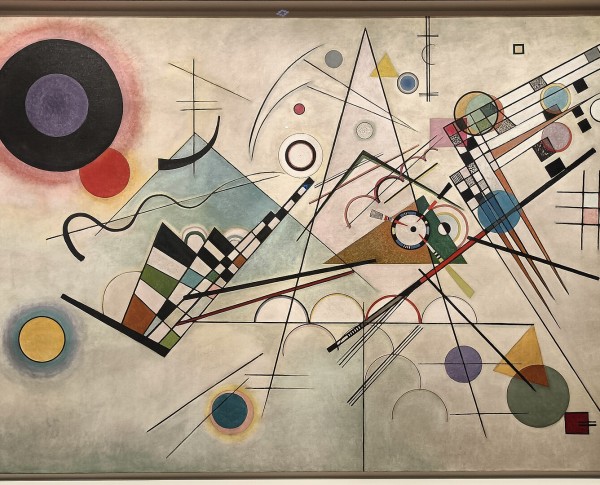
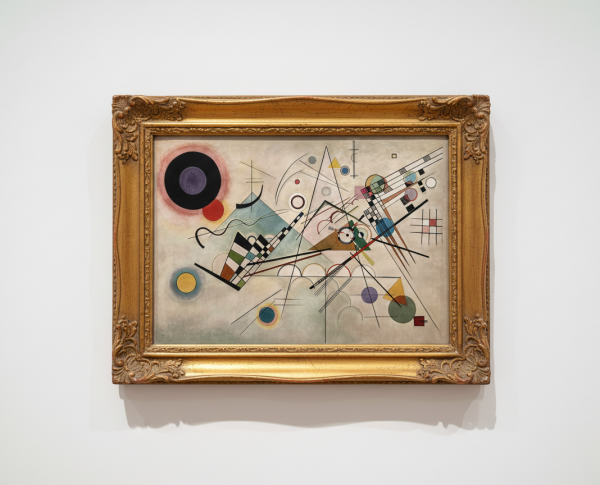
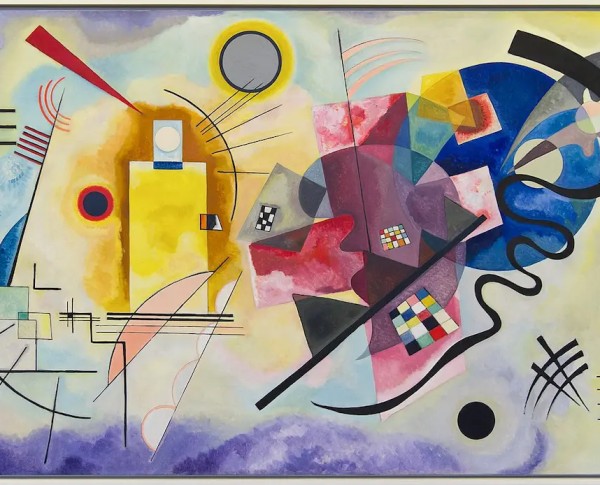
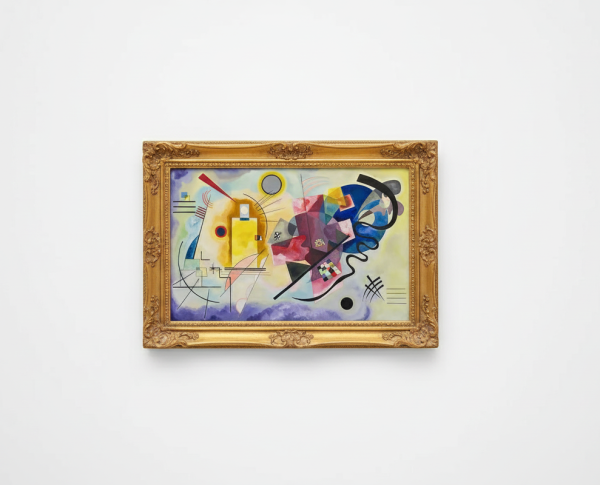
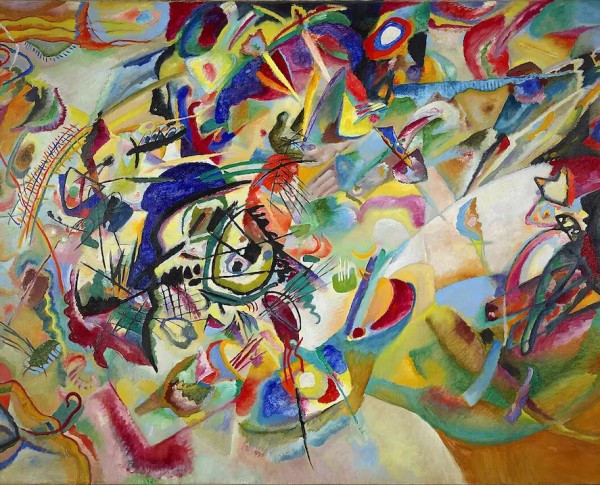
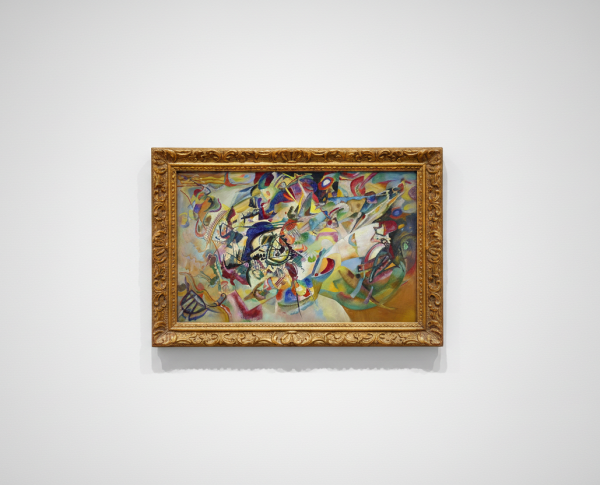
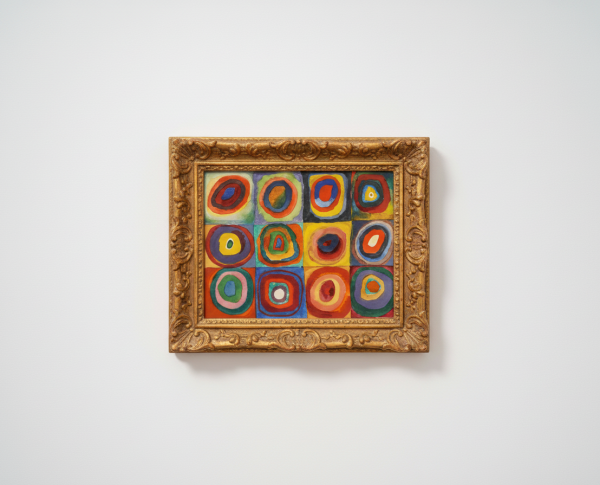
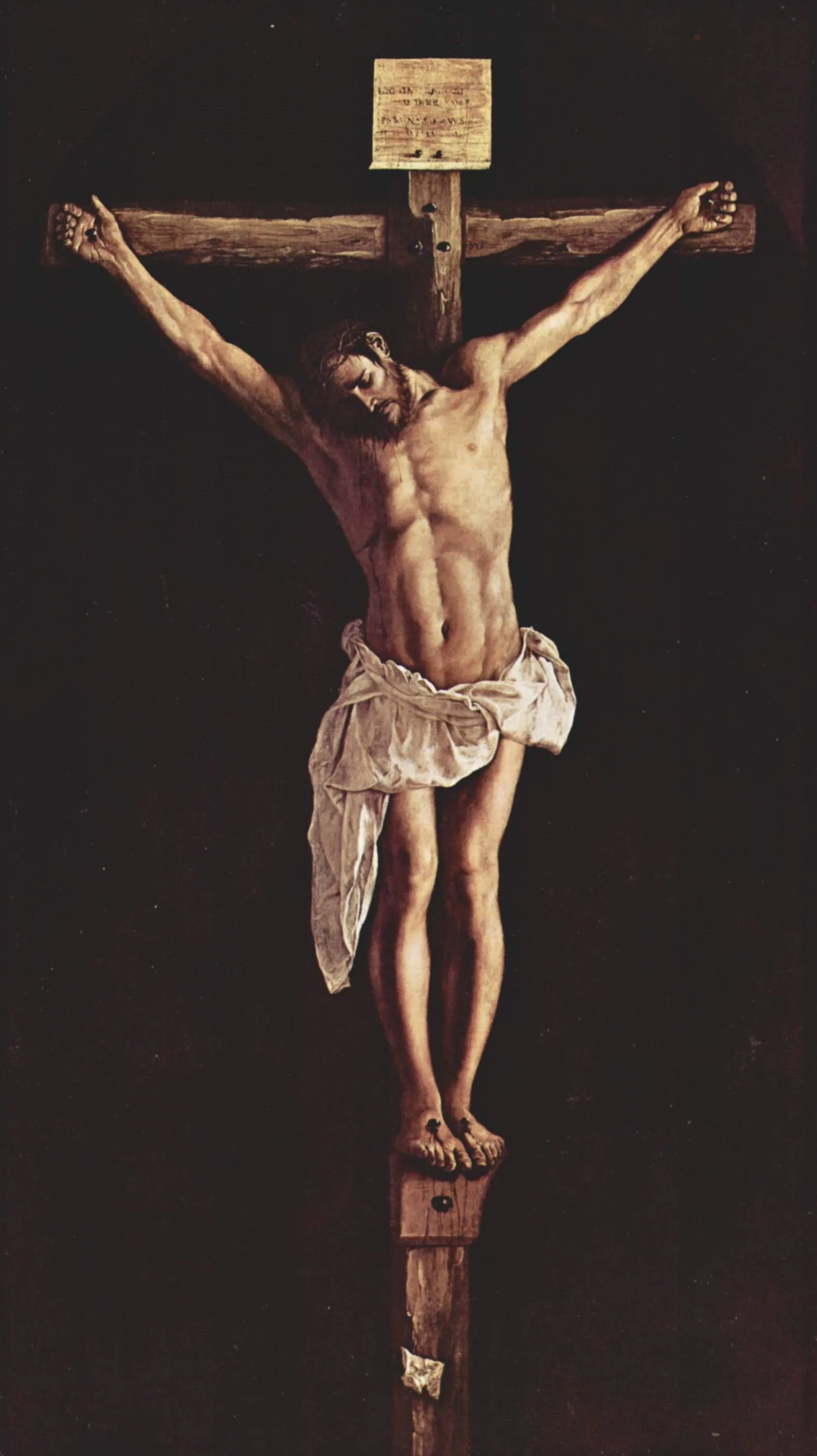
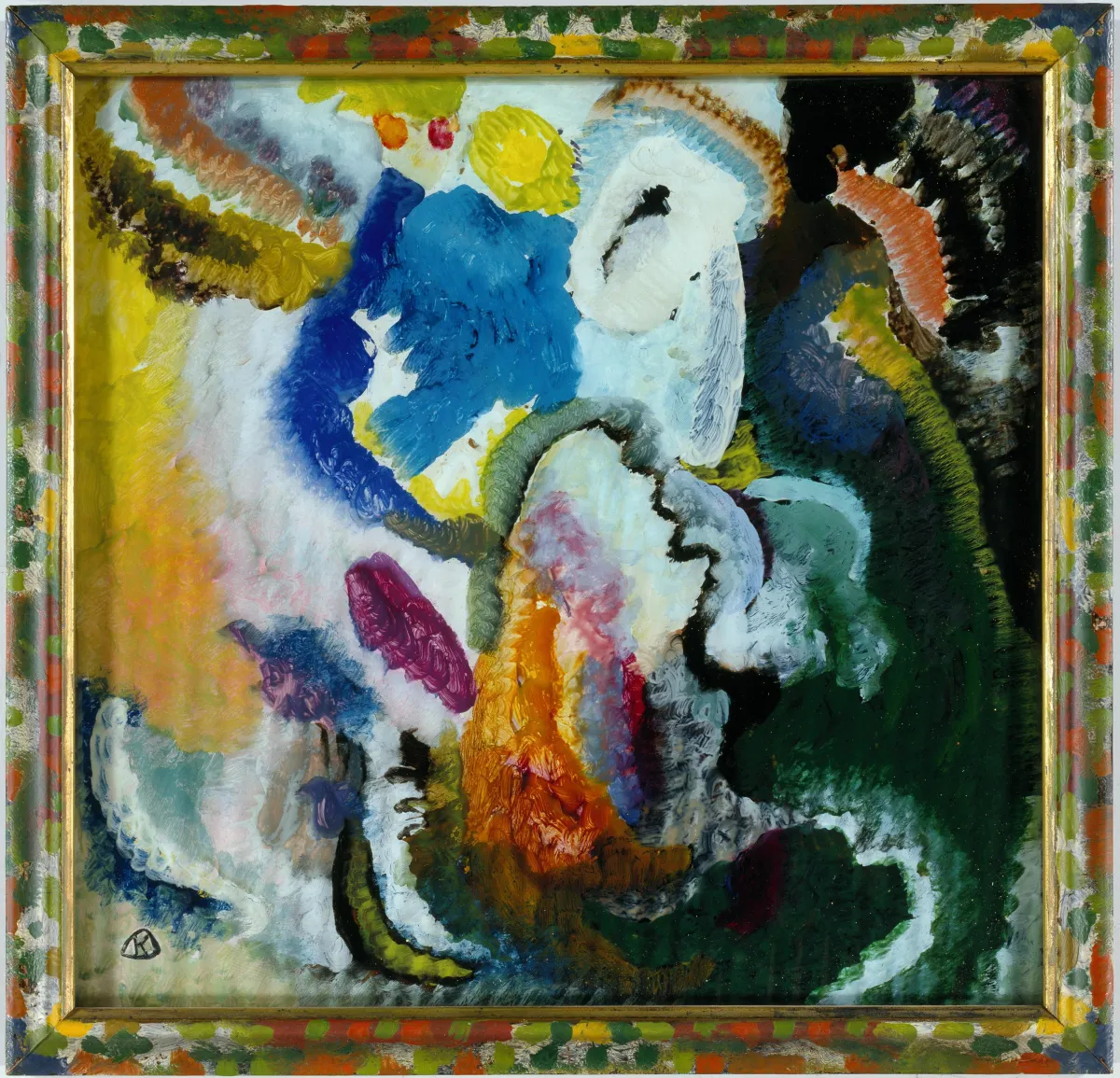
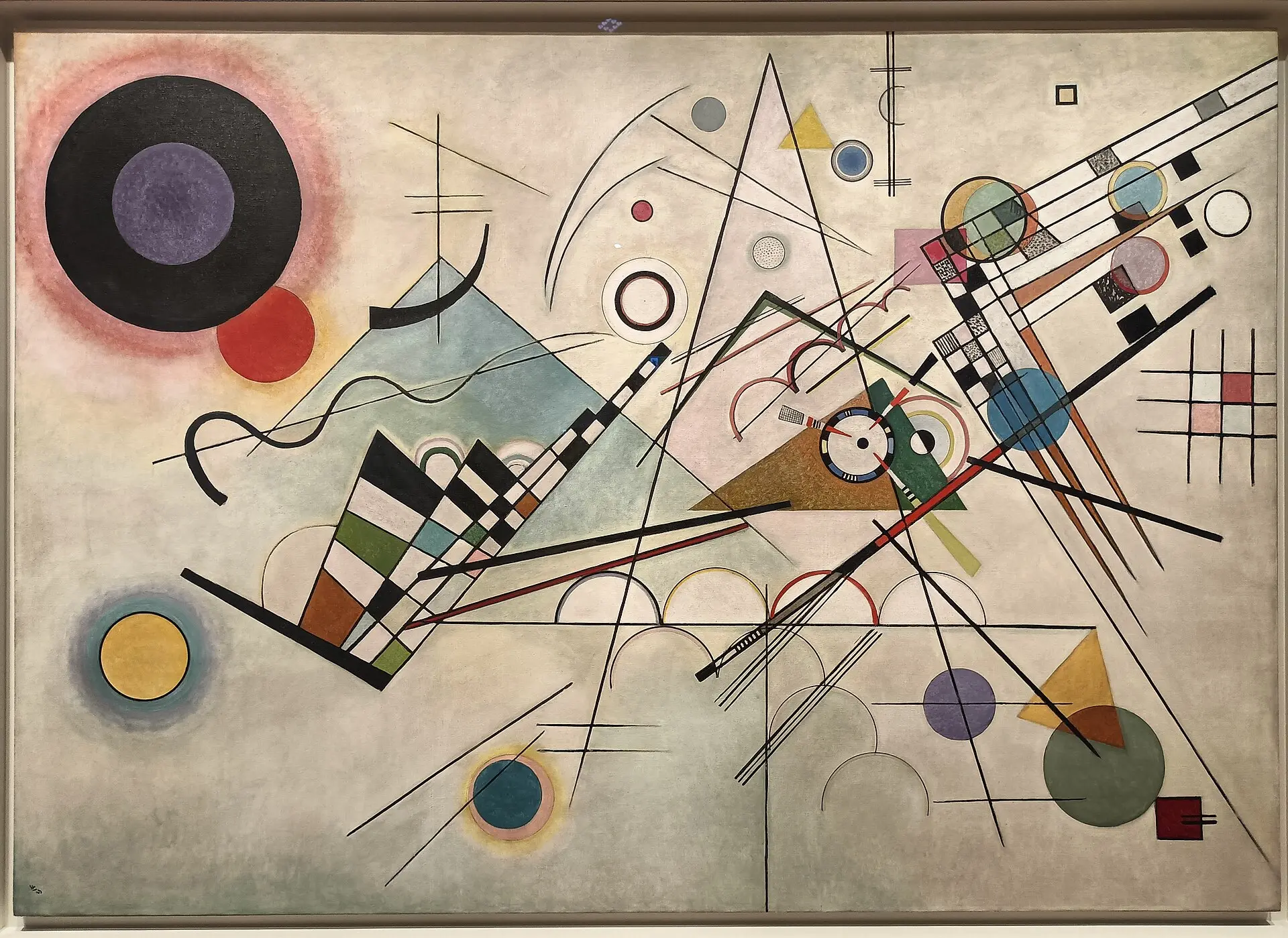
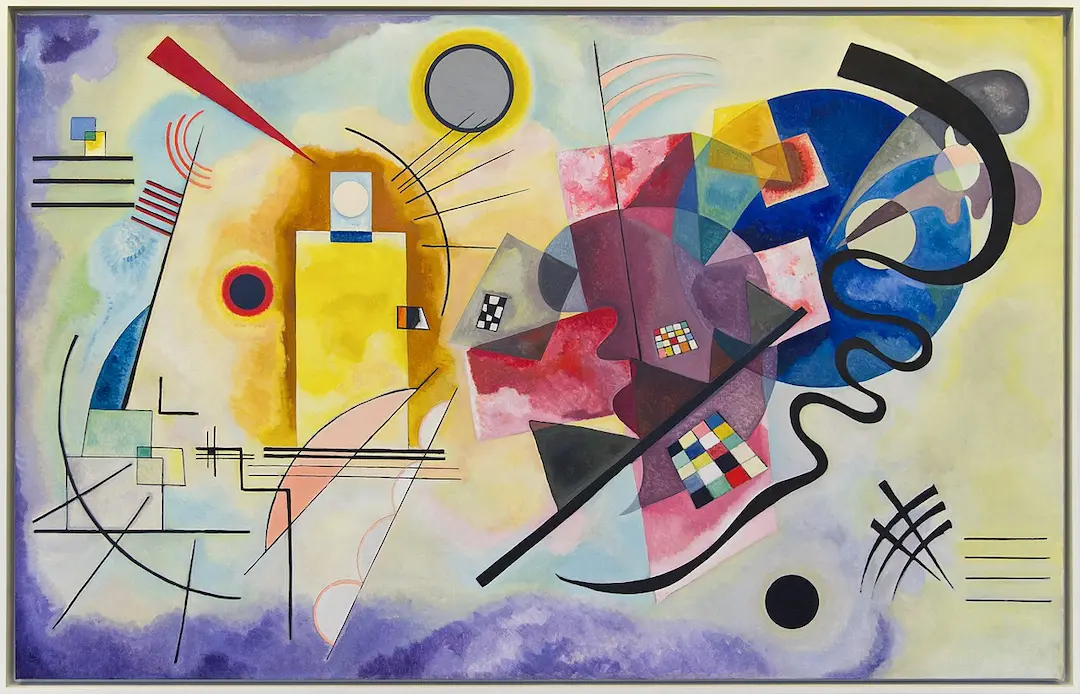
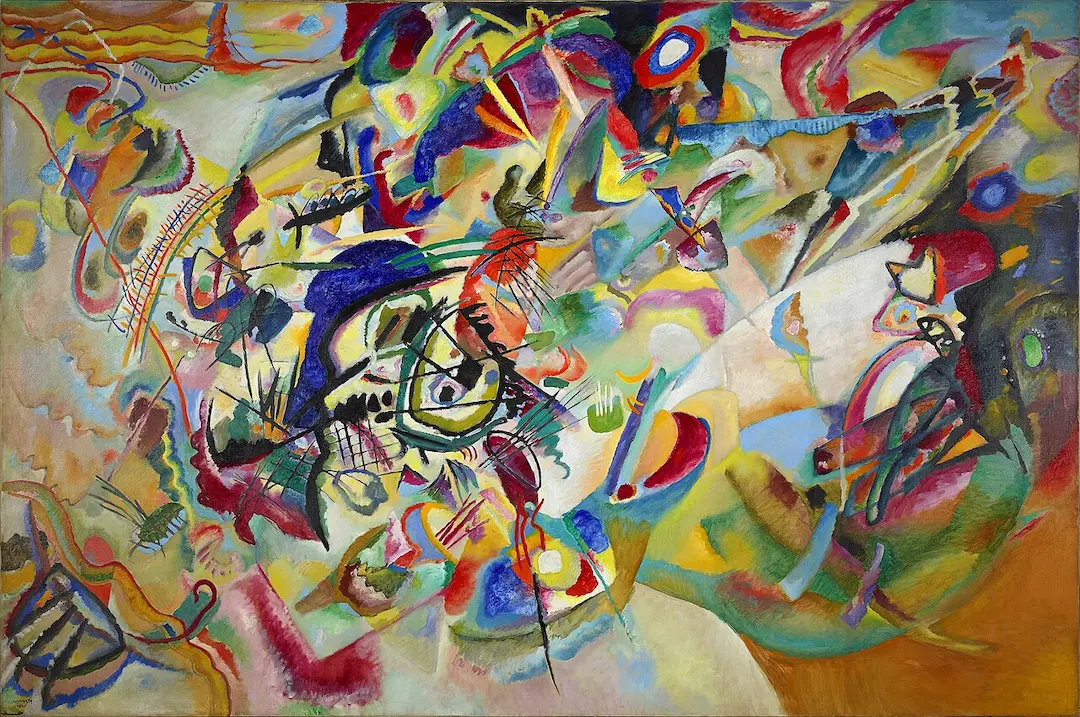
With "Picture with a Horserider," Kandinsky utilizes oil on canvas to convey movement, energy, and vibrant color. His mastery in every stroke is evident, as swirling forms and dynamic lines evoke a sense of rhythm unique to Abstract Expressionism. The use of oil on canvas allows for rich textures and depth, paralleling other Kandinsky works like "Improvisation 11" and "The Composition V111," which together showcase the artist’s command over this versatile medium.
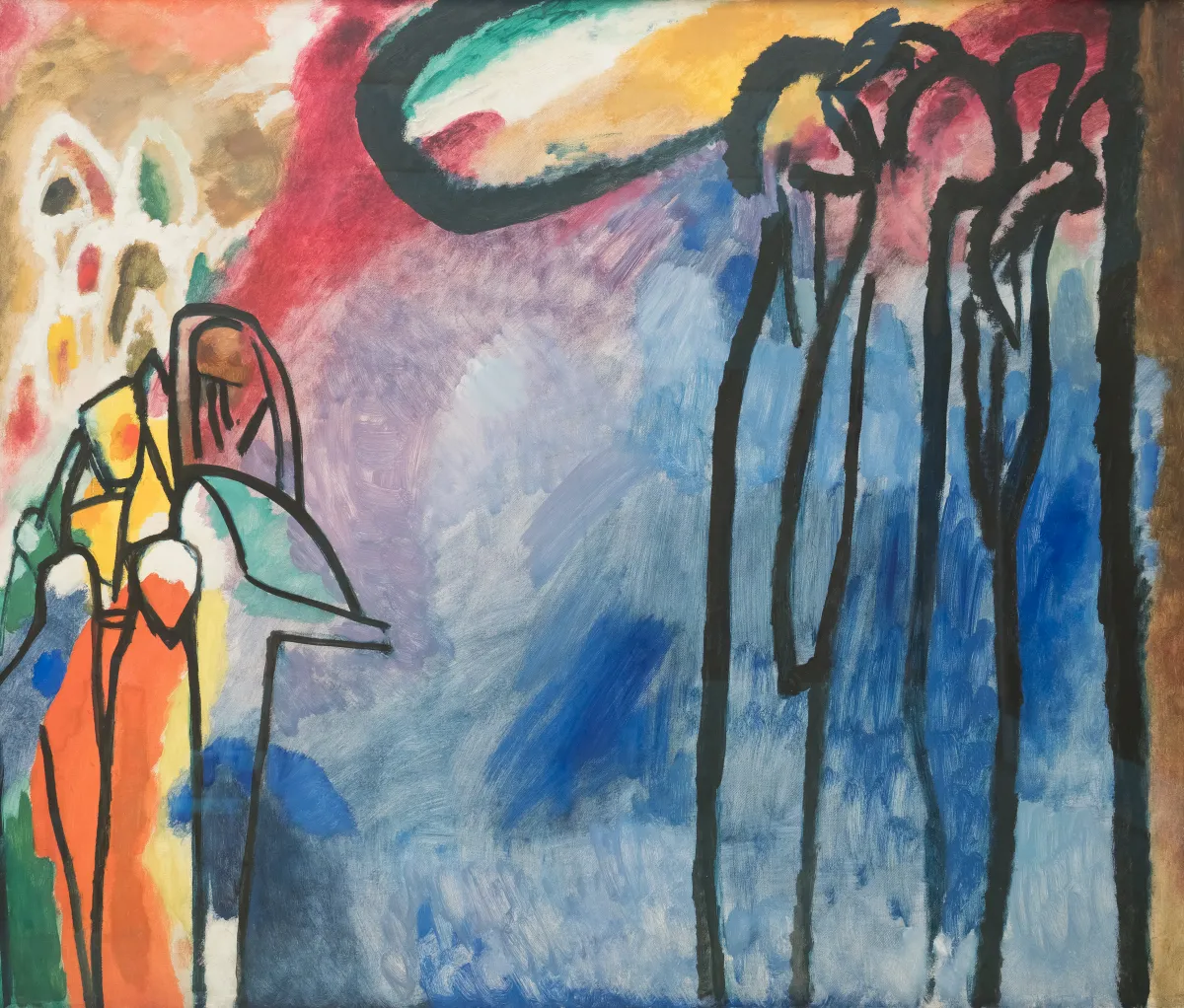
Every element in "Picture with a Horserider" carries a deeper meaning, inviting viewers to interpret the narrative woven into the composition. Kandinsky often embedded symbols and abstract forms in his fine art painting for sale, encouraging personal reflection. The horserider motif appears throughout his oeuvre, echoing in related products like "Improvisation 26" and "Improvisation 21," where stories unfold through expressive color and form, making each piece an engaging visual journey.
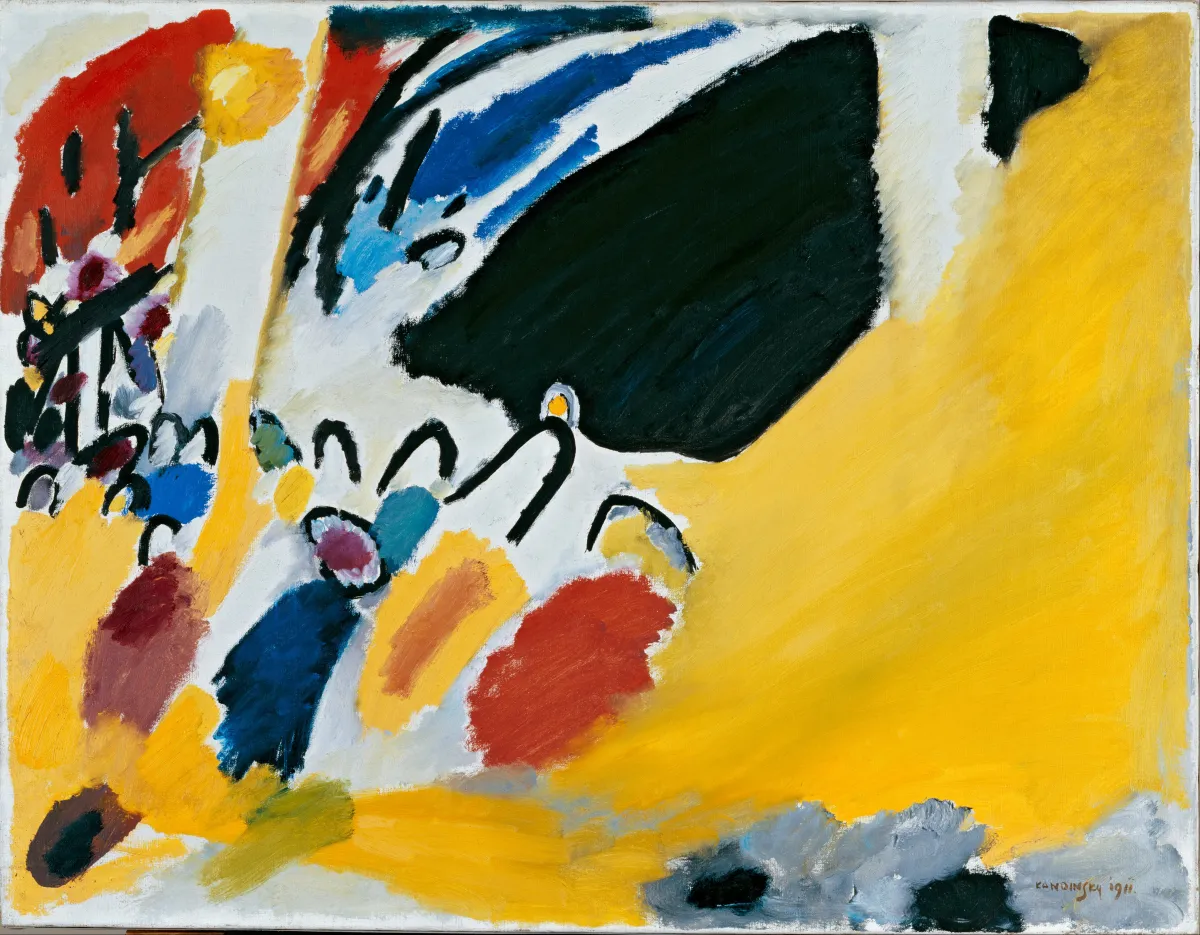
Owning "Picture with a Horserider" by Wassily Kandinsky is more than acquiring a painting; it is an investment in art history. This hand-painted oil painting appeals to collectors seeking a fine art painting for sale that embodies the spirit of Abstract Expressionism. Complementing collections with related works such as "Impression lll (Concert)" or "The Composition V111" elevates any gallery, ensuring that Kandinsky’s revolutionary style remains a cherished treasure for generations.
When Art Meets History
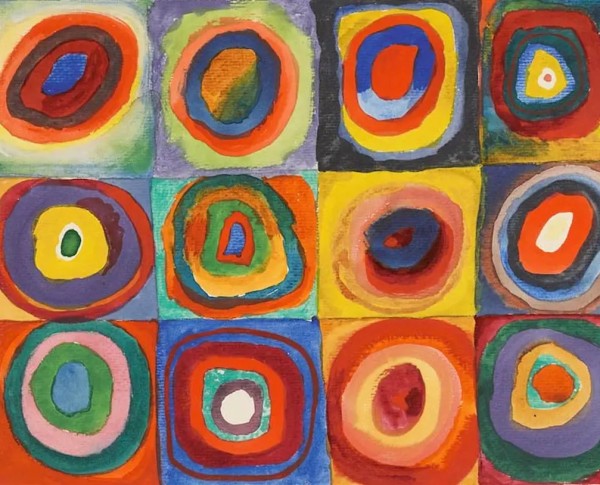
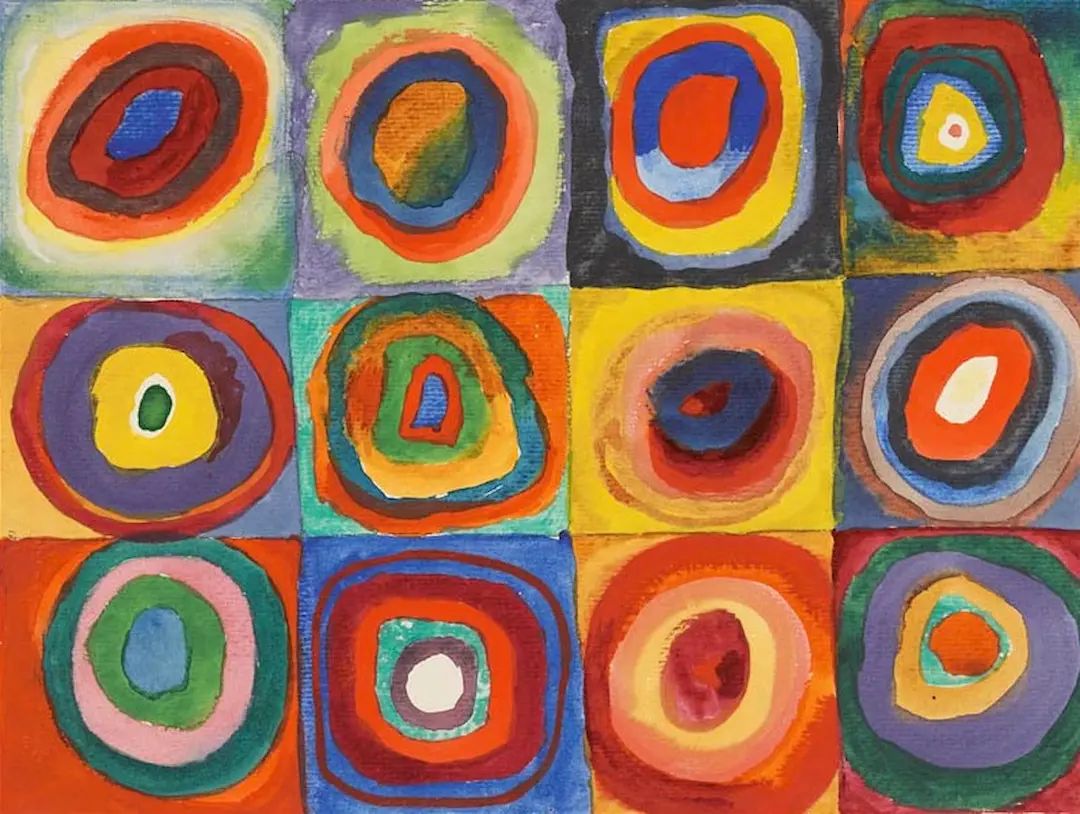
"Picture with a Horserider" by Wassily Kandinsky stands as a landmark hand-painted oil painting in the Abstract Expressionism movement. Created during a period of dramatic change in the art world, this masterpiece reflects Kandinsky’s innovative approach and his profound impact on modern art. Alongside related works like "Untitled (Violet, Black, Orange, Yellow on White and Red), 1949," this painting exemplifies the transition from representational to abstract forms, making it a significant piece in art history.
Techniques That Speak
Kandinsky’s "Picture with a Horserider" showcases his masterful use of oil on canvas, blending vibrant colors and dynamic brushstrokes to evoke movement and emotion. His technique, characteristic of Abstract Expressionism, involves layering shapes and hues to create a sense of depth and energy. This approach not only distinguishes his work from traditional painting but also connects it to related pieces such as "Untitled (Violet, Black, Orange, Yellow on White and Red), 1949," further highlighting the evolution of modern artistic techniques.
Emotions on Display
The emotional intensity of "Picture with a Horserider" is a hallmark of Kandinsky’s style and the Abstract Expressionism movement. Through bold colors and abstract forms, the artist invites viewers to experience a range of feelings, from excitement to introspection. This fine art painting for sale resonates with collectors and art lovers alike, much like related works such as "Untitled (Violet, Black, Orange, Yellow on White and Red), 1949," which also evoke deep emotional responses through their expressive compositions.
Coveted by Collectors
As a pivotal work in Kandinsky’s oeuvre, "Picture with a Horserider" remains highly sought after by collectors and enthusiasts of Abstract Expressionism. The painting’s unique combination of historical significance and innovative artistry makes it a prized addition to any collection. Its connection to other masterpieces, including "Untitled (Violet, Black, Orange, Yellow on White and Red), 1949," further enhances its value. Those seeking a hand-painted oil painting with lasting impact will find this piece especially appealing.
Related Abstract Expressionism Hand-Painted Oil Paintings by Other Artists
Other Famous Abstract Expressionism Artists:
Frequently Asked Questions About Picture with a Horserider
What is the historical context of "Picture with a Horserider"?
"Picture with a Horserider" was created during a period of significant artistic experimentation in the early 20th century, reflecting the transition from traditional representational art to abstract forms. Kandinsky was influenced by the socio-political changes in Europe, particularly the aftermath of World War I.
What artistic movements did Wassily Kandinsky contribute to?
Kandinsky is often associated with the Expressionist movement and is considered a pioneer of Abstract art. His work, including "Picture with a Horserider," embodies the exploration of color, form, and emotional expression, which were hallmarks of these movements.
What symbolism is present in "Picture with a Horserider"?
The horserider in the painting symbolizes freedom and the human spirit's connection to nature. The dynamic composition and vibrant colors evoke a sense of movement and vitality, reflecting Kandinsky's belief in the spiritual power of art.
How does "Picture with a Horserider" reflect Kandinsky's philosophy of art?
Kandinsky believed that art should convey deep emotional experiences and transcend the physical world. In "Picture with a Horserider," the abstract forms and colors serve to express inner feelings rather than depict reality, aligning with his philosophical approach to art.
What techniques did Kandinsky use in this painting?
Kandinsky employed a combination of bold colors, geometric shapes, and dynamic lines in "Picture with a Horserider." His innovative use of color theory and composition techniques aimed to evoke emotional responses from viewers.
How does the composition of "Picture with a Horserider" contribute to its meaning?
The composition features a central figure of the horserider, surrounded by abstract forms that create a sense of movement and energy. This arrangement invites viewers to engage with the painting on both visual and emotional levels, enhancing its interpretative richness.
What influences can be seen in Kandinsky's use of color in this work?
Kandinsky's use of color in "Picture with a Horserider" reflects his belief in the psychological and spiritual effects of color. He often associated specific colors with emotions and concepts, aiming to create a harmonious visual language that resonates with the viewer's inner experience.
In what ways did "Picture with a Horserider" challenge traditional art conventions?
This painting challenges traditional art conventions by moving away from realistic representation and embracing abstraction. Kandinsky's focus on emotional expression and the use of non-representational forms marked a significant departure from the artistic norms of his time.
What role does the figure of the horserider play in the overall narrative of the painting?
The figure of the horserider serves as a focal point that embodies themes of adventure, exploration, and the relationship between humanity and nature. This narrative element invites viewers to reflect on their own journeys and experiences in relation to the depicted scene.
How has "Picture with a Horserider" influenced contemporary art?
"Picture with a Horserider" has had a lasting impact on contemporary art by inspiring artists to explore abstraction and emotional expression. Kandinsky's innovative approach to color and form continues to resonate with modern artists seeking to convey complex ideas and feelings through visual means.























_GFM_Painting_(1).webp)


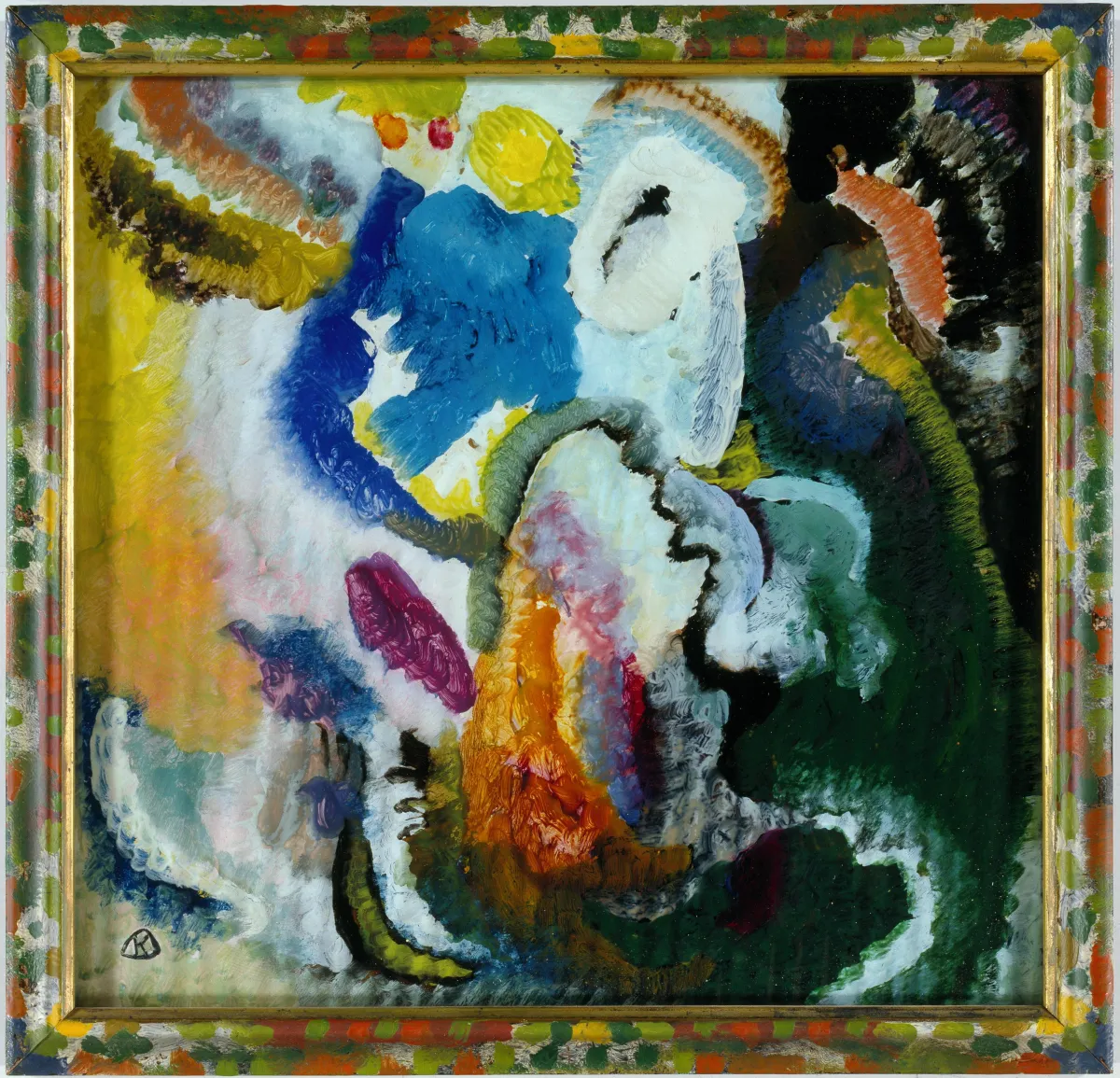
 100% Hand-Painted: Finished in 3-6 Weeks

.png)















_(1).webp)