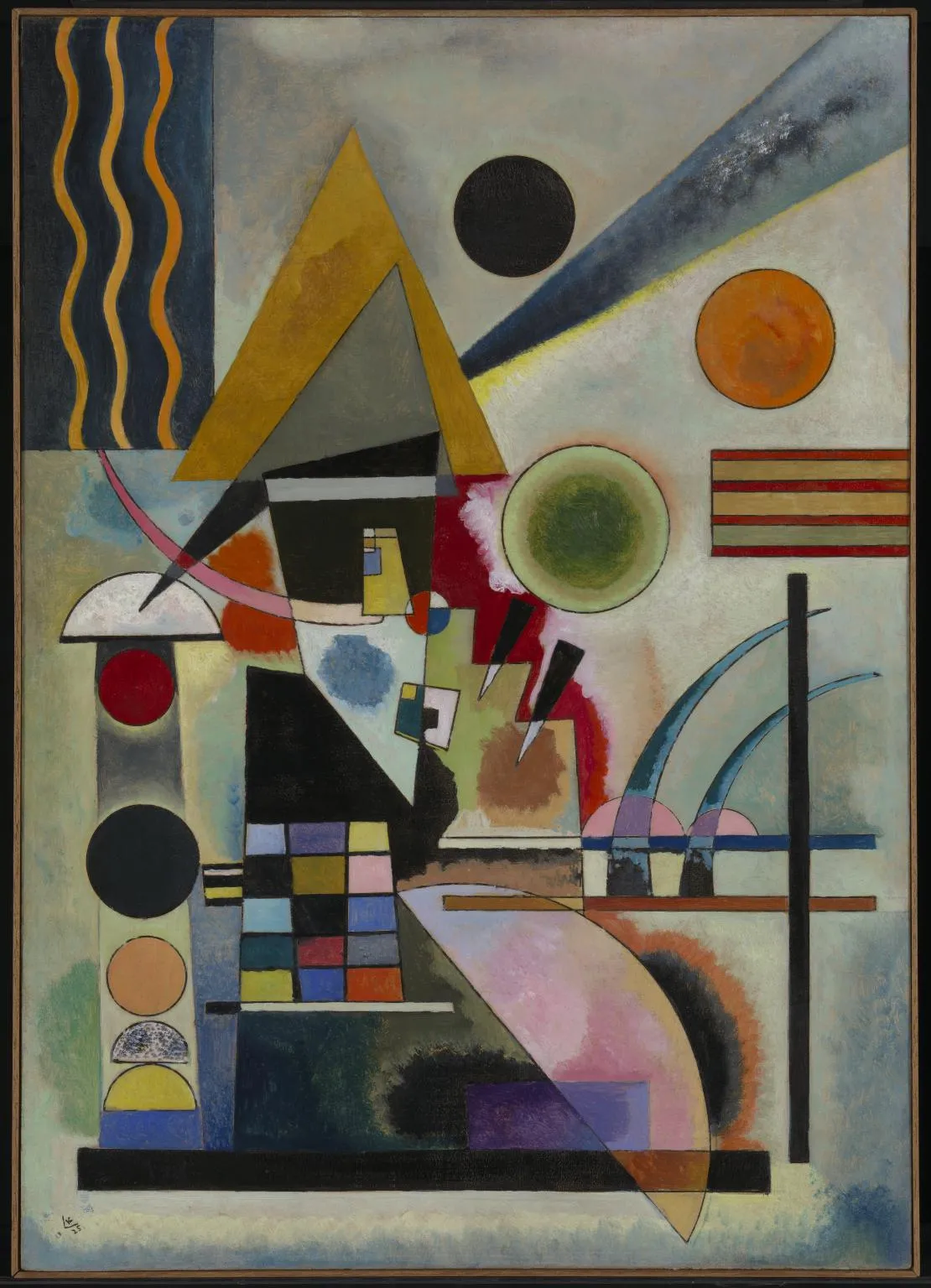
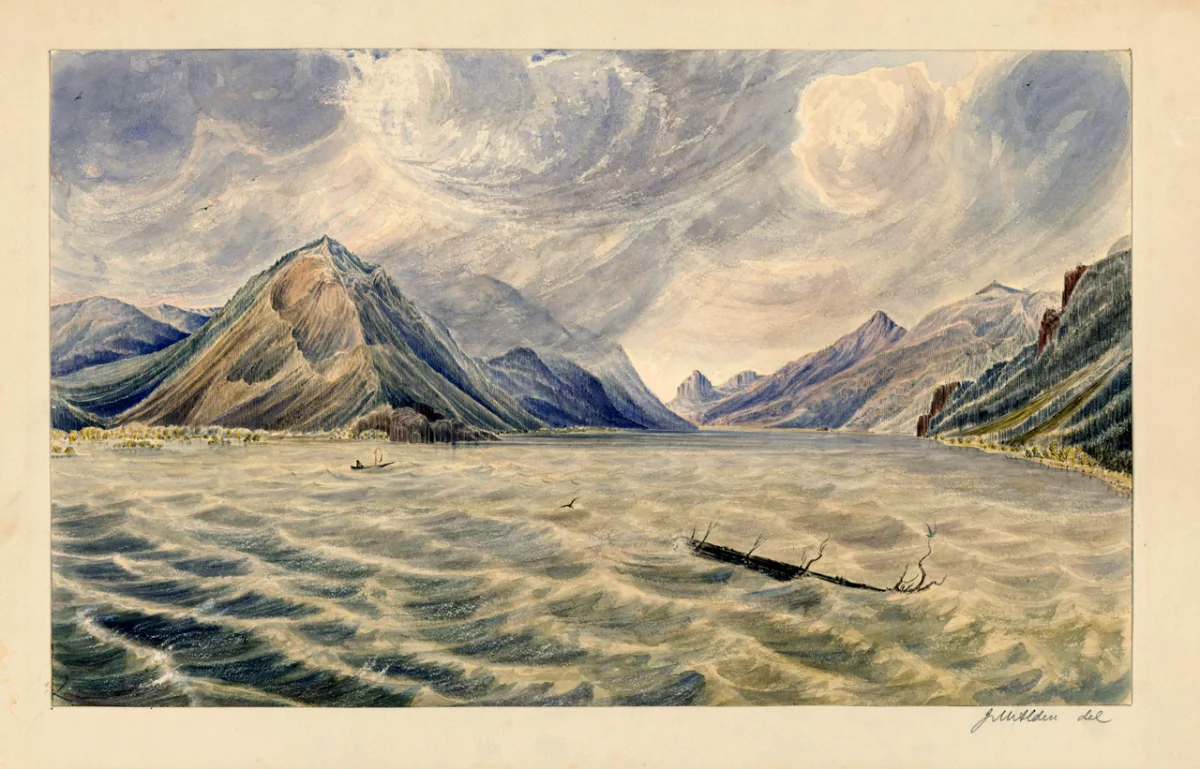
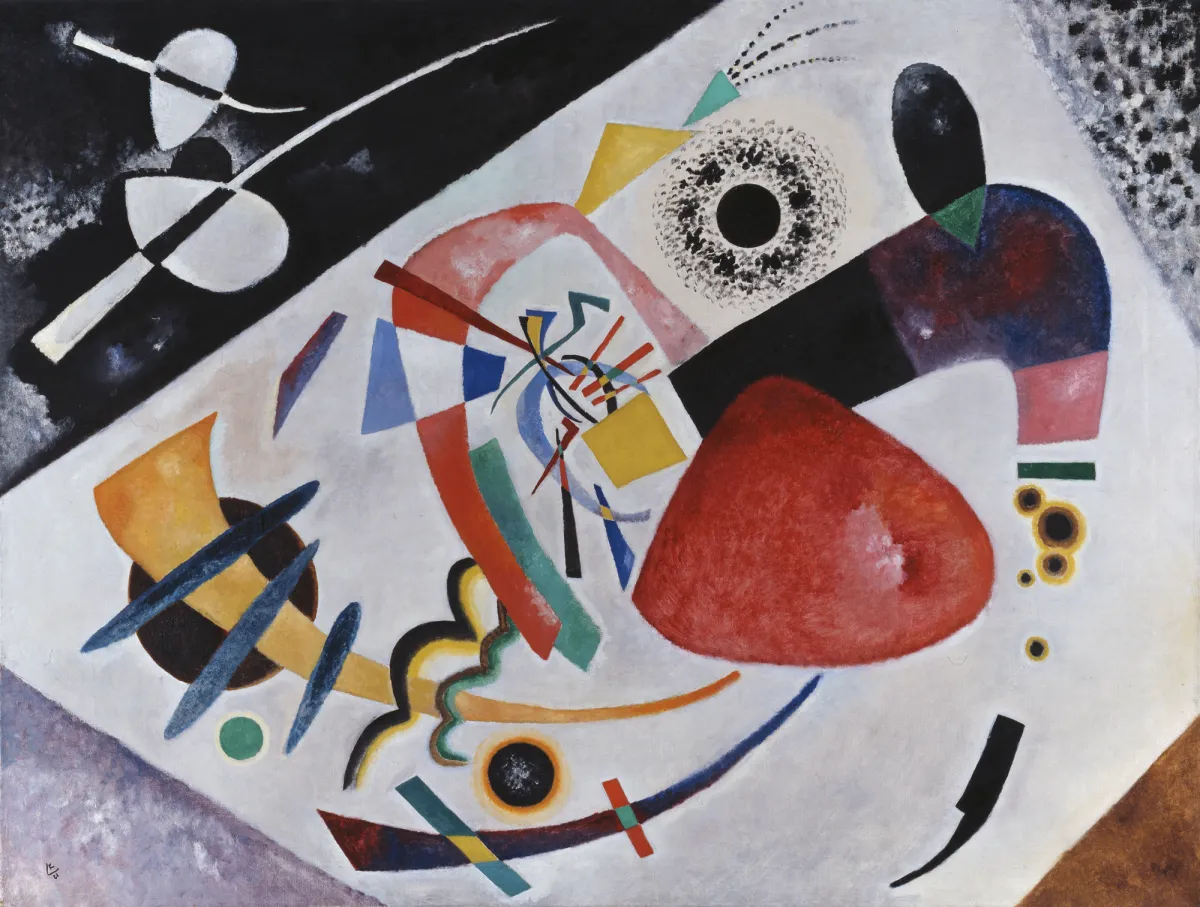
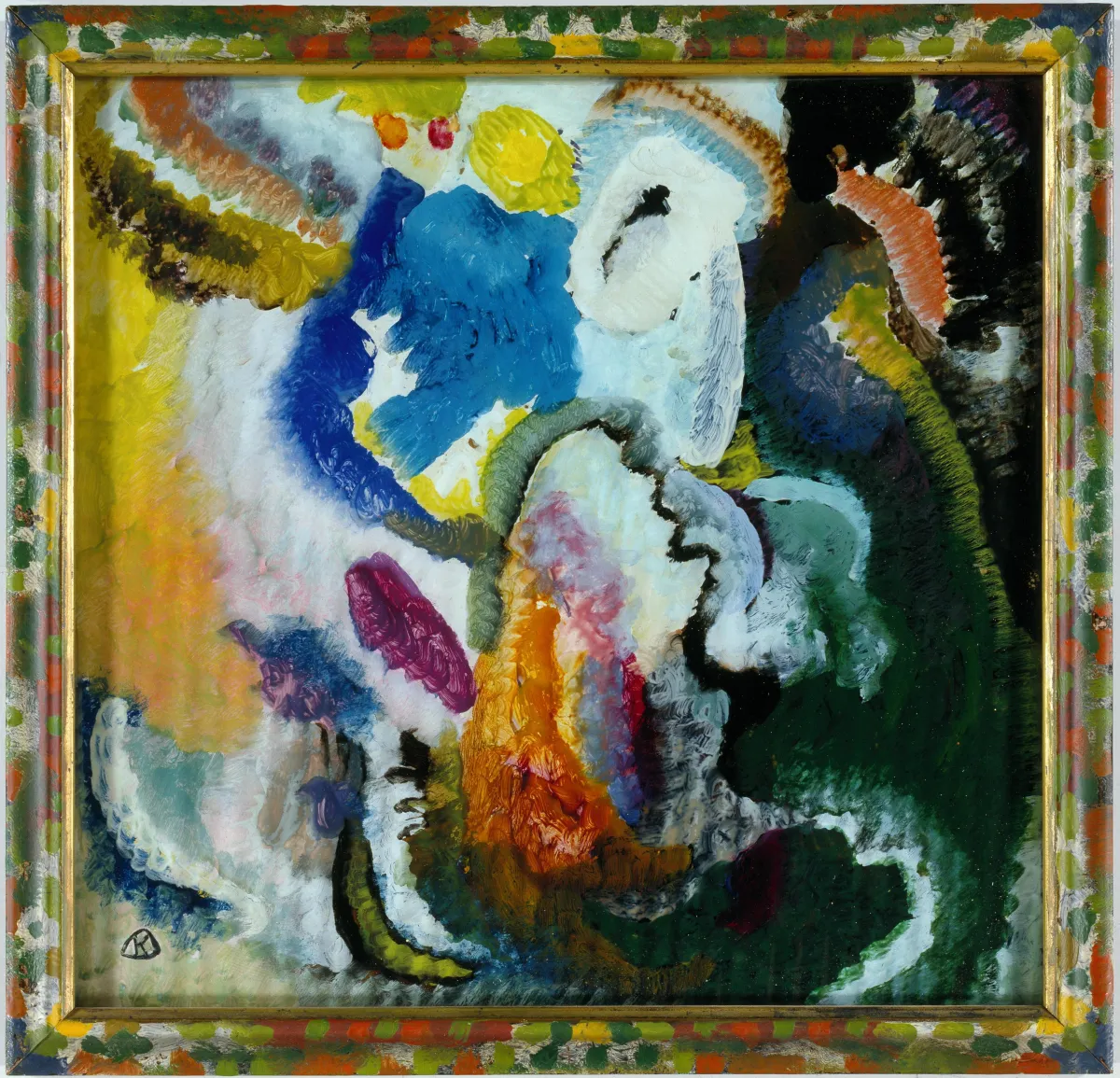
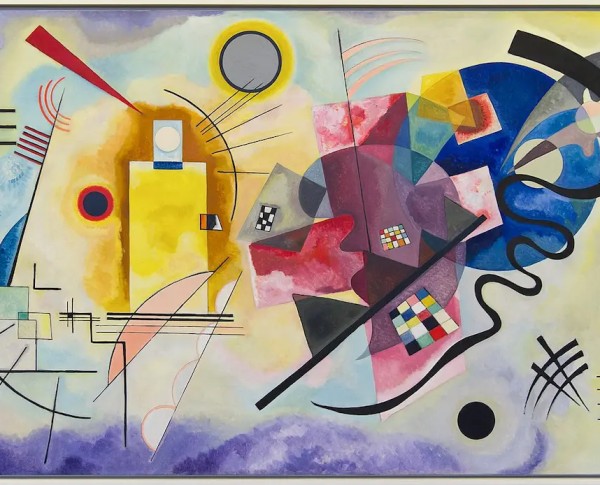
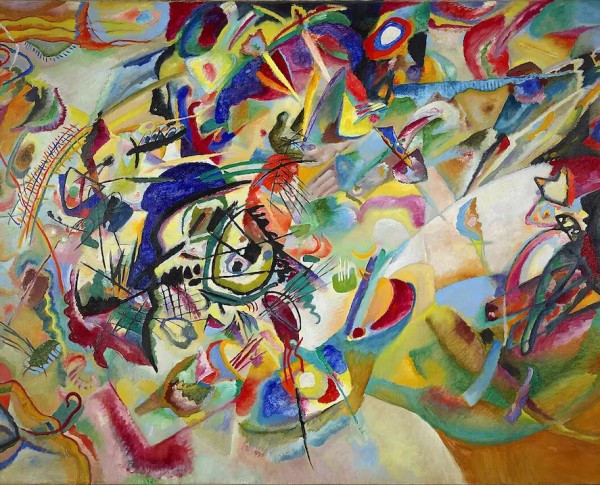
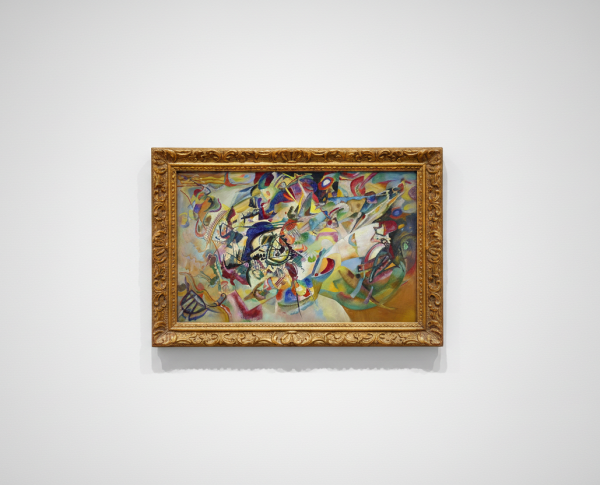
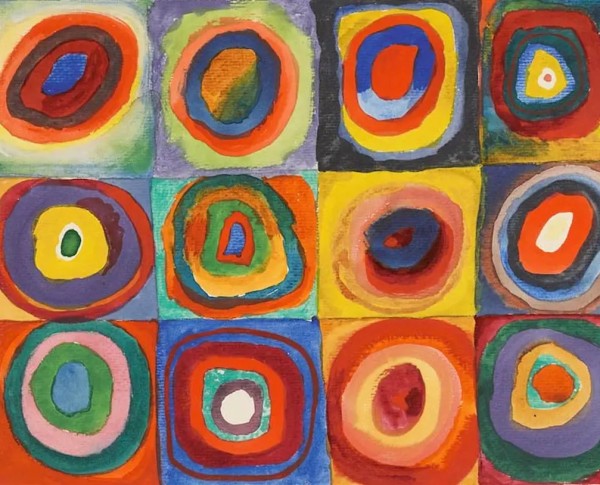
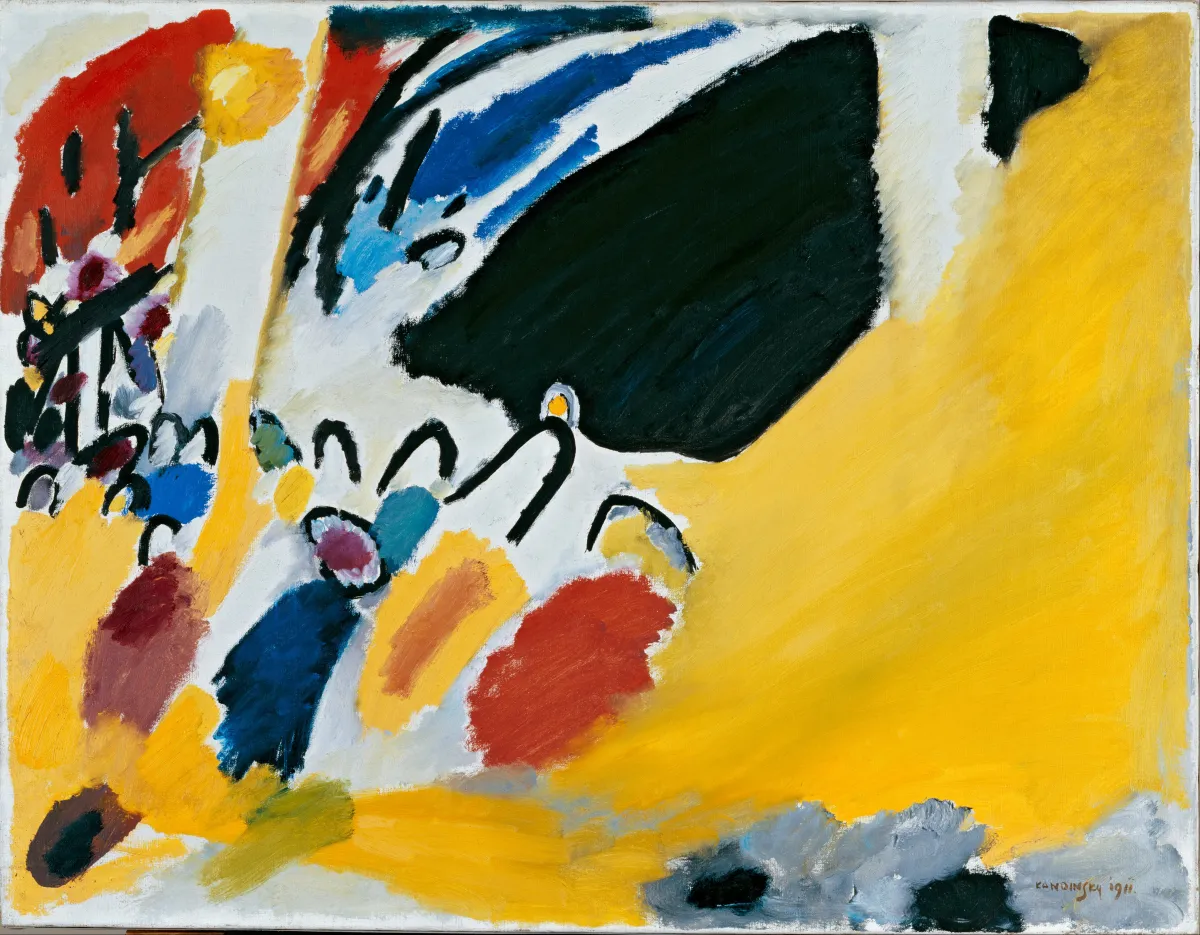
Wassily Kandinsky’s "Mountain" is celebrated for its exceptional technique and expressive brushwork, hallmarks of Abstract Expressionism. The use of oil on canvas allows for bold, textured layers that bring the composition to life. Each stroke reveals Kandinsky’s mastery of color theory and form, making this piece a standout among fine art painting for sale. Collectors may also appreciate related works like "Red Spot II" and "Landscape" for their similar artistic brilliance.
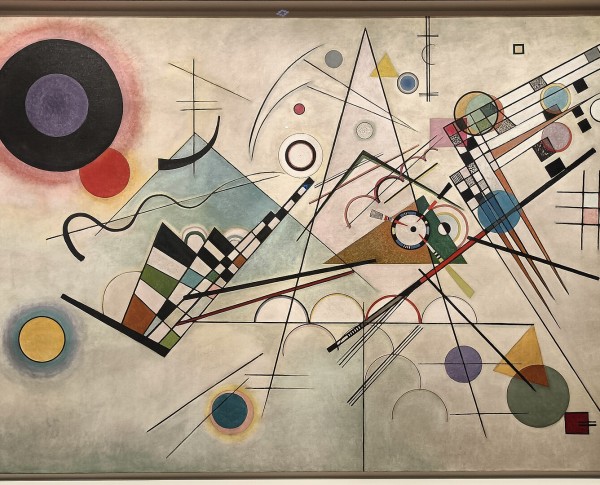
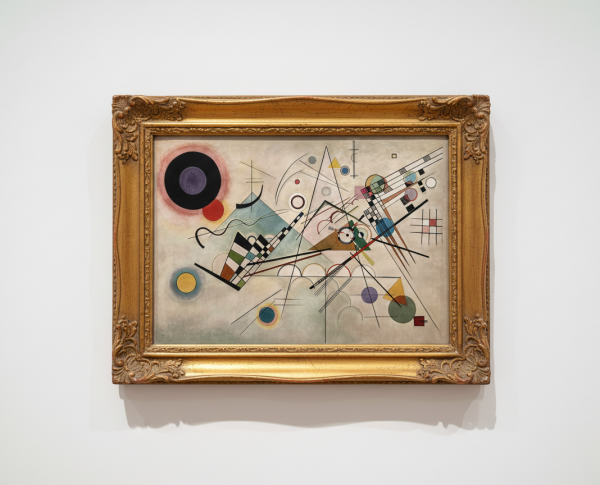
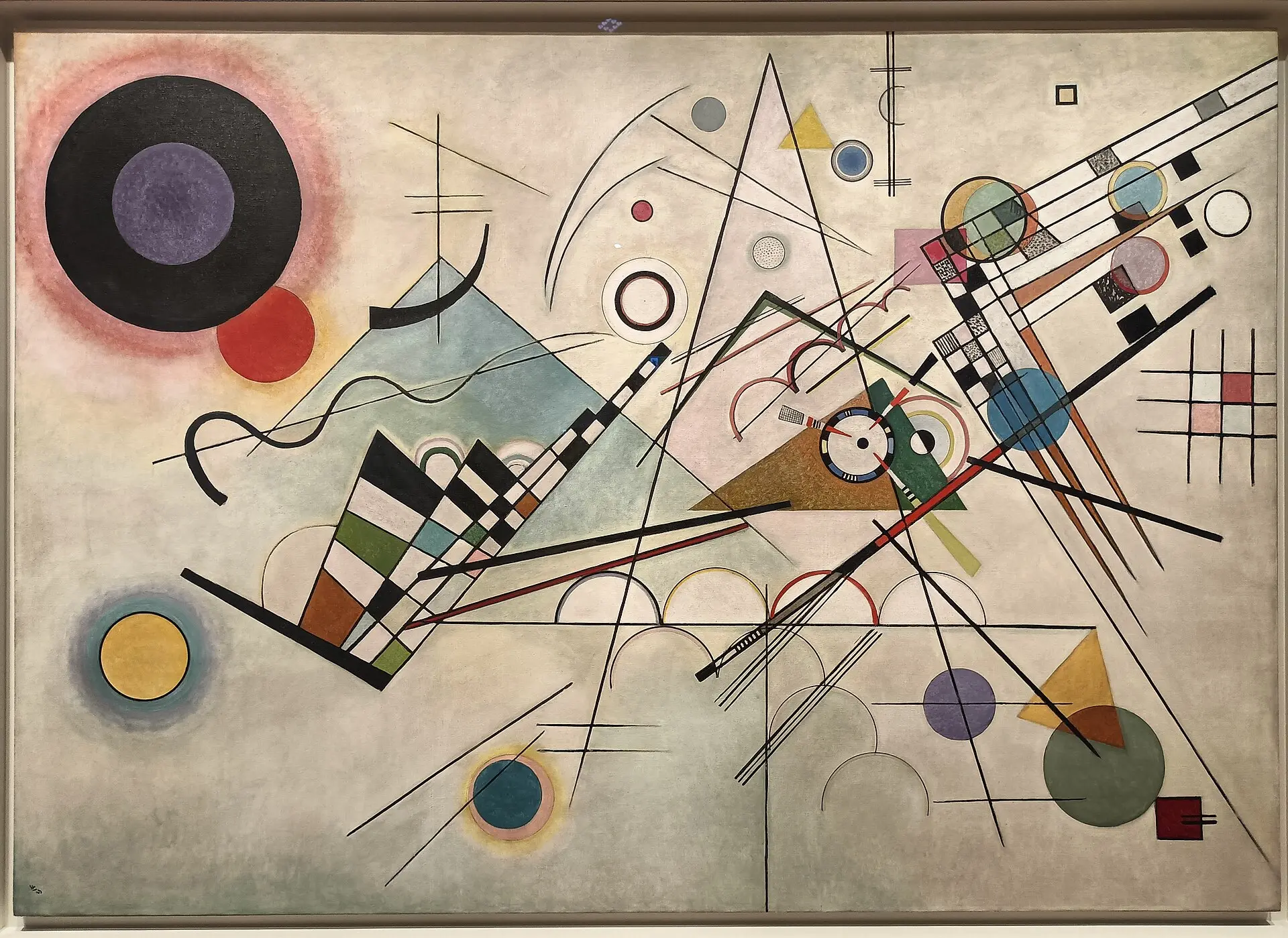
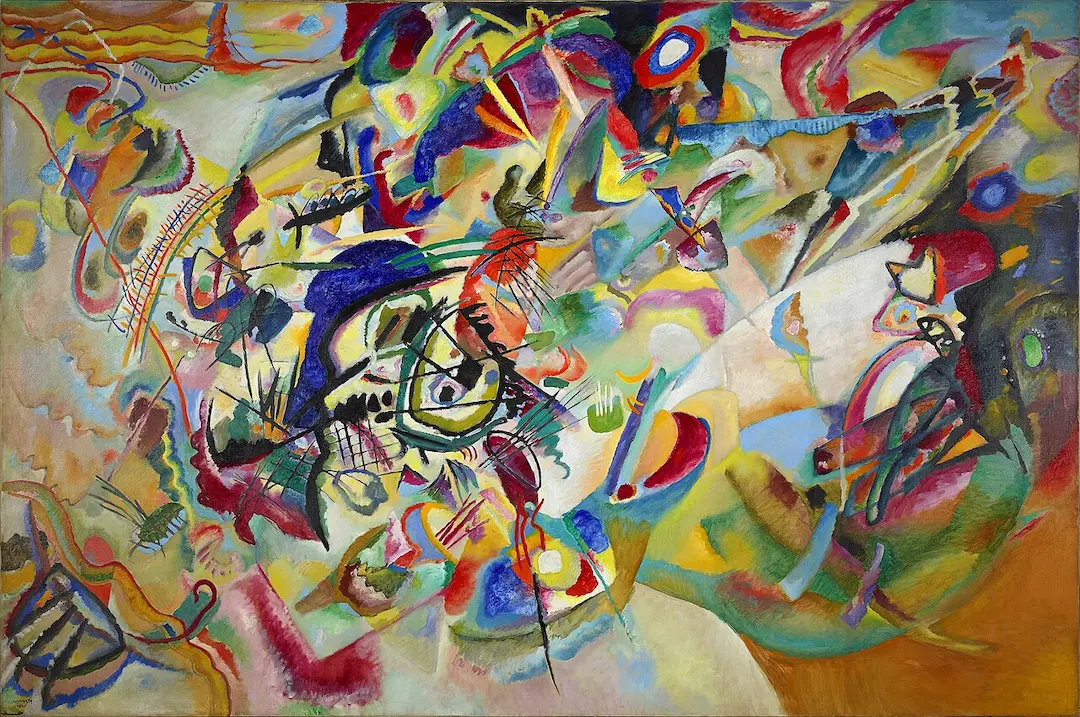
Within "Mountain," Kandinsky weaves a tapestry of stories and symbols unique to Abstract Expressionism. This hand-painted oil painting invites viewers to interpret its vibrant shapes and colors, reflecting the artist’s belief in spiritual and emotional resonance. The painting’s enigmatic imagery connects it to related products such as "Black Spot 1" and "Composition VII," each offering their own symbolic narratives for art enthusiasts and collectors seeking deeper meaning in fine art.
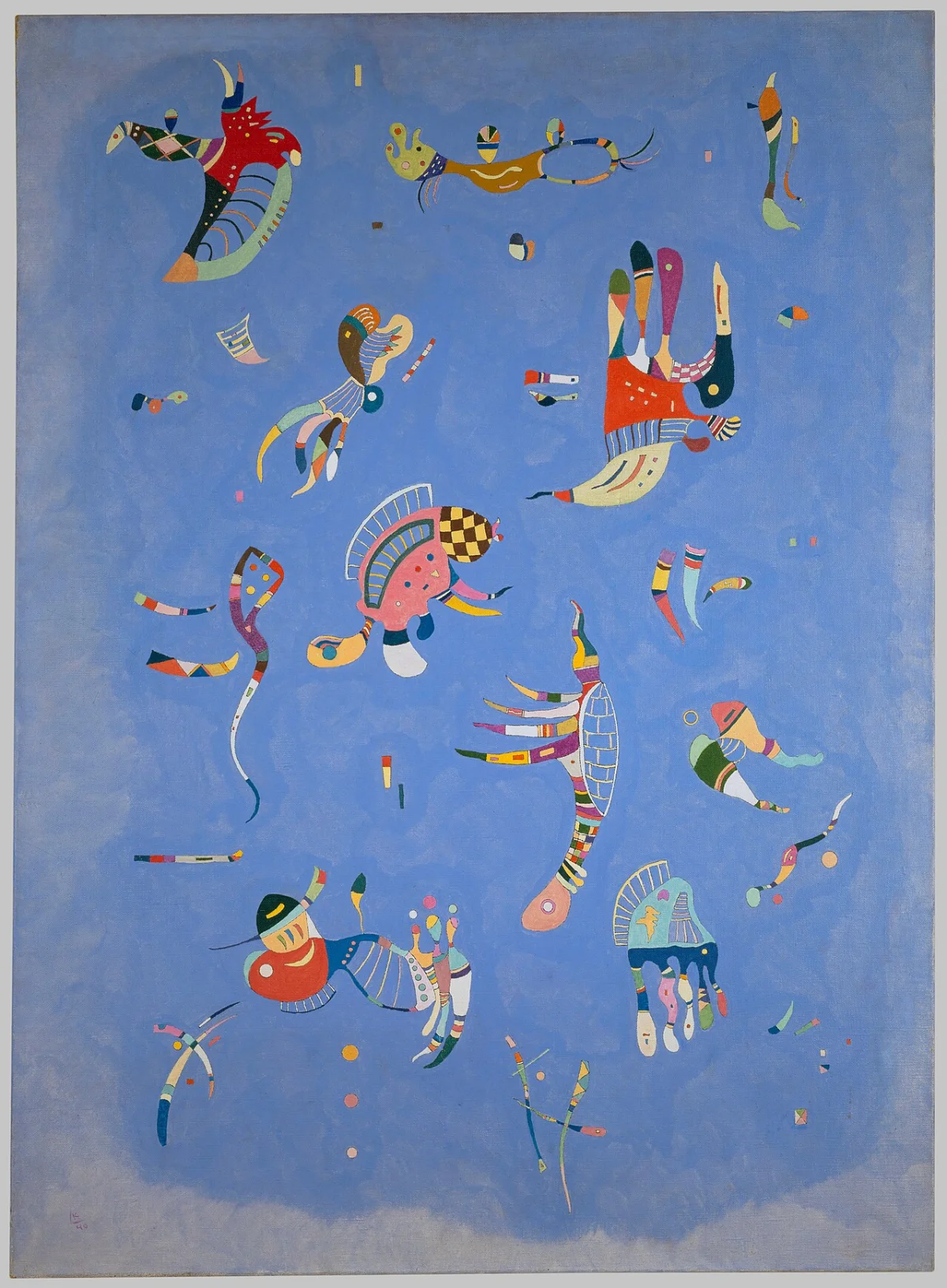
"Mountain" by Wassily Kandinsky is more than an oil on canvas; it’s a fine art painting for sale that represents a pivotal moment in Abstract Expressionism. Owning this piece is a chance to possess a part of art history, celebrated for its innovation and emotional depth. Collectors often seek related works like "Sky Blue" and "Red Spot II" to enhance their collections, ensuring a diverse representation of Kandinsky’s influential artistry.
When Art Meets History
Wassily Kandinsky’s “Mountain” stands as a remarkable example of the Abstract Expressionism movement, a period where creativity and innovation flourished. Created during a transformative era, this hand-painted oil painting reflects the artist’s desire to break free from traditional forms. Kandinsky, known for his pioneering spirit, influenced countless artists, and works like “Untitled (Violet, Black, Orange, Yellow on White and Red), 1949” share a similar sense of experimentation and boldness in their compositions.
Techniques That Speak
In “Mountain,” Kandinsky masterfully employs oil on canvas to create dynamic forms and vibrant colors that evoke a sense of movement and emotion. His use of bold brushstrokes and inventive techniques is characteristic of Abstract Expressionism, giving the painting its unique visual language. The layering of colors and deliberate abstraction echo the innovative approaches seen in related works, such as “Untitled (Violet, Black, Orange, Yellow on White and Red), 1949,” making this piece a true testament to Kandinsky’s artistic prowess.
Emotions on Display
“Mountain” by Wassily Kandinsky is more than just a visual experience; it’s an emotional journey. This fine art painting for sale captures the essence of Abstract Expressionism by translating feelings into bold shapes and vibrant hues. The expressive power of Kandinsky’s work resonates with viewers, much like the impactful emotions found in “Untitled (Violet, Black, Orange, Yellow on White and Red), 1949.” Through abstraction, the painting invites personal interpretation and deep emotional engagement.
Coveted by Collectors
As a distinguished example of Abstract Expressionism, “Mountain” by Wassily Kandinsky is highly sought after by art enthusiasts and collectors worldwide. This hand-painted oil painting represents not only the artist’s groundbreaking vision but also a significant moment in art history. Collectors often compare its desirability to other masterpieces, including “Untitled (Violet, Black, Orange, Yellow on White and Red), 1949,” making it a prized addition to any fine art collection.
Related Abstract Expressionism Hand-Painted Oil Paintings by Other Artists
Other Famous Abstract Expressionism Artists:
Frequently Asked Questions About Mountain
What is the historical context of Wassily Kandinsky's "Mountain"?
"Mountain" was created during a period of significant artistic innovation in the early 20th century, particularly within the Expressionist movement. Kandinsky, a pioneer of abstract art, sought to convey emotions through color and form, reflecting the tumultuous social and political climate of the time.
What artistic techniques did Kandinsky use in "Mountain"?
Kandinsky employed bold colors and geometric shapes to create a sense of depth and movement in "Mountain." His use of abstraction allows viewers to interpret the landscape in a personal and emotional way, rather than as a literal representation.
What symbols are present in "Mountain" and what do they represent?
The mountain in the painting symbolizes stability and permanence, contrasting with the dynamic colors and forms that suggest change and emotion. This duality reflects Kandinsky's belief in the spiritual power of art to evoke deep feelings.
How does "Mountain" fit into Kandinsky's overall body of work?
"Mountain" is representative of Kandinsky's exploration of abstraction and his desire to transcend the physical world. It showcases his evolution as an artist, moving from figurative representation to a more spiritual and emotional expression through color and form.
What influences can be seen in "Mountain"?
Kandinsky was influenced by various sources, including Russian folk art, music, and the spiritual philosophies of Theosophy. These influences are evident in "Mountain," where the interplay of color and form evokes a sense of harmony and spiritual resonance.
What role does color play in "Mountain"?
Color in "Mountain" is not merely decorative; it serves as a vital component of the composition that conveys emotion and meaning. Kandinsky believed that colors have inherent spiritual qualities, and in this painting, they create a vibrant dialogue that engages the viewer's senses.
How did "Mountain" contribute to the development of abstract art?
"Mountain" is a significant work in the evolution of abstract art, demonstrating Kandinsky's pioneering approach to non-representational forms. It laid the groundwork for future artists to explore abstraction as a means of expressing complex emotions and ideas beyond the visible world.
What emotions does "Mountain" evoke in viewers?
The painting evokes a range of emotions, from tranquility to exhilaration, through its dynamic composition and vibrant colors. Kandinsky aimed to connect with viewers on a deeper emotional level, encouraging them to interpret the artwork based on their personal experiences.
What is the significance of the title "Mountain"?
The title "Mountain" signifies not only the physical form depicted in the painting but also represents the emotional and spiritual journey that the artwork invites viewers to embark upon. It suggests a connection to nature and the sublime, reflecting Kandinsky's interest in the metaphysical aspects of art.
In what ways does "Mountain" reflect Kandinsky's philosophical beliefs about art?
Kandinsky believed that art should transcend the material world and connect with the spiritual realm. "Mountain" embodies this philosophy by using abstraction to evoke feelings and thoughts that go beyond visual representation, inviting viewers to engage with the deeper meanings of existence.























_GFM_Painting_(1).webp)

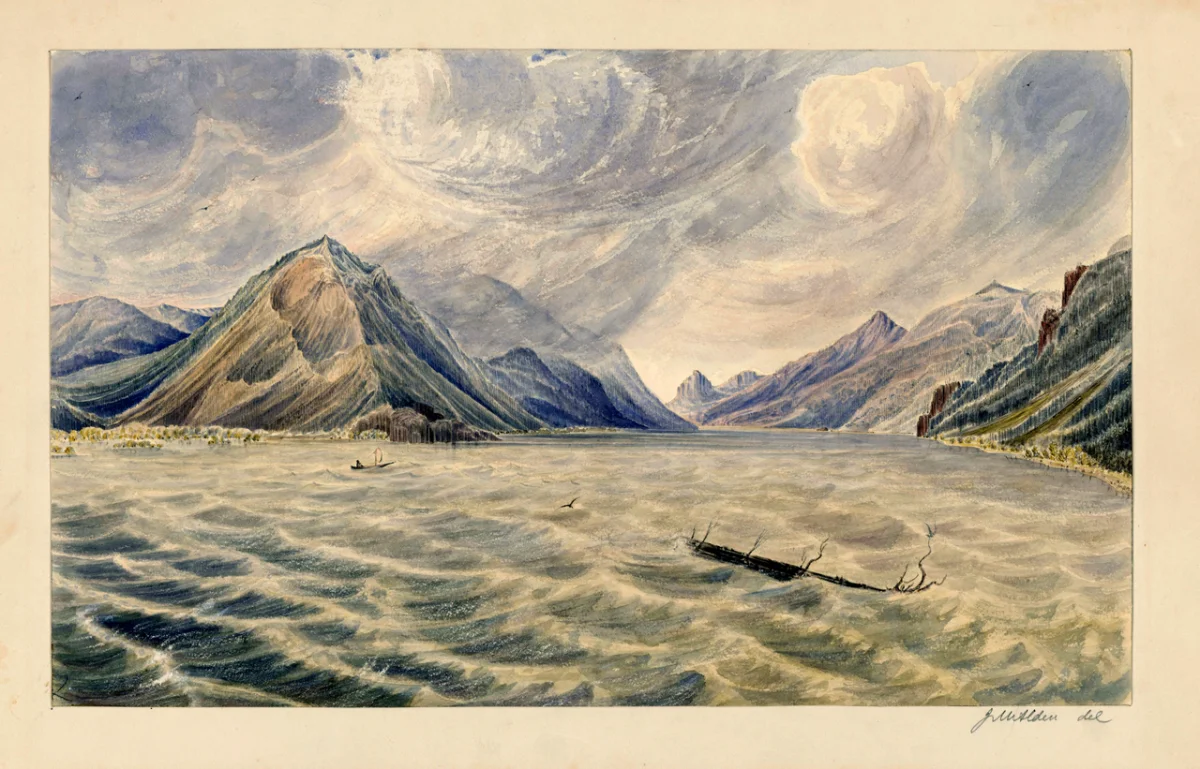

 100% Hand-Painted: Finished in 3-6 Weeks

.png)
















_(1).webp)