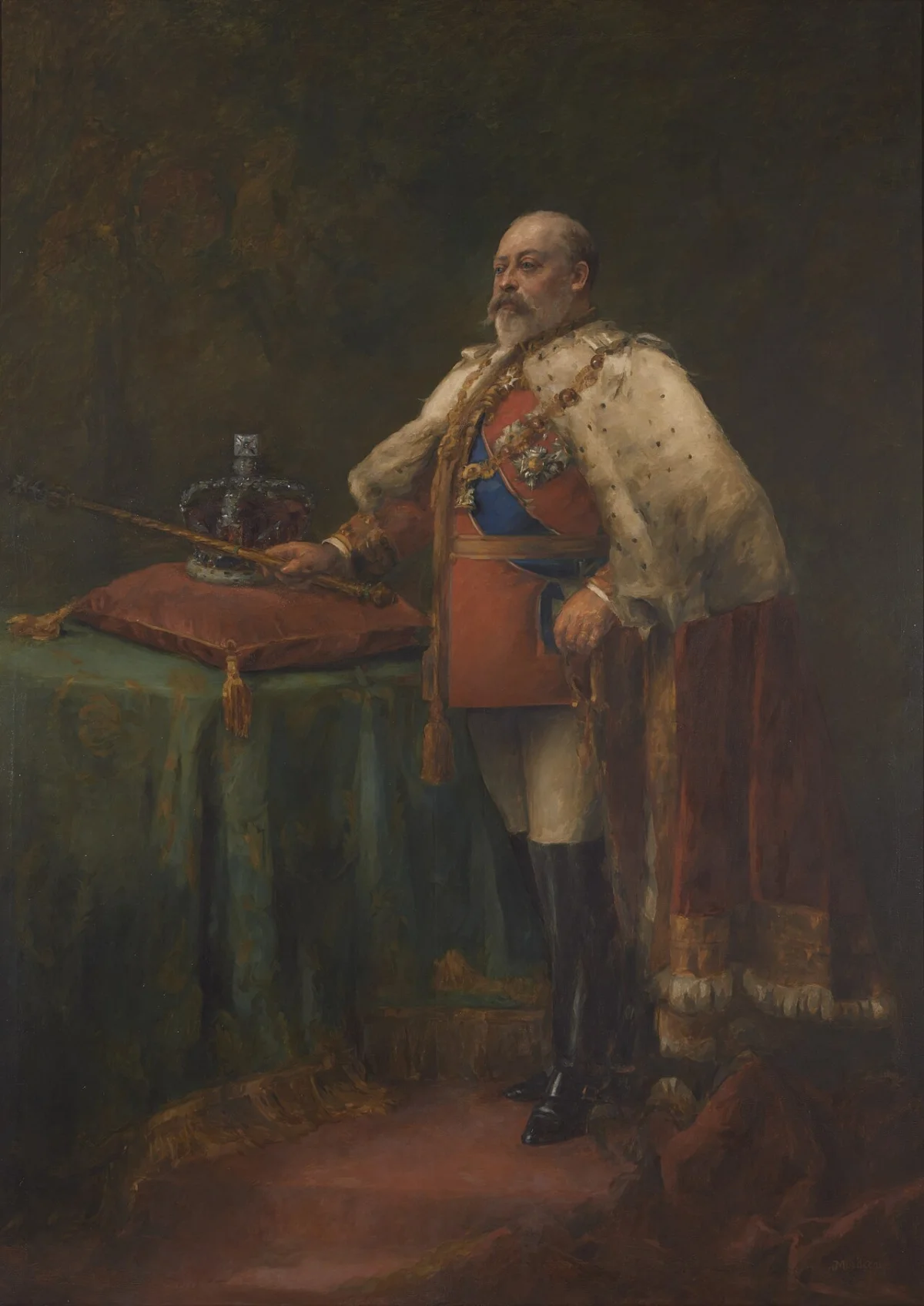
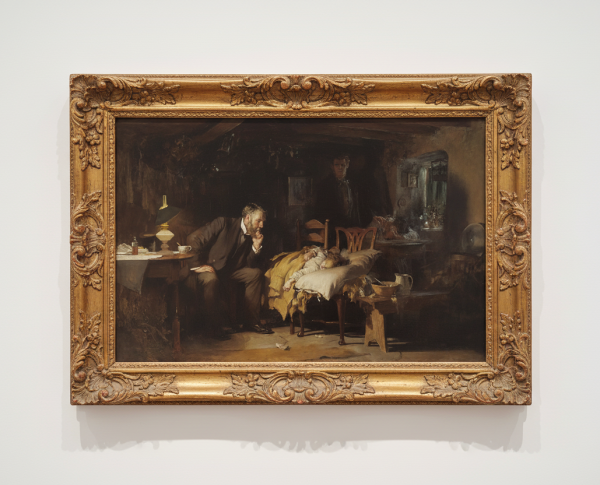
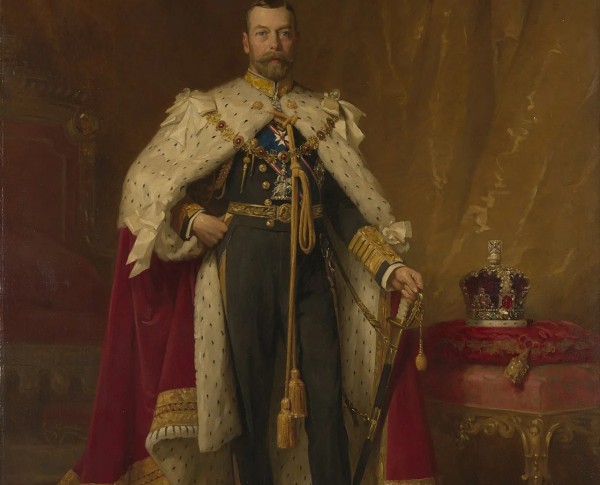
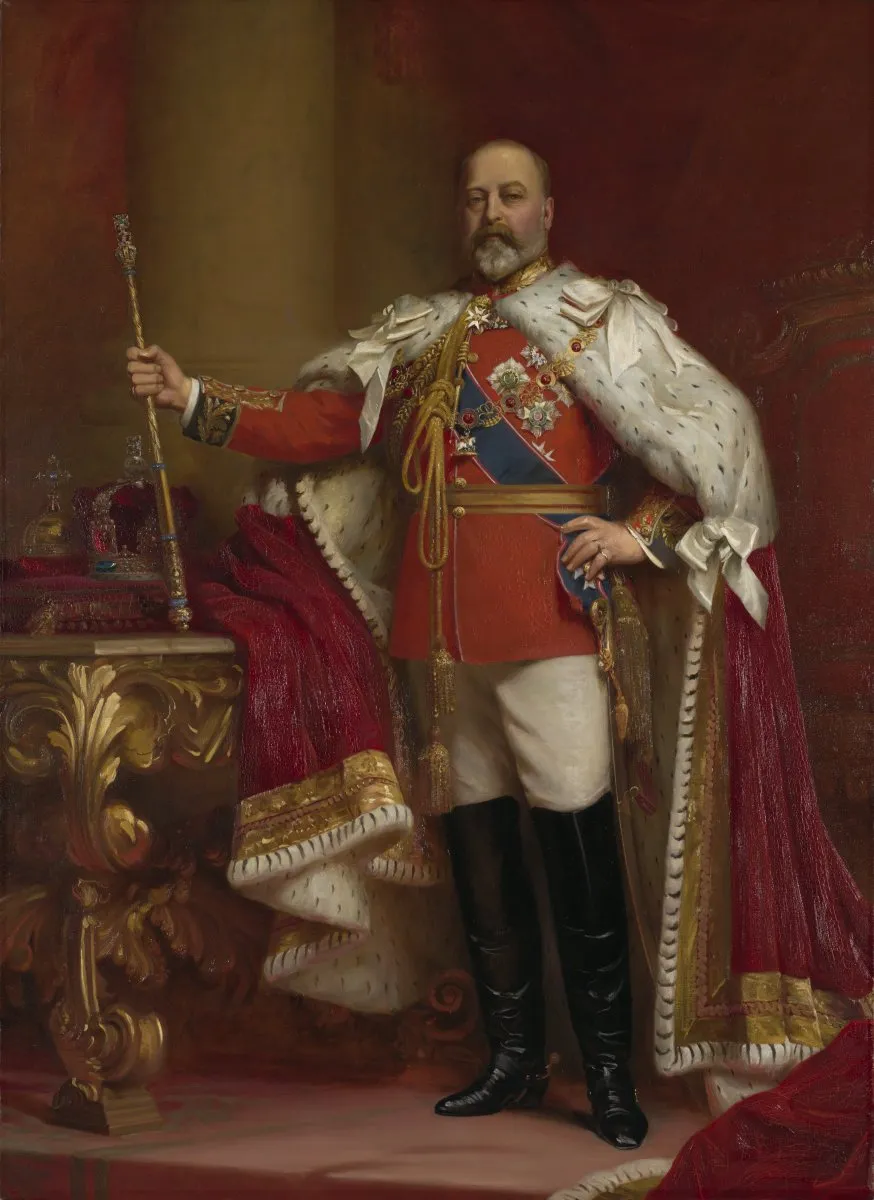
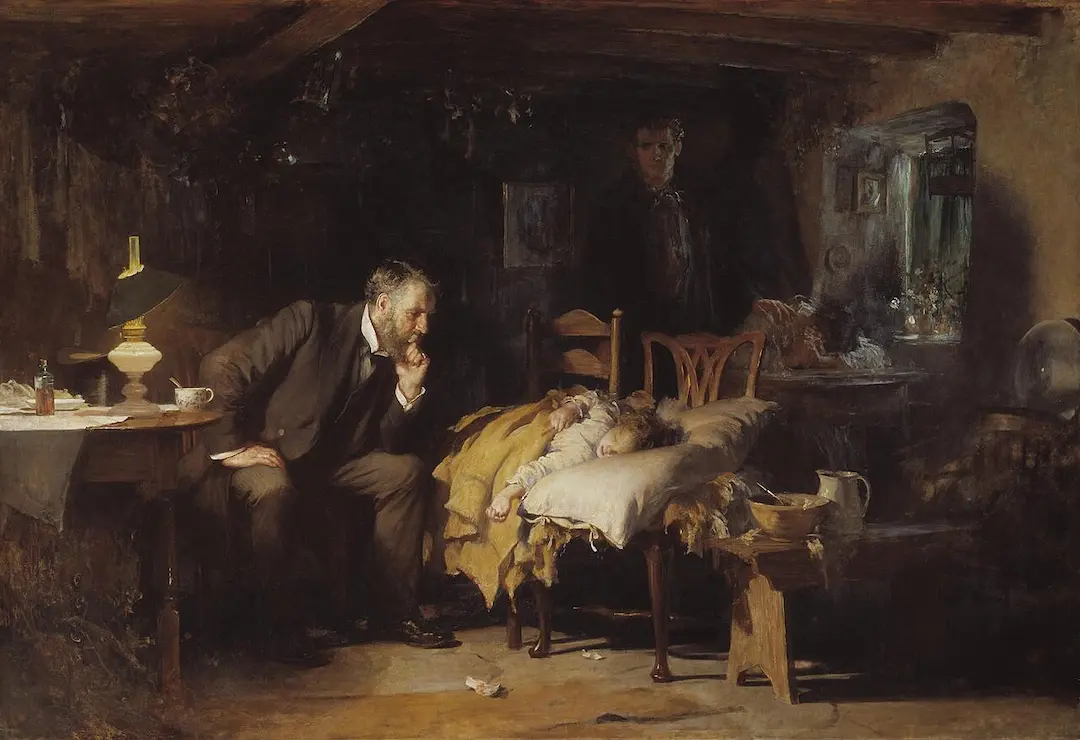
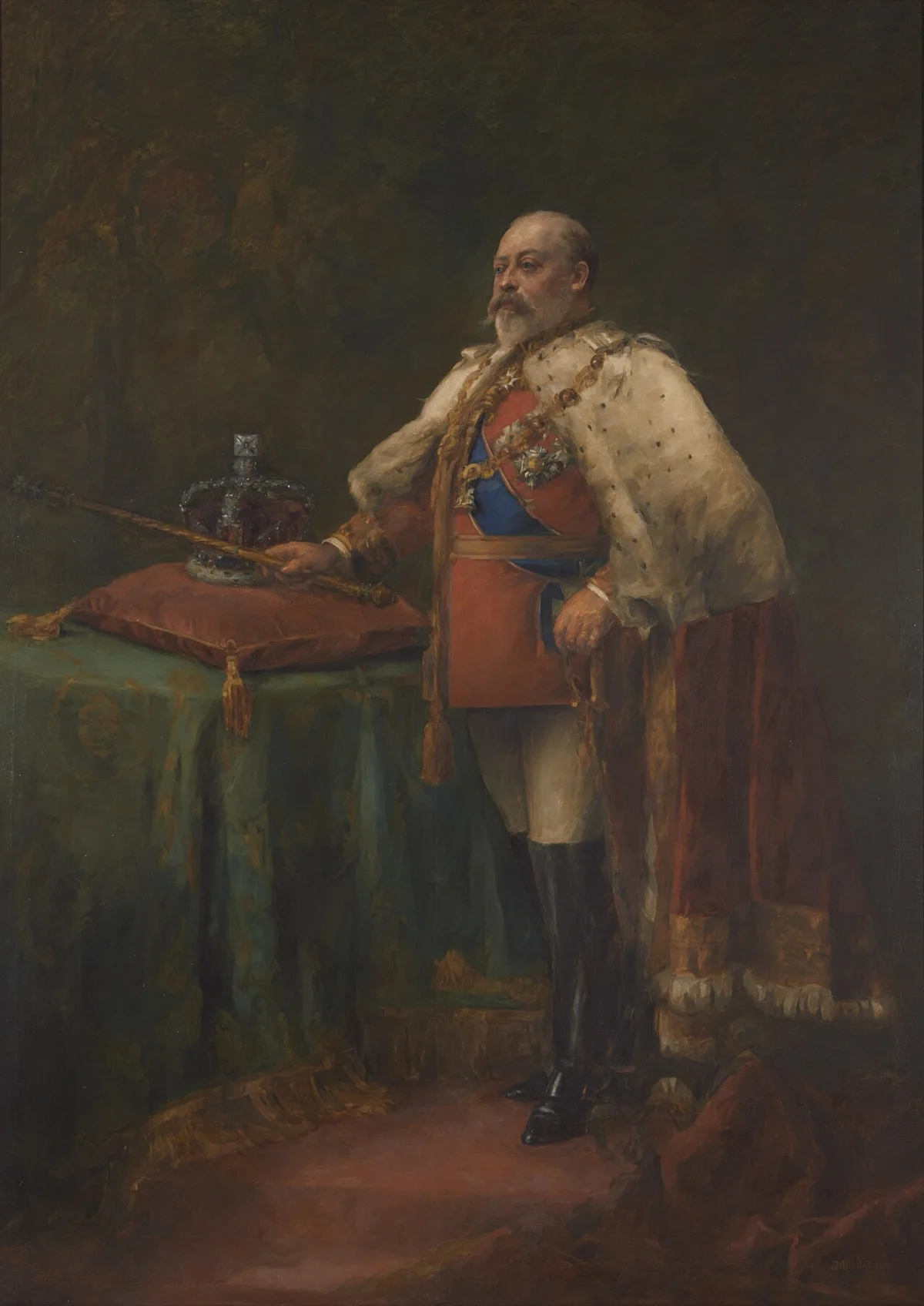
The "King Edward VII" painting exemplifies Fildes’ exceptional technique with oil on canvas. His meticulous attention to detail and expert use of light and shadow bring the subject’s character to life. As a leading figure in Social Realism, Fildes’ mastery is evident in every brushstroke. Art lovers often compare this work to his other creations, such as "The Doctor" and portraits of Queen Alexandra, making it an essential piece for anyone seeking a museum-quality oil on canvas.
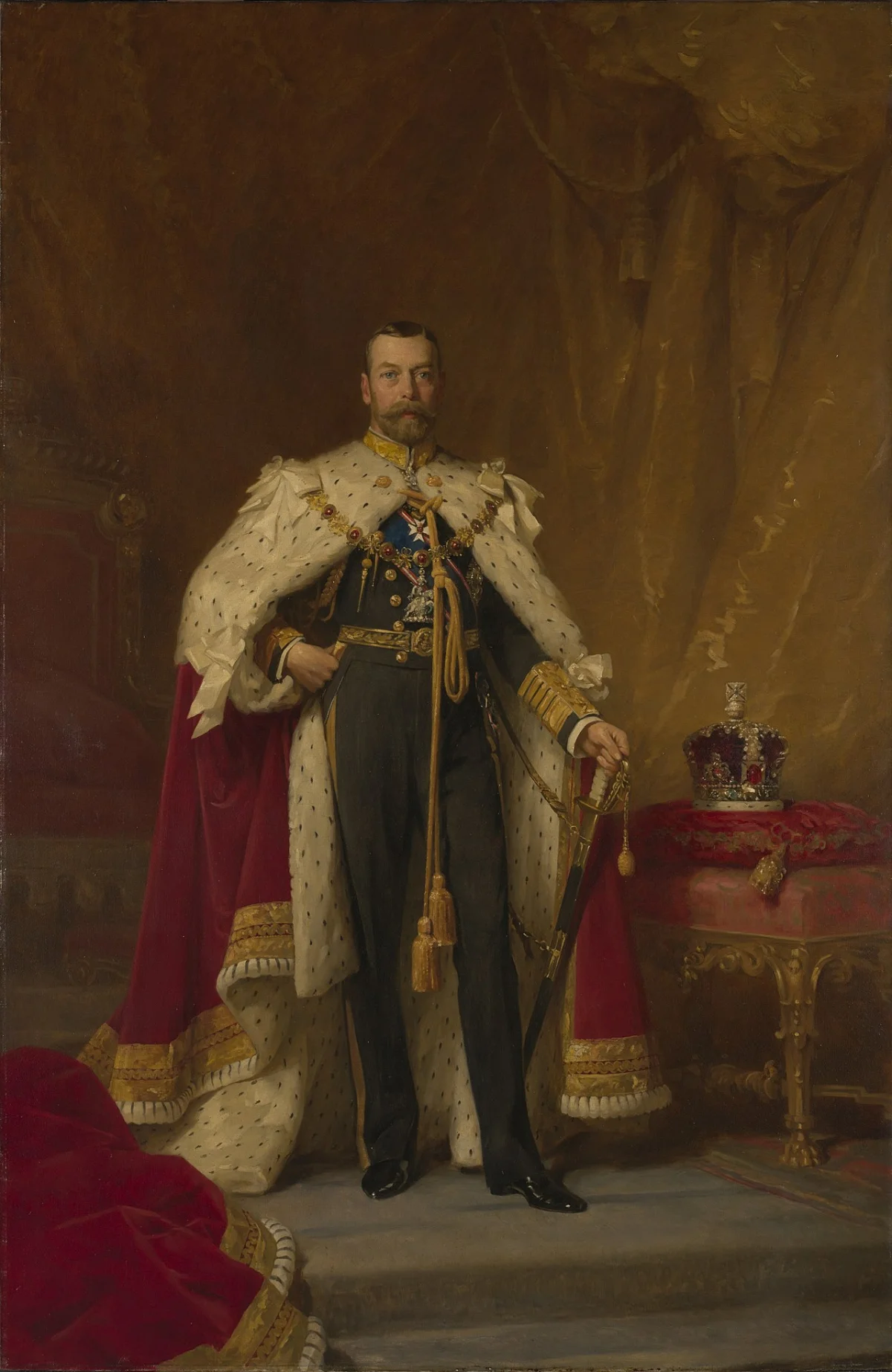
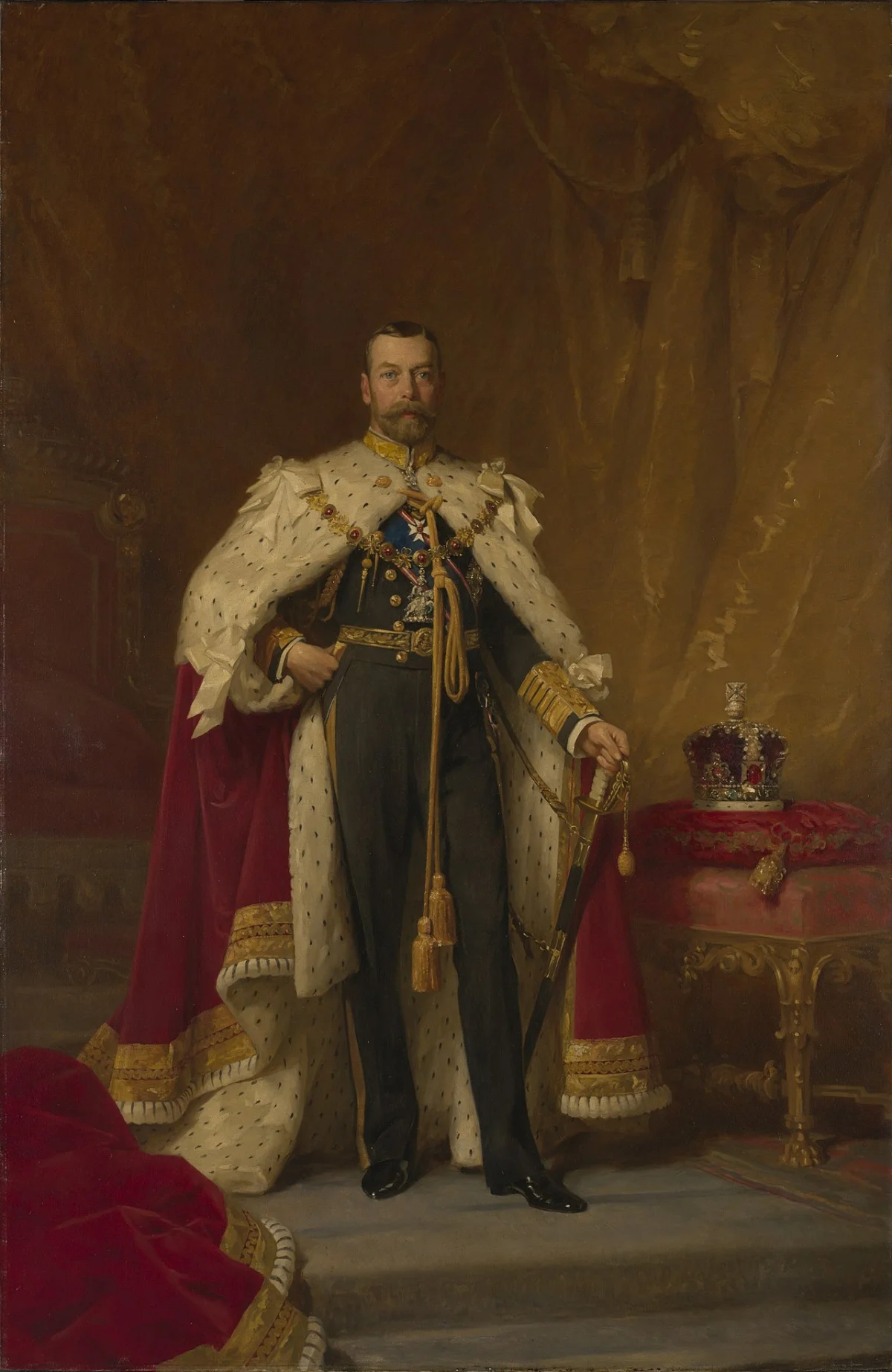
Fildes’ "King Edward VII" is more than a royal portrait; it’s a narrative woven with subtle symbolism. The Social Realism movement, known for its honest depictions, resonates through the thoughtful composition and nuanced expressions. This hand-painted oil painting echoes the complexities of Edwardian society, much like Fildes’ other works, including "King George V (1865-1936)." Collectors appreciate how each detail adds depth, making it a compelling fine art painting for sale.
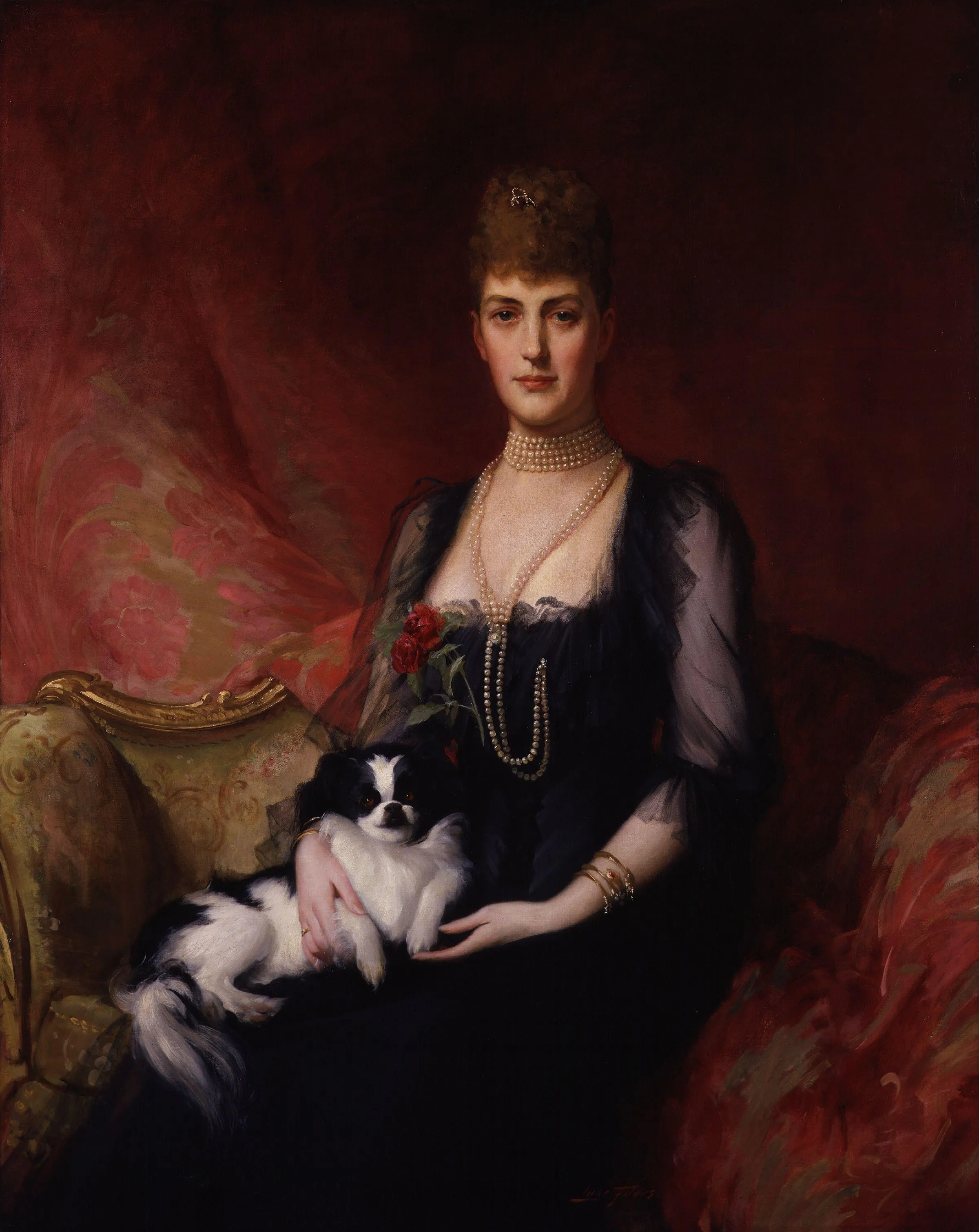
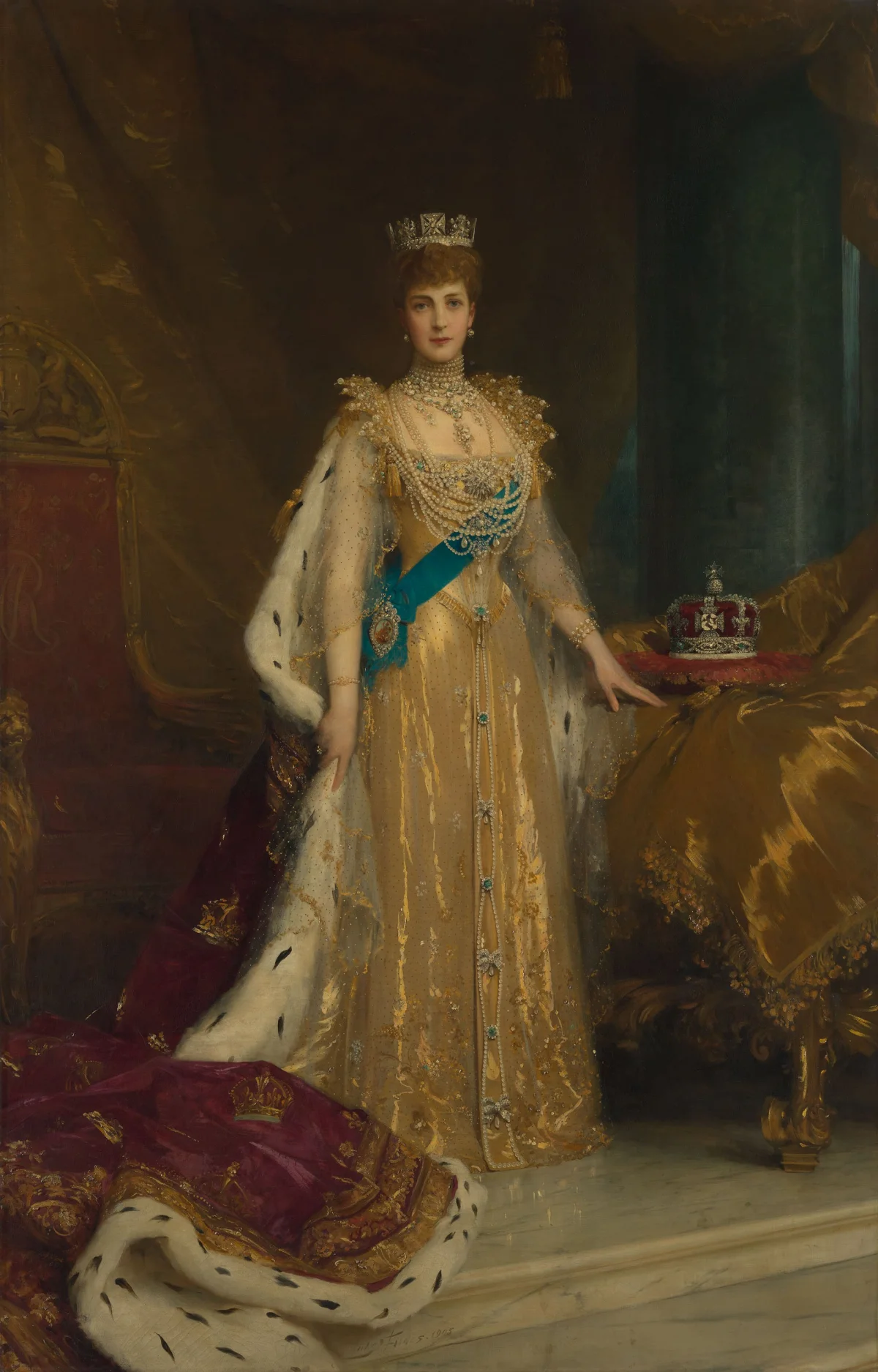
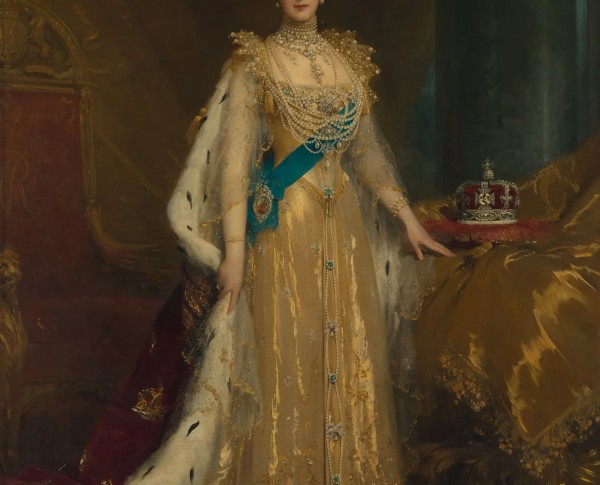
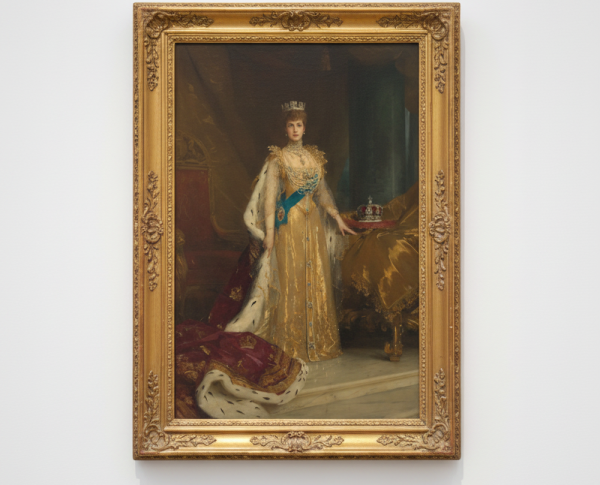
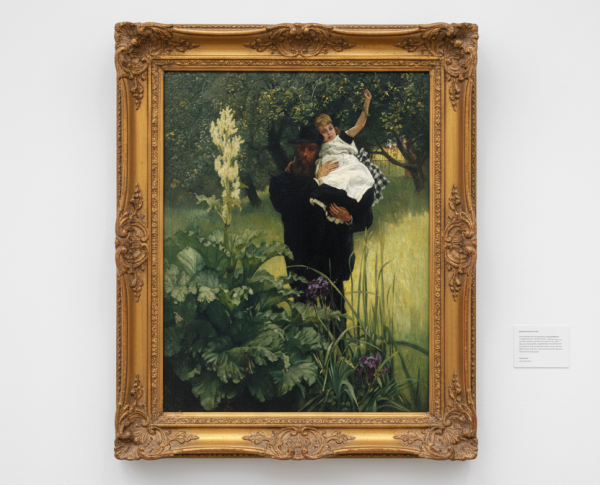
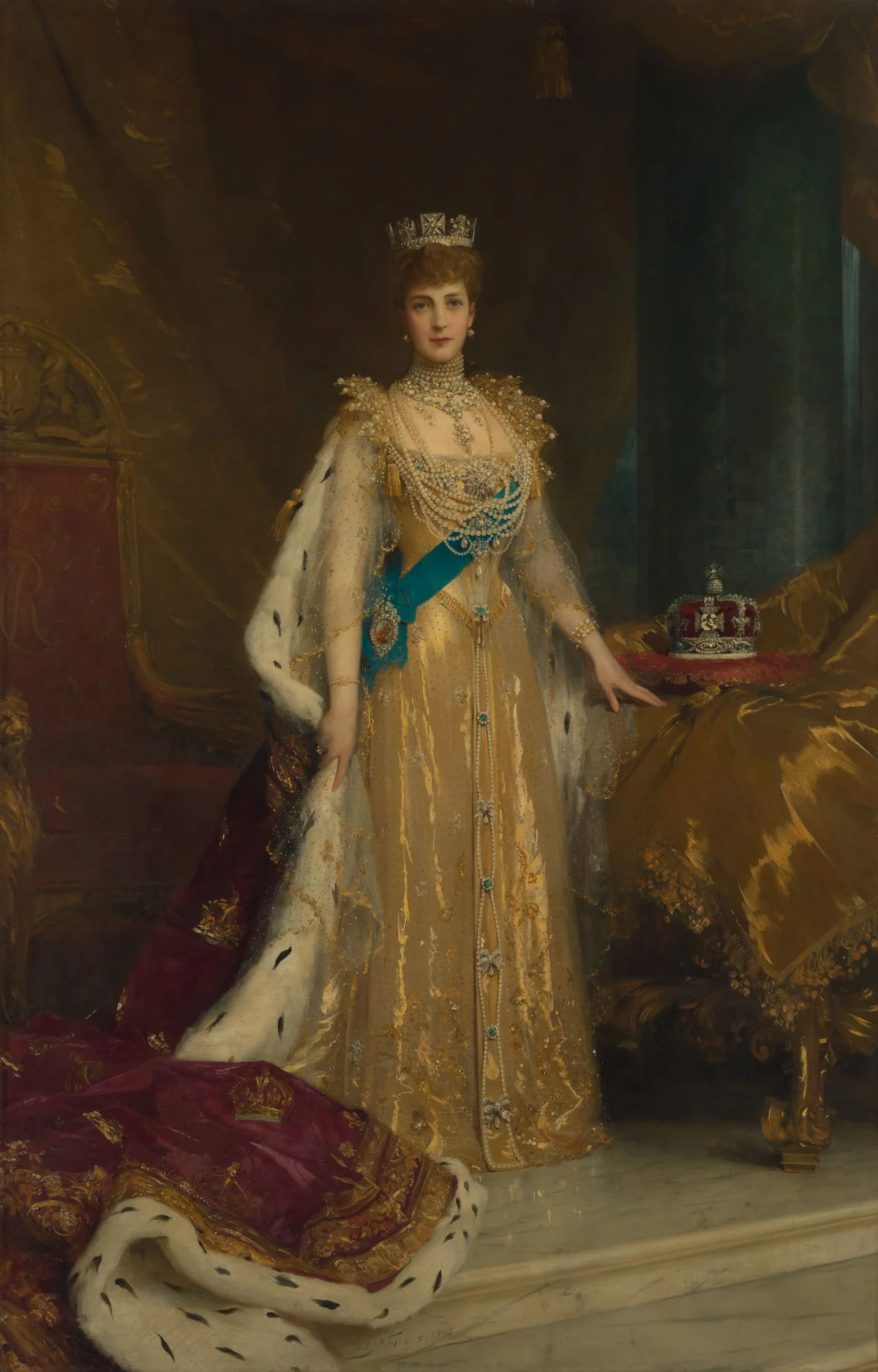
Owning "King Edward VII" by Samuel Luke Fildes means possessing a piece of art history. As a standout within the Social Realism movement, this oil on canvas attracts discerning collectors seeking authenticity and prestige. Its connection to related masterpieces, such as "Queen Alexandra (1844-1925)" and "The widower," enhances its allure. For those in search of a remarkable fine art painting for sale, this portrait is a testament to Fildes’ enduring legacy and artistic brilliance.
When Art Meets History
"King Edward VII" by Samuel Luke Fildes is a remarkable example of Social Realism, capturing a pivotal figure in British history. This hand-painted oil painting not only immortalizes the monarch but also reflects the societal values and atmosphere of its time. Fildes, renowned for his ability to blend historical context with artistic mastery, brings King Edward VII to life with authenticity. Much like his other works, this painting stands as a testament to the era's artistic dedication and historical significance.
Techniques That Speak
Samuel Luke Fildes utilizes the oil on canvas medium to create depth, texture, and realism in "King Edward VII." His meticulous brushwork and attention to detail highlight the regal presence and character of the king, a hallmark of the Social Realism movement. The use of light and shadow demonstrates Fildes’s technical prowess, evident in his other paintings as well. The oil on canvas technique here ensures longevity and a vibrant portrayal that captivates viewers for generations.
Emotions on Display
The fine art painting for sale, "King Edward VII," masterfully captures the dignity and humanity of its royal subject. Samuel Luke Fildes conveys not only the physical likeness but also the emotional depth of the monarch, a central theme in Social Realism. Through expressive facial features and poised composition, the viewer senses both authority and vulnerability, making this piece resonate on a personal level, much like Fildes’s other emotionally charged creations.
Coveted by Collectors
As a hand-painted oil painting by Samuel Luke Fildes, "King Edward VII" holds substantial value among art collectors and enthusiasts of Social Realism. The painting’s historical relevance and technical excellence make it a sought-after addition to any collection. Fildes’s works, including this one, are frequently highlighted in fine art painting for sale catalogs, admired for their unique blend of artistry and storytelling that continues to inspire admiration and scholarly interest worldwide.
Frequently Asked Questions About King Edward Vii
What is the historical significance of "King Edward VII"?
"King Edward VII" is significant as it captures the essence of a monarch who played a crucial role in the early 20th century, representing a transition in British monarchy and society.
Who was Samuel Luke Fildes and what is his contribution to art?
Samuel Luke Fildes was a prominent British painter known for his realistic depictions and ability to convey human emotion. His works often reflect social themes and historical narratives.
What artistic techniques did Fildes employ in this painting?
Fildes utilized a combination of realism and impressionism, employing detailed brushwork and a careful study of light to create a lifelike representation of King Edward VII.
What symbols are present in "King Edward VII" and what do they represent?
The painting includes symbols of monarchy, such as the crown and regalia, which represent authority and the responsibilities of leadership, reflecting the weight of the king's role.
In what year was "King Edward VII" painted?
"King Edward VII" was painted in 1901, shortly after the king's ascension to the throne, capturing a pivotal moment in British history.
How does the composition of the painting contribute to its impact?
The composition is carefully arranged to draw the viewer's eye to the king's face, emphasizing his expression and stature, which conveys both authority and approachability.
What was the public's reaction to Fildes' portrayal of King Edward VII?
The public received the painting positively, appreciating Fildes' ability to capture the king's character and the dignity of the monarchy during a time of change.
How does "King Edward VII" reflect the social context of its time?
The painting reflects the social context of early 20th-century Britain, a period marked by industrial progress and the evolving role of the monarchy in a modernizing society.
What role did King Edward VII play in British history?
King Edward VII was instrumental in modernizing the British monarchy, fostering relationships with other nations, and promoting social reforms during his reign from 1901 to 1910.
Where can I view "King Edward VII" today?
"King Edward VII" is housed in various collections and may be on display at select galleries or museums that focus on British art and history. Please check with local institutions for current exhibitions.






















_GFM_Painting_(1).webp)


 100% Hand-Painted: Finished in 3-6 Weeks

.png)
















_(1).webp)