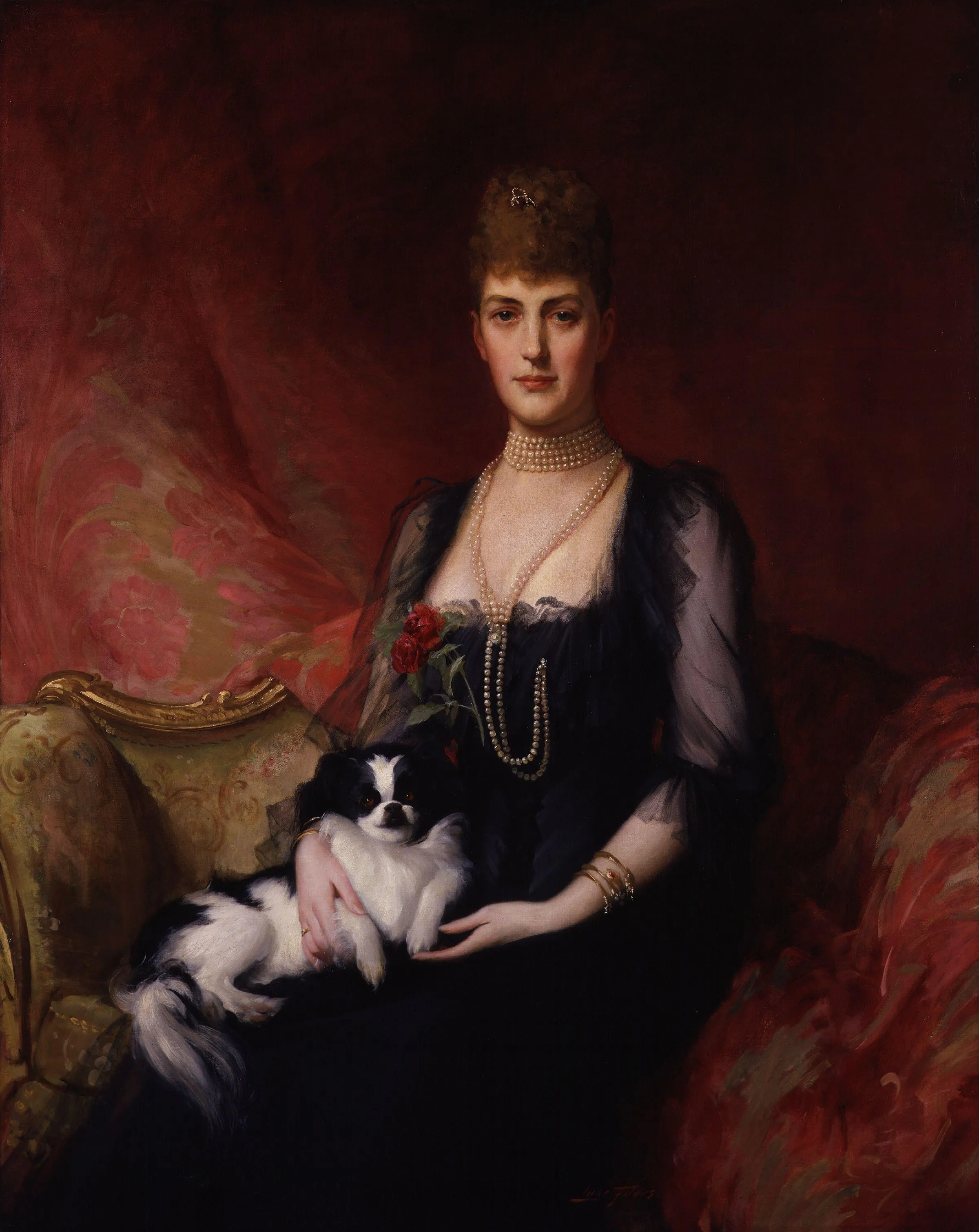
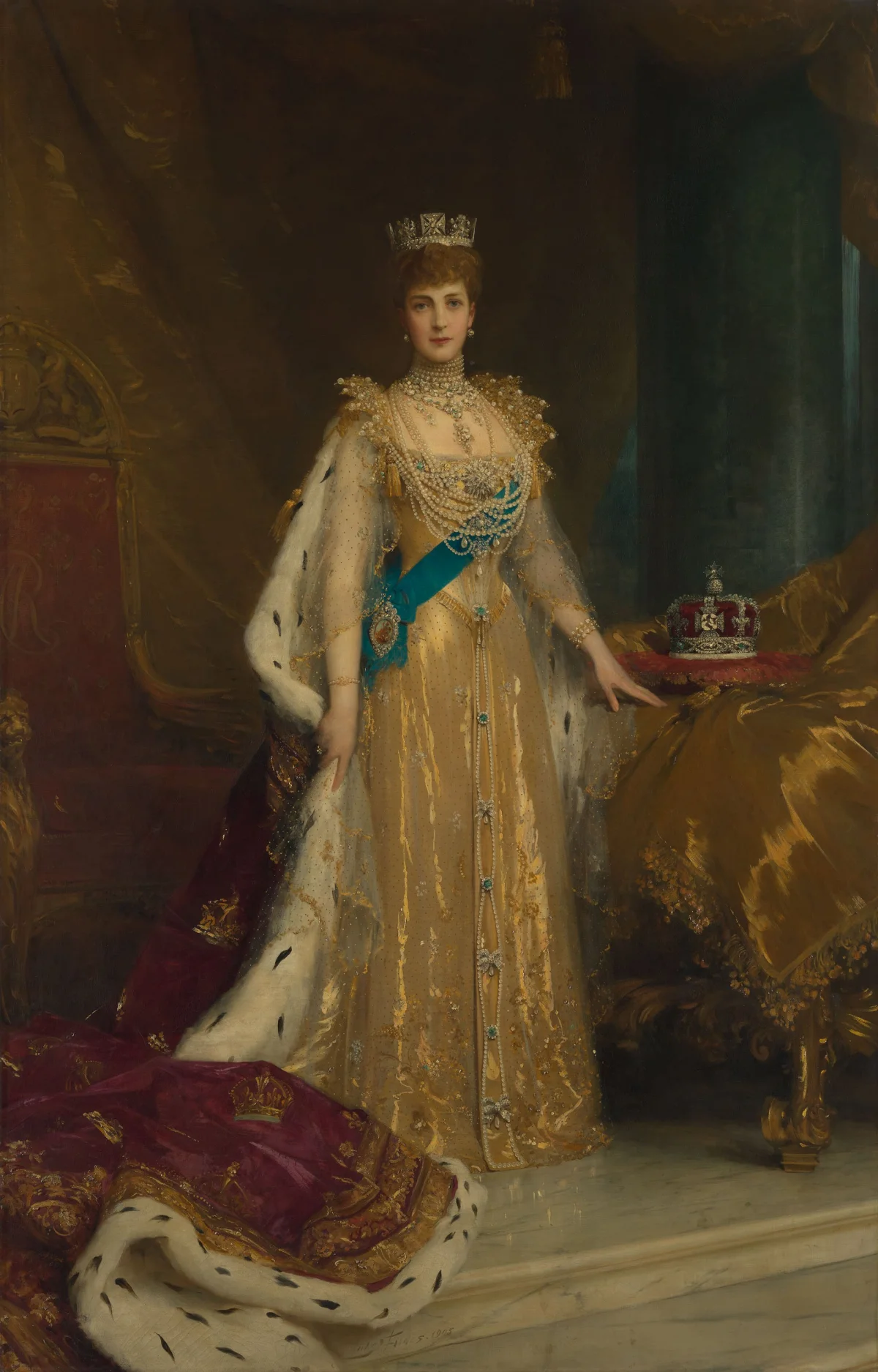
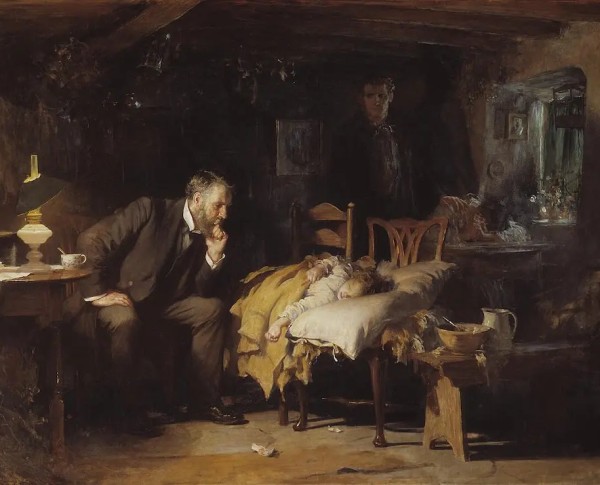
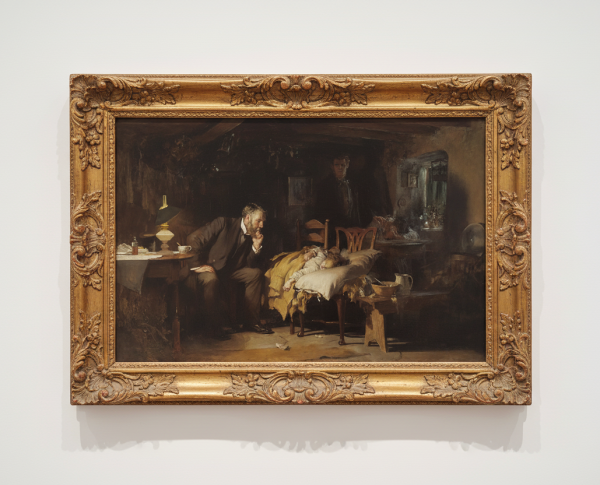
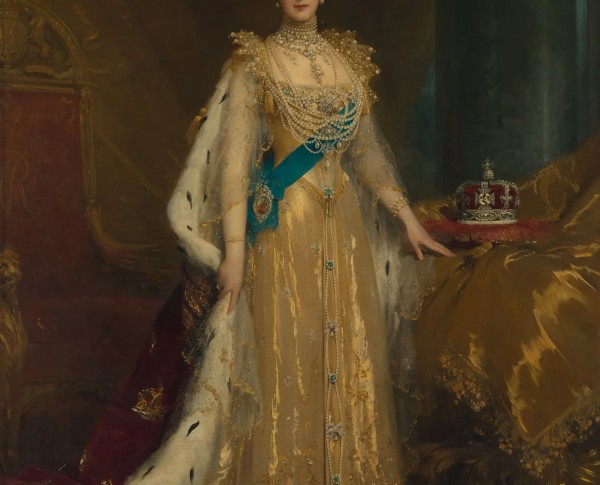
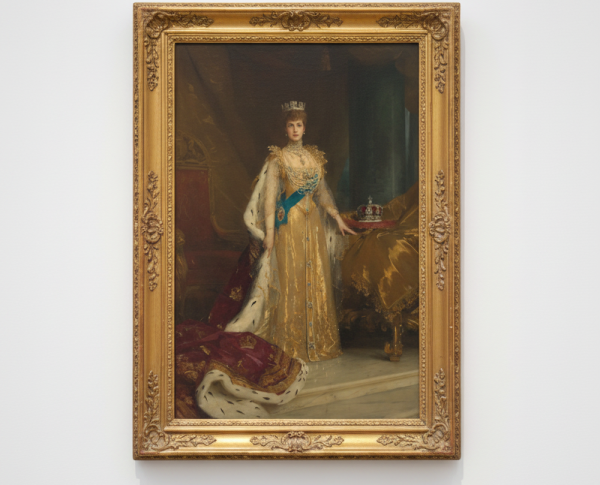
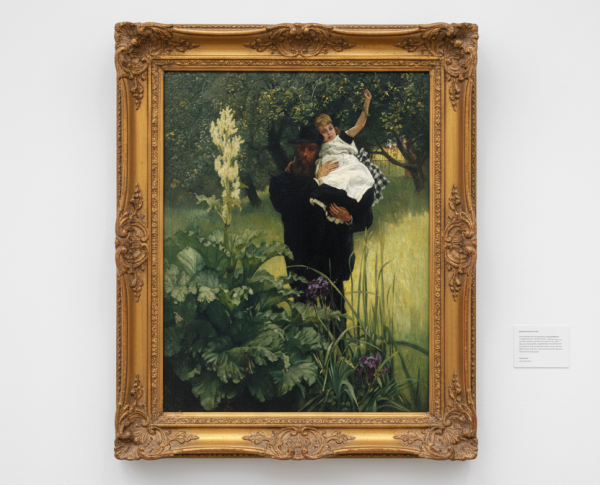
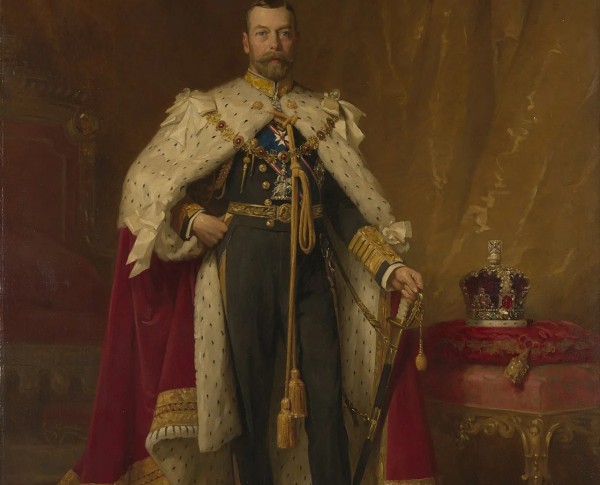
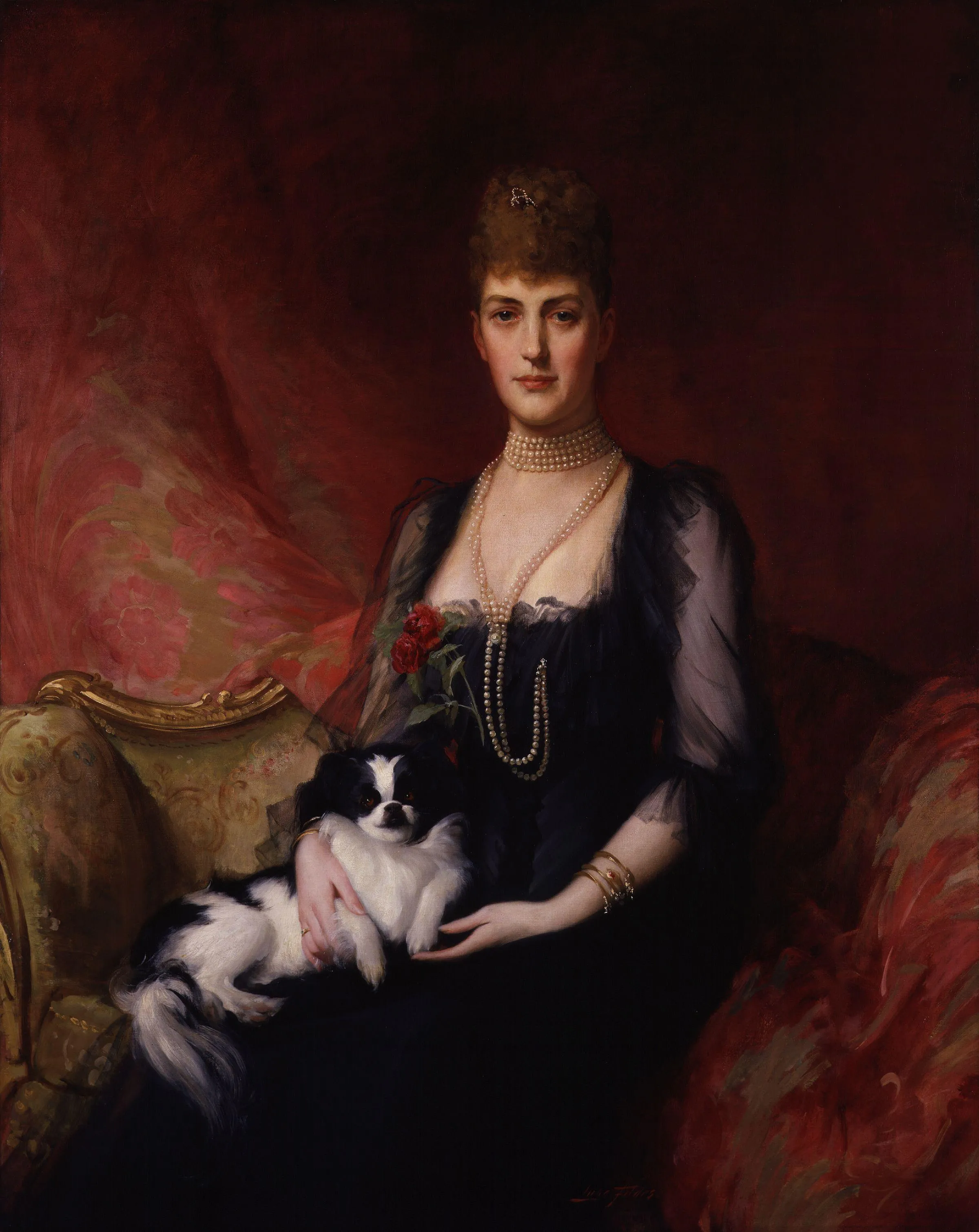
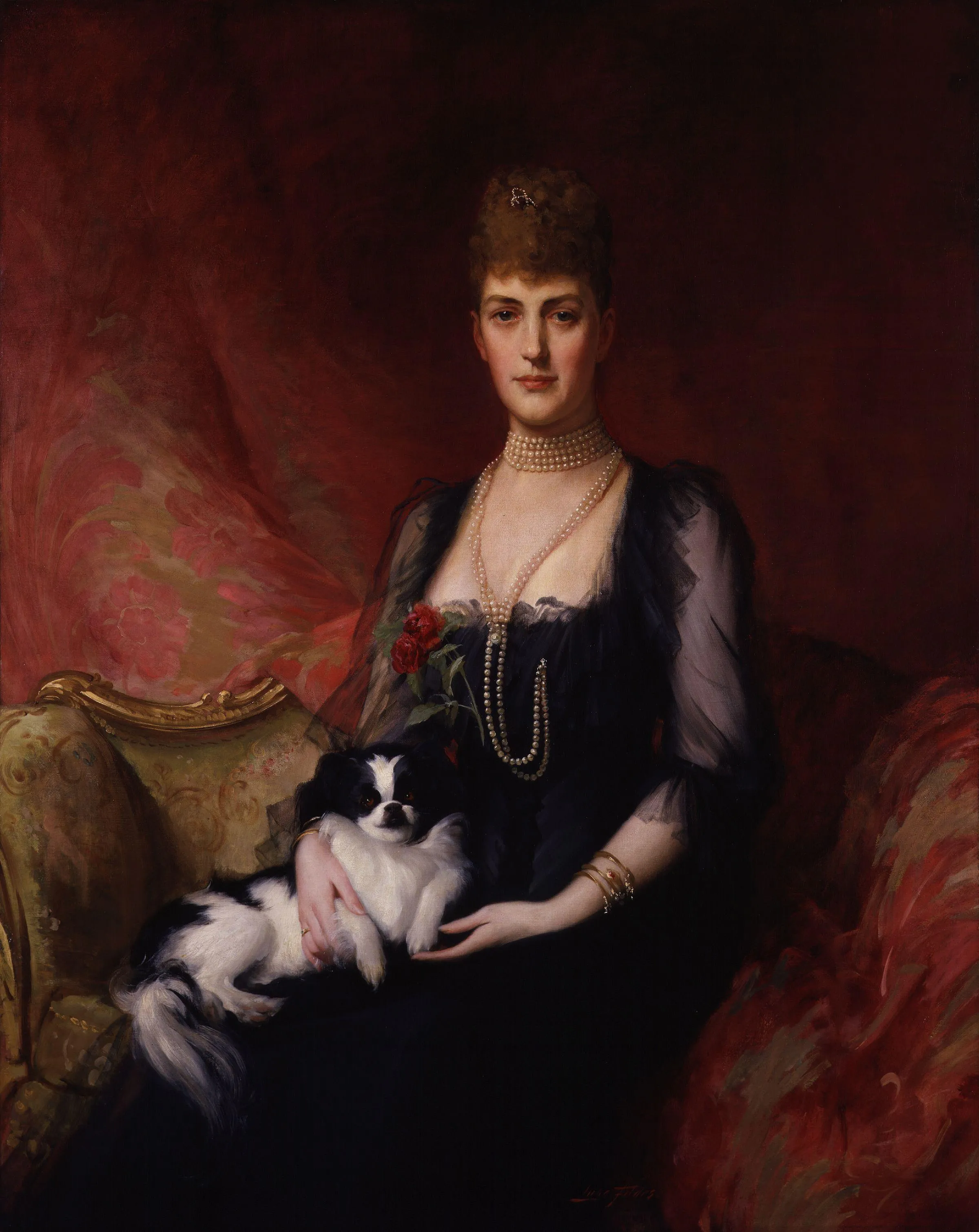
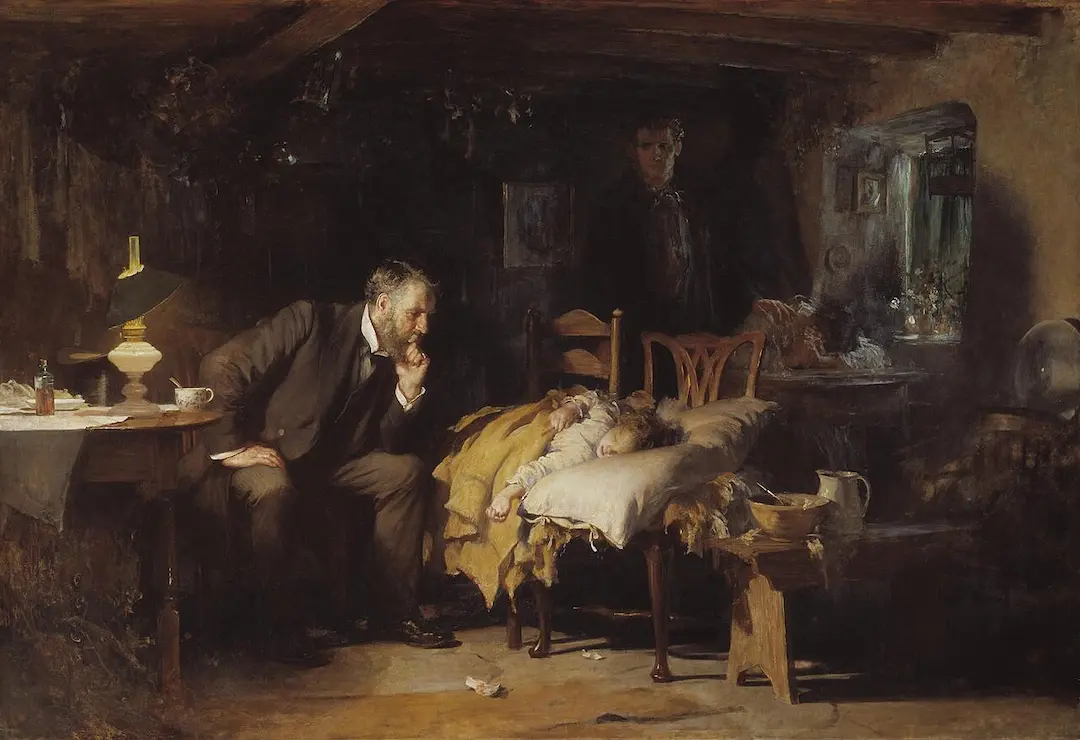
Fildes’ technique in this oil on canvas demonstrates his mastery over light, texture, and expression. Every brushstroke in "Queen Alexandra" reveals the artist’s commitment to realism, a hallmark of the Social Realism movement. Collectors and enthusiasts of oil on canvas works will appreciate the subtle yet powerful rendering that brings the queen’s presence to life. This painting complements related pieces like "The Doctor" and "The widower", showcasing Fildes’ versatile skill in portraiture and storytelling.
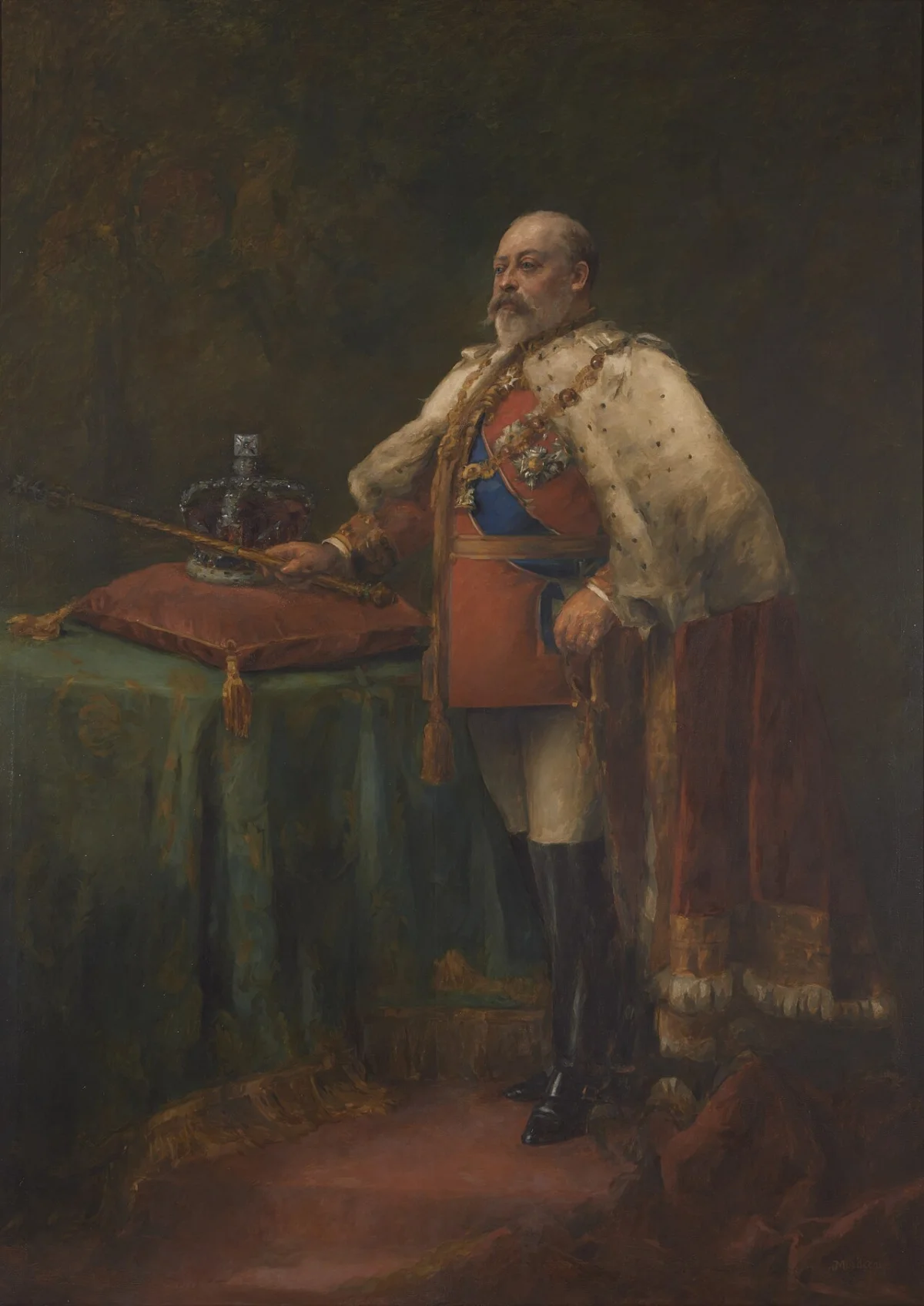
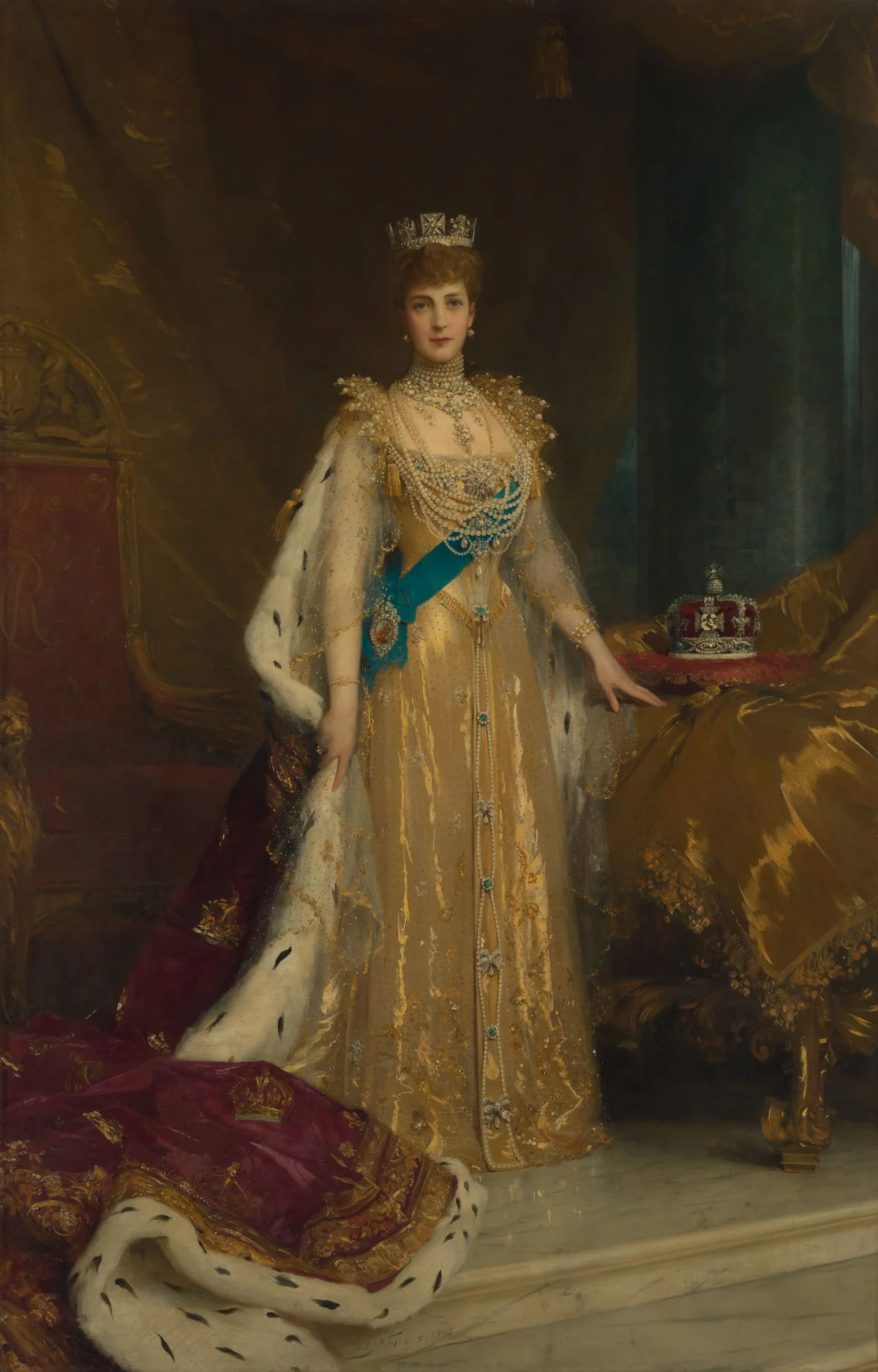
Beyond its visual beauty, "Queen Alexandra" is a fine art painting for sale that weaves stories of nobility, duty, and compassion. Samuel Luke Fildes infused the portrait with symbols reflecting the queen’s influence and the responsibilities of monarchy. The Social Realism movement’s ethos shines through, making this piece resonate with history lovers. Explore related products such as "King Edward Vii" and "Queen Alexandra (1844-1925)" to further understand the narratives captured in Fildes’ works.
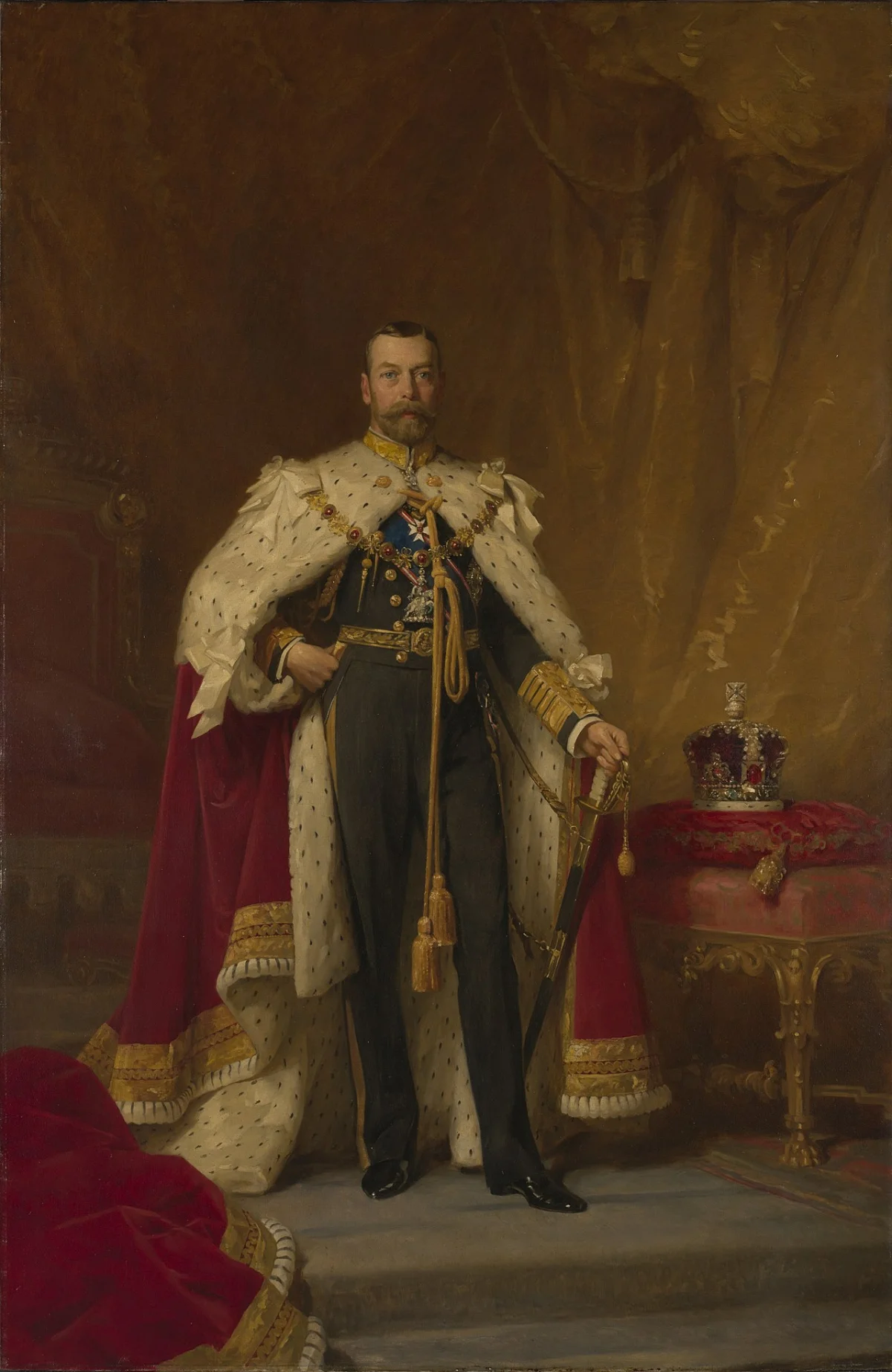
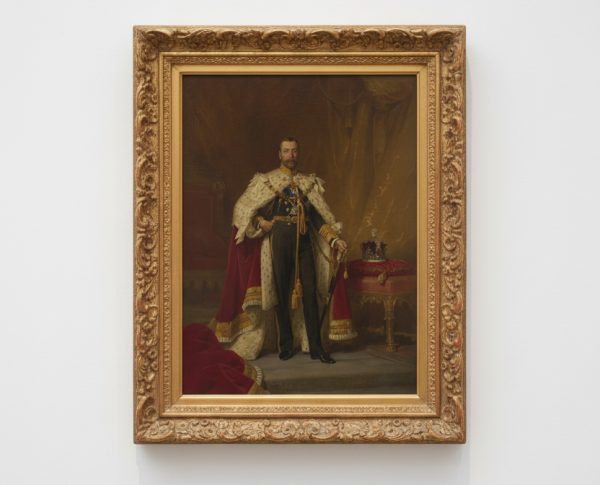
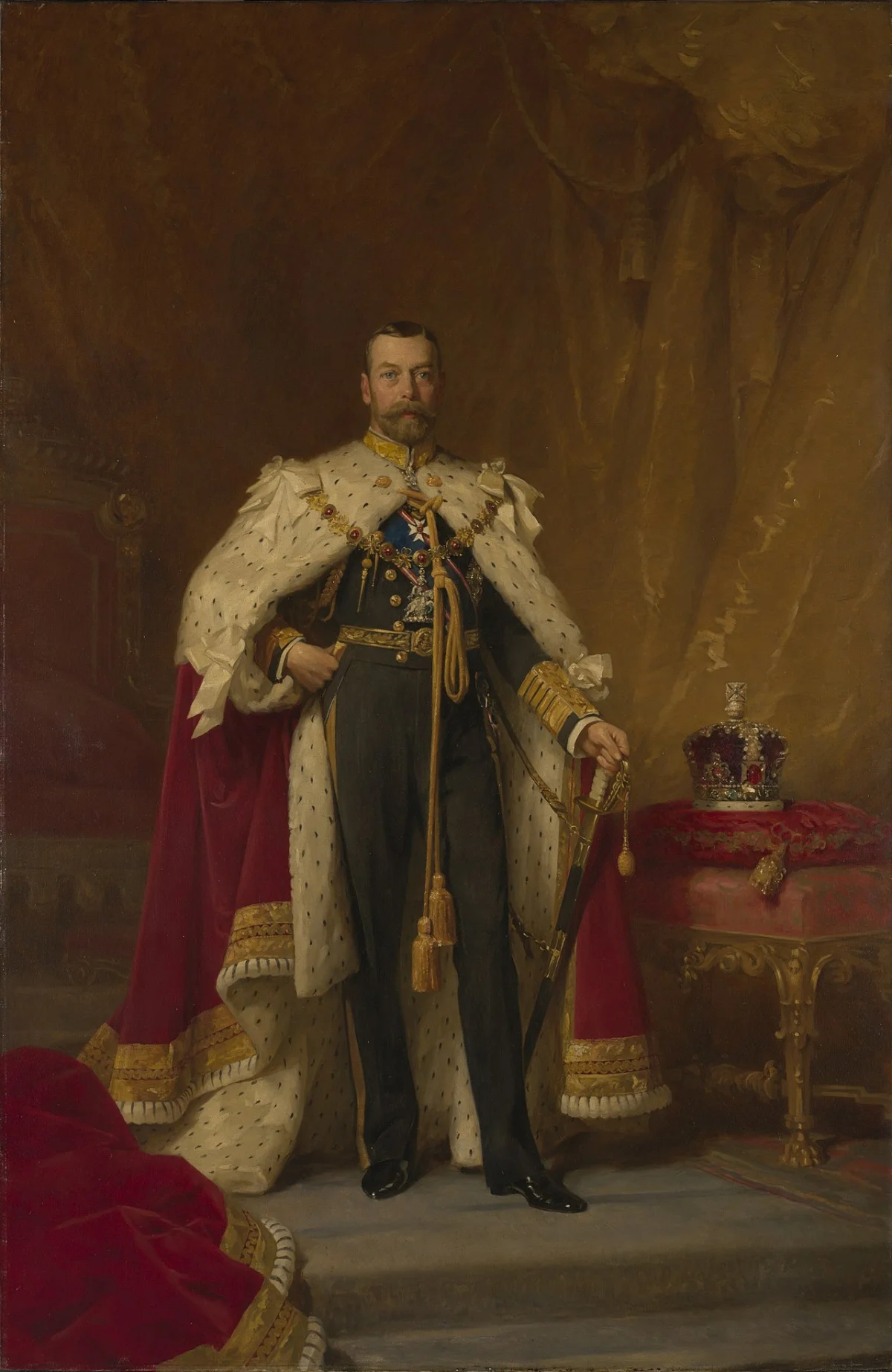
Owning "Queen Alexandra" by Samuel Luke Fildes is more than acquiring a hand-painted oil painting; it’s possessing a piece of art history. This distinguished work from the Social Realism movement is highly sought after among collectors of royal portraiture and historical art. Pair it with related products like "King George V (1865-1936)" or "The Doctor" to create a prestigious collection that celebrates Fildes’ artistic legacy and the timeless allure of oil on canvas masterpieces.
When Art Meets History
Samuel Luke Fildes, a prominent artist in the Social Realism movement, created the remarkable "Queen Alexandra" as a hand-painted oil painting. This artwork not only captures the likeness of royalty but also reflects the social and historical context of its era. Fildes, known for his meticulous detail, contributed significantly to Social Realism, and "Queen Alexandra" stands alongside his other masterpieces highlighting the nuanced interplay of class and status during the late 19th and early 20th centuries.
Techniques That Speak
Utilizing the classic medium of oil on canvas, Samuel Luke Fildes demonstrates his mastery in "Queen Alexandra." The artist’s skillful brushwork and careful layering bring depth and life to the portrait, a hallmark of Social Realism. Fildes' technique allows for subtle gradations of light and shadow, enhancing the regal presence of the subject. This approach, also seen in his other works, underscores the enduring appeal of oil on canvas in fine portraiture.
Emotions on Display
In "Queen Alexandra," Samuel Luke Fildes channels the essence of Social Realism by portraying genuine emotion and human dignity. The painting’s expressive features and sensitive composition invite viewers to connect with the subject on a personal level. As a fine art painting for sale, it exemplifies Fildes’ ability to evoke empathy and admiration, making this portrait not just a historical record but also a moving testament to the power of art to capture the human spirit.
Coveted by Collectors
"Queen Alexandra" by Samuel Luke Fildes is highly sought after by collectors of hand-painted oil paintings. Its distinguished place in the Social Realism movement and the artist’s reputation for lifelike portraiture contribute to its desirability. The painting’s timeless appeal and historical significance ensure it remains a valuable piece in any collection, alongside other notable works by Fildes. Enthusiasts continue to prize this artwork for its craftsmanship and enduring cultural impact.
Frequently Asked Questions About Queen Alexandra
What is the historical significance of "Queen Alexandra"?
"Queen Alexandra" is significant as it captures the essence of a prominent royal figure during the early 20th century, reflecting the cultural and social dynamics of the British monarchy at that time.
Who was Samuel Luke Fildes, and what is his contribution to art?
Samuel Luke Fildes was a British painter known for his realistic portrayals and ability to convey deep emotional narratives. His work often focused on social themes, making significant contributions to the genre of Victorian art.
What artistic techniques did Fildes employ in "Queen Alexandra"?
Fildes utilized a combination of realism and impressionism in "Queen Alexandra," employing detailed brushwork and a careful study of light to enhance the lifelike quality of the portrait.
What does the portrayal of Queen Alexandra symbolize?
The portrayal of Queen Alexandra symbolizes grace, strength, and the evolving role of women in society, particularly within the context of the British monarchy during her reign.
How does "Queen Alexandra" reflect the social values of its time?
The painting reflects the Victorian ideals of femininity and nobility, showcasing the expectations placed on women of royal status while also hinting at their influence and agency in society.
What is the significance of the colors used in "Queen Alexandra"?
The color palette in "Queen Alexandra" is carefully chosen to convey elegance and sophistication, with rich hues that enhance the royal presence of the subject and evoke a sense of dignity.
In what context was "Queen Alexandra" created?
"Queen Alexandra" was created during a time of great change in Britain, as the monarchy faced both public scrutiny and admiration. The painting serves as a visual commentary on the complexities of royal life in the early 1900s.
What influence did "Queen Alexandra" have on contemporary portraiture?
The painting influenced contemporary portraiture by setting a standard for royal depictions that emphasized both the subject's humanity and their regal status, inspiring future artists to explore similar themes.
How does "Queen Alexandra" compare to other royal portraits of its time?
Compared to other royal portraits of its time, "Queen Alexandra" stands out for its intimate portrayal and emotional depth, moving beyond mere representation to capture the character of the queen.
What legacy did Queen Alexandra leave behind, as depicted in Fildes' painting?
Queen Alexandra's legacy, as depicted in Fildes' painting, includes her role as a beloved figure in British society, her contributions to charitable causes, and her influence on the modern image of the monarchy.






















_GFM_Painting_(1).webp)


 100% Hand-Painted: Finished in 3-6 Weeks

.png)
















_(1).webp)