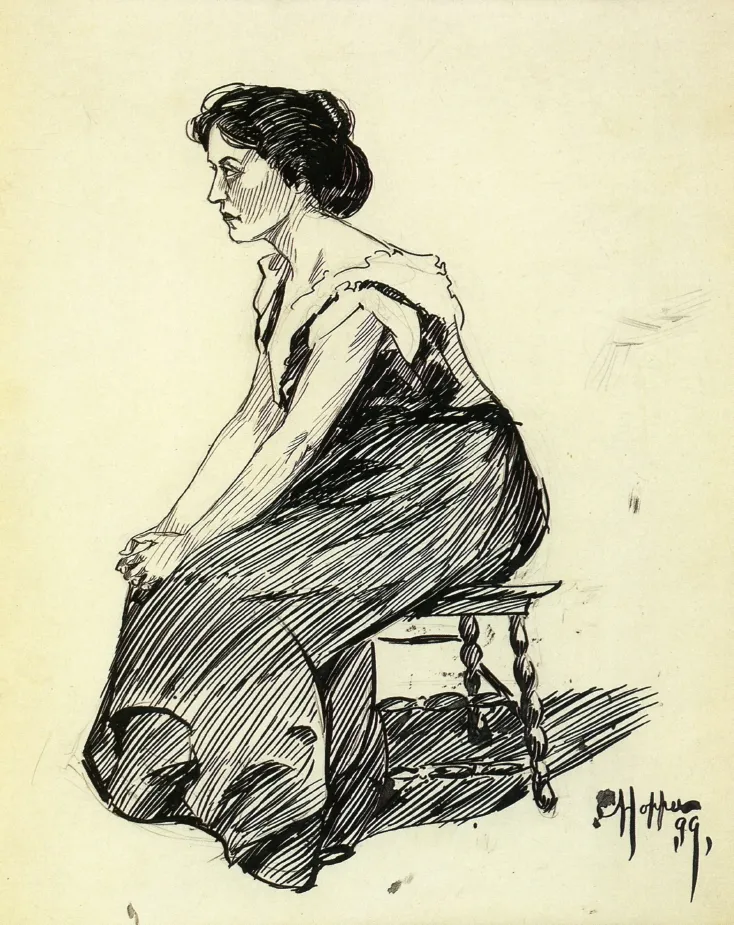
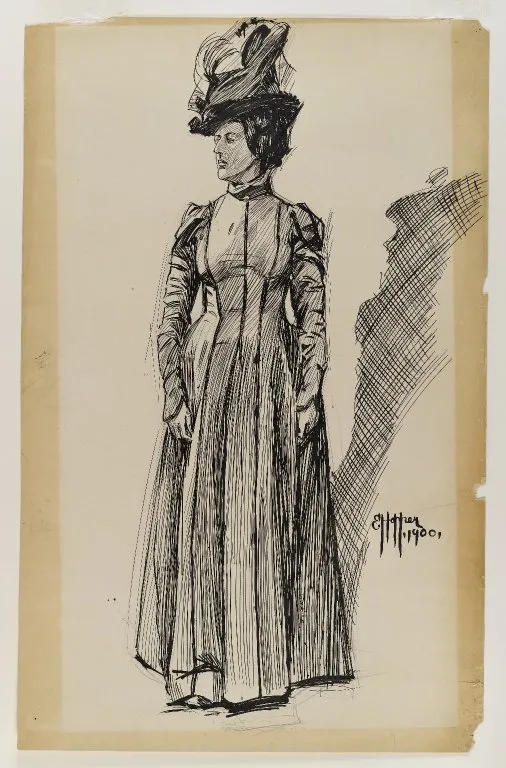
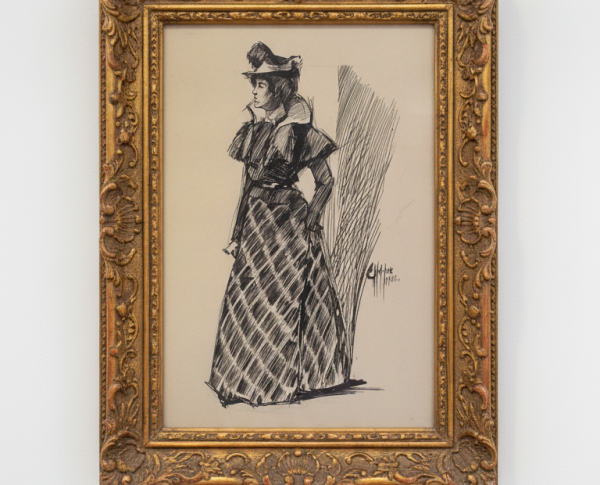
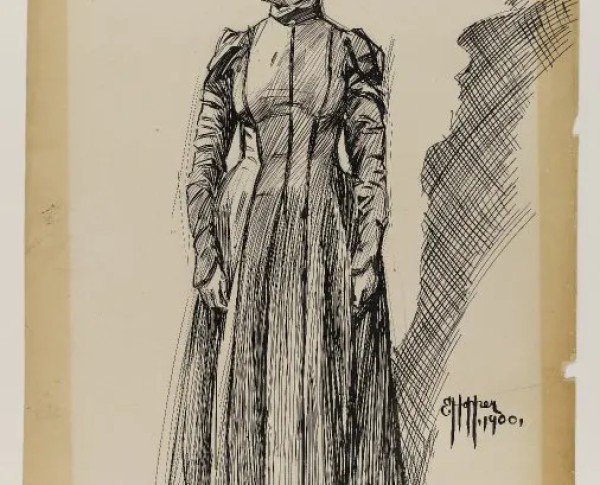
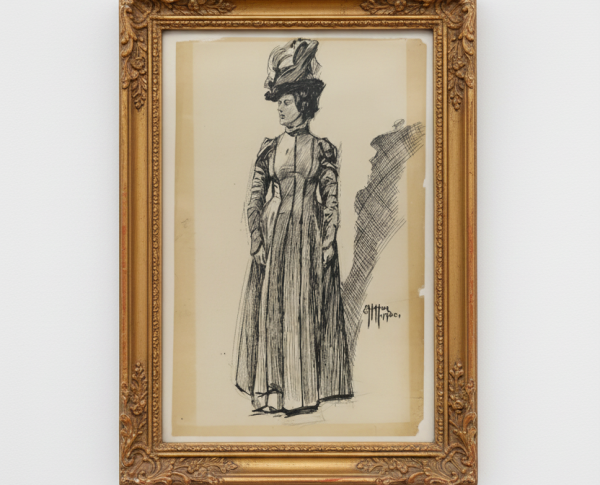
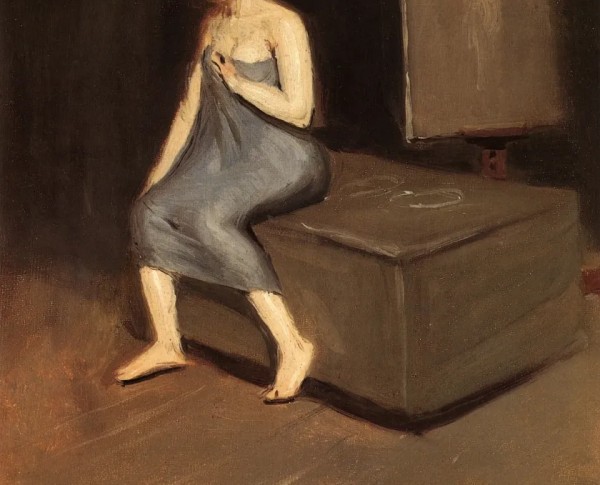
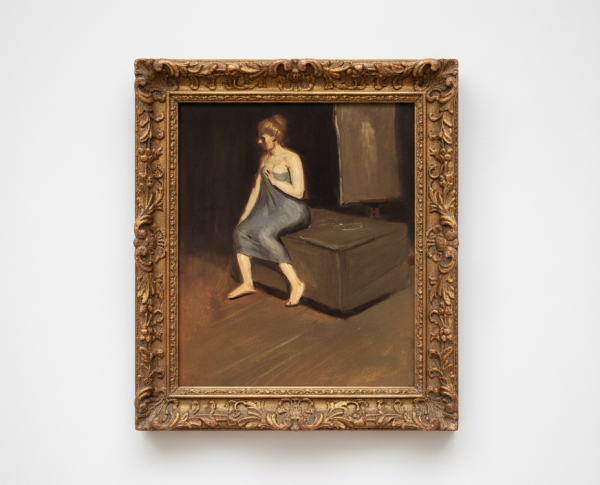
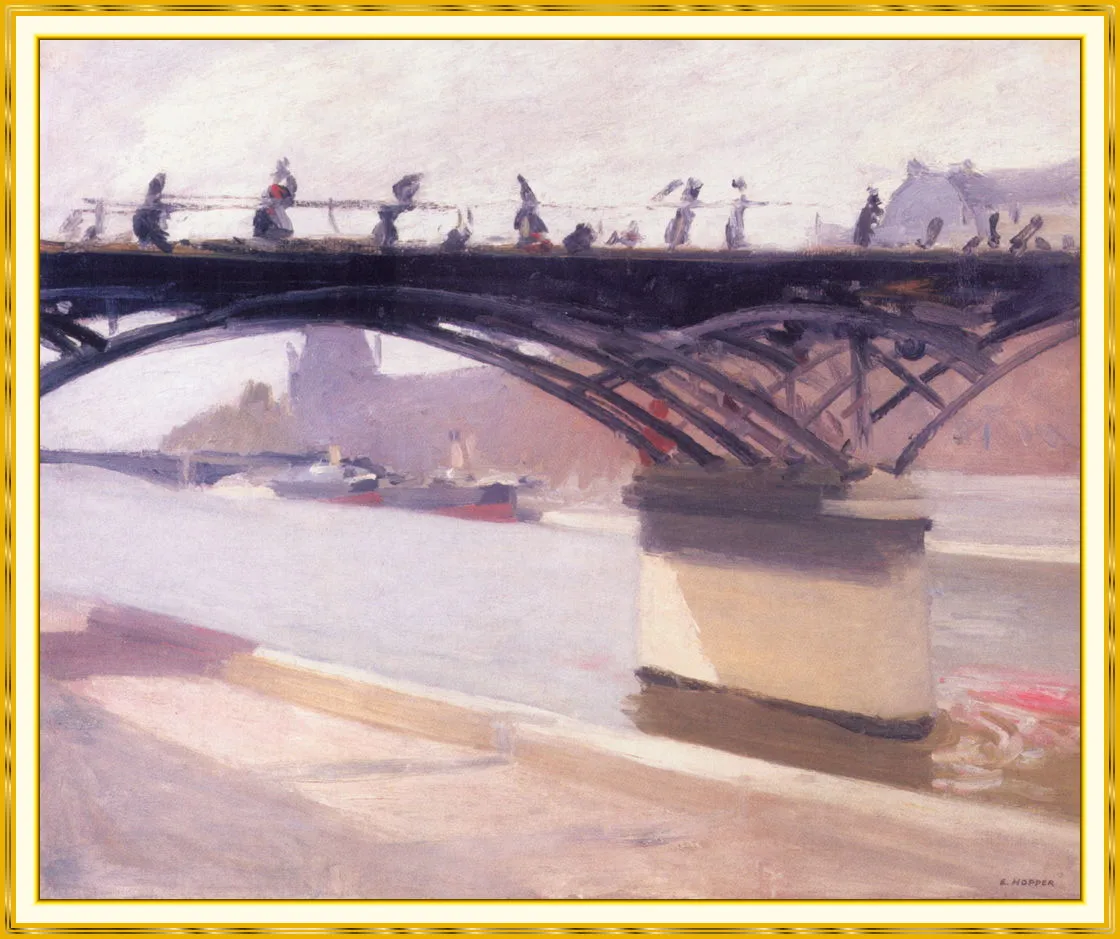
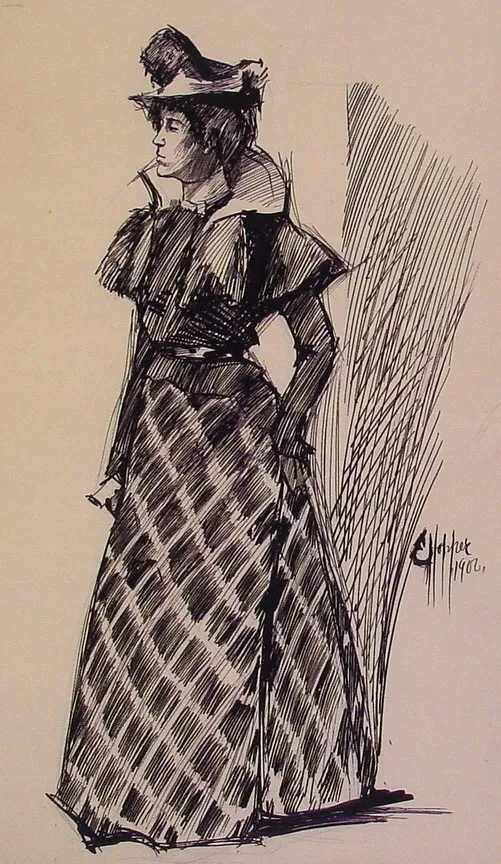
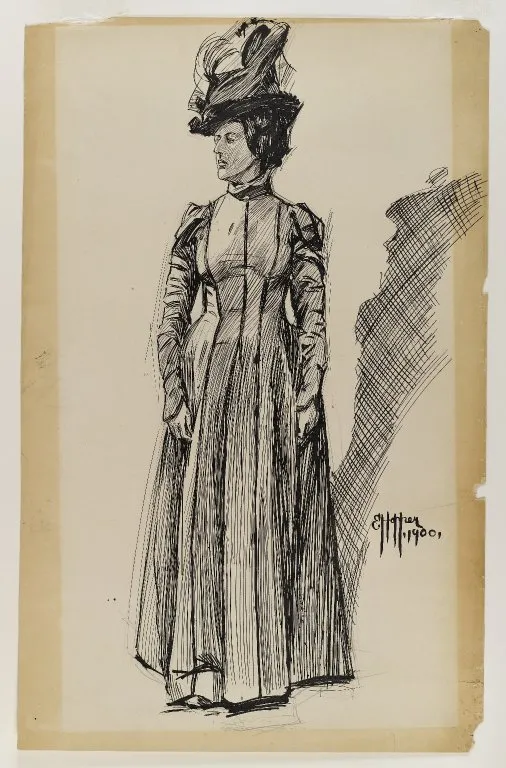
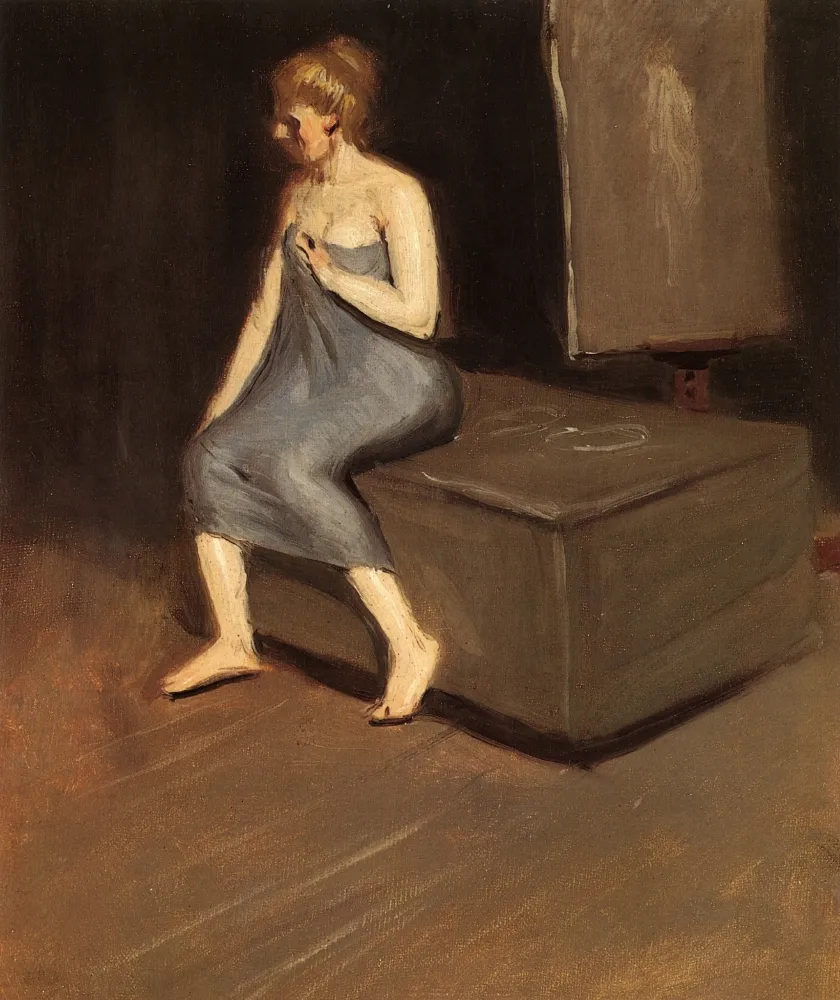
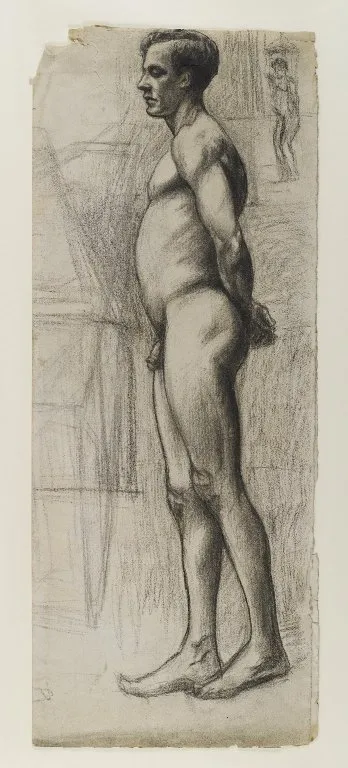
Edward Hopper’s mastery shines through in "Le Pont des Arts," with each brushstroke revealing his dedication to the oil on canvas medium. The painting’s luminous light and shadow interplay exemplify the technical prowess characteristic of the American Realism movement. Hopper’s unique perspective on city life is mirrored in other pieces such as "Study of a Standing Woman" and "Model in Towel," emphasizing his role as a leading figure in fine art painting for sale.
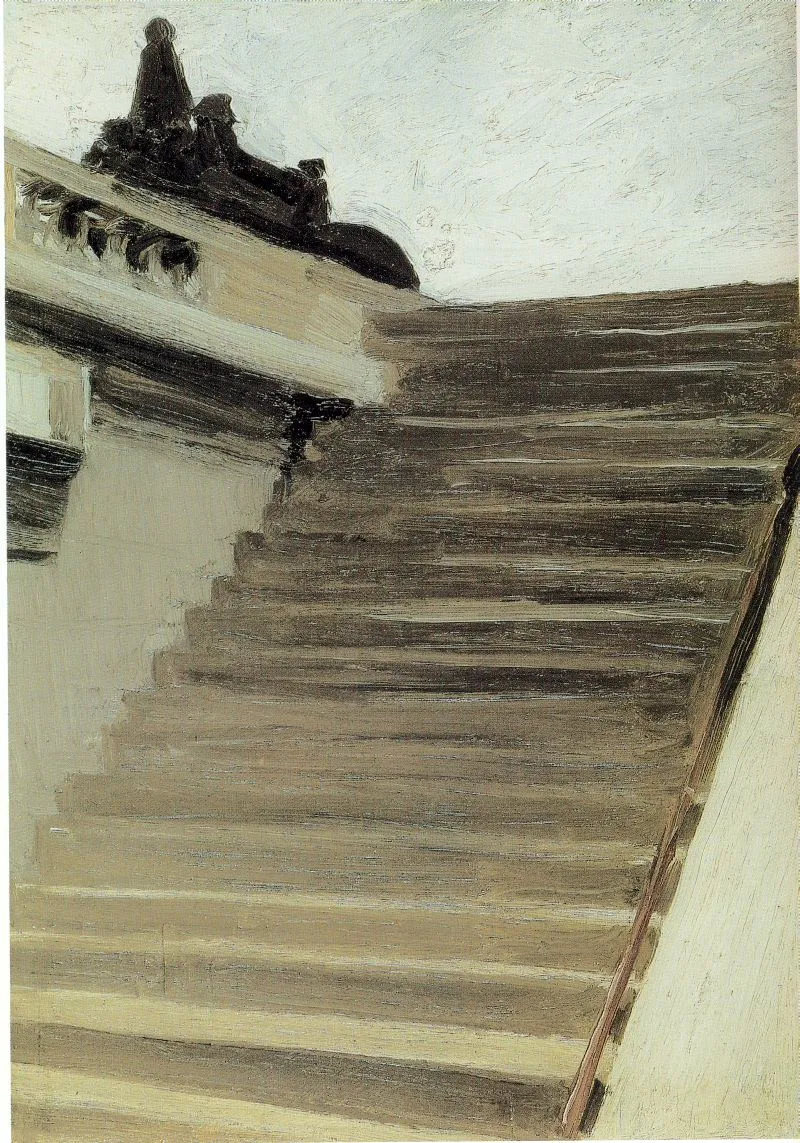
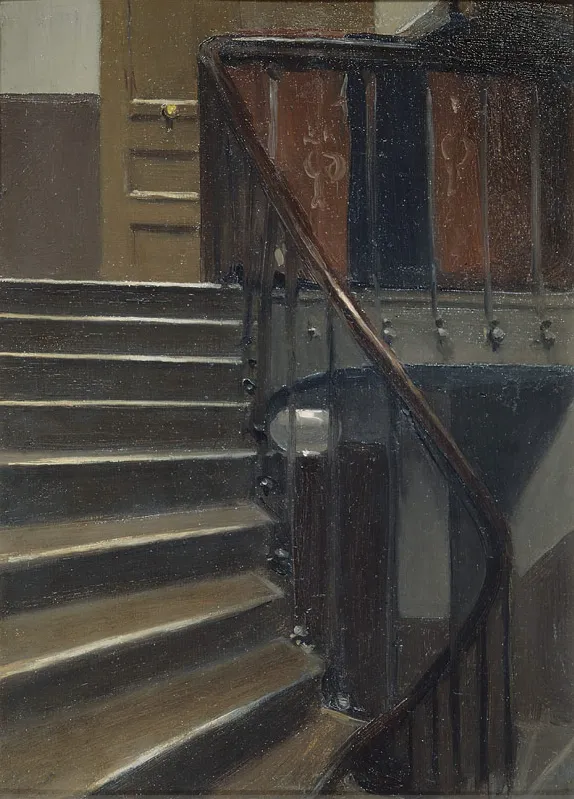
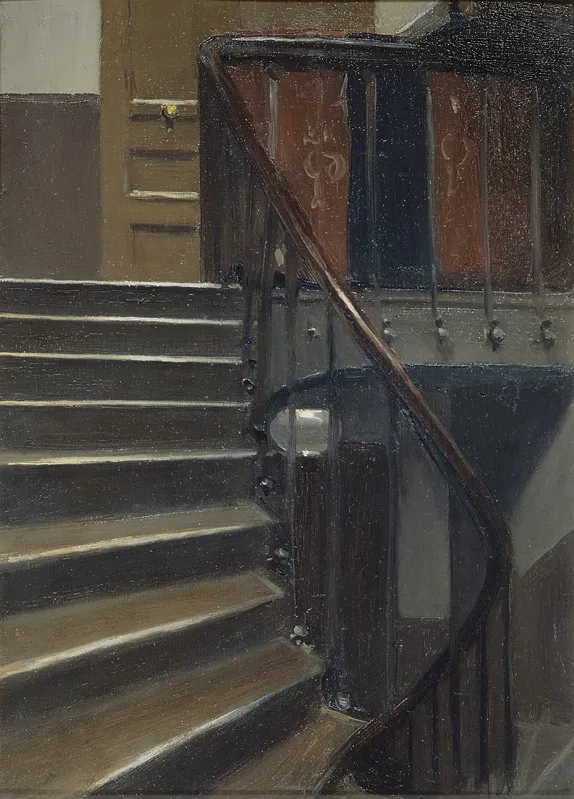
Beneath the surface of "Le Pont des Arts," Hopper weaves subtle stories and symbols, inviting viewers to ponder the narratives within this hand-painted oil painting. The iconic Parisian bridge symbolizes connection and transition, themes often explored in American Realism. This approach is also found in Hopper’s "Sitting on Box" and "Steps in Paris," making his works highly sought after in the world of fine art painting for sale.
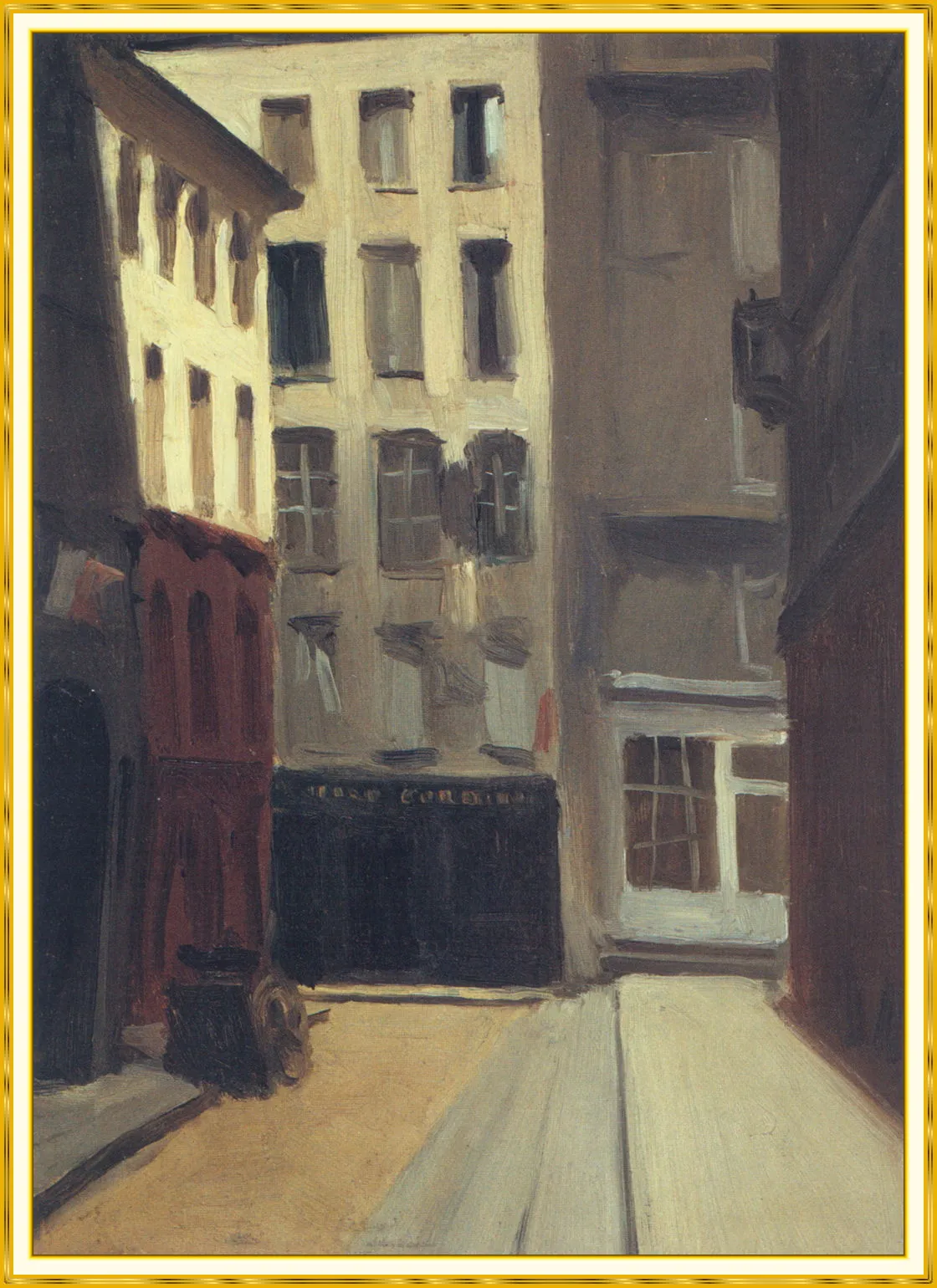
For collectors, "Le Pont des Arts" represents not only a stunning oil on canvas but also a piece of American Realism history. Edward Hopper’s artistry ensures that each painting, including this one, becomes a cherished possession. Enthusiasts frequently pair it with related works like "Paris Street" or "Model in Towel" to enhance their collection of fine art painting for sale, celebrating the enduring appeal of Hopper’s vision and the movement he helped define.
When Art Meets History
"Le Pont des Arts" by Edward Hopper stands as a remarkable example of American Realism, capturing a historic Parisian bridge through the lens of a master. Hopper’s hand-painted oil painting transports viewers to a timeless moment, reflecting the movement’s dedication to depicting real life with honesty. Much like "Dogs Playing Poker, Scene IV - Tongue Couple Arguing," this piece bridges cultural and temporal divides, offering a vivid narrative that continues to intrigue historians and art enthusiasts alike.
Techniques That Speak
Edward Hopper’s "Le Pont des Arts" employs meticulous oil on canvas techniques, characteristic of the American Realism movement. His brushwork and nuanced color palette evoke a palpable atmosphere, reminiscent of the emotional clarity found in "A Lesson in Discretion." Hopper’s mastery over light and shadow creates depth, making each element resonate. The oil on canvas medium enhances the richness of the scene, inviting viewers to appreciate the technical prowess behind every stroke in this celebrated painting.
Emotions on Display
In "Le Pont des Arts," Edward Hopper channels the introspective spirit of American Realism, infusing the composition with subtle emotional undertones. The painting’s solitary ambiance echoes themes present in "Scene III - Married Couple Standing," highlighting the complexity of human experience. As a fine art painting for sale, it offers collectors the chance to own a work that not only depicts a scene but also captures the nuanced emotions that define Hopper’s acclaimed portfolio.
Coveted by Collectors
Edward Hopper’s "Le Pont des Arts" continues to be a highly sought-after piece within the American Realism movement, much like "The Tale of a Wedded Life." Its status as a hand-painted oil painting enhances its desirability among art collectors worldwide. This work’s historical significance and emotional depth ensure its lasting appeal, making it a prized addition for those seeking a fine art painting for sale that embodies both artistic mastery and cultural resonance.
Related American Realism Hand-Painted Oil Paintings by Other Artists
Other Famous American Realism Artists:
Frequently Asked Questions About Le Pont des Arts
What is the historical context of Le Pont des Arts?
Le Pont des Arts was painted during the early 20th century, a time when Edward Hopper was exploring themes of modernity and isolation in urban settings, reflecting the changing dynamics of American society.
What artistic techniques did Edward Hopper use in Le Pont des Arts?
Hopper employed a unique combination of light and shadow, along with a muted color palette, to evoke a sense of solitude and introspection, characteristic of his broader body of work.
What symbolism is present in Le Pont des Arts?
The bridge in the painting symbolizes connection and transition, while the solitary figures suggest themes of isolation and the human experience within an urban landscape.
How does Le Pont des Arts reflect Edward Hopper's artistic style?
This painting exemplifies Hopper's signature style, characterized by stark contrasts, a focus on light, and a contemplative atmosphere, which invites viewers to reflect on their own experiences of solitude.
What emotions does Le Pont des Arts evoke?
The painting evokes feelings of melancholy and introspection, inviting viewers to contemplate the relationship between individuals and their environment, particularly in the context of urban life.
In what ways does Le Pont des Arts connect to the theme of modernity?
Le Pont des Arts captures the essence of modernity by portraying a contemporary urban scene, highlighting the complexities of human interaction in an increasingly industrialized world.
What influence did French culture have on Edward Hopper's work?
Hopper was influenced by French Impressionism and Post-Impressionism, which is evident in his use of light and color, as well as his focus on everyday scenes, reminiscent of the works of artists like Monet and Degas.
How does the composition of Le Pont des Arts contribute to its meaning?
The composition, with its strong horizontal lines and balanced elements, creates a sense of stability while simultaneously emphasizing the isolation of the figures, enhancing the painting's thematic depth.
What role does light play in Le Pont des Arts?
Light serves as a crucial element in the painting, illuminating the bridge and figures, and creating a mood that reflects the transient nature of time and human existence.
How has Le Pont des Arts been received by art critics and historians?
Art critics and historians have praised Le Pont des Arts for its emotional depth and technical prowess, often citing it as a quintessential example of Hopper's ability to capture the essence of modern life.























_GFM_Painting_(1).webp)


 100% Hand-Painted: Finished in 3-6 Weeks

.png)















_(1).webp)