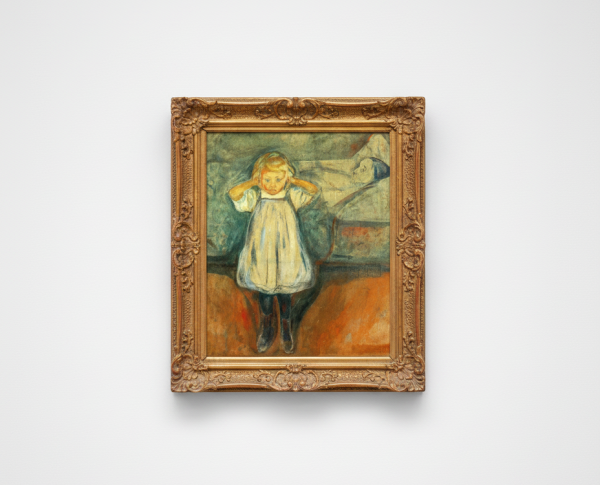
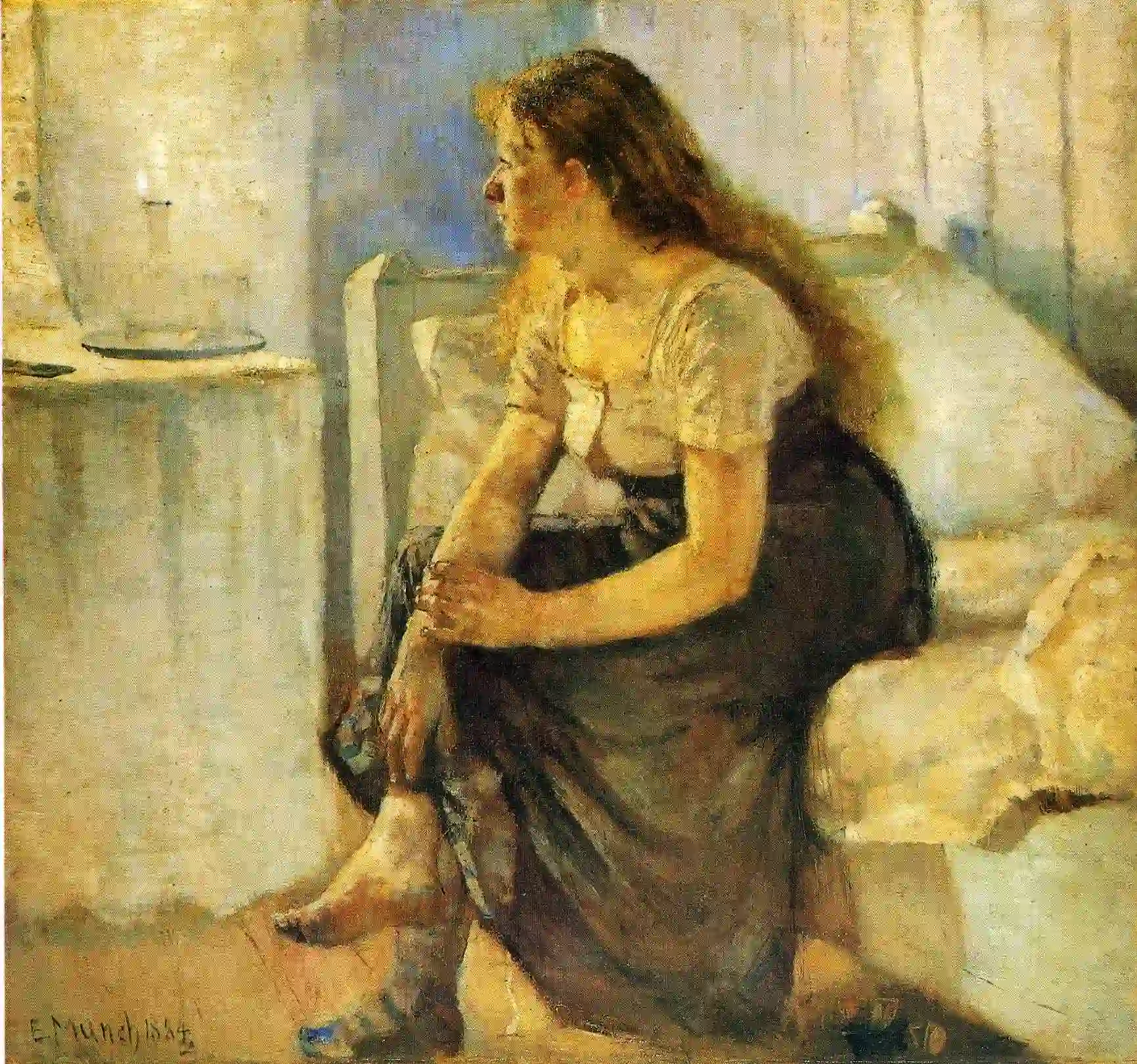
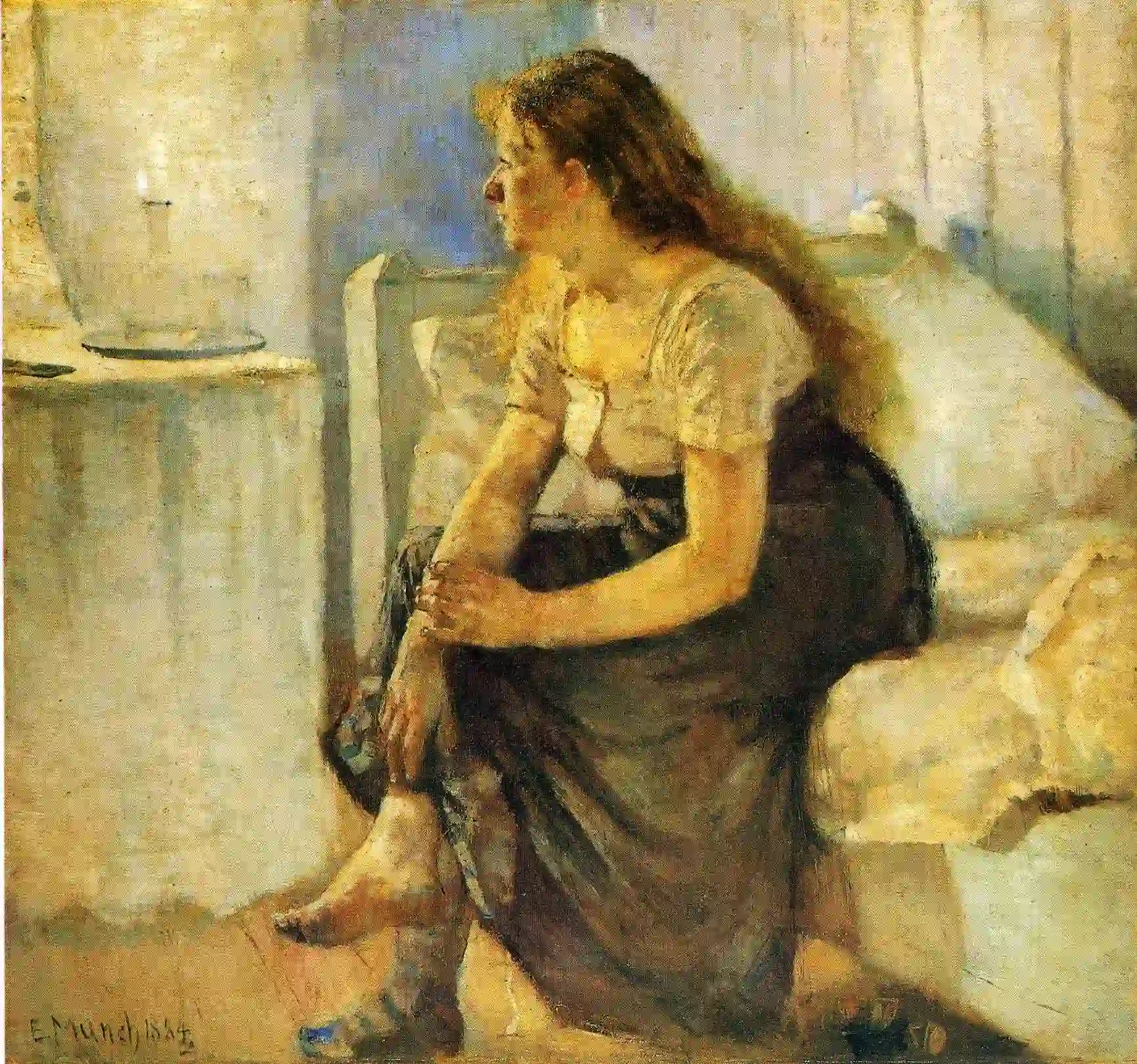
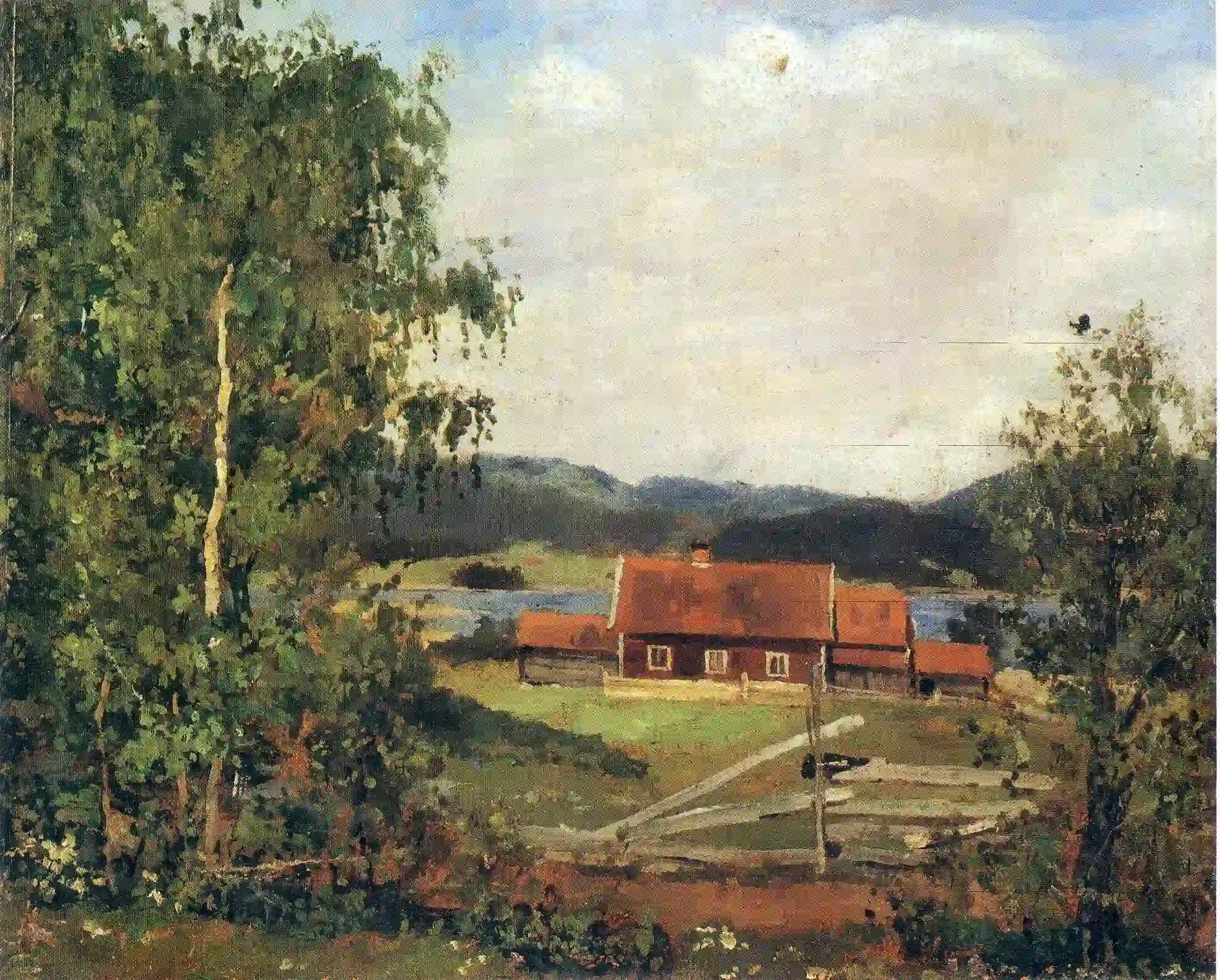
Edvard Munch’s "Morning" demonstrates his signature mastery with oil on canvas, blending bold brushwork and vibrant colors to create a stirring visual experience. The painting, much like his "Old Aker Church" and "Landscape. Maridalen by Oslo," showcases Munch’s unique approach to light and atmosphere. Each stroke contributes to the overall mood, making "Morning" a prime example of Expressionism and a must-have for those seeking authentic, museum-quality art for their collections.
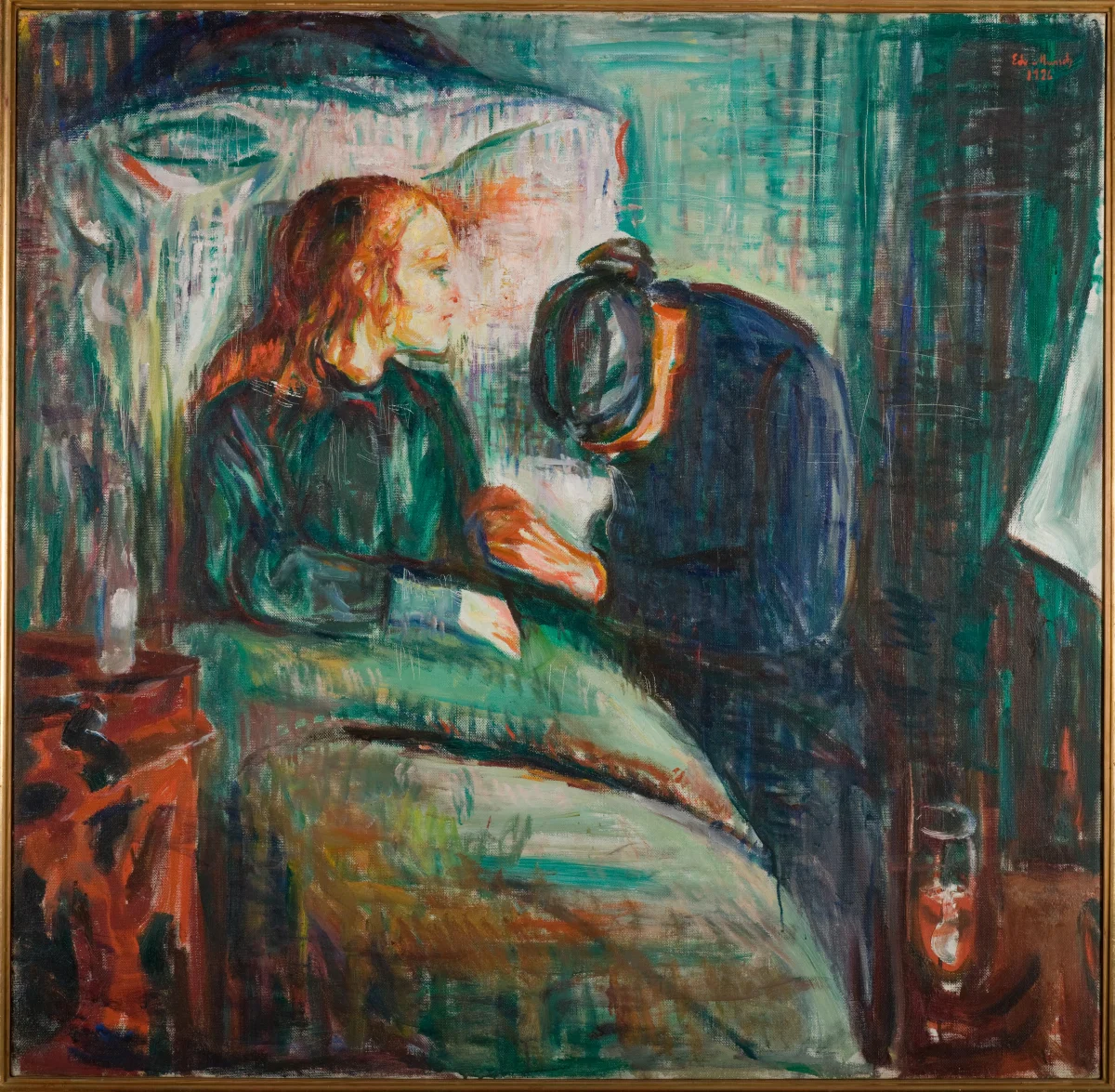
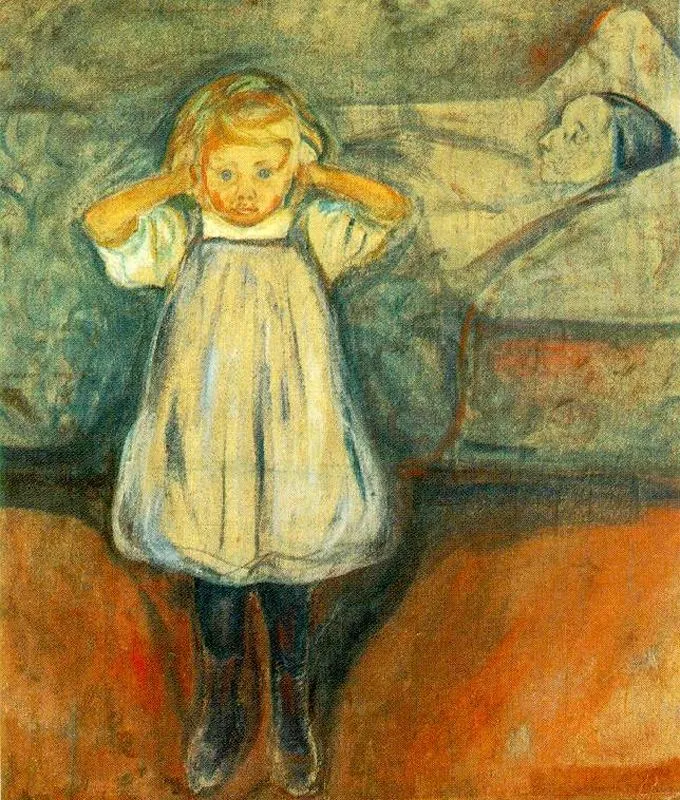
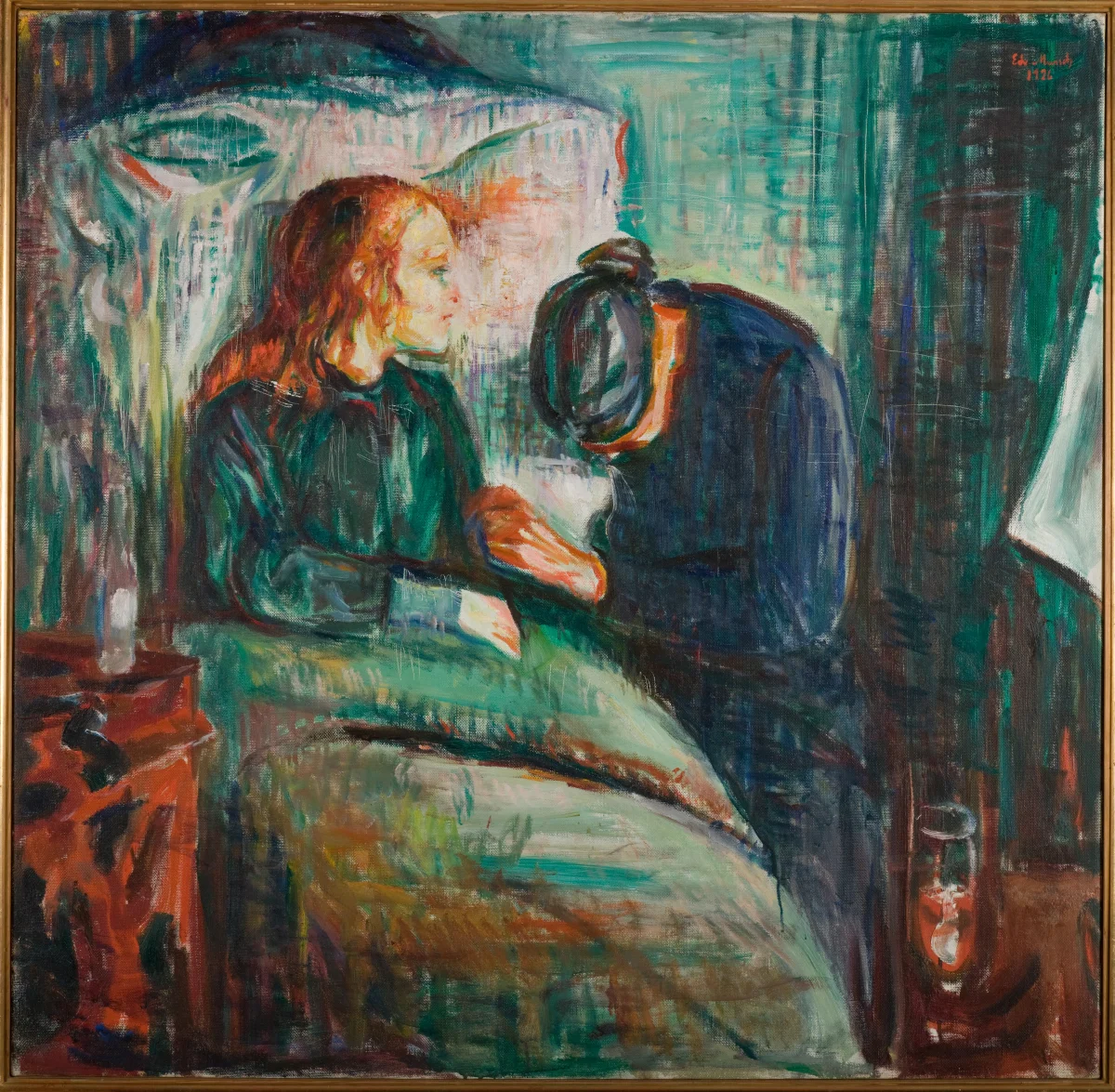
Within "Morning," Munch weaves stories and symbols that speak to universal themes of awakening and introspection. This fine art painting for sale resonates with collectors who appreciate layered meanings, reminiscent of the artist’s other works such as "Girl Kindling a Stove" and "The Sick Child." The expressive forms and subtle details invite viewers to uncover hidden narratives, making "Morning" a captivating centerpiece for anyone interested in the deeper currents of the Expressionism movement.
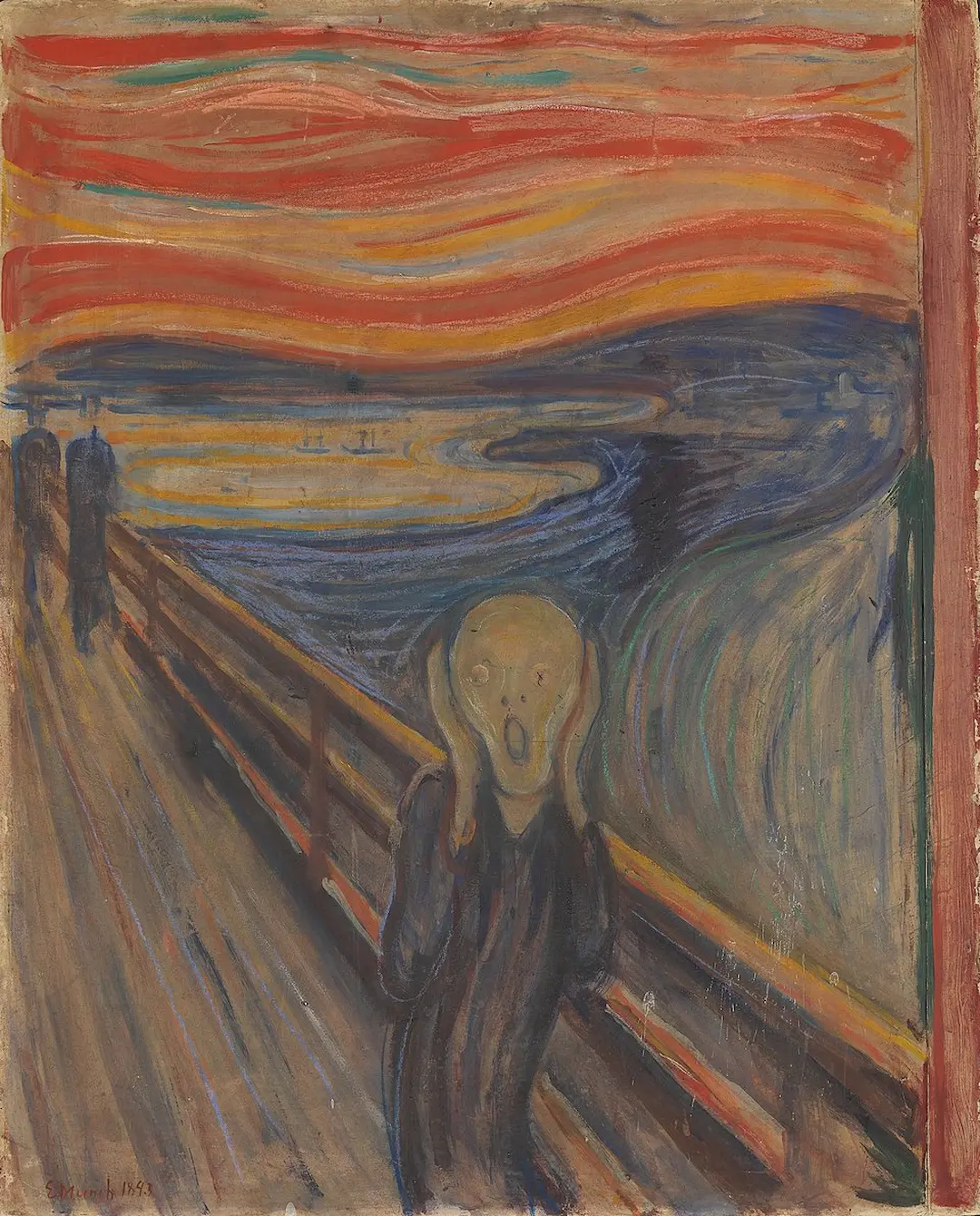
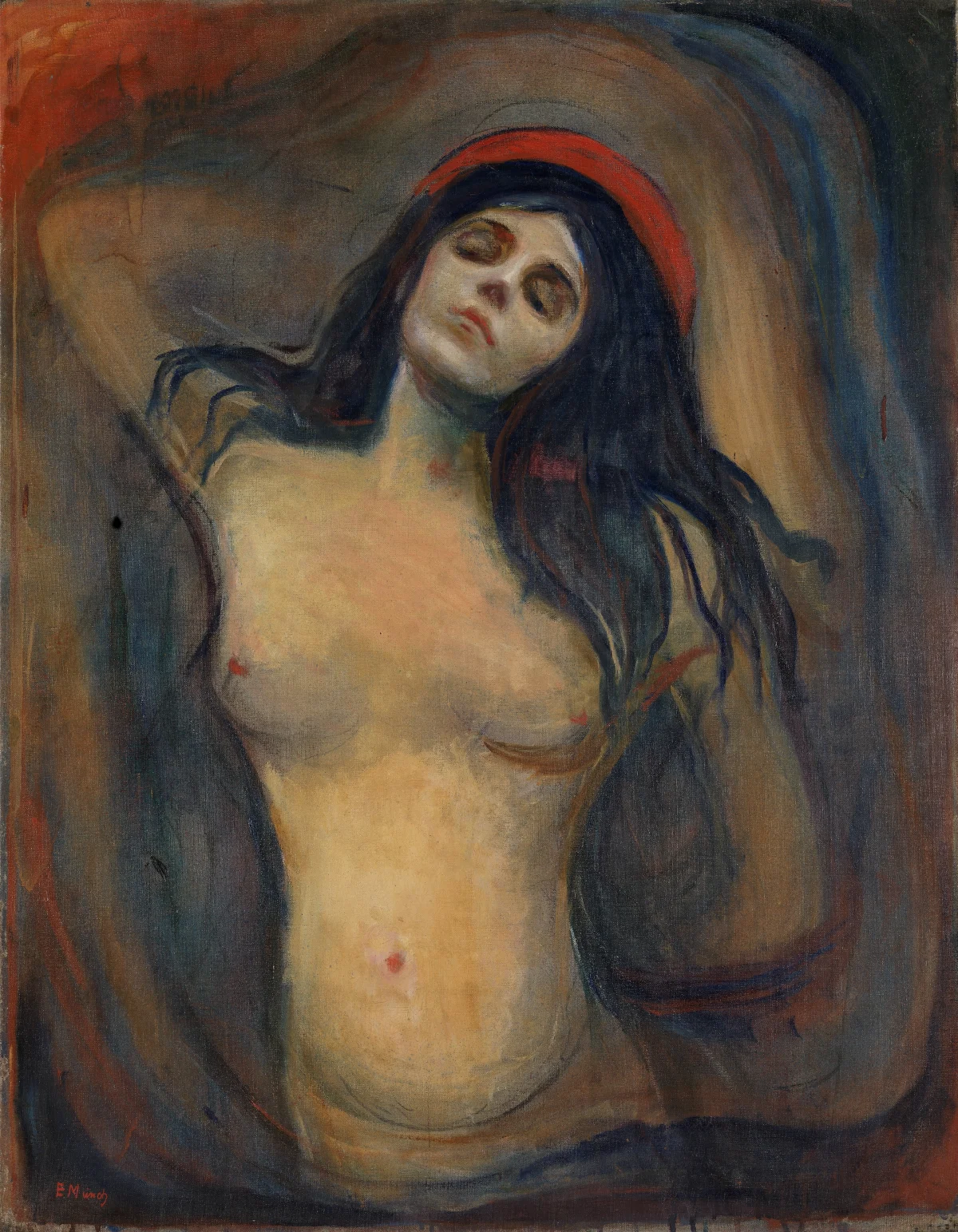
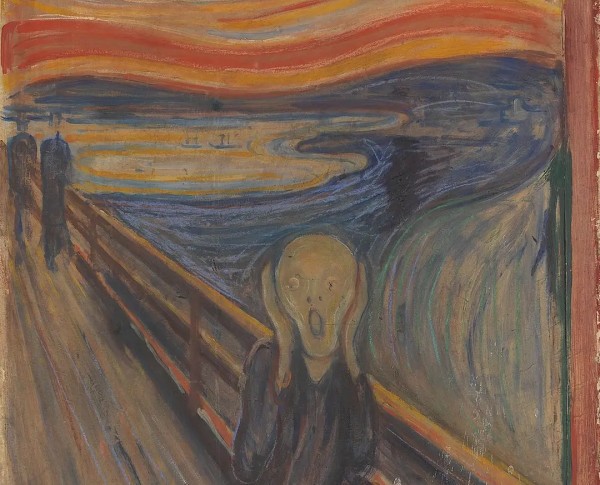
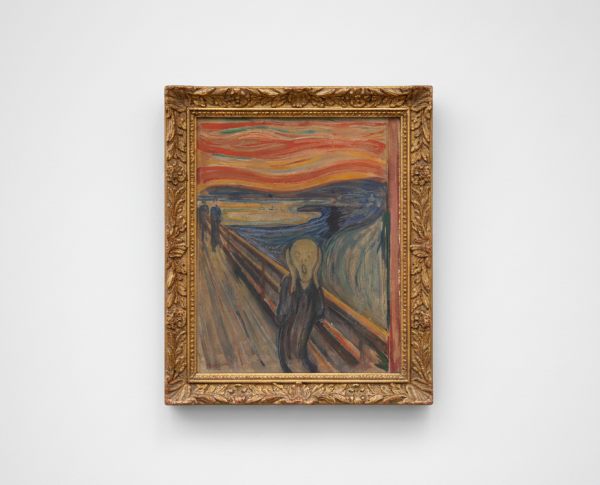
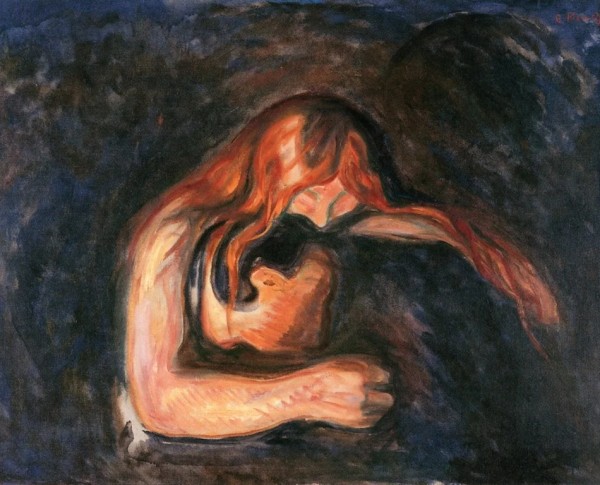
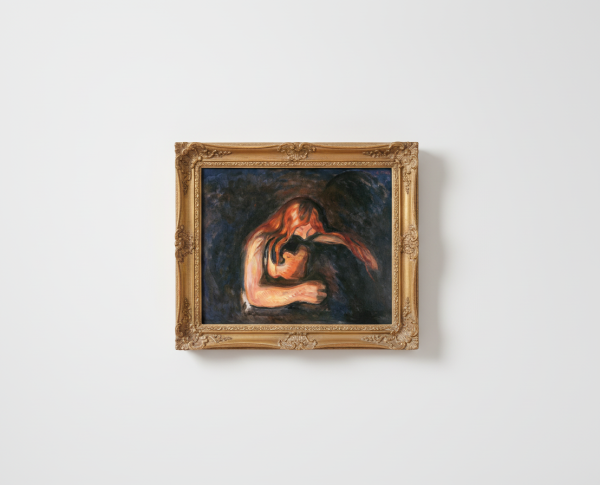
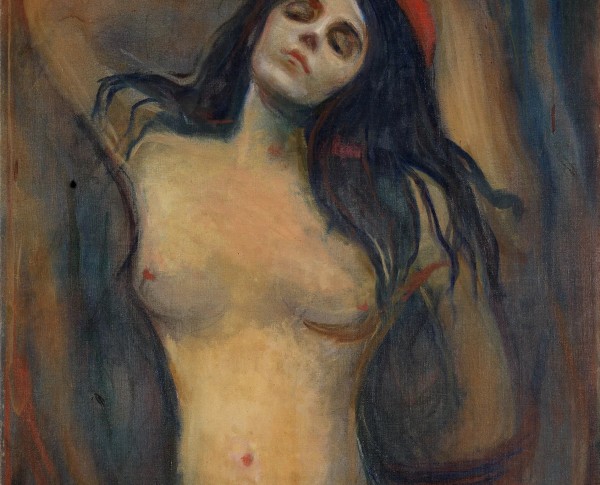
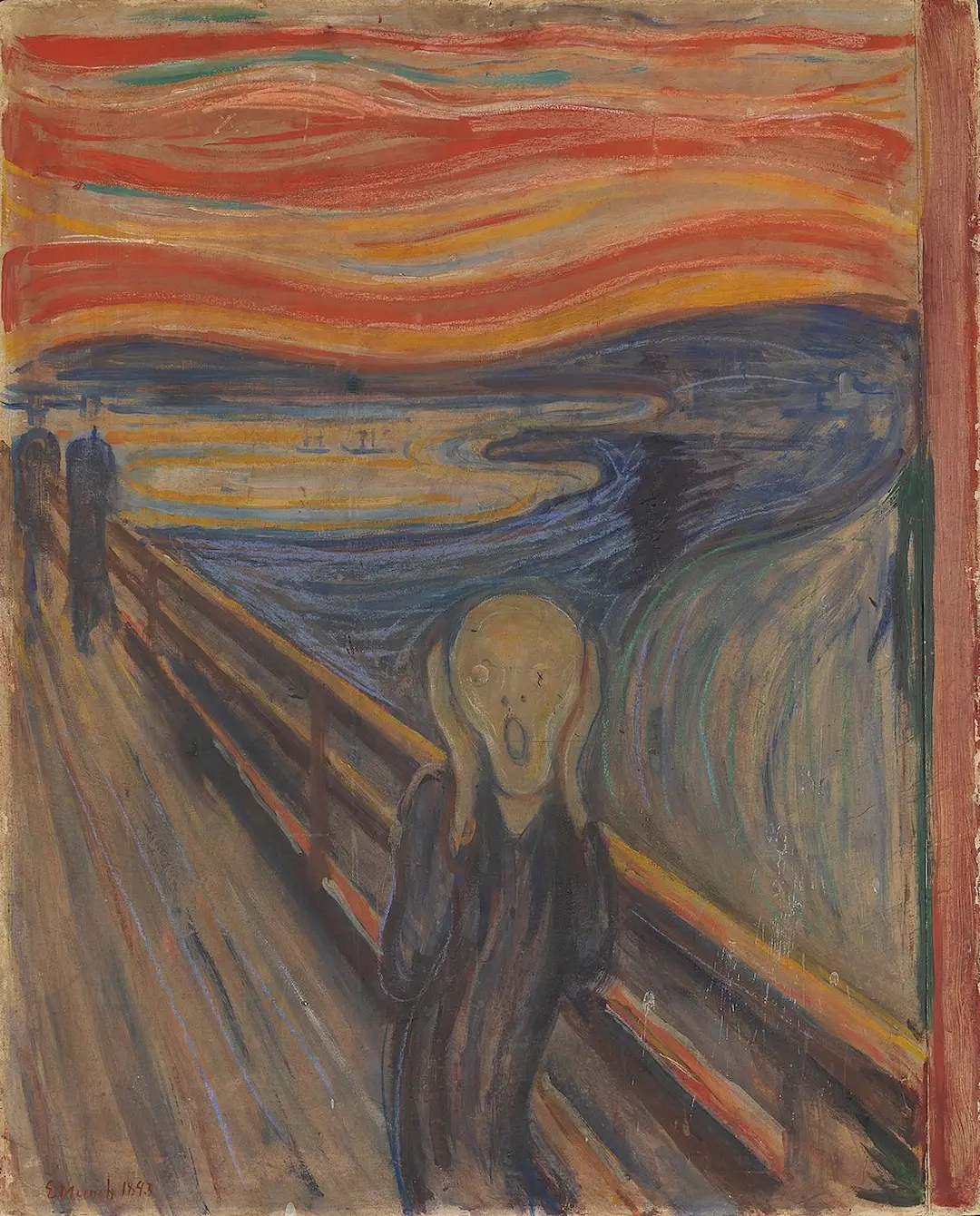
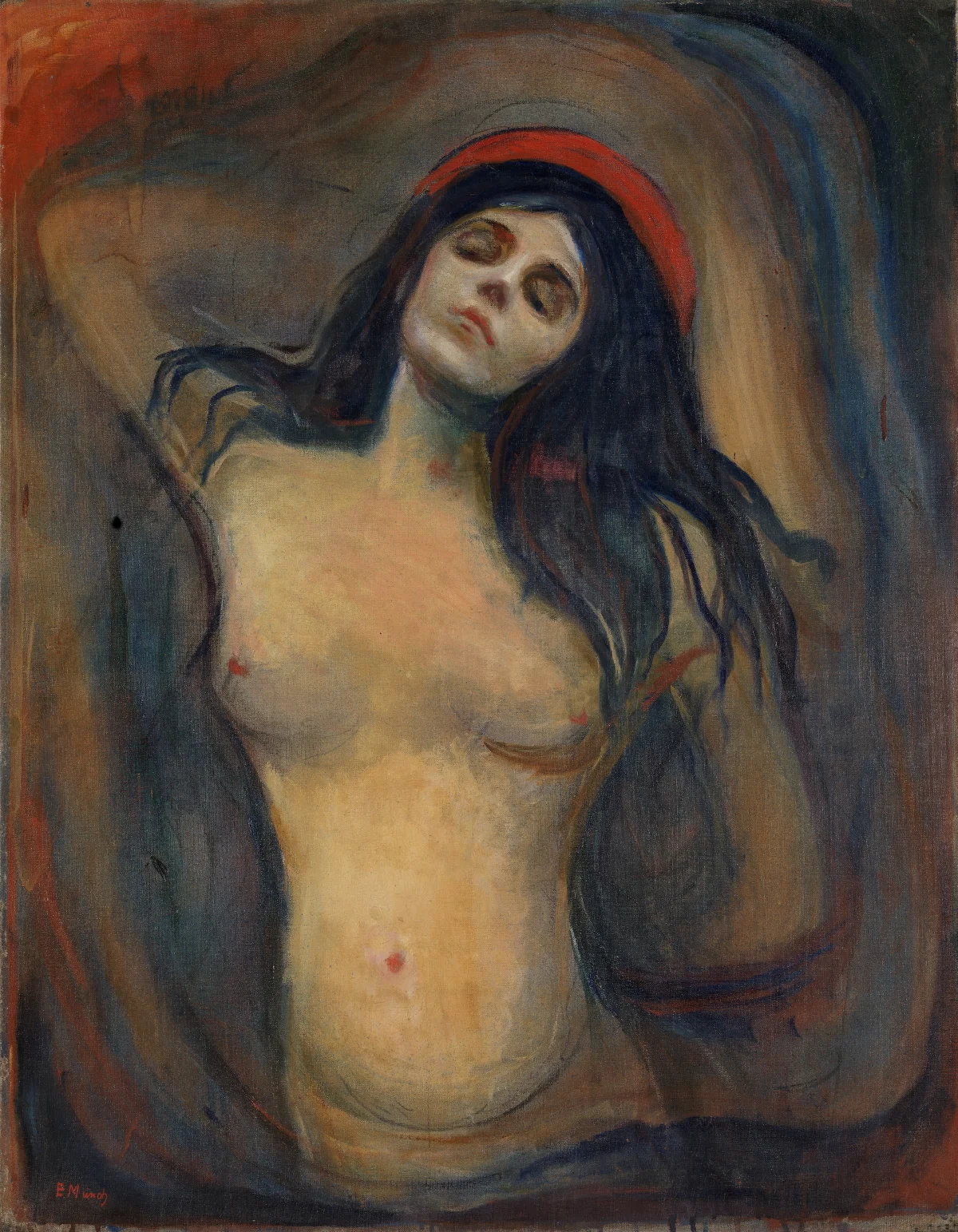
Owning "Morning" by Edvard Munch is more than acquiring a piece of art; it is adding a hand-painted oil painting with historical and emotional significance to your collection. As part of the Expressionism movement, this artwork complements related products like "The Scream" and "Madonna." Its evocative imagery and masterful technique ensure that "Morning" remains a collector’s treasure, perfect for those seeking a fine art painting for sale that embodies the spirit of early twentieth-century innovation.
When Art Meets History
"Morning" by Edvard Munch stands as a testament to the transformative period of the Expressionism movement, capturing the spirit of early twentieth-century Europe. This hand-painted oil painting reflects the social and emotional turbulence of its time. Munch, famous for his evocative works, used his art to document the anxieties and hopes of a changing world. "Morning" resonates alongside his other masterpieces, offering a remarkable window into the era’s artistic innovations and cultural shifts.
Techniques That Speak
Edvard Munch’s mastery is evident in "Morning," where his use of oil on canvas brings depth and vibrancy to every brushstroke. The painting’s expressive lines and bold color palette are hallmarks of Expressionism, a movement that prioritized emotion over realism. Munch’s technique in "Morning" highlights his ability to convey complex moods, setting it apart as a fine art painting for sale that continues to intrigue collectors and art historians alike.
Emotions on Display
In "Morning," Edvard Munch channels the core principles of Expressionism by infusing the scene with palpable emotion. The subject’s solitude and the interplay of light evoke a sense of introspection and vulnerability. This hand-painted oil painting invites viewers to connect deeply with the artist’s inner world, much as they might with Munch’s other renowned works. The emotional depth found in "Morning" makes it a celebrated example within the Expressionist movement.
Coveted by Collectors
As a fine art painting for sale, "Morning" by Edvard Munch remains highly sought after by collectors who appreciate its historical significance and artistic mastery. Its status within the Expressionism movement, combined with Munch’s reputation, ensures enduring interest. The oil on canvas technique enhances its allure, drawing comparisons to other influential works by Munch. Collectors value "Morning" not only for its beauty but also for its powerful representation of early modernist art.
Frequently Asked Questions About Morning
What is the historical context of Edvard Munch's "Morning"?
"Morning" was created during a period of significant artistic experimentation in the late 19th century, particularly within the Symbolist movement. Munch's work reflects the emotional and psychological themes prevalent in this era, as well as the influence of Impressionism.
What artistic techniques did Munch employ in "Morning"?
Munch utilized bold colors and expressive brushwork to convey emotion and atmosphere. The composition features a dynamic interplay of light and shadow, enhancing the painting's sense of movement and depth.
What themes are explored in "Morning"?
The painting explores themes of awakening, introspection, and the passage of time. It captures the transition from night to day, symbolizing renewal and the complexities of human emotion.
How does "Morning" reflect Munch's personal experiences?
Munch often drew from his own life experiences, and "Morning" reflects his struggles with anxiety and existential contemplation. The painting can be seen as a representation of his inner turmoil and search for peace.
What symbolism is present in "Morning"?
The light in "Morning" symbolizes hope and new beginnings, while the figures in the foreground may represent the complexities of human relationships and the emotional weight of daily life.
In what ways does "Morning" connect to Munch's other works?
Munch was influenced by various artistic movements, including Impressionism and Post-Impressionism. The use of color and light in "Morning" showcases these influences while maintaining his unique emotional expression.
How has "Morning" been received by critics and art historians?
Where can I view "Morning" and learn more about its history?
"Morning" is part of various collections worldwide. For specific locations and exhibitions, please refer to our gallery's schedule or contact us for more information on viewing opportunities.






















_GFM_Painting_(1).webp)


 100% Hand-Painted: Finished in 3-6 Weeks

.png)















_(1).webp)