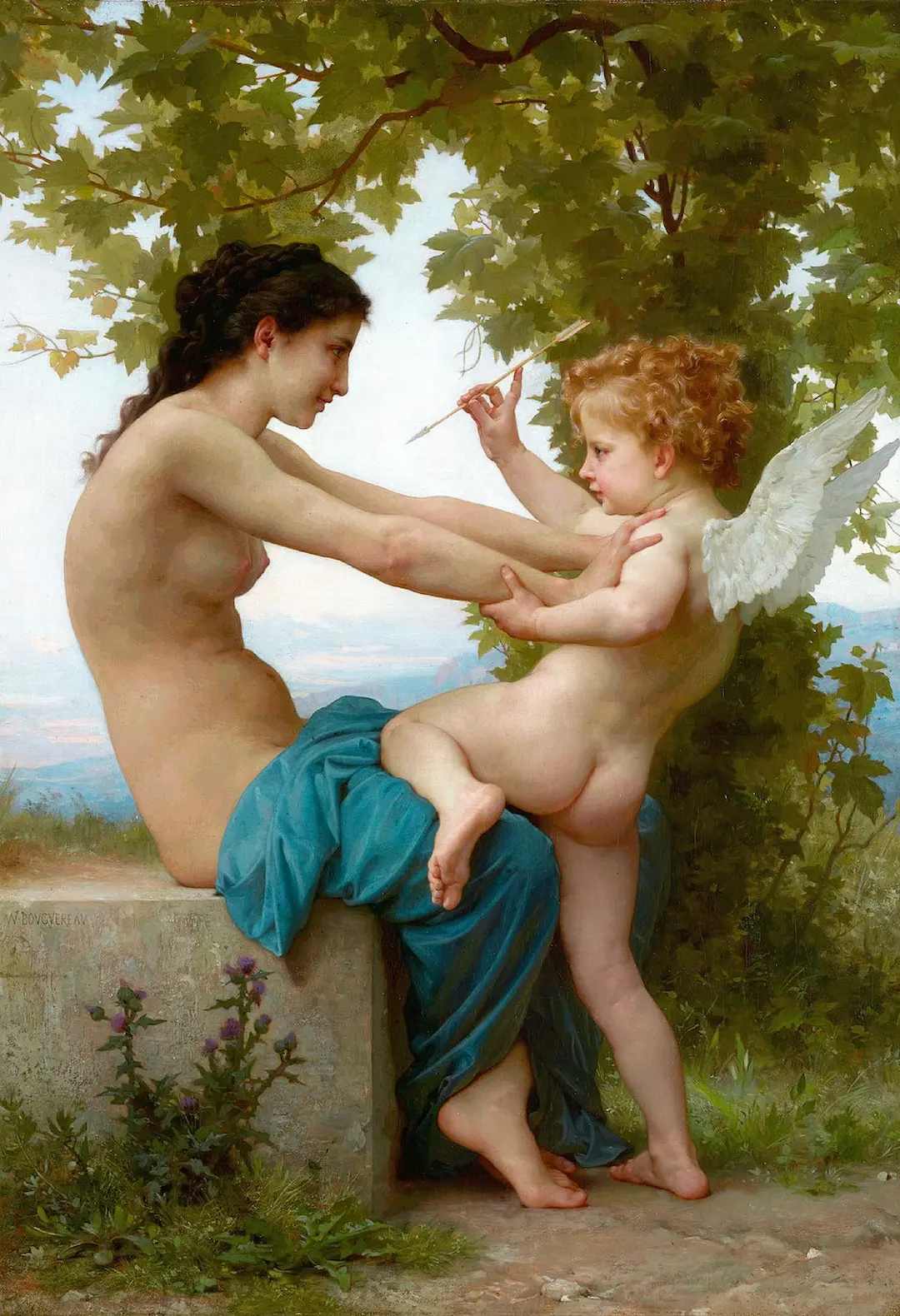
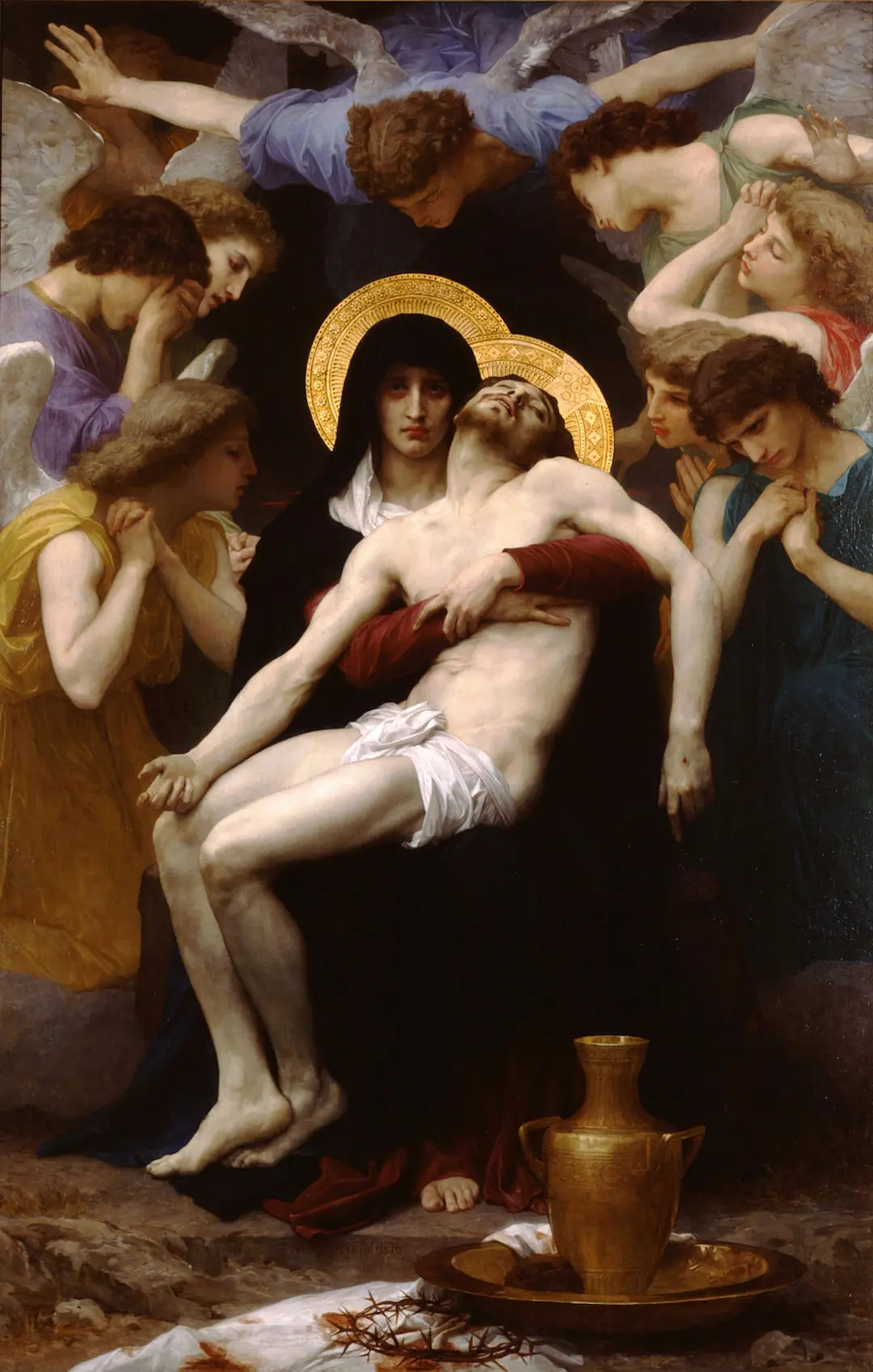
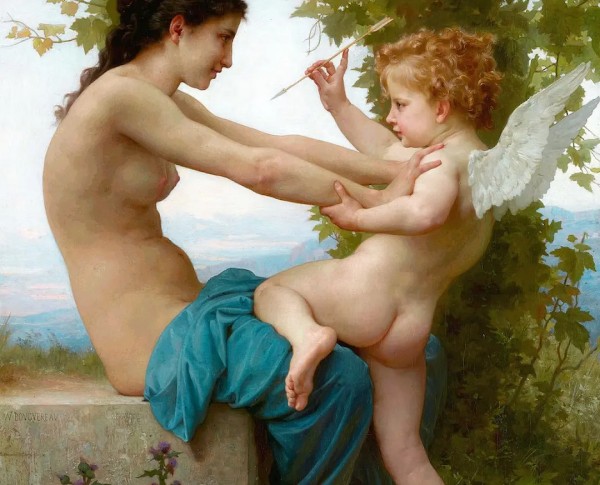
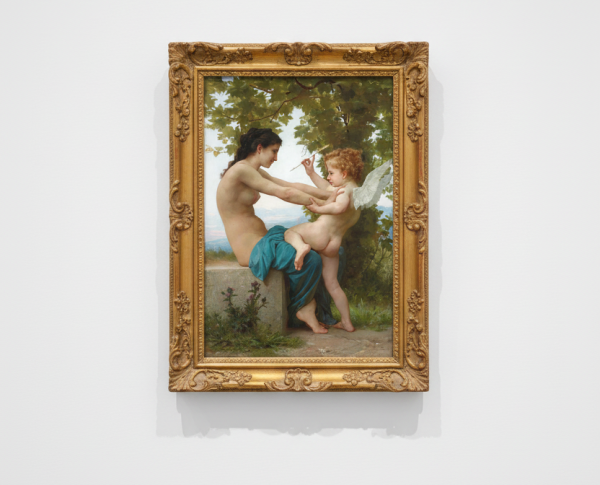
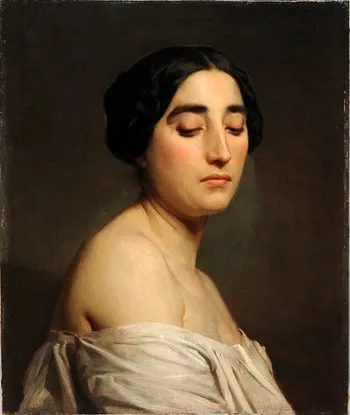
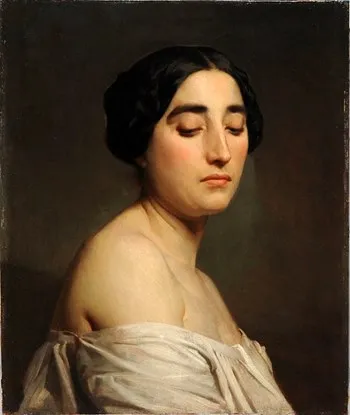
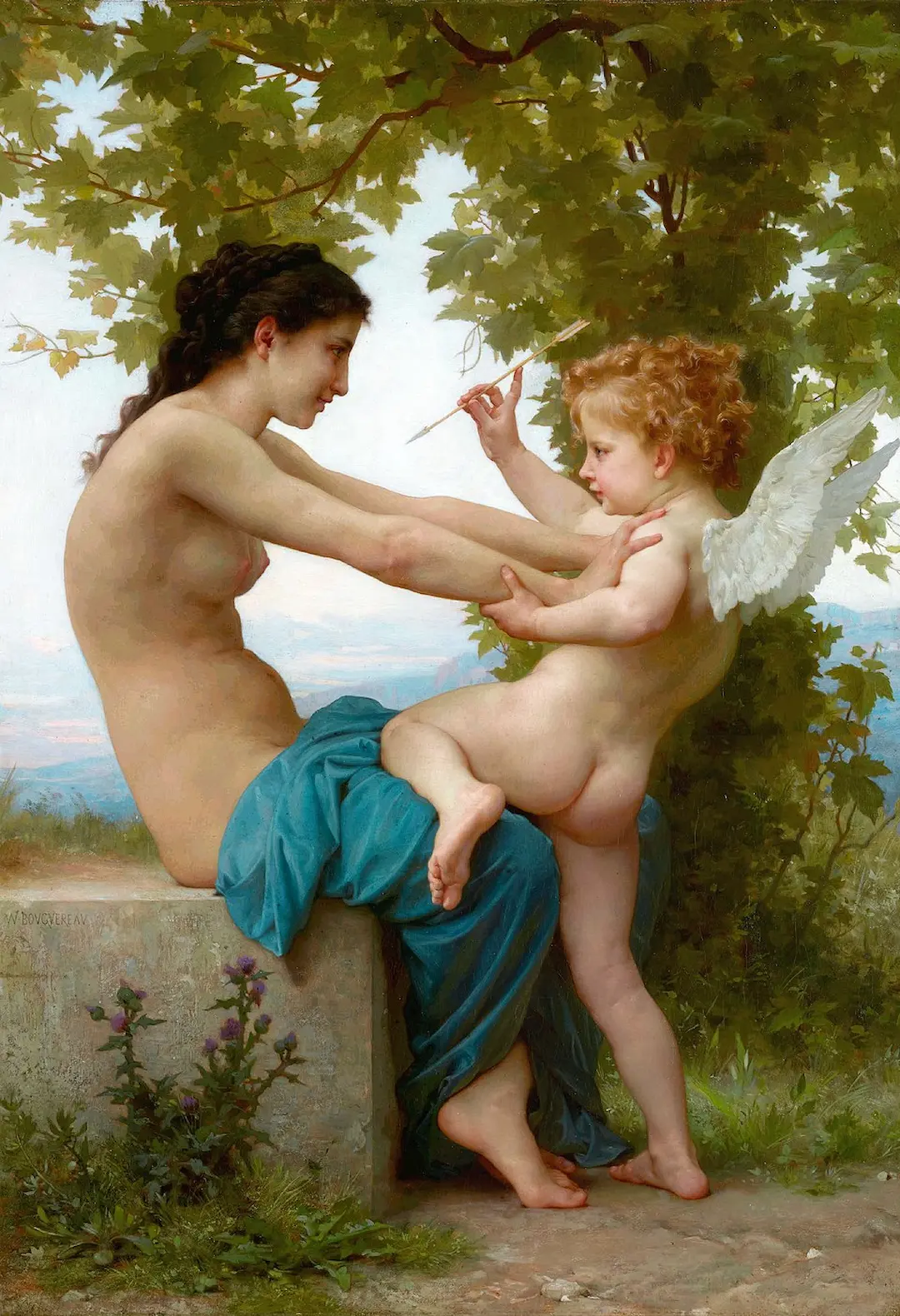
"Disdain" showcases Bouguereau’s extraordinary skill with oil on canvas, capturing delicate emotions and fine details with remarkable precision. Each brushstroke reflects his dedication to the traditions of Academic Classicism, emphasizing lifelike textures and harmonious compositions. The painting’s technique is mirrored in other celebrated works, such as "Portrait of Marie-Célina Brieu" and "Equality before Death," making Bouguereau’s oeuvre a testament to meticulous craftsmanship and artistic vision.
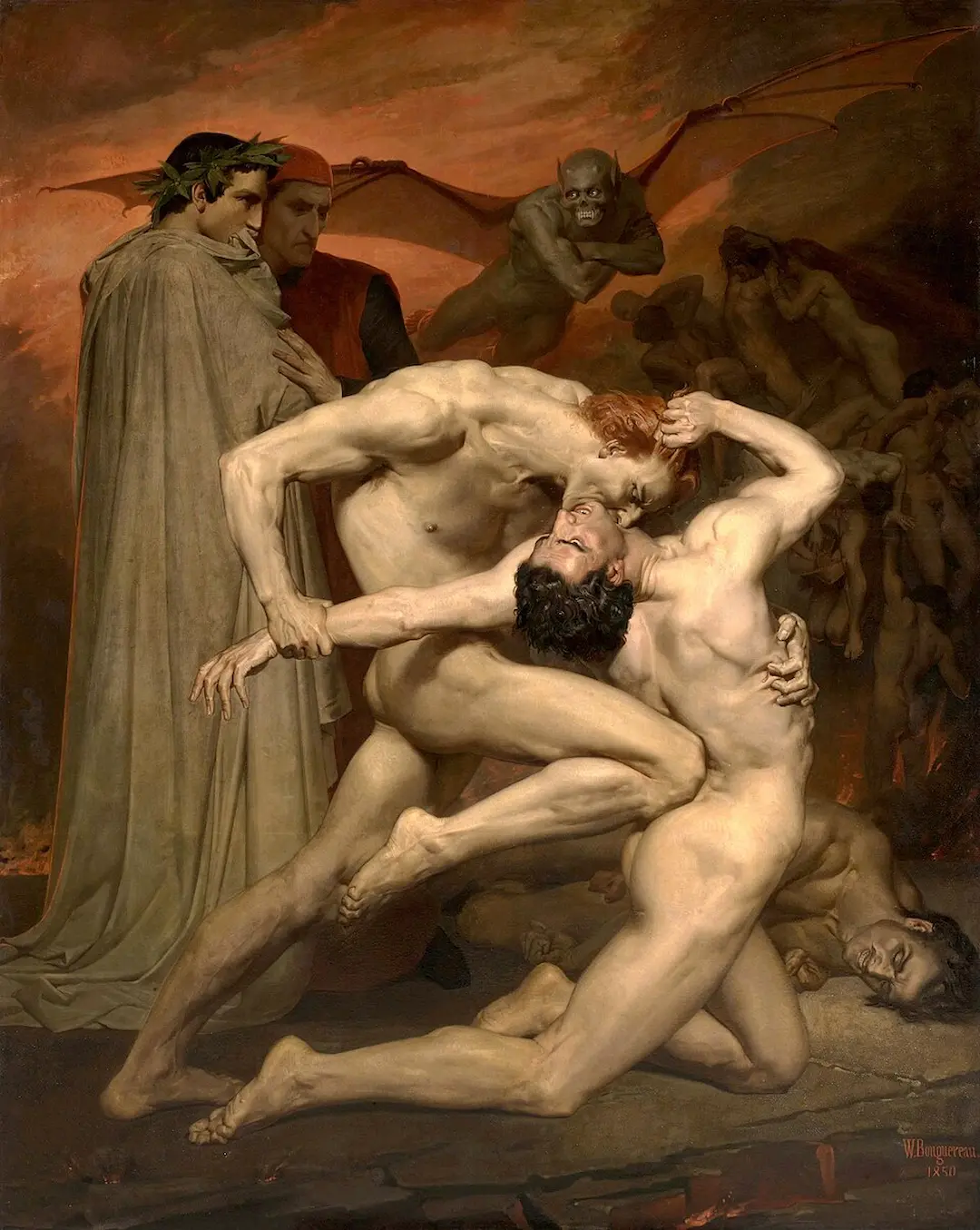
Within "Disdain," Bouguereau weaves a narrative rich in symbolism, typical of a fine art painting for sale from the Academic Classicism movement. The subject’s expression and posture evoke themes of pride and emotional distance, inviting viewers to contemplate the deeper meaning behind the scene. This storytelling approach is also evident in related works like "L'innocence (Innocence)" and "Dante et Virgile au Enfers (Dante and Virgil in Hell)," where allegory and emotion intertwine seamlessly.
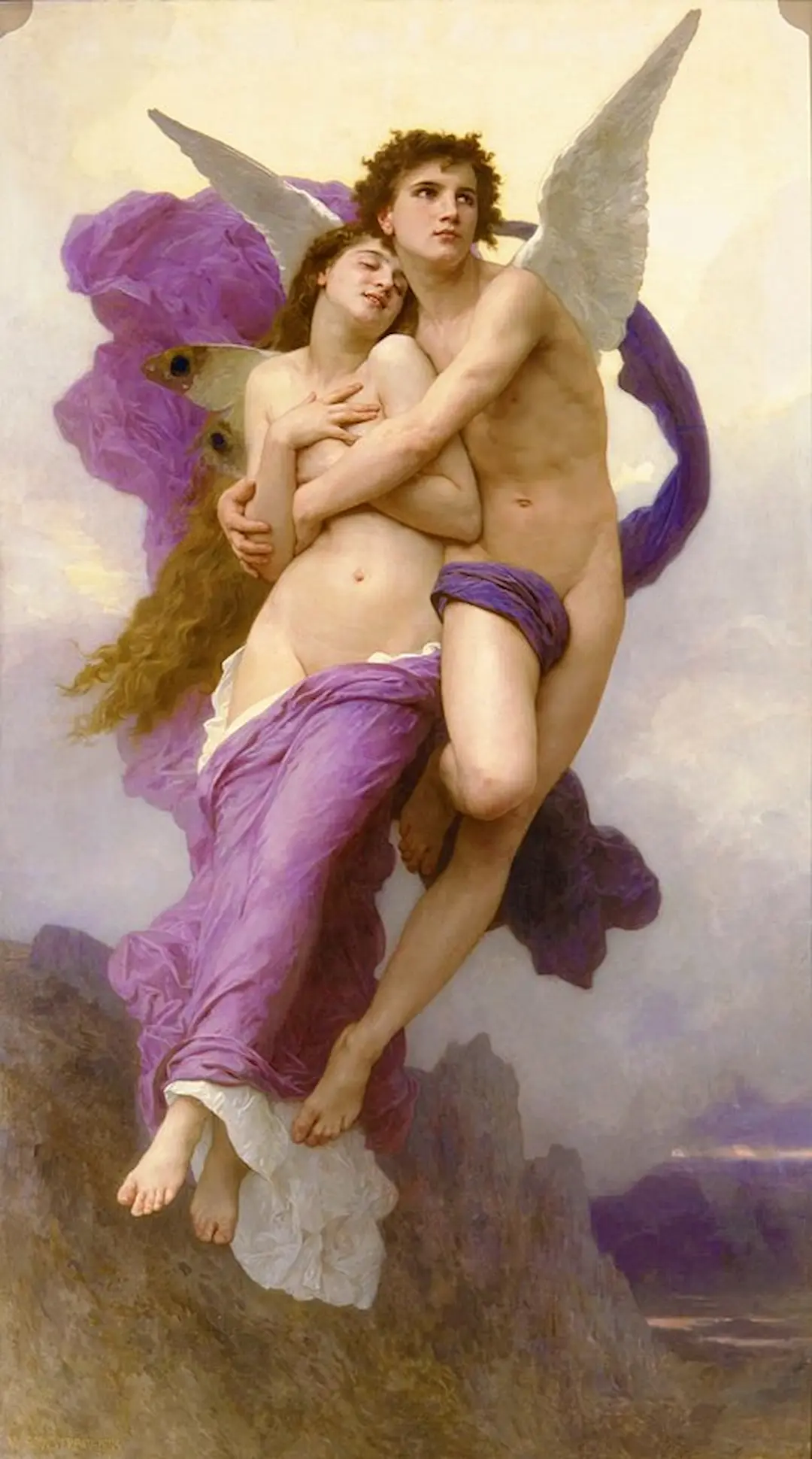
Owning "Disdain" by William-Adolphe Bouguereau is a unique opportunity for art enthusiasts to acquire a remarkable hand-painted oil painting from the Academic Classicism movement. Collectors seeking a standout piece will appreciate its historical significance and aesthetic appeal. Those interested in expanding their collection might also consider related products, including "Jacob receiving Joseph's bloody coat" and "Le Ravissement de Psyche (The Rapture of Psyche)," each contributing to a distinguished portfolio of classic fine art.
When Art Meets History
"Disdain" by William-Adolphe Bouguereau stands as a remarkable example of Academic Classicism, a movement celebrated for its technical mastery and idealized forms. Painted in the late 19th century, this hand-painted oil painting reflects Bouguereau’s dedication to classical themes and lifelike representation. The piece shares a legacy with other works like "Cimabue's Celebrated Madonna" and "Venus Rising," situating it among the most revered artworks of its era and making it a cherished artifact of art history.
Techniques That Speak
Bouguereau’s "Disdain" showcases his extraordinary skill with oil on canvas, a medium that allows for subtle gradations and exquisite detail. The smooth, almost photographic quality of the skin tones and the delicate rendering of fabric highlight the artist’s technical prowess. This mastery is also evident in related paintings such as "Springtime" and "The Duel After the Masquerade," all exemplifying the meticulous approach to composition and form that defines the Academic Classicism movement.
Emotions on Display
In "Disdain," Bouguereau captures a powerful emotional moment, inviting viewers to interpret the subject’s attitude and inner world. The expressive face and poised gesture evoke a sense of aloofness, characteristic of the artist’s ability to convey deep feeling through subtle cues. Like "Arnaut And Two Whippets By" and "Depicts An Albanian Wearing A Fustanella In Egypt," this fine art painting for sale continues to move audiences with its emotional resonance and timeless beauty.
Coveted by Collectors
"Disdain" remains highly sought after among art enthusiasts and collectors for its historical significance and masterful execution. The painting’s association with William-Adolphe Bouguereau and the Academic Classicism movement adds to its allure, placing it alongside masterpieces like "Venus Rising" and "The Duel After the Masquerade." As a hand-painted oil painting, it represents both artistic achievement and a valuable investment, making it a prized addition to any distinguished collection.
Related Academic Classicism Hand-Painted Oil Paintings by Other Artists
Other Famous Academic Classicism Artists:
Frequently Asked Questions About Disdain
What is the historical context of "Disdain"?
"Disdain" was created in the late 19th century, a period marked by the rise of realism and the decline of romanticism in art. Bouguereau's work reflects the academic traditions of the time, focusing on human emotion and the beauty of the human form.
What artistic techniques did Bouguereau use in "Disdain"?
Bouguereau employed traditional techniques such as chiaroscuro to create depth and realism. His meticulous attention to detail and mastery of oil painting allowed him to render textures and skin tones with remarkable accuracy.
What is the significance of the title "Disdain"?
The title "Disdain" suggests a complex emotional response, possibly reflecting themes of superiority or contempt. This emotional depth invites viewers to explore the character's inner world and the societal norms of the time.
How does "Disdain" reflect Bouguereau's artistic philosophy?
Bouguereau believed in the importance of beauty and the human experience. "Disdain" exemplifies his philosophy by portraying a moment of emotional intensity, emphasizing the beauty of the figure while conveying a powerful narrative.
What themes are explored in "Disdain"?
The painting explores themes of emotion, social hierarchy, and the complexity of human relationships. The expression of disdain can be interpreted as a commentary on societal expectations and personal identity.
What is the composition of "Disdain"?
The composition of "Disdain" is carefully arranged to draw the viewer's eye to the central figure. The use of diagonal lines and contrasting colors enhances the emotional impact and directs focus to the subject's expression.
How does Bouguereau's style in "Disdain" compare to his other works?
In "Disdain," Bouguereau's signature realism and attention to detail are evident, similar to his other works. However, this piece stands out due to its strong emotional expression and the complexity of the subject's pose and gaze.
What role does symbolism play in "Disdain"?
Symbolism in "Disdain" is evident in the subject's posture and facial expression, which convey a sense of superiority or contempt. The painting invites interpretation of the underlying social commentary regarding class and human emotion.
What influence did "Disdain" have on later artists?
"Disdain" exemplifies the academic style that influenced many artists in the late 19th and early 20th centuries. Bouguereau's focus on emotion and realism paved the way for subsequent movements that emphasized the human experience in art.
Where can I view "Disdain" today?
"Disdain" is part of the collection at various art institutions. For current exhibition details, please check the gallery's schedule or contact us for more information on viewing opportunities.






















_GFM_Painting_(1).webp)


 100% Hand-Painted: Finished in 3-6 Weeks

.png)













.webp)
.webp)
.webp)



_(1).webp)