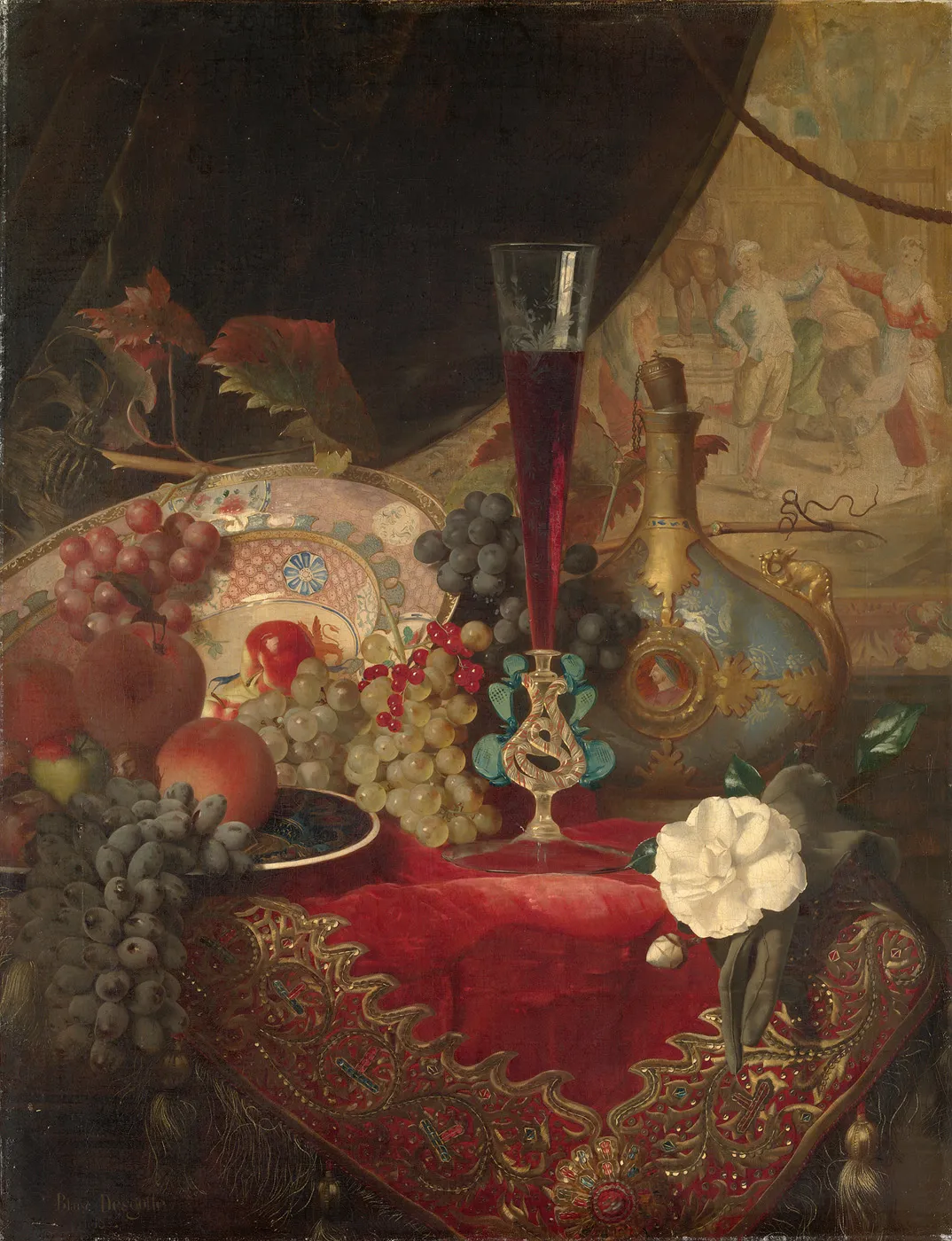
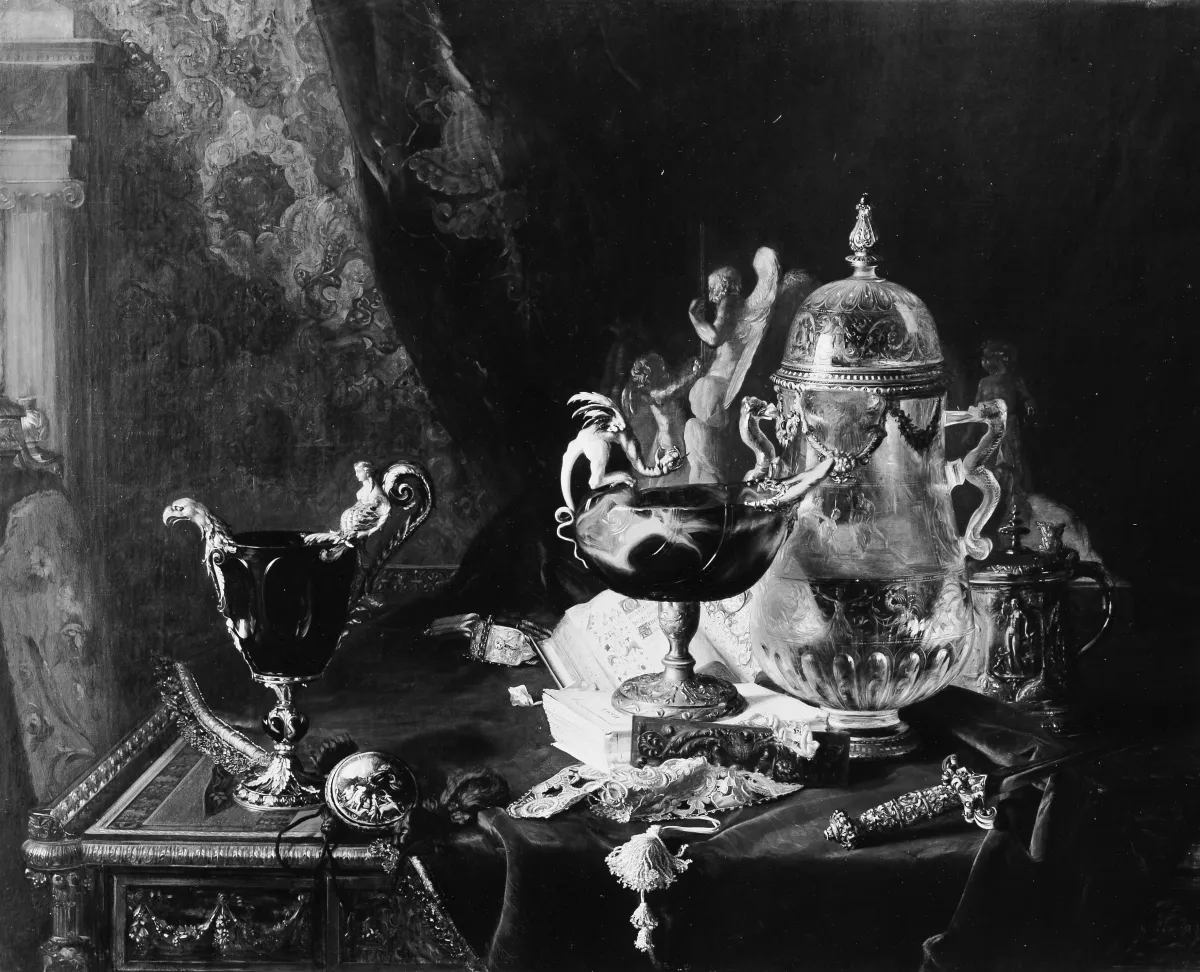
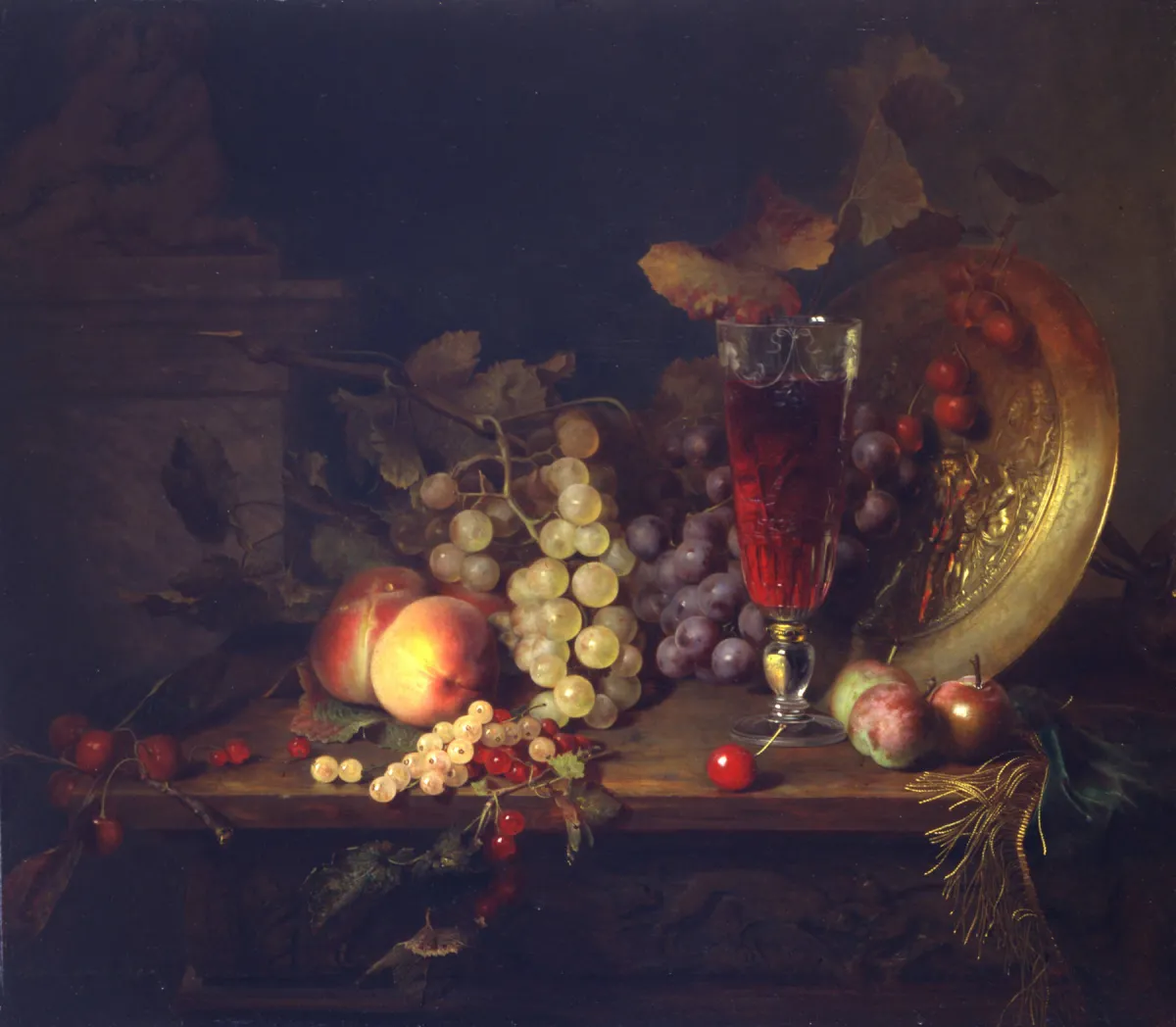
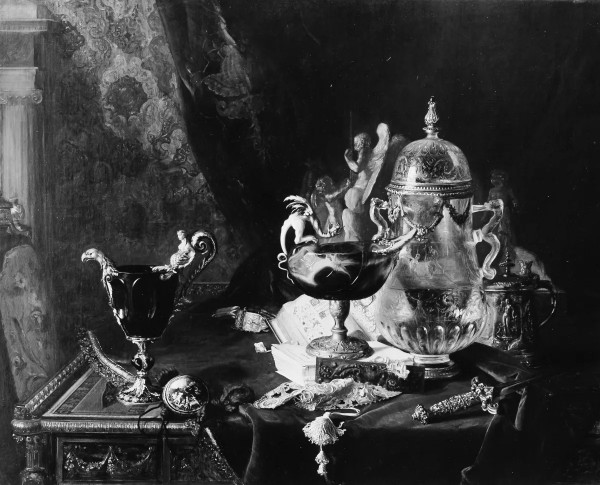
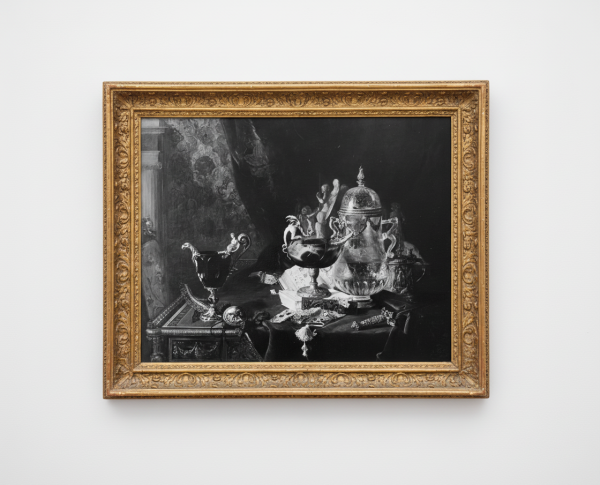
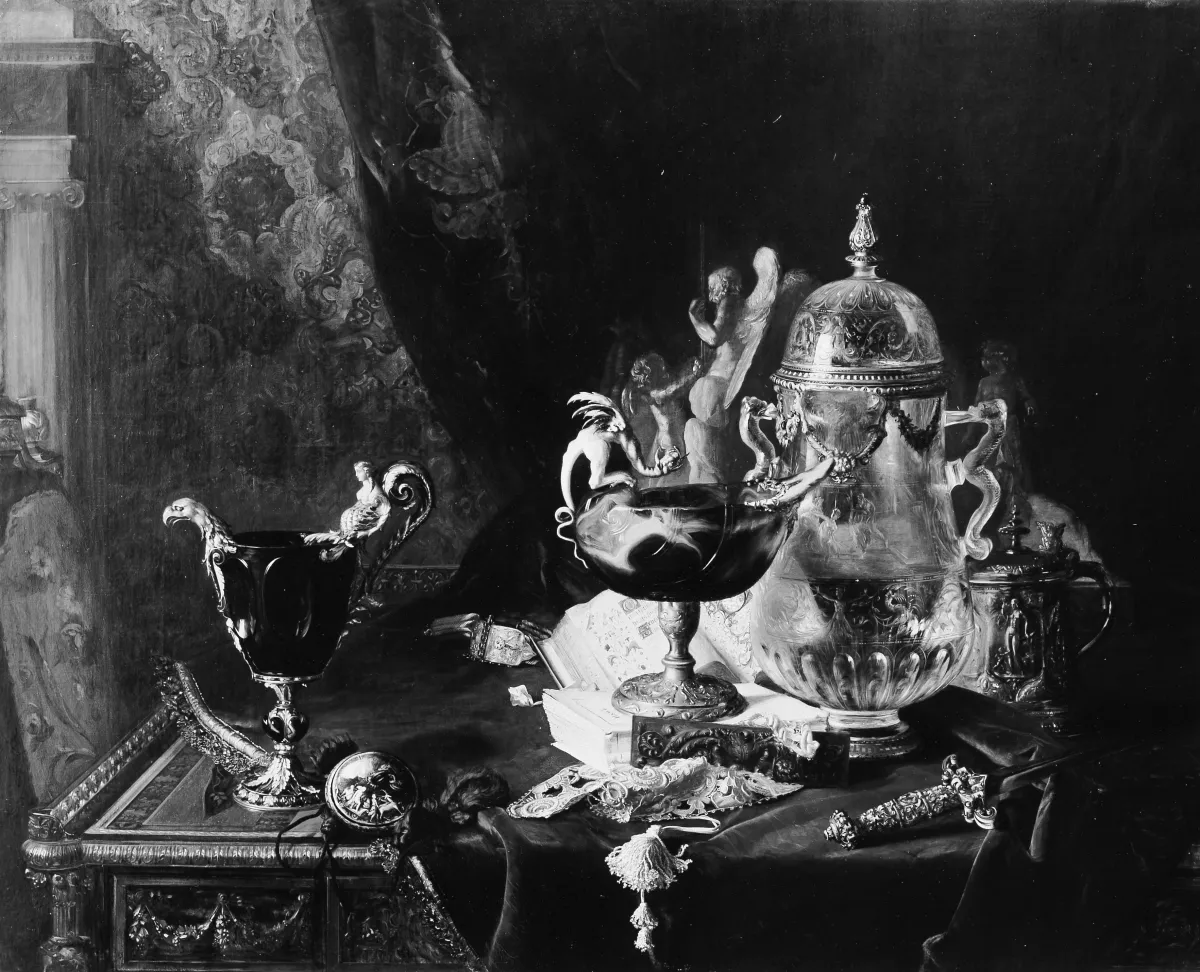
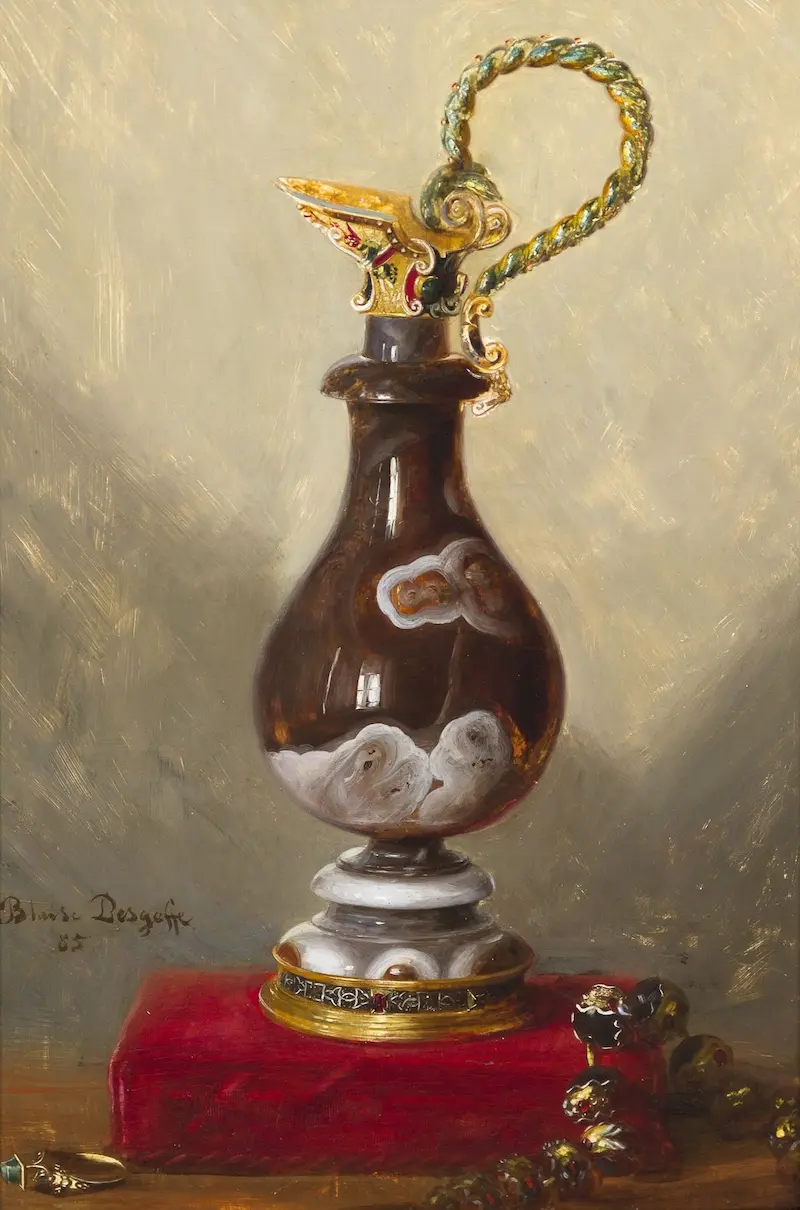
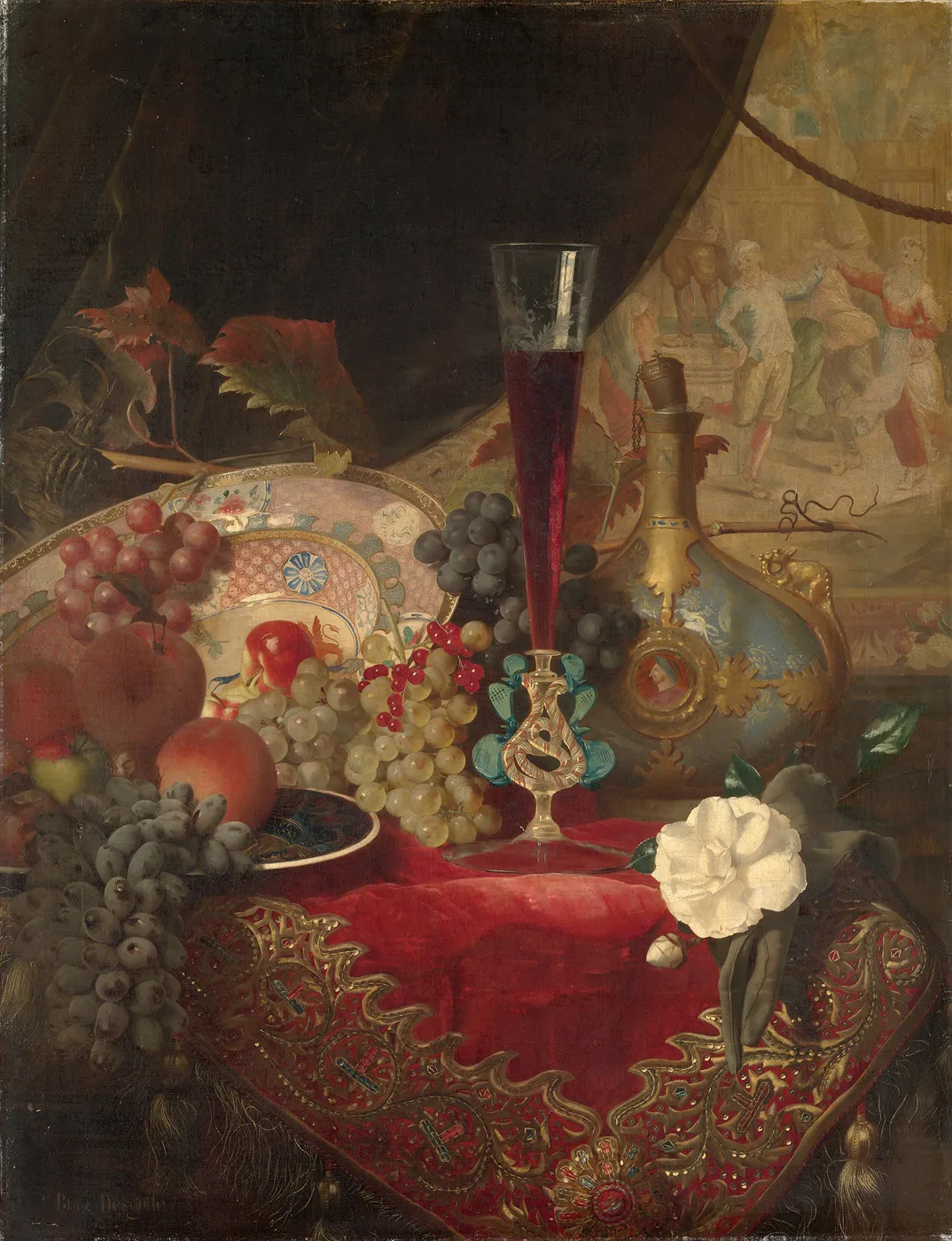
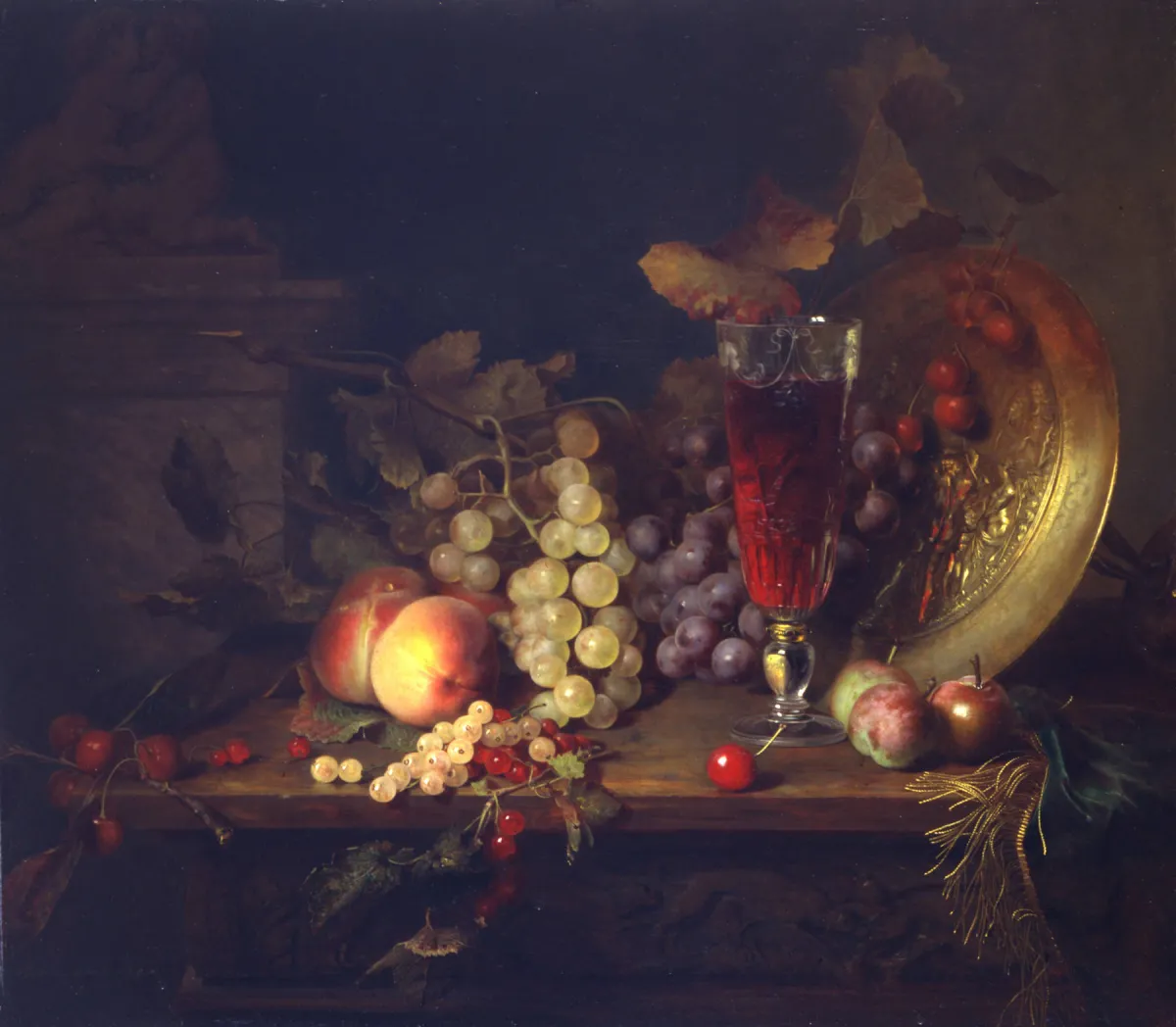
Blaise Alexandre Desgoffe’s impeccable technique is evident in every detail of "Objects of Art from the Louvre." This exquisite oil on canvas composition showcases his ability to render textures, reflections, and delicate surfaces with remarkable precision. As a leading figure in Academic Art, Desgoffe’s mastery invites viewers to marvel at his skill. Collectors interested in similar works might also appreciate the Vase of améthyste from the 16th-century or Still Life with Fruit and Venetian Glass on a Table.
Within "Objects of Art from the Louvre," each carefully chosen object tells a story, reflecting both personal and cultural significance. This fine art painting for sale encourages viewers to explore the symbolism behind each artifact, from ornate vases to precious glassware. Desgoffe’s thoughtful arrangement echoes the Academic Art movement’s emphasis on narrative and meaning. Complementary pieces like Fruit Still Life and the Crystal vase further enrich the storytelling woven throughout this masterful composition.
"Objects of Art from the Louvre" by Blaise Alexandre Desgoffe is a coveted addition for any discerning art enthusiast seeking a hand-painted oil painting of historical significance. Embodying the ideals of Academic Art, this masterpiece stands alongside related products such as Still Life with Fruit and Venetian Glass on a Table. Its timeless beauty and meticulous execution make it a prized collectible, perfect for those who appreciate the rich heritage of oil on canvas masterpieces.
When Art Meets History
"Objects of Art from the Louvre" by Blaise Alexandre Desgoffe is a remarkable piece within the Academic Art movement, capturing the grandeur of historical artifacts. This hand-painted oil painting not only showcases Desgoffe's technical mastery but also pays tribute to the rich collections of the Louvre. Similar in spirit to works like "General Gaston de Sonis" and "Love's Offering," Desgoffe's painting weaves history and artistry together, inviting viewers to explore the treasures of the past through his detailed vision.
Techniques That Speak
Blaise Alexandre Desgoffe’s expertise shines through in his oil on canvas technique, evident in every intricate detail of "Objects of Art from the Louvre." The Academic Art movement prized precision and realism, both of which are masterfully displayed in this painting. Desgoffe's approach can be compared to other fine works such as "Reunited," where meticulous brushwork and refined composition elevate each object and surface, making the viewer appreciate the artist's dedication to his craft.
Emotions on Display
Though rooted in the Academic Art tradition, "Objects of Art from the Louvre" by Blaise Alexandre Desgoffe evokes a quiet reverence for cultural heritage. This fine art painting for sale conveys a sense of awe and admiration for the carefully arranged antiquities. Similar emotional depth can be found in related paintings like "Love's Offering" and "Reunited," as Desgoffe and his contemporaries invite viewers to connect with the beauty and significance of artistic legacy.
Coveted by Collectors
Collectors of Academic Art highly value "Objects of Art from the Louvre" by Blaise Alexandre Desgoffe for its historical resonance and technical excellence. The oil on canvas masterpiece stands alongside related paintings such as "General Gaston de Sonis" as a testament to refined taste and appreciation for classic artistry. As a hand-painted oil painting, it remains a sought-after addition for those who cherish the enduring allure of museum-quality works.
Related Academic Art Hand-Painted Oil Paintings by Other Artists
Other Famous Academic Art Artists:
Frequently Asked Questions About Objects of Art from the Louvre
What is the historical context of "Objects of Art from the Louvre"?
This painting was created during a time when the Louvre was transitioning from a royal palace to a public museum, reflecting the growing appreciation for art and culture in the 19th century.
Who is Blaise Alexandre Desgoffe and what is his significance in art history?
Blaise Alexandre Desgoffe was a French painter known for his still lifes and genre scenes, contributing to the artistic movements of his time, particularly in the realm of realism and the depiction of everyday objects.
What artistic techniques are employed in this painting?
Desgoffe utilized techniques such as chiaroscuro and meticulous detailing to enhance the realism of the objects, creating a sense of depth and texture that invites viewers to engage with the artwork.
What symbols are present in "Objects of Art from the Louvre"?
The objects depicted in the painting symbolize the cultural heritage and artistic achievements of humanity, emphasizing the importance of art as a reflection of society and history.
How does this painting reflect the values of the 19th century?
The painting embodies the 19th-century values of realism and the celebration of art as a means of education and enlightenment, showcasing the beauty and craftsmanship of the objects represented.
What is the significance of the Louvre as depicted in this artwork?
The Louvre serves as a symbol of artistic achievement and cultural preservation, representing the culmination of centuries of artistic endeavors and the democratization of art for public appreciation.
In what ways does "Objects of Art from the Louvre" challenge traditional artistic norms?
This painting challenges traditional norms by focusing on inanimate objects rather than human figures, inviting viewers to appreciate the artistry in everyday items and the stories they tell.
What role does light play in the composition of this painting?
Light plays a crucial role in highlighting the textures and forms of the objects, creating a dynamic interplay that draws the viewer's eye and enhances the overall aesthetic appeal of the composition.
How does the arrangement of objects contribute to the overall message of the painting?
The careful arrangement of objects suggests a narrative of cultural significance and artistic value, encouraging viewers to contemplate the relationship between art and the material world.
What impact did "Objects of Art from the Louvre" have on subsequent artists?
This painting influenced subsequent artists by demonstrating the potential of still life as a serious artistic genre, encouraging exploration of everyday objects and their deeper meanings in art.






















_GFM_Painting_(1).webp)


 100% Hand-Painted: Finished in 3-6 Weeks

.png)















_(1).webp)