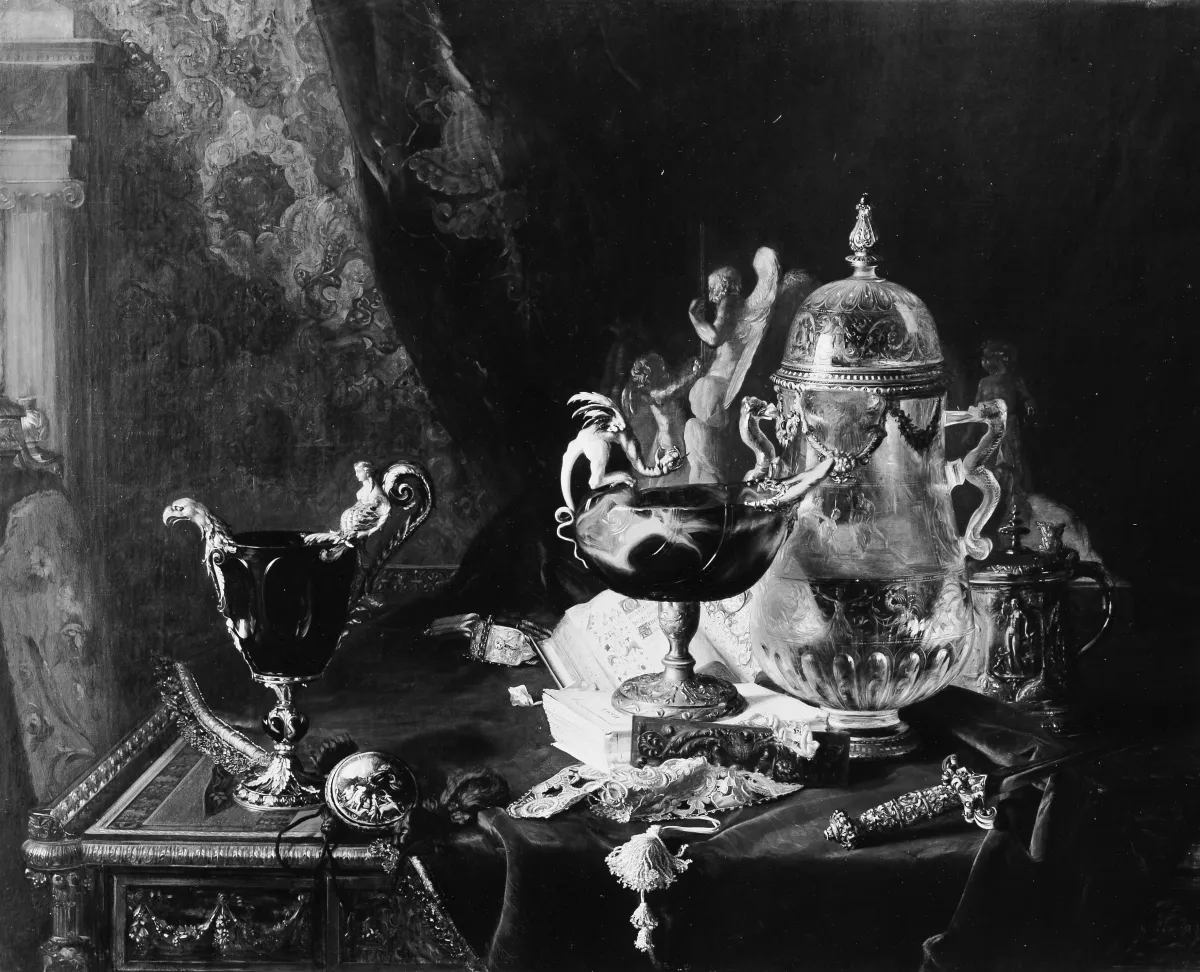
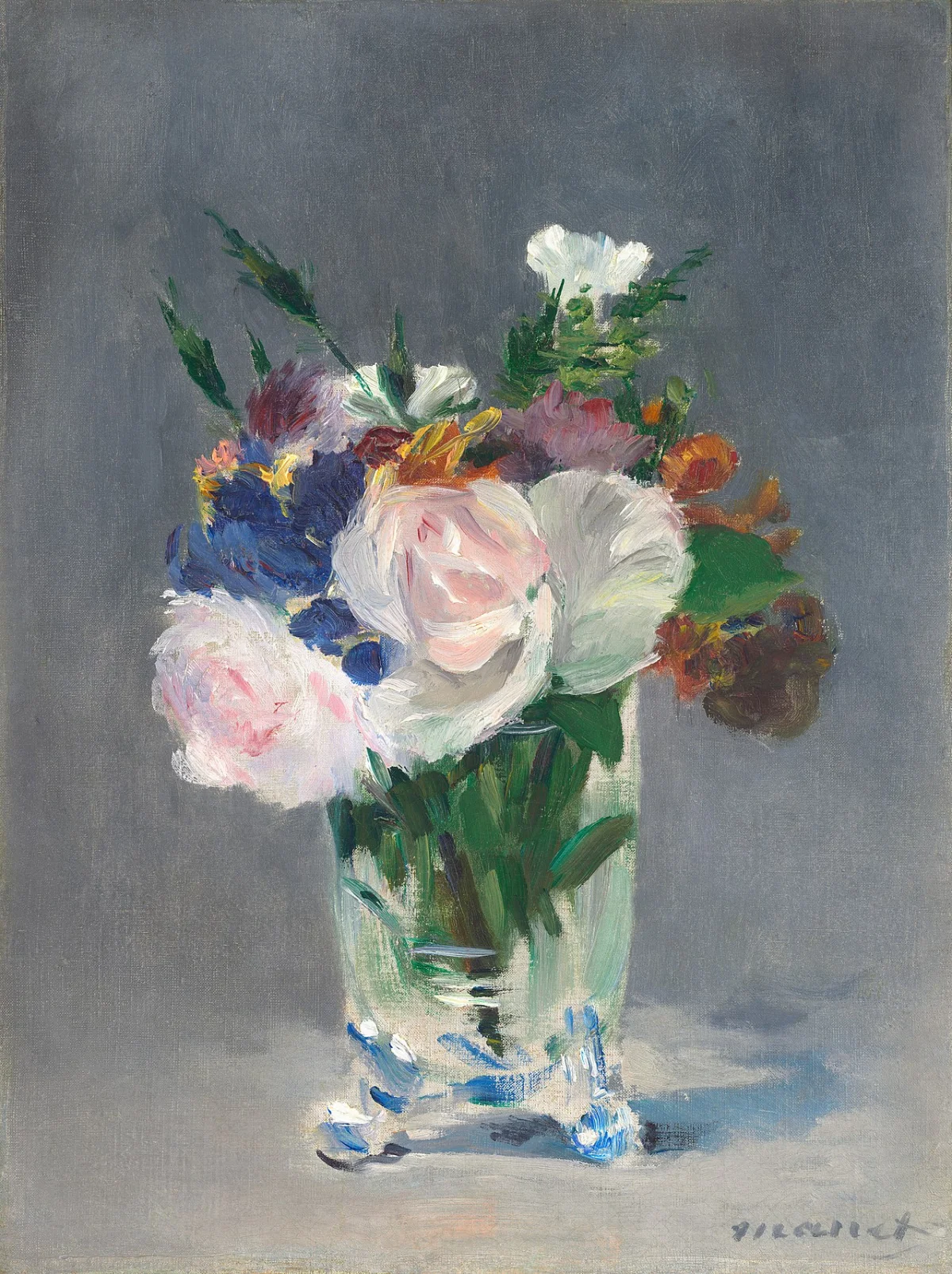
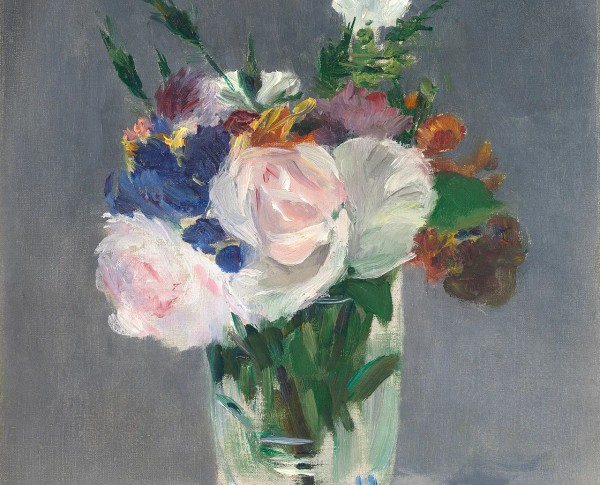
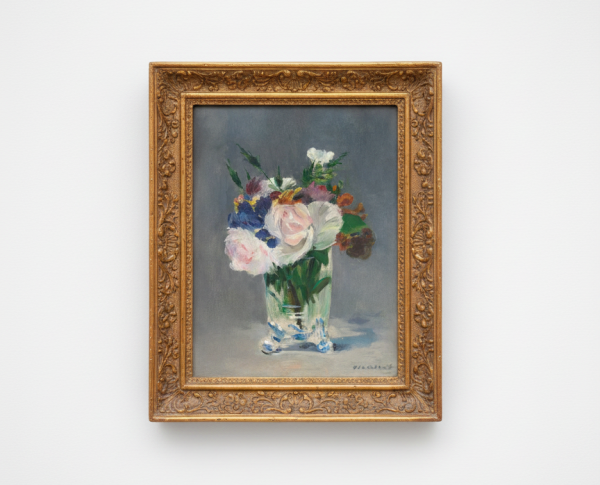
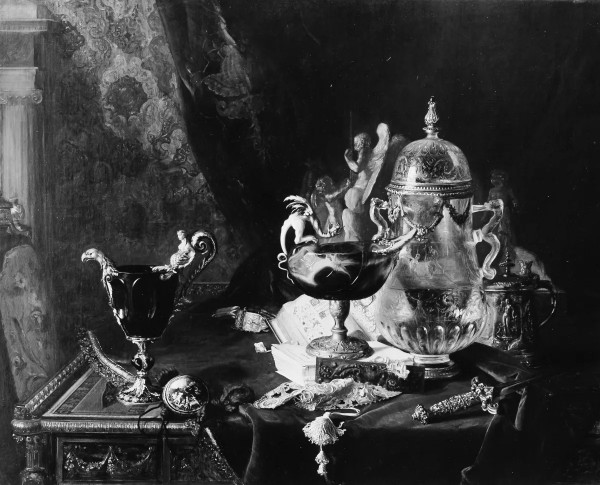
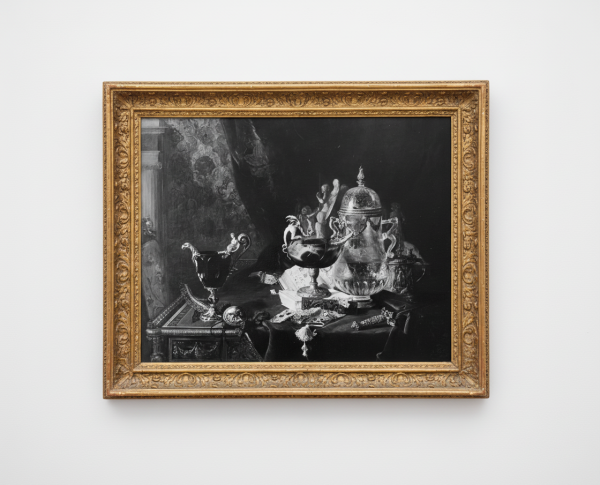
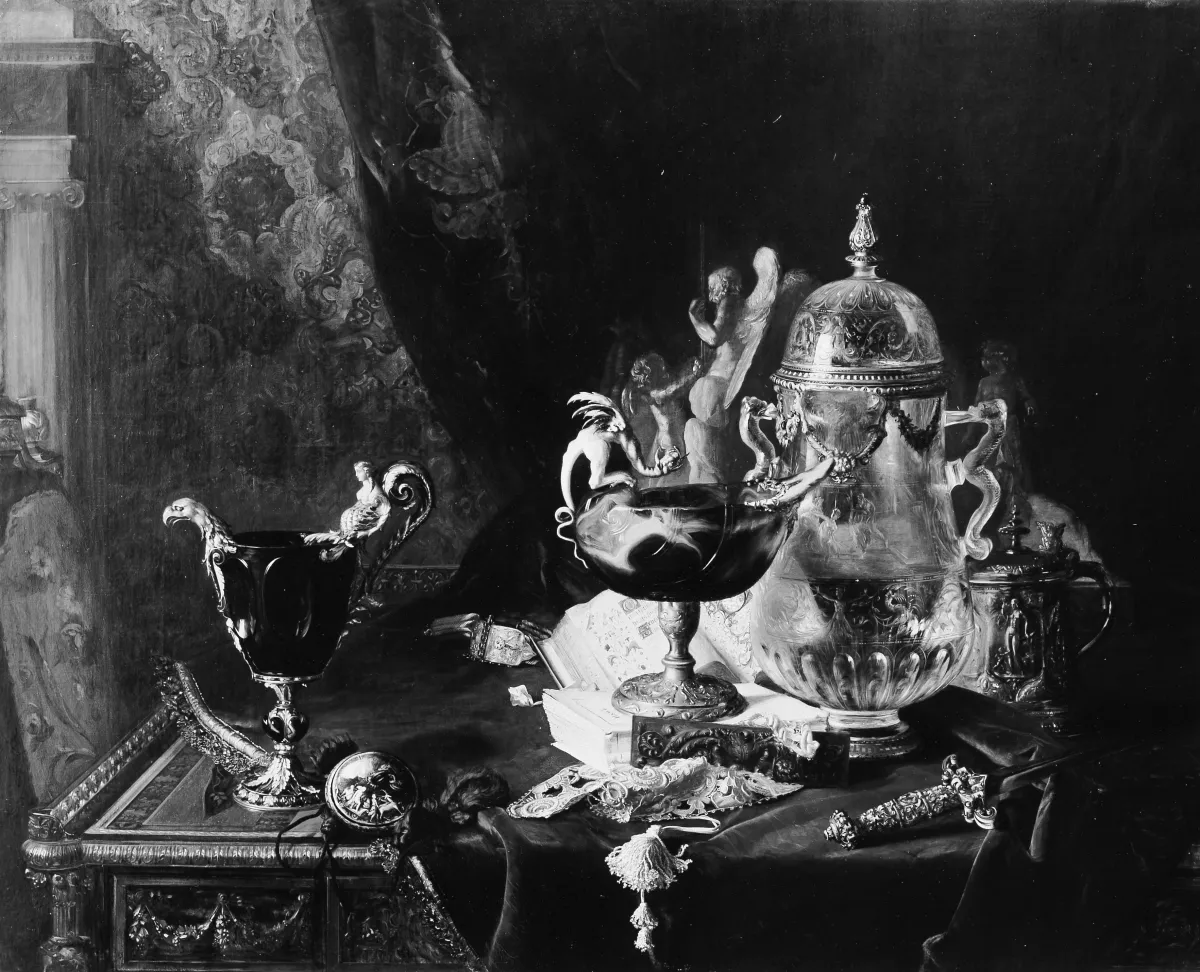
Blaise Alexandre Desgoffe’s "At the Louvre" exemplifies the meticulous technique and refined detail characteristic of Academic Art. Executed in oil on canvas, the painting reveals the artist’s dedication to realism and compositional harmony. The precision in each brushstroke mirrors the elegance found in related works like "Vase of améthyste from the 16th-century" and "Crystal vase." This oil on canvas masterpiece illustrates the movement’s commitment to both beauty and technical excellence.
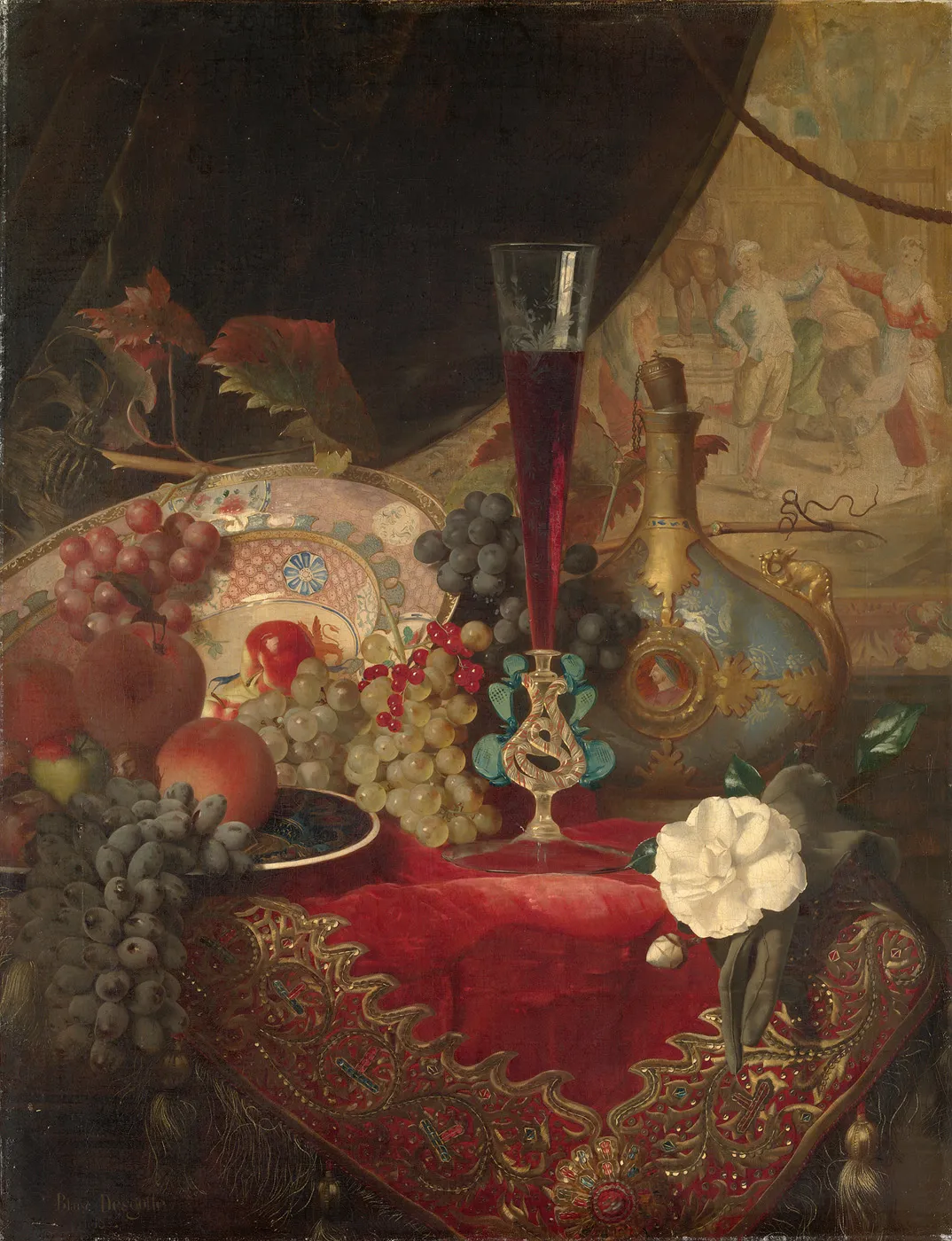
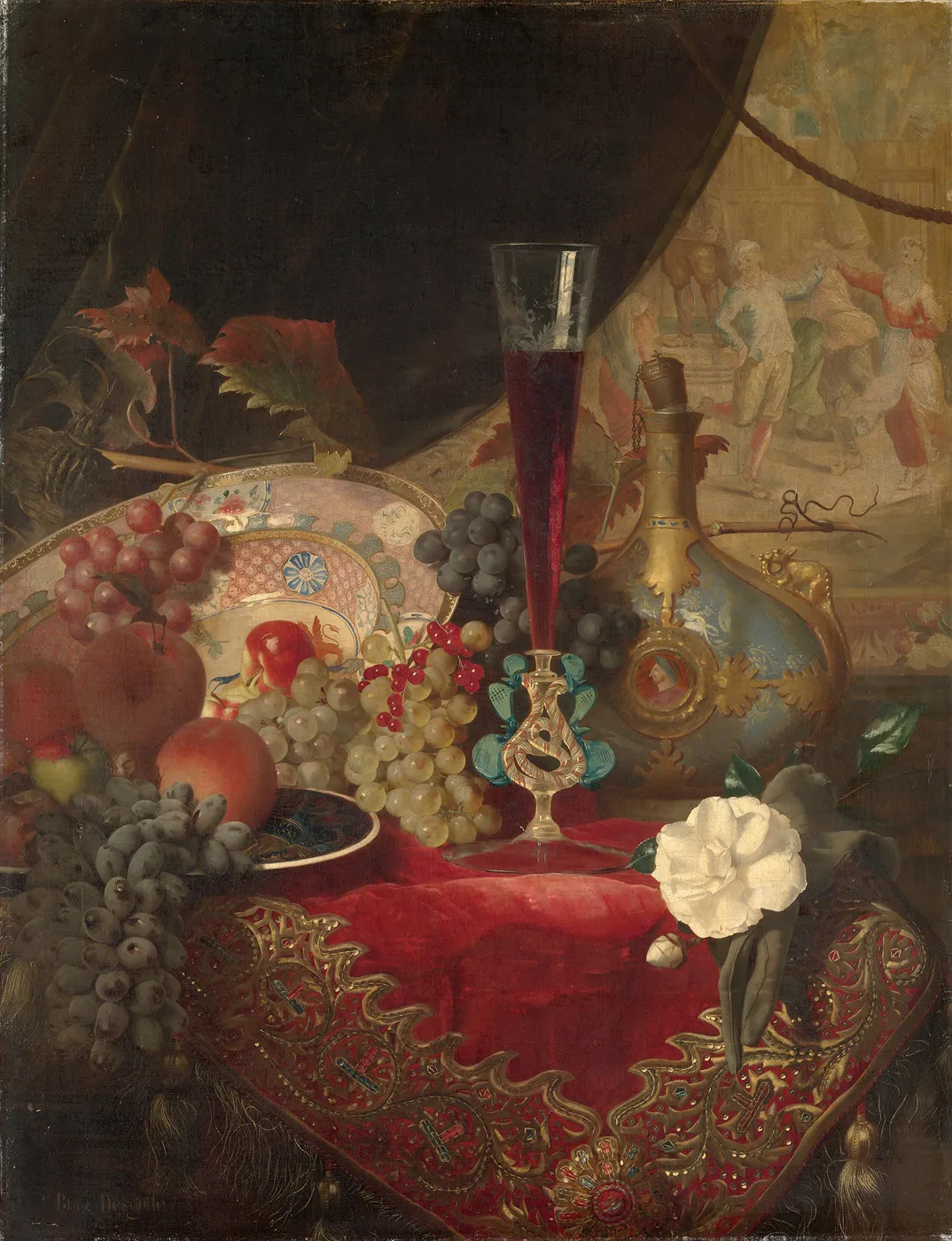
"At the Louvre" weaves a narrative through its careful arrangement of objects and light, inviting viewers to discover layered meanings within the scene. As a fine art painting for sale, it stands alongside symbolic still lifes such as "Still Life with Fruit and Venetian Glass on a Table." Desgoffe’s composition encourages contemplation of artistic heritage, with each element—much like those in serving as a subtle symbol of culture, knowledge, and artistic achievement.
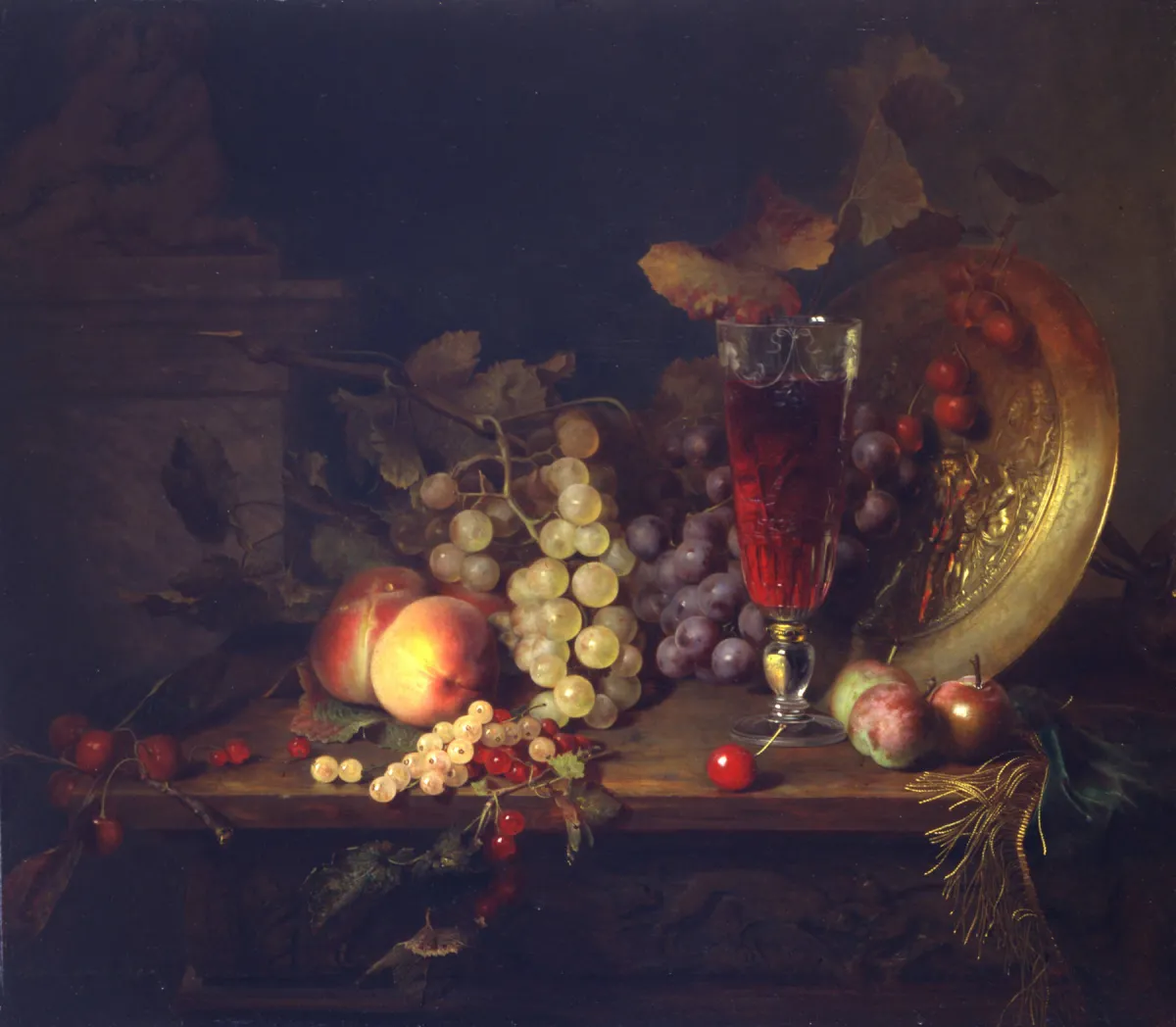
For collectors seeking a distinguished addition, "At the Louvre" by Blaise Alexandre Desgoffe offers a remarkable opportunity. This hand-painted oil painting from the Academic Art movement resonates with timeless elegance and scholarly allure. Whether displayed with "Fruit Still Life" or "Objects of Art from the Louvre," it becomes a centerpiece of any collection. The enduring appeal of Desgoffe’s work ensures its status as a sought-after fine art painting for sale in today’s discerning art market.
When Art Meets History
"At the Louvre" by Blaise Alexandre Desgoffe is a distinguished example of the Academic Art movement, capturing a moment steeped in cultural heritage. This hand-painted oil painting not only reflects the grandeur of the famed museum but also connects viewers to a pivotal era in art history. Desgoffe's attention to detail aligns with masterpieces like "Odalisque with a Fan" and "Battle of Auvours, 10 January 1871," making this work a vital link between past and present artistic achievements.
Techniques That Speak
Blaise Alexandre Desgoffe’s mastery is evident in his use of oil on canvas, a medium favored by Academic Art painters for its richness and depth. In "At the Louvre," Desgoffe demonstrates meticulous brushwork and precise composition, inviting comparisons with related paintings such as "A Beauty of Nature" and "The Truant." The artist’s layered technique creates a lifelike depiction, embodying the technical prowess that defines both his oeuvre and the larger Academic tradition.
Emotions on Display
Through "At the Louvre," Blaise Alexandre Desgoffe channels a sense of awe and reverence for art itself, a hallmark of the Academic Art movement. The painting’s serene atmosphere and poised figures evoke introspection and admiration, drawing the viewer into a contemplative experience. This fine art painting for sale resonates emotionally, much like Desgoffe’s "Odalisque" and other related works, offering a window into the profound connection between art, viewer, and history.
Coveted by Collectors
Collectors seeking a distinguished addition to their collection will find "At the Louvre" by Blaise Alexandre Desgoffe an outstanding choice. This hand-painted oil painting exemplifies the sophistication of Academic Art and stands alongside related masterpieces like "Odalisque with a Fan" and "The Truant." With its historical significance and technical brilliance, the painting is a coveted treasure, representing not just an artwork but a piece of art history available for discerning enthusiasts.
Related Academic Art Hand-Painted Oil Paintings by Other Artists
Other Famous Academic Art Artists:
Frequently Asked Questions About At the Louvre
What is the historical context of "At the Louvre"?
"At the Louvre" was created during a time when the Louvre was transitioning from a royal palace to a public museum, reflecting the cultural shifts in 19th-century France.
Who is the artist Blaise Alexandre Desgoffe?
Blaise Alexandre Desgoffe was a French painter known for his detailed and atmospheric works, often capturing the essence of Parisian life and culture in the 19th century.
What artistic techniques are employed in "At the Louvre"?
Desgoffe utilizes a combination of realism and impressionism, employing soft brush strokes and a rich color palette to evoke a sense of depth and movement within the scene.
What themes are explored in "At the Louvre"?
The painting explores themes of art appreciation, cultural heritage, and the relationship between the viewer and the artwork, highlighting the significance of the museum as a space for reflection.
What is the significance of the Louvre in the painting?
The Louvre symbolizes the pinnacle of artistic achievement and cultural history, serving as a backdrop that emphasizes the importance of art in society and its role in shaping collective memory.
How does "At the Louvre" reflect the social dynamics of its time?
The painting captures the diverse audience of the Louvre, showcasing a blend of social classes and backgrounds, which illustrates the democratization of art access during the 19th century.
What role does light play in "At the Louvre"?
Light is used masterfully in the painting to create a sense of atmosphere and focus, drawing the viewer's eye to specific elements and enhancing the overall emotional impact of the scene.
Are there any symbolic elements in "At the Louvre"?
Yes, the presence of various artworks within the painting serves as symbols of artistic legacy and the enduring power of creativity, inviting viewers to contemplate their own relationship with art.
What impact did "At the Louvre" have on contemporary art?
The painting contributed to the dialogue surrounding the role of museums in society, influencing future artists to consider the viewer's experience and the context of art within public spaces.
How does "At the Louvre" compare to other works by Desgoffe?
While Desgoffe's other works often focus on still life and landscapes, "At the Louvre" stands out for its dynamic composition and engagement with the viewer, showcasing his versatility as an artist.






















_GFM_Painting_(1).webp)


 100% Hand-Painted: Finished in 3-6 Weeks

.png)















_(1).webp)