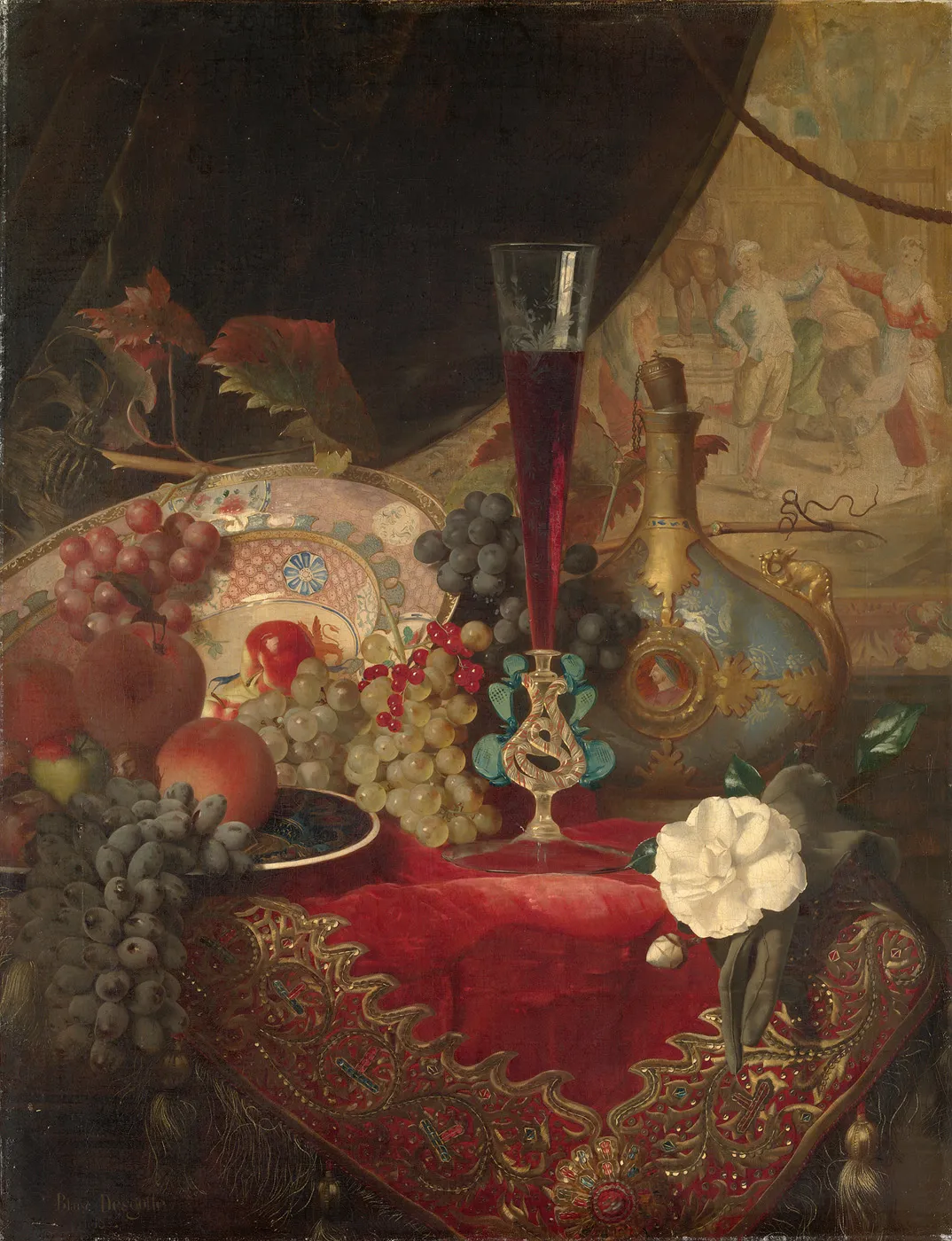
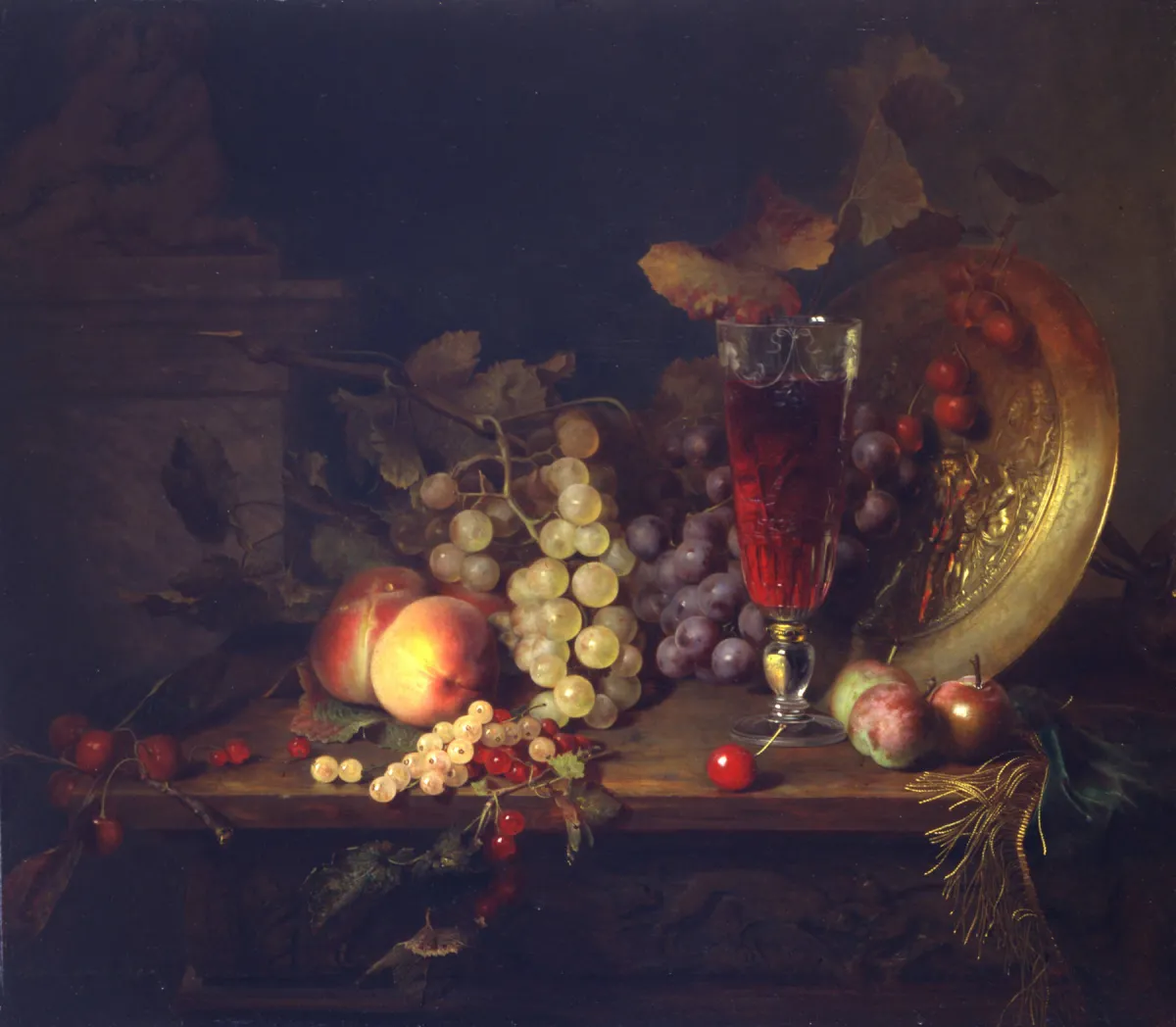
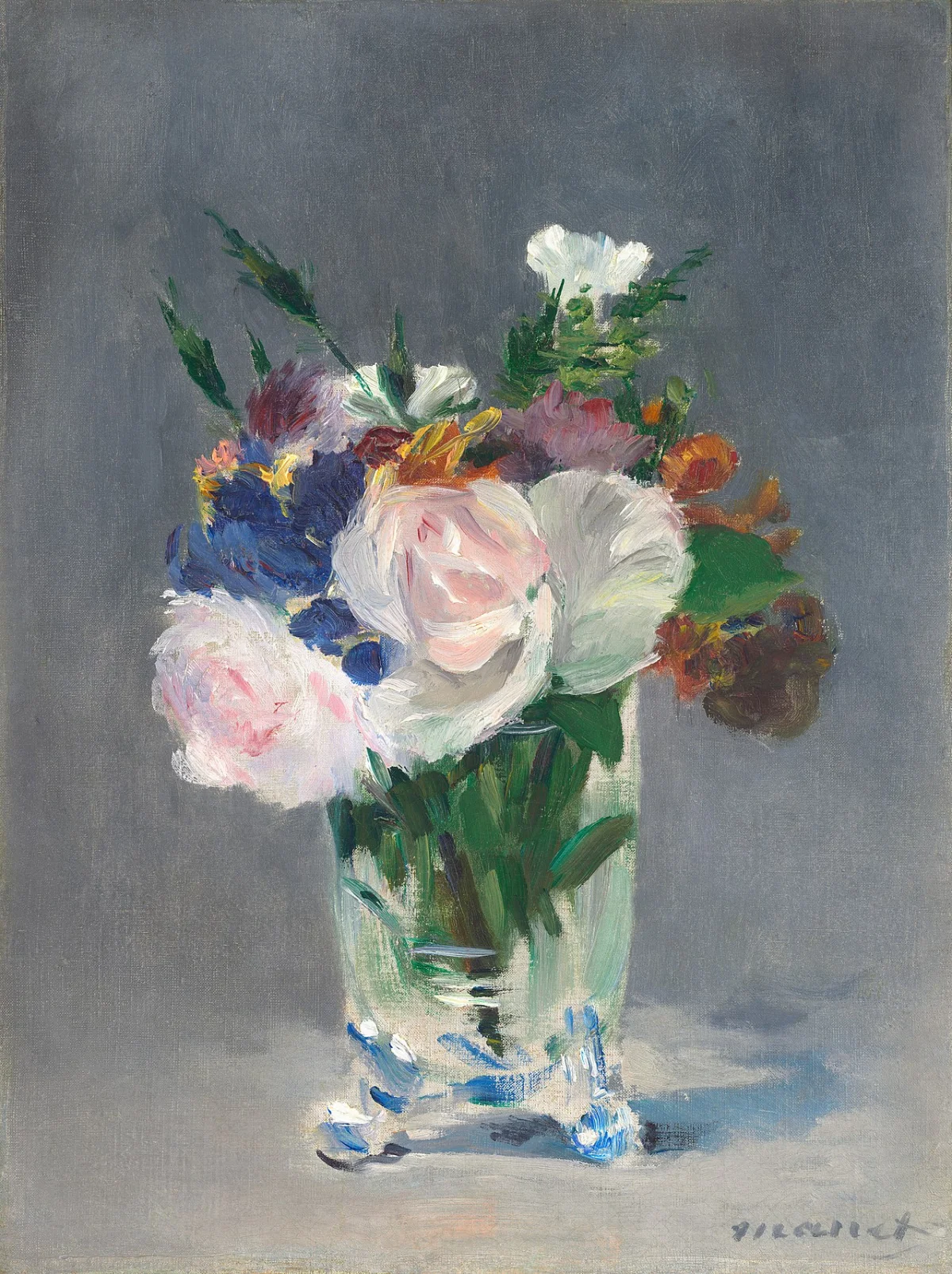
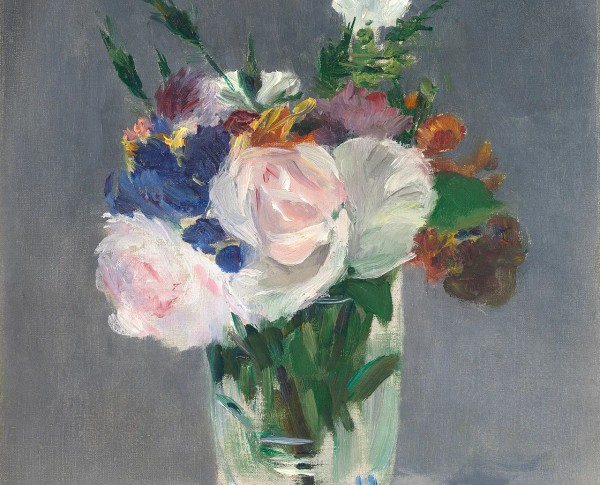
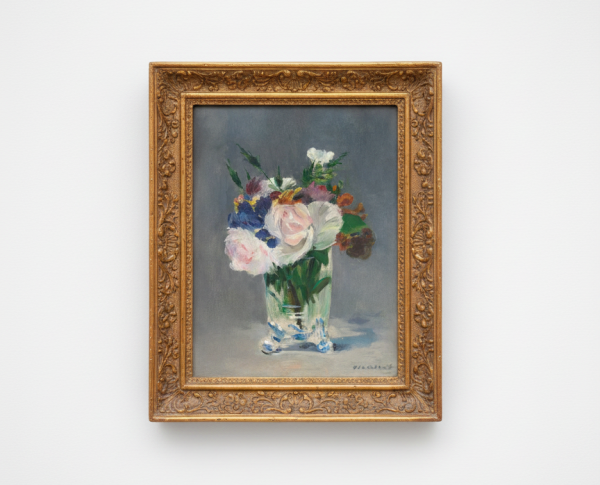
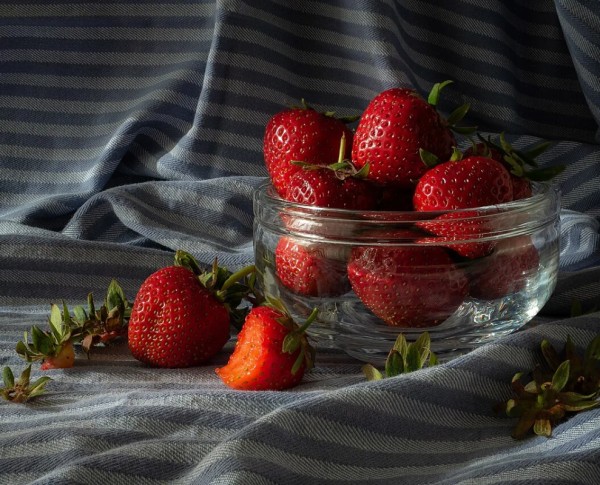
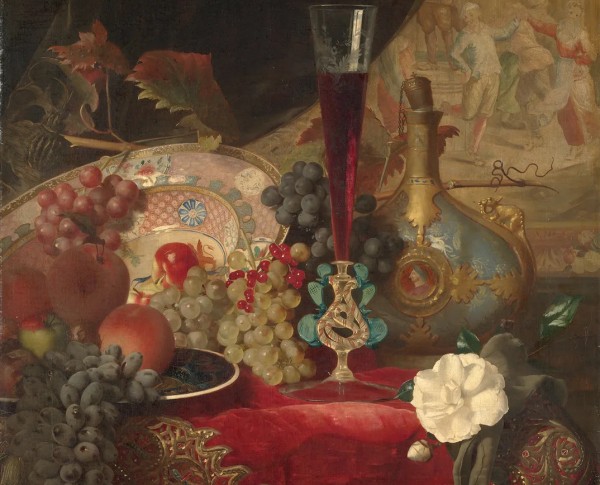
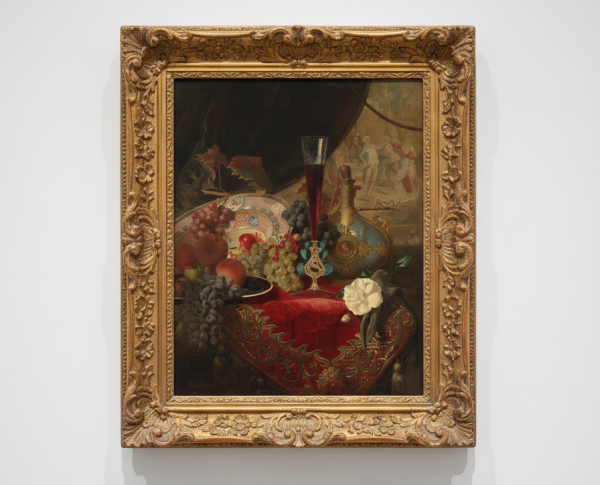
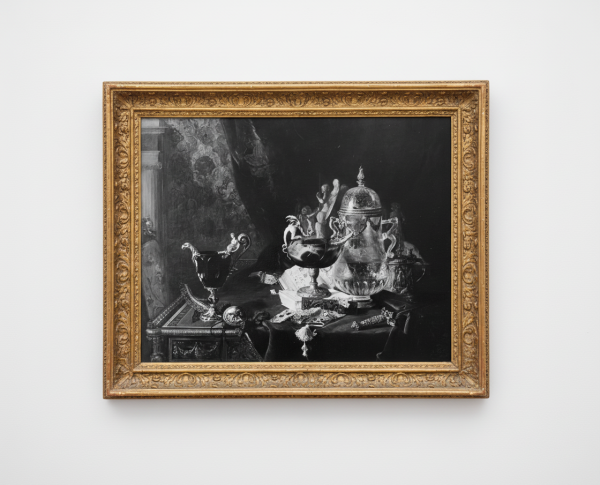
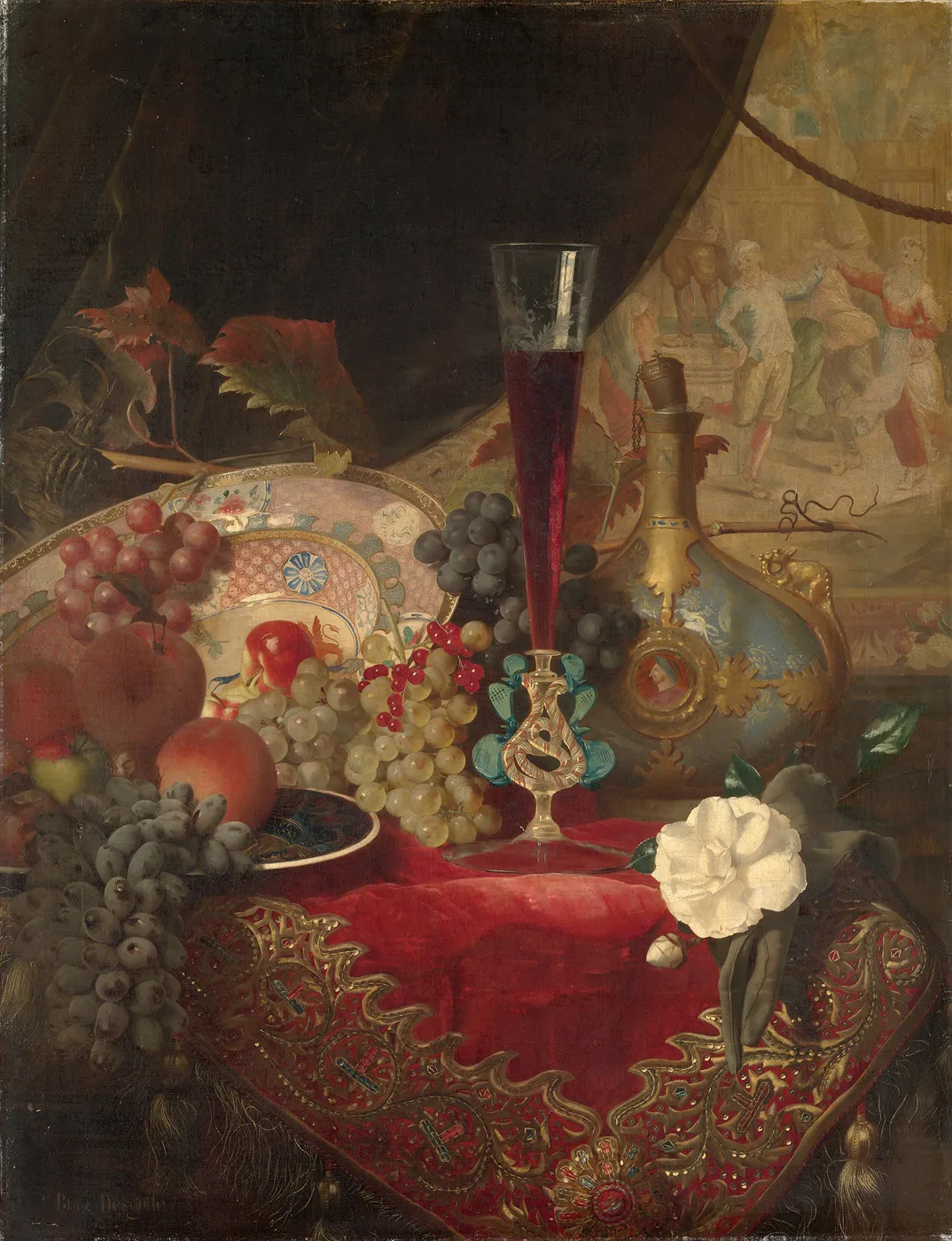
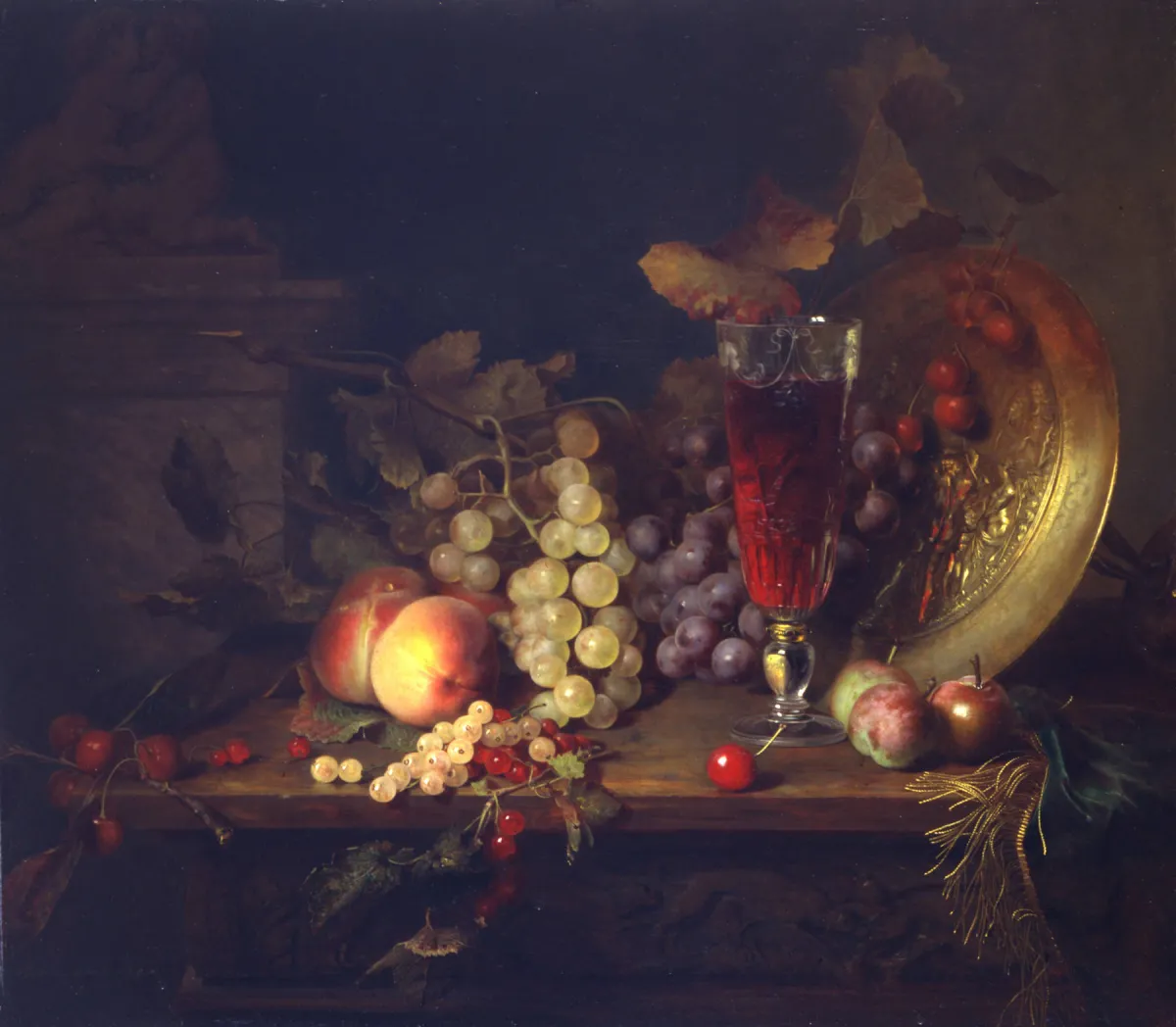
Desgoffe’s technique in this oil on canvas reveals his academic training and exceptional skill. The intricate rendering of fruit and glassware demonstrates his commitment to lifelike representation, a hallmark of the Academic Art movement. "Still Life with Fruit and Venetian Glass on a Table" is celebrated for its luminous textures and harmonious composition. Collectors seeking a fine art painting for sale often reference similar works, including Fruit Still Life, for their timeless appeal.
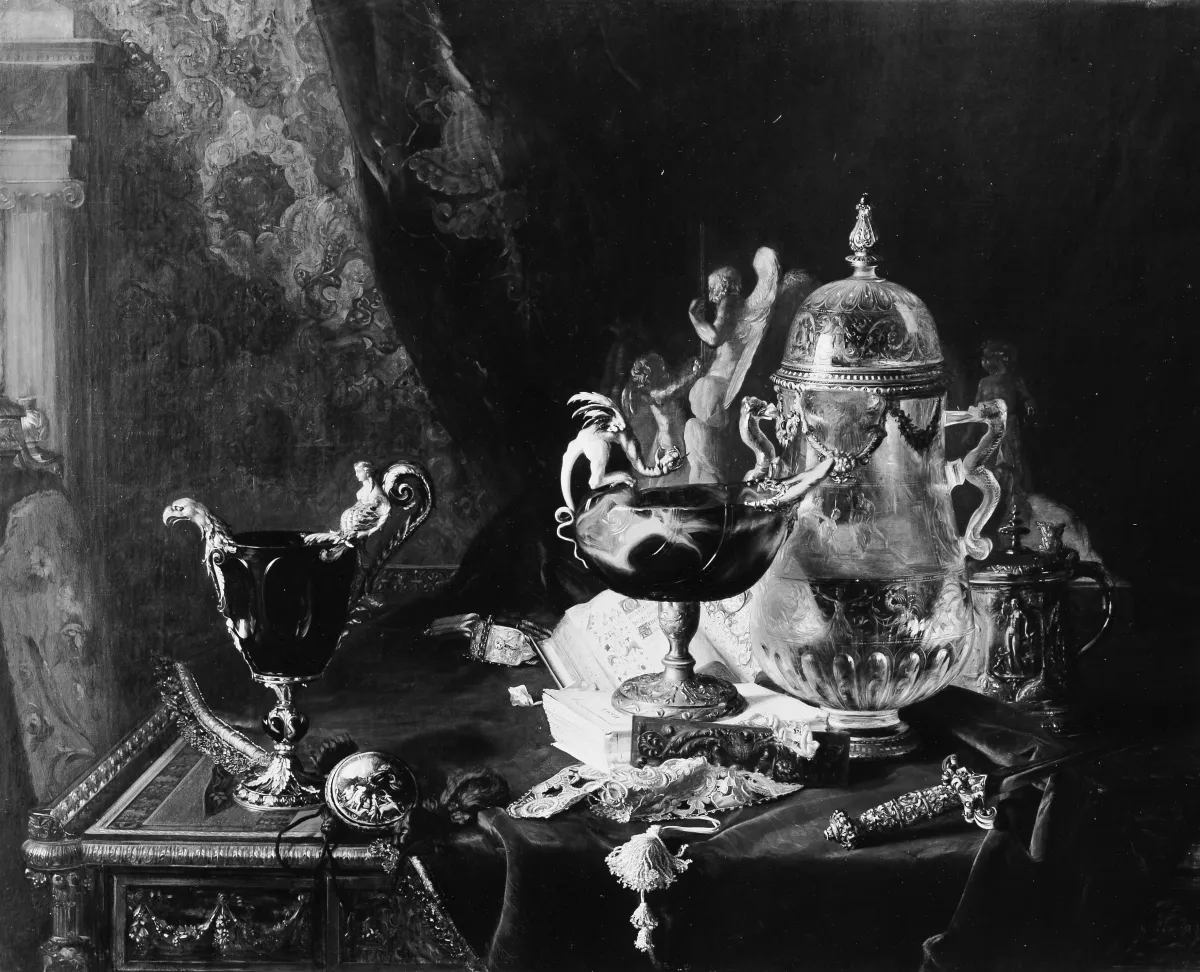
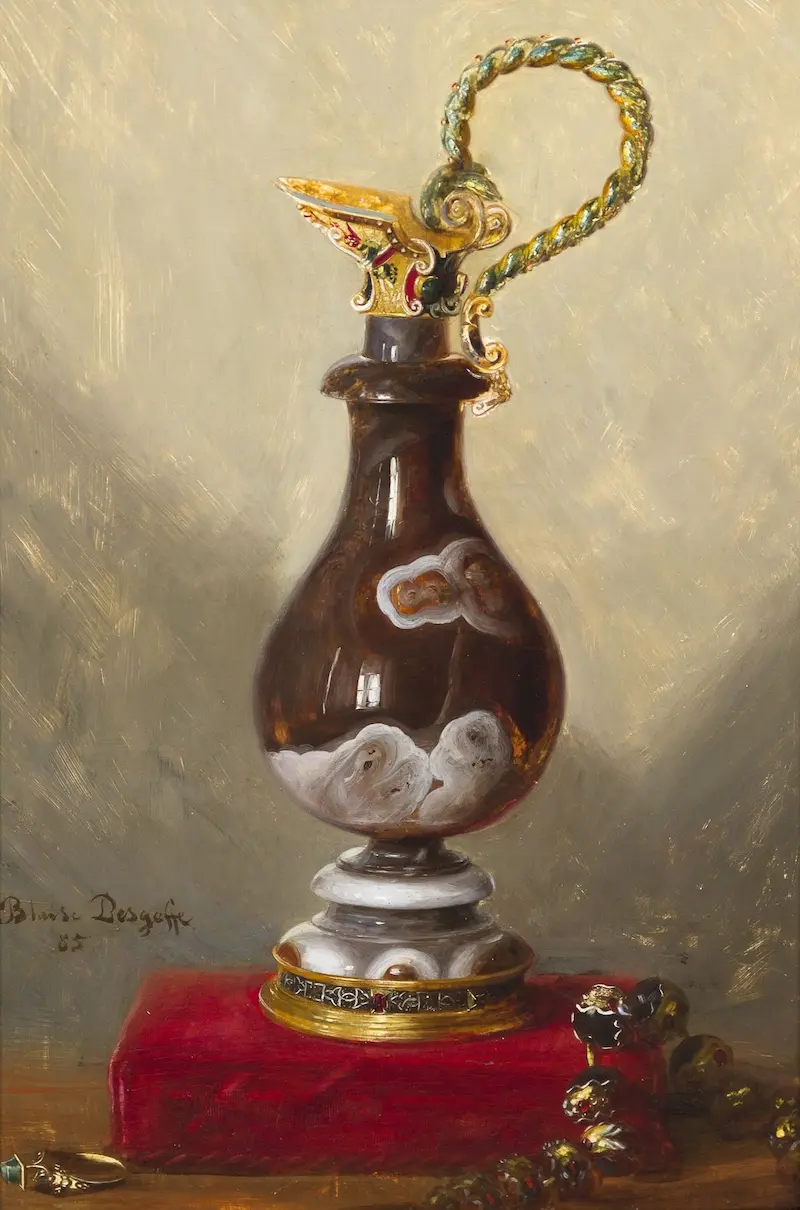
Beyond its surface beauty, this hand-painted oil painting weaves a tapestry of symbolism. The lush fruit and delicate Venetian glass are not mere objects but evoke abundance, luxury, and the fleeting nature of life—a common theme in Academic Art. Blaise Alexandre Desgoffe imbues each element with meaning, inviting viewers to ponder the stories within. Related products like the Crystal vase and Vase of améthyste from the 16th-century share this symbolic richness.
For art collectors, "Still Life with Fruit and Venetian Glass on a Table" is more than an oil on canvas; it is a cherished acquisition. This fine art painting for sale offers a glimpse into the refined world of 19th-century Academic Art, showcasing Desgoffe’s legacy. Enthusiasts often pair such works with related pieces like Fruit Still Life , creating a curated collection that celebrates the enduring allure of expertly crafted still lifes.
When Art Meets History
"Still Life with Fruit and Venetian Glass on a Table" by Blaise Alexandre Desgoffe is a shining example of the Academic Art movement. This hand-painted oil painting captures the elegance and precision that defined 19th-century French artistry. Desgoffe, known for works like "A Nymph by a Fountain" and "Study for the Head of an Angel in Saint Isidore," expertly blends tradition and innovation, making this piece a valuable window into the era’s refined aesthetic and cultural sensibilities.
Techniques That Speak
Blaise Alexandre Desgoffe’s mastery is evident in his use of oil on canvas, where each brushstroke brings life to fruit and Venetian glass. The painting’s luminous textures and meticulous detailing are hallmarks of Academic Art, similar to his other celebrated works such as "The Awakening of Psyche." His skillful handling of light and shadow creates a sense of realism that continues to influence fine art painters and inspire admiration among connoisseurs and students alike.
Emotions on Display
Desgoffe’s "Still Life with Fruit and Venetian Glass on a Table" evokes a quiet sense of opulence and serenity, hallmarks of a fine art painting for sale that appeals to collectors. The careful arrangement of objects invites viewers to contemplate beauty in the everyday, much like in "General Gaston de Sonis." Through Academic Art’s disciplined techniques, Desgoffe infuses his still life with subtle emotion, transforming simple subjects into a poetic celebration of life’s fleeting pleasures.
Coveted by Collectors
Collectors are drawn to Blaise Alexandre Desgoffe’s works, including this exquisite oil on canvas, for their timeless appeal and technical brilliance. "Still Life with Fruit and Venetian Glass on a Table" stands proudly among his notable paintings, alongside "Vercingetorix throws down his arms at the feet of Julius Caesar, 1899." As part of the Academic Art movement, such pieces are highly sought after, often featured as fine art painting for sale in prestigious galleries and private collections worldwide.
Related Academic Art Hand-Painted Oil Paintings by Other Artists
Other Famous Academic Art Artists:
Frequently Asked Questions About Still Life with Fruit and Venetian Glass on a Table
What is the historical context of "Still Life with Fruit and Venetian Glass on a Table"?
This painting was created during the late 19th century, a period marked by a resurgence of interest in classical themes and techniques in art. Blaise Alexandre Desgoffe was part of a movement that sought to blend realism with the decorative qualities of still life, reflecting the artistic trends of his time.
What artistic techniques did Desgoffe employ in this painting?
Desgoffe utilized a meticulous approach to detail, employing techniques such as chiaroscuro to create depth and realism. The careful arrangement of light and shadow enhances the three-dimensionality of the objects, while the vibrant colors evoke a sense of richness and abundance.
What is the significance of the fruit depicted in the painting?
The fruit in the painting symbolizes abundance, fertility, and the transience of life. In the context of still life, these elements serve as a reminder of nature's bounty and the fleeting nature of beauty and existence.
How does Venetian glass contribute to the overall theme of the painting?
Venetian glass represents luxury and craftsmanship, enhancing the painting's theme of opulence. Its inclusion signifies the intersection of art and fine craftsmanship, elevating the still life genre by incorporating elements that reflect cultural sophistication.
What role does composition play in this artwork?
The composition of "Still Life with Fruit and Venetian Glass on a Table" is carefully orchestrated, guiding the viewer's eye across the canvas. The arrangement of objects creates a harmonious balance, drawing attention to both the fruit and the glass, while also creating a sense of intimacy within the scene.
What influences did Desgoffe draw from other artistic movements?
Desgoffe was influenced by the Dutch Golden Age of painting, particularly in his attention to detail and use of light. Additionally, the Impressionist movement's focus on color and atmosphere can be seen in his vibrant palette and the way he captures the play of light on surfaces.
What does the arrangement of objects suggest about the artist's intentions?
The deliberate arrangement of the fruit and glass suggests a contemplation of beauty and the sensory experience of viewing art. It invites the viewer to appreciate the interplay between natural forms and human-made objects, reflecting a dialogue between nature and culture.
How does this painting reflect the values of the society in which it was created?
This painting reflects the 19th-century values of appreciation for craftsmanship, beauty, and the domestic sphere. The focus on still life suggests a celebration of everyday objects, elevating them to the status of fine art and reflecting a growing interest in the aesthetics of the home.
What emotions does "Still Life with Fruit and Venetian Glass on a Table" evoke?
The painting evokes feelings of warmth, nostalgia, and tranquility. The rich colors and serene composition create an inviting atmosphere, encouraging viewers to pause and reflect on the beauty of the moment captured in time.
In what ways does this painting exemplify the still life genre?
This artwork exemplifies the still life genre through its focus on inanimate objects, meticulous detail, and symbolic representation. It captures the essence of still life by inviting contemplation of the beauty and significance of everyday items, while also showcasing the artist's technical skill.






















_GFM_Painting_(1).webp)


 100% Hand-Painted: Finished in 3-6 Weeks

.png)















_(1).webp)