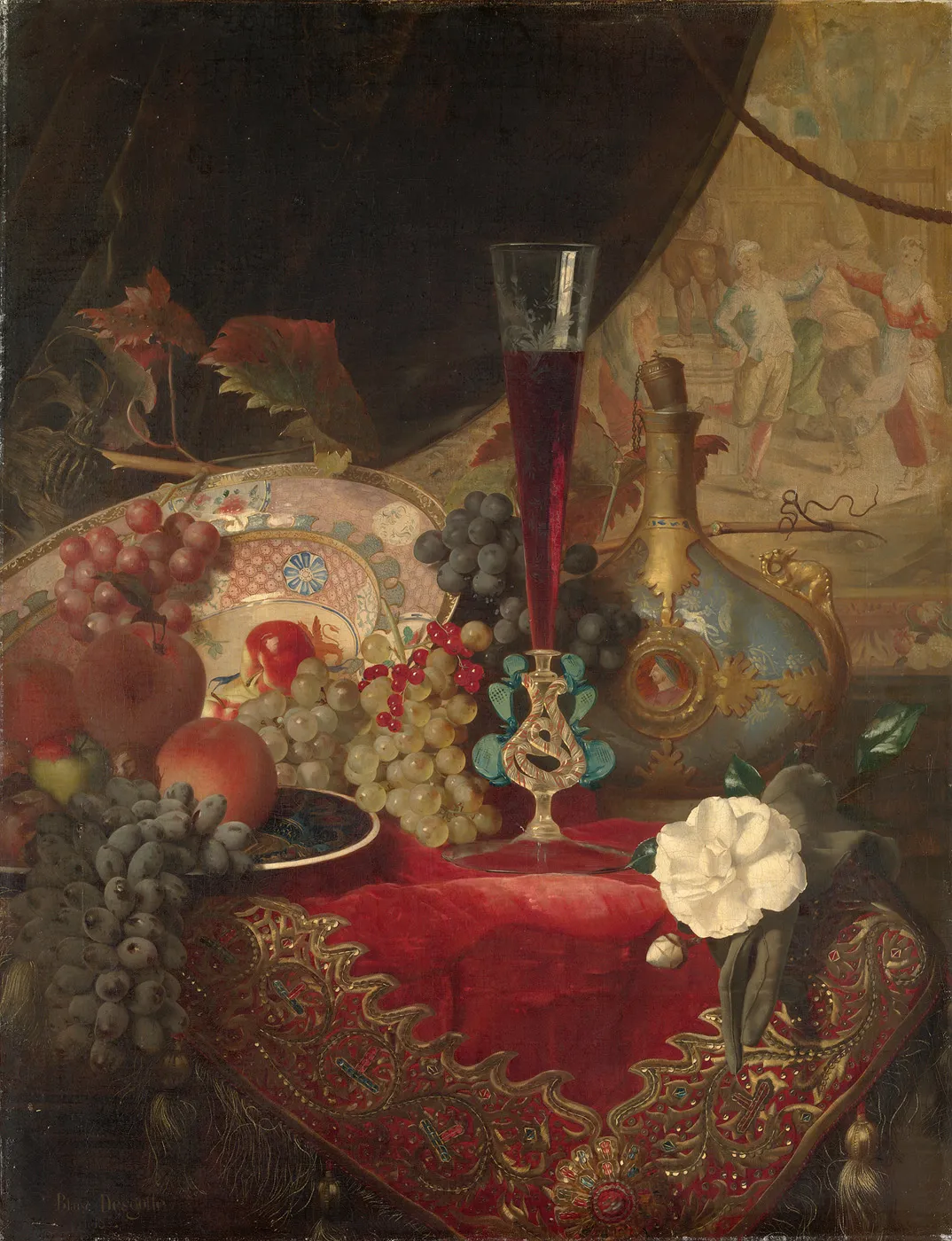
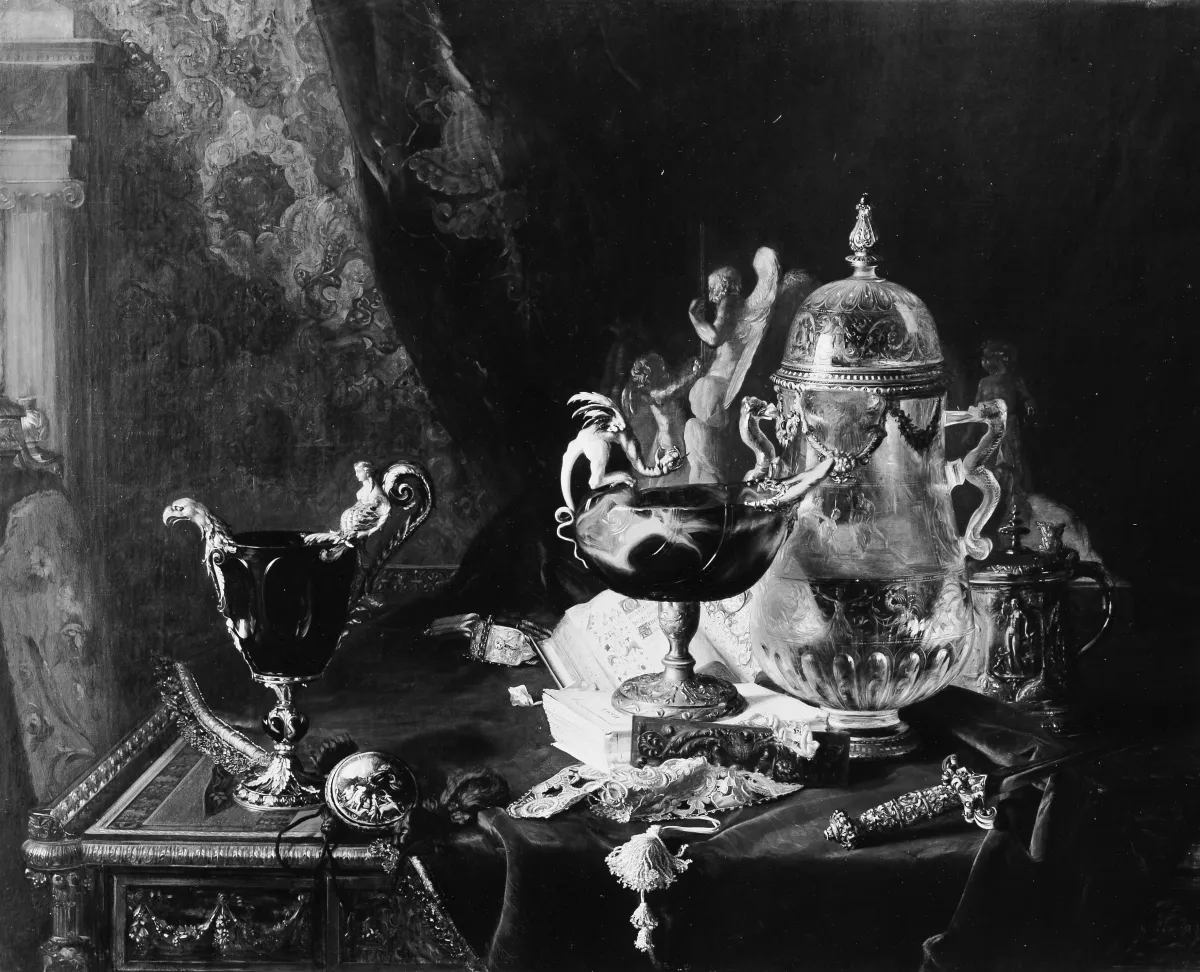
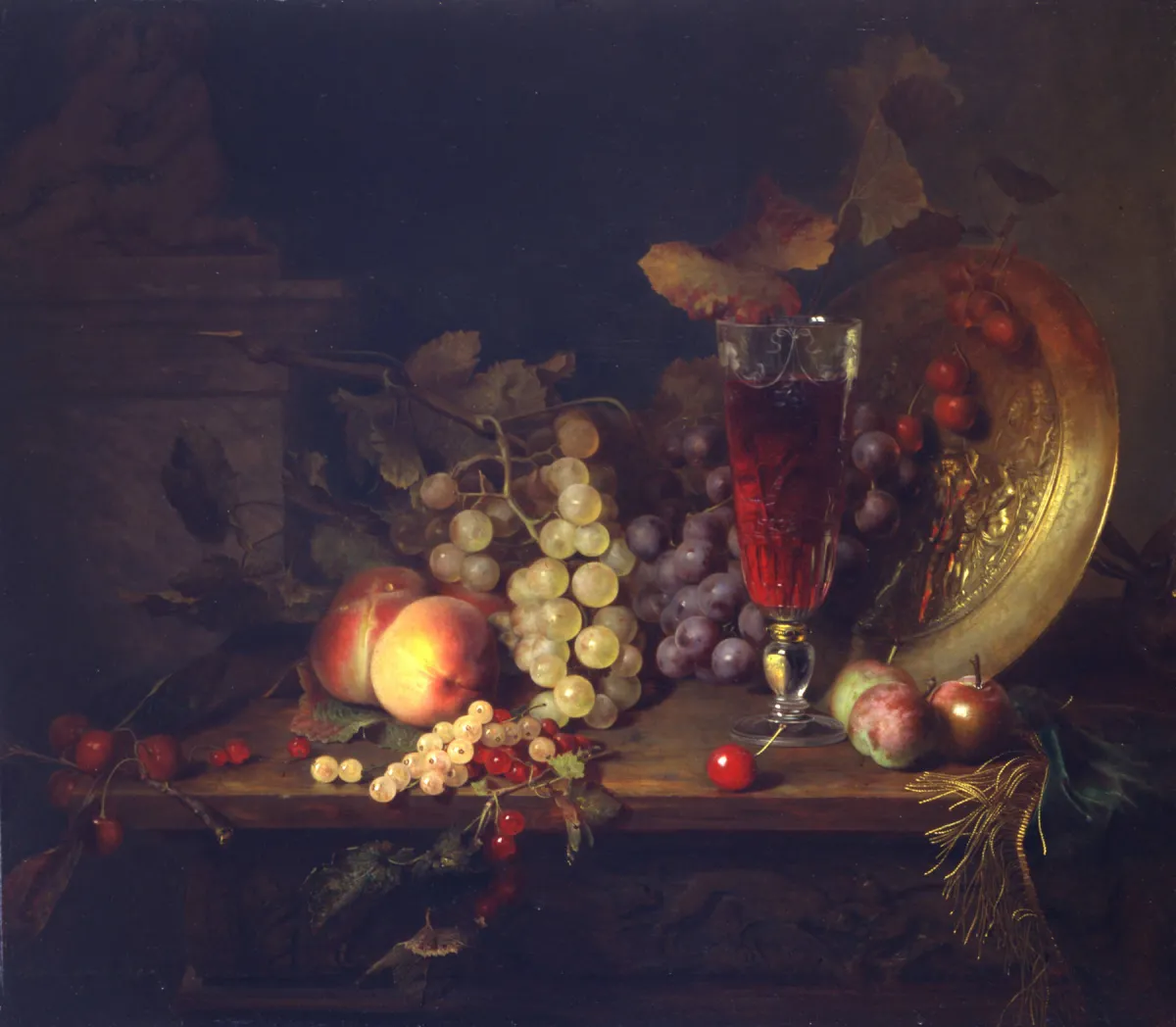
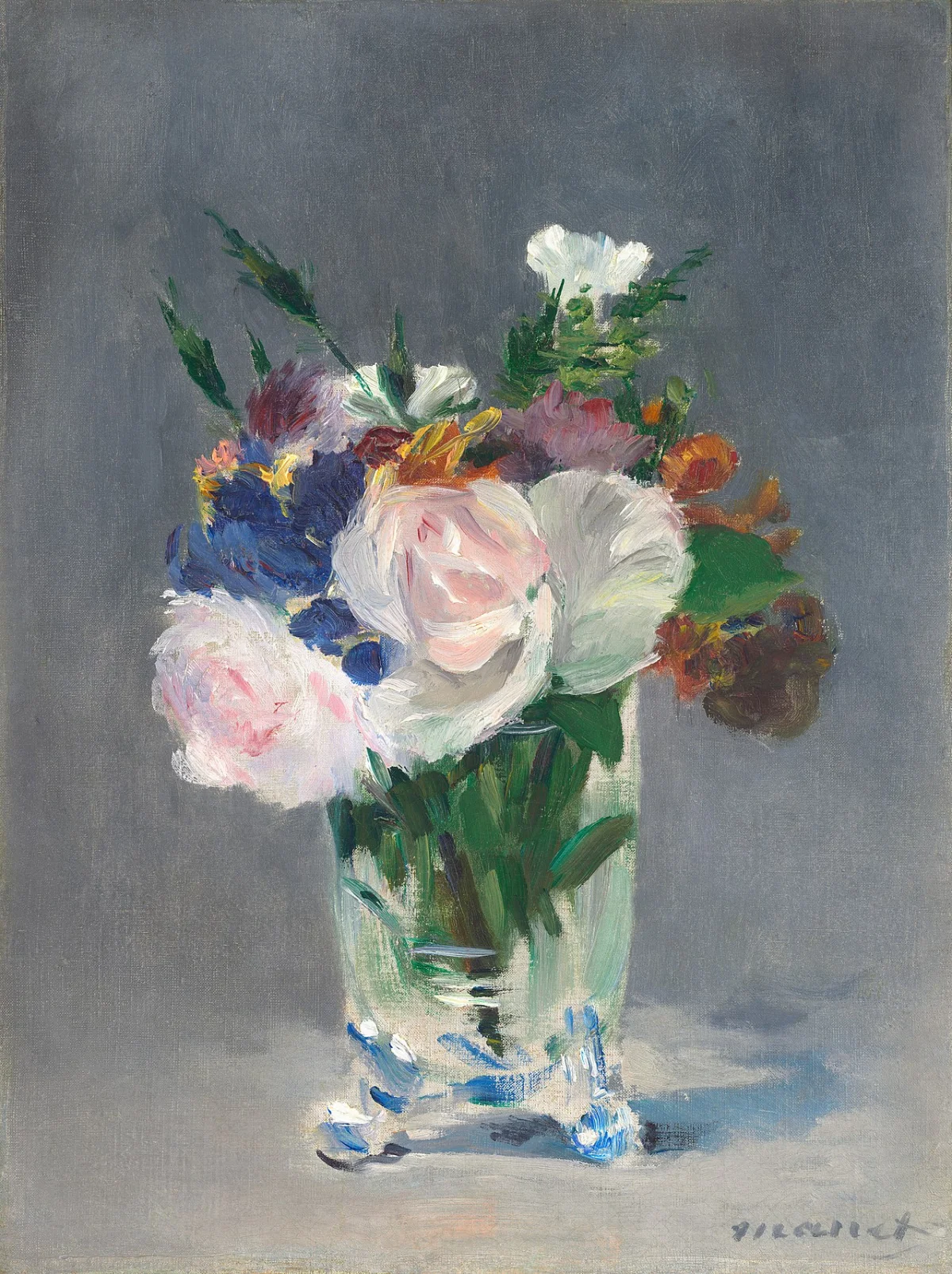
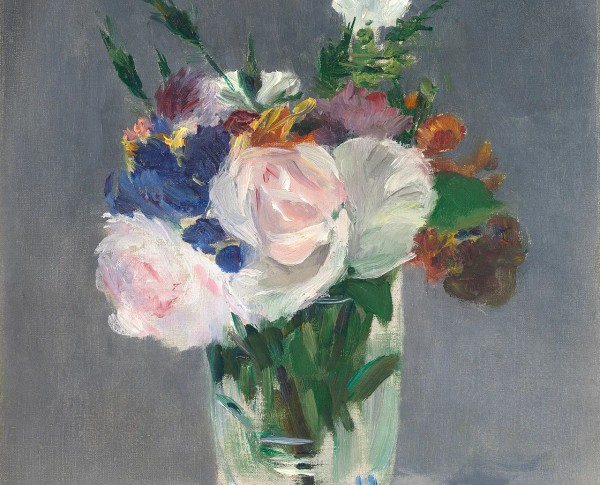
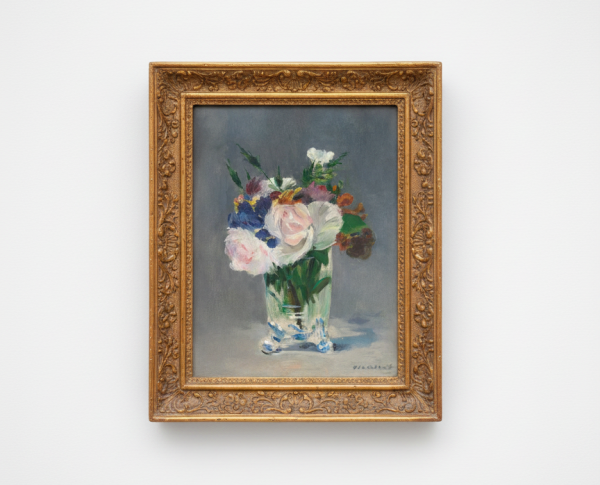
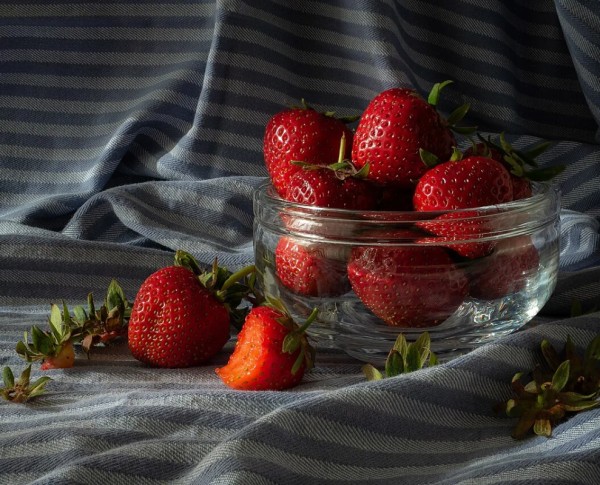
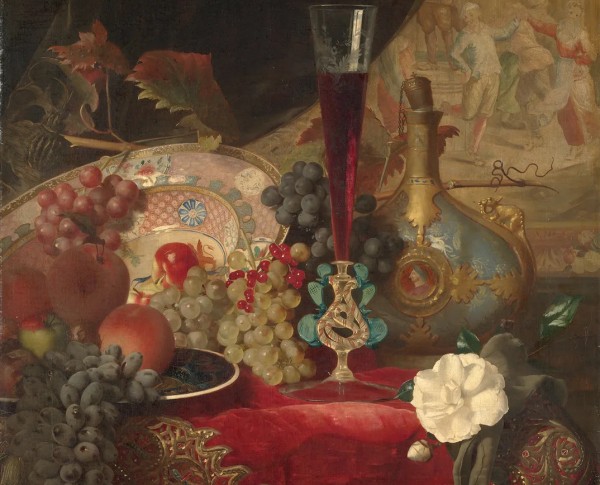
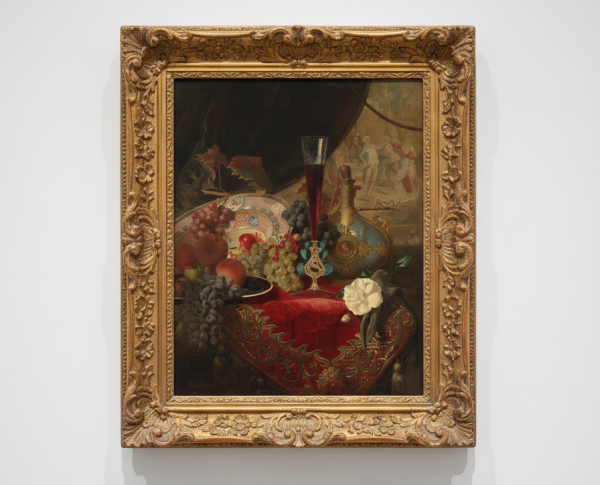
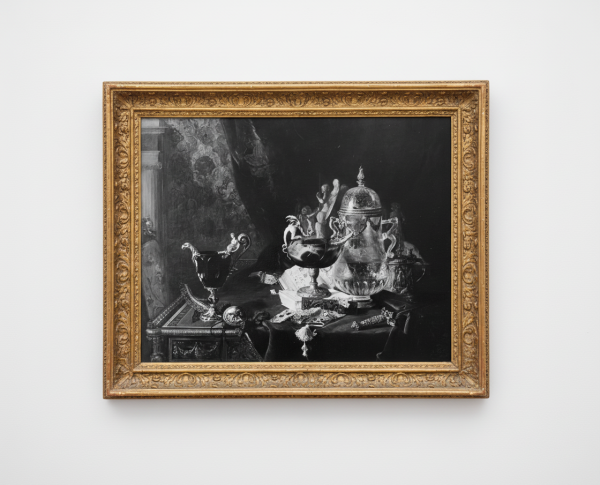
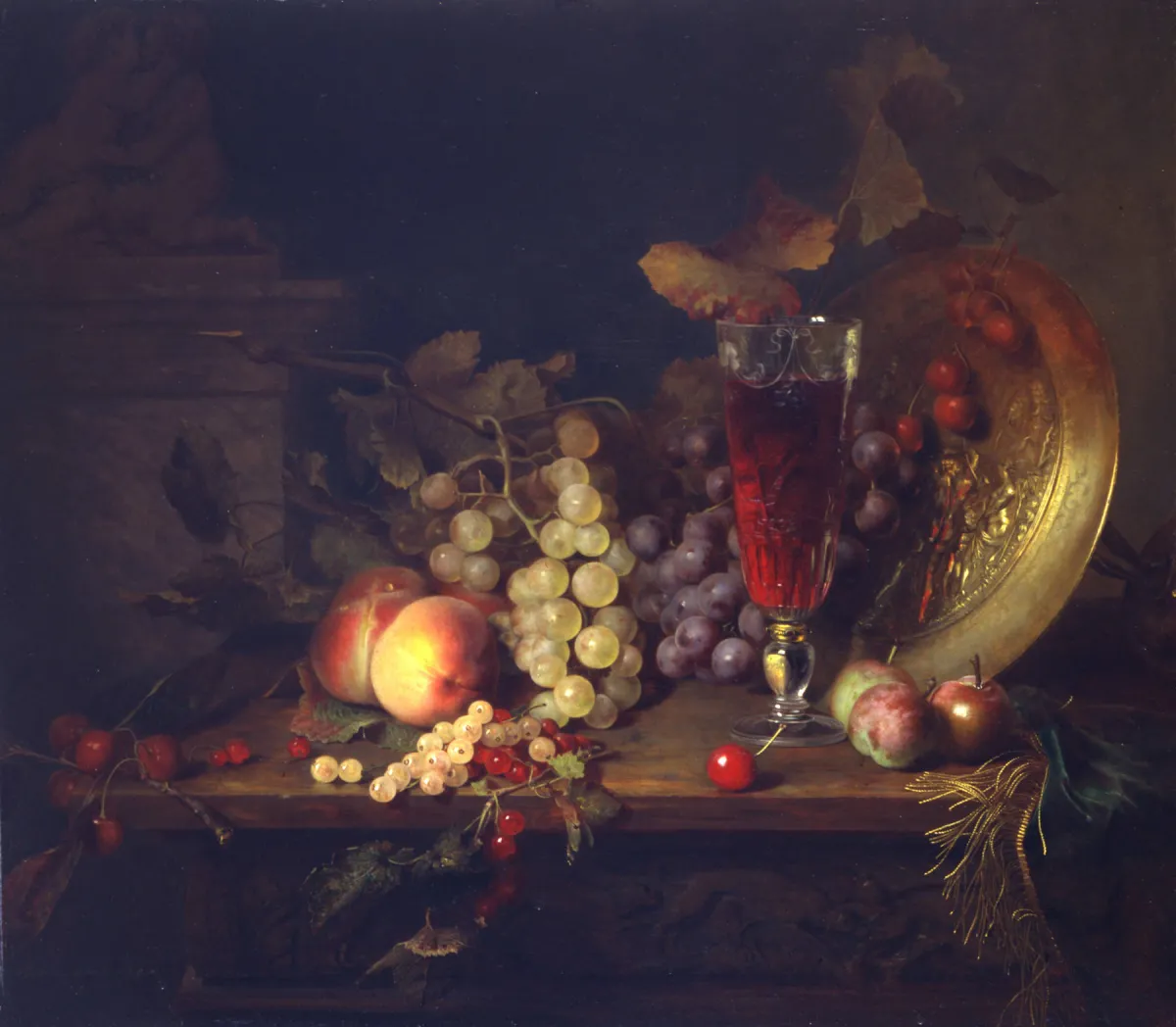
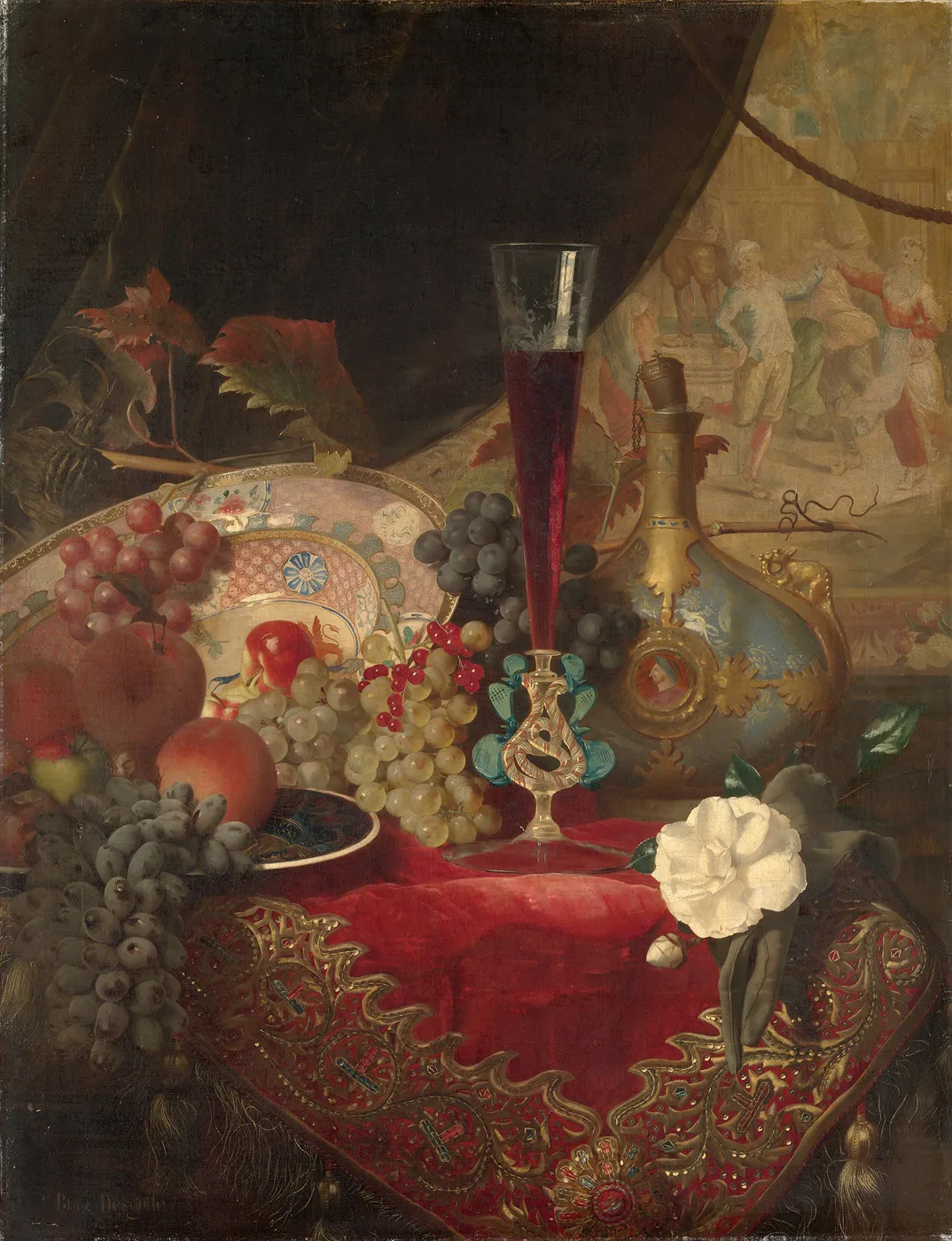
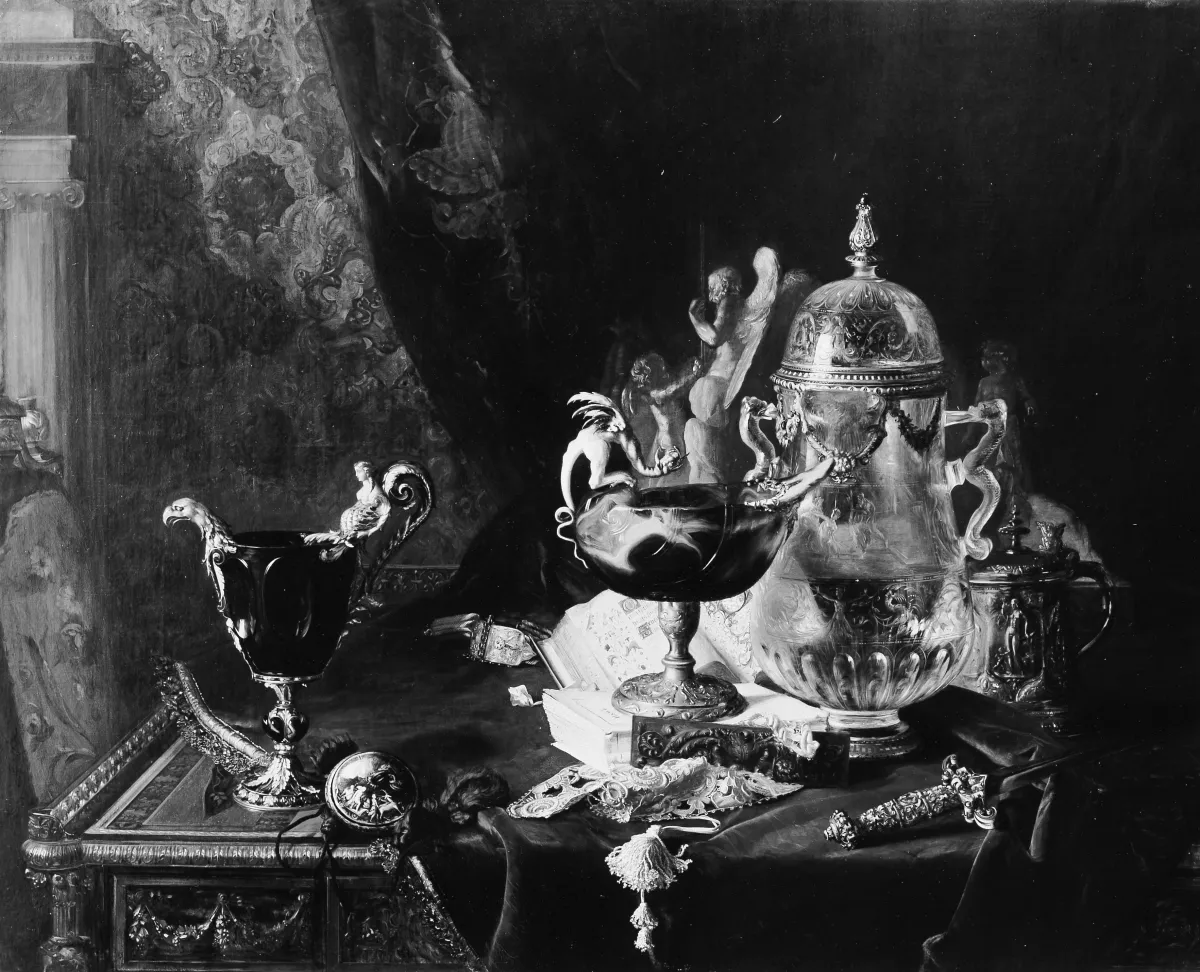
Desgoffe’s "Still Life with Fruit, Glass of Wine" demonstrates extraordinary technique in oil on canvas. The rich textures and luminous colors evoke a sense of realism that is synonymous with the Academic Art movement. Each brushstroke reveals the artist’s dedication to detail, aligning this painting with related works like "Fruit Still Life" and "Objects of Art from the Louvre." This piece stands as a testament to the technical prowess essential in classic oil on canvas artistry.
Within "Still Life with Fruit, Glass of Wine," every fruit and glass conveys deeper meaning, as was common in Academic Art. Desgoffe’s composition invites viewers to interpret themes of abundance and transience, making this fine art painting for sale a conversation starter. Related products, including "Still Life with Fruit and Venetian Glass on a Table" share similar symbolic richness, further illustrating the narrative power inherent in Academic still life paintings.
For art collectors, Desgoffe’s "Still Life with Fruit, Glass of Wine" is more than a visual delight—it’s a valuable addition to any collection of Academic Art. This hand-painted oil painting is highly sought after, complementing other treasures like "Fruit Still Life." Owning such a piece not only celebrates the artist’s legacy but also enhances any space with the sophistication and history found in fine art painting for sale.
When Art Meets History
"Still Life with Fruit, Glass of Wine" by Blaise Alexandre Desgoffe is a masterful example of the Academic Art movement, flourishing in the 19th century. Desgoffe, renowned for his meticulous style, created this hand-painted oil painting during a period when classical technique met evolving artistic expression. The artwork sits alongside related paintings such as "A Nymph by a Fountain" and "The Vision," all reflecting the era's dedication to detail and beauty, making them highly regarded treasures in art history.
Techniques That Speak
Blaise Alexandre Desgoffe’s "Still Life with Fruit, Glass of Wine" demonstrates the artist’s command of oil on canvas, a hallmark of Academic Art. The painting’s luminous textures and lifelike details highlight Desgoffe’s technical prowess, comparable to his other works like "Mud Pies" and "An Afternoon Rest." Each brushstroke in this oil on canvas composition reveals his devotion to realism and composition, securing his reputation among collectors and enthusiasts who value such refined artistry.
Emotions on Display
In "Still Life with Fruit, Glass of Wine," Desgoffe infuses everyday objects with a quiet elegance, evoking a sense of tranquility and abundance. The balanced arrangement and subtle play of light invite viewers to linger, much like the contemplative mood found in "Legend of the 14th Century." This fine art painting for sale resonates with those who appreciate the serene beauty and emotional nuance that characterize the Academic Art movement, making it a timeless addition to any collection.
Coveted by Collectors
Collectors prize "Still Life with Fruit, Glass of Wine" for its exquisite craftsmanship and historical significance within the Academic Art tradition. As with Desgoffe’s "Battle of Auvours, 10 January 1871," each piece showcases the artist’s exceptional attention to detail. This hand-painted oil painting continues to attract discerning buyers seeking fine art painting for sale, its enduring appeal further solidified by its connection to Desgoffe’s broader oeuvre and related masterpieces.
Related Academic Art Hand-Painted Oil Paintings by Other Artists
Other Famous Academic Art Artists:
Frequently Asked Questions About Still Life with Fruit, Glass of Wine
What is the historical significance of "Still Life with Fruit, Glass of Wine"?
This painting exemplifies the genre of still life that flourished in the 17th century, reflecting the era's fascination with the material world and the transience of life.
Who was Blaise Alexandre Desgoffe and what was his contribution to art?
Blaise Alexandre Desgoffe was a French painter known for his mastery in still life compositions, contributing to the development of this genre in the context of 19th-century art.
What artistic techniques are employed in this painting?
Desgoffe utilized chiaroscuro to create depth and volume, alongside meticulous attention to detail in the textures of the fruit and glass, enhancing the realism of the composition.
What symbols are present in "Still Life with Fruit, Glass of Wine"?
The fruit and wine symbolize abundance and pleasure, while their arrangement may also suggest the fleeting nature of life, a common theme in still life paintings.
How does this painting reflect the cultural context of its time?
The painting reflects the 19th-century French bourgeois lifestyle, emphasizing the appreciation for domestic comforts and the celebration of everyday pleasures.
What role does color play in "Still Life with Fruit, Glass of Wine"?
Desgoffe's use of rich, vibrant colors enhances the visual appeal and draws attention to the natural beauty of the subjects, creating a harmonious balance within the composition.
In what ways does this painting connect to the broader tradition of still life art?
This work connects to the broader tradition by adhering to the conventions of still life, such as the careful arrangement of objects and the exploration of themes related to mortality and the passage of time.
What can be inferred about the artist's intentions in this work?
Desgoffe likely intended to evoke a sense of tranquility and contemplation, inviting viewers to reflect on the beauty of the everyday and the impermanence of life.
How does "Still Life with Fruit, Glass of Wine" compare to other still life paintings of its time?
Compared to other still life paintings, Desgoffe's work is notable for its intricate detail and the interplay of light and shadow, setting it apart as a significant contribution to the genre.
What impact did "Still Life with Fruit, Glass of Wine" have on future generations of artists?
The painting influenced future generations by establishing a high standard for still life compositions, inspiring artists to explore similar themes of beauty, transience, and the sensory experience of everyday objects.






















_GFM_Painting_(1).webp)


 100% Hand-Painted: Finished in 3-6 Weeks

.png)















_(1).webp)