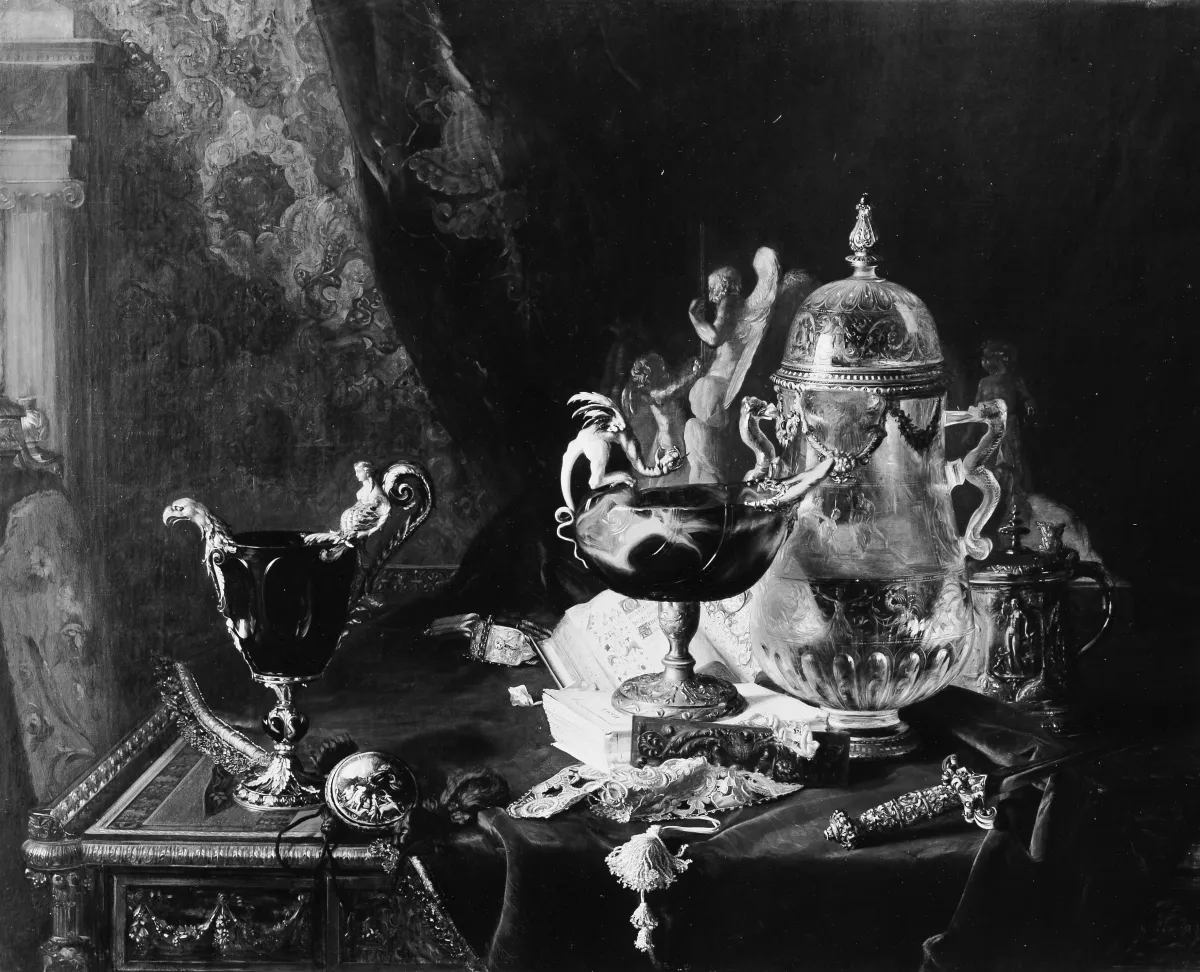
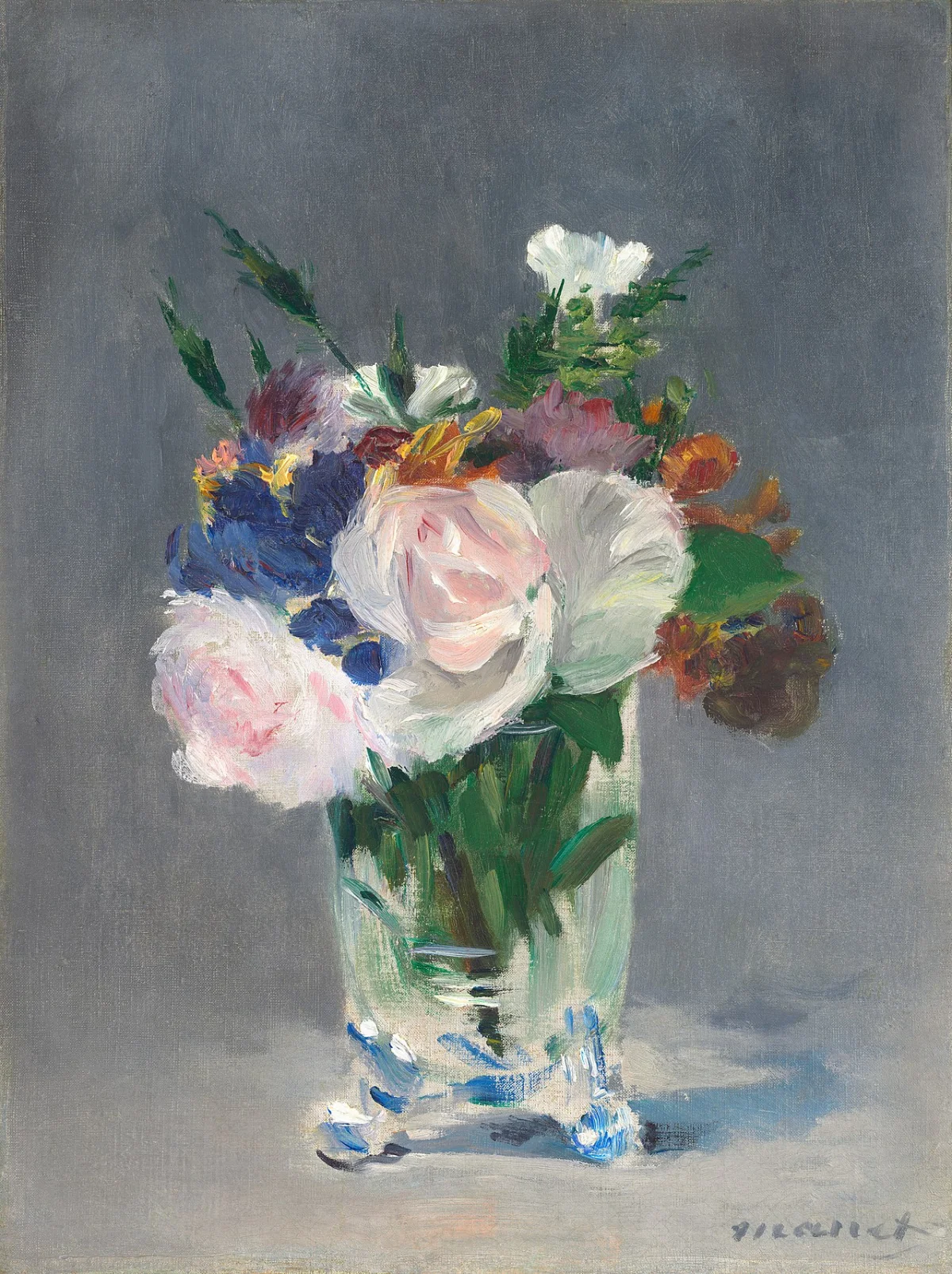
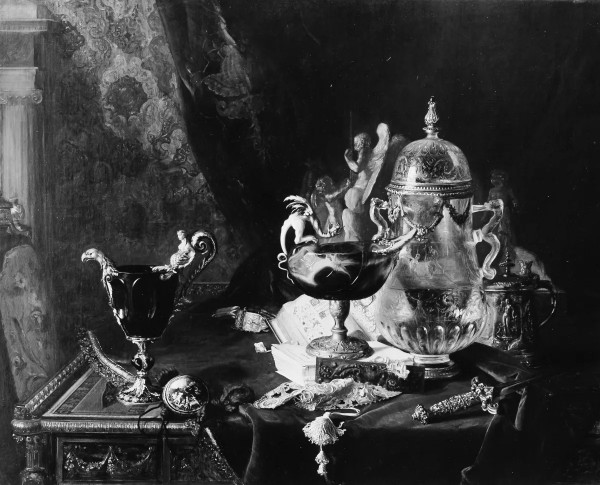
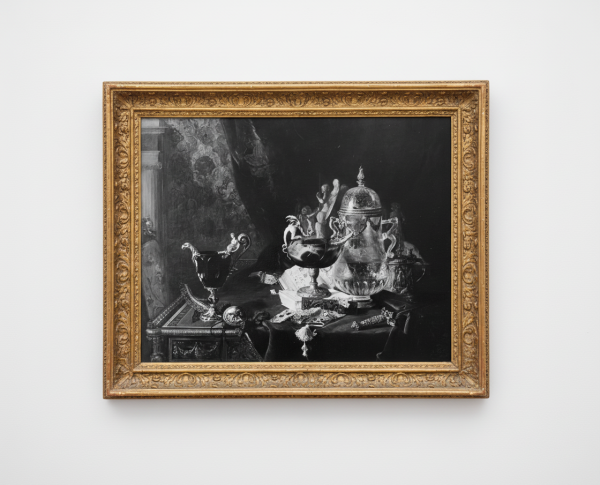
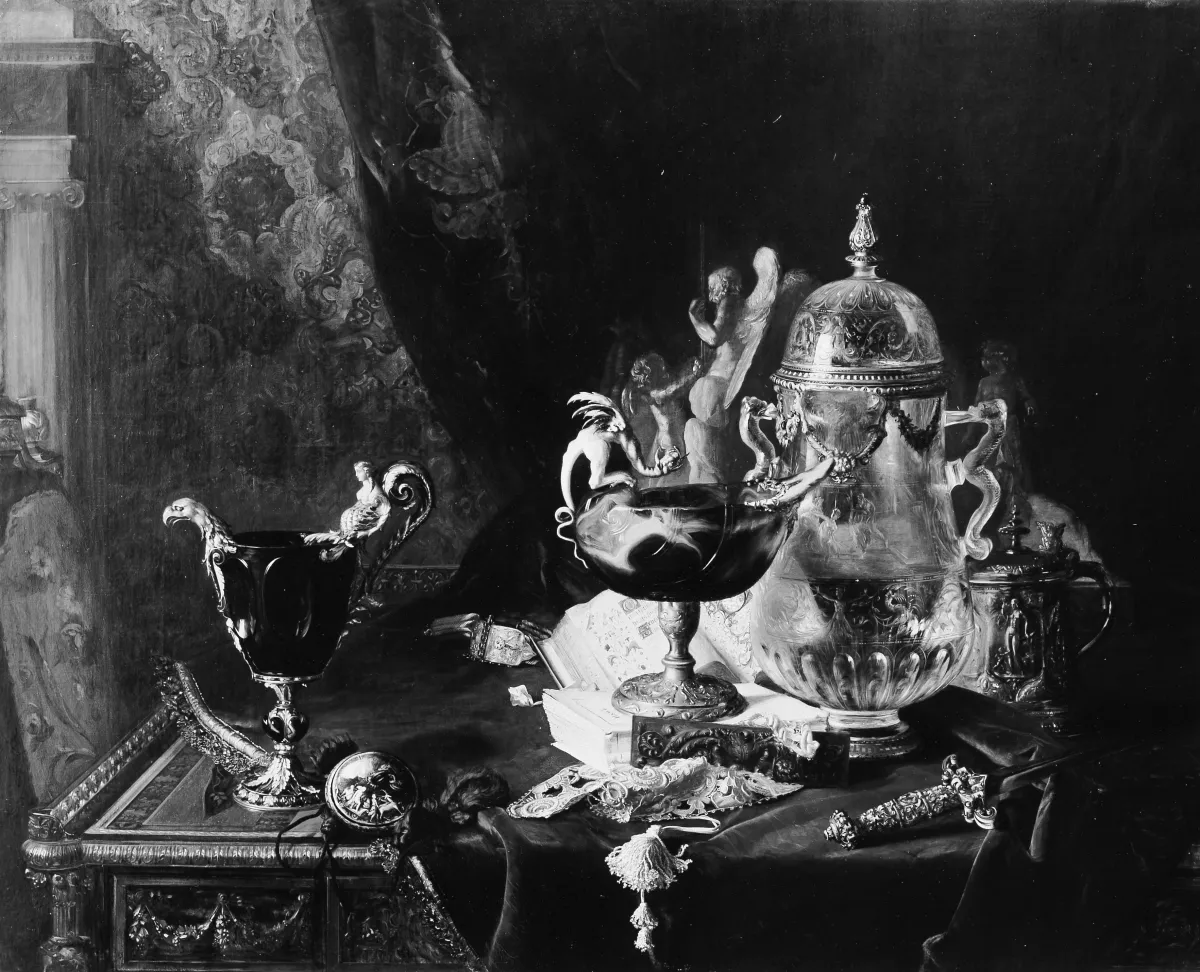
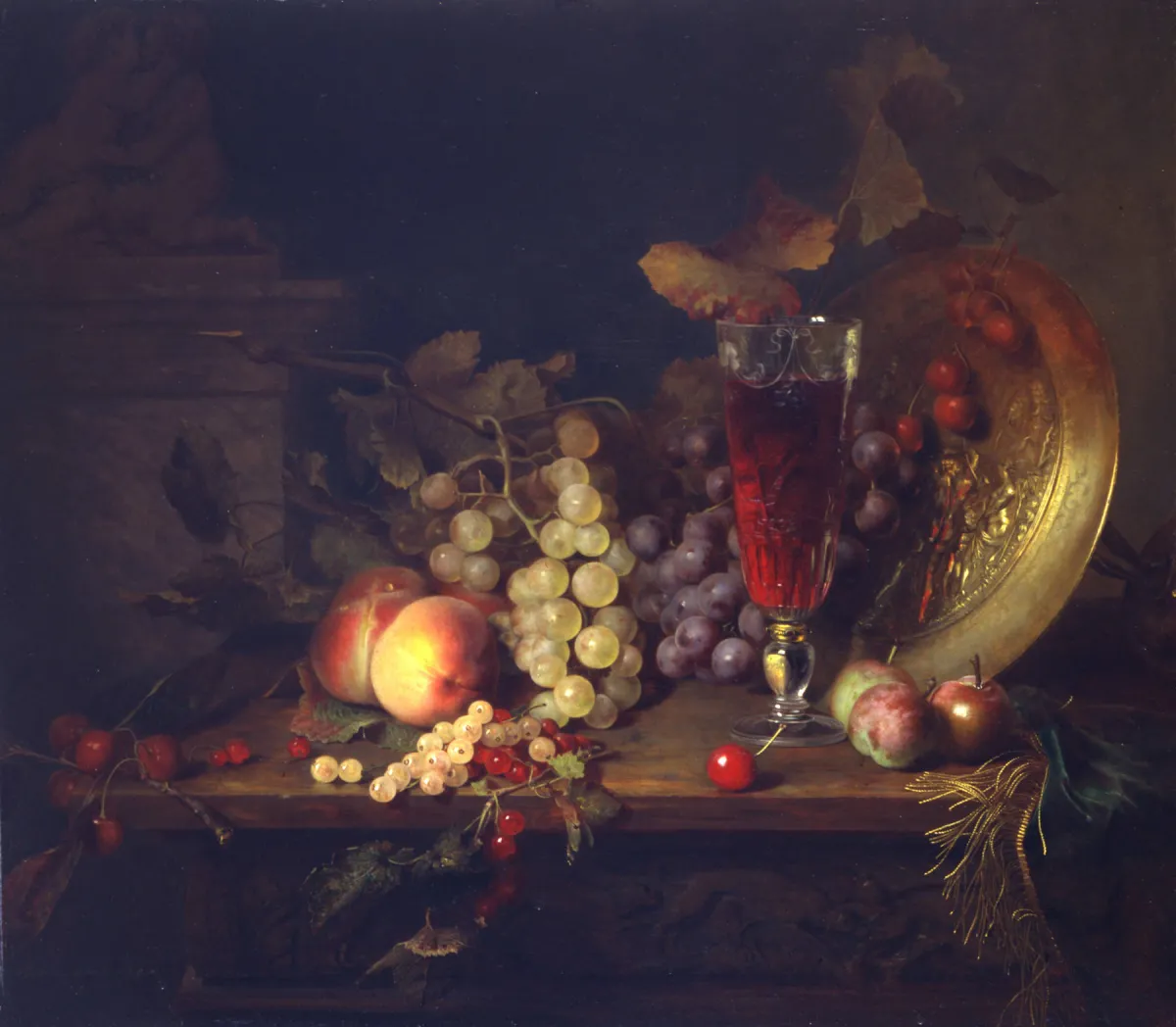
Blaise Alexandre Desgoffe’s "Objects of Art used by Marie Antoinette" exemplifies the highest standards of oil on canvas technique. Each brushstroke reveals his dedication to realism and intricate detail, hallmarks of the Academic Art movement. The painting’s lifelike textures and luminous colors demonstrate Desgoffe’s command of his medium, making it a remarkable addition to collections that also include pieces like both celebrated for their exquisite oil on canvas craftsmanship.
Within "Objects of Art used by Marie Antoinette," Blaise Alexandre Desgoffe weaves a narrative rich with symbolism, reflecting the luxurious lifestyle and cultural milieu of the queen. This fine art painting for sale invites viewers to decode the hidden meanings behind each carefully chosen object. Collectors often pair this masterpiece with related works such as drawn to the shared storytelling traditions of Academic Art and the artist’s unique visual language.
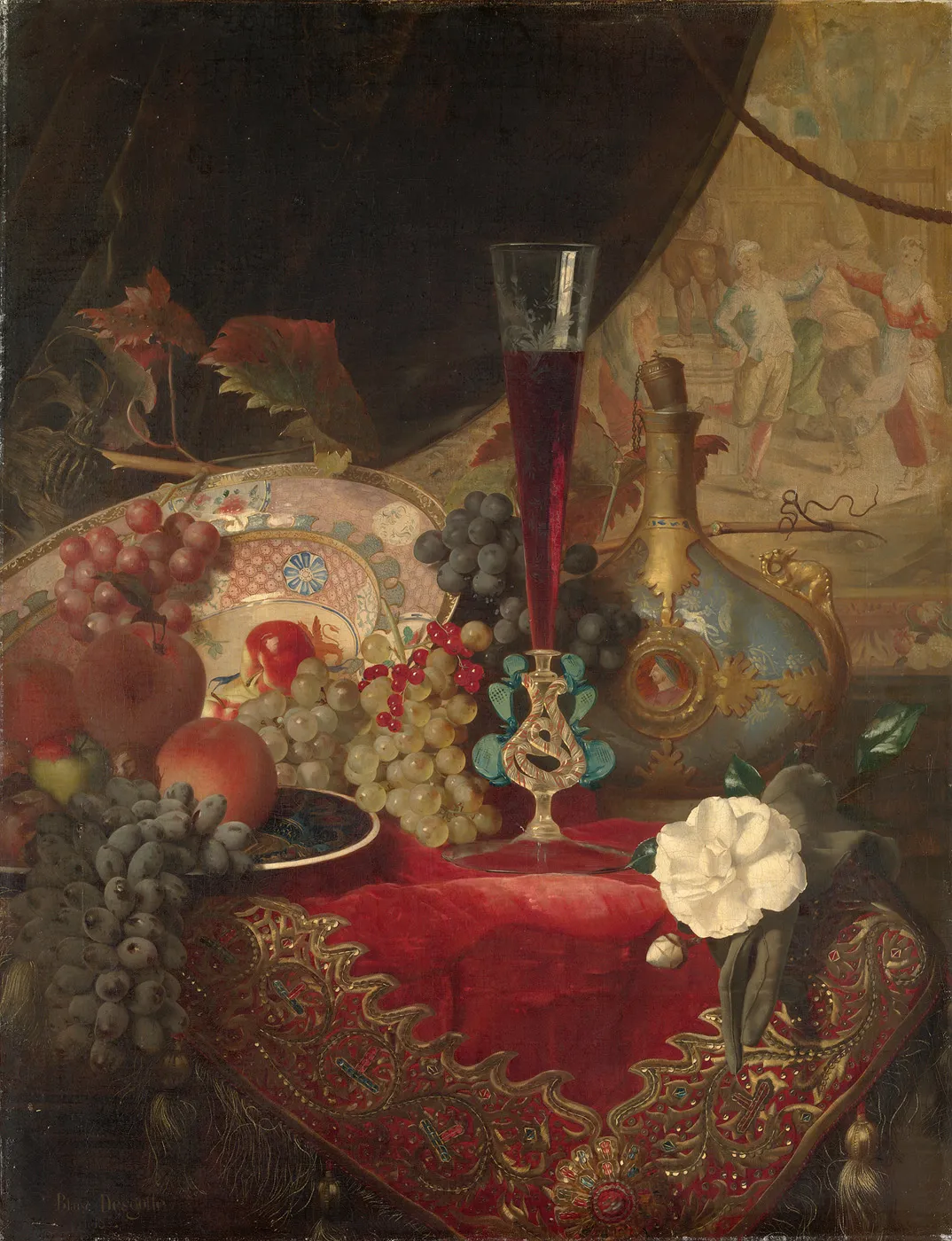
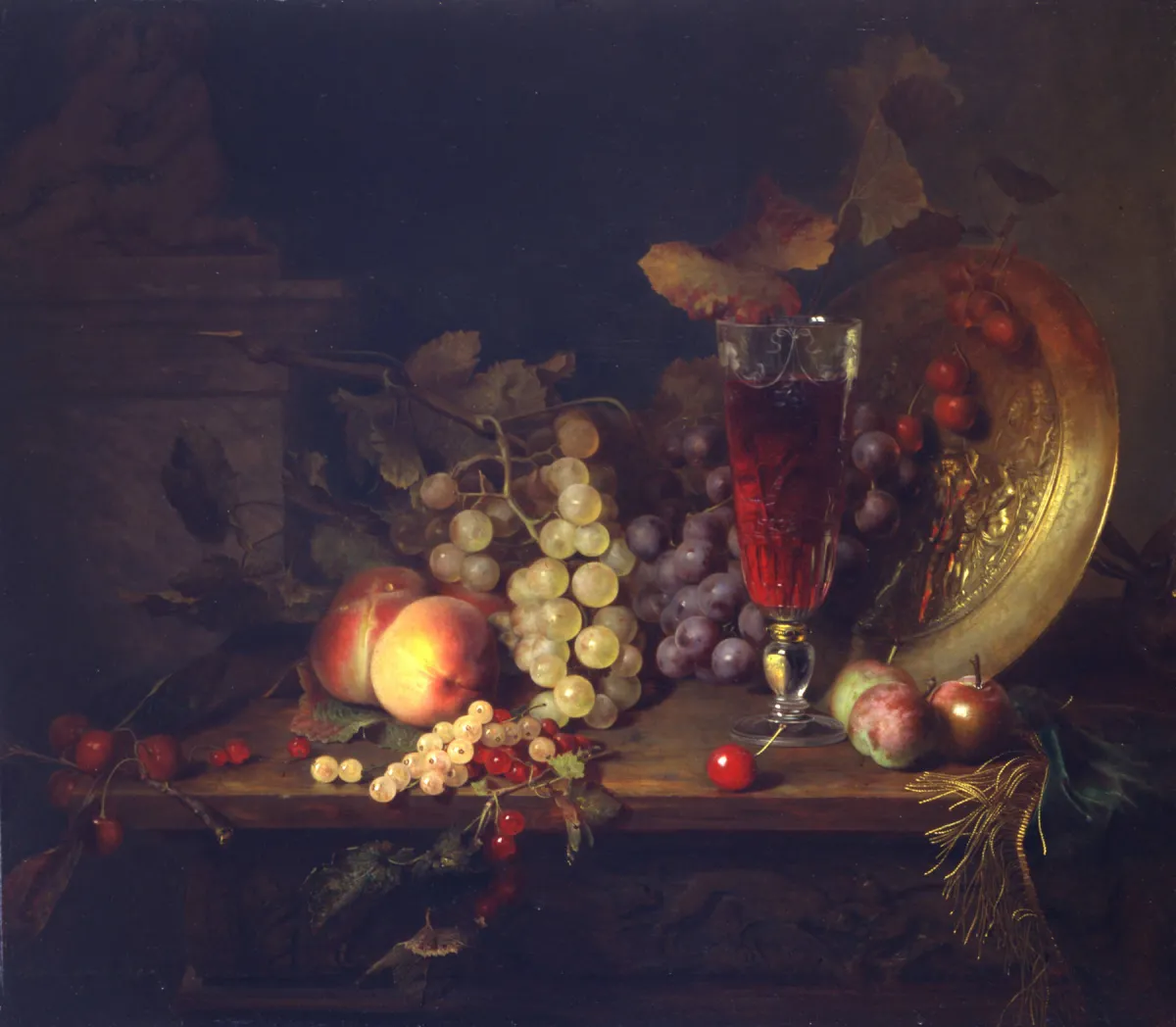
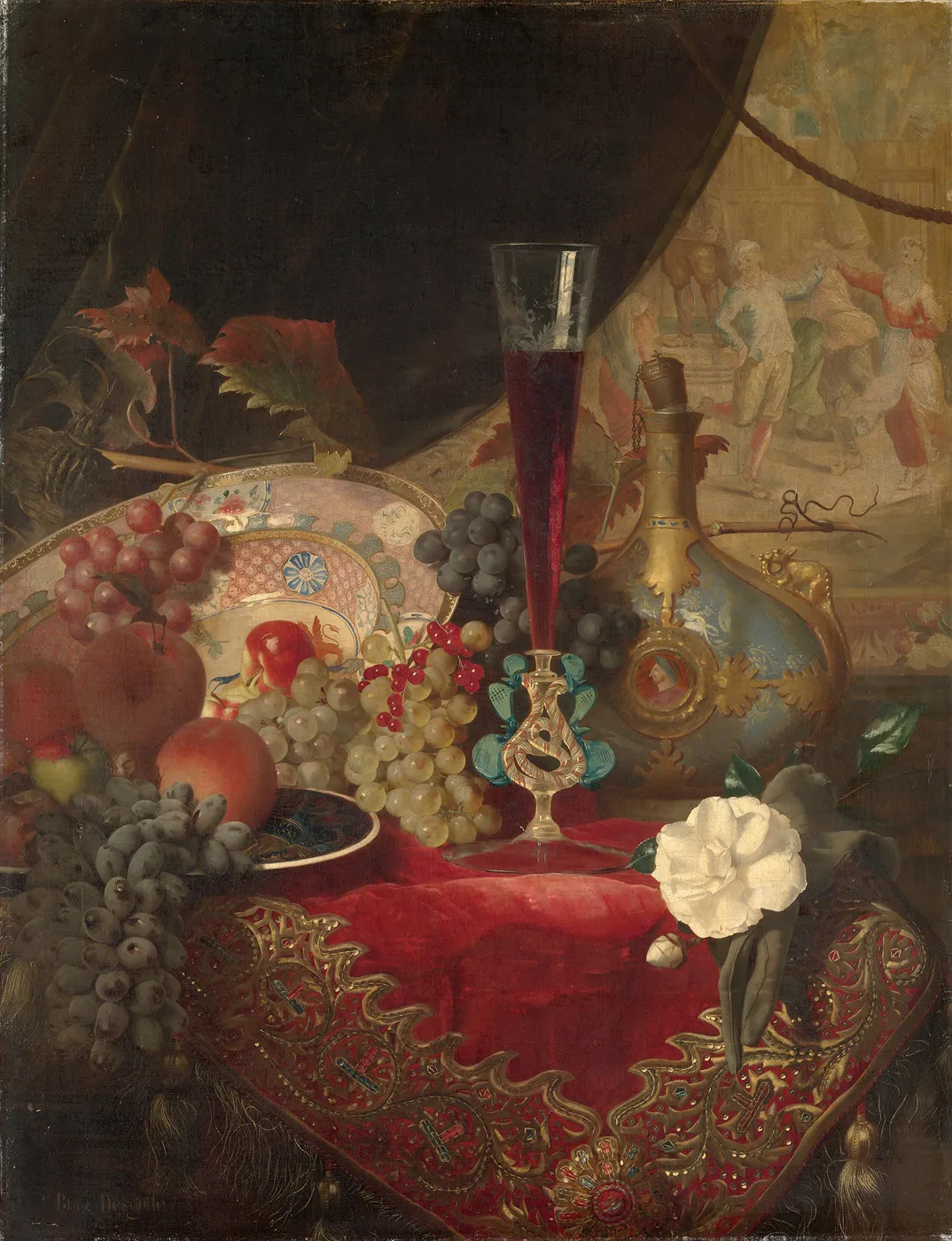
For those in search of a distinguished hand-painted oil painting, "Objects of Art used by Marie Antoinette" by Blaise Alexandre Desgoffe is a prized acquisition. Its connection to the Academic Art movement and historical subject matter enhances its desirability among collectors. This painting, along with related products like "Still Life with Fruit, Glass of Wine" and "Still Life with Fruit and Venetian Glass on a Table," continues to captivate art lovers seeking timeless elegance and investment-worthy works.
When Art Meets History
"Objects of Art used by Marie Antoinette" by Blaise Alexandre Desgoffe is an exquisite example of a hand-painted oil painting that bridges the realms of art and history. Created during the height of the Academic Art movement, this work captures the elegance and opulence of the French royal court. Desgoffe’s attention to detail rivals that of his contemporaries, seen in related paintings like "Reclining Odalisque" and "The Wave," making this piece a timeless testament to historical grandeur.
Techniques That Speak
Blaise Alexandre Desgoffe’s mastery is evident in his use of oil on canvas, a hallmark of the Academic Art movement. Every brushstroke in "Objects of Art used by Marie Antoinette" highlights his dedication to realism and meticulous craftsmanship. This technique, shared by other fine works such as "A Forester at Home" and "Promenade," allows Desgoffe to render textures and reflections with astonishing precision, elevating the painting to a level of technical brilliance admired by art enthusiasts.
Emotions on Display
The emotional resonance of "Objects of Art used by Marie Antoinette" comes alive through Desgoffe’s sensitive portrayal of luxurious objects and their historical significance. This fine art painting for sale invites viewers to reflect on the opulence and fragility of a bygone era. Similar to "A Beauty of Nature," Desgoffe’s work evokes both admiration and nostalgia, drawing audiences into a world where beauty and history intertwine, leaving a lasting emotional impact.
Coveted by Collectors
Collectors prize "Objects of Art used by Marie Antoinette" for its blend of historical context and artistic excellence, a signature of Blaise Alexandre Desgoffe’s oeuvre. As with other masterpieces from the Academic Art movement, such as "The Wave" and "Promenade," the hand-painted oil painting is highly sought after. Its provenance and exceptional detail make it a standout piece among fine art painting for sale, appealing to those who cherish both art and history.
Related Academic Art Hand-Painted Oil Paintings by Other Artists
Other Famous Academic Art Artists:
Frequently Asked Questions About Objects of Art used by Marie Antoinette
What is the historical significance of the painting "Objects of Art used by Marie Antoinette"?
This painting captures the opulence of the French court during the late 18th century and reflects the lifestyle of Marie Antoinette, highlighting her influence on fashion and art in that era.
Who was Blaise Alexandre Desgoffe, and what is his contribution to art?
Blaise Alexandre Desgoffe was a prominent French painter known for his still lifes and depictions of luxurious objects, often incorporating themes of wealth and status, which are evident in this work.
What objects are depicted in the painting, and what do they symbolize?
The painting features various luxurious items, such as fine porcelain, elaborate textiles, and ornate furniture, symbolizing the excess and grandeur of the French monarchy during Marie Antoinette's reign.
How does this painting reflect the artistic style of its time?
The painting exemplifies the Rococo style, characterized by its intricate details, soft colors, and emphasis on elegance and sensuality, which were prevalent in the art and culture of the 18th century.
What role did Marie Antoinette play in the arts during her lifetime?
Marie Antoinette was a significant patron of the arts, promoting artists, designers, and architects, which helped to shape the cultural landscape of France and elevate the status of decorative arts.
In what ways does the painting convey the theme of decadence?
The lavish objects and their meticulous arrangement in the painting serve to emphasize the theme of decadence, illustrating the excesses of the royal lifestyle and the disconnect from the realities faced by the common people.
What techniques did Desgoffe use to achieve realism in the painting?
Desgoffe employed techniques such as chiaroscuro and detailed brushwork to create a sense of depth and realism, allowing the viewer to appreciate the textures and intricacies of the objects depicted.
How does this painting compare to other works of art from the same period?
This painting stands out for its focus on still life and decorative arts, contrasting with more traditional historical paintings of the time that often depicted grand narratives or heroic figures.
What can we learn about Marie Antoinette's personality through this artwork?
The choice of luxurious objects and the overall composition reflect Marie Antoinette's appreciation for beauty and refinement, suggesting her desire to be seen as a cultured and sophisticated figure in a turbulent political climate.
Why is this painting considered an important piece in the context of French art history?
This painting is important as it encapsulates the intersection of art, culture, and politics during a pivotal time in French history, serving as a visual commentary on the lifestyle of the monarchy before the Revolution.






















_GFM_Painting_(1).webp)


 100% Hand-Painted: Finished in 3-6 Weeks

.png)















_(1).webp)