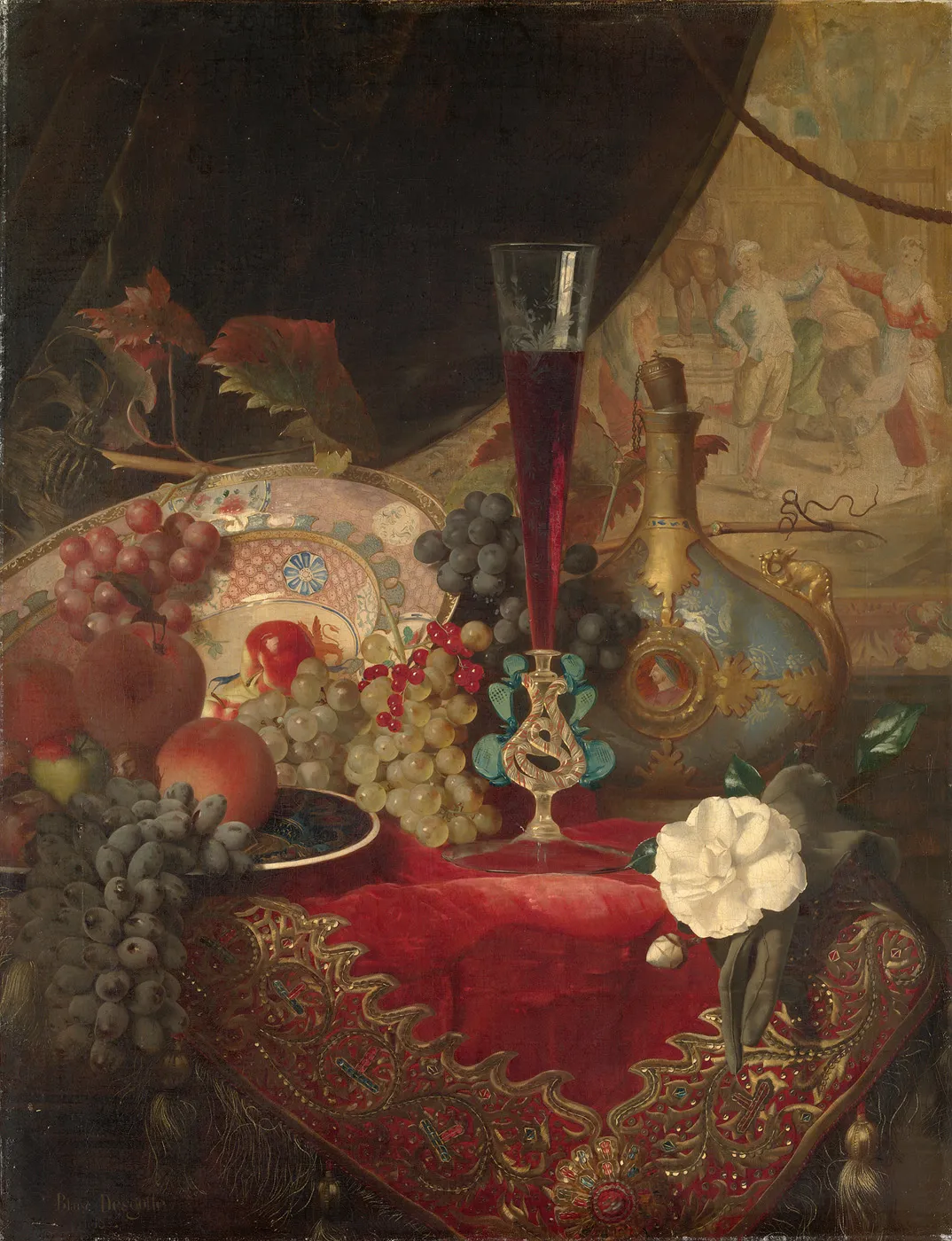
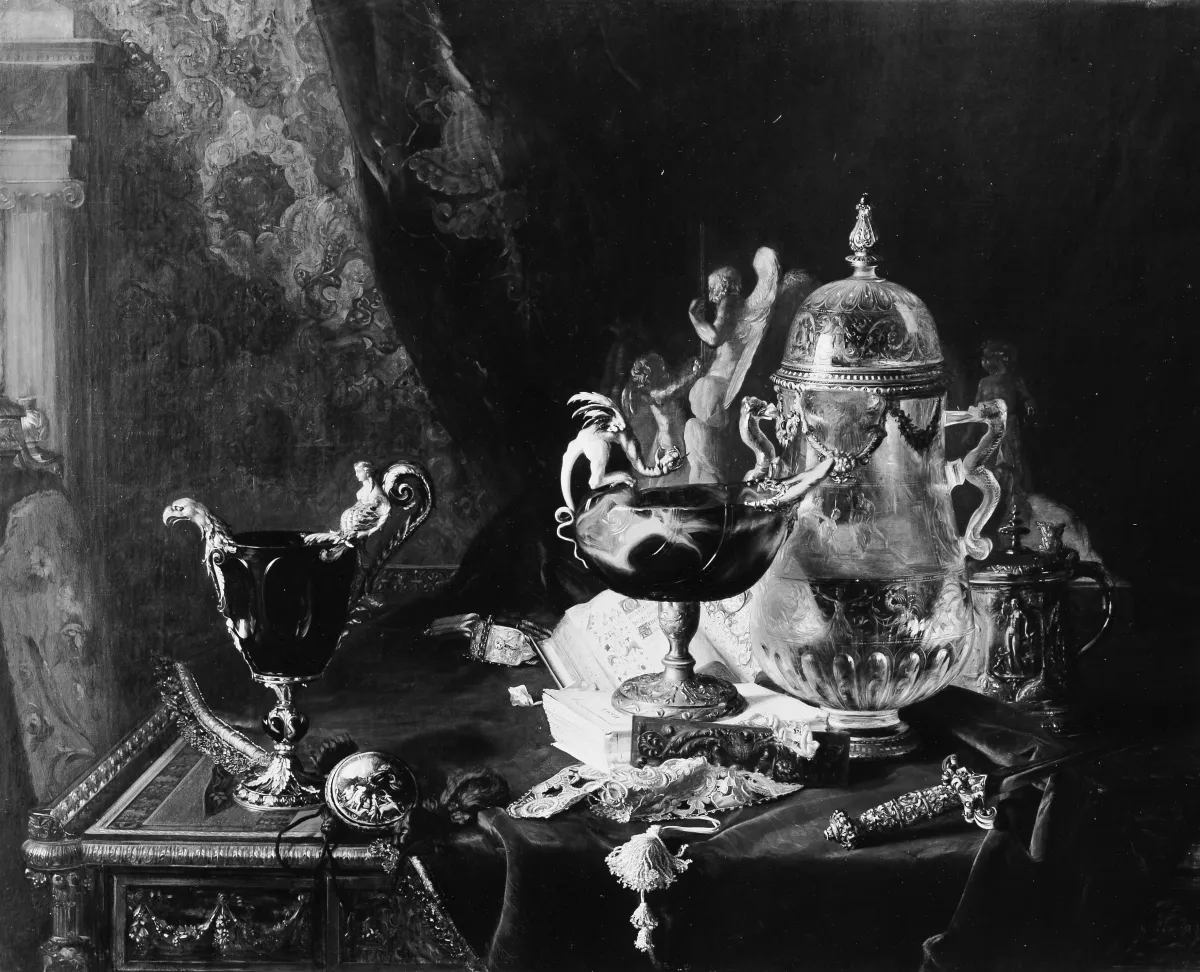
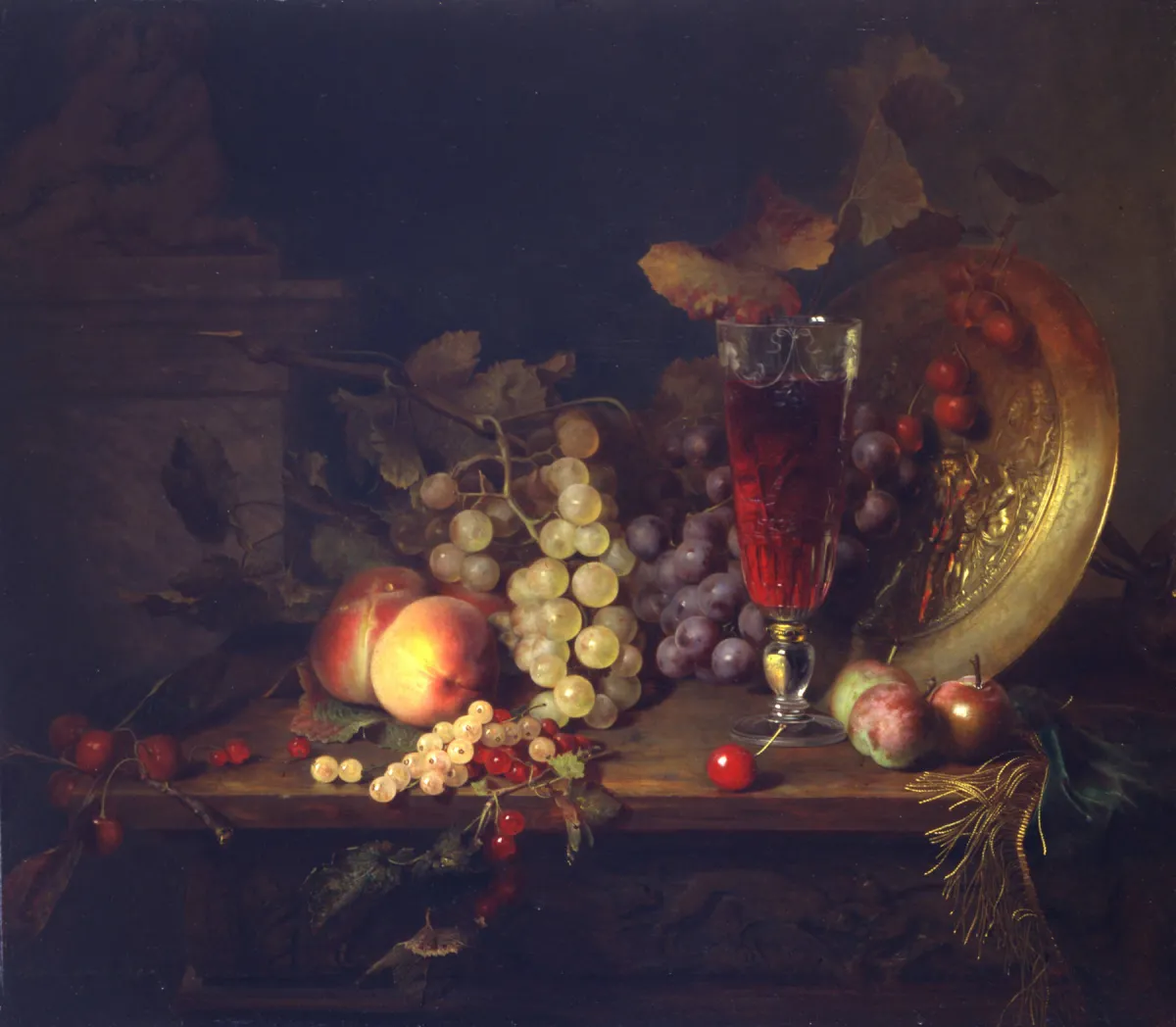
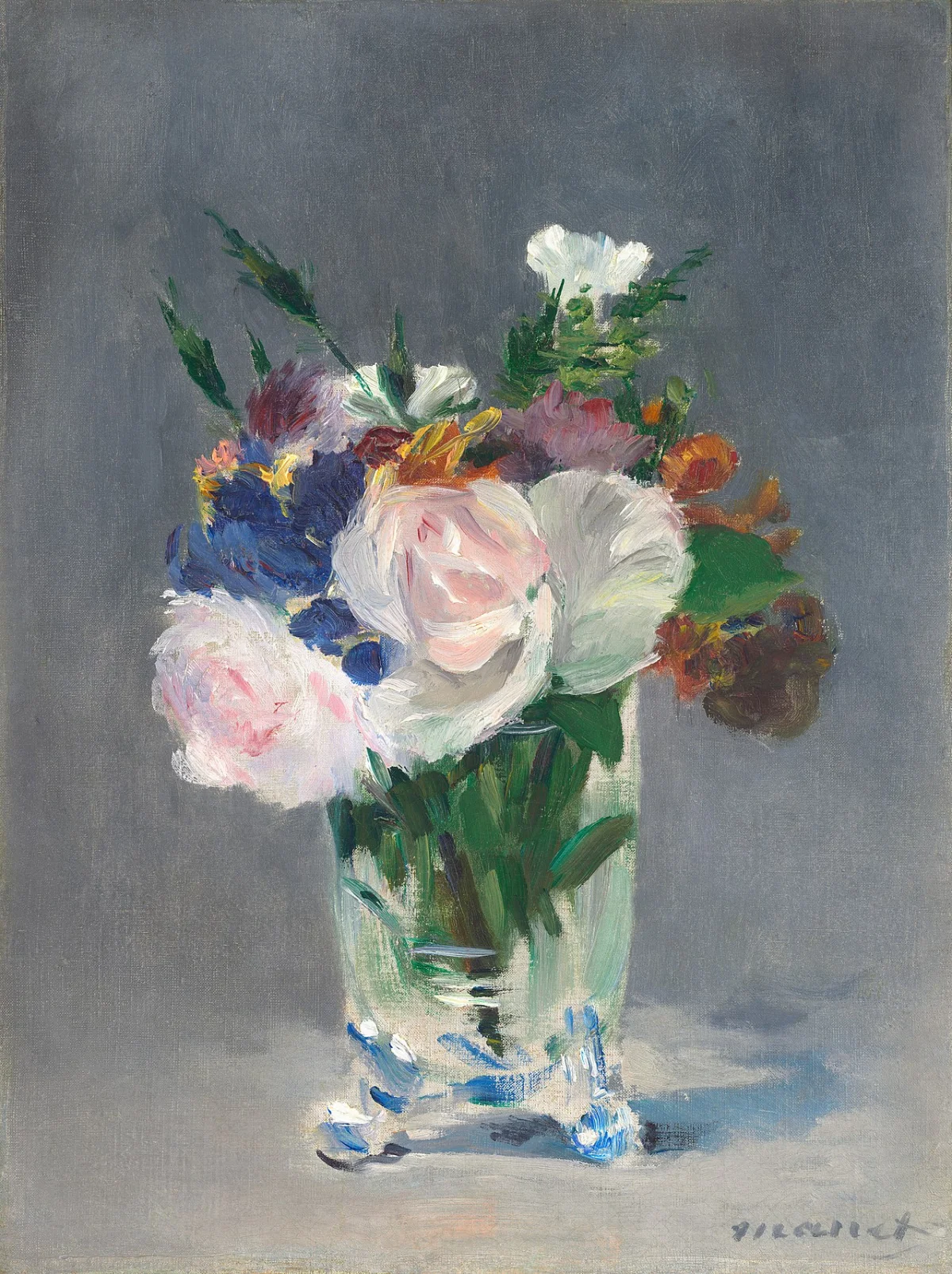
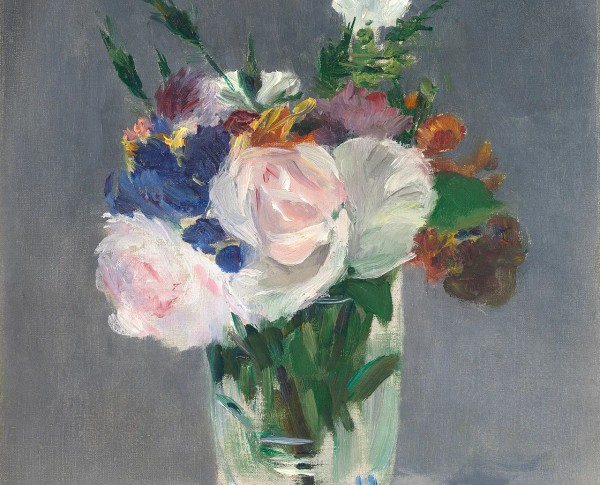
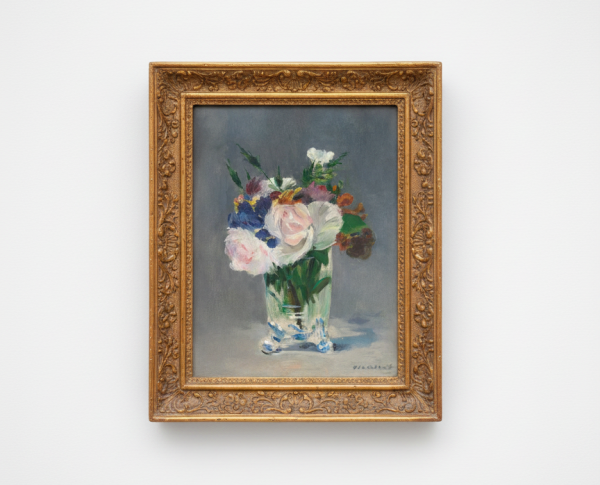
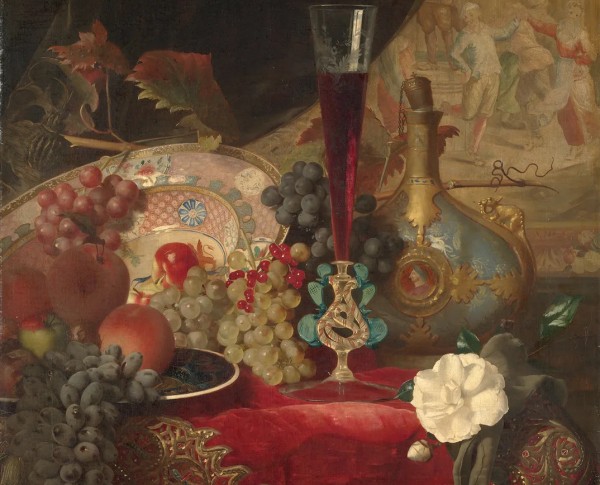
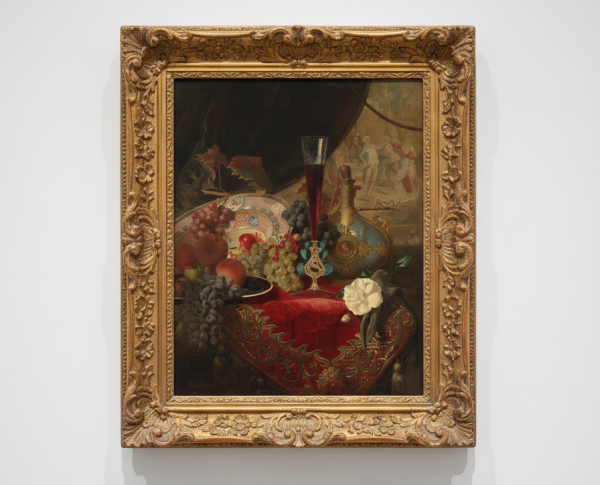
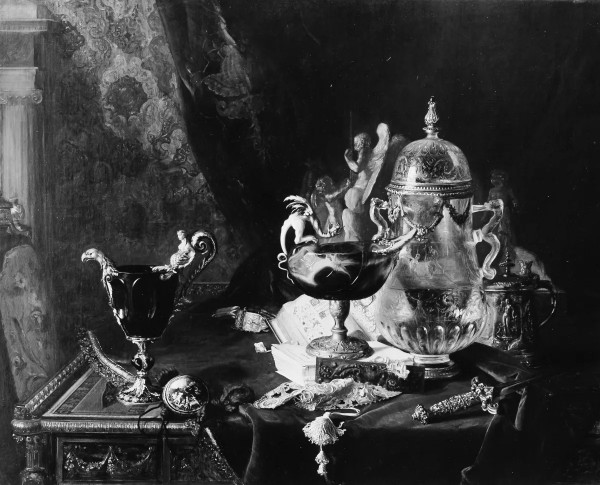
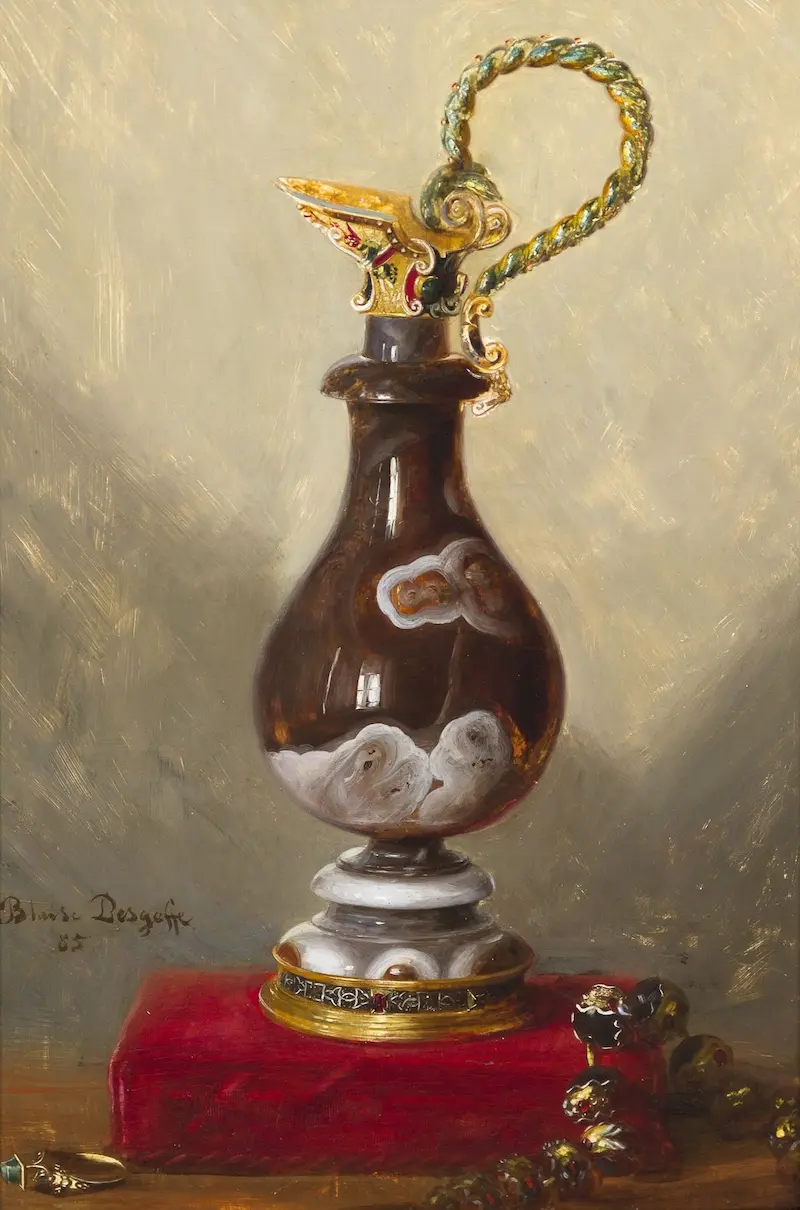
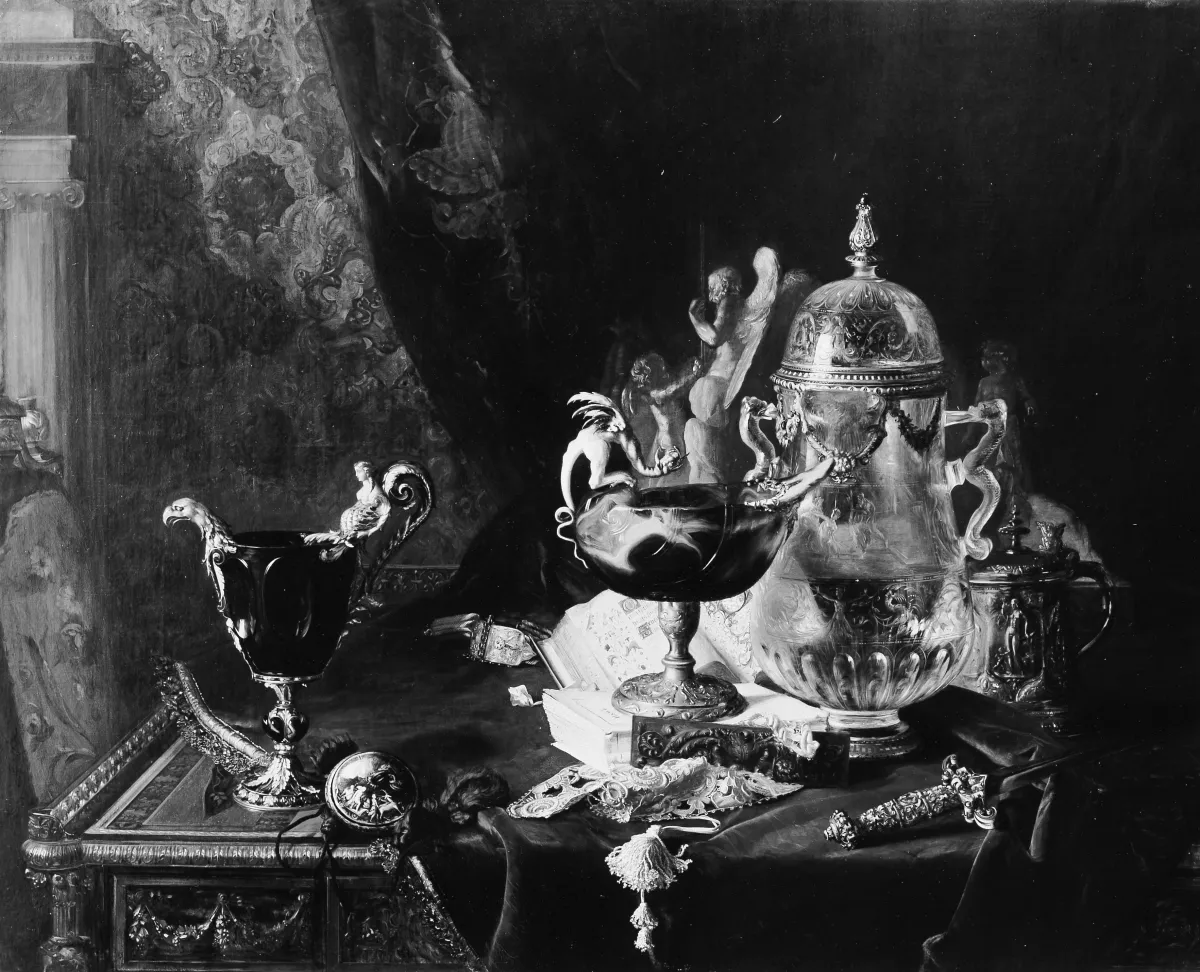
Blaise Alexandre Desgoffe’s "Vase of améthyste from the 16th-century" showcases his technical brilliance in oil on canvas. Each brushstroke reveals his command of light, texture, and realism, hallmarks of the Academic Art movement. The painting’s intricate depiction of the amethyst vase and delicate floral arrangements demonstrates Desgoffe’s dedication to precision. Collectors searching for a museum-quality oil on canvas will find this piece and related products to be exceptional additions to their art collections.
The symbolism woven into "Vase of améthyste from the 16th-century" reflects the deeper narratives typical of Academic Art. Blaise Alexandre Desgoffe imbues this fine art painting for sale with meaning, using the amethyst vase as a symbol of luxury and timeless beauty. Such details invite viewers to explore the painting’s historical and cultural context. Related products, including provide further opportunities to appreciate and interpret the rich symbolism found in Academic Art.
Owning "Vase of améthyste from the 16th-century" by Blaise Alexandre Desgoffe means acquiring a true hand-painted oil painting that embodies the essence of the Academic Art movement. This artwork, along with related products like offers collectors a chance to possess a piece of art history. Desgoffe’s reputation and the timeless beauty of this painting make it a prized addition for anyone seeking a distinguished fine art painting for sale.
When Art Meets History
"Vase of améthyste from the 16th-century" by Blaise Alexandre Desgoffe is a remarkable example of Academic Art, capturing the elegance and refinement of its era. This hand-painted oil painting demonstrates Desgoffe’s meticulous attention to detail, a hallmark of his celebrated works. The painting stands alongside related masterpieces such as "Odalisque," all of which reflect the period’s fascination with historical objects and classical beauty, making them treasures for both art historians and enthusiasts.
Techniques That Speak
Blaise Alexandre Desgoffe’s "Vase of améthyste from the 16th-century" showcases superb oil on canvas technique, characteristic of the Academic Art movement. His brushwork brings out the delicate texture of the vase and the luminous quality of the amethyst. Similar to his other works like "Reflections" and "Odalisque with a Fan," Desgoffe’s technical mastery ensures that every detail is rendered with clarity, inviting viewers to appreciate the skill and tradition behind each stroke.
Emotions on Display
In "Vase of améthyste from the 16th-century," Desgoffe evokes a sense of timeless grace and serene beauty. The painting’s composition and color palette elicit calm contemplation, much like his piece "An Afternoon Rest." This fine art painting for sale not only appeals visually but also emotionally, allowing collectors and admirers to experience the subtle interplay of history and sentiment that defines the Academic Art movement and Desgoffe’s unique artistic voice.
Coveted by Collectors
Collectors are drawn to "Vase of améthyste from the 16th-century" for its exceptional representation of Academic Art and the legacy of Blaise Alexandre Desgoffe. As a hand-painted oil painting, it holds significant value, much like the artist’s other works including "Odalisque" and "Reflections." The painting’s historical significance and exquisite technique make it a highly sought-after piece, representing both artistic heritage and the ongoing demand for masterful fine art painting for sale.
Related Academic Art Hand-Painted Oil Paintings by Other Artists
Other Famous Academic Art Artists:
Frequently Asked Questions About Vase of améthyste from the 16th-century
What is the historical significance of the "Vase of améthyste"?
The "Vase of améthyste" is a notable example of 16th-century decorative arts, reflecting the opulence and craftsmanship of the period. It showcases the Renaissance fascination with natural materials and the revival of classical forms.
Who was Blaise Alexandre Desgoffe?
Blaise Alexandre Desgoffe was a prominent French artist known for his exquisite still life compositions. His works often highlighted the interplay of light and texture, making him a significant figure in 16th-century art.
What materials were used in the creation of the "Vase of améthyste"?
The vase is primarily made from amethyst, a precious stone valued for its rich purple hue and clarity. The choice of material reflects the luxury and status associated with gemstones during the Renaissance.
What artistic techniques are evident in this painting?
The painting employs techniques such as chiaroscuro to create depth and dimension, along with meticulous attention to detail that captures the texture of the amethyst and the surrounding elements.
What symbolism is associated with amethyst in art?
Amethyst is often associated with purity, clarity of mind, and spiritual wisdom. In the context of this painting, it may symbolize the transcendence of earthly concerns and the elevation of the spirit.
How does the "Vase of améthyste" reflect the cultural values of the 16th century?
The vase exemplifies the Renaissance ideals of beauty, harmony, and the celebration of nature. It reflects the era's emphasis on humanism and the appreciation for the natural world as a source of inspiration.
What role did still life paintings play in 16th-century art?
Still life paintings served as a means to explore themes of mortality, abundance, and the fleeting nature of life. They allowed artists to showcase their technical skills while inviting viewers to contemplate deeper philosophical questions.
Are there any notable influences on Desgoffe's style?
Desgoffe was influenced by the Dutch still life tradition, which emphasized realism and intricate detail. He also drew inspiration from classical antiquity, integrating elements that reflect the grandeur of earlier artistic achievements.
What is the significance of the composition in the "Vase of améthyste"?
The composition is carefully arranged to draw the viewer's eye towards the vase, creating a focal point that emphasizes its beauty. The balance and harmony of the elements reflect the Renaissance pursuit of aesthetic perfection.
How has the "Vase of améthyste" been received in art history?
The "Vase of améthyste" is regarded as a significant work within the canon of 16th-century art. It has been studied for its technical mastery and its embodiment of the cultural and artistic values of the Renaissance, making it a subject of interest for scholars and art enthusiasts alike.






















_GFM_Painting_(1).webp)


 100% Hand-Painted: Finished in 3-6 Weeks

.png)















_(1).webp)