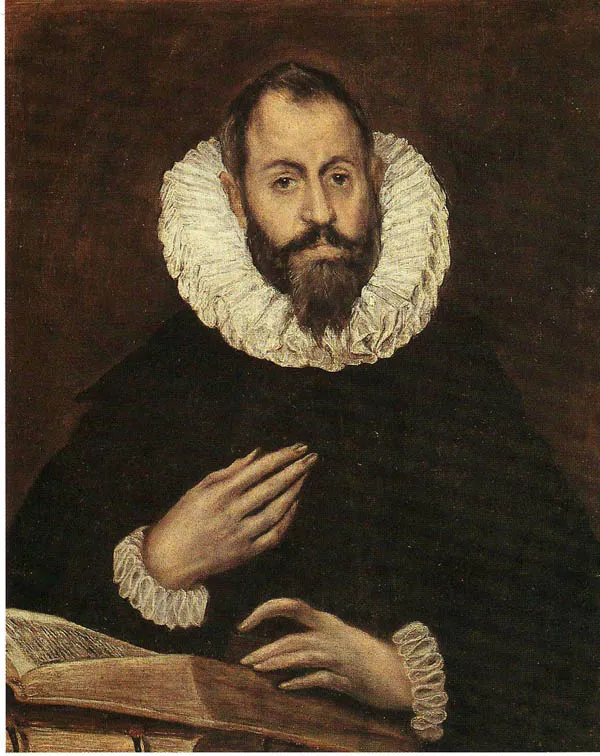
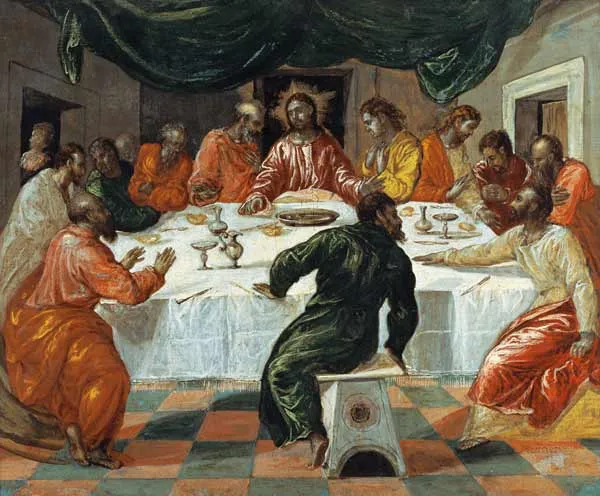
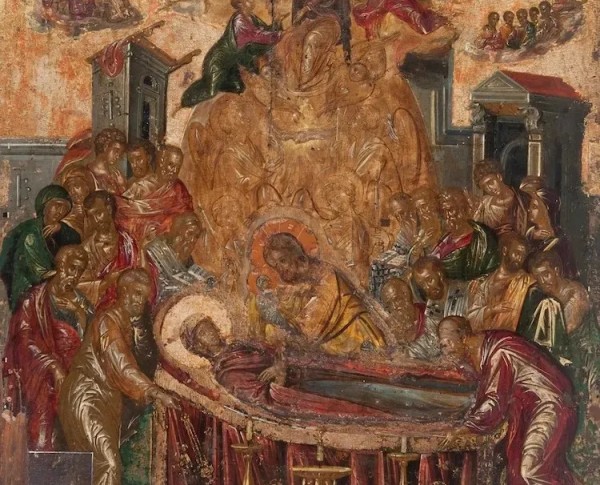
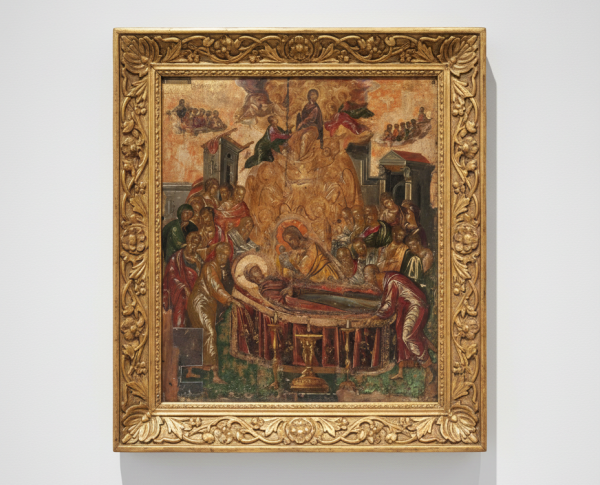
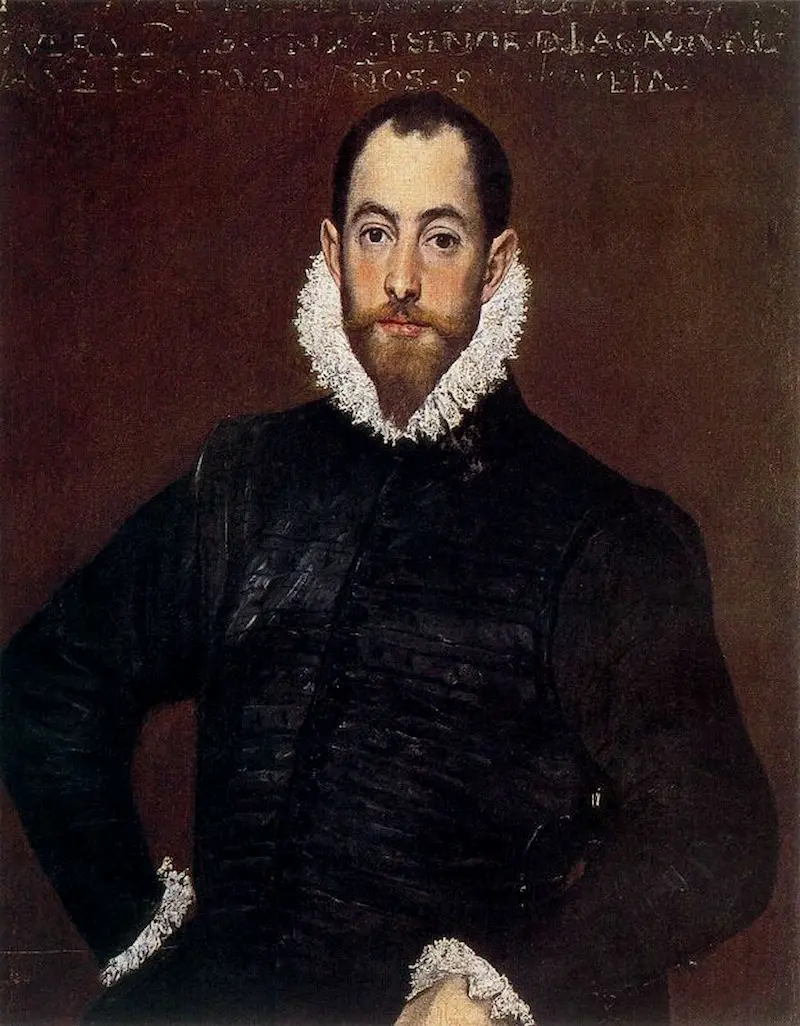
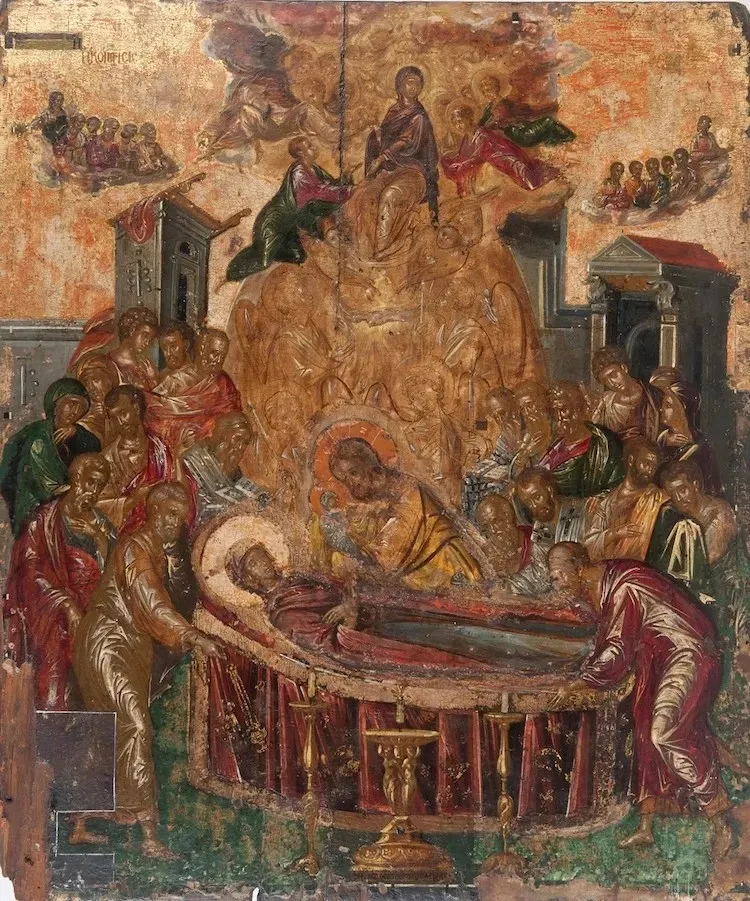
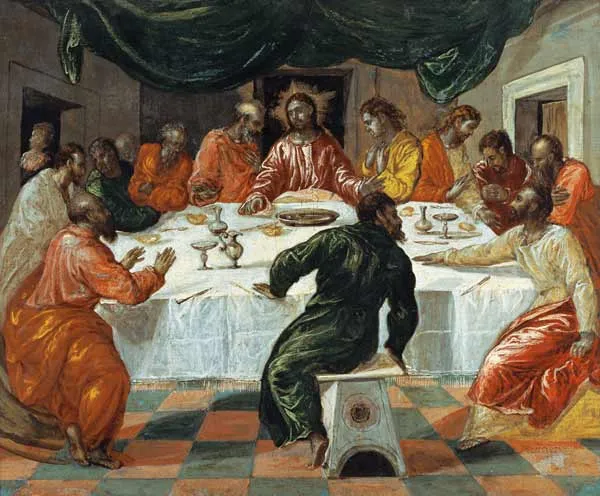
"Portrait of a Gentleman from the Casa de Leiva" is a remarkable hand-painted oil painting by Doménikos Theotokópoulos, better known as El Greco. As a key figure in the Mannerism movement, Theotokópoulos infused his works with dramatic emotion and distinct style. This painting stands alongside masterpieces like "The Last Supper" and "Dormition of the Virgin," making it a must-see for art enthusiasts seeking the enduring legacy of fine art painting for sale.
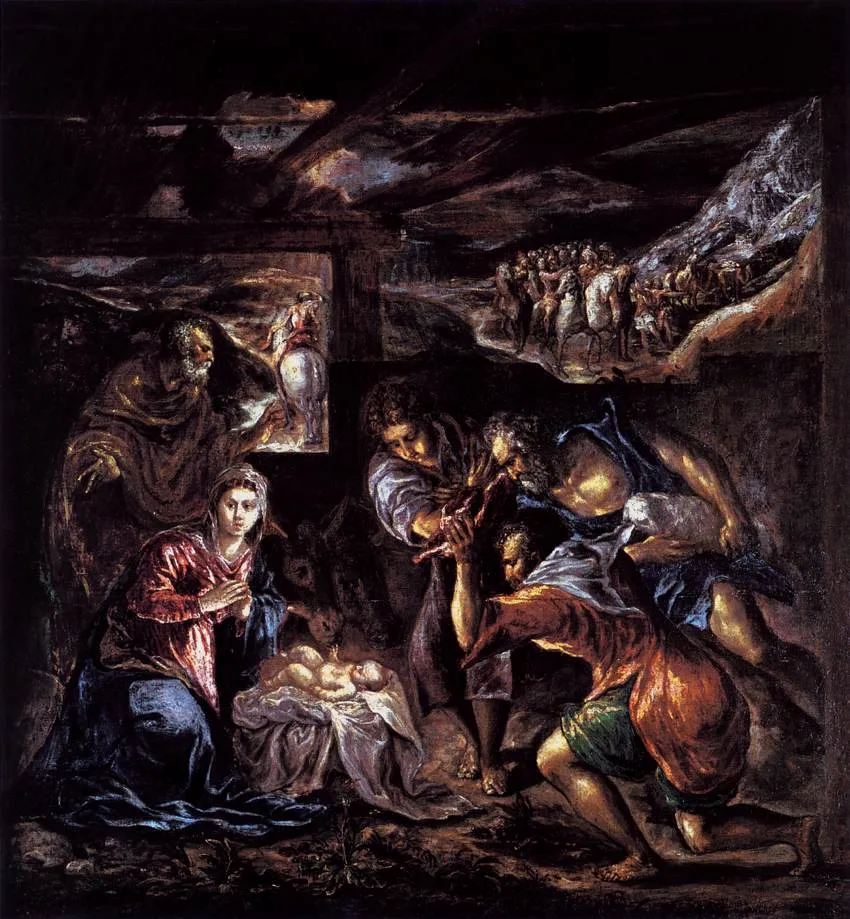
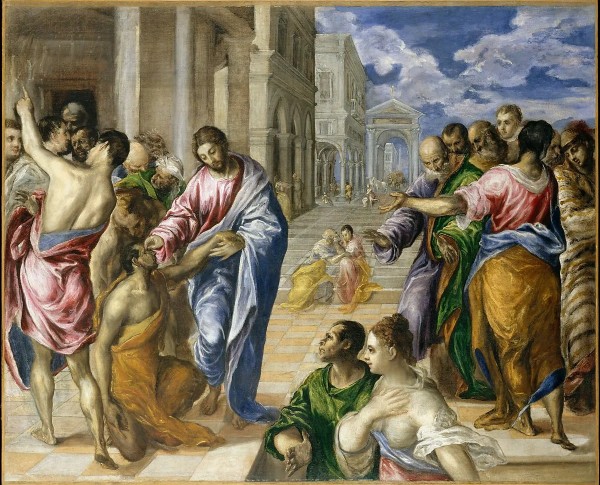
Doménikos Theotokópoulos exhibited exceptional technique in "Portrait of a Gentleman from the Casa de Leiva," an exquisite example of oil on canvas artistry. His mastery is evident in the expressive brushwork and elongated forms characteristic of Mannerism. Collectors and fans of El Greco’s work may also appreciate related products such as "Adoration of the Shepherds" and "Christ driving the traders from the temple," which showcase his innovative approach to fine art painting for sale.
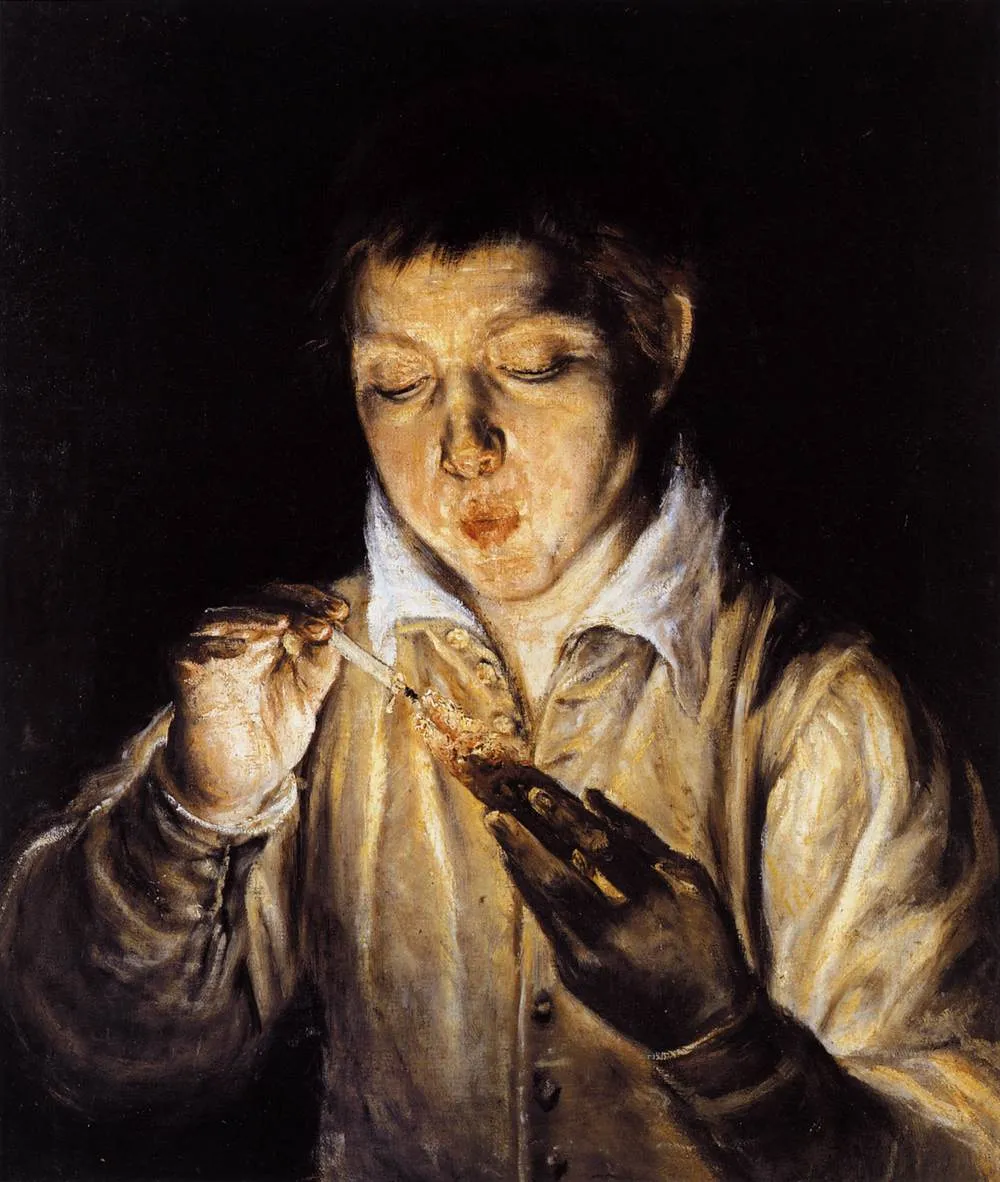
This hand-painted oil painting captures not just the likeness, but the soul of its subject, reflecting the introspective qualities typical of the Mannerism movement. Doménikos Theotokópoulos often embedded subtle symbols and narratives, as seen here and in works like "A boy blowing on an ember to light a candle." Each detail in "Portrait of a Gentleman from the Casa de Leiva" invites viewers to delve deeper into the story behind the canvas, enhancing its value as a fine art painting for sale.
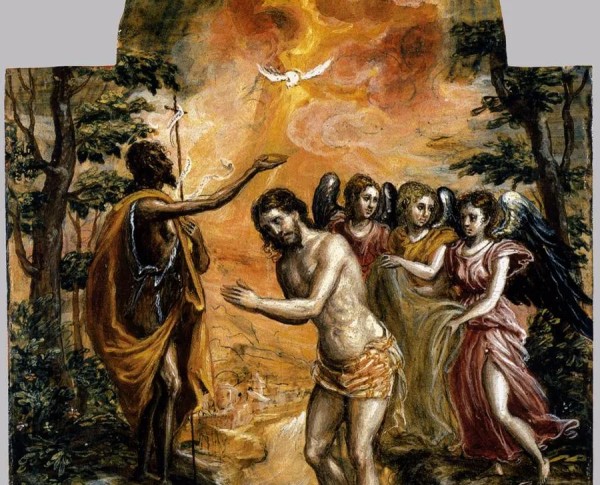
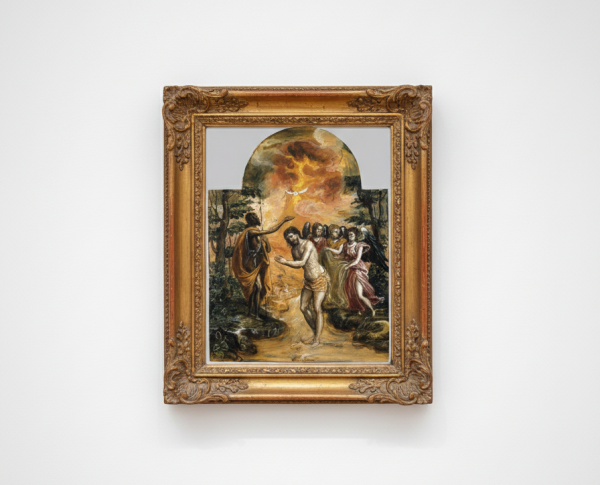
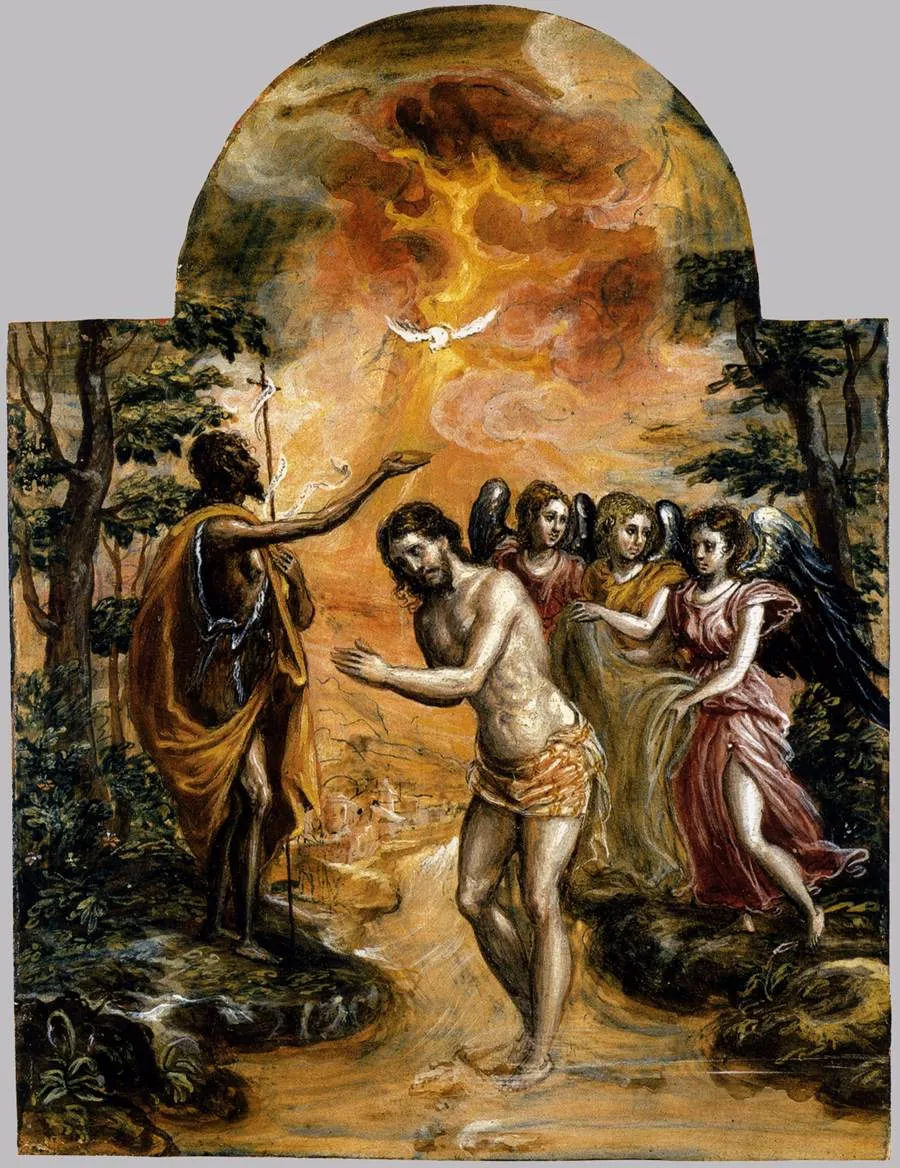
For art collectors, "Portrait of a Gentleman from the Casa de Leiva" by Doménikos Theotokópoulos represents a prized oil on canvas addition. Its historical significance within the Mannerism movement and connection to masterpieces like "Baptism of Christ" make it a coveted fine art painting for sale. Owning such a piece not only brings beauty into your space but also connects you to the rich legacy of El Greco and his timeless artistry.
When Art Meets History
"Portrait of a Gentleman from the Casa de Leiva" by Doménikos Theotokópoulos, also known as El Greco, stands as a testament to the Mannerism movement. This hand-painted oil painting captures the elegance and stature of its subject, reflecting the social and cultural nuances of its era. El Greco’s mastery is evident, linking this portrait to other significant works of the period. The painting’s historical significance makes it a prized example for anyone seeking to understand Renaissance portraiture.
Techniques That Speak
El Greco’s use of oil on canvas in "Portrait of a Gentleman from the Casa de Leiva" demonstrates his unique approach to color, light, and form. The painting’s elongated features and dramatic contrasts exemplify the Mannerism movement, setting it apart from other traditional portraits. With every brushstroke, El Greco brings the sitter to life, echoing techniques seen in his related works. Such mastery of oil on canvas continues to inspire artists and collectors alike.
Emotions on Display
In this fine art painting for sale, El Greco reveals a depth of emotion rarely matched by his contemporaries. The "Portrait of a Gentleman from the Casa de Leiva" captures a subtle introspection and dignity, hallmarks of the Mannerism movement. Through expressive eyes and delicate brushwork, the artist conveys both vulnerability and strength. Similar emotional intensity can be observed in El Greco’s related paintings, making his portraits enduring expressions of human experience.
Coveted by Collectors
Collectors and art enthusiasts highly value "Portrait of a Gentleman from the Casa de Leiva" for its historical and artistic significance. As a hand-painted oil painting by the renowned Doménikos Theotokópoulos, it embodies the spirit of the Mannerism movement. Its rarity and connection to other El Greco masterpieces make it a standout piece for any fine art collection. The demand for such works underscores their timeless appeal and investment potential in the art market.
Frequently Asked Questions About Portrait of a Gentleman from the Casa de Leiva
Who is the artist of the painting "Portrait of a Gentleman from the Casa de Leiva"?
The painting was created by the renowned artist Doménikos Theotokópoulos, commonly known as El Greco.
What is the historical context of "Portrait of a Gentleman from the Casa de Leiva"?
This portrait was painted during the late 16th century, a time when Spain was experiencing a cultural renaissance, influenced by the Counter-Reformation and the rise of individualism in art.
What are the notable artistic techniques used in this painting?
El Greco employs dramatic use of color, elongated forms, and expressive brushwork, which are hallmark characteristics of his unique style that blends Byzantine and Western artistic traditions.
What does the composition of the painting convey about the subject?
The composition emphasizes the gentleman's stature and presence, using a three-quarter pose and a dark background that highlights the figure's elaborate attire and facial features.
What symbolic elements can be found in "Portrait of a Gentleman from the Casa de Leiva"?
The gentleman's attire, with its rich textures and colors, symbolizes wealth and social status, while his contemplative expression suggests introspection and depth of character.
How does this painting reflect the characteristics of the Spanish Renaissance?
The painting reflects the Spanish Renaissance through its focus on individual identity, the use of light and shadow to create depth, and the integration of religious and secular themes in portraiture.
What is the significance of the gentleman's attire in the painting?
The gentleman's attire is indicative of the fashion of the period, showcasing luxurious fabrics and intricate details that signify his high social standing and the wealth of the Casa de Leiva.
In what ways does "Portrait of a Gentleman from the Casa de Leiva" exemplify El Greco's style?
This work exemplifies El Greco's style through its emotional intensity, the use of vibrant colors, and the elongated proportions of the figure, which convey a sense of spirituality and otherworldliness.
What influence did "Portrait of a Gentleman from the Casa de Leiva" have on later artists?
The painting has influenced later artists by demonstrating the power of portraiture to convey psychological depth and individuality, inspiring movements that prioritize personal expression in art.
How does the painting relate to El Greco's other works?
The painting shares thematic and stylistic similarities with El Greco's other works, particularly in its exploration of identity and the human condition, as well as its distinctive color palette and brushwork.






















_GFM_Painting_(1).webp)


 100% Hand-Painted: Finished in 3-6 Weeks

.png)















_(1).webp)