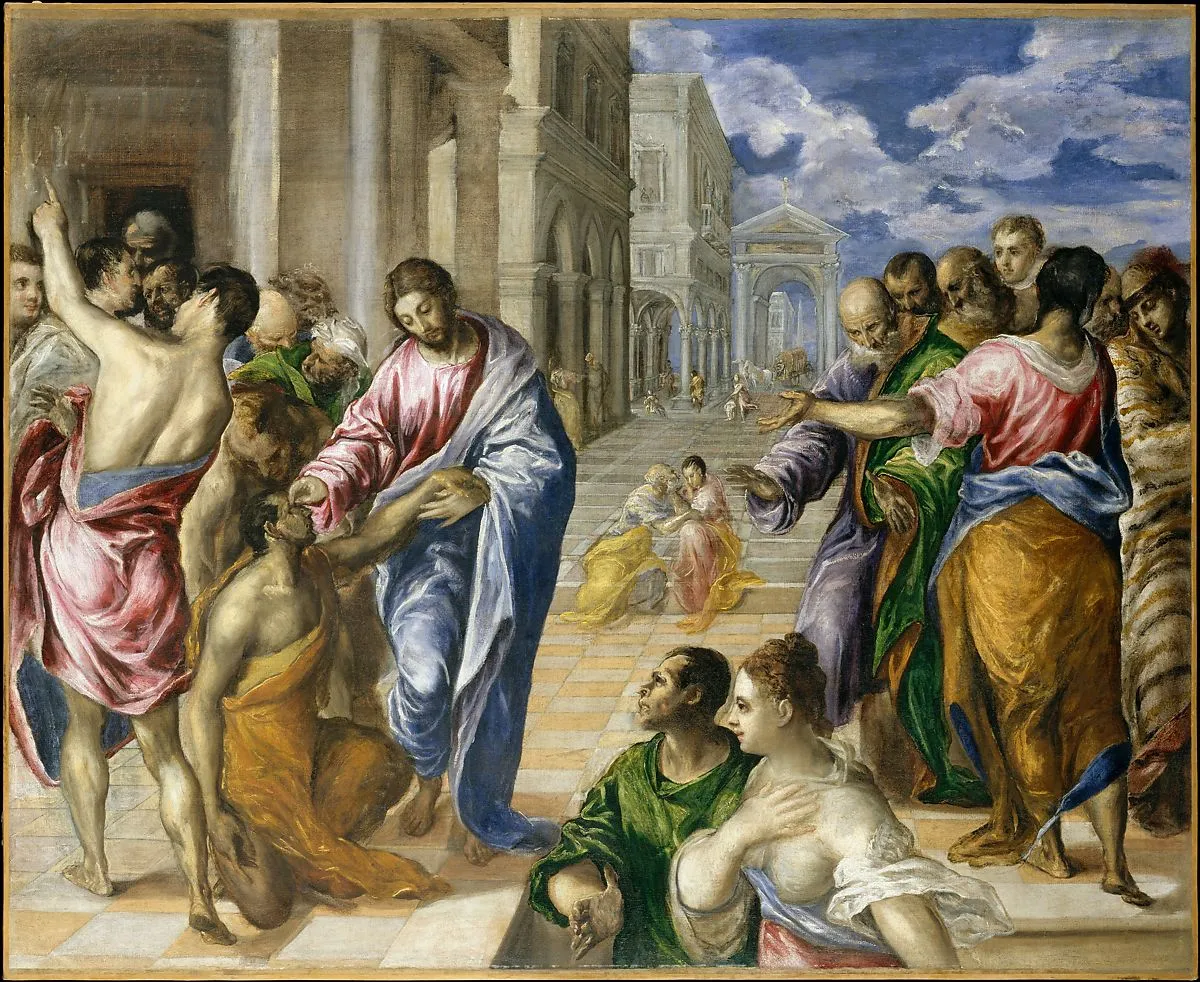
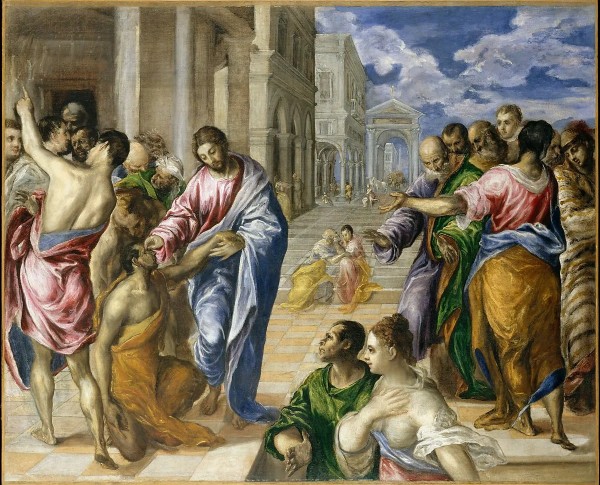
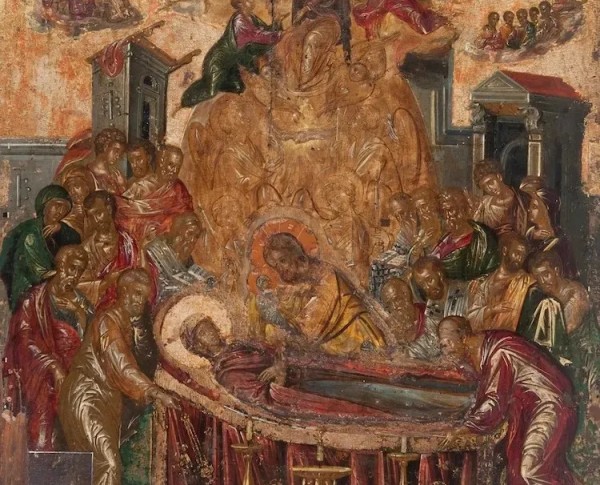
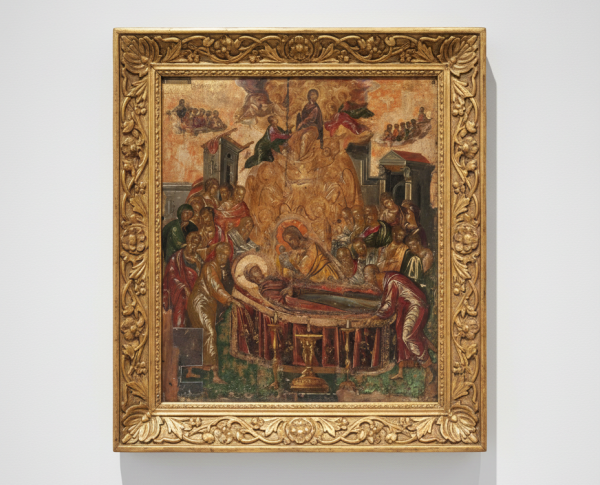
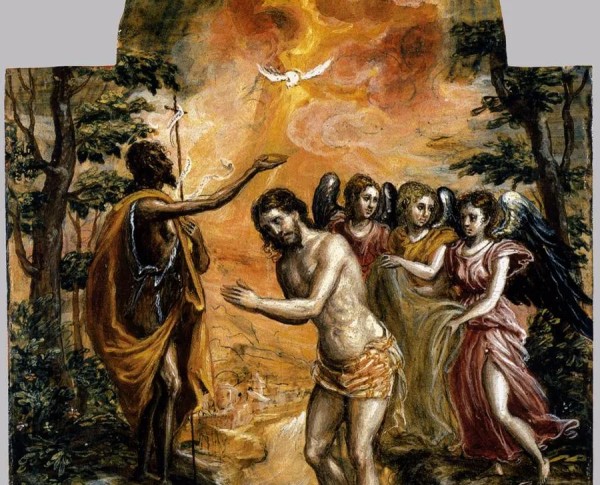
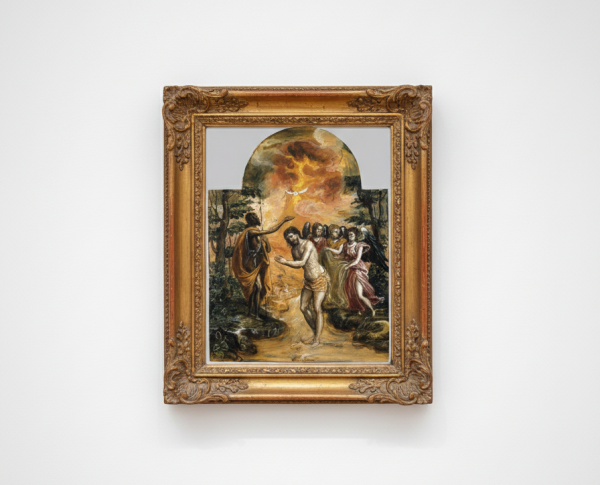
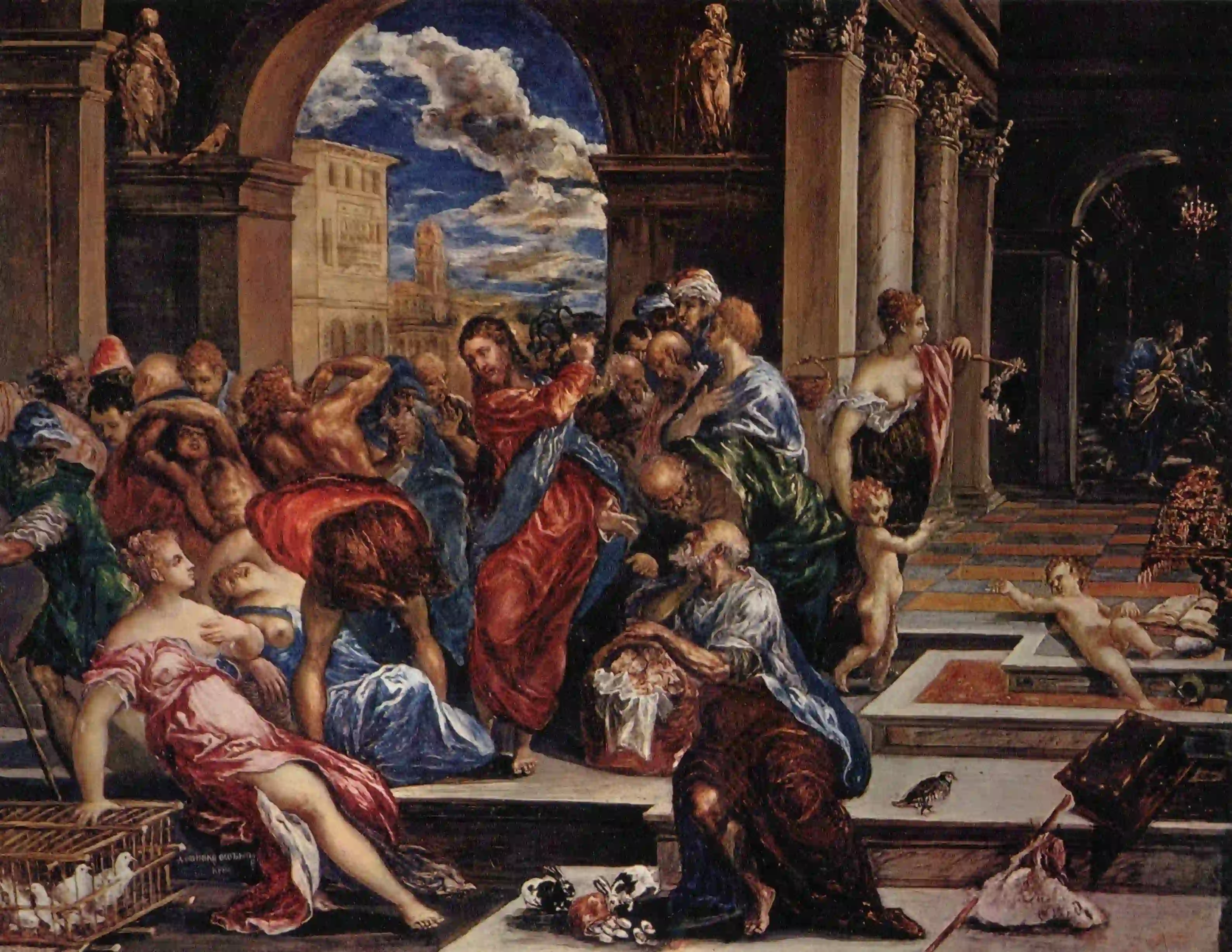
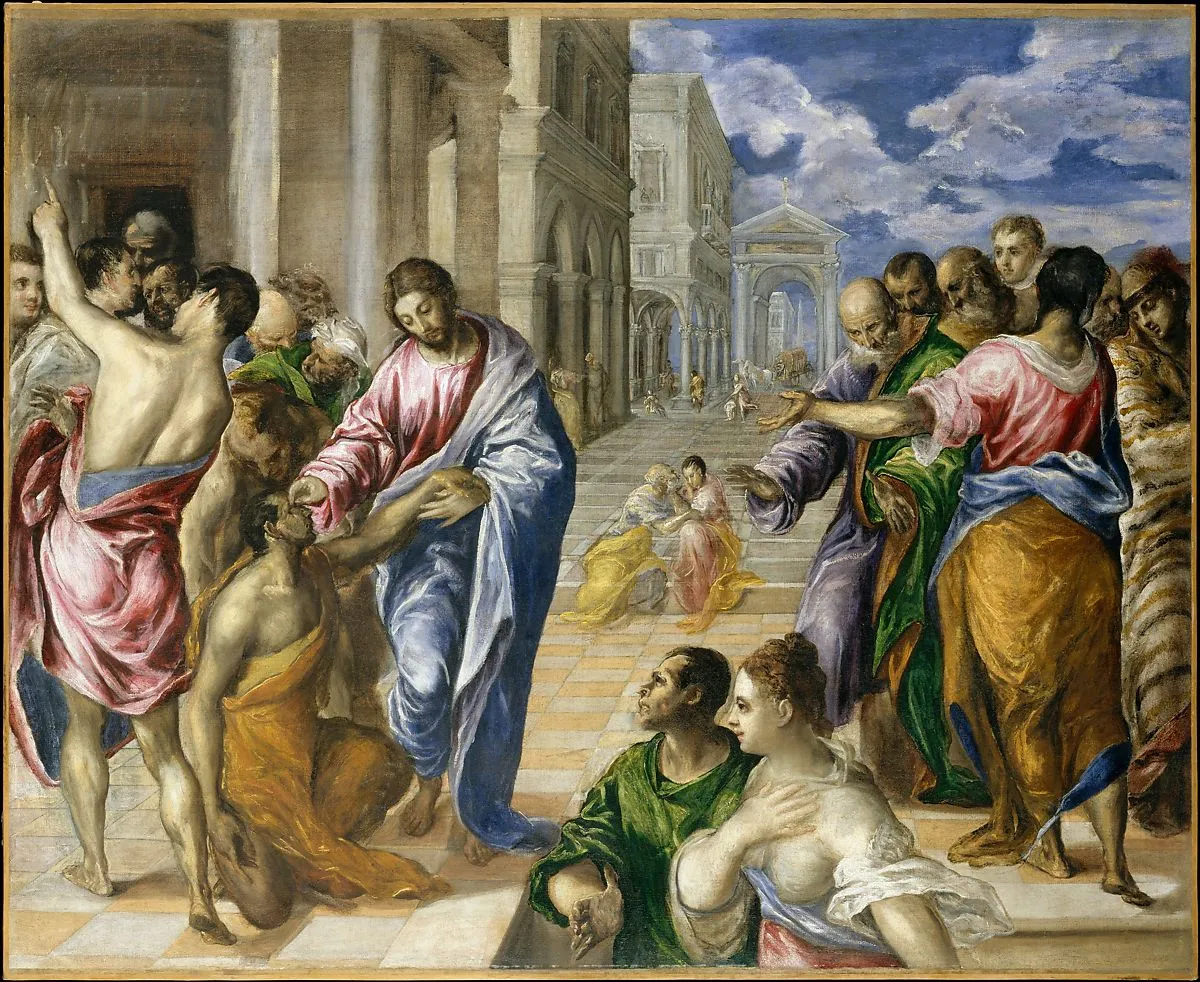
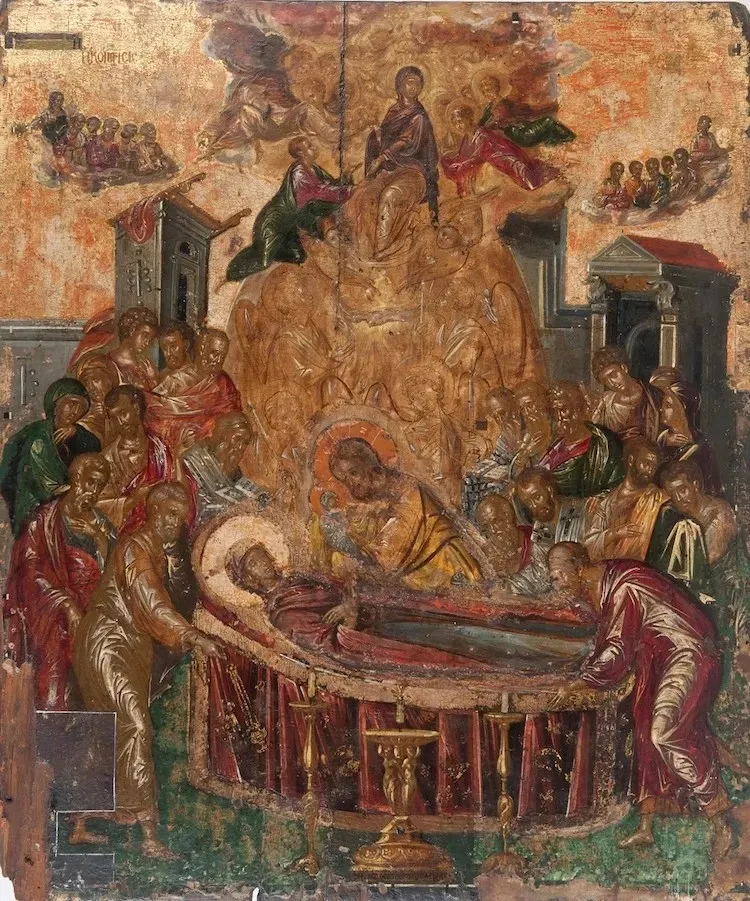
El Greco’s "Christ driving the traders from the temple" demonstrates his unique approach to oil on canvas, with elongated figures and dramatic contrasts of light and color. The Mannerism style is evident in every brushstroke, showcasing the artist’s mastery. Collectors of fine art often admire related works like "Christ healing the blind man" and "Dormition of the Virgin" for their similar technical brilliance and emotive power, making them highly sought-after pieces in the art world.
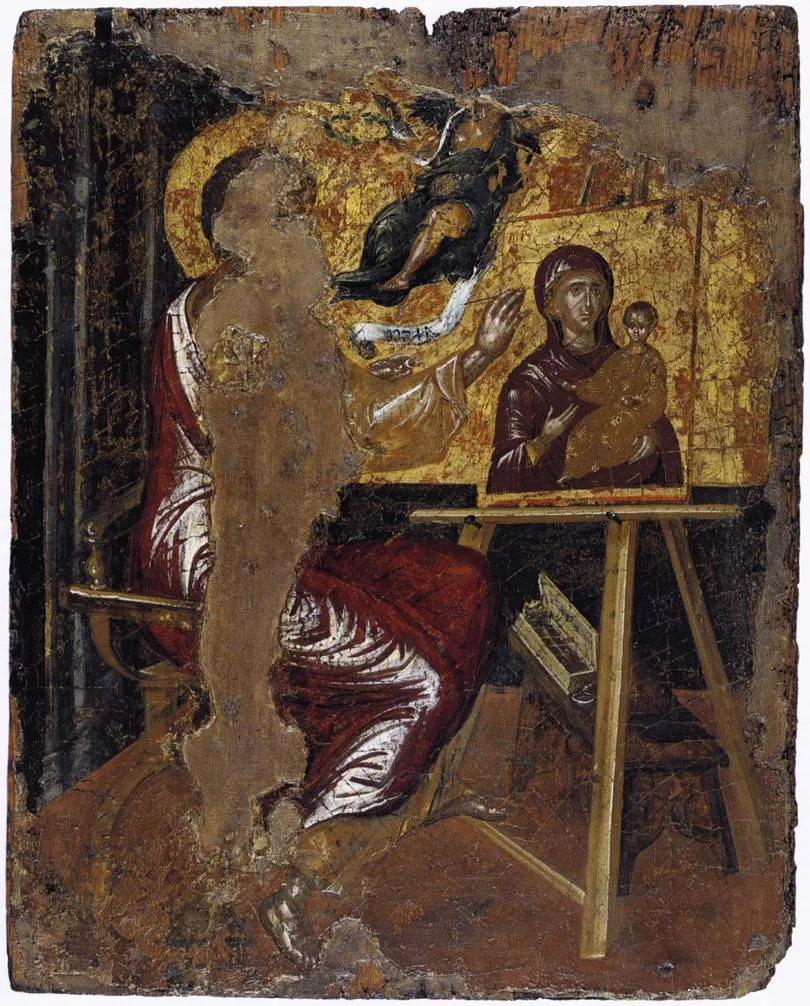
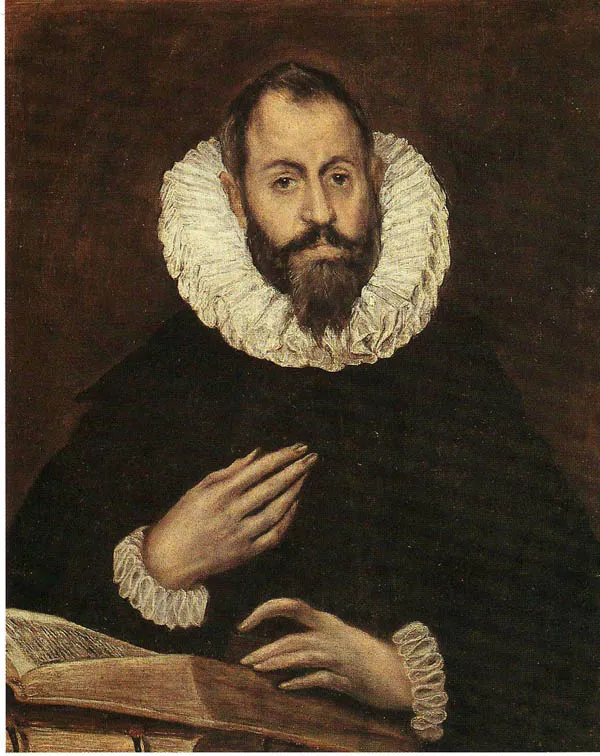
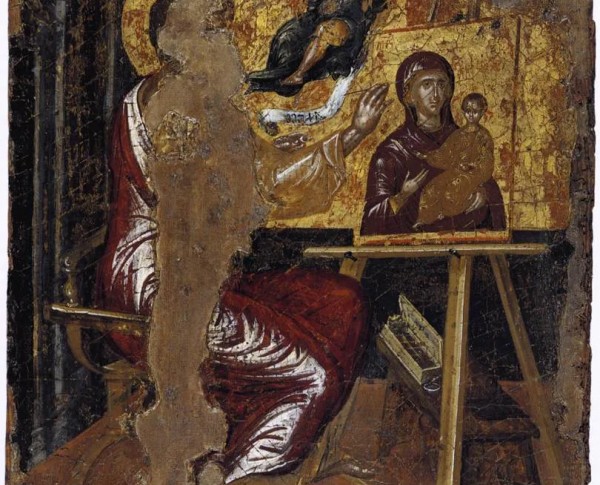
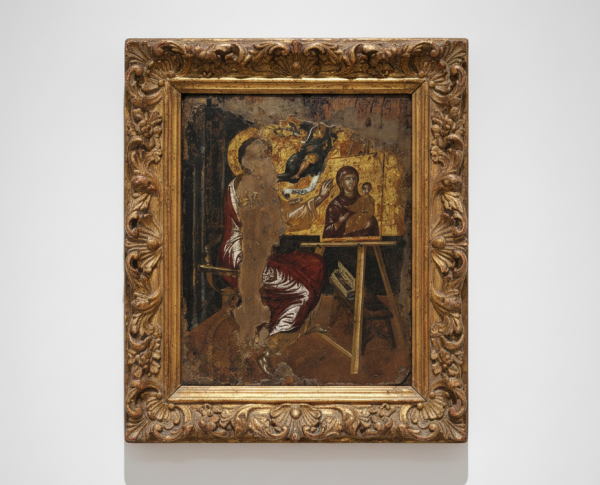
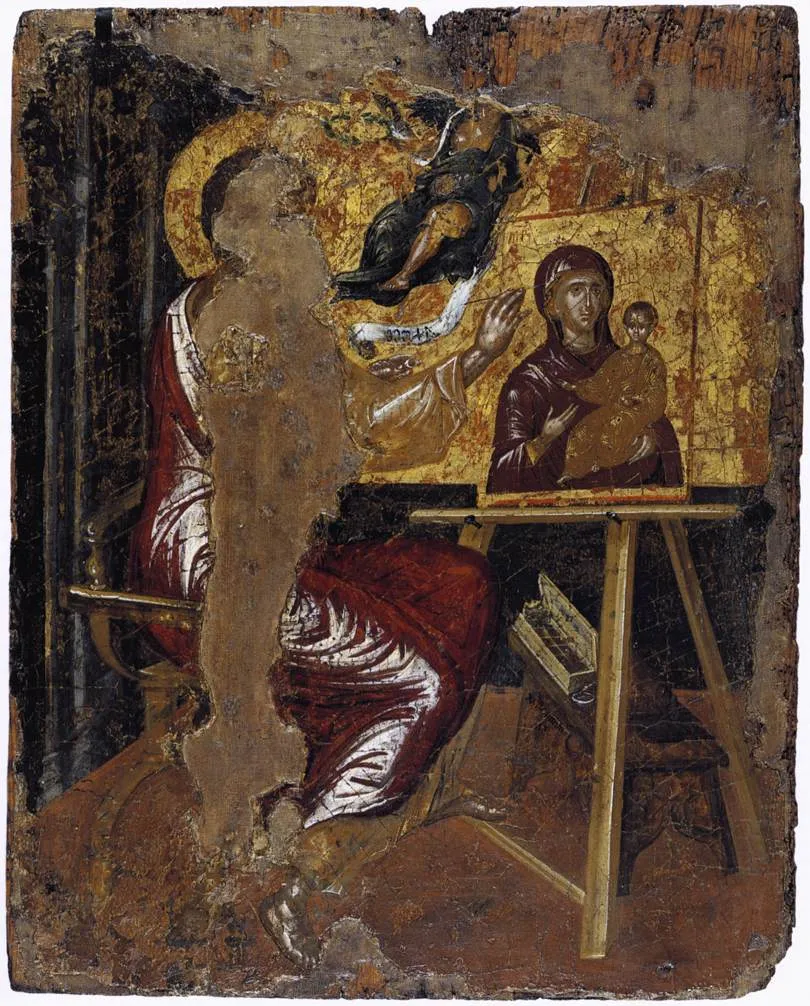
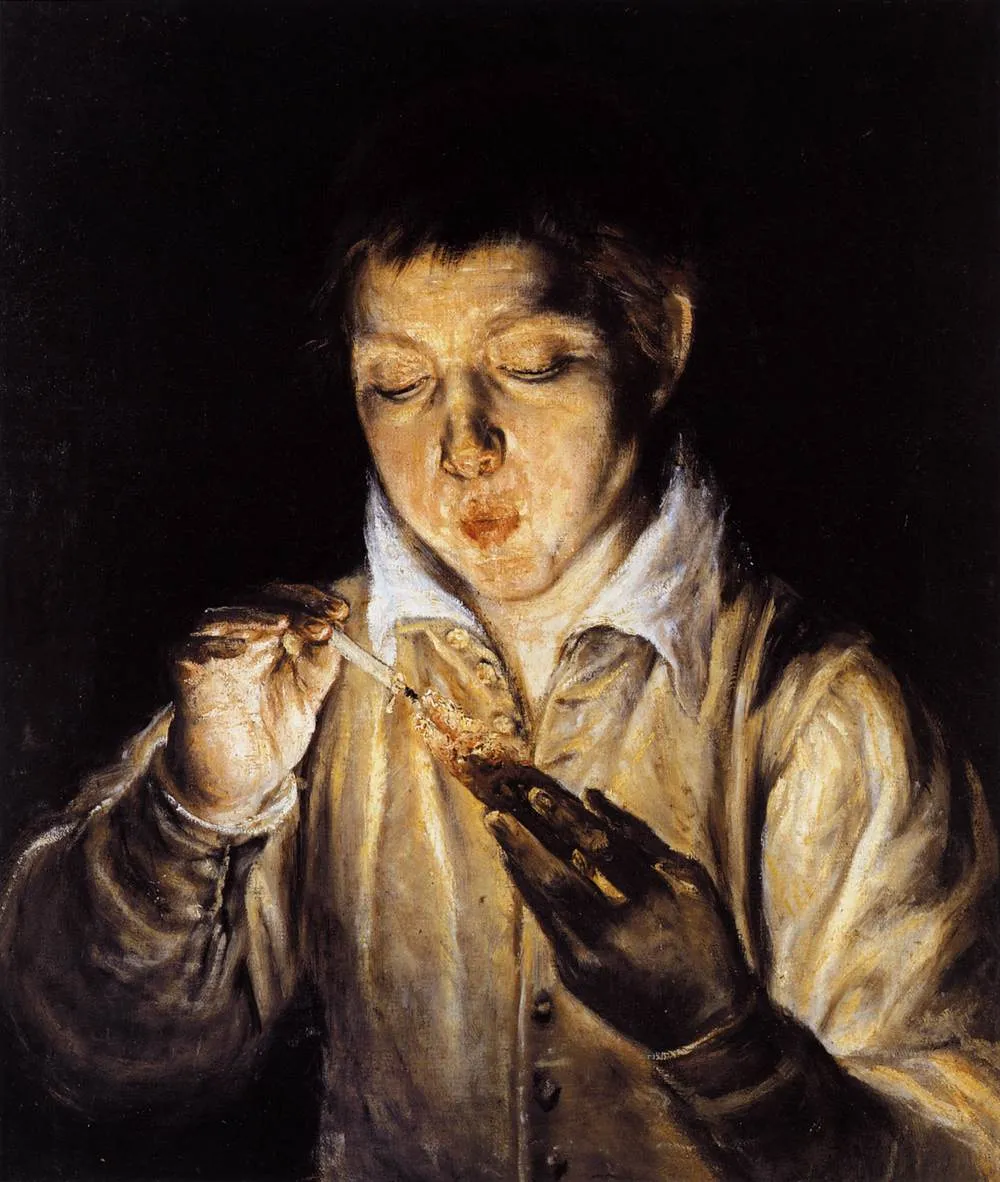
This fine art painting for sale is rich with narrative and symbolism, portraying the moment Christ expels the money changers from the temple. Doménikos Theotokópoulos infuses each character with emotion, a hallmark of the Mannerism movement. Like "St. Luke painting the Virgin" and "A boy blowing on an ember to light a candle," this piece invites viewers to explore layered meanings, making it an essential addition to any collection of spiritual and historical art.
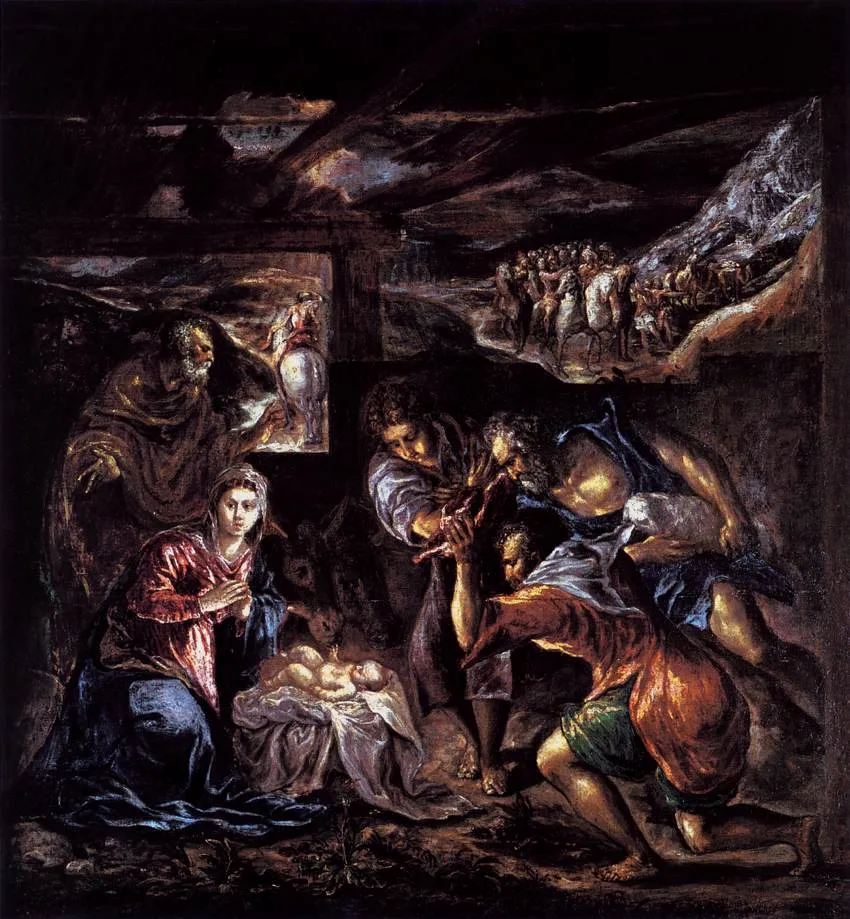
Owning "Christ driving the traders from the temple" means possessing a true masterpiece of oil on canvas from Doménikos Theotokópoulos. This hand-painted oil painting stands alongside related products like "Adoration of the Shepherds" and "Dormition of the Virgin" as a testament to the enduring appeal of the Mannerism movement. Collectors value such treasures for their historical significance and the unique vision that El Greco brought to the world of fine art.
When Art Meets History
"Christ driving the traders from the temple" by Doménikos Theotokópoulos, better known as El Greco, is a masterpiece of the Mannerism movement. This hand-painted oil painting vividly captures a pivotal biblical moment, reflecting both spiritual fervor and historical context. El Greco’s unique approach distinguishes this scene from other works of the era, making it a significant piece in the world of religious art. Collectors and enthusiasts alike value such masterpieces for their historical and cultural resonance.
Techniques That Speak
El Greco’s "Christ driving the traders from the temple" demonstrates the artist’s mastery of oil on canvas, characterized by elongated figures and dramatic contrasts of light and shadow. The painting’s dynamic composition and intense color palette are hallmarks of the Mannerism movement. These techniques create a sense of movement and urgency, drawing viewers into the unfolding drama. El Greco’s innovative style set his works apart from contemporaries, solidifying his legacy in art history.
Emotions on Display
The emotional intensity in "Christ driving the traders from the temple" is unmistakable, with Christ’s commanding presence confronting chaos. This fine art painting for sale evokes a powerful response, inviting viewers to reflect on themes of justice and morality. El Greco’s expressive brushwork and bold use of color heighten the emotional stakes, a signature of the Mannerism movement. Such emotive qualities make this painting a treasured piece for art lovers worldwide.
Coveted by Collectors
Collectors highly prize "Christ driving the traders from the temple" for its masterful execution and historical significance. As a hand-painted oil painting by Doménikos Theotokópoulos, it stands as a testament to the enduring appeal of Mannerist art. The painting’s unique interpretation of a well-known biblical event ensures its place among the most sought-after works. Its rarity and artistic value make it a highlight in any fine art collection, attracting interest from museums and private collectors alike.
Frequently Asked Questions About Christ driving the traders from the temple
What is the historical context of "Christ driving the traders from the temple"?
This painting reflects the biblical event described in the Gospels, where Jesus expels merchants and money changers from the Temple in Jerusalem, symbolizing the purification of sacred spaces. The event is often interpreted as a critique of commercialism in religious practices.
Who was Doménikos Theotokópoulos, and what is his significance in art history?
Doménikos Theotokópoulos, commonly known as El Greco, was a Greek painter, sculptor, and architect who became a prominent figure in the Spanish Renaissance. His unique style, characterized by elongated figures and dramatic use of color, influenced the development of modern art.
What artistic techniques did El Greco employ in this painting?
El Greco utilized a combination of bold brushwork, vibrant color palettes, and dramatic lighting to convey emotion and movement. His use of elongated forms and expressive facial features enhances the spiritual intensity of the scene.
What are the main themes represented in "Christ driving the traders from the temple"?
The painting explores themes of divine authority, moral integrity, and the sanctity of religious spaces. It emphasizes the conflict between spirituality and materialism, highlighting the necessity of maintaining purity in worship.
How does El Greco's interpretation of this biblical event differ from other artists?
El Greco's interpretation is marked by a heightened emotionality and spiritual fervor, distinguishing it from more traditional representations. His focus on the psychological aspects of the figures and the dramatic composition creates a sense of urgency and intensity.
What symbolism is present in the figures and objects depicted in the painting?
The figures of the traders symbolize greed and corruption, while Christ represents divine justice and authority. The act of driving them out signifies the rejection of materialism in favor of spiritual devotion, reinforcing the painting's moral message.
What influences can be seen in El Greco's style in this work?
El Greco's style reflects influences from Byzantine art, Venetian colorism, and Mannerism. His unique blend of these elements results in a distinctive approach that emphasizes emotional expression and spiritual themes.
What is the significance of the setting in the painting?
The setting, the Temple of Jerusalem, is significant as it represents the heart of Jewish worship and the place of divine presence. By depicting this sacred space, El Greco underscores the importance of reverence and purity in religious practice.
How does the composition of the painting contribute to its overall impact?
The dynamic composition, with Christ at the center and the traders in disarray, draws the viewer's eye and creates a sense of movement. The diagonal lines and contrasting colors enhance the drama of the scene, making the viewer feel the tension of the moment.
In what ways has "Christ driving the traders from the temple" influenced modern interpretations of religious art?
This painting has influenced modern interpretations by encouraging artists to explore themes of spirituality, moral conflict, and the critique of societal norms. El Greco's emotive style and focus on the human experience continue to resonate with contemporary audiences and artists alike.






















_GFM_Painting_(1).webp)


 100% Hand-Painted: Finished in 3-6 Weeks

.png)















_(1).webp)